
Hout Bay
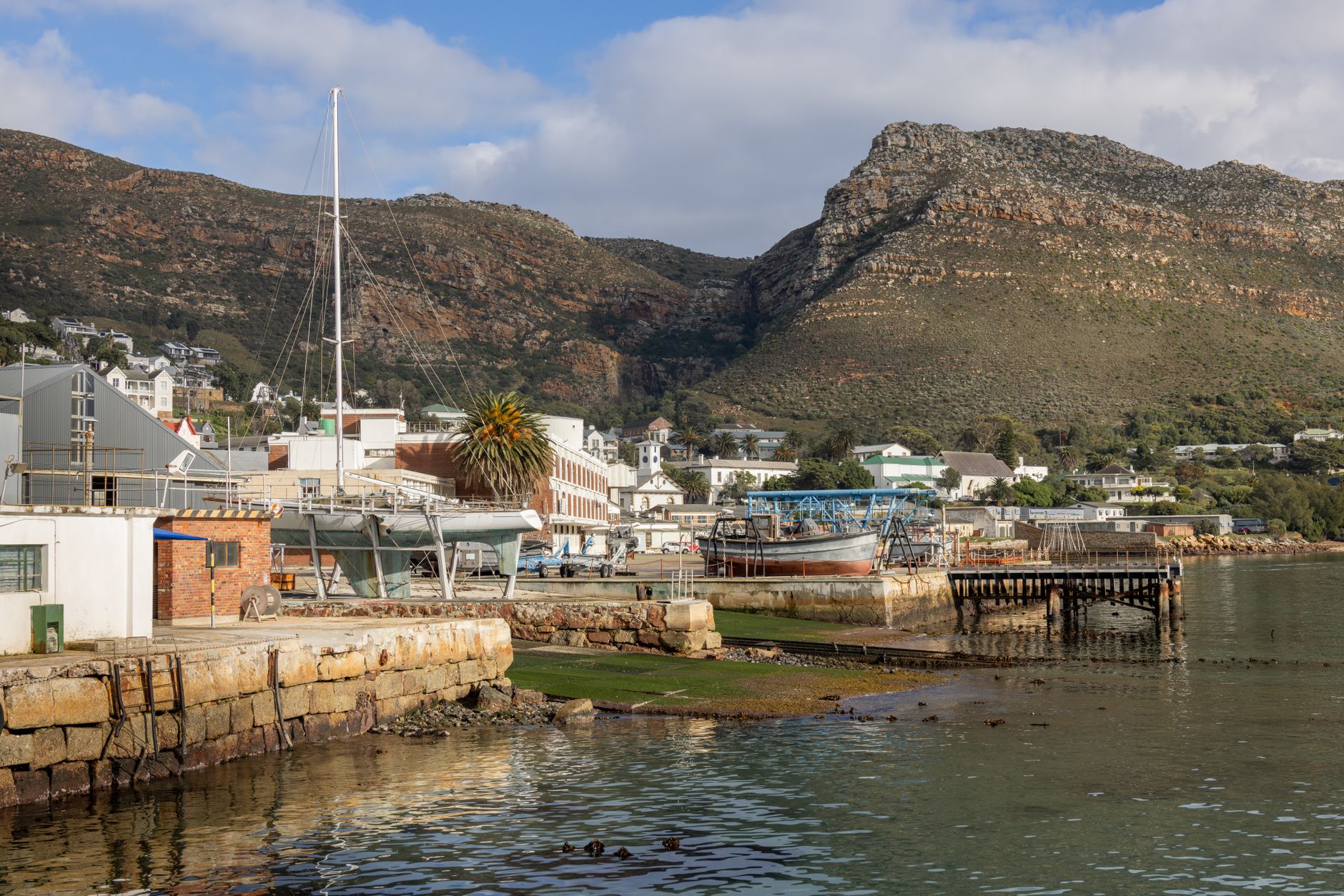
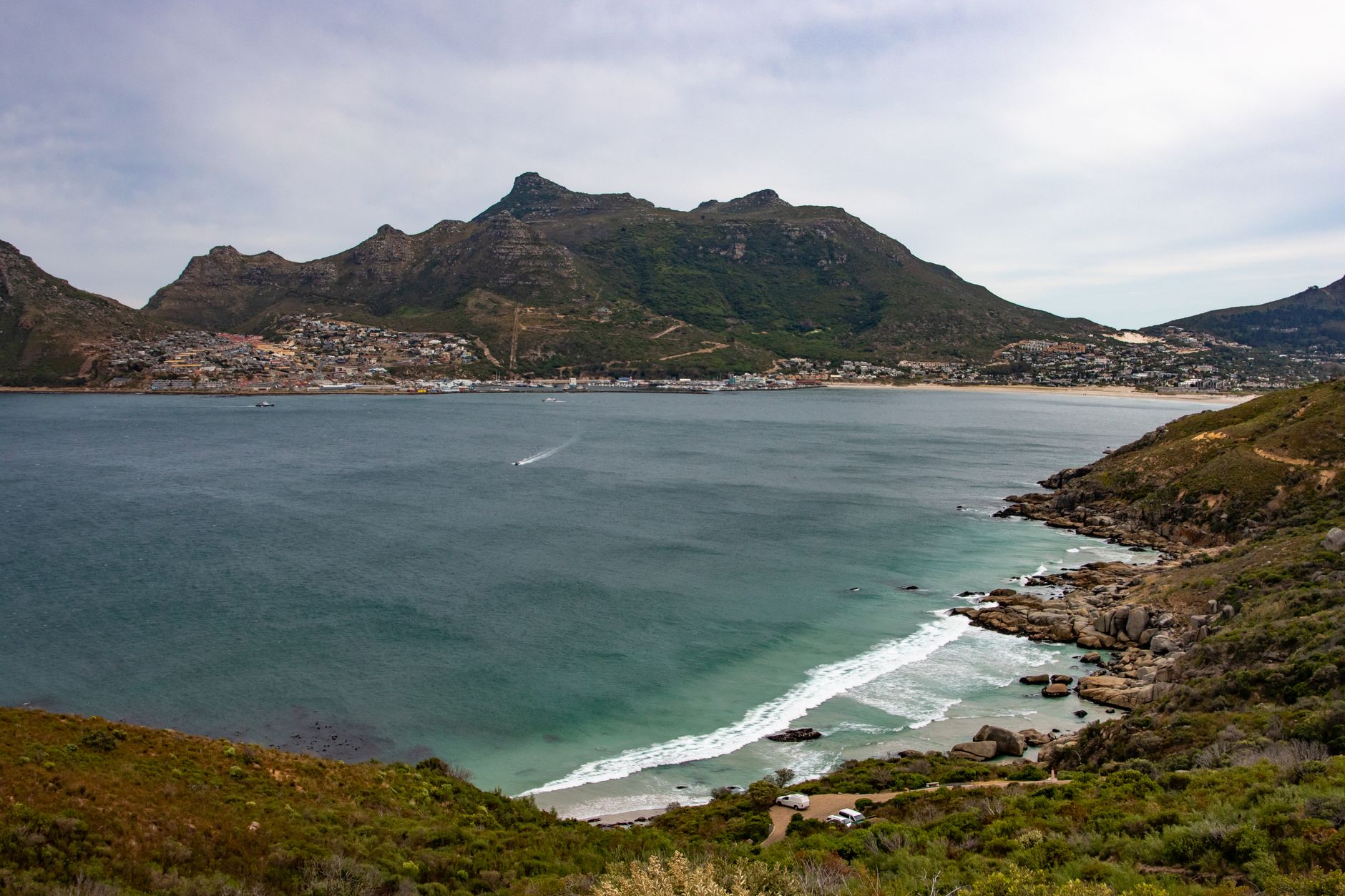
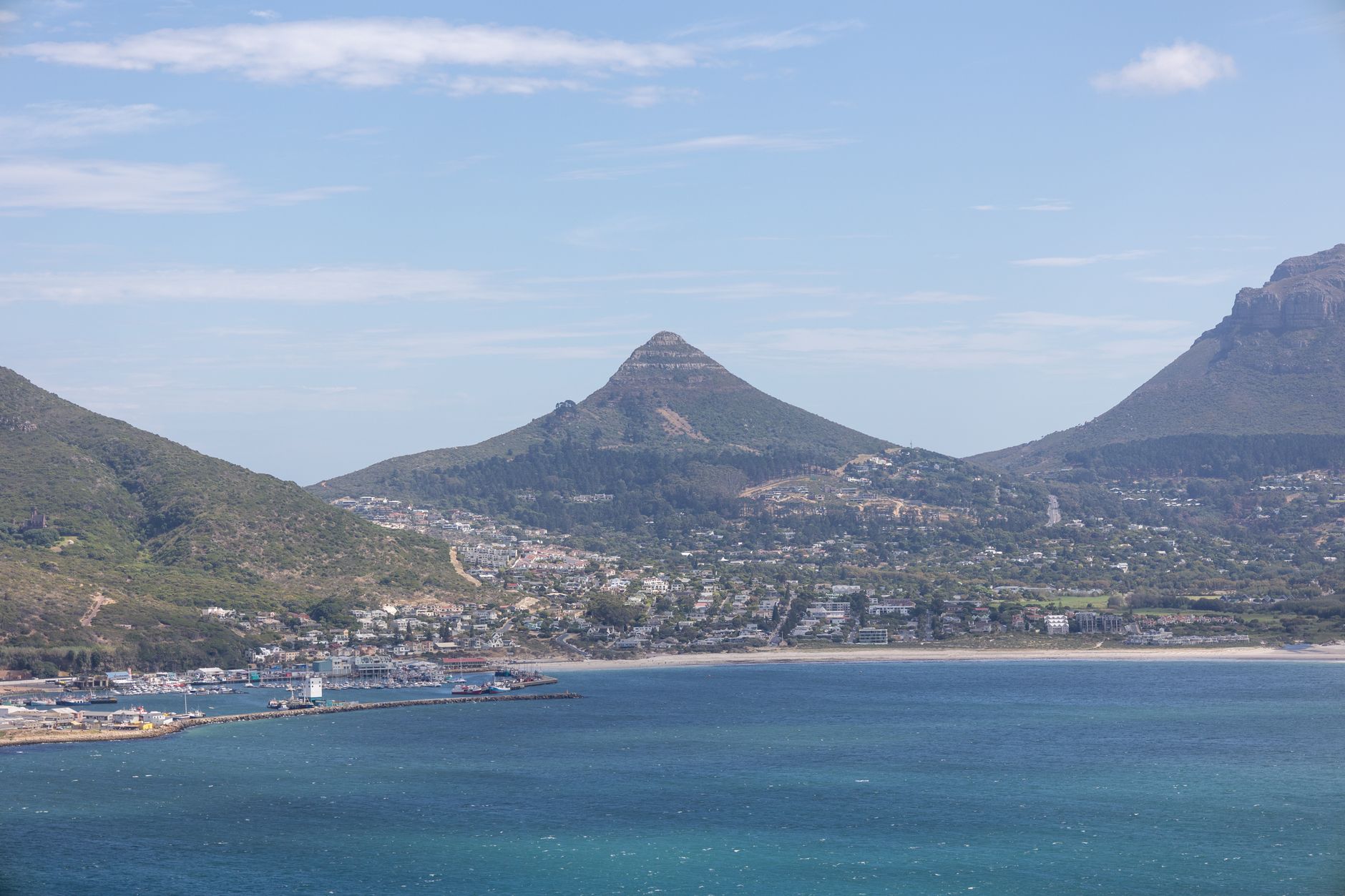
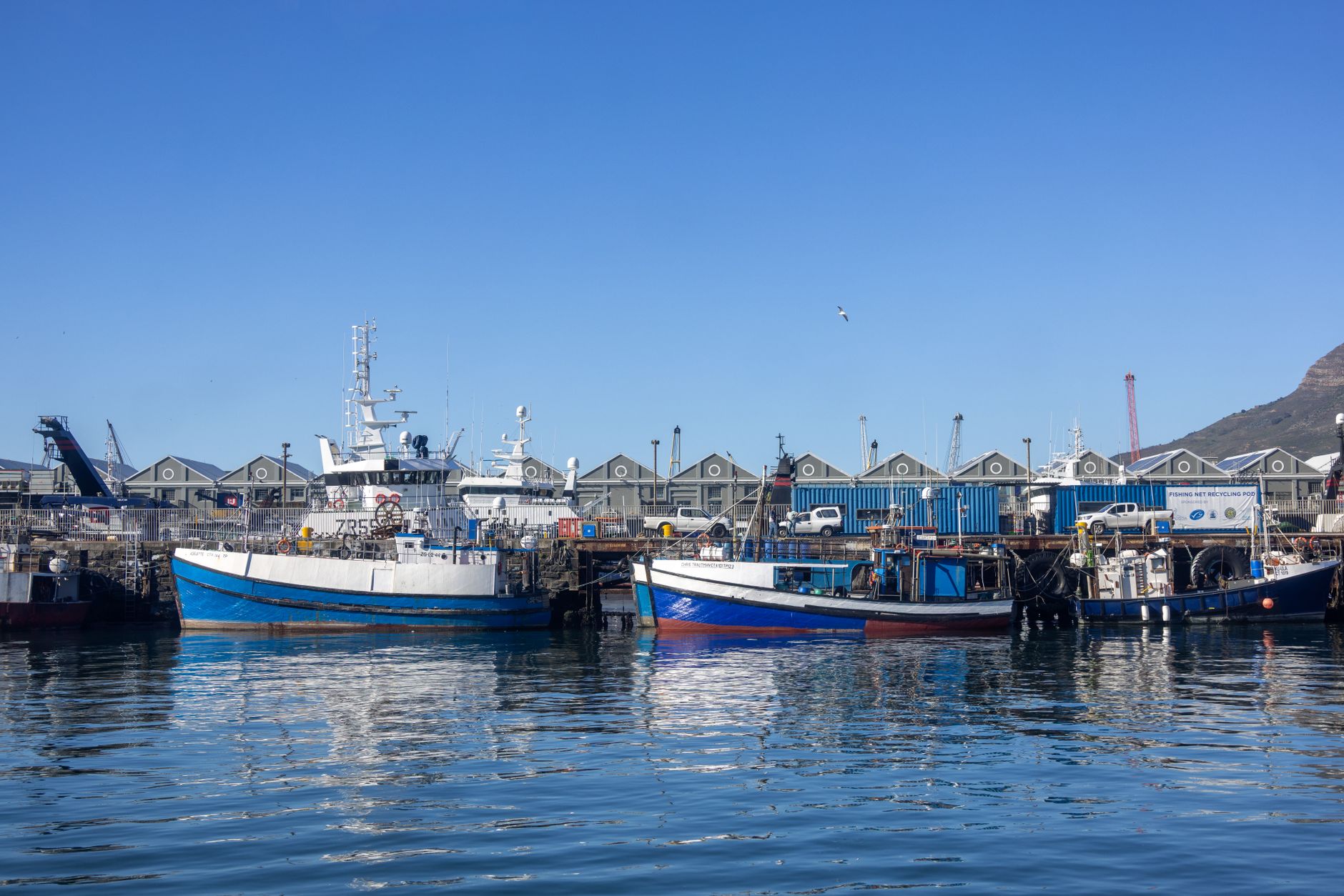
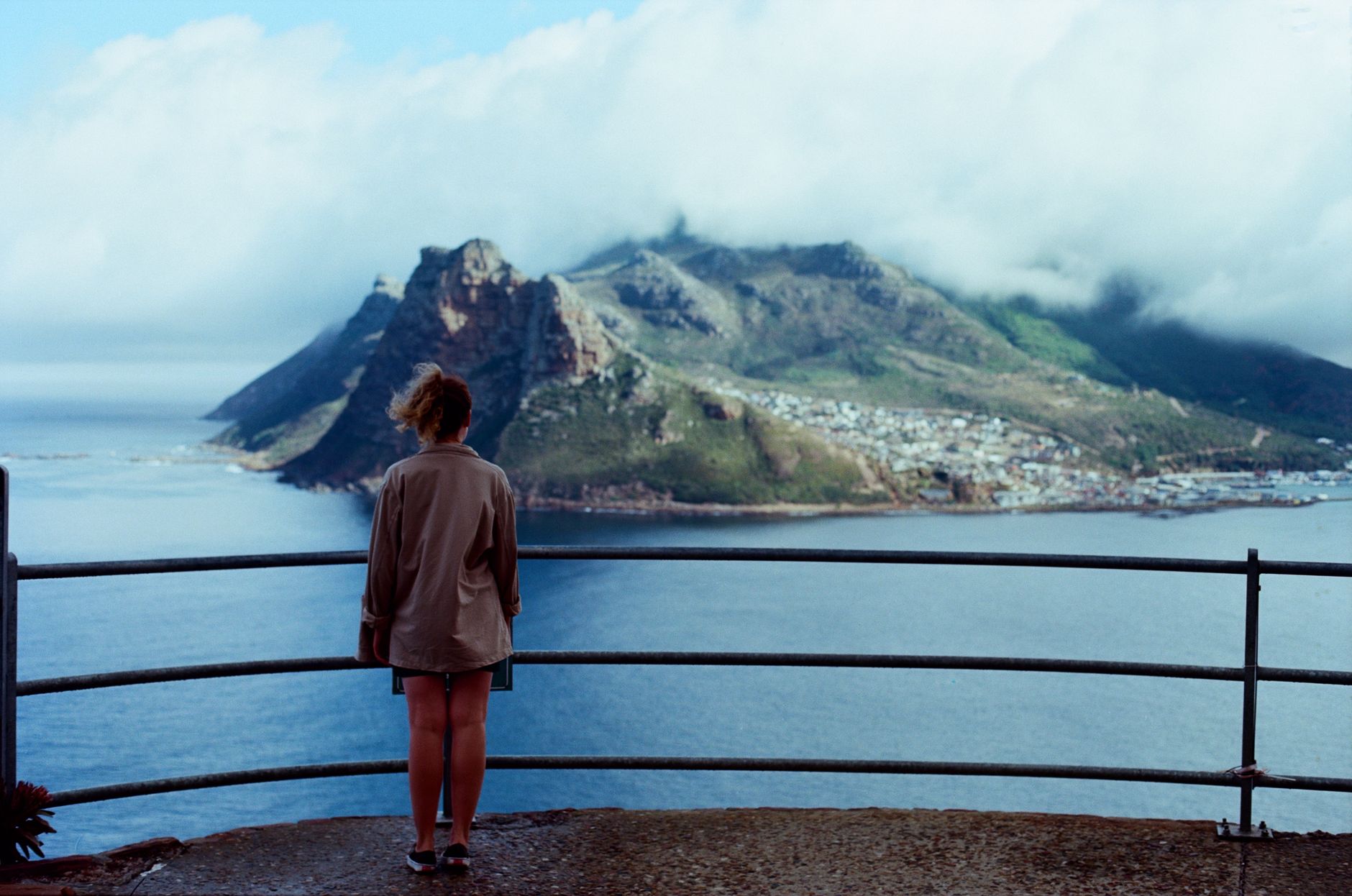
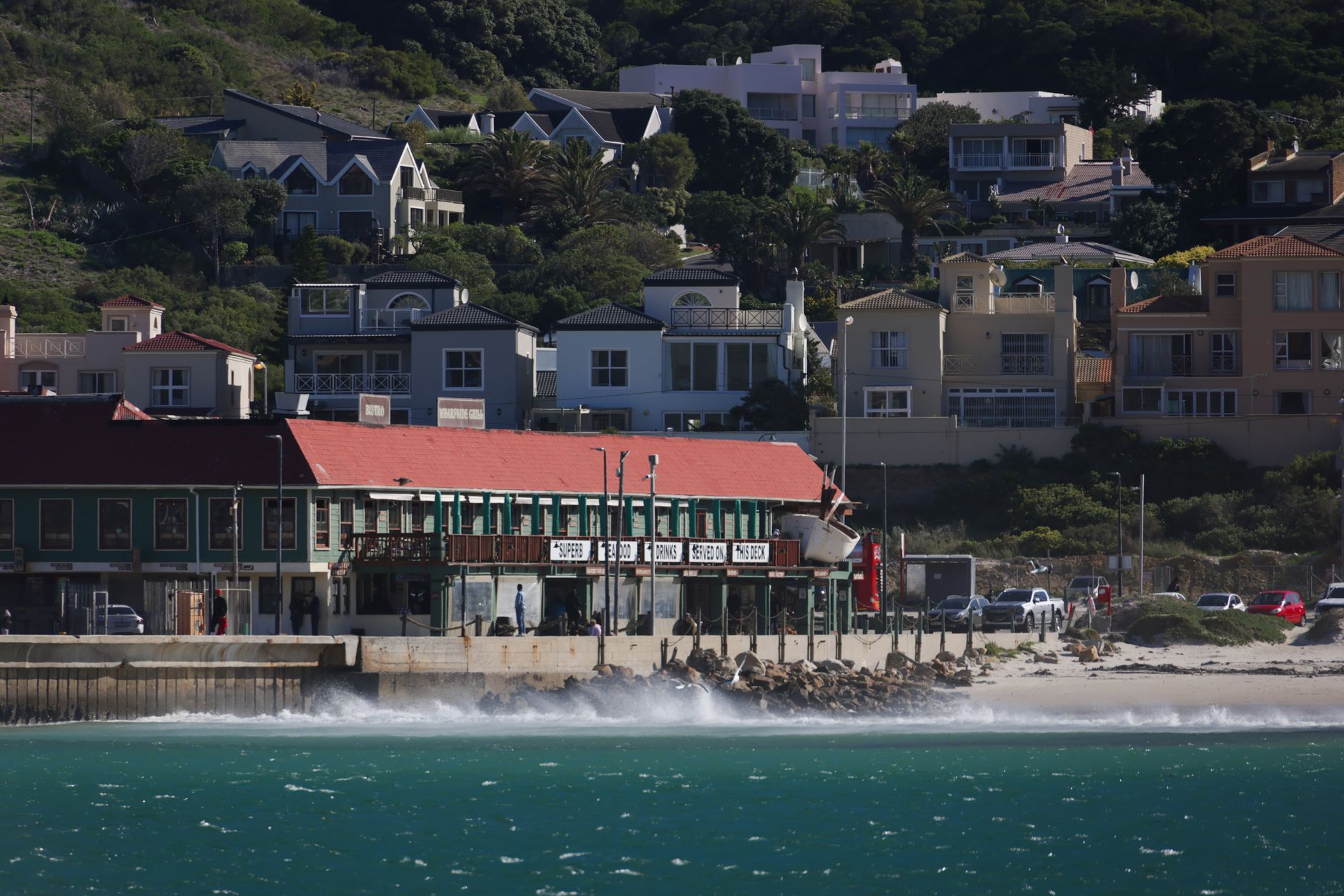
Every morning, fishing trawlers come back into Hout Bay harbour with their catch, and if you time it right you can buy directly off the boats before the fish shops open. That rhythm — working harbour, mountain behind, Atlantic in front — is what separates Hout Bay from Cape Town's more polished edges. The bay is broad and cold and serious about its industry.
The valley behind it holds the oldest farm on the Cape Peninsula and a bronze leopard that marks an absence: the last wild leopard seen on Little Lion's Head, in 1937. Hout Bay carries its history lightly, but it's there if you look for it.
💛 What travellers fall for
People who come back tend to hit Bay Harbour Market on a Saturday morning before the crowds thicken, eat something from the food stalls, then drive Chapman's Peak in the afternoon when the light falls across the Atlantic at the right angle. Mariner's Wharf for fresh fish on the way out is non-negotiable for regulars.
Deals in Hout Bay
Book directly at the provider

How Hout Bay came to be
The Dutch name dates to 1653, a straightforward record of what Jan van Riebeeck's settlers found: ravines full of excellent timber. The first farm, Kronendal, was established in the 1670s, and its Cape Dutch homestead — one of the oldest surviving examples of the H-plan form on the peninsula — still stands, declared a National Monument in 1961. The date 1800 appears on its front gable, added when Johannes Guilliam Van Helsdingen enlarged it.
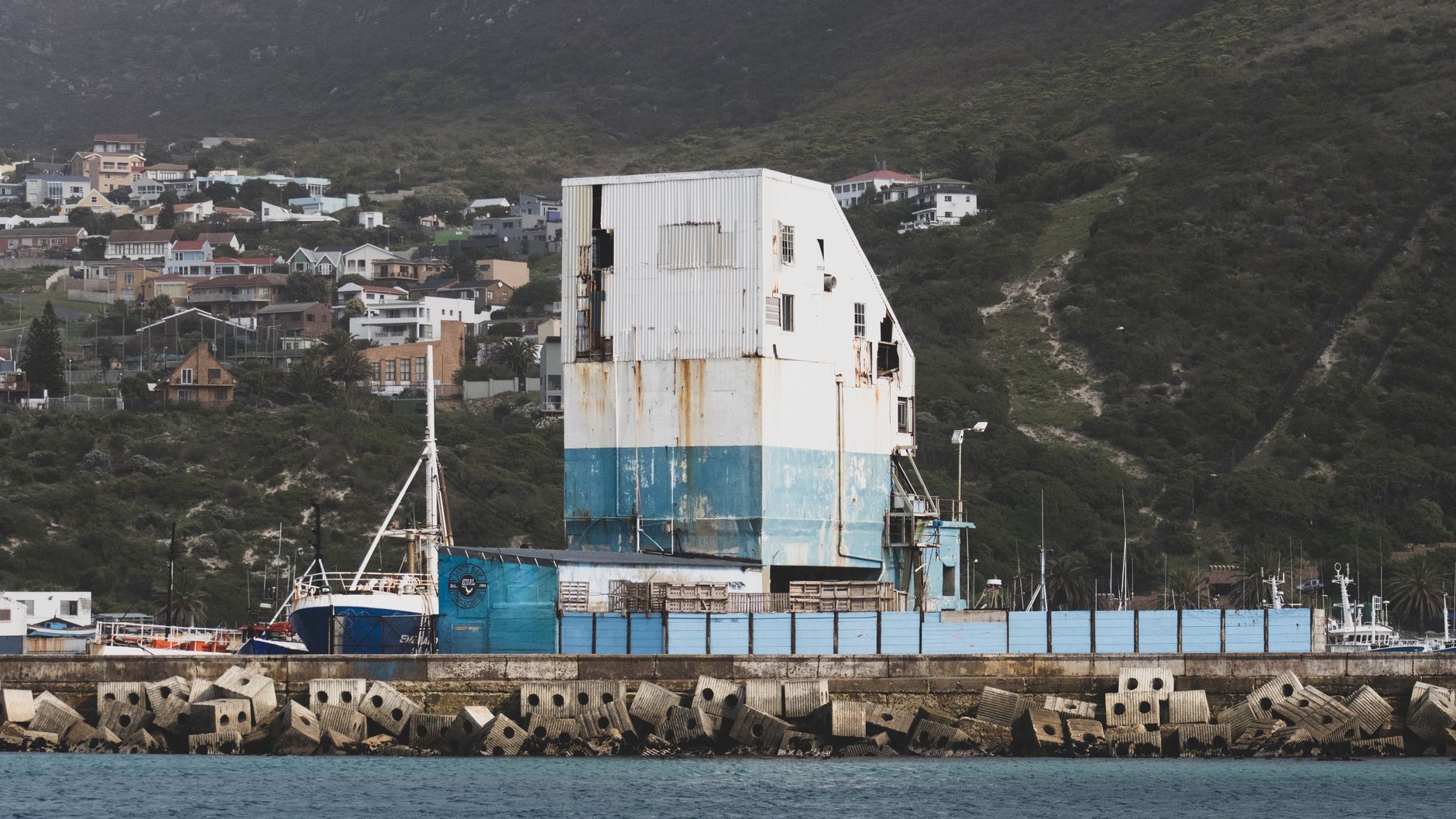
The fishing village came much later, built around 1867 by German immigrant Jacob Trautmann. By 1904 there was a crawfish canning factory operating inside the wreck of a sailing ship, the R Morrow — an arrangement that ended on 31 July 1914 when an explosion killed seven people. Chapman's Peak Drive, blasted into the cliffs above the bay, opened in 1922 and changed how the rest of Cape Town thought about Hout Bay entirely.
Who and what shaped it
People who shaped it
Landmark buildings
See Hout Bay in motion
Plan your visit
On the map
When to go
Summers run warm and dry — February averages around 20°C with nearly 14 hours of daylight — while June brings the heaviest rain (around 105mm) and days that close in to under 10 hours of light. Spring, from September onward, offers mild temperatures and far fewer visitors than the December–February peak.
Right now
Background & history adapted from Wikipedia (CC BY-SA) · specs from Wikidata (CC0) · weather from Open-Meteo · map data © OpenStreetMap contributors · photos from Wikimedia Commons / Unsplash with per-image credit. No third-party reviews or social posts reproduced.