
Camps Bay
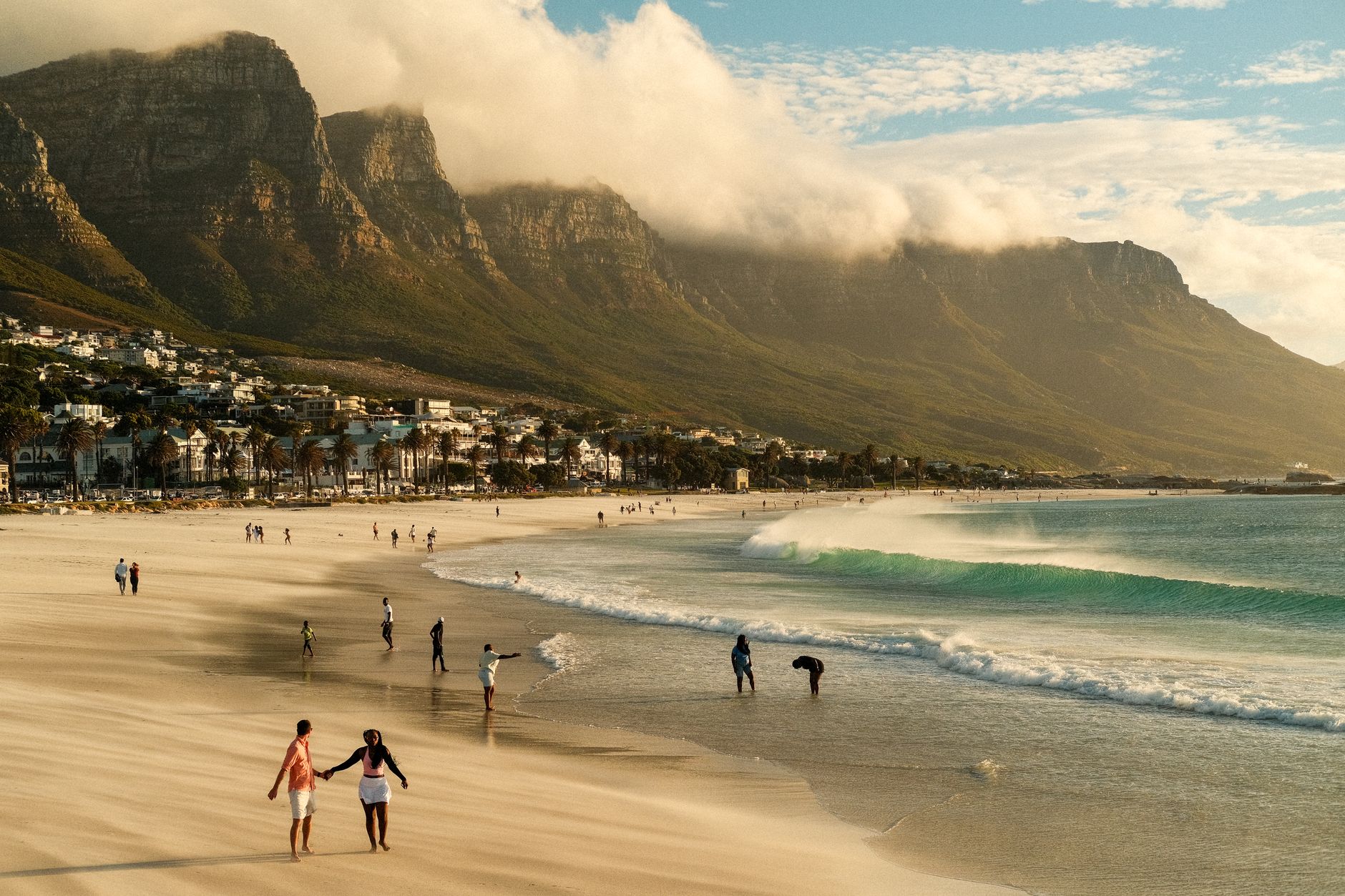
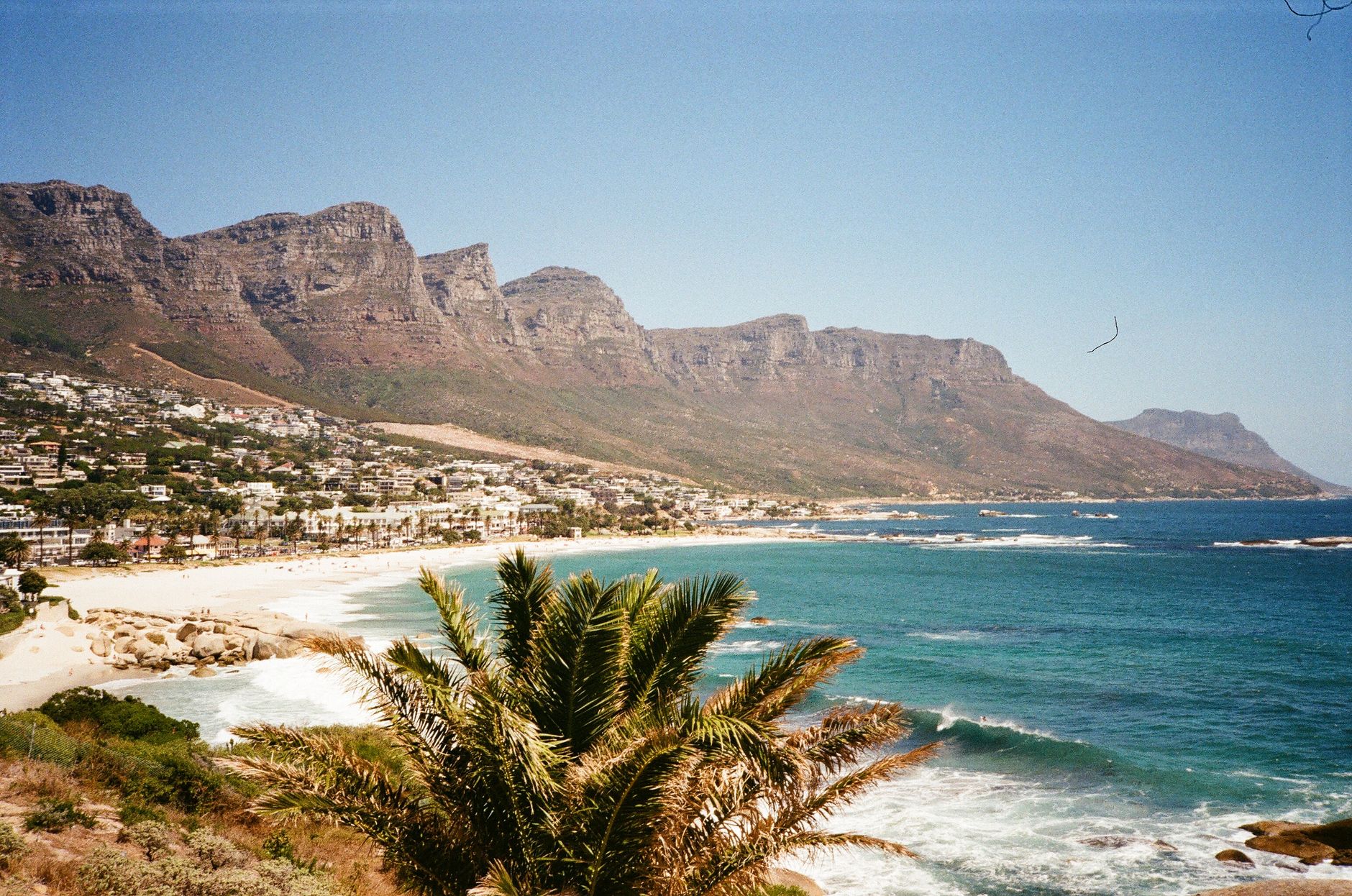
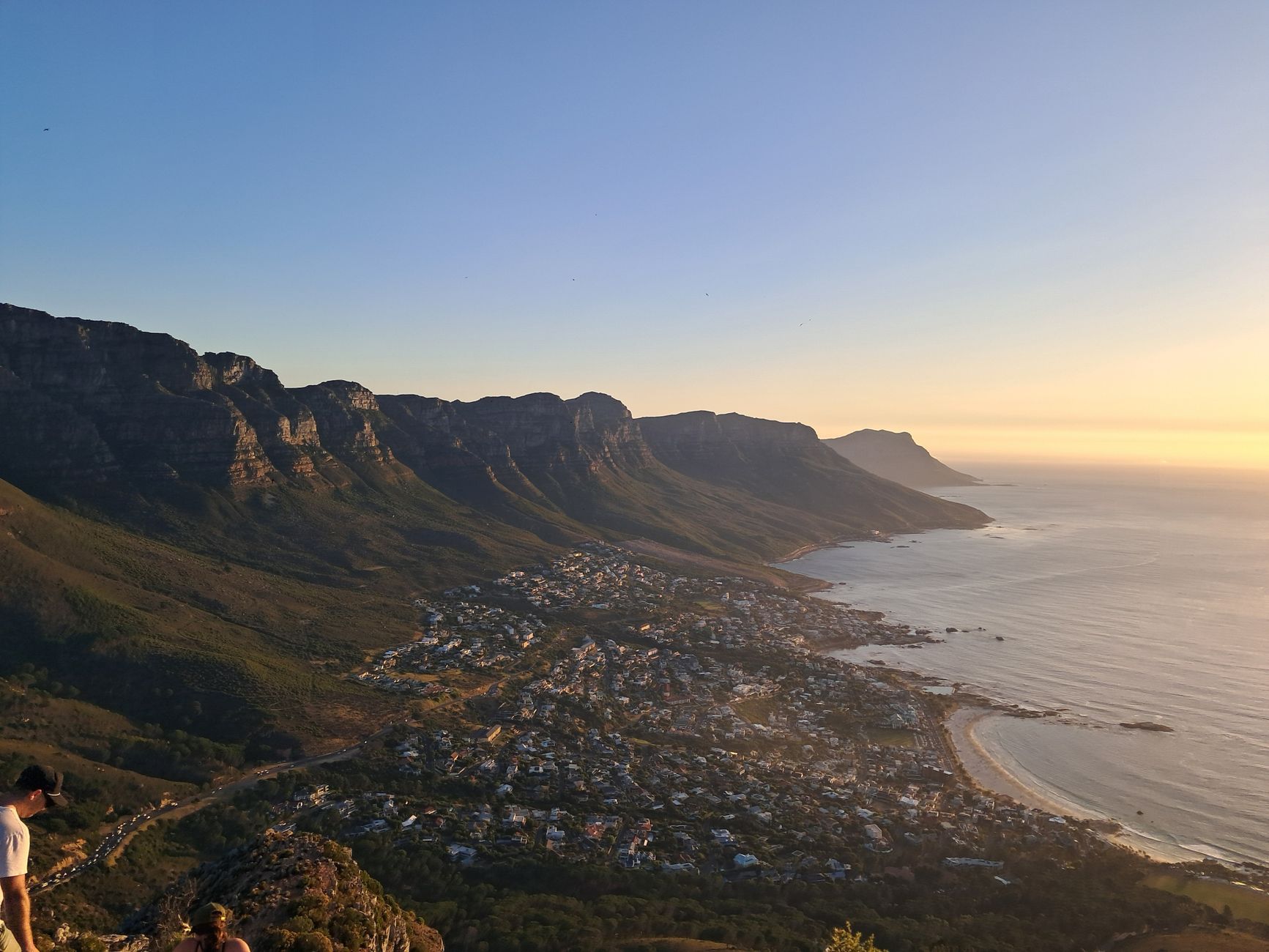
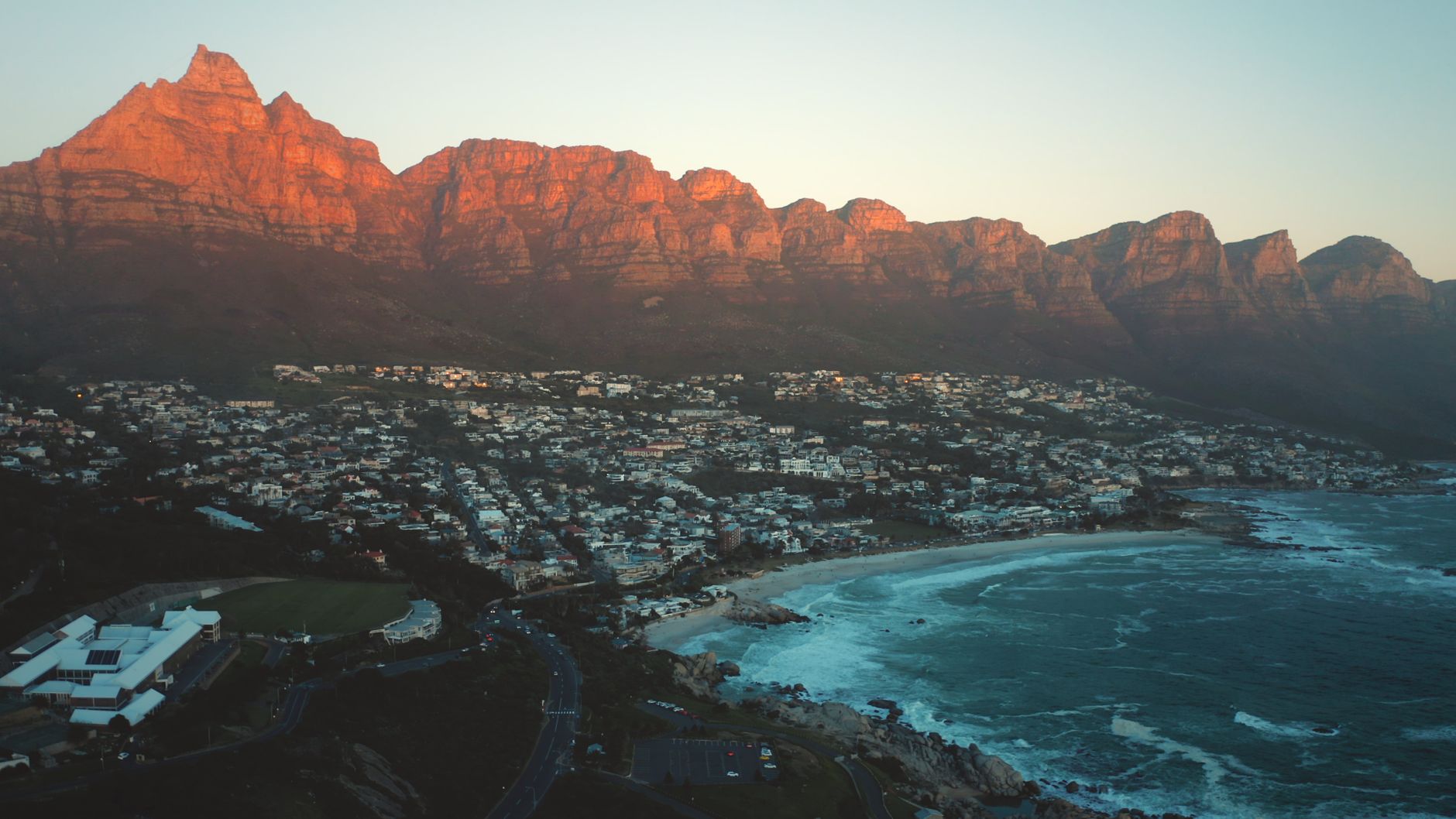
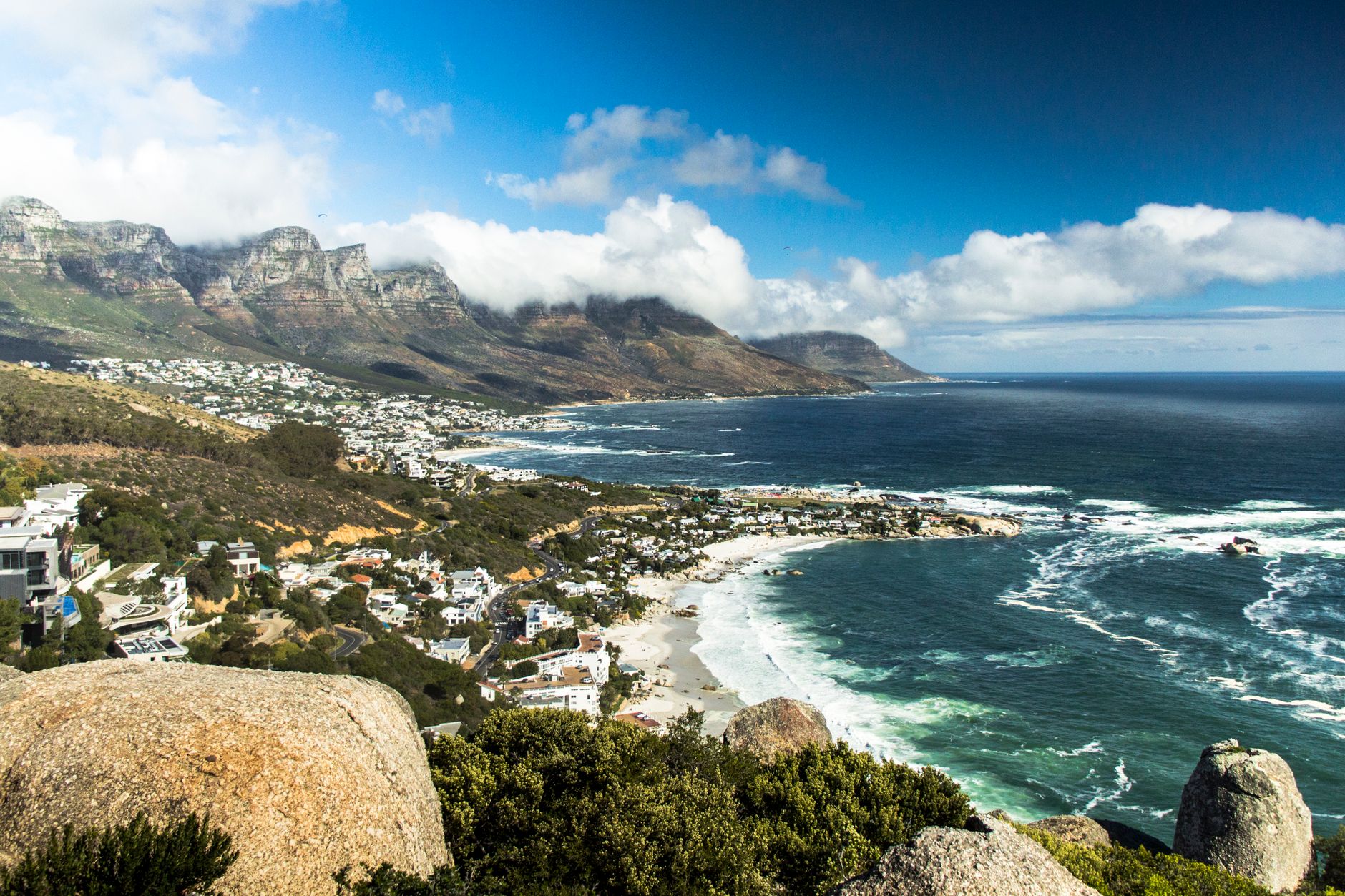
The beach at Camps Bay is flanked by the Twelve Apostles — the buttressed western face of Table Mountain — and on a clear afternoon the shadows they throw across the white sand move like a slow clock. The water is cold, reliably and bracingly cold, fed by the Benguela Current sweeping up from the south Atlantic, and that fact alone keeps the crowd honest.
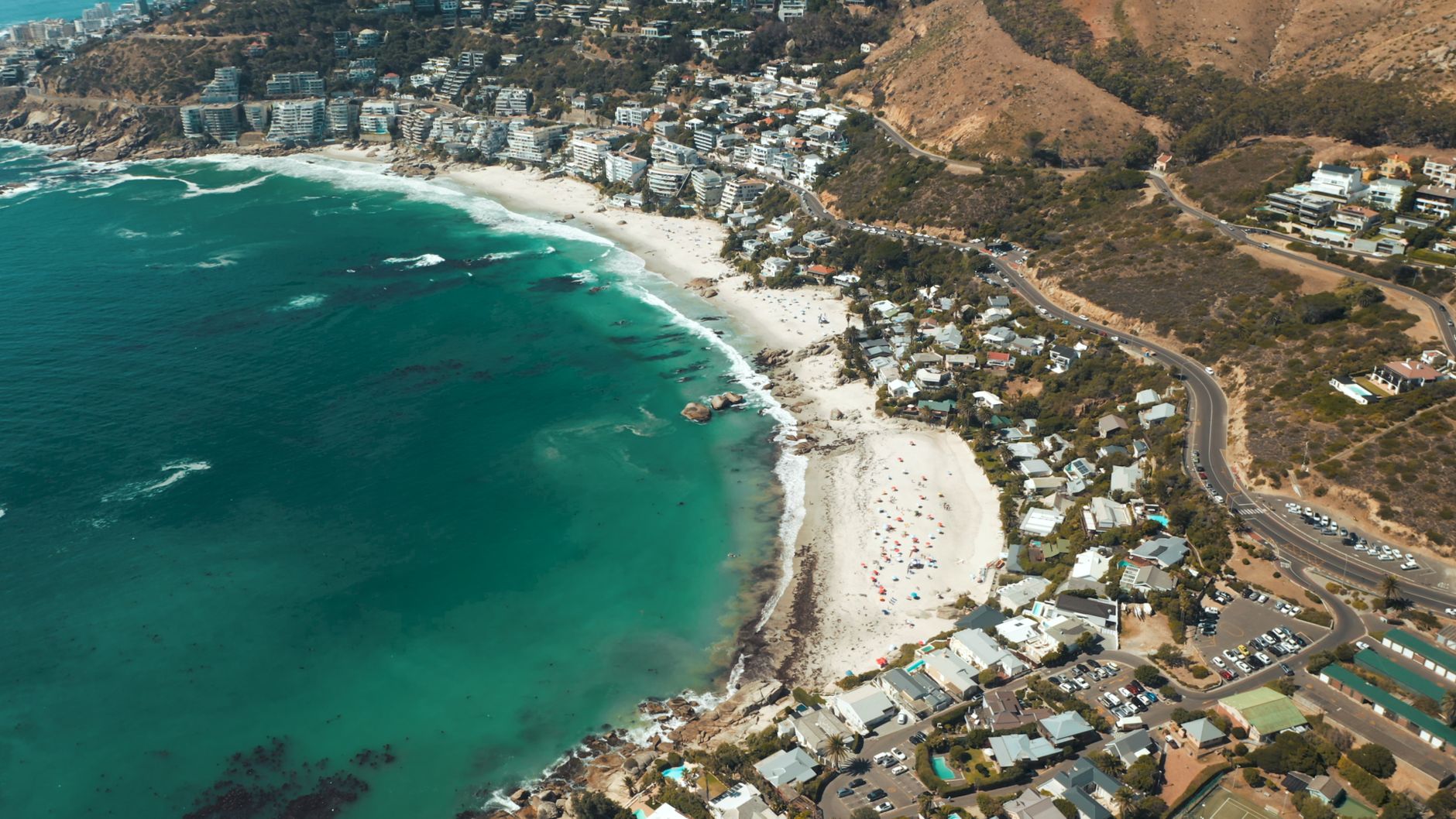
Victoria Road runs the length of the strip, lined with restaurants and the kind of bars where sunsets are taken seriously. It can get loud and glossy, but walk five minutes south to Bakoven's granite boulders or north to Glen Beach's small cove and the noise drops away entirely.
💛 What travellers fall for
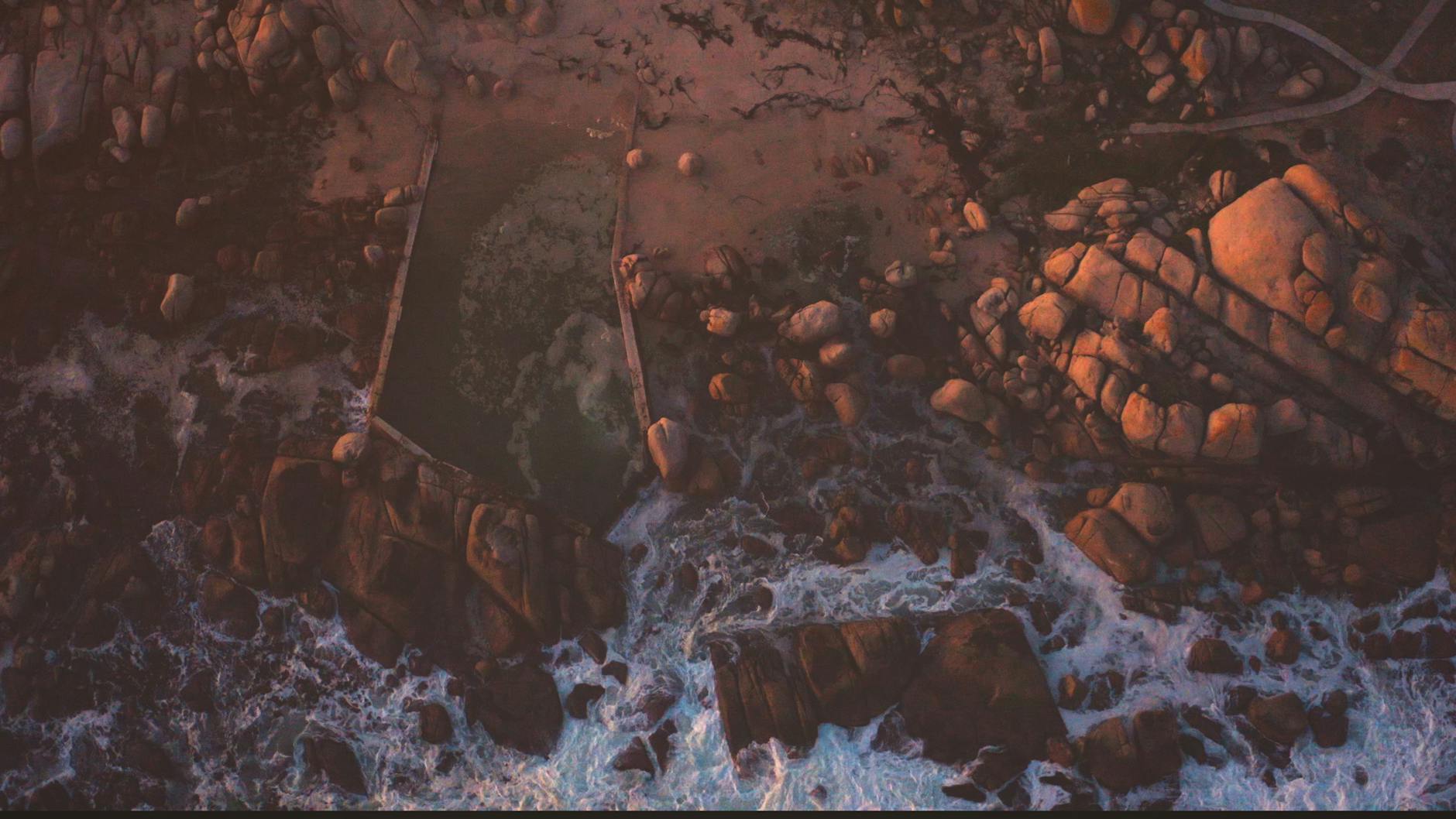
People who keep coming back tend to arrive early — Glen Beach before 9am, when the surfers have it and the light is still low and golden. They know the tidal pool is the better swim when the swell is up, and that the Rotunda inside The Bay Hotel is worth a look even if you're just passing through for a drink.
Experiences you don't want to miss



Deals in Camps Bay
Book directly at the provider

How Camps Bay came to be
The land that became Camps Bay was first held by San hunter-gatherers and Goringqhaique Khoi pastoralists. When the VOC established its Cape station in the mid-1600s, the Twelve Apostles were forested and the Khoi were progressively pushed off their grazing land. By 1713, disease had devastated their numbers, and in that same year a woman named Zwarte Maria Evert received the first title deed to the farm stretching from Table Mountain to the sea.
The bay takes its name from Friedrich von Kamptz, a Dutch sailor who arrived in 1778 and married the widow of the farm's then-owner. The VOC eventually bought the land back; the farmhouse became Marine Villa, a retreat for British Governors. Victoria Road — built using convict labour and completed in 1887 — opened the coast to day-trippers, and by 1901 a tramway was running passengers out from the city. The Rotunda concert hall followed in 1904, declared a heritage monument in 1974 and still standing as the oldest single-storey dome construction in Cape Town.
Who and what shaped it
People who shaped it
Landmark buildings
See Camps Bay in motion
Plan your visit
On the map
When to go
Summer brings long, warm days and a reliable south-easterly wind that picks up most afternoons — refreshing on the beach, occasionally fierce on exposed terraces. Winter is mild by most standards but genuinely wet, with dramatic cloud formations rolling over the Apostles; the sea is quieter and the light, on clear days, is extraordinary.
Right now
Background & history adapted from Wikipedia (CC BY-SA) · specs from Wikidata (CC0) · weather from Open-Meteo · map data © OpenStreetMap contributors · photos from Wikimedia Commons / Unsplash with per-image credit. No third-party reviews or social posts reproduced.