
Observatory

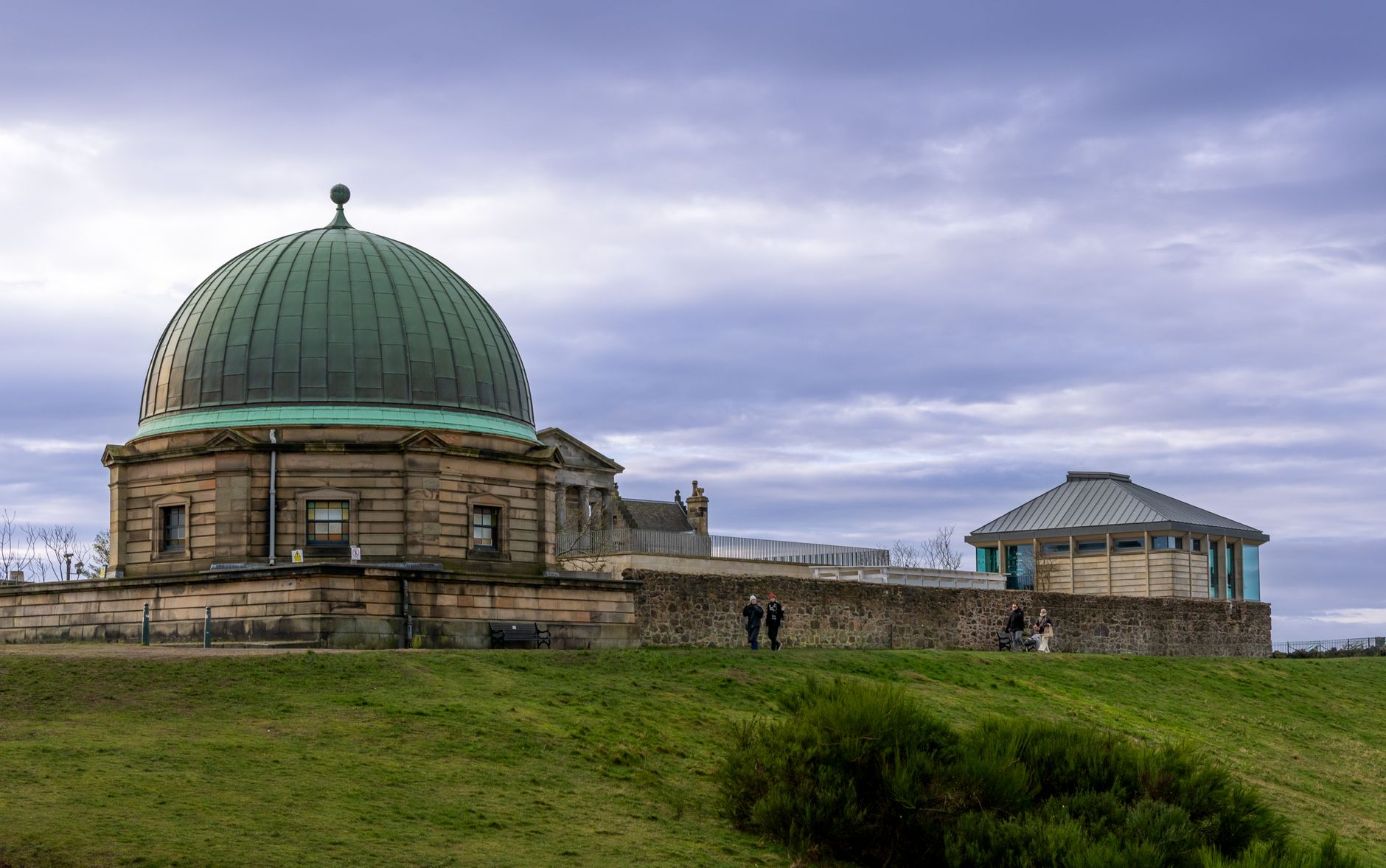
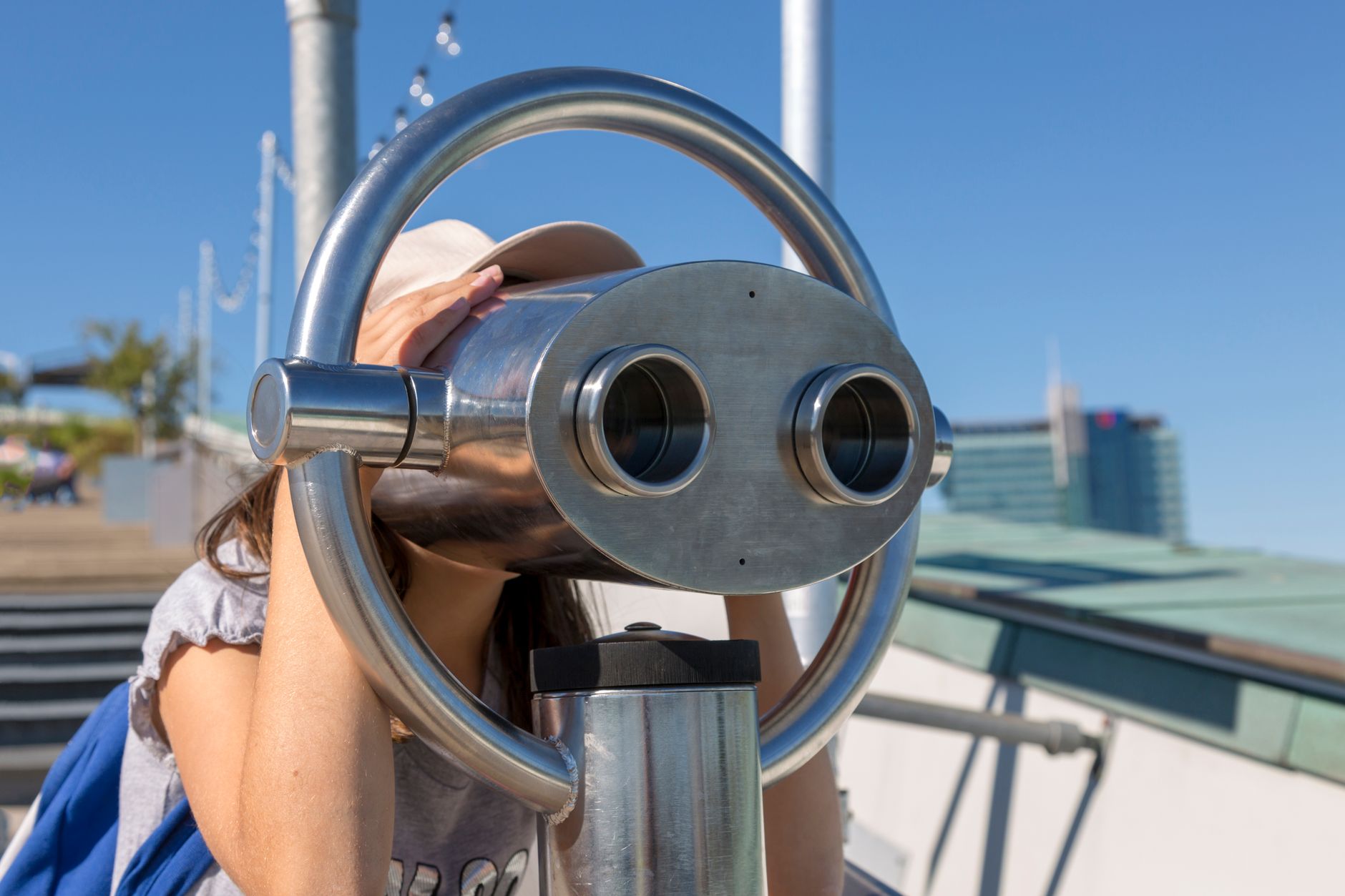
Observatory sits about six kilometres from the Cape Town CBD, close enough to reach in ten minutes by train, far enough to feel like its own place. The suburb takes its name from the Royal Observatory that preceded it — a Greek Revival building completed in 1828, still standing on its hill above the Liesbeeck River, still operating as South Africa's national centre for optical and infrared astronomy.
Lower Main Road is where most of daily life plays out: a stretch of thrift shops, restaurants, and a bottle store that has been open for 95 years. The Raapenberg Bird Sanctuary preserves ten hectares of wetland along the river. Groote Schuur Hospital, where the world's first heart transplant was performed in December 1967, sits within the suburb's boundaries.
💛 What travellers fall for
People who come back tend to time a visit around the open nights at the South African Astronomical Observatory — second and fourth Saturday of each month, 8pm, R50 a head. The McClean telescope is the draw, but the small museum inside its dome is worth arriving early for. Vehicles only from 19:30, so factor that in.
Deals in Observatory
Book directly at the provider


How Observatory came to be
The land here was first formally allocated in 1657, when fourteen free burghers received grants along the Liesbeeck River valley from the Dutch East India Company — one of the earliest colonial land distributions in the region. The Royal Observatory, Cape of Good Hope was established by Order in Council of King George IV on 20 October 1820. Construction of its Main Building, designed by John Rennie the Elder in the Greek Revival style, began in 1825 and finished in 1828.
The suburb of Observatory grew up to the east of the site in the late nineteenth century, named after the institution that had already defined the hill. The Royal Observatory's functions passed to what is now the South African Astronomical Observatory, declared a National Heritage Site in December 2018. Herbert Baker, whose fingerprints are across much of Cape Town's colonial-era architecture, designed the suburb's Anglican parish church of St Michael and All Angels — the only one of his churches completed to his own design.
Who and what shaped it
People who shaped it
Landmark buildings
See Observatory in motion
Plan your visit
On the map
When to go
Observatory follows Cape Town's Mediterranean pattern: winters (June to August) are mild and wet, summers (December to February) warm and dry, with temperatures averaging around 22°C but occasionally spiking to 35°C when the Berg wind blows in from the mountains. A persistent southerly wind known as the Cape Doctor sweeps through in summer, keeping the air clear — good news for anyone planning an evening at the telescope.
Right now
Background & history adapted from Wikipedia (CC BY-SA) · specs from Wikidata (CC0) · weather from Open-Meteo · map data © OpenStreetMap contributors · photos from Wikimedia Commons / Unsplash with per-image credit. No third-party reviews or social posts reproduced.