
Muizenberg
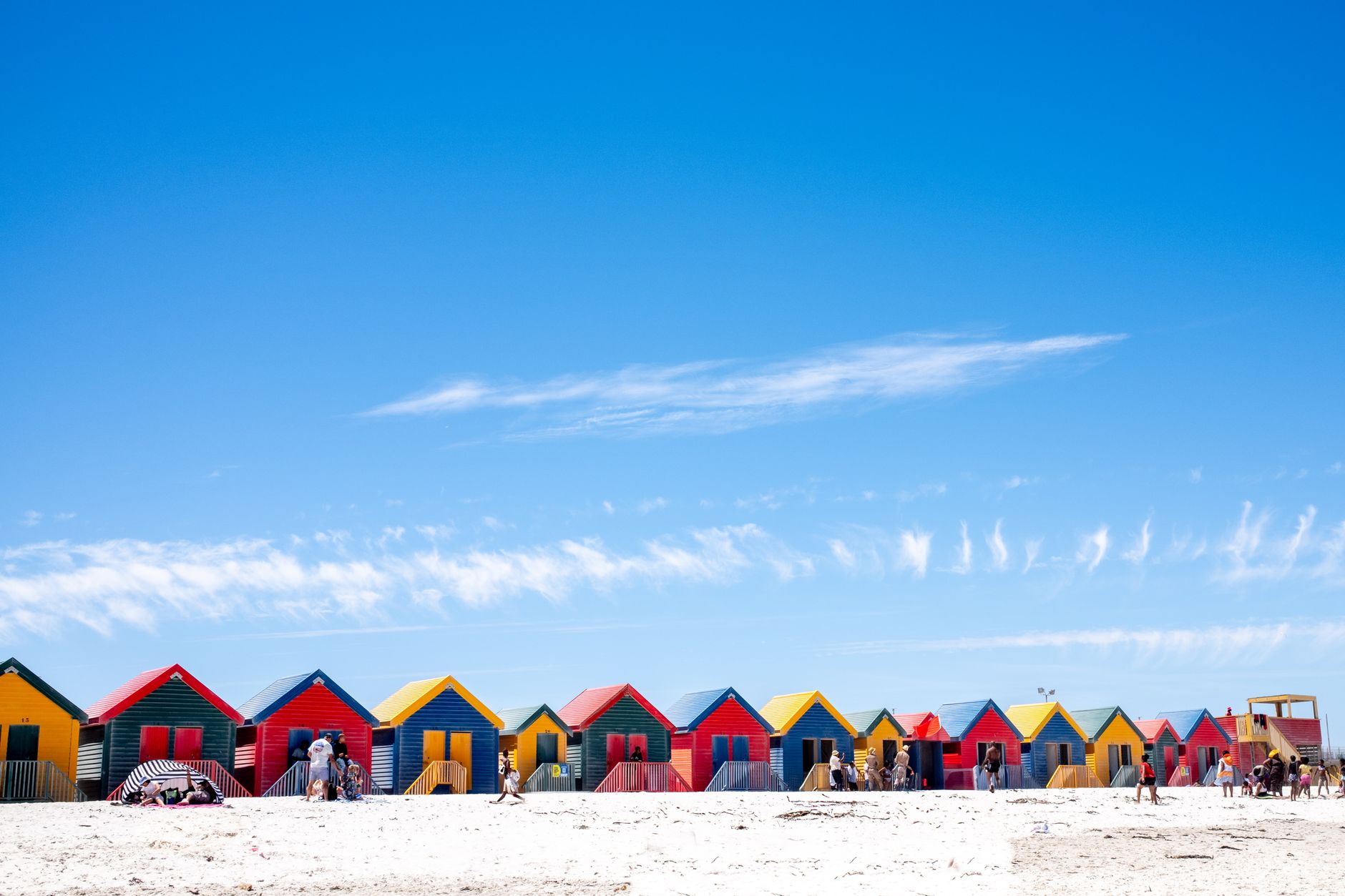
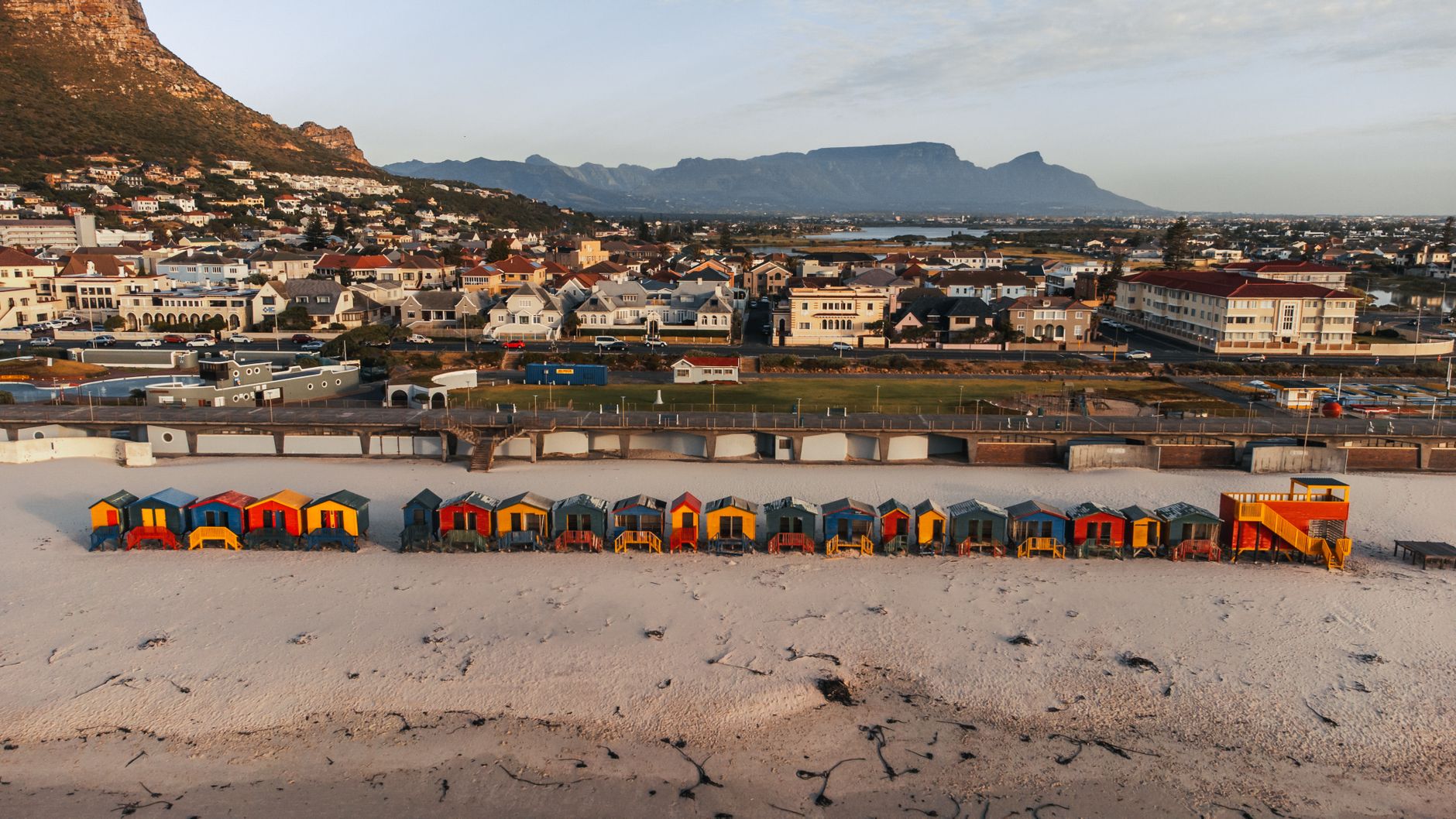
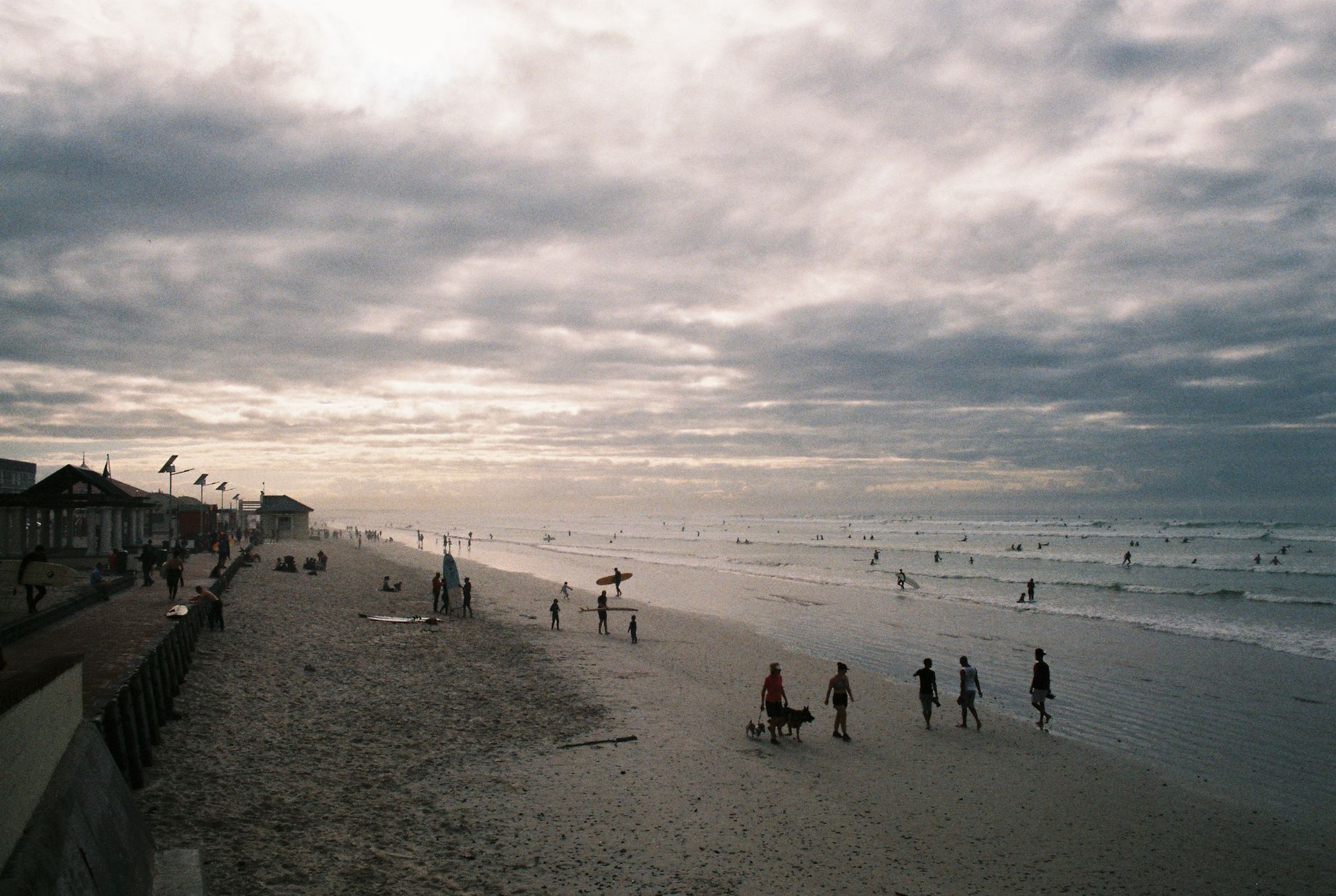
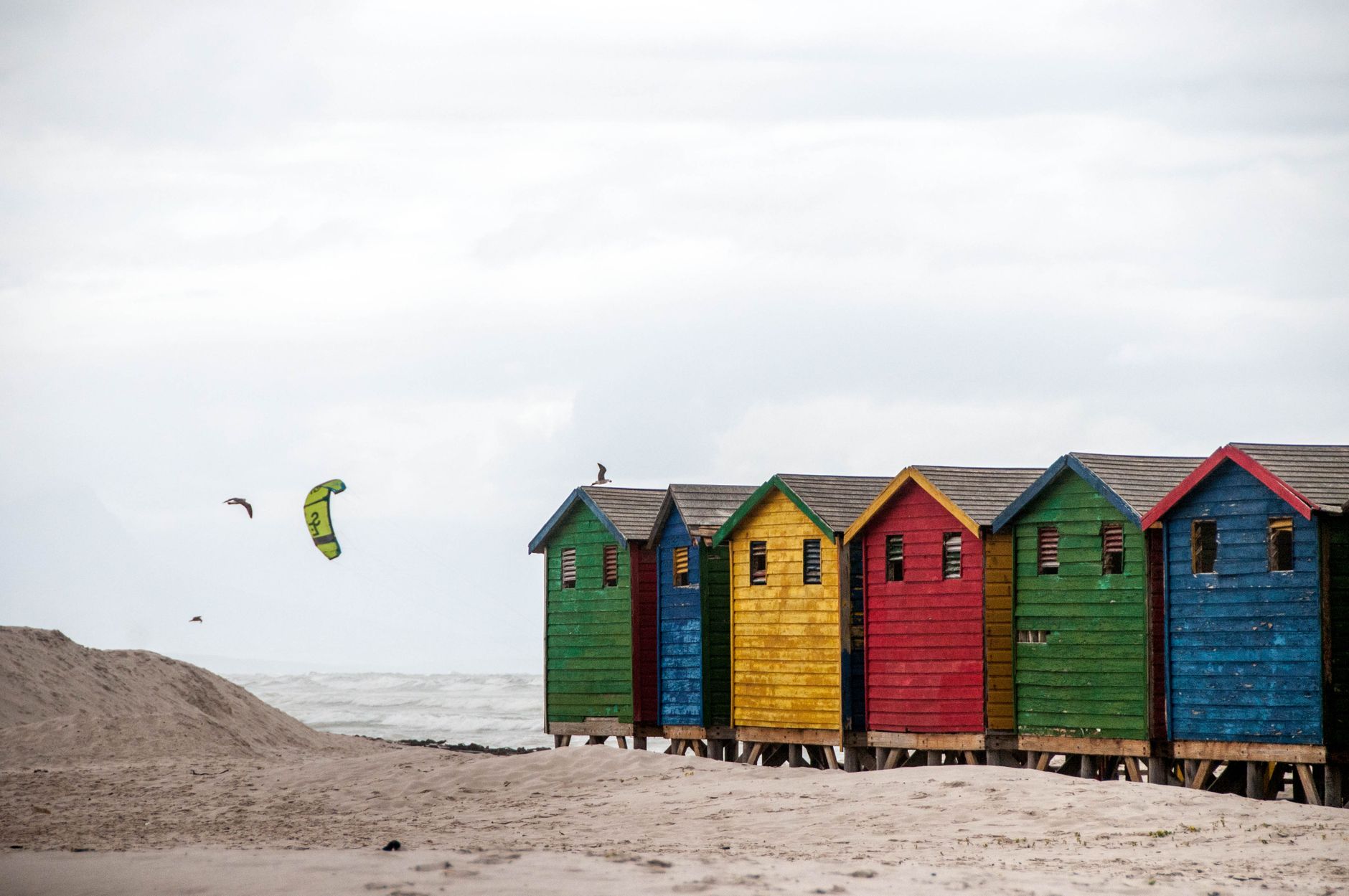
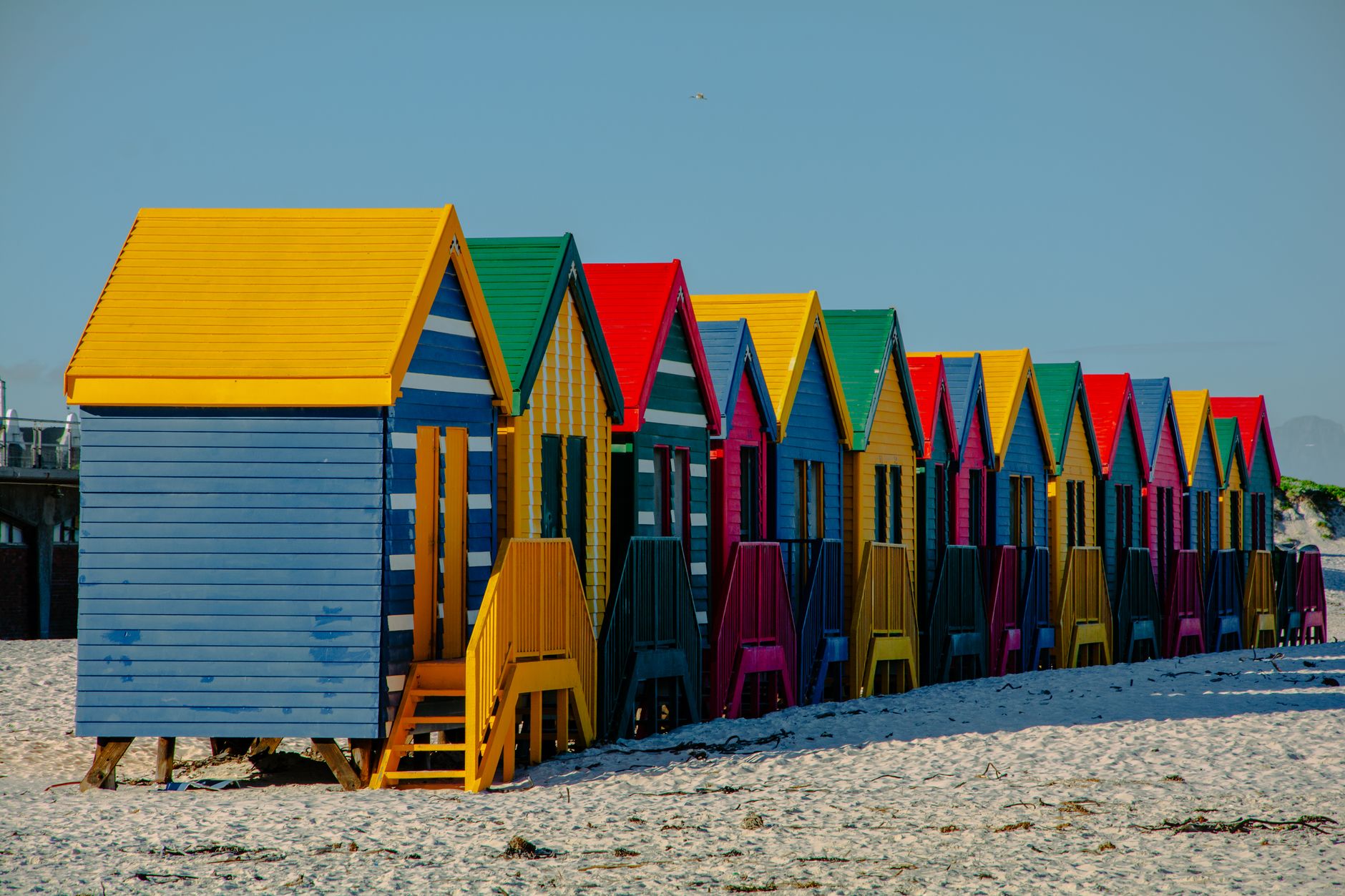
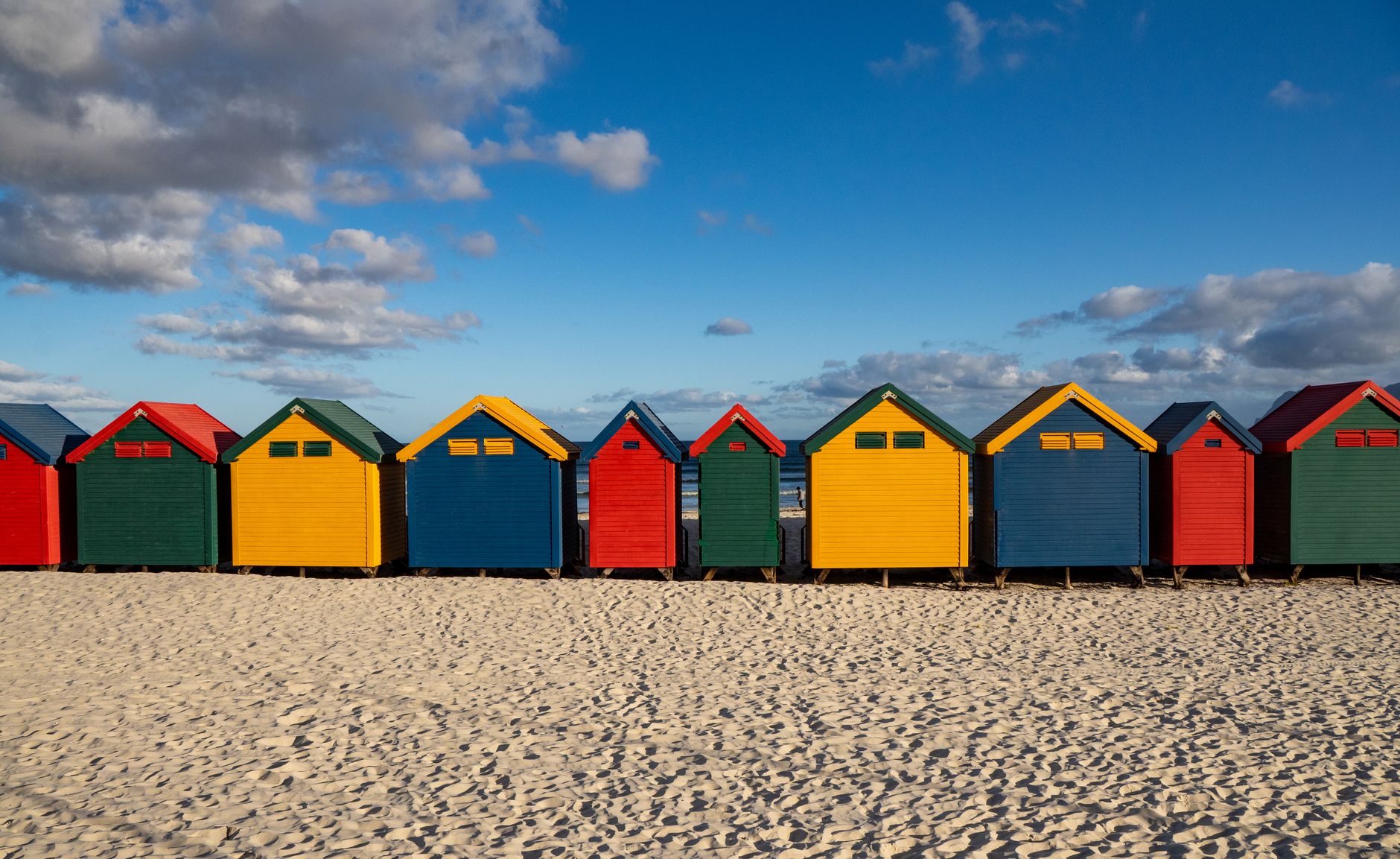
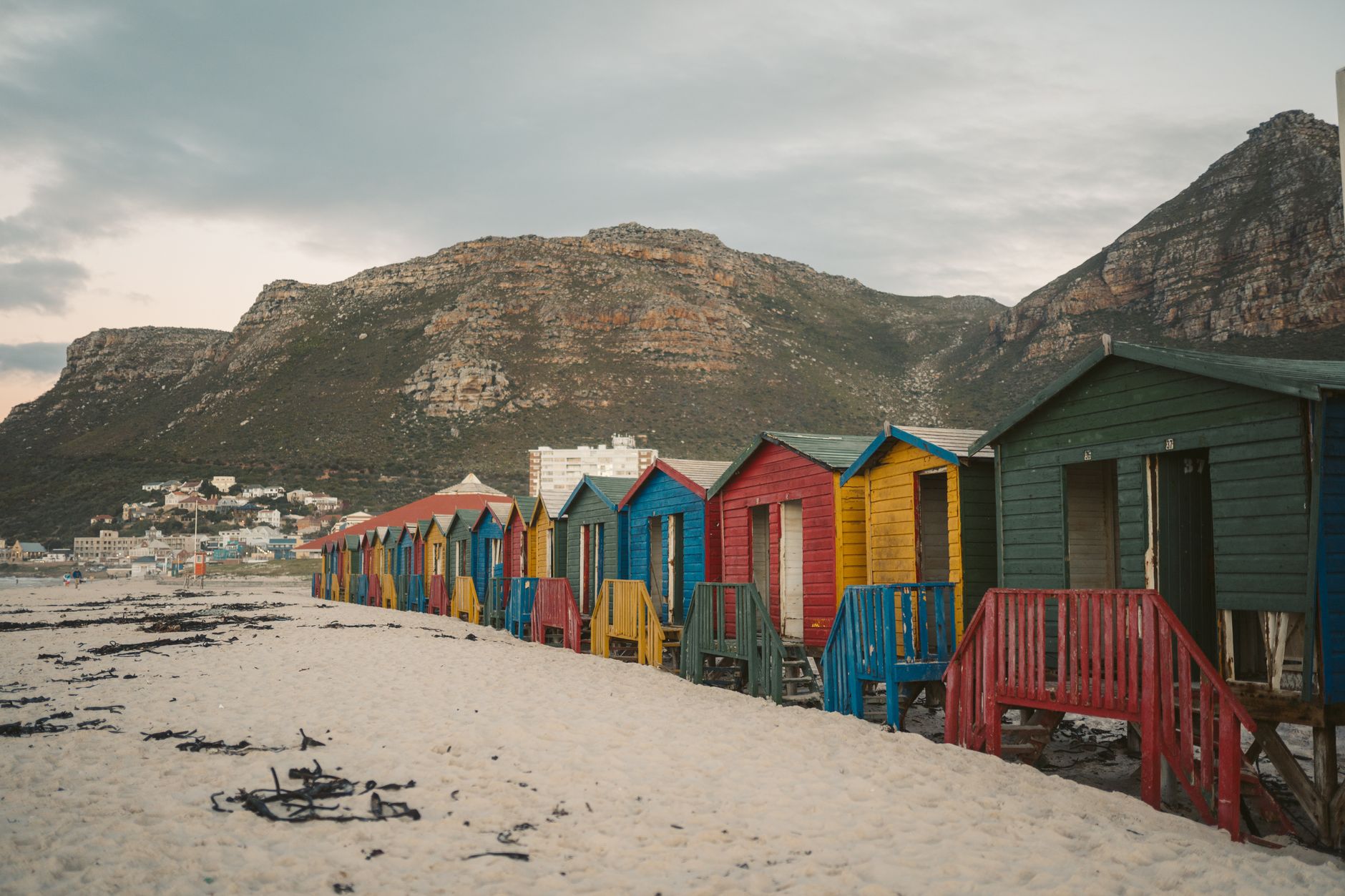
The first thing you notice at Muizenberg is the beach huts — a row of candy-striped wooden boxes facing False Bay that have become one of the most photographed strips of coastline in South Africa. Behind them, the wave breaks long and gentle, which is exactly why Agatha Christie used to take the train down from Cape Town after nursing shifts just to surf here, and why the sport has never really left.
Twenty-seven kilometres from the City Bowl, Muizenberg sits where the Cape Flats meet the sea, and it carries the particular texture of a place that was once the most fashionable resort on the continent and has since settled, quite comfortably, into something more lived-in and real.
💛 What travellers fall for
People who come back tend to agree on a few things: walk the coastal path toward Kalk Bay rather than drive it, step inside Het Posthuys even briefly — it predates the Castle of Good Hope — and find Corner Surf Shop before you hire a board anywhere else. The oldest surf shop in Cape Town, it's a reliable read on conditions.
Deals in Muizenberg
Book directly at the provider

How Muizenberg came to be
The Dutch East India Company put a signal station here in 1673 — Het Posthuys, still standing — and by 1743 the settlement had become a military post, named for a sergeant called Muys. Its strategic position on the Cape Peninsula made it the site of the Battle of Muizenberg in August 1795, when British forces defeated the Dutch Batavian Republic and began their first occupation of the Cape.
The railway arrived in 1882, and after the Witwatersrand gold rush of 1886 brought new money to South Africa, Muizenberg transformed. By the turn of the century Cecil Rhodes had bought a cottage here for his health; he died in it in 1902. Between 1880 and 1930 the town built itself into what contemporaries called the Brighton of South Africa — Herbert Baker designed several houses along Atlantic and Main Roads, and the Edwardian station that opened in 1913 still anchors the beachfront today.
Who and what shaped it
People who shaped it
Landmark buildings
See Muizenberg in motion
Plan your visit
On the map
When to go
Summer (November through April) brings daytime temperatures between 20°C and 23°C with low rainfall — the practical window for surfing and the coastal walk. Winter months, particularly June, are the wettest, with the annual total sitting around 637mm; July averages a still-mild 17°C, and the bay can be strikingly clear on dry winter days.
Right now
Background & history adapted from Wikipedia (CC BY-SA) · specs from Wikidata (CC0) · weather from Open-Meteo · map data © OpenStreetMap contributors · photos from Wikimedia Commons / Unsplash with per-image credit. No third-party reviews or social posts reproduced.