
Waterfront (V&A Waterfront)
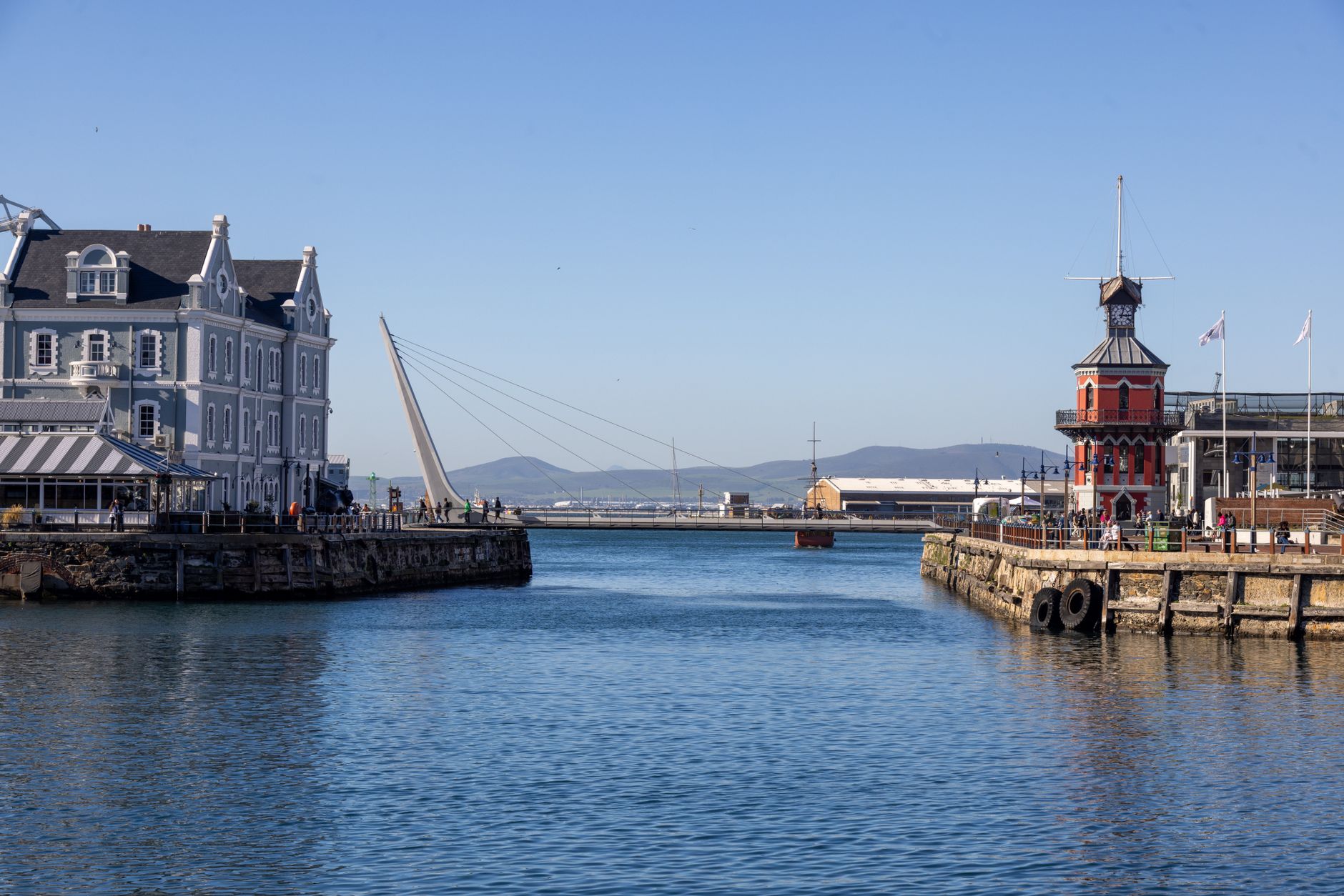
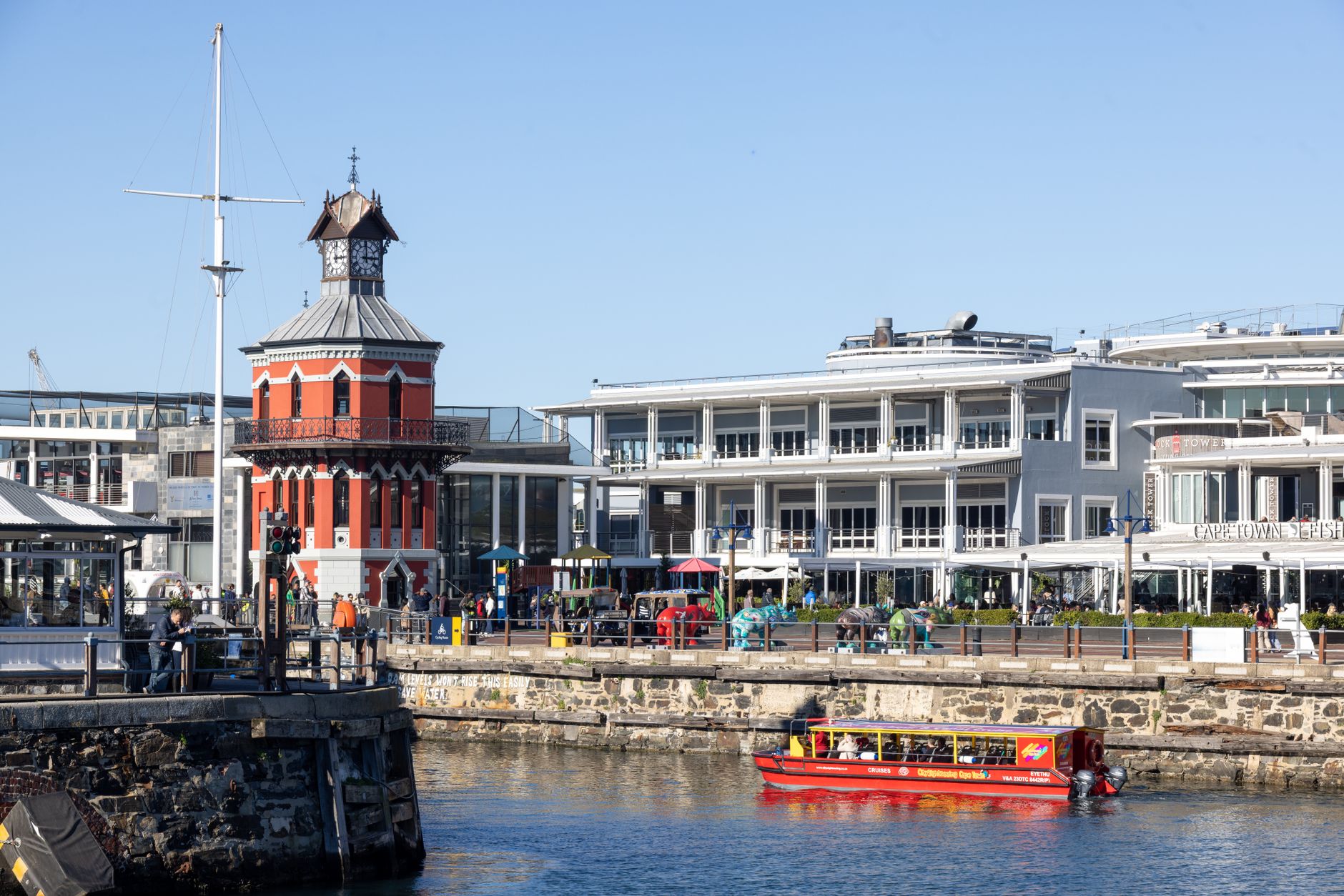
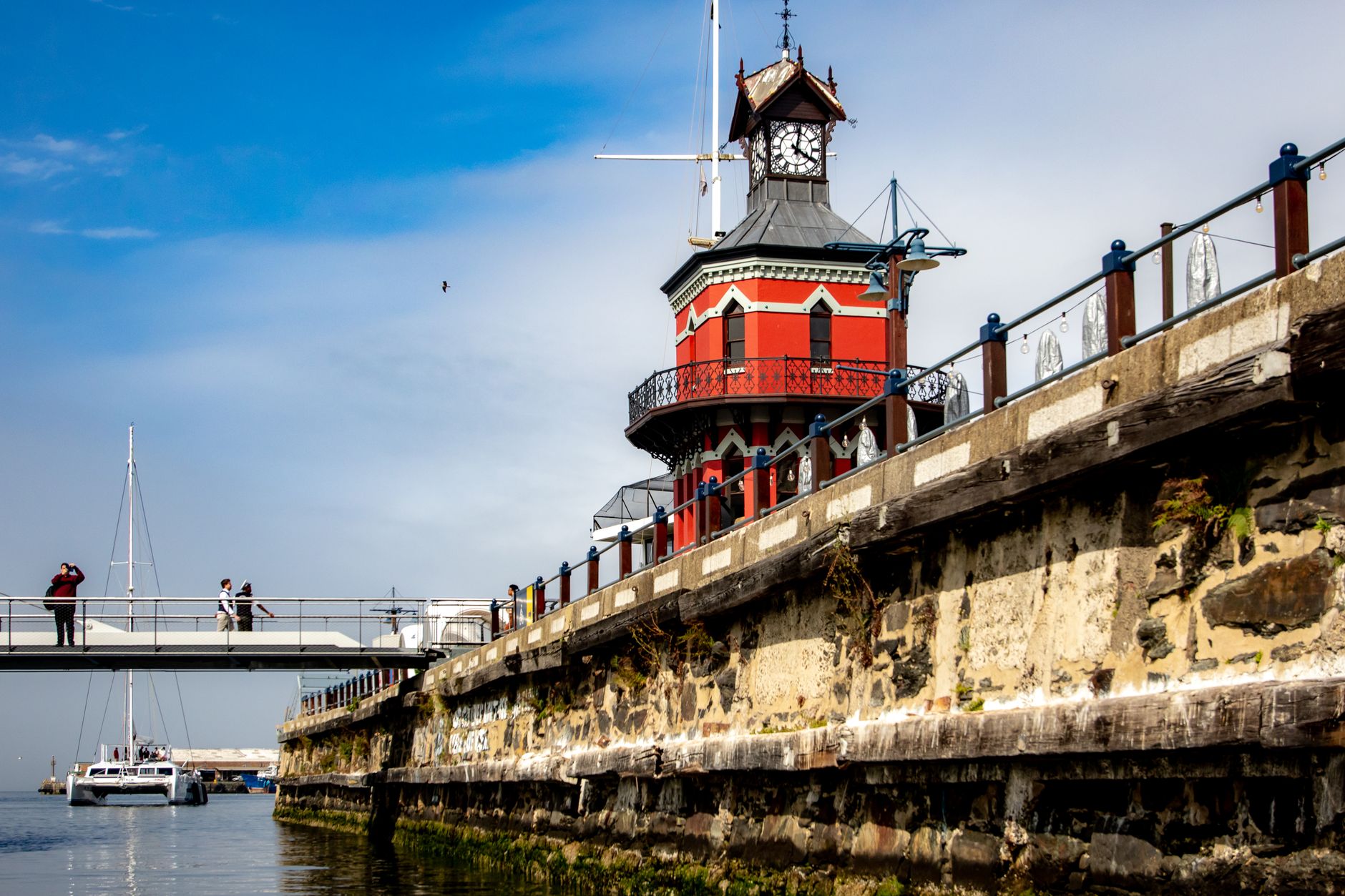
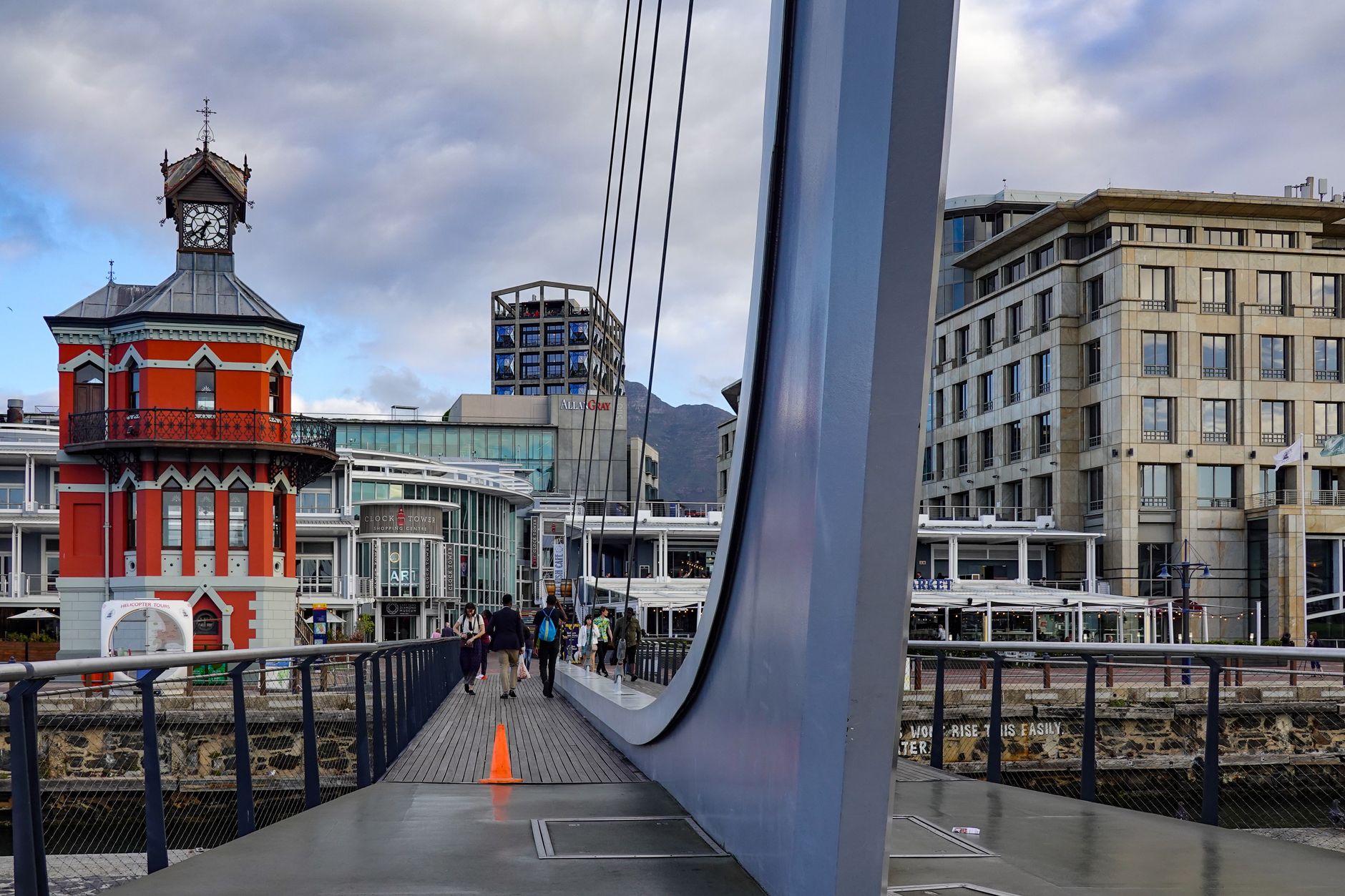
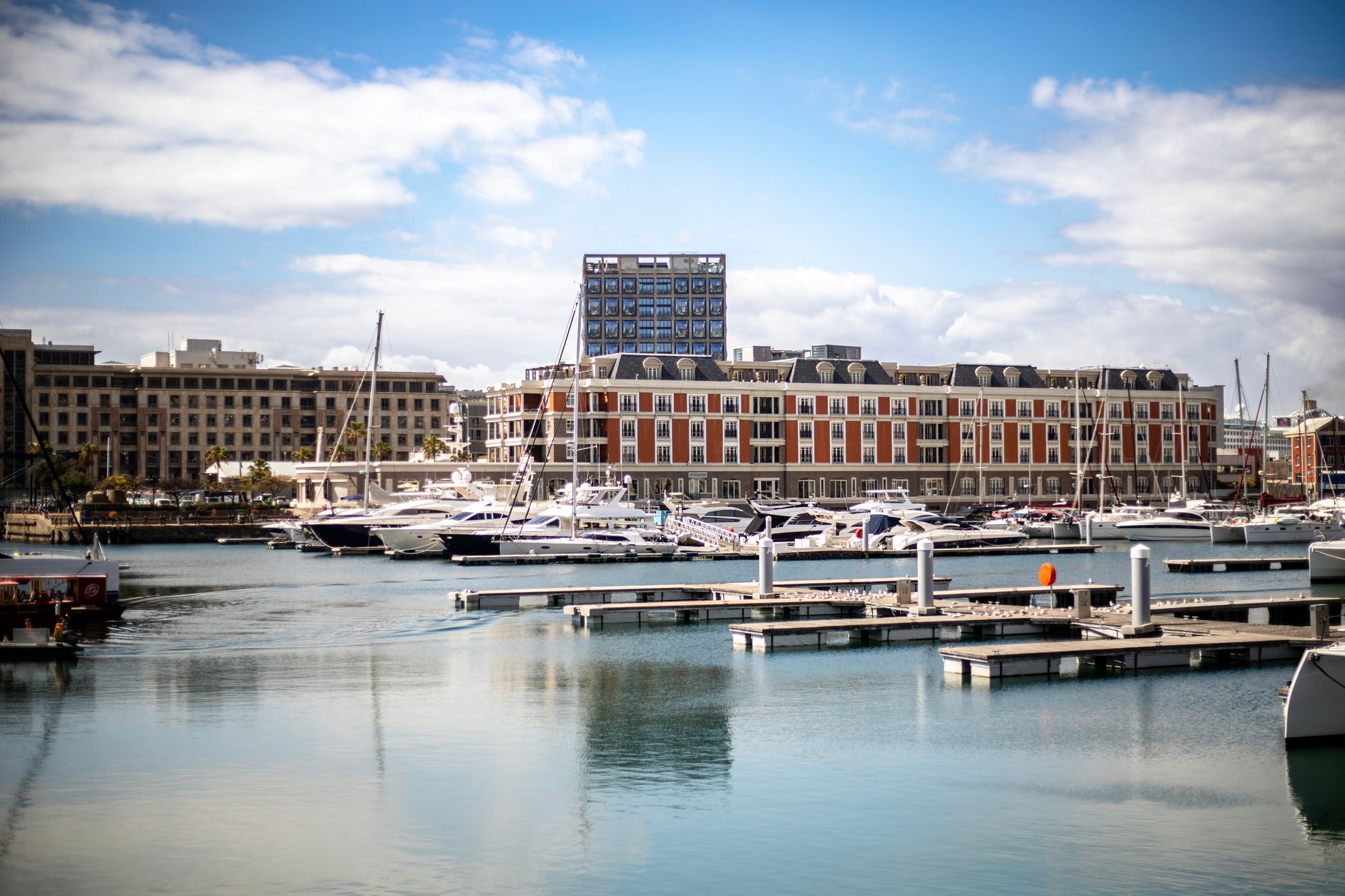
The clock tower at the Pierhead has been keeping time since 1882, and on most mornings you can stand beneath it and watch the harbour doing what it has always done — receiving vessels, loading cargo, going about its business — while the city has grown up around it. The V&A Waterfront is not a theme park version of a working port; much of it is still an active harbour, and the Robinson Dry Dock, the oldest operating dry dock of its kind in the world, was declared a national historic engineering landmark as recently as 2024.
What makes it worth more than an afternoon is the layering: grain silos converted into the largest museum of contemporary African art on the continent, a 19th-century prison that became a business school, and a swing bridge opened in 2019 that connects it all on foot.
💛 What travellers fall for
Regulars tend to arrive early for the historical walking tours — they depart Chavonnes Battery Museum at 11am daily, cost next to nothing, and cover ground most people walk past without registering. The Battery itself is one of the oldest European structures in South Africa and sits, improbably, beneath the modern precinct.
Deals in Waterfront (V&A Waterfront)
Book directly at the provider


How Waterfront (V&A Waterfront) came to be
The harbour's story begins in 1654 with a small jetty Jan van Riebeeck built for the Dutch East India Company's refreshment station. For two centuries Table Bay remained treacherous and unprotected — a single winter storm in June 1858 wrecked more than thirty vessels, and Lloyd's of London stopped insuring ships anchored there. The crisis forced action: on 17 September 1860, Prince Alfred, Queen Victoria's second son, tipped the ceremonial first load of stone to begin the breakwater. The Alfred Basin followed, then the Victoria Basin, their expansion driven by the gold and diamond rush inland.
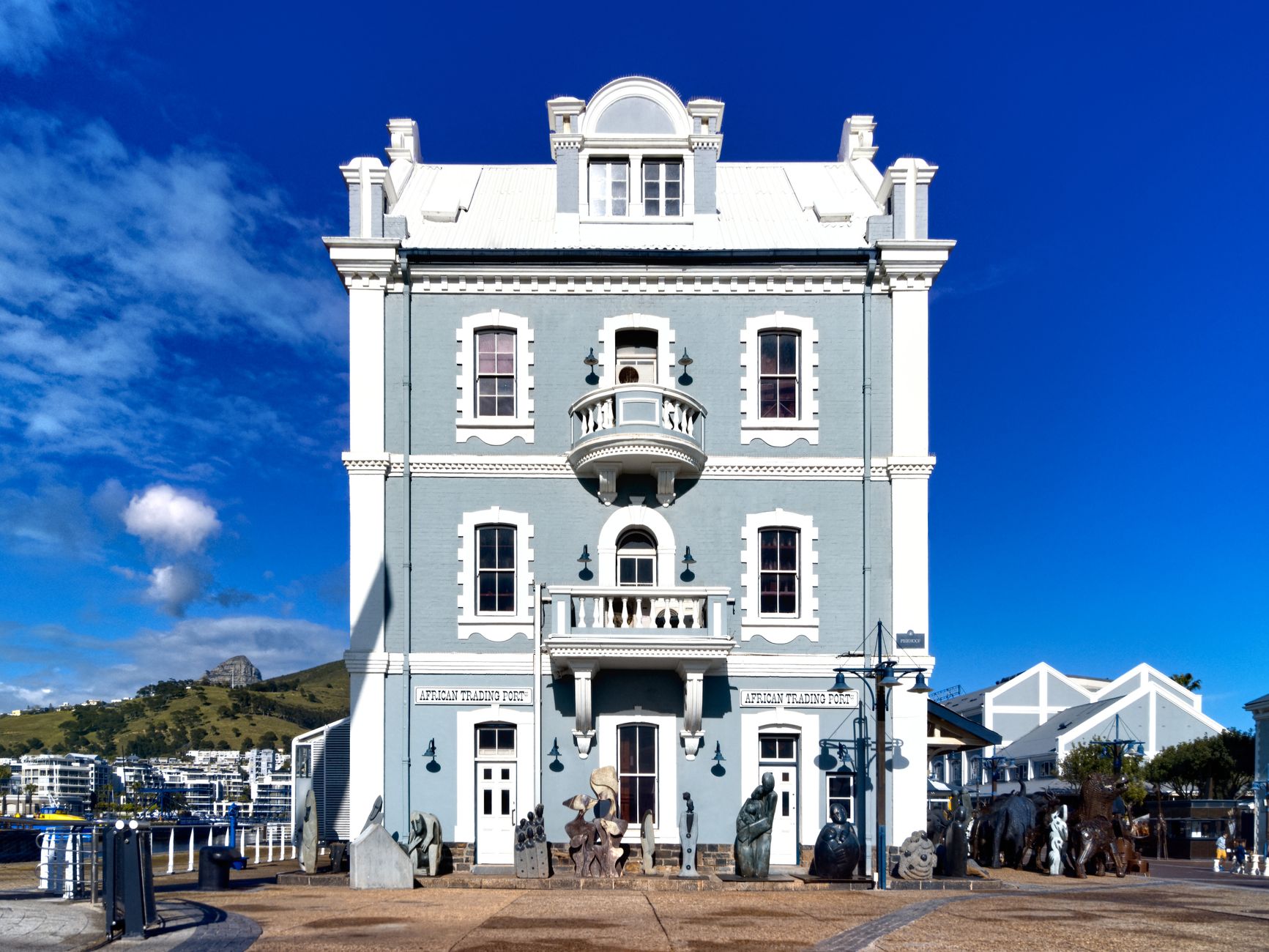
The working port eventually declined, and in November 1988 Transnet established Victoria and Alfred Waterfront (Pty) Ltd to redevelop the precinct for mixed use. The Ferryman's Tavern opened the following year in a decommissioned 1860 locomotive shed — the first commercial tenant. The 2017 Silo District, anchored by Zeitz MOCAA in the converted grain silos, marked the most recent transformation of the same waterfront.
Who and what shaped it
People who shaped it
Landmark buildings
See Waterfront (V&A Waterfront) in motion
Plan your visit
On the map
When to go
Cape Town's Mediterranean climate means summer (December–February) brings warm, dry days ideal for the outdoor quays, though the south-easter wind can be sharp in the afternoon. Winter (June–August) is cooler and wet but rarely cold enough to drive you indoors entirely — the covered walkways and interior spaces make the Waterfront workable year-round.
Right now
Background & history adapted from Wikipedia (CC BY-SA) · specs from Wikidata (CC0) · weather from Open-Meteo · map data © OpenStreetMap contributors · photos from Wikimedia Commons / Unsplash with per-image credit. No third-party reviews or social posts reproduced.