
City Bowl
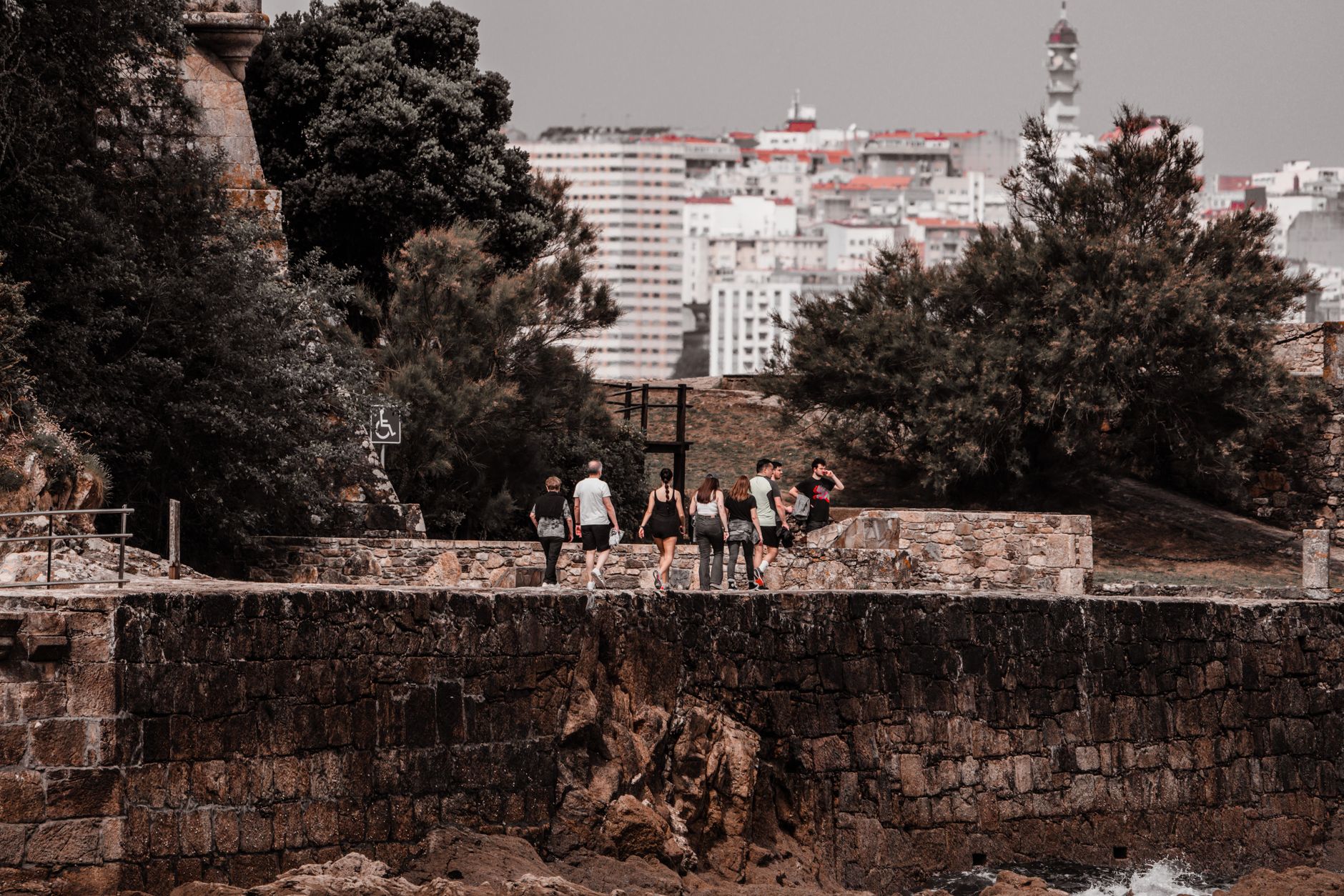
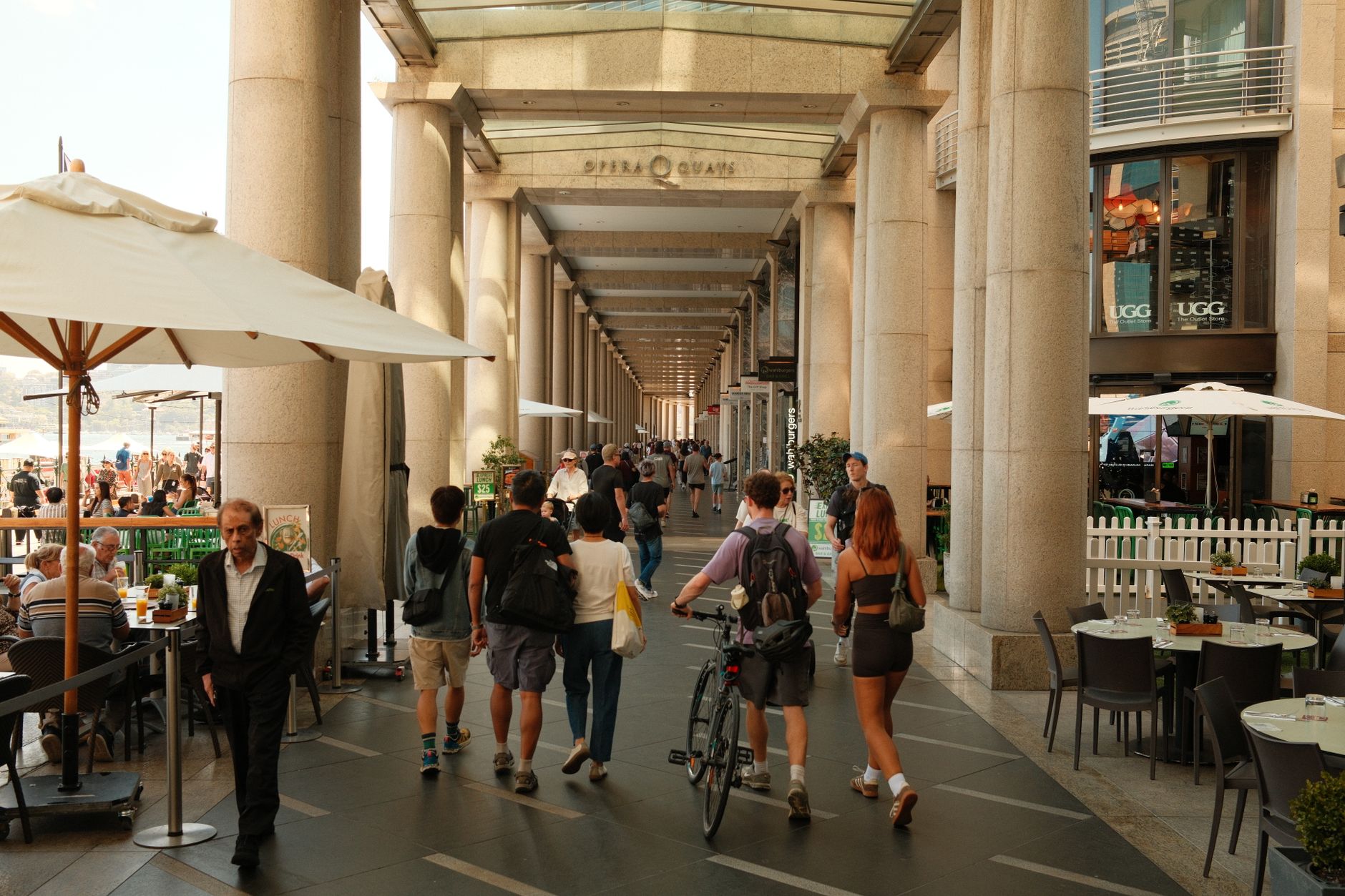
The City Bowl sits in a natural amphitheatre — Table Mountain at your back, the Atlantic somewhere ahead — and the geography makes the whole place legible in a way that few city centres are. Walk ten minutes in almost any direction and the mountain either grows larger or the harbour appears. That orientation never quite leaves you.
At street level, the Bowl holds centuries in close proximity: a pentagonal fort from the 1670s a short walk from a museum dedicated to a neighbourhood that apartheid erased, cobblestoned Bo-Kaap rising up the slope of Signal Hill, and Company's Garden — started as a vegetable patch for Dutch sailors in 1652 — still running through the middle of it all.
💛 What travellers fall for
People who come back tend to anchor their mornings in Company's Garden before the tour groups arrive, then work up through Bo-Kaap when the light is low and the painted facades actually earn their reputation. The free walking tour on the third Saturday of the month is worth timing a visit around — it starts at the Garden and threads through St George's Mall and up to Waterkant Street in a way that makes the city's layers click into place.
Deals in City Bowl
Book directly at the provider

How City Bowl came to be
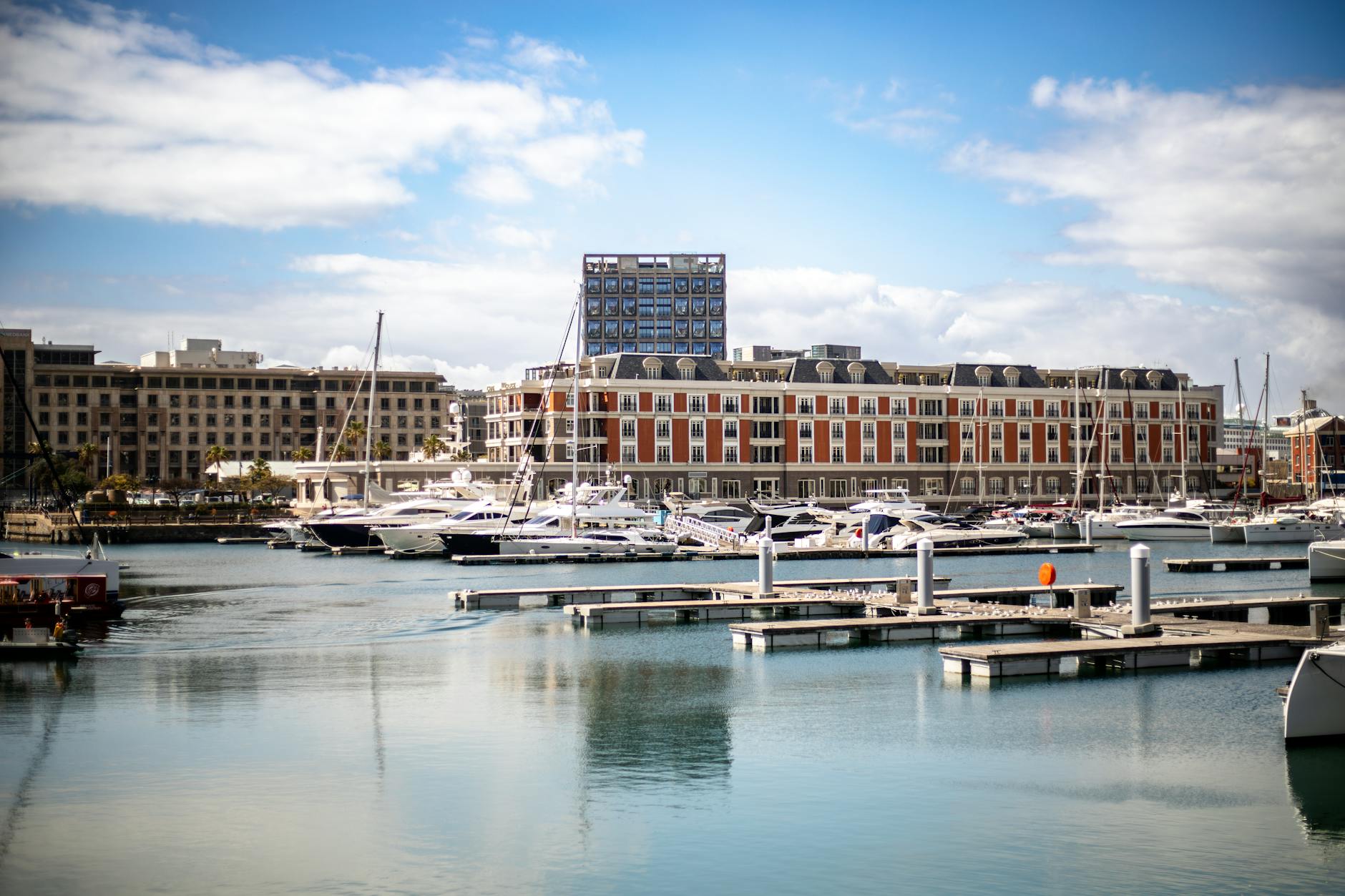
The land was Khoikhoi and San territory long before the Dutch East India Company anchored here in 1652 to grow vegetables for passing ships. Within two decades, the Castle of Good Hope was under construction — a pentagonal bastion fort completed in 1679 that still stands as South Africa's oldest surviving colonial building. The Kat Balcony inside it was used for public announcements and executions alike. By the late 1700s, a town of a couple of thousand Europeans had taken shape under VOC administration, before British forces seized Cape Town in 1795.
The Bowl's most painful chapter came in the 1970s, when the apartheid government forcibly cleared District Six of its residents. The District Six Museum now holds that history. On 11 February 1990, Nelson Mandela stood on the balcony of Cape Town City Hall and delivered his first public speech after 27 years in prison.
Who and what shaped it
People who shaped it
Landmark buildings
See City Bowl in motion
Plan your visit
On the map
When to go
Summers (December to February) are warm and dry, with February pushing to 29°C, though a strong southeaster wind is a constant presence. Winter brings rain and the occasional Atlantic cold front but stays mild — highs around 18°C — and the mountain turns green. March is many regulars' preference: the wind drops, temperatures remain high, and the city exhales.
Right now
Background & history adapted from Wikipedia (CC BY-SA) · specs from Wikidata (CC0) · weather from Open-Meteo · map data © OpenStreetMap contributors · photos from Wikimedia Commons / Unsplash with per-image credit. No third-party reviews or social posts reproduced.