
Green Point
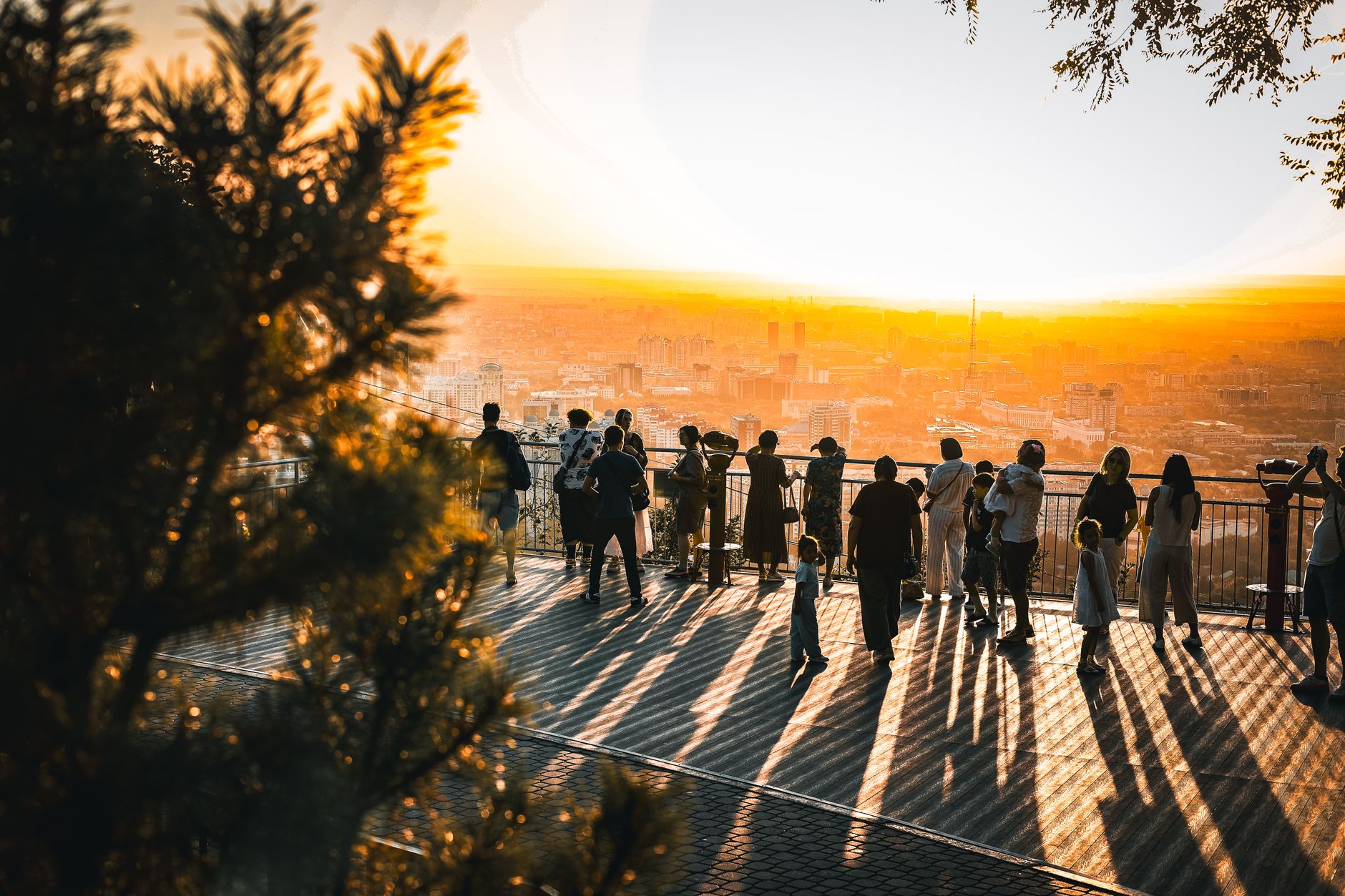
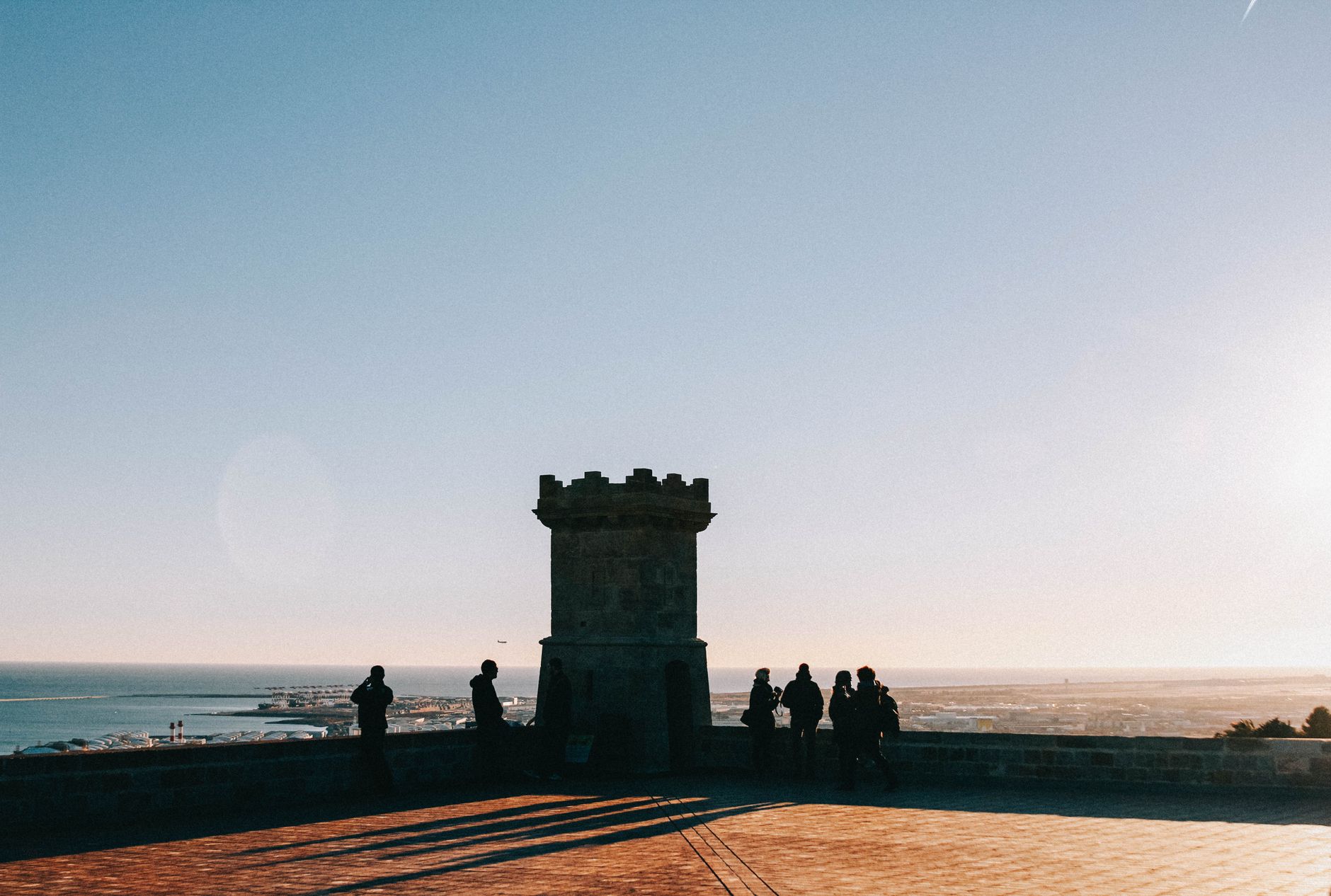
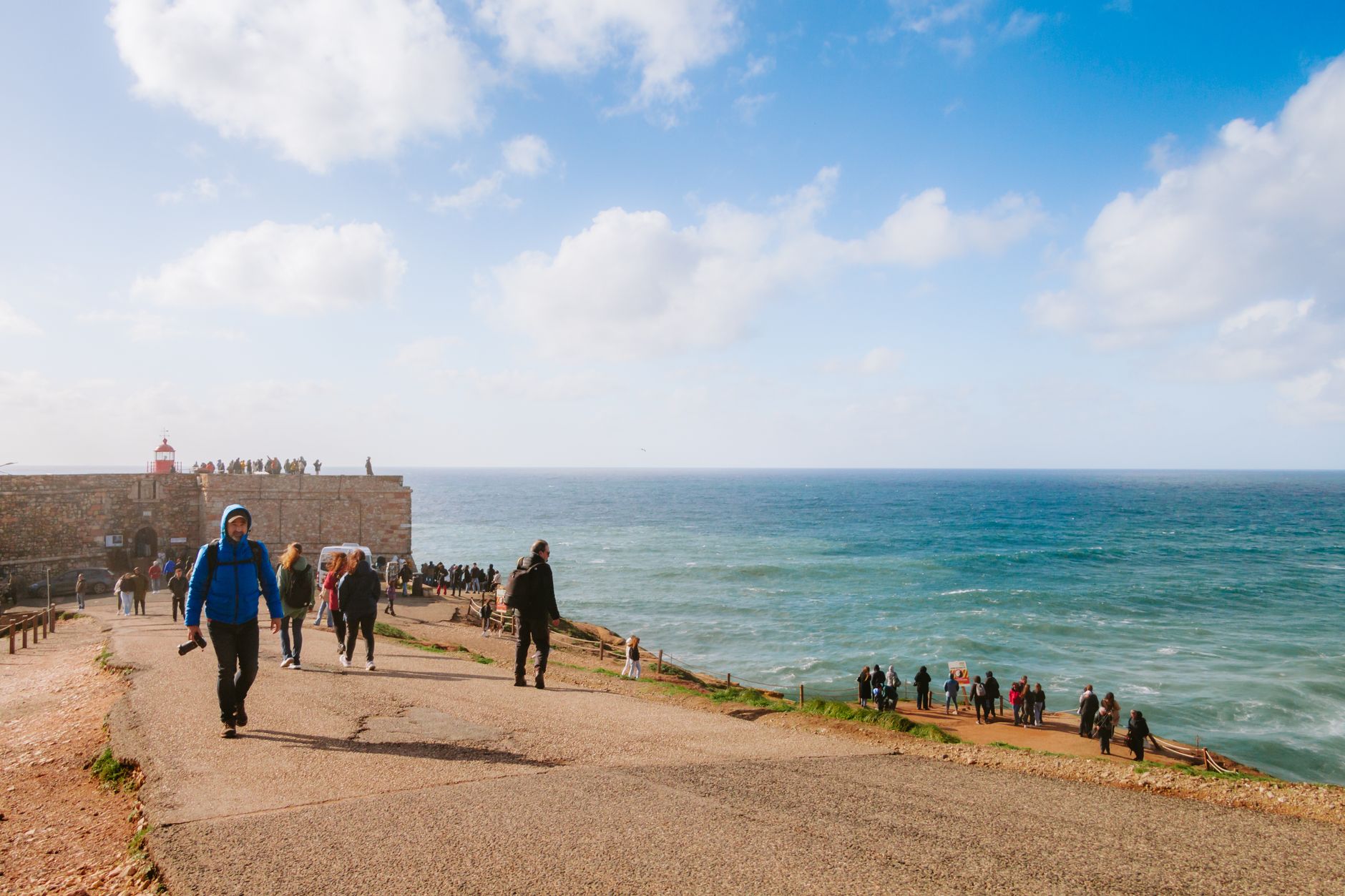
Green Point announces itself with a lighthouse before anything else — the oldest operational one on South African soil, first lit on 12 April 1824, its white tower still standing at the edge of the Common where Khoisan farmers once grazed cattle and British colonists later ran horses. The neighbourhood sits between the stadium's curved white hull and the Atlantic Seaboard's salt air, Somerset Road threading through the middle with the particular mix of a place that has always been where the city comes to let off steam.
Today that means Sunday markets in the stadium car park, a promenade walk that unspools south toward Sea Point, and a park built on the old Common where rainwater is harvested and indigenous plants have slowly reclaimed ground that once housed Boer prisoners of war.
💛 What travellers fall for
People who keep coming back tend to mention the Sunday market outside the stadium as a reason to get up early — produce, crafts, the general low-key sociability of it. The Sea Point Promenade is the other constant: walk it north from Three Anchor Bay on a weekday morning when it belongs mostly to joggers and dog-walkers.
Deals in Green Point
Book directly at the provider


How Green Point came to be
The land now called Green Point Common was grazed by Khoisan communities long before the Dutch East India Company arrived and renamed it Waterplaats in the 17th century. The British took over after 1806 and turned the Common into a horse-racing ground and social hub. By 1824, the lighthouse commissioned by Acting Governor Sir Rufane Shaw Donkin and designed by German architect Herman Shutte was guiding ships past a notoriously dangerous stretch of coast — a function it still performs two centuries later.
The 20th century layered more history onto the Common: British troops camped here during the Second Boer War, Boer prisoners were held on the same ground, and the apartheid-era Group Areas Act designated the neighbourhood whites-only. The 2010 FIFA World Cup stadium — built in 33 months at a cost of R4.4 billion on the site of an earlier ground — gave Green Point its most visible landmark and, on the land around it, a new urban park that opened in phases from 2011.
Who and what shaped it
People who shaped it
Landmark buildings
See Green Point in motion
Plan your visit
On the map
When to go
Green Point runs on a Mediterranean rhythm: dry summers from December through February with temperatures nudging 30°C, and mild, wet winters in June and July when the mercury sits around 13°C. October through April is the window when the Atlantic Seaboard is at its most cooperative for time spent outside.
Right now
Background & history adapted from Wikipedia (CC BY-SA) · specs from Wikidata (CC0) · weather from Open-Meteo · map data © OpenStreetMap contributors · photos from Wikimedia Commons / Unsplash with per-image credit. No third-party reviews or social posts reproduced.