
Stellenbosch (within Cape Town metro)
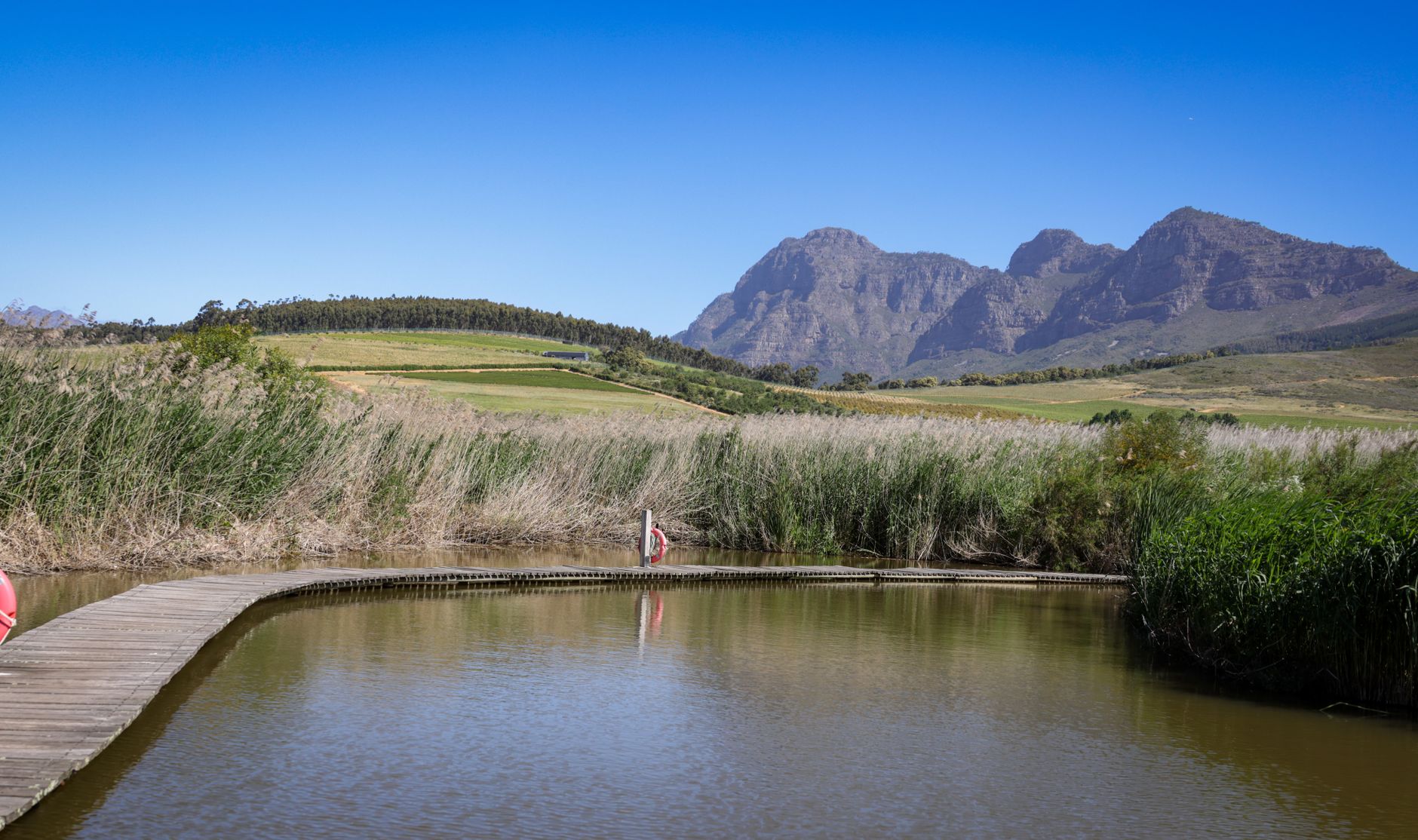

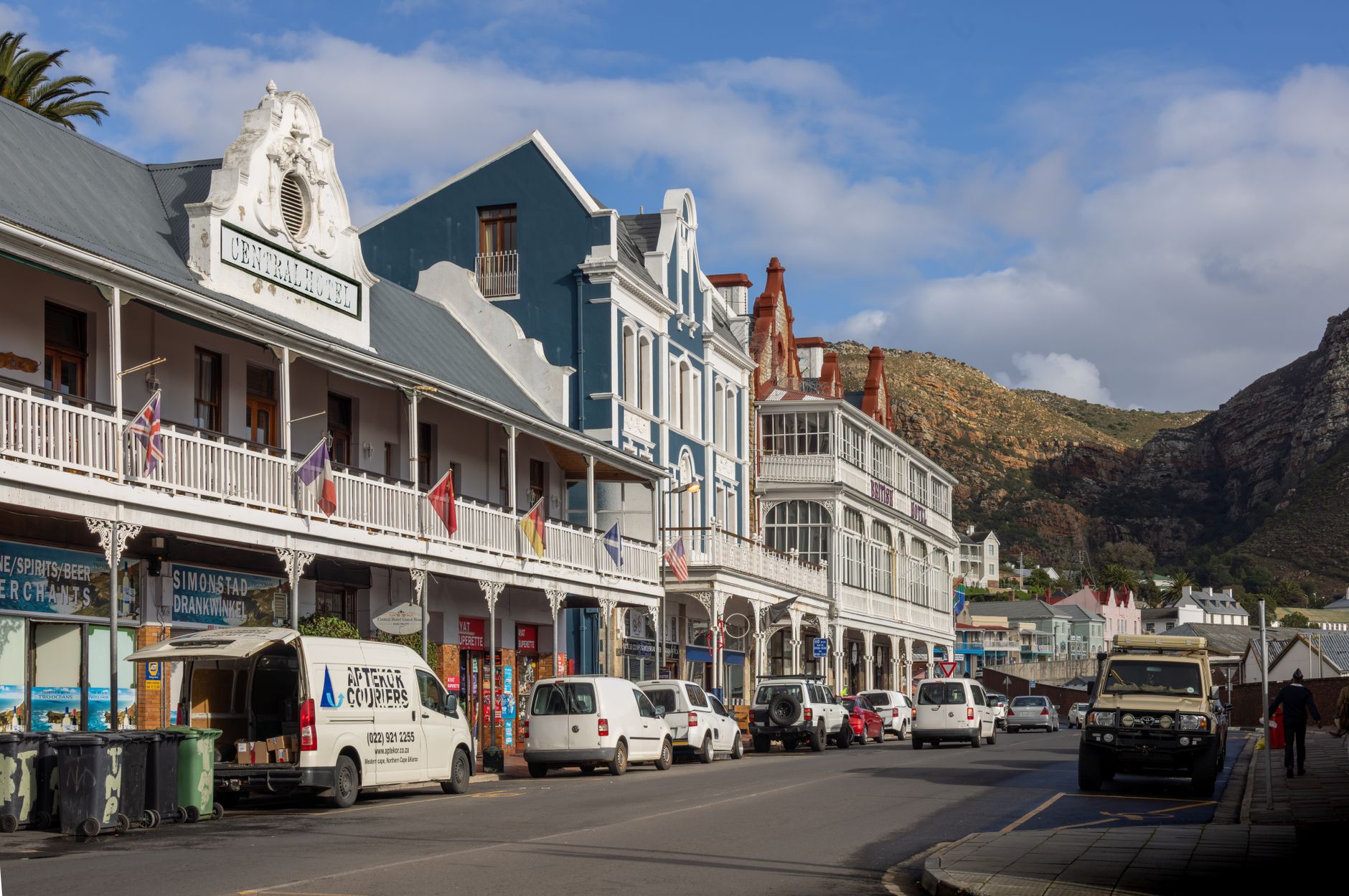
The oaks come first. Simon van der Stel planted them along the streets in 1679, and they're still there — cathedral rows of them shading Dorp Street, where Cape Dutch gables, Georgian facades and Victorian terraces stand shoulder to shoulder, repurposed into wine bars and galleries without losing their bones. Stellenbosch is South Africa's second-oldest European settlement, and it carries that age lightly, worn into the whitewash and the stone.
The town runs on two things: wine and the university, and the combination gives it an energy that purely agricultural wine towns rarely have. About 29,000 students keep the cafes full and the conversation sharp, while the vineyards push right up to the edge of the suburbs.
💛 What travellers fall for
People who come back tend to anchor on Dorp Street in the morning before the tour groups arrive — coffee, then a slow walk past the Burgerhuis. The Village Museum's four restored houses, spanning 1709 to 1929, reward more time than most visitors give them. And Die Braak, the old military parade ground set aside in 1703, is the quietest place in town to just sit.
Deals in Stellenbosch (within Cape Town metro)
Book directly at the provider
How Stellenbosch (within Cape Town metro) came to be
On 8 November 1679, Cape Colony Governor Simon van der Stel rode into a valley and liked what he found. He founded a settlement and named it after himself — Stellenbosch, meaning 'Van der Stel's forest' — then planted the oaks that still define it. By 1685 the town had become the colony's second magistracy, with jurisdiction over 25,000 square kilometres. A fire in 1710 levelled most of it, leaving only two or three houses standing; what you see on Dorp Street rose from that ash.
The university arrived in 1863 and changed the town's character permanently. Stellenbosch became an intellectual engine of Afrikaner nationalism — D.F. Malan, who introduced apartheid as Prime Minister in 1948, studied here, as did Hendrik Verwoerd, the policy's chief architect. That history sits alongside the institution's later critics, among them Frederik van Zyl Slabbert, who lectured sociology here before becoming the opposition's voice in parliament against the same system.
Who and what shaped it
People who shaped it
Landmark buildings
See Stellenbosch (within Cape Town metro) in motion
Plan your visit
On the map
When to go
Stellenbosch has a Mediterranean rhythm: summers (December to February) are warm and dry, pushing toward 30°C, while winters (June to August) bring genuine rain — up to 120mm in July — and nights that drop to around 5°C. The shoulder months, March through May and September through November, are the most comfortable for walking between estates.
Right now
Background & history adapted from Wikipedia (CC BY-SA) · specs from Wikidata (CC0) · weather from Open-Meteo · map data © OpenStreetMap contributors · photos from Wikimedia Commons / Unsplash with per-image credit. No third-party reviews or social posts reproduced.