
Kalk Bay
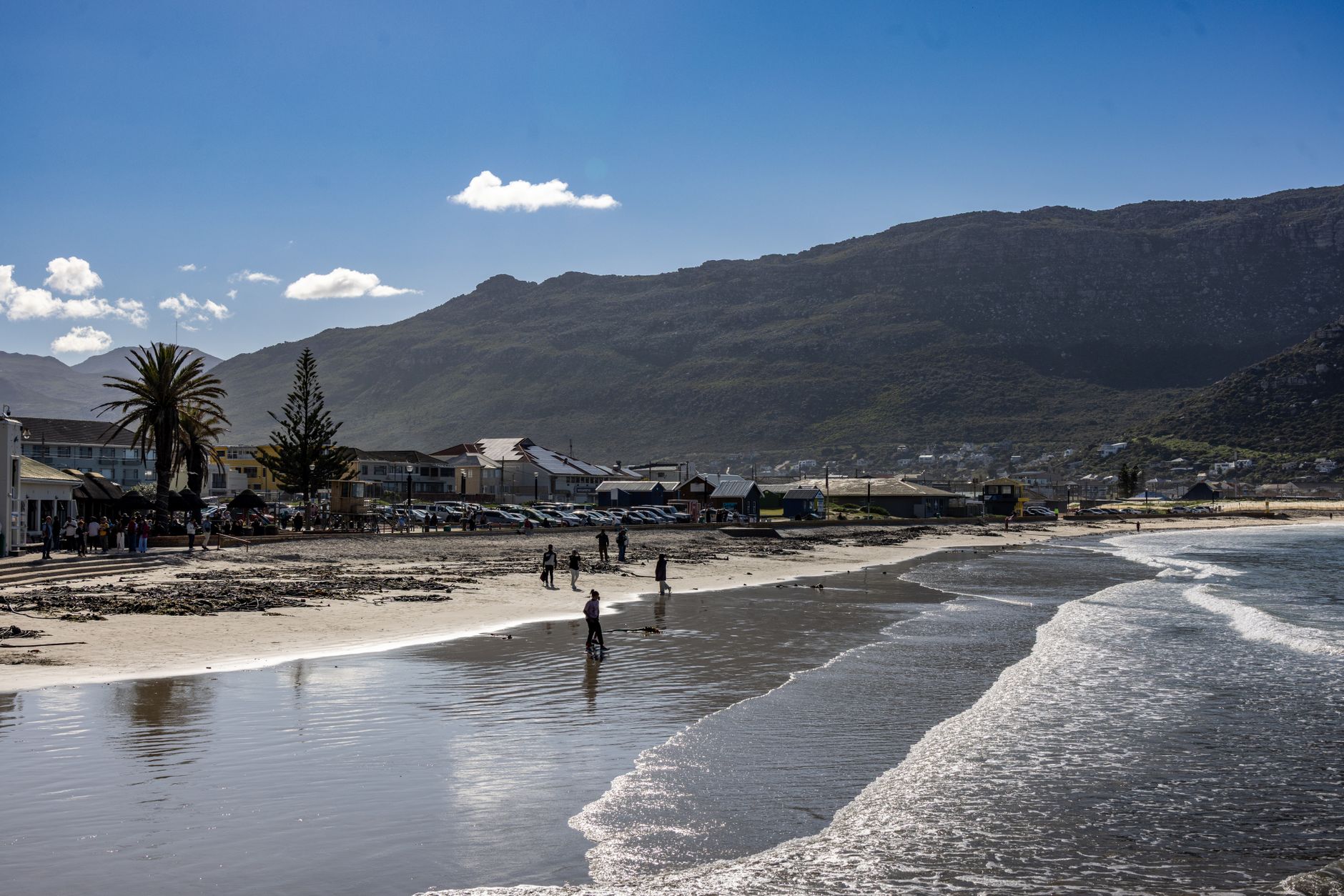
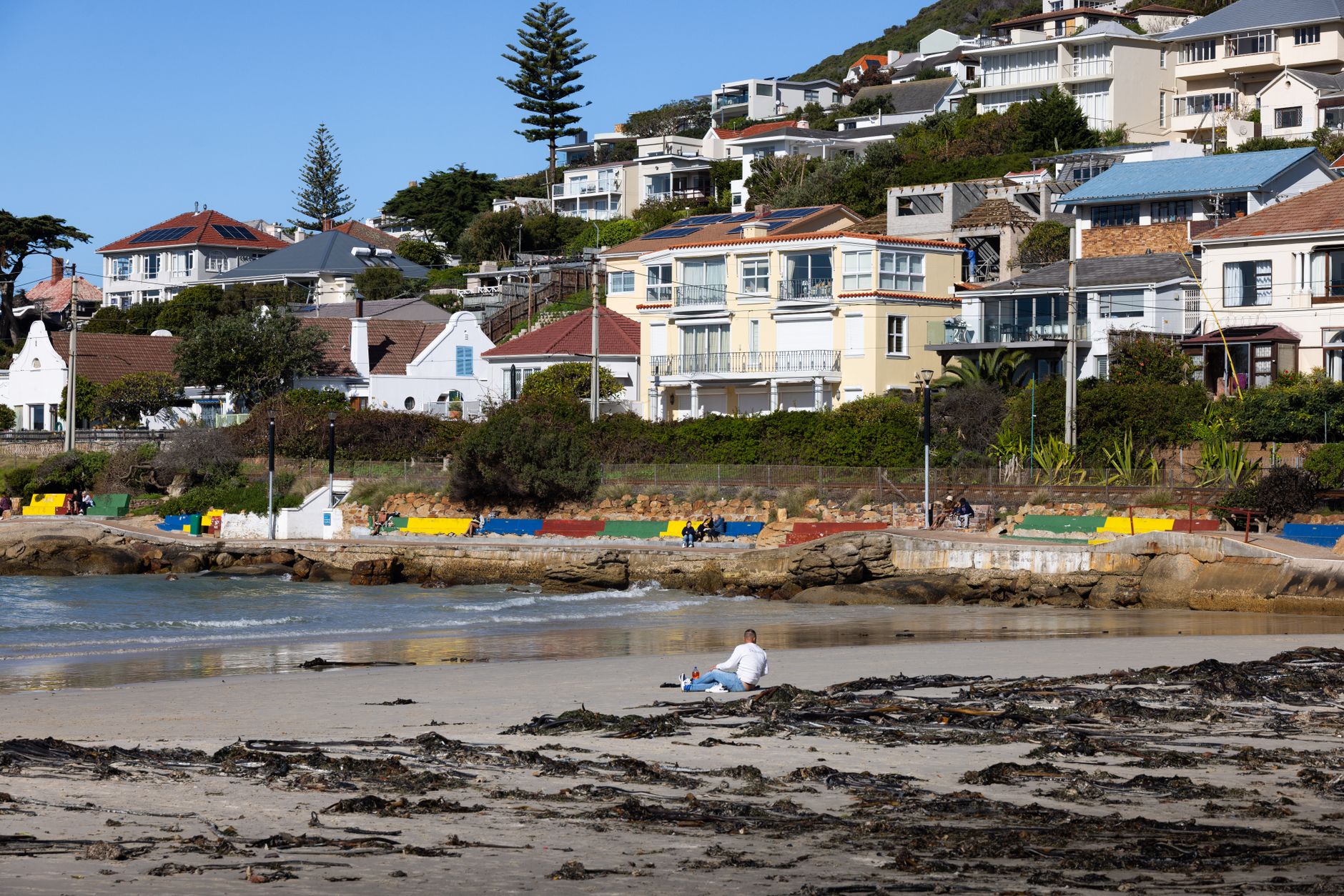
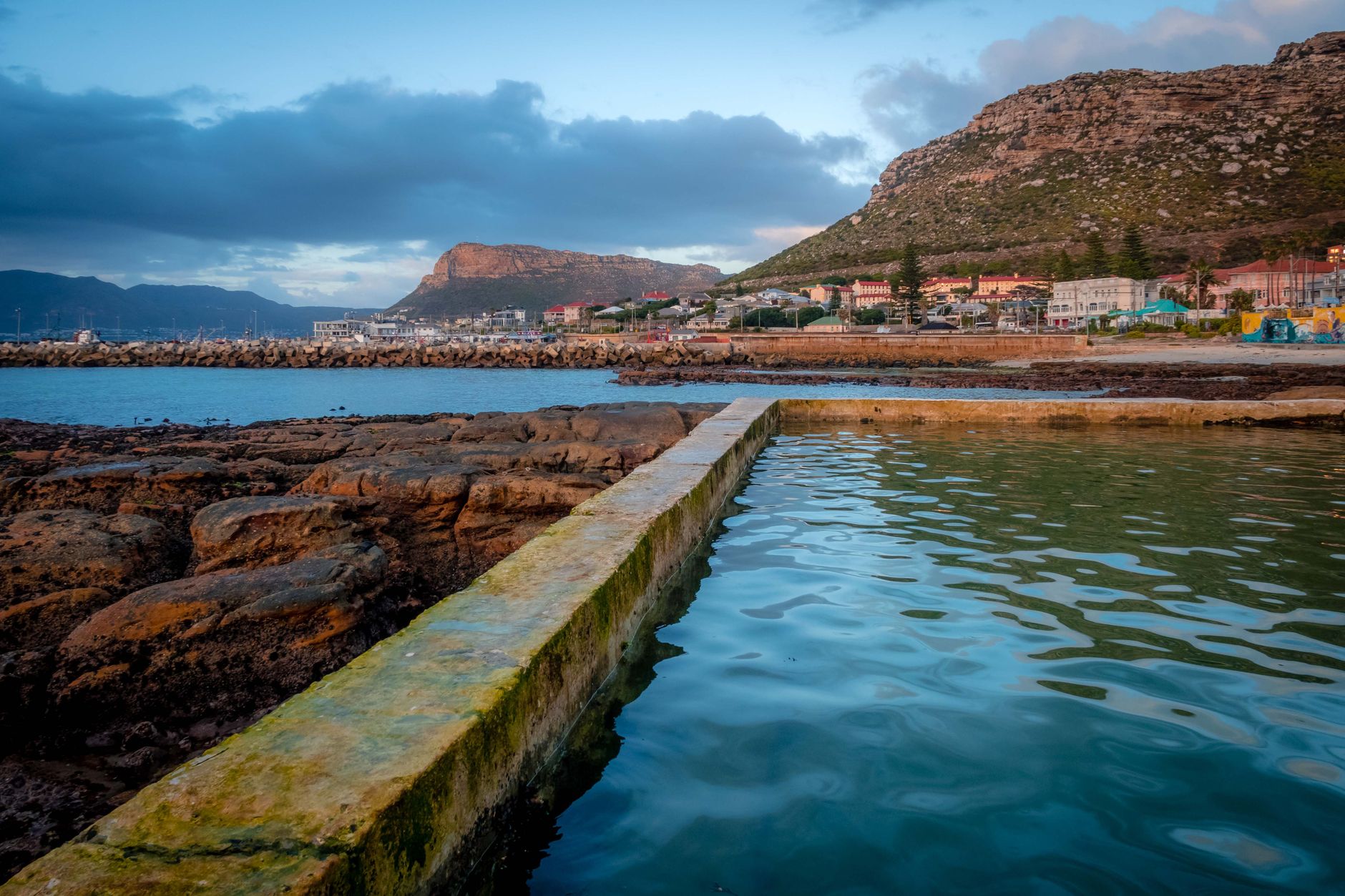
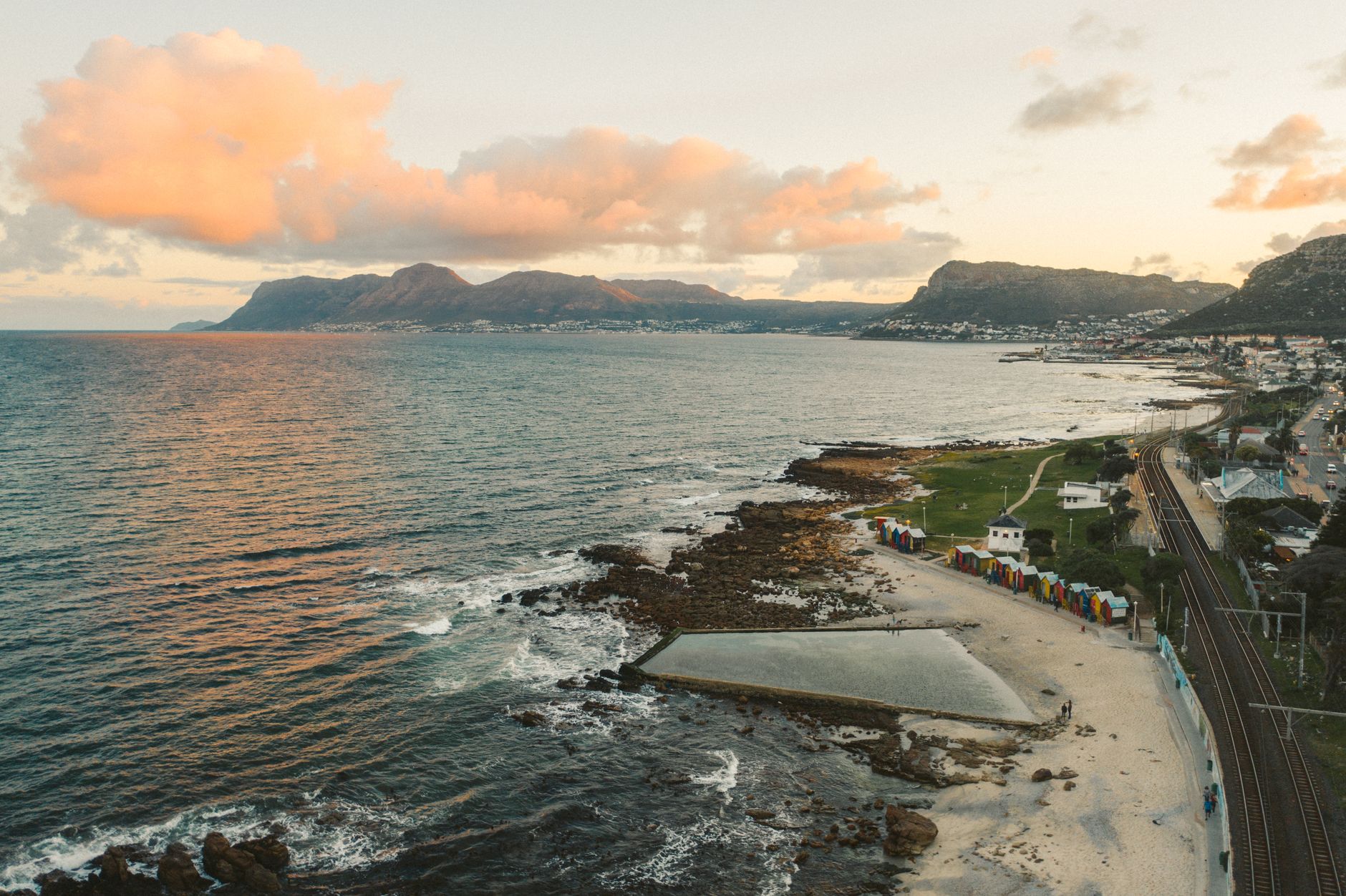
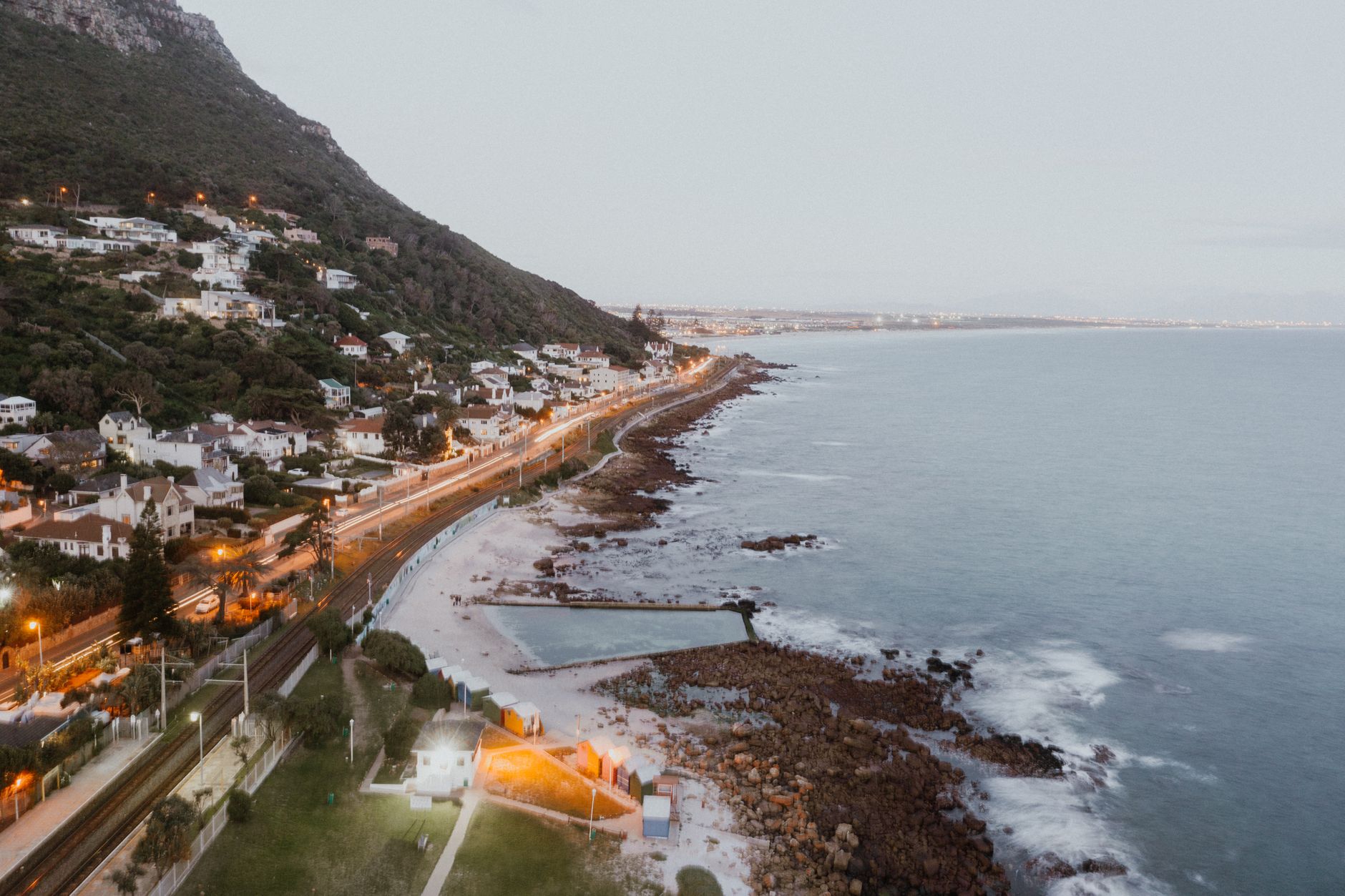
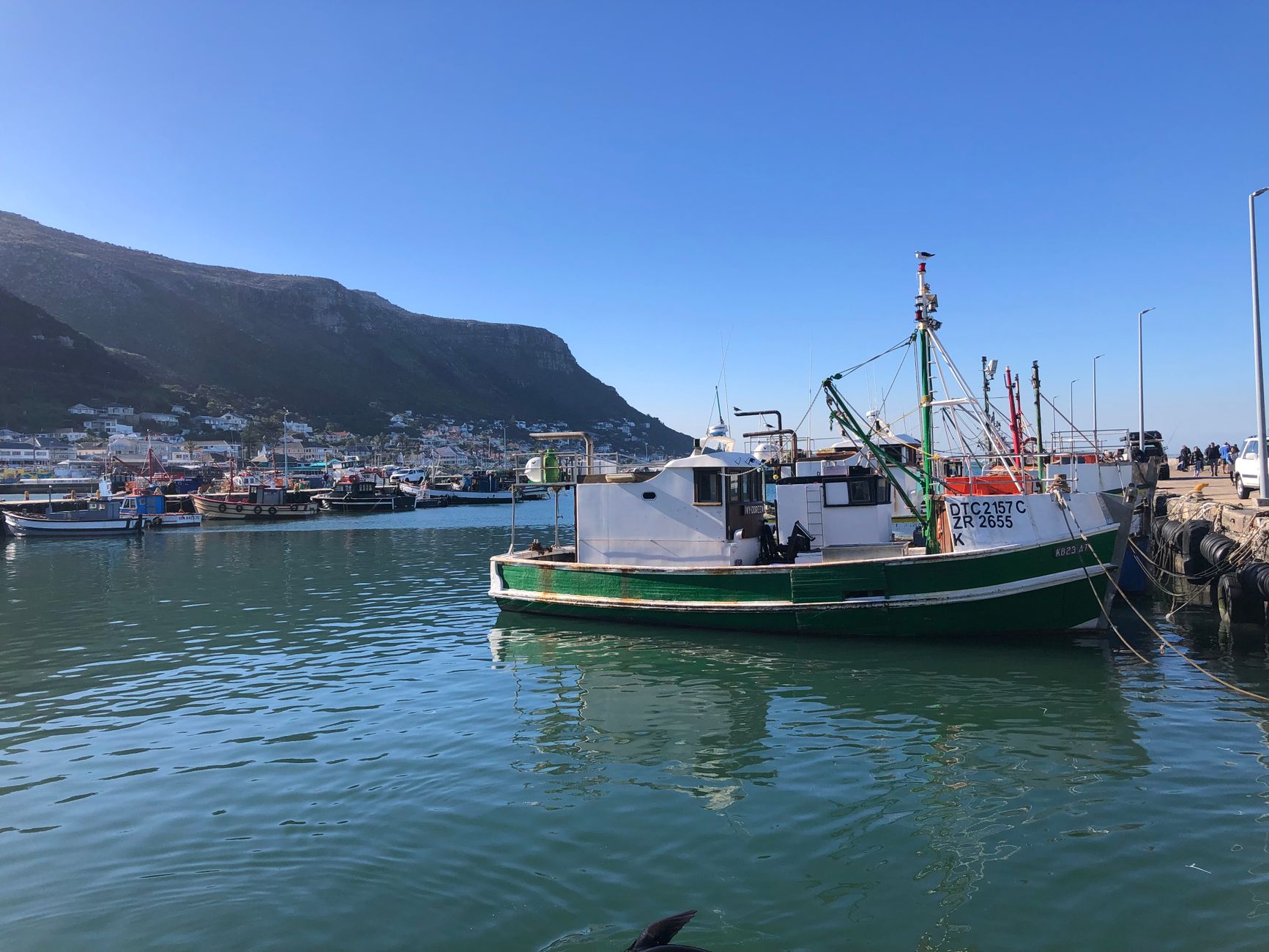
The fishing boats come in most mornings at Kalk Bay Harbour, and if you're there early enough you can watch the catch get sorted on the quay — snoek mostly, slapped onto ice while gulls work the air overhead. The harbour has been operating since 1913, when Minister Henry Burton laid its foundation stone, and the rhythm of it hasn't changed much since.
The main street runs parallel to the railway line and the sea, lined with stone buildings that have quietly changed purpose over the decades: a saloon turned bookshop, a residential hotel turned café, a neo-gothic church painted black and white that now stages theatre.
💛 What travellers fall for
People who keep coming back tend to mention the same few anchors: breakfast at Olympia Café before the queue forms, a walk up to the sandstone caves above the village, and the Manila Steps off Boyes Drive — easy to miss, but worth finding for the story alone, which Traci Kwaai of Aweh Kaapstad tells better than anyone.
Deals in Kalk Bay
Book directly at the provider

How Kalk Bay came to be
The name comes from the Dutch word for chalk. Lime-burners were working these shores in the 17th century, and Governor Simon van der Stel noted the settlement in his journals in 1687. By the early 19th century, under British rule, whaling had become one of the Cape's most lucrative industries — until it wasn't, the stocks collapsing by 1902. The railway arrived in 1883, which shifted the economy toward fishing and made it possible to get fresh catch to Cape Town the same day.
What makes Kalk Bay unusual is its people. A Filipino community took root here, possibly as early as 1839, growing through the 1850s when refugees fled anti-Spanish unrest in the Philippines. Felix Flores, remembered as the community's godfather, helped settle arriving crew members. Then in 1967 the apartheid government declared it a white area under the Group Areas Act — but Die Dam residents were given a 15-year deadline to leave, a deadline that was never enforced. Kalk Bay remained one of the few genuinely mixed-race communities in South Africa throughout that era.
Who and what shaped it
People who shaped it
Landmark buildings
See Kalk Bay in motion
Plan your visit
On the map
When to go
False Bay has a Mediterranean pattern: dry summers (December to February) with strong south-easterly winds that can make the main street feel like a wind tunnel by afternoon, and mild, wetter winters when the mountain above the village turns green. Spring and autumn offer the calmest conditions for walking.
Right now
Background & history adapted from Wikipedia (CC BY-SA) · specs from Wikidata (CC0) · weather from Open-Meteo · map data © OpenStreetMap contributors · photos from Wikimedia Commons / Unsplash with per-image credit. No third-party reviews or social posts reproduced.