
Simon's Town
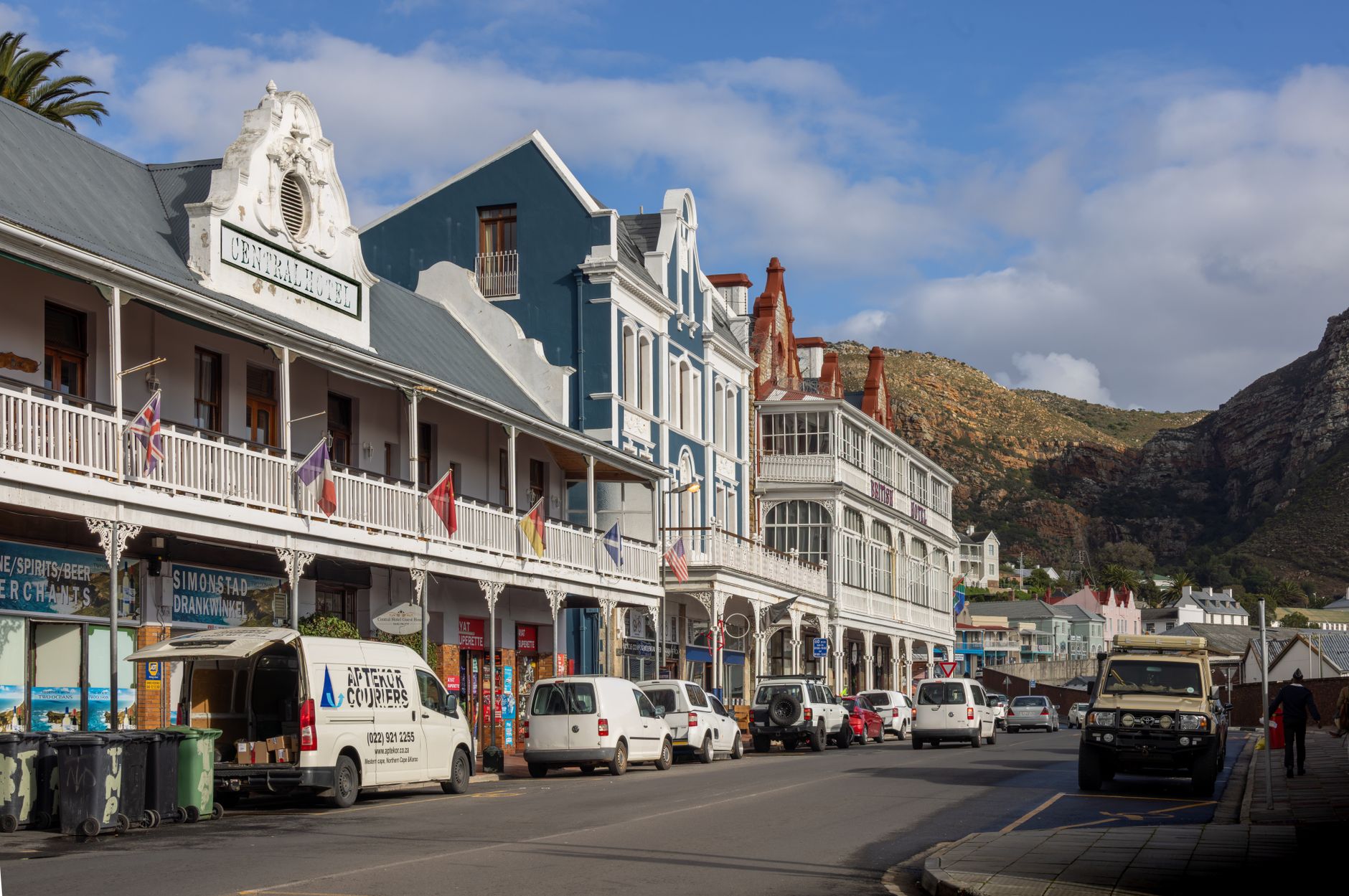
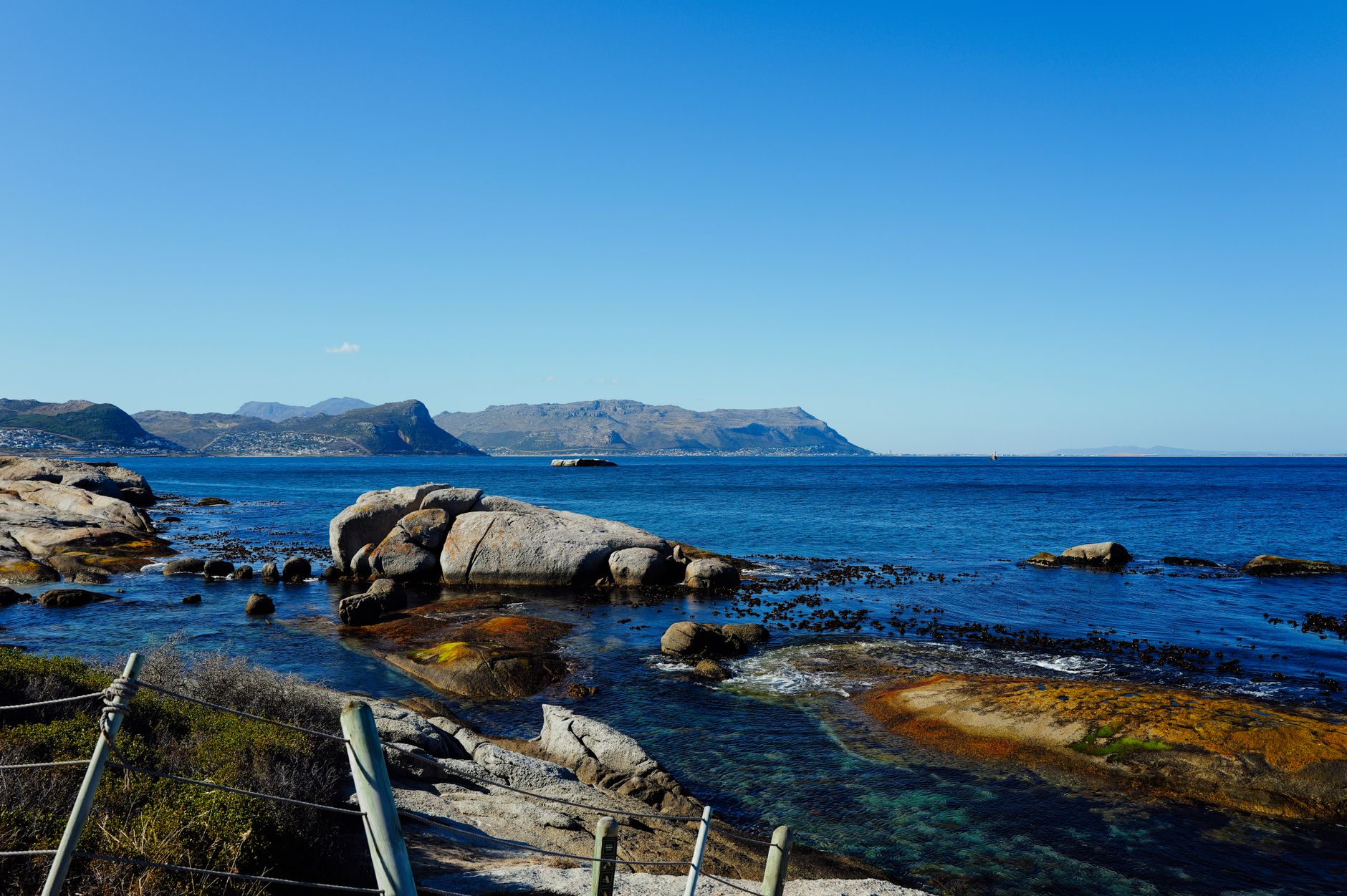
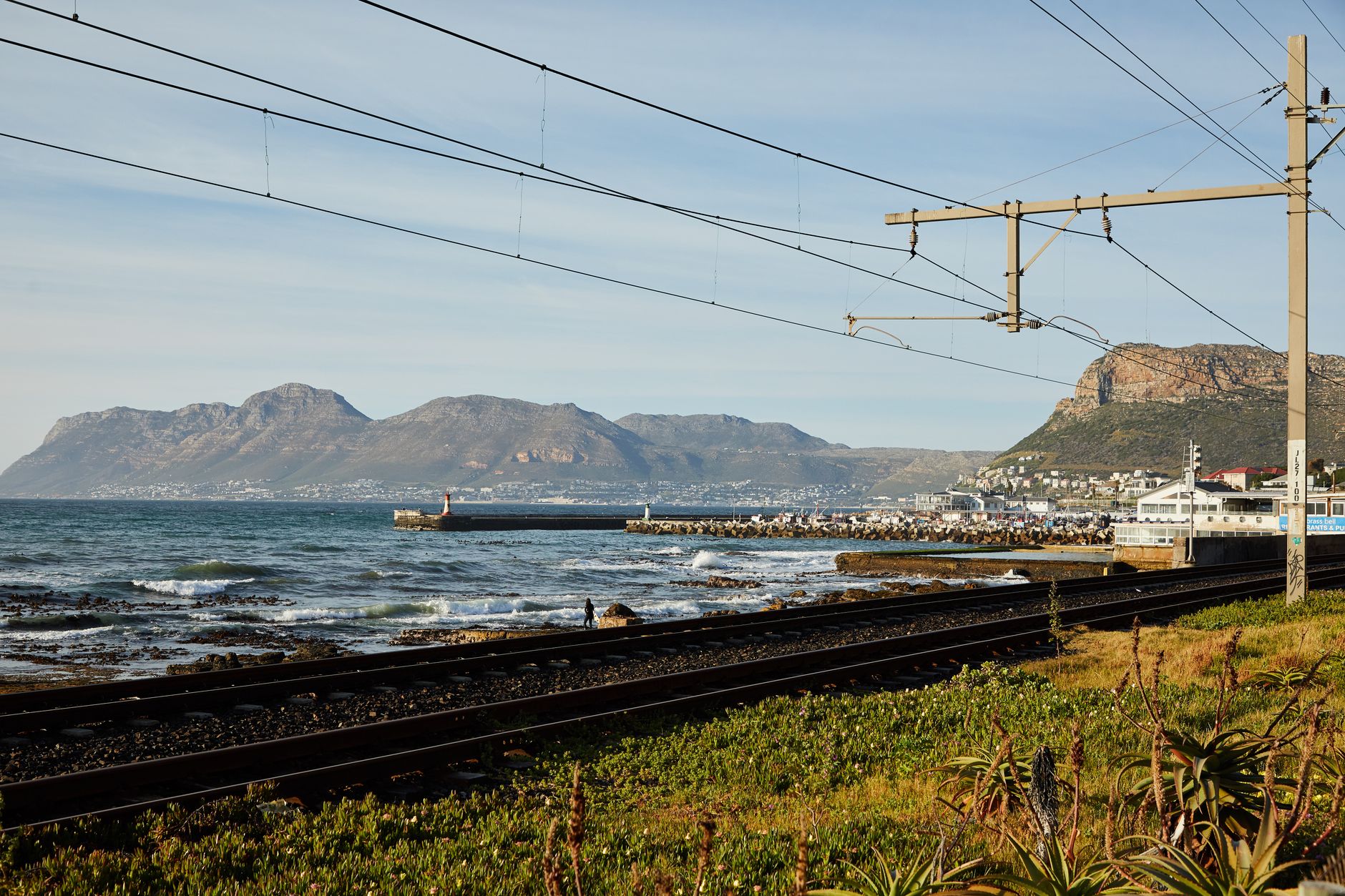
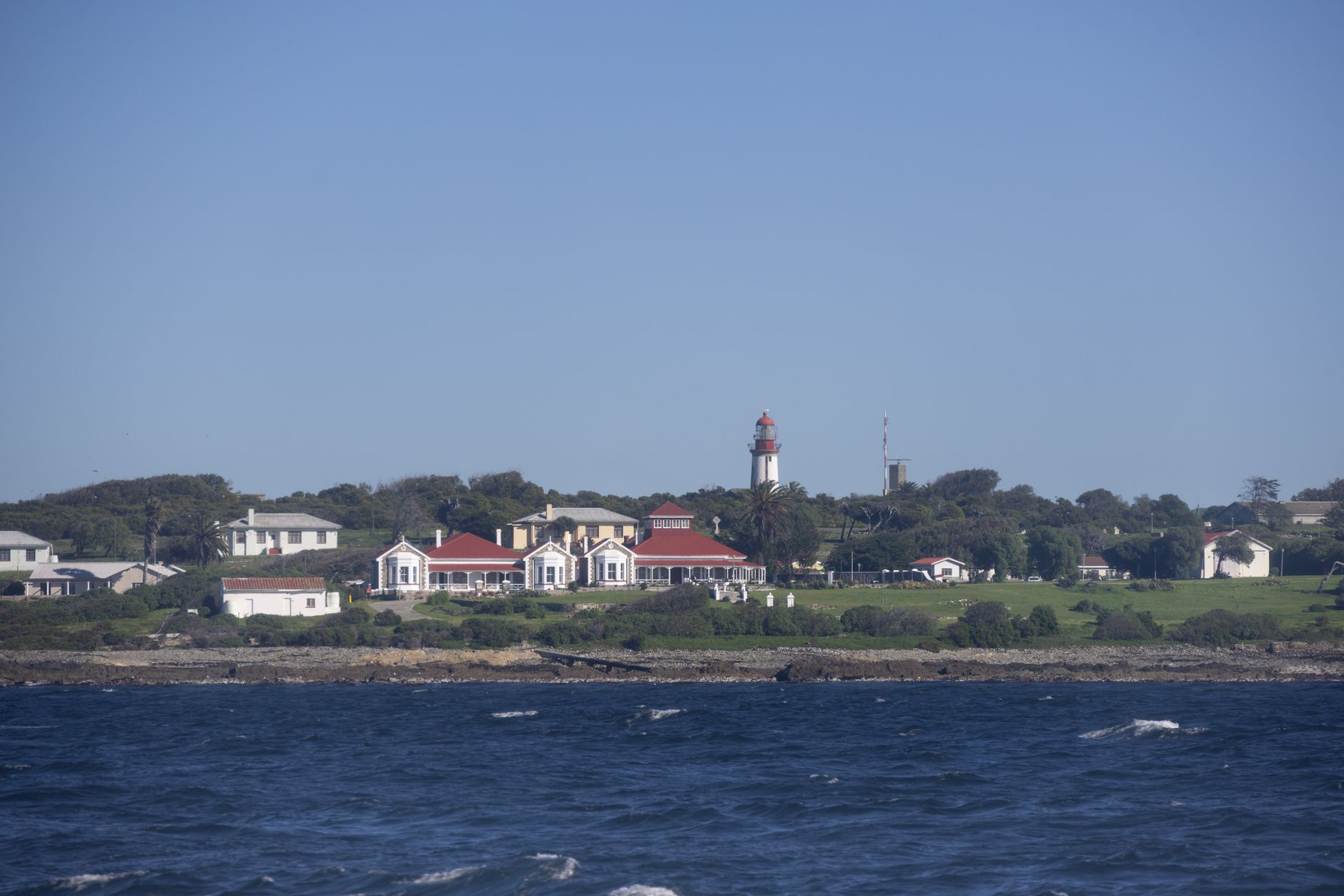
At the end of the Southern Line, where False Bay opens wide and the Atlantic begins to feel serious, Simon's Town has been watching ships come and go since 1741. The Dutch East India Company chose it as a winter anchorage because the mountains behind it block the worst of the north-westerlies — a practical calculation that turned a sheltered bay into a town.
The navy is still here, which gives Simon's Town something rare on the Cape Peninsula: a sense of institutional continuity. St George's Street runs along the waterfront with 21 buildings more than 150 years old standing shoulder to shoulder, and a Great Dane named Just Nuisance — Able Seaman, Royal Navy — has a statue in Jubilee Square to prove the place has always had its own logic.
💛 What travellers fall for
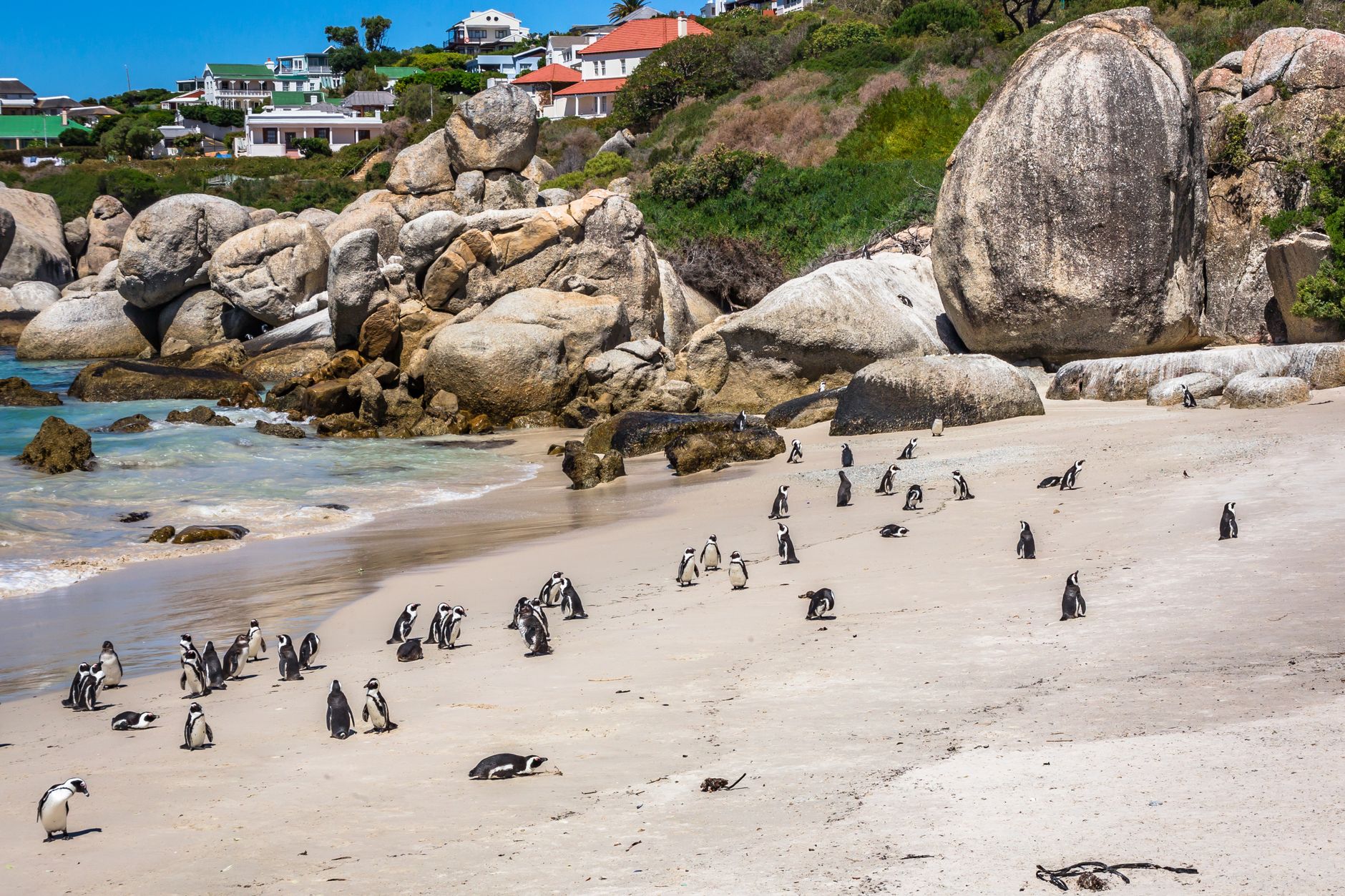
People who come back tend to arrive on the early train from Fish Hoek, walk straight to Boulders Beach before the tour groups settle in, then spend the middle of the day on St George's Street. The Simon's Town Heritage Museum, which charges nothing, consistently surprises — it holds more of the town's layered human story than the larger institutions nearby.
Deals in Simon's Town
Book directly at the provider

How Simon's Town came to be
Simon van der Stel surveyed the bay in 1687 and saw what the Dutch East India Company would formalise 54 years later: a harbour that winter storms couldn't reach. The company declared it an official anchorage in 1741, and European settlement followed in 1743. The British took over at the Cape in 1814 and immediately moved their South Atlantic Naval Squadron headquarters here, raising Admiralty House and the Church of Saint Francis of Assisi the same year.
The Martello Tower went up in 1795–96 and was whitewashed around 1843 to double as a navigational beacon. The dockyard was completed in 1910. In 1957, under the Simonstown Agreement, the base transferred to South African control — though the Royal Navy's long residency is still legible in almost every building on the waterfront mile.
Who and what shaped it
People who shaped it
Landmark buildings
See Simon's Town in motion
Plan your visit
On the map
When to go
Summer (January through March) brings daily means of 18–19°C with reliable sun and calm seas — the best time for Boulders Beach. Winter is when the north-westerlies arrive; the mountains provide shelter, but expect grey skies and occasional rain from June through August.
Right now
Background & history adapted from Wikipedia (CC BY-SA) · specs from Wikidata (CC0) · weather from Open-Meteo · map data © OpenStreetMap contributors · photos from Wikimedia Commons / Unsplash with per-image credit. No third-party reviews or social posts reproduced.