
Johannesburg
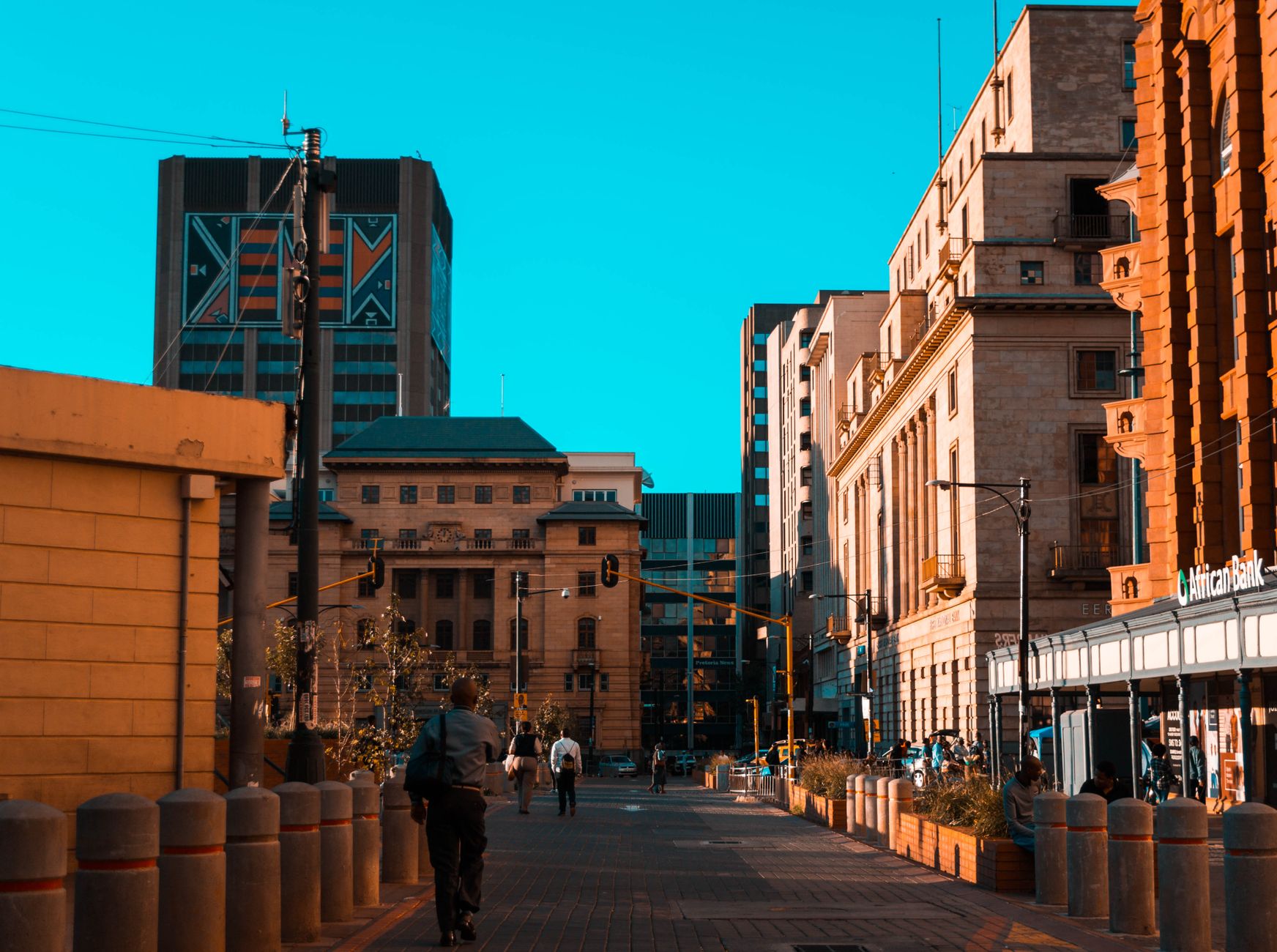
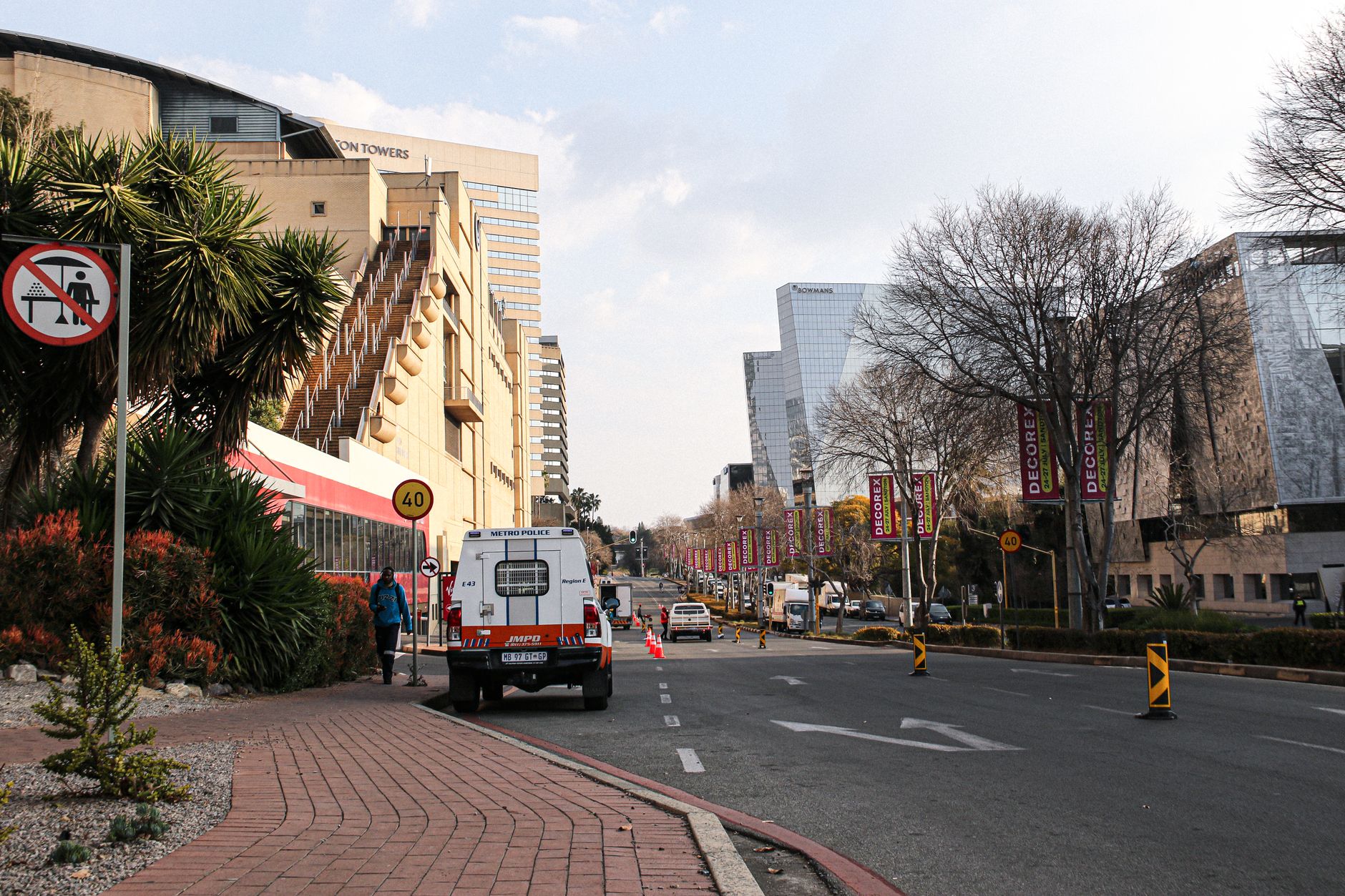
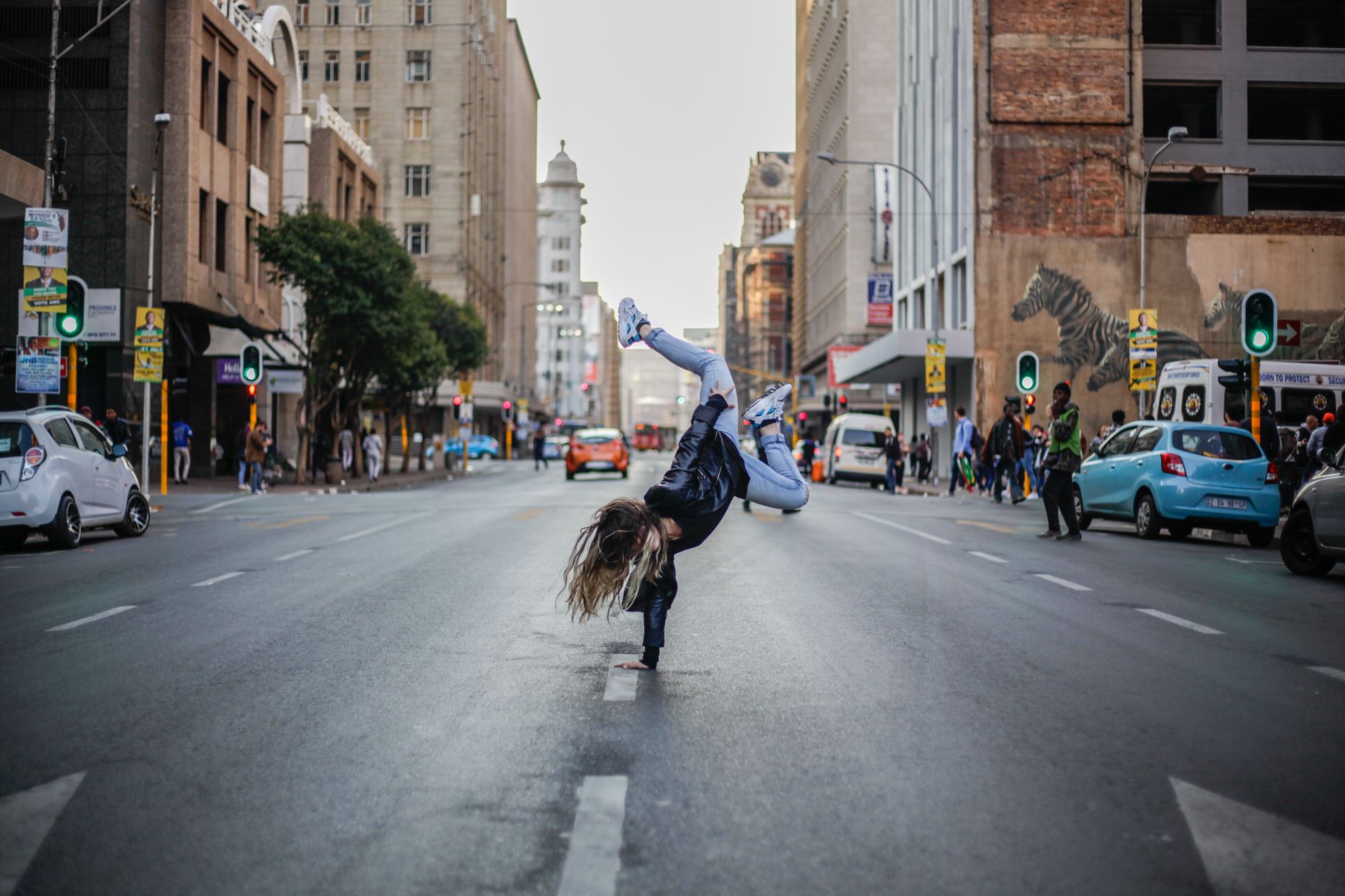
Johannesburg exists because of gold. In February 1886, a prospector named George Harrison found the Main Reef on a farm called Langlaagte, and within a decade a city of over 100,000 people had risen from the highveld grassland. That origin — raw, extractive, improvised — still shapes the place. The skyline reads it plainly: the Carlton Centre, Africa's tallest building for most of the twentieth century, stands a few streets from the Rand Club, founded in 1887 by Cecil Rhodes.
Today Johannesburg is the economic engine of the continent, a city that rewards the curious and asks something of them in return. Soweto and Constitution Hill carry the weight of apartheid history with unusual directness. Newtown's Market Theatre, opened in a converted fruit market in 1976, kept culture alive through the worst of those years. The city doesn't package itself neatly, and that's part of why it stays with you.
How Johannesburg came to be
On 3 October 1886, the name Johannesburg appeared in official records for the first time — a compound of the surnames of two ZAR land surveyors, Christiaan Johannes Joubert and Johannes Rissik, with the Afrikaans suffix for fortified city. The site at Randjeslaagte had been selected weeks earlier by F.C. Eloff, private secretary to President Paul Kruger. What followed was one of the fastest urban explosions of the nineteenth century: a miners' camp in the Fordsburg dip became a municipality by 1898 and a city by 1928.
The twentieth century layered other histories over the gold. Constitution Hill began as a military fort reinforced by Kruger in the 1890s and later held prisoners under apartheid. Nelson Mandela and Oliver Tambo ran their law firm from Chancellor House between 1952 and 1956. The city that built itself in a decade spent much of the next century arguing — often violently — about who it belonged to.
Who and what shaped it
People who shaped it
Landmark buildings
See Johannesburg in motion
Plan your visit
On the map
When to go
Johannesburg sits high on the interior plateau, which keeps temperatures mild year-round. Winters are dry with cold nights and reliably clear days; summers (November–February) bring afternoon thunderstorms that clear quickly but can be intense.
Right now
↡ Cities
Background & history adapted from Wikipedia (CC BY-SA) · specs from Wikidata (CC0) · weather from Open-Meteo · map data © OpenStreetMap contributors · photos from Wikimedia Commons / Unsplash with per-image credit. No third-party reviews or social posts reproduced.