
Roodepoort

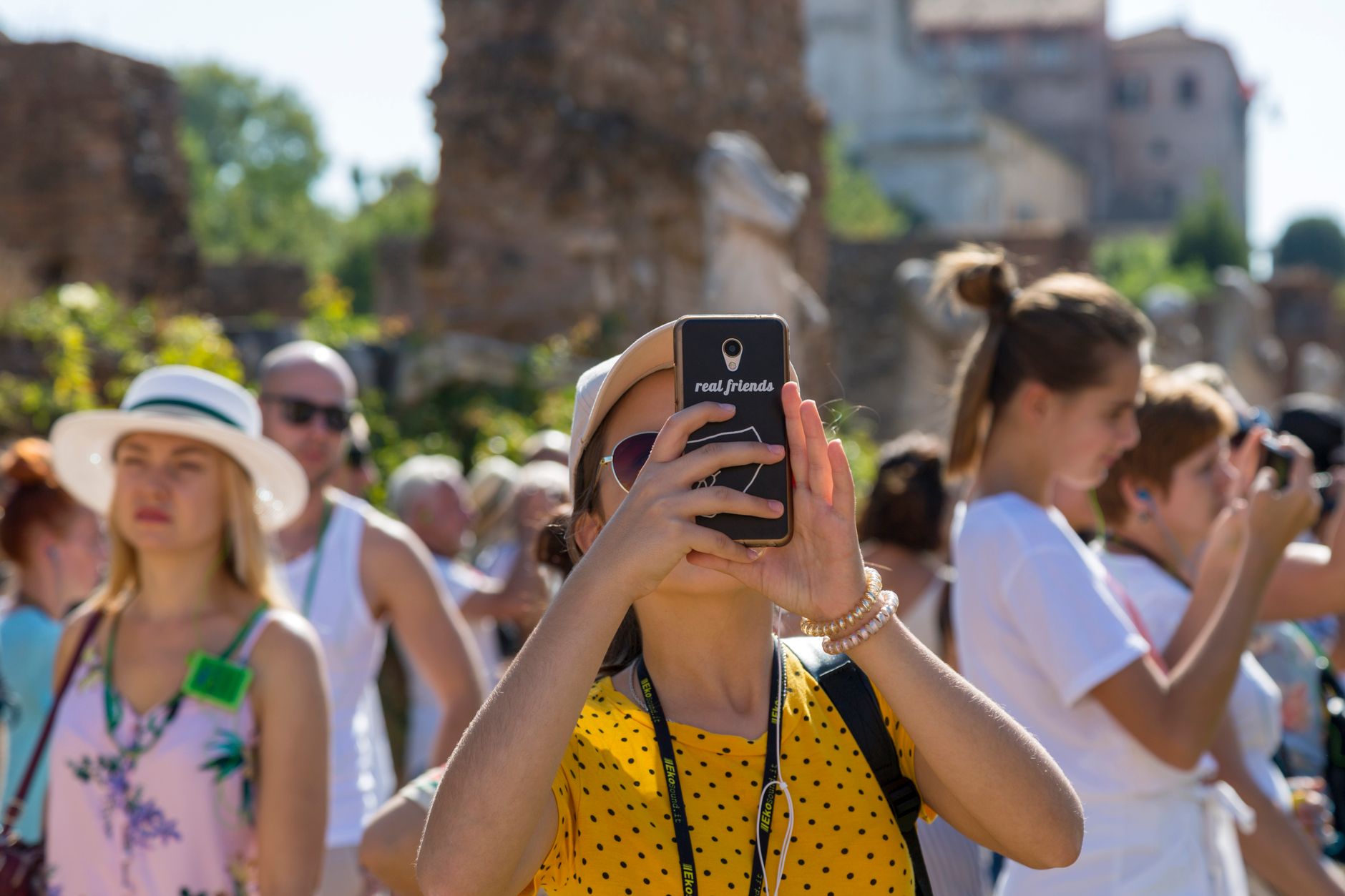
Twenty kilometres west of central Johannesburg, Roodepoort takes its name from the red soil that colours the ridges running through it — "red valley" in Afrikaans, and the description still holds when the late-afternoon light catches the earth along the Kloofendal trails. The city grew fast on gold and kept its own civic identity long after the mine headgear rusted: it held independent municipality status for most of the twentieth century before folding into Johannesburg in the late 1990s.
What draws people out here now is largely green. The Walter Sisulu National Botanical Garden — 300 hectares of grassland, cliff face and a natural waterfall — sits inside the city limits, and the 128-hectare Kloofendal Nature Reserve adds trails, a dam and the occasional small mammal to the inventory. The old stone buildings in Berlandina Street and Rex Street are quiet reminders that this was once a place governing itself.
💛 What travellers fall for
People who come back tend to time it for the waterfall at Walter Sisulu after winter rain, when the flow is strongest and the cliffs catch the morning light. Kloofendal is worth a weekday visit — the amphitheatre area empties out and you get the trails to yourself. Florida Lake is reliable for birding in the early hours.
Deals in Roodepoort
Book directly at the provider
How Roodepoort came to be
In 1884 the Struben brothers — Fred and Harry — found gold on the farm Wilgespruit, touching off the chain of events that would define this part of the Highveld. A village was established two years later on the farm Roodepoort itself, and by 1904 Roodepoort-Maraisburg had been raised to full municipality status. City status followed in 1977, though the centre of gravity had already begun shifting toward Constantia Kloof and the N1 interchange.
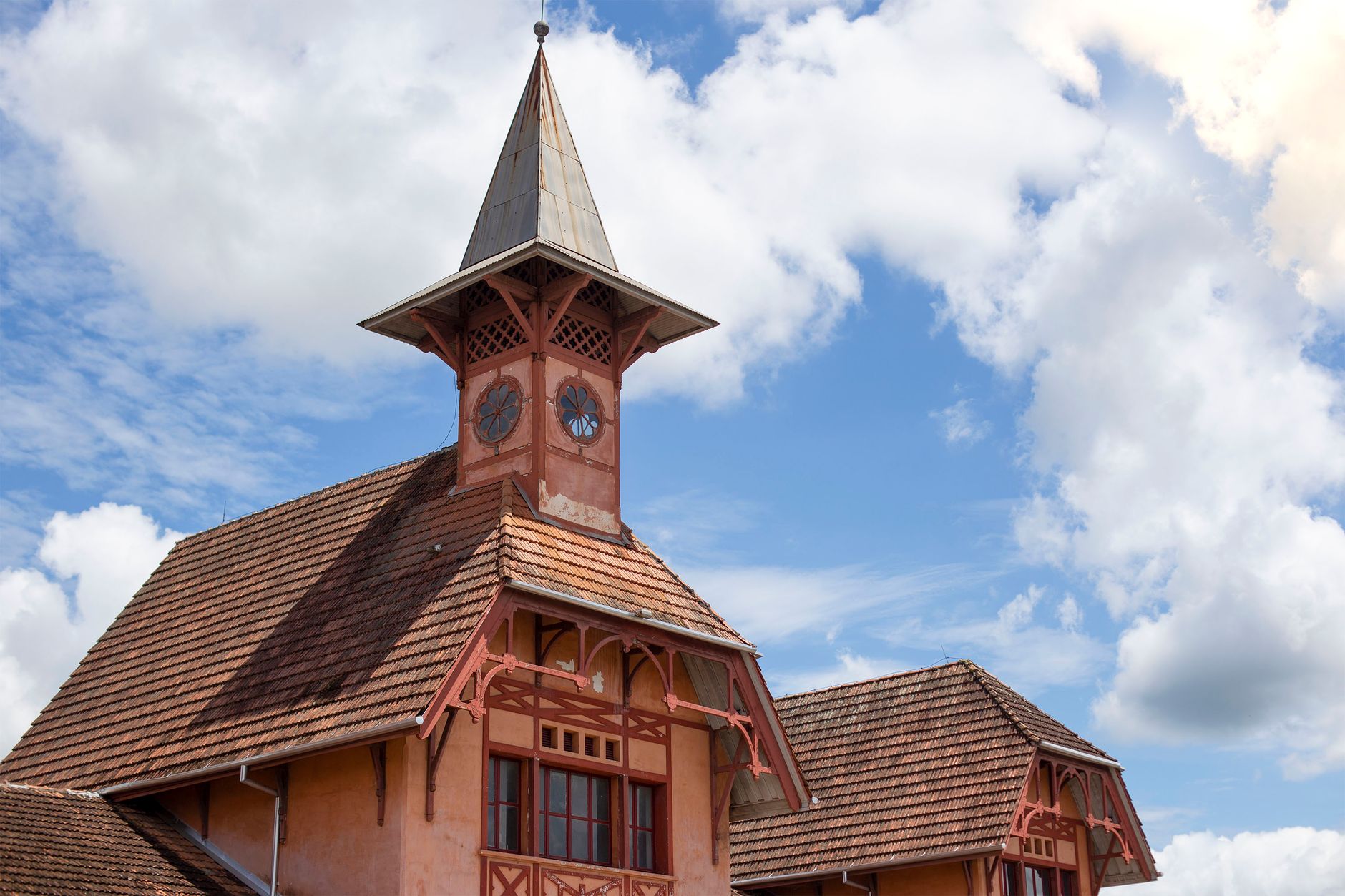
Two of the city's older structures survive as national monuments: the old municipal offices on Berlandina Street, a plaster-and-stone building declared in 1985 and now serving as a branch library, and the Old Roodepoort Town School on Rex Street, on the site of the original 1894 building. The Roodepoort Civic Centre opened on 4 July 1980. Clarence Walker, the city's most decorated sporting son, had already written himself into history sixty years earlier — he became South Africa's first Olympic boxing gold medalist at the 1920 Antwerp Games.
Who and what shaped it
People who shaped it
Landmark buildings
See Roodepoort in motion
Plan your visit
On the map
When to go
May through September is the reliable window: dry air, 27 to 29 days of sunshine a month, and daytime highs sitting comfortably between 18 and 21°C with cold mornings. December through February brings the summer rains — 70 to 90mm a month — and temperatures pushing into the high twenties, which makes the botanical garden lush but the trails muddier.
Right now
Background & history adapted from Wikipedia (CC BY-SA) · specs from Wikidata (CC0) · weather from Open-Meteo · map data © OpenStreetMap contributors · photos from Wikimedia Commons / Unsplash with per-image credit. No third-party reviews or social posts reproduced.