
Melville
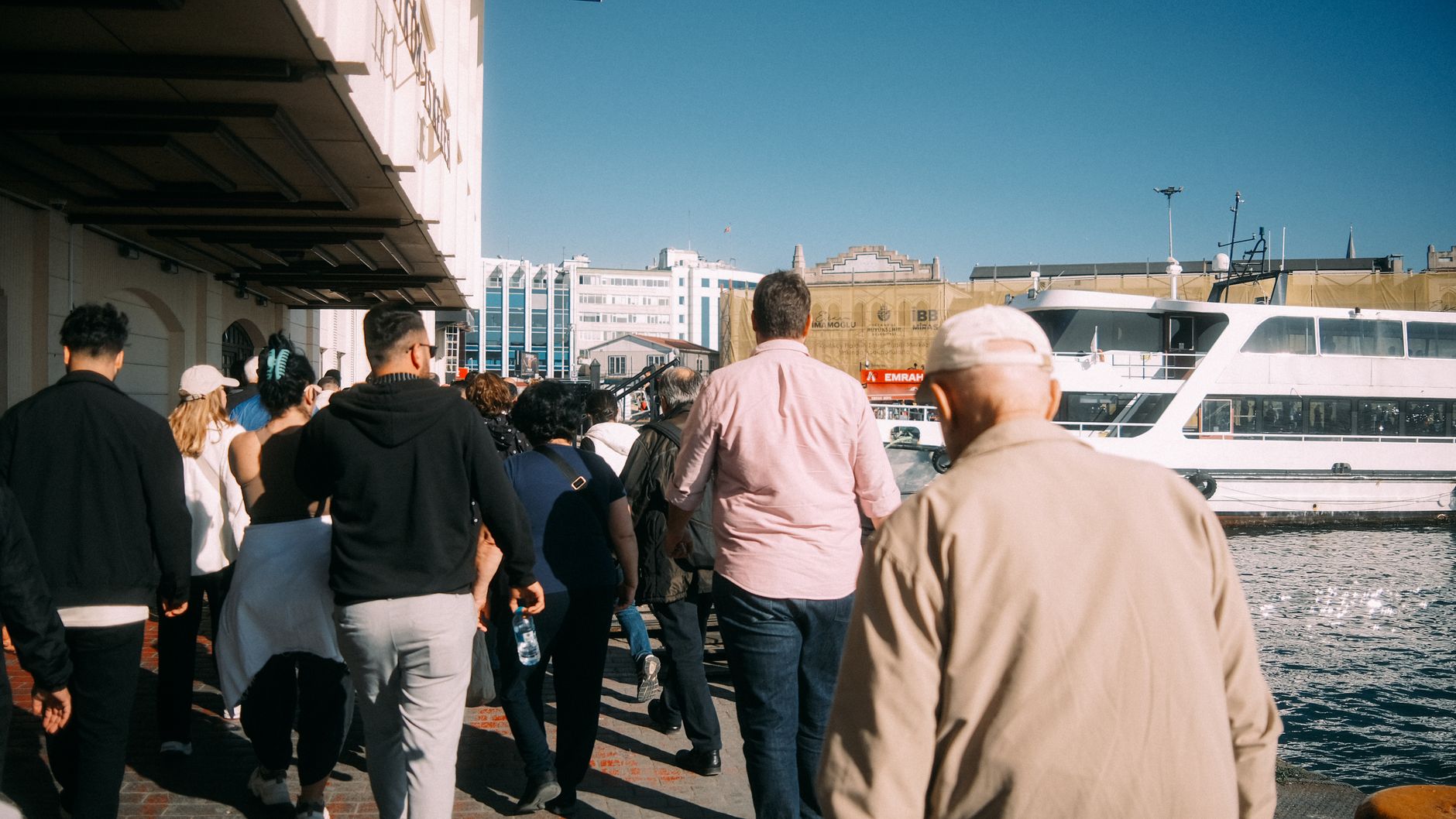
Melville runs to about 1.72 square kilometres, and no two blocks look the same — a Victorian house behind a jacaranda, a shipping-container shopping centre, a tattoo studio next to a wine bar on 7th Street. There are no chain stores here, no franchise restaurants, and that absence shapes everything. The suburb sits at the foot of a 50-hectare ridge of ancient rock, and its streets fill with students, artists and academics who live close to two universities and have decided this is where Johannesburg makes the most sense.
The rhythm is afternoon into evening. Start somewhere quieter — the independent bookstore at Bamboo Centre, or the side streets of heritage houses with their big trees — and let 7th Street find you as the light drops.
💛 What travellers fall for
People who come back tend to time it around First Thursday, when galleries, studios and pop-ups open along the Melville Art Mile into a walkable neighbourhood circuit. They also mention the e-tuktuks: cheap, informal, and a genuinely good way to range slightly further without losing the on-foot feel of the place.
Deals in Melville
Book directly at the provider

How Melville came to be
The land Melville sits on was part of the original Braamfontein farm before gold was discovered on the Witwatersrand in 1886 and Johannesburg lurched into existence almost overnight. The suburb was proclaimed on 5 October 1896 and named — with a slight spelling shift — after the land surveyor Edward Harker Vincent Melvill, who mapped it out.
The ridge above the suburb, now the Melville Koppies Nature Reserve, holds a much older story. In 1963, archaeologist Revil Mason excavated an Iron Age furnace there; carbon dating of the charcoal placed it in use at various points between 1060 and 1580 AD. Kraal walls are still visible on the hillside, making the koppies something rarer than a city park — a working archaeological site that predates Johannesburg by roughly eight centuries.
Who and what shaped it
People who shaped it
Landmark buildings
See Melville in motion
Plan your visit
On the map
When to go
Melville sits at 1,700 metres above sea level, which keeps temperatures honest year-round. Winters (May–August) are sunny and mild by day — around 18–20°C — but nights drop close to freezing in June and July. Summers bring warm days and dramatic late-afternoon thunderstorms that clear quickly; April–May and September–October are the steadiest months to visit.
Right now
Background & history adapted from Wikipedia (CC BY-SA) · specs from Wikidata (CC0) · weather from Open-Meteo · map data © OpenStreetMap contributors · photos from Wikimedia Commons / Unsplash with per-image credit. No third-party reviews or social posts reproduced.