
Soweto
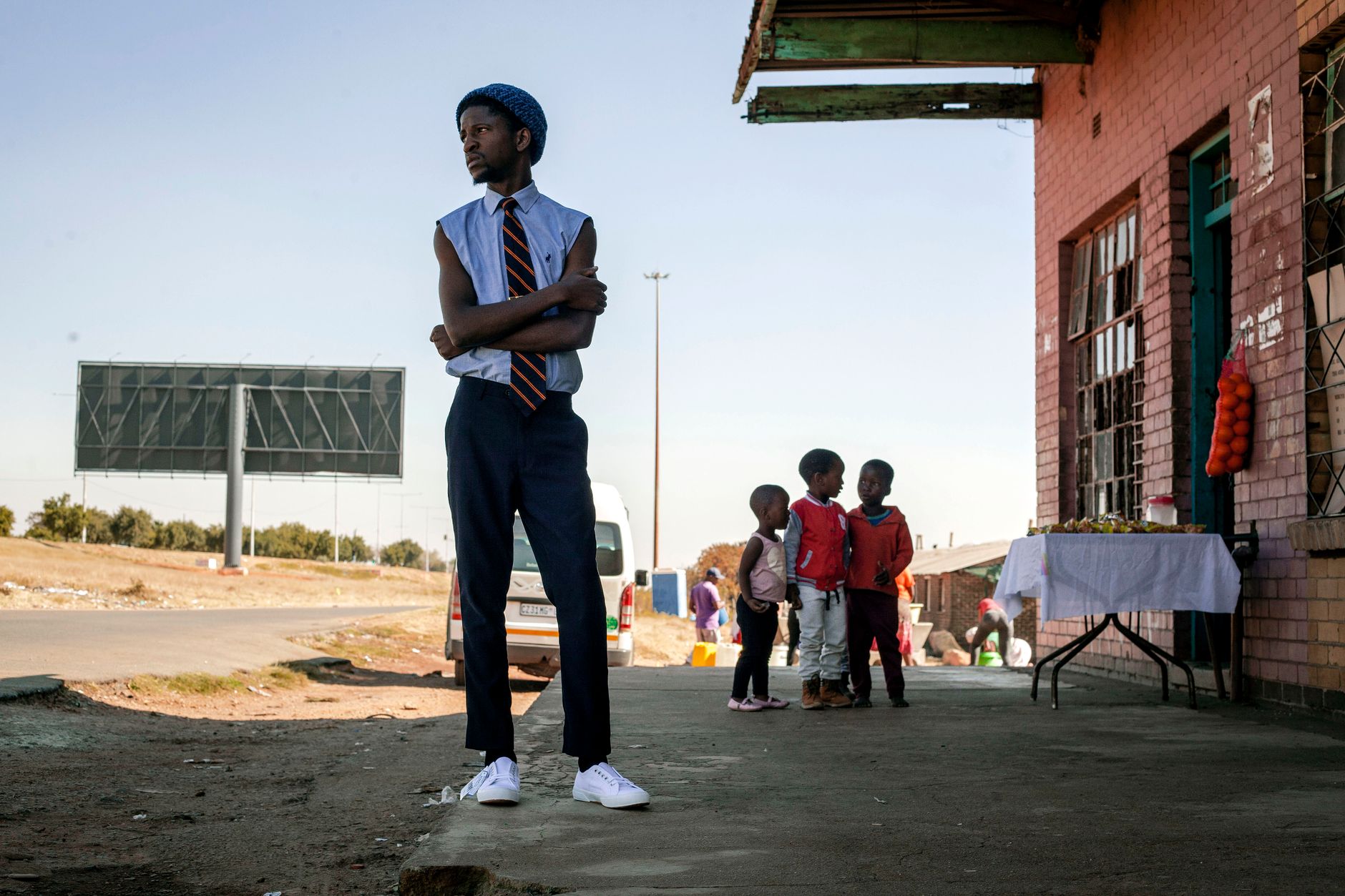

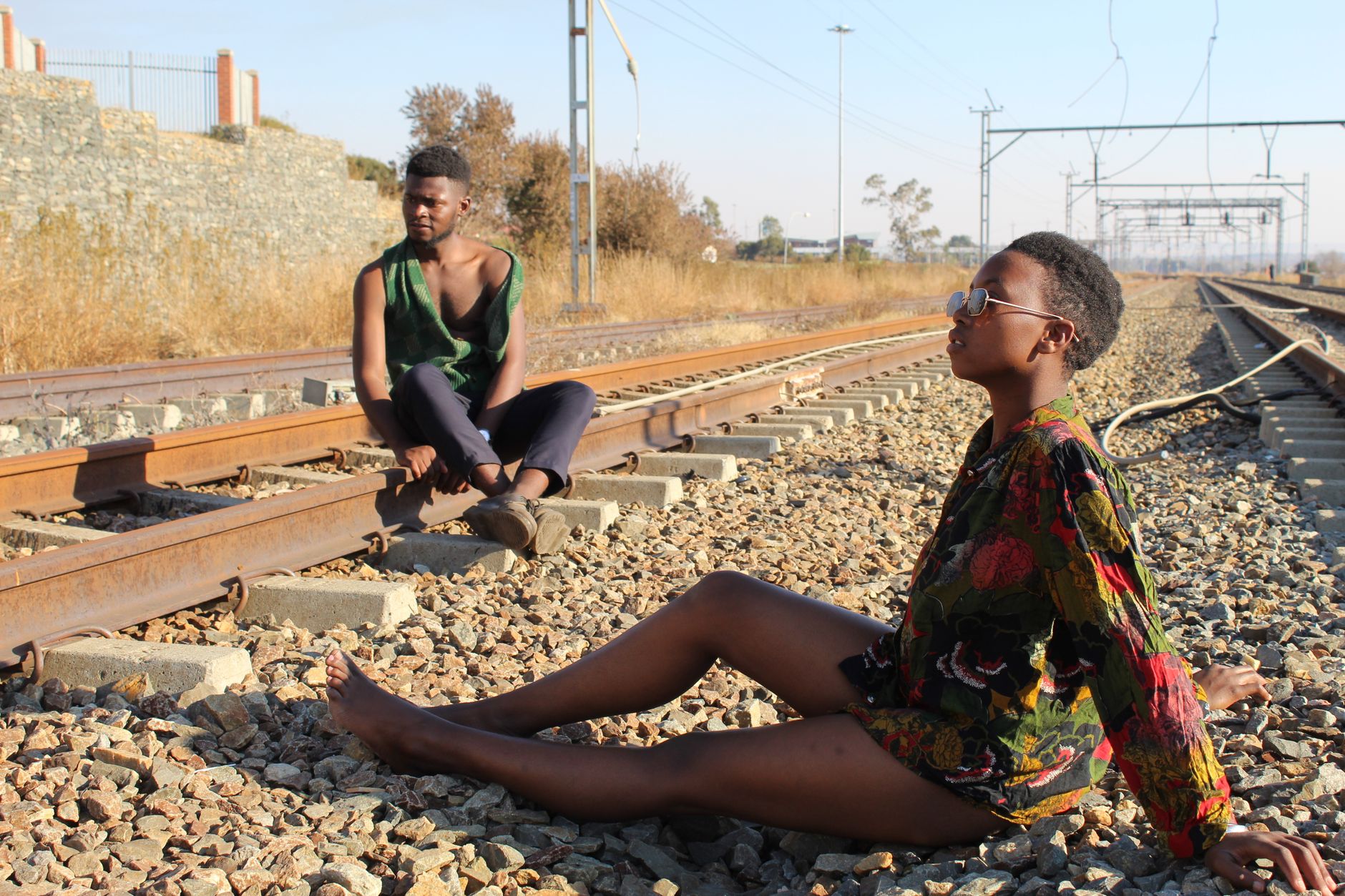
Vilakazi Street in Orlando West is one of the few streets in the world that housed two Nobel Peace Prize laureates — Nelson Mandela at number 8115, Desmond Tutu a short walk away. That fact alone tells you something about the density of history concentrated in Soweto's 200-odd square kilometres.
About 25 kilometres south-west of Johannesburg's centre, Soweto is not a museum or a monument to a difficult past — it is a city of roughly a million people where that past is still physically present: in the bullet holes preserved at Regina Mundi, in the cooling towers of the old Orlando Power Station, in the clay sculptures Credo Mutwa built by hand in Central Western Jabavu.
💛 What travellers fall for
People who return tend to anchor their day around Vilakazi Street in the morning, before the tour groups arrive, then work outward. Regina Mundi rewards a slow visit — the scale of it, and the marks on the walls, are easy to rush past. The Rea Vaya bus from Lakeview is cheap and reliable if you want to arrive without a car.
Deals in Soweto
Book directly at the provider


How Soweto came to be
The land that became Soweto was first settled as Kliptown in 1903. A year later, colonial officials removed Black residents from Johannesburg's city centre to Klipspruit — a forced displacement that set the template for what followed. Orlando township took shape in the early 1930s, named after a Johannesburg city official, Edwin Orlando Leake. The name Soweto — South Western Townships — was applied to the whole area in 1963.
The event that fixed Soweto in global consciousness came on 16 June 1976, when students rose against the government's insistence on Afrikaans as a language of instruction in Black schools. The Hector Pieterson Museum, opened in 2002 and designed by Mashabane Rose, stands close to where the uprising began. Kliptown's Freedom Square marks an earlier act of resistance: it is where the Freedom Charter was adopted, and Walter Sisulu Square of Dedication was opened there on 27 June 2005.
Who and what shaped it
People who shaped it
Landmark buildings
See Soweto in motion
Plan your visit
On the map
When to go
Summers (October through March) are warm and wet, with January averaging 136mm of rain and afternoon thunderstorms that clear quickly. Winters are dry and can turn cold at night — June and July lows dip to around 1°C — so layers matter if you are visiting between June and August.
Right now
Background & history adapted from Wikipedia (CC BY-SA) · specs from Wikidata (CC0) · weather from Open-Meteo · map data © OpenStreetMap contributors · photos from Wikimedia Commons / Unsplash with per-image credit. No third-party reviews or social posts reproduced.