
Rosebank
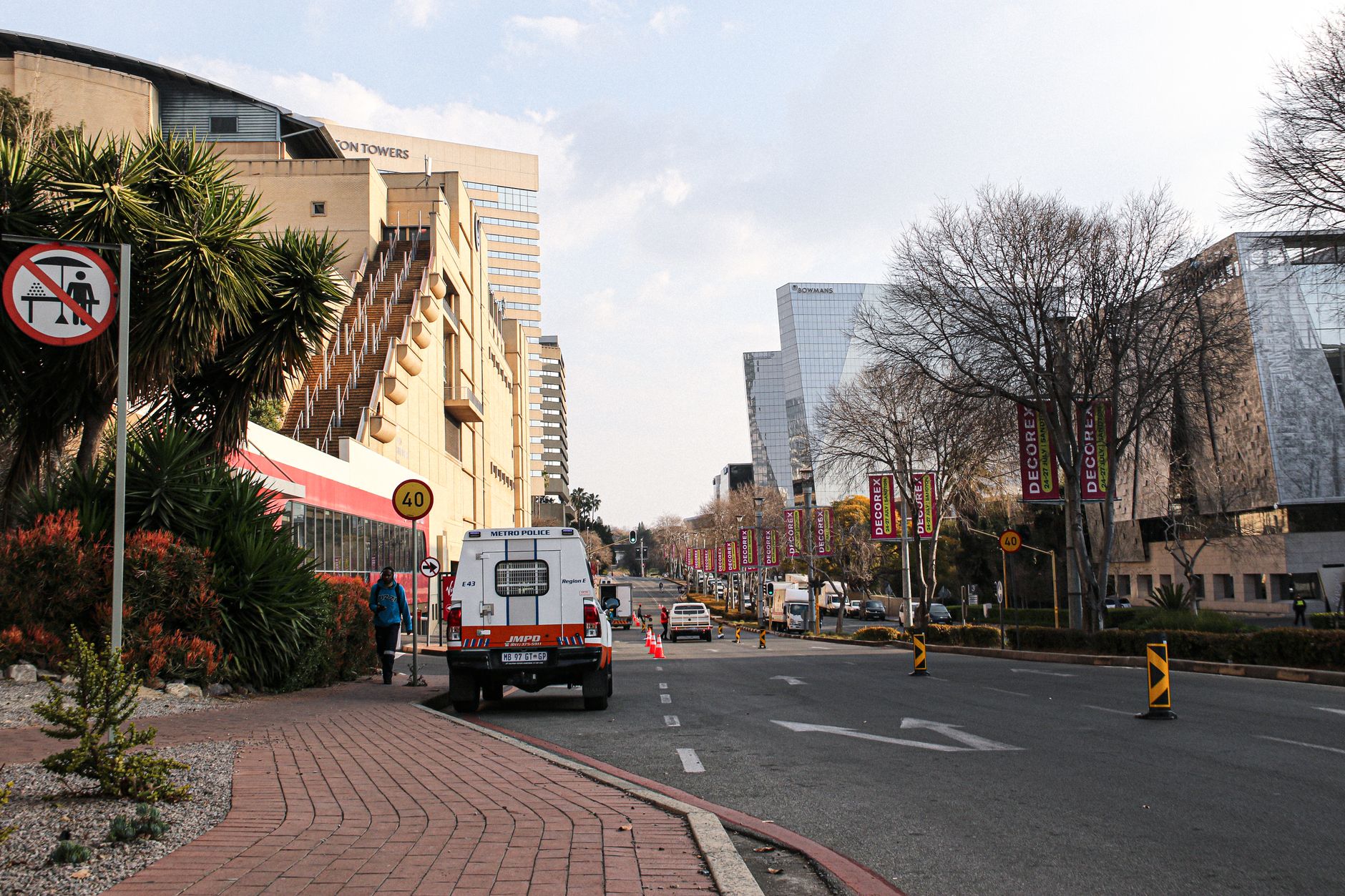
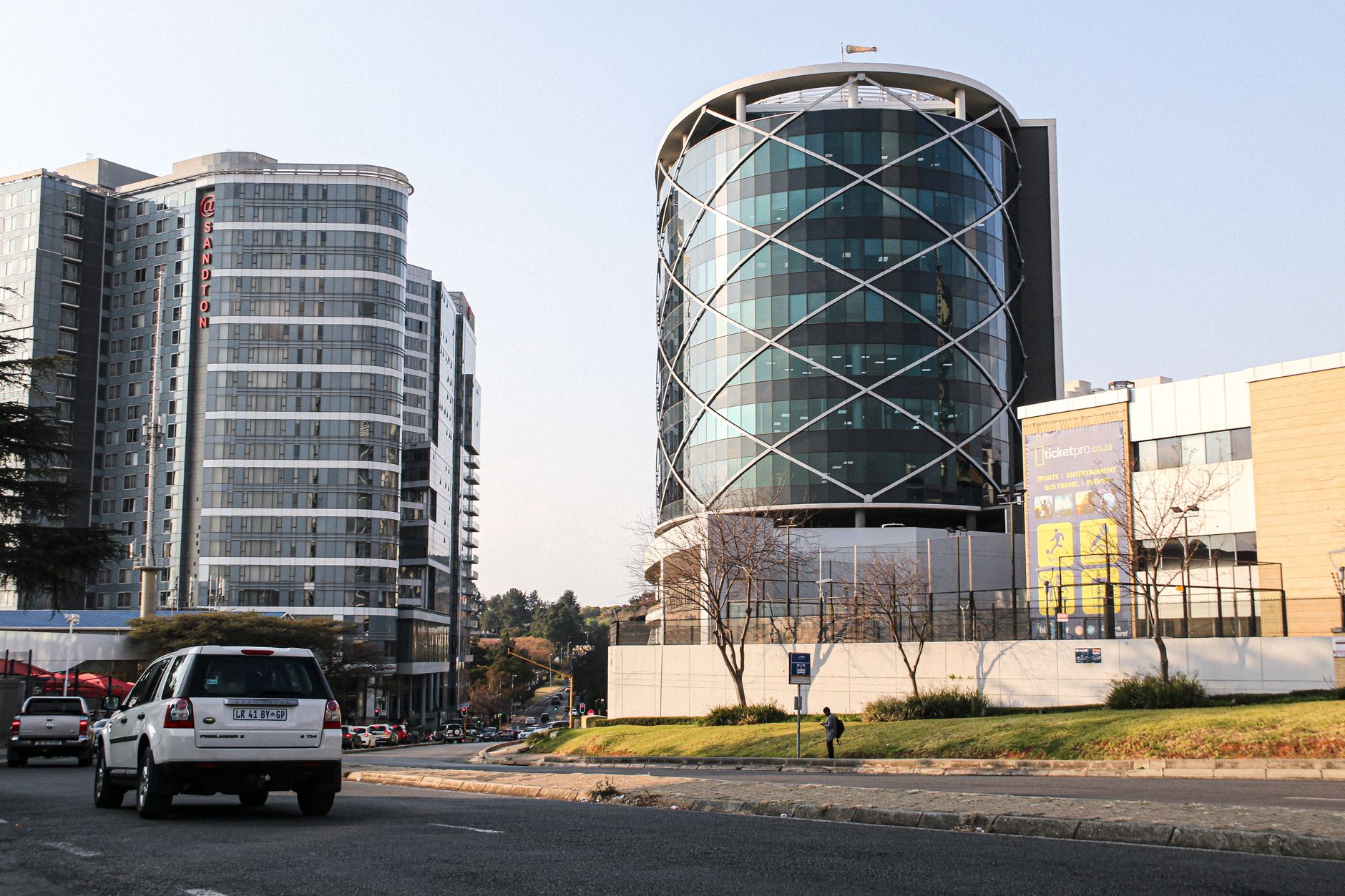
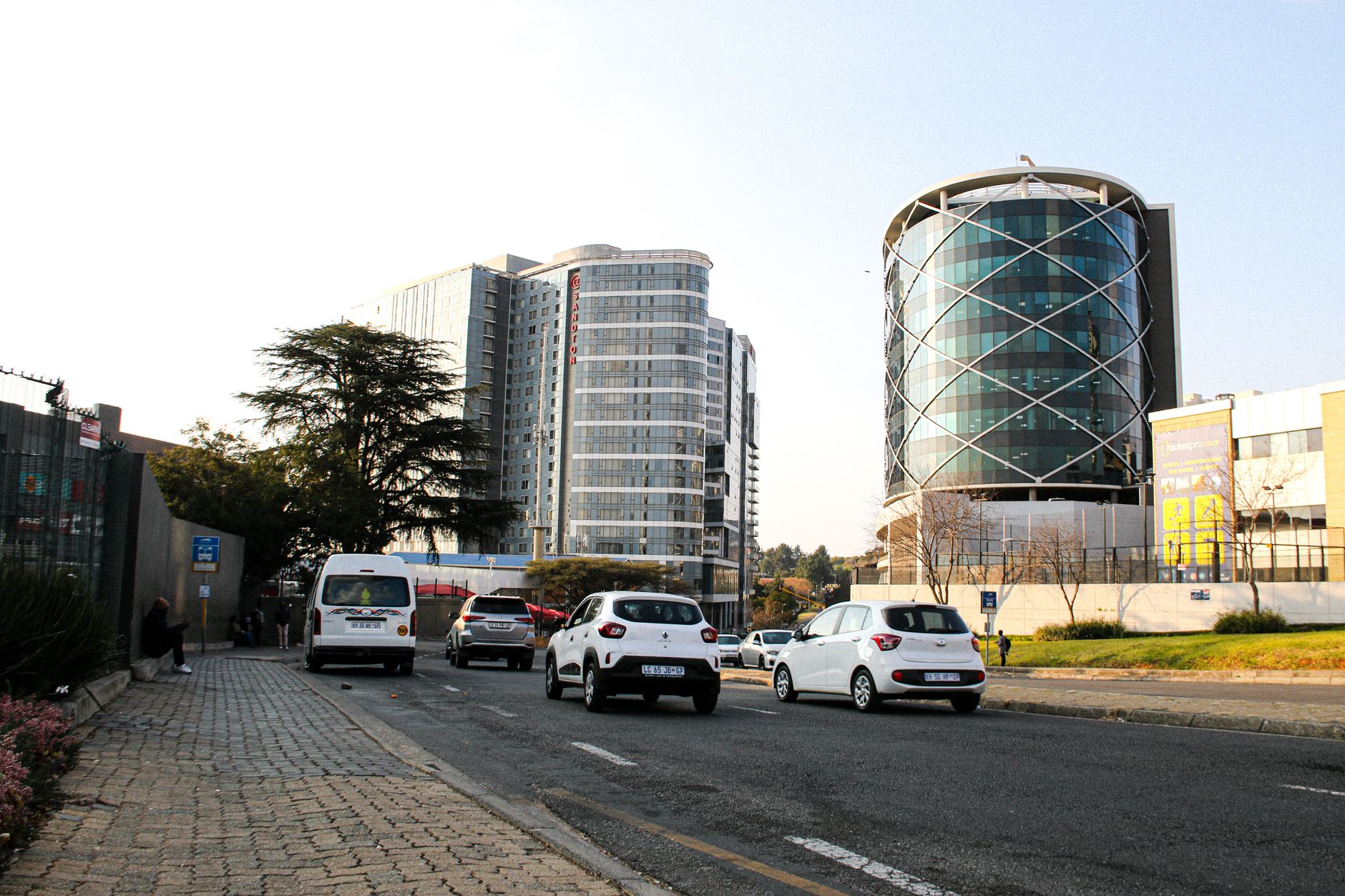
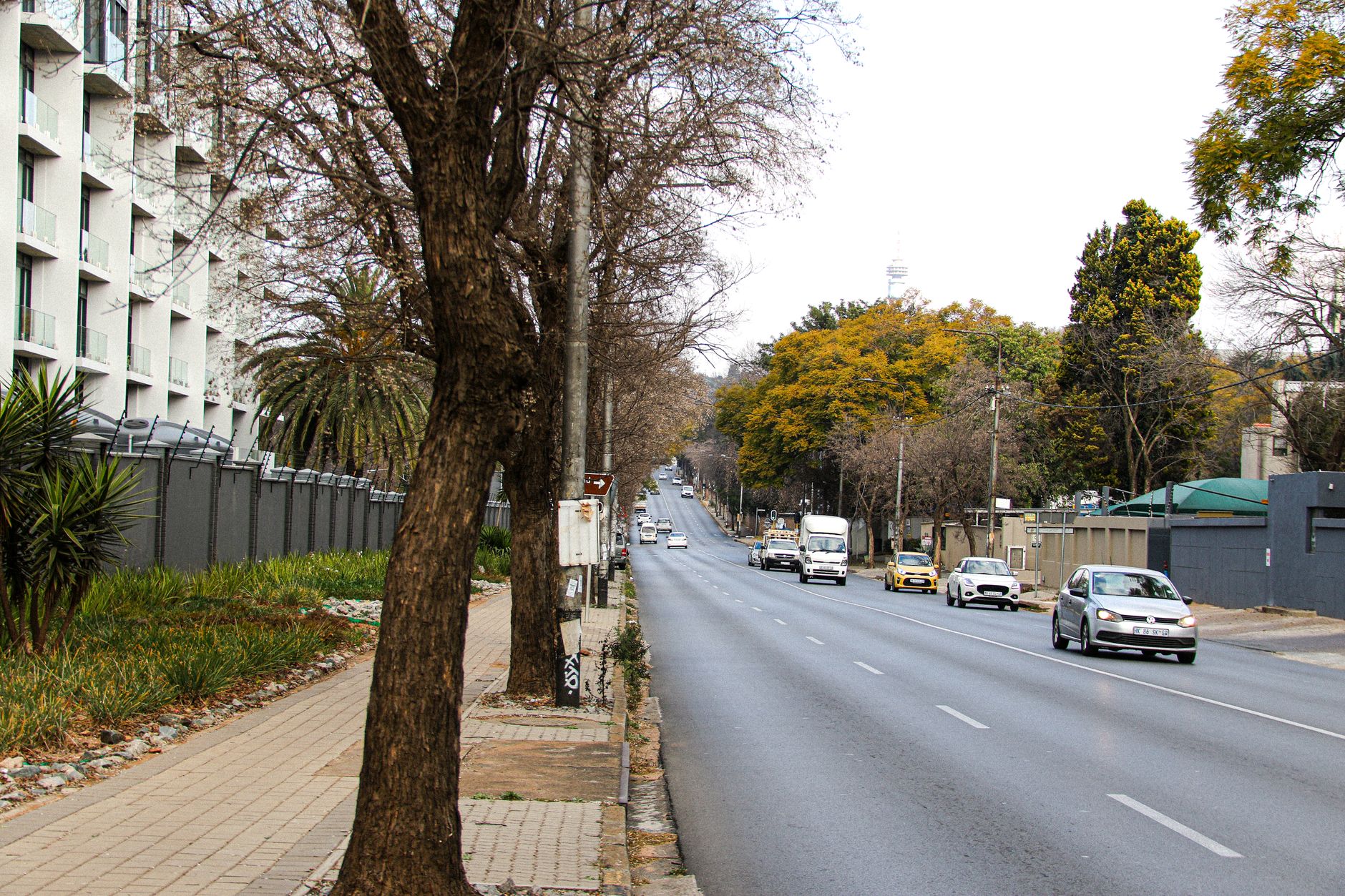
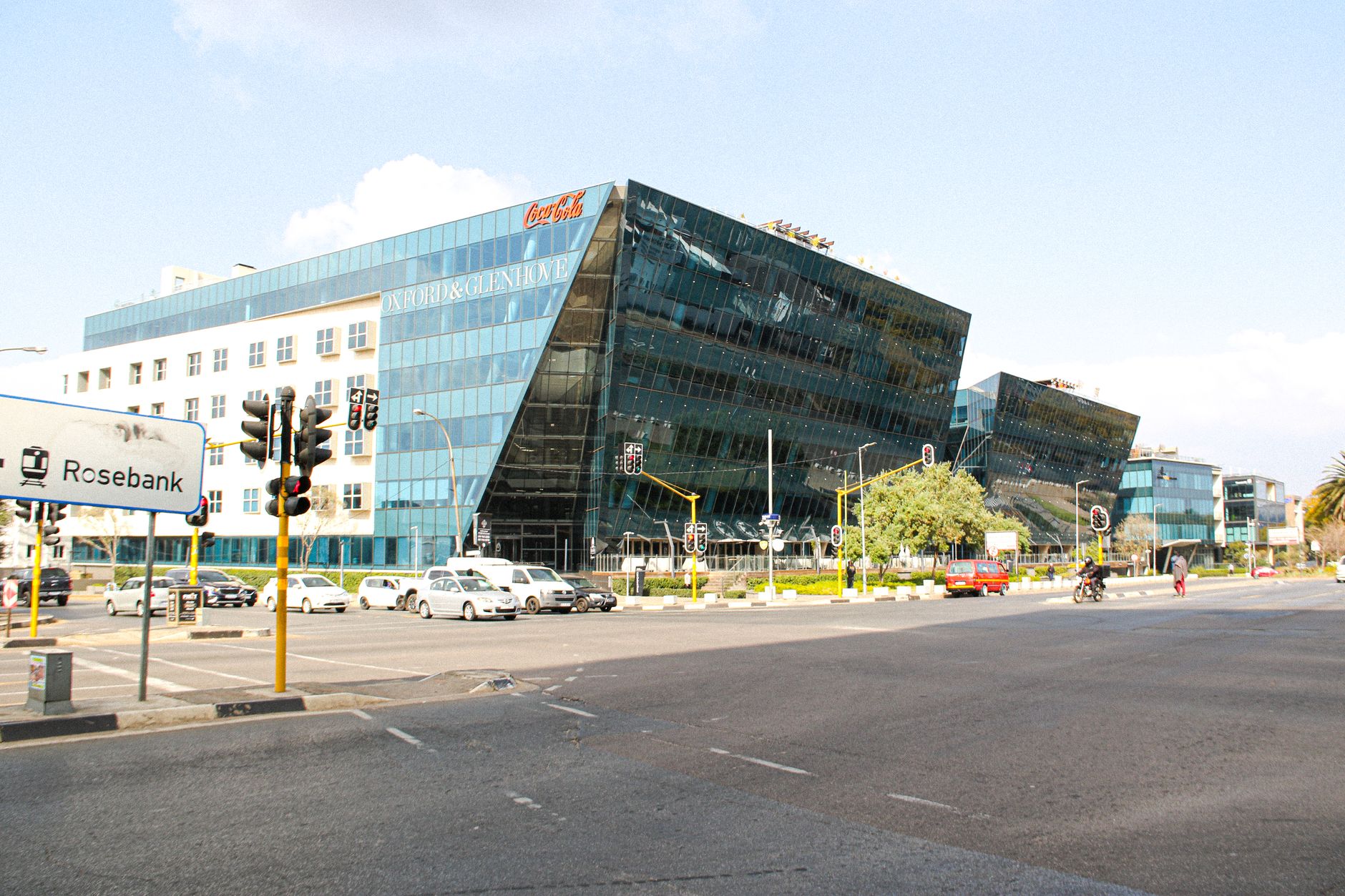
Rosebank earns its place on Oxford Road one specific detail at a time: the 1939 Art Deco fire station standing its ground beside a Gautrain entrance, the Everard Read gallery — Africa's oldest commercial — still hanging serious work a short walk from a rooftop market. This is the suburb that caught the northward drift of Johannesburg's money and creative class in the final apartheid years and never really stopped accumulating both.
What you get now is a compact neighbourhood you can actually walk — rare in Joburg — with a Gautrain station beneath Oxford Road that puts O.R. Tambo 35 minutes away and Sandton a few stops north. The density of galleries, restaurants and residential towers keeps growing, but the 1935 Catholic church on Keyes Avenue and the Anglican St Martin's-in-the-Veld still anchor the quieter end of things.
💛 What travellers fall for
People who come back tend to anchor themselves to the Keyes Art Mile end of the suburb rather than the malls. The Circa Gallery and Everard Read are close enough to do in a single morning, and the Standard Bank atrium — with Marco Cianfanelli's 1.5-ton suspended sculpture 'The Seed' — is worth a detour even if you have no banking to do.
Deals in Rosebank
Book directly at the provider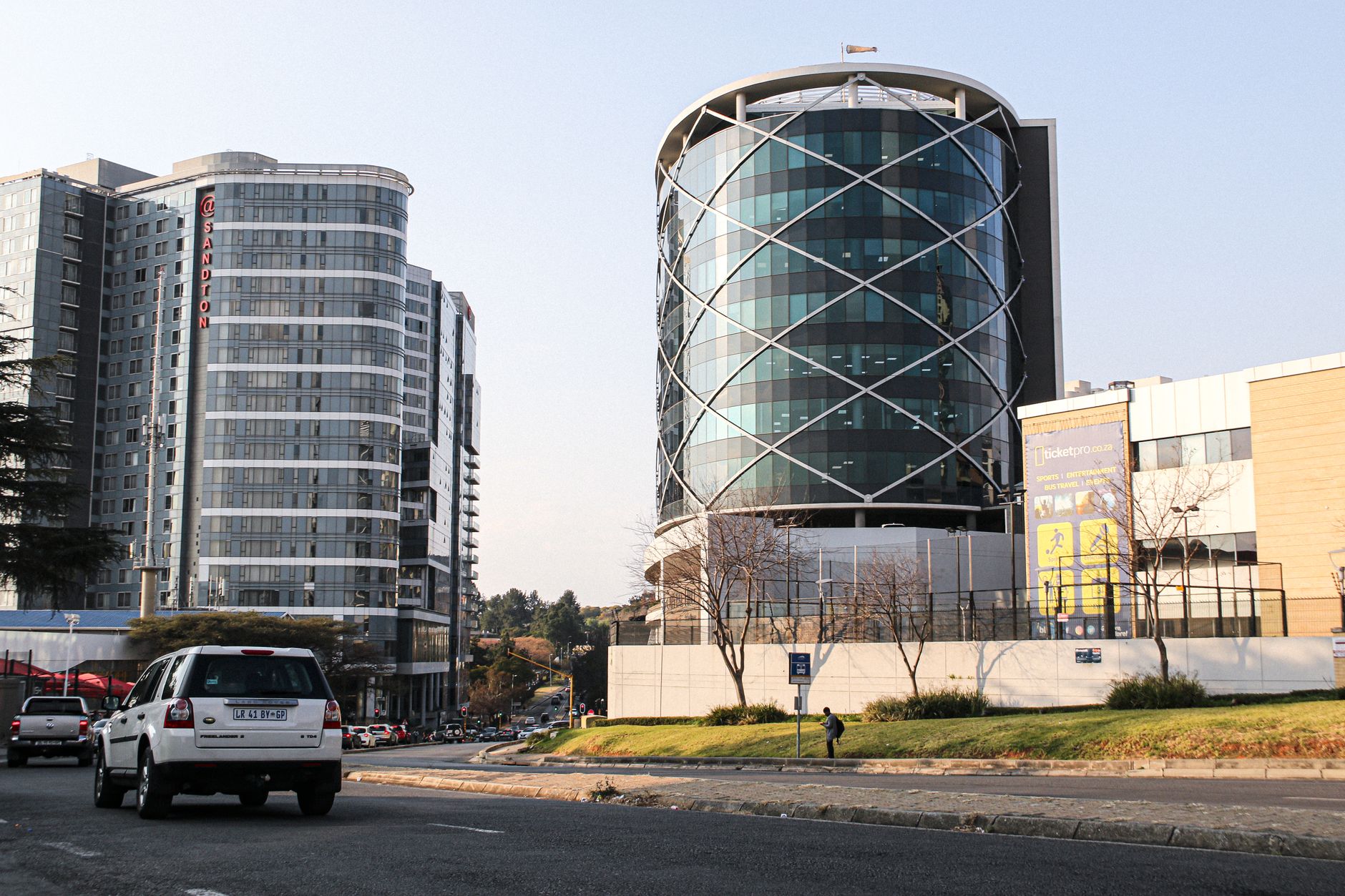

How Rosebank came to be
Rosebank began as a farm called Rosemill Orchards, its plots auctioned off by Richard Currie in 1886. By 1912, St Martin's-in-the-Veld had its first building on Cradock Avenue; by 1919, the City Council was renaming streets after World War I British admirals. The suburb filled in steadily — a Catholic church designed by Irish-South African architect Brendan Joseph Clinch in 1935, a heritage fire station in 1939, and one of Johannesburg's first trolley-bus routes by 1945.
Under apartheid's Group Areas Act it was designated whites only, and as the CBD deteriorated in the 1970s and 1980s, corporations and cultural institutions moved north to Rosebank. Rosebank Mall opened in 1976; Everard Read, founded in 1913, relocated its purpose-built gallery here in the late 1970s. The post-apartheid years accelerated that momentum rather than reversing it.
Who and what shaped it
People who shaped it
Landmark buildings
See Rosebank in motion
Plan your visit
On the map
When to go
Johannesburg's highveld climate means Rosebank summers (November through February) are warm and frequently interrupted by sharp afternoon thunderstorms — carry a layer for the Gautrain and a light jacket for evenings. Winter days (June and July) are dry, sunny and mild, with cold nights that drop sharply after dark.
Right now
Background & history adapted from Wikipedia (CC BY-SA) · specs from Wikidata (CC0) · weather from Open-Meteo · map data © OpenStreetMap contributors · photos from Wikimedia Commons / Unsplash with per-image credit. No third-party reviews or social posts reproduced.