
Sandton
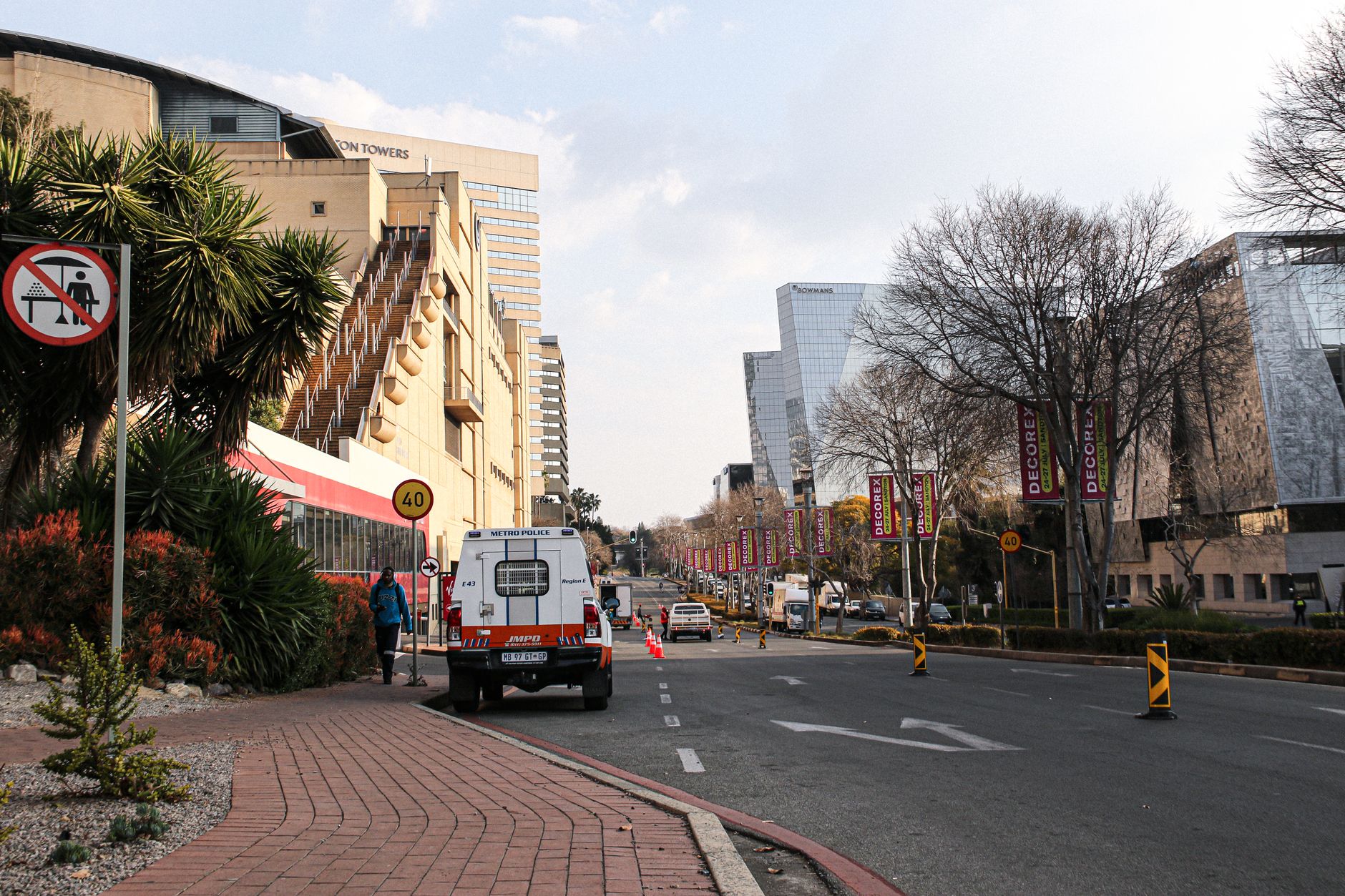
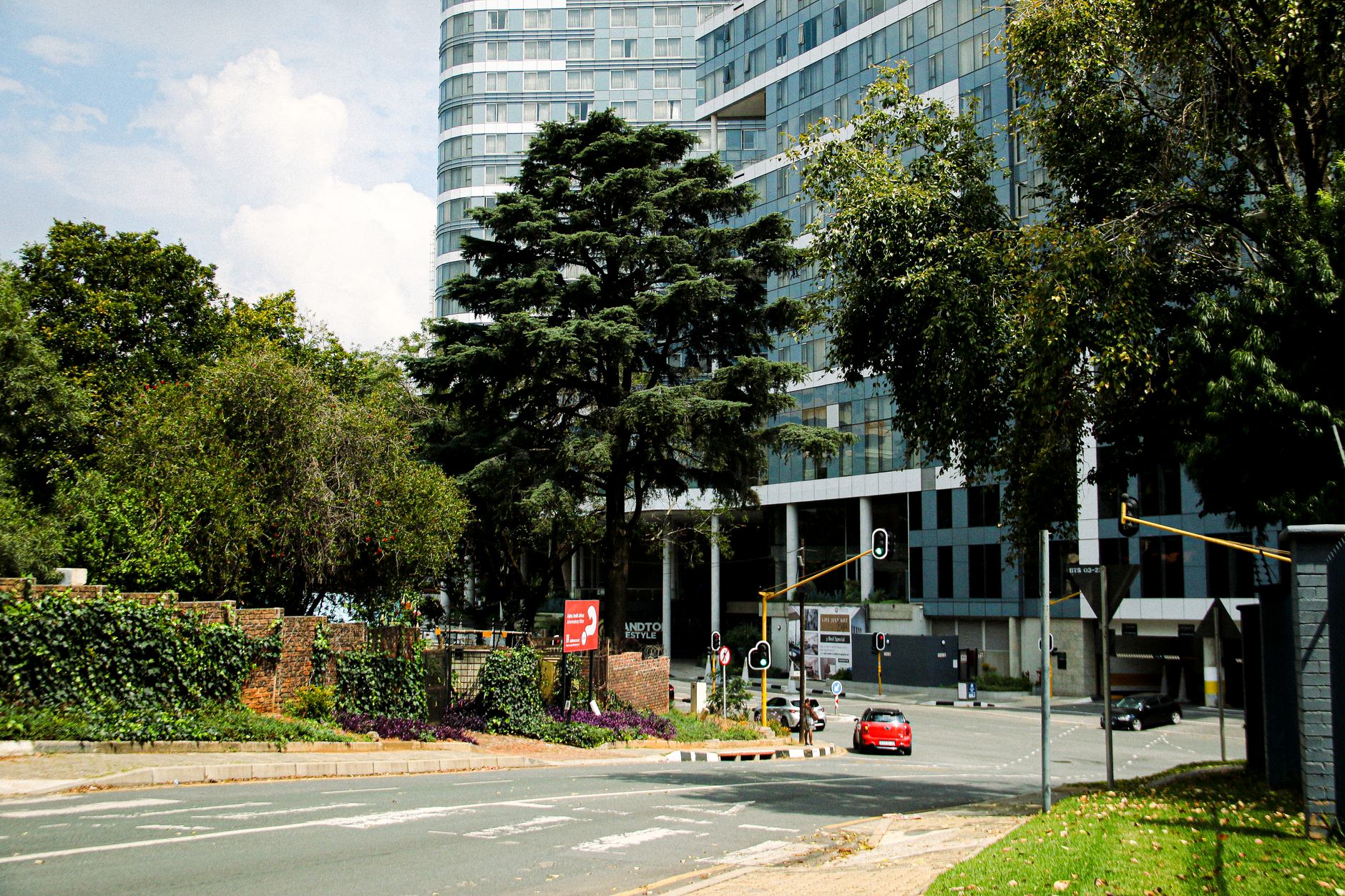
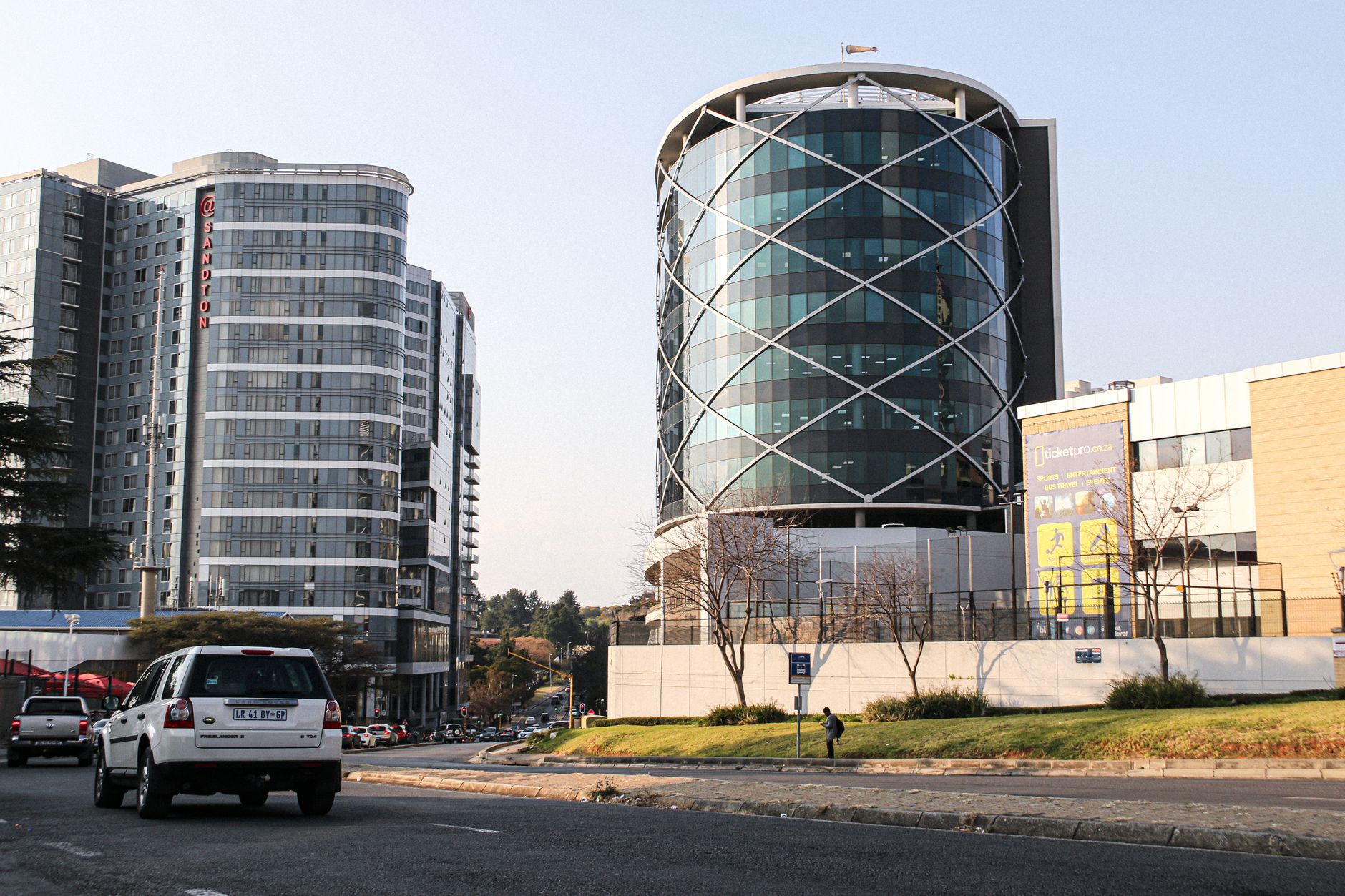
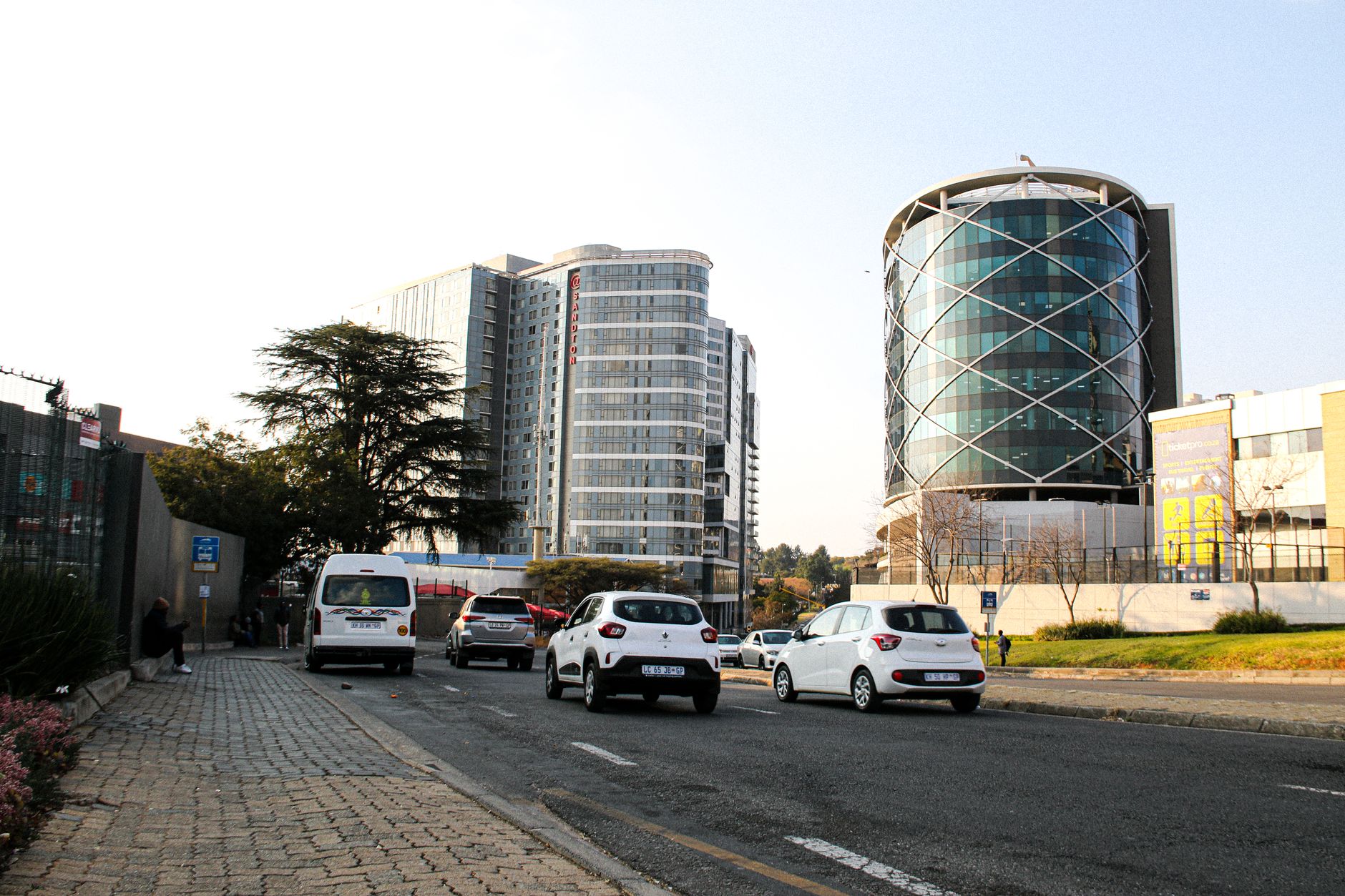
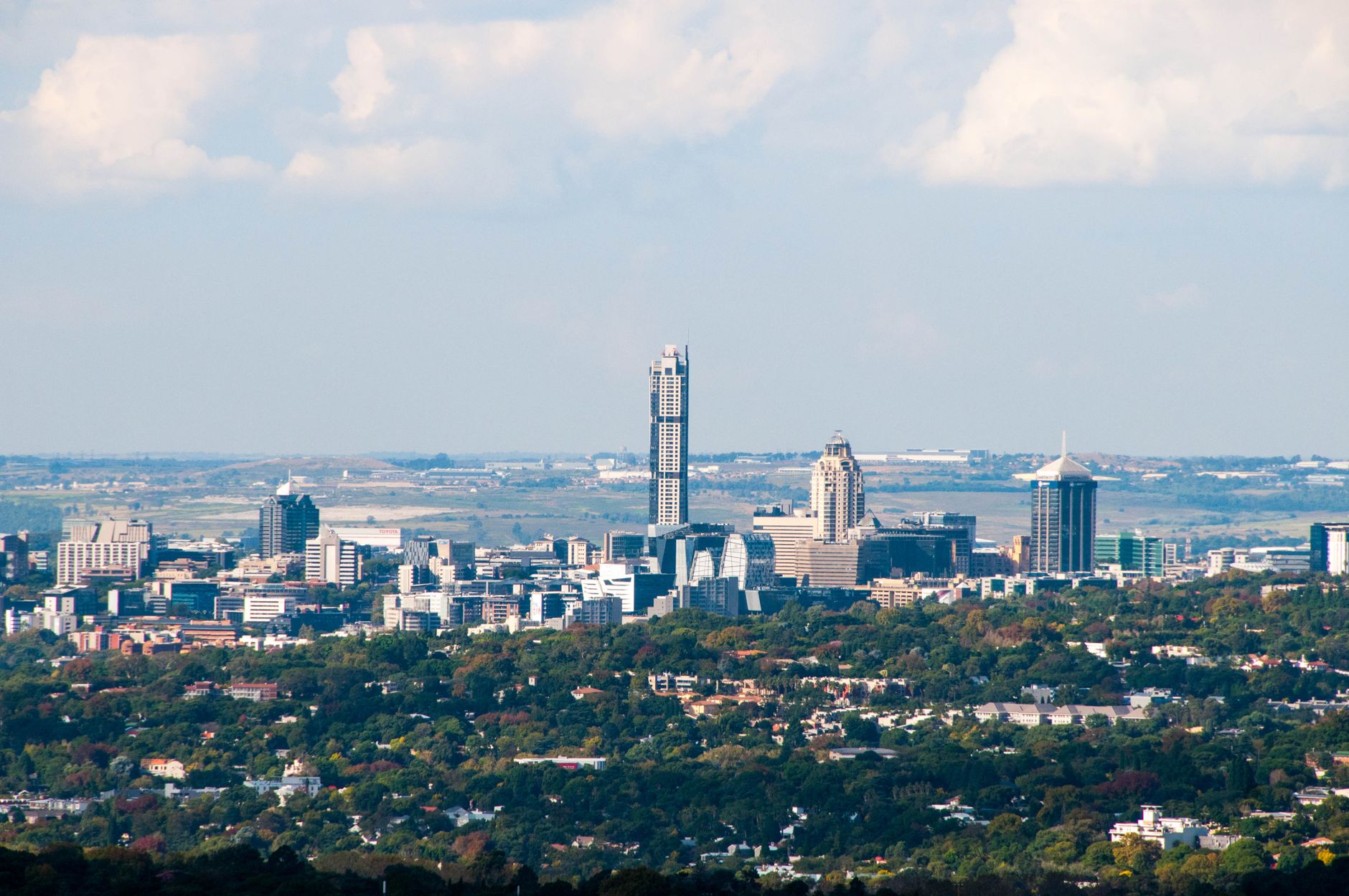
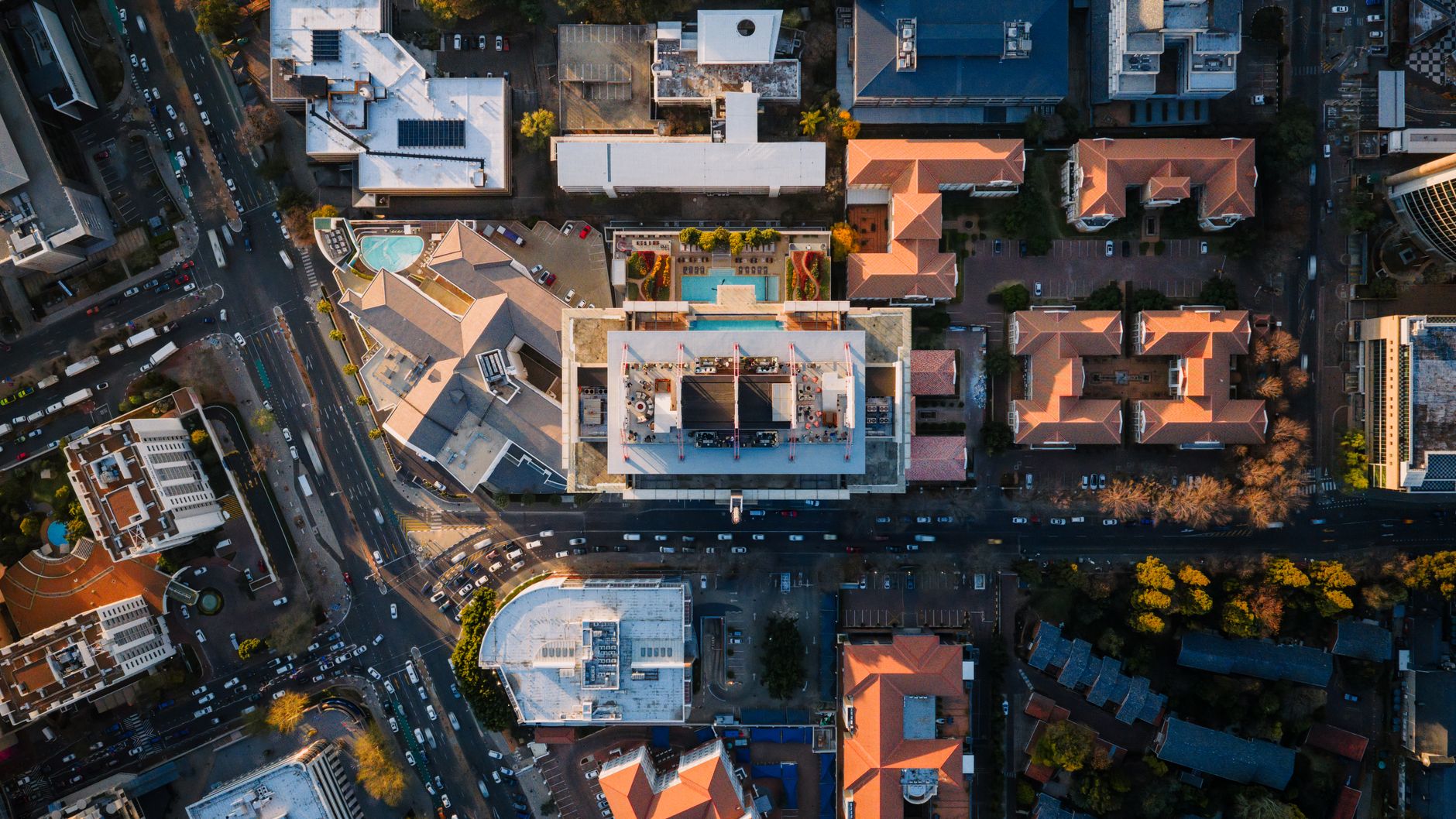
Sandton's skyline tells you something before you've crossed a single street: The Leonardo, a 234-metre mixed-use tower completed in 2018, rises above the business district like a glass spine, briefly claiming the title of Africa's tallest building. This is a place that has always been in a hurry. What began in 1969 as a municipality of farmland and smallholdings — 30,000 residents and, famously, 15,000 horses — has remade itself into the continent's most concentrated node of corporate capital, all within living memory.
Beneath the towers, Nelson Mandela Square anchors daily life with a six-metre bronze statue of Mandela that has watched the neighbourhood's ambitions compound around him since 2004. The square, the glass walkways, the Gautrain station humming five minutes away — Sandton is the version of Johannesburg that came after the exodus from the old CBD, and it wears that history plainly if you know where to look.
💛 What travellers fall for
People who come back to Sandton on business tend to build the same small rituals: taking the Gautrain from OR Tambo rather than a taxi (15 minutes, R142, and you arrive without the highway), walking the skywalk between Sandton City and Nelson Mandela Square at lunchtime when the office crowd thins, and finding the Liliesleaf Farm site in Rivonia when there's an afternoon free.
Deals in Sandton
Book directly at the provider

How Sandton came to be
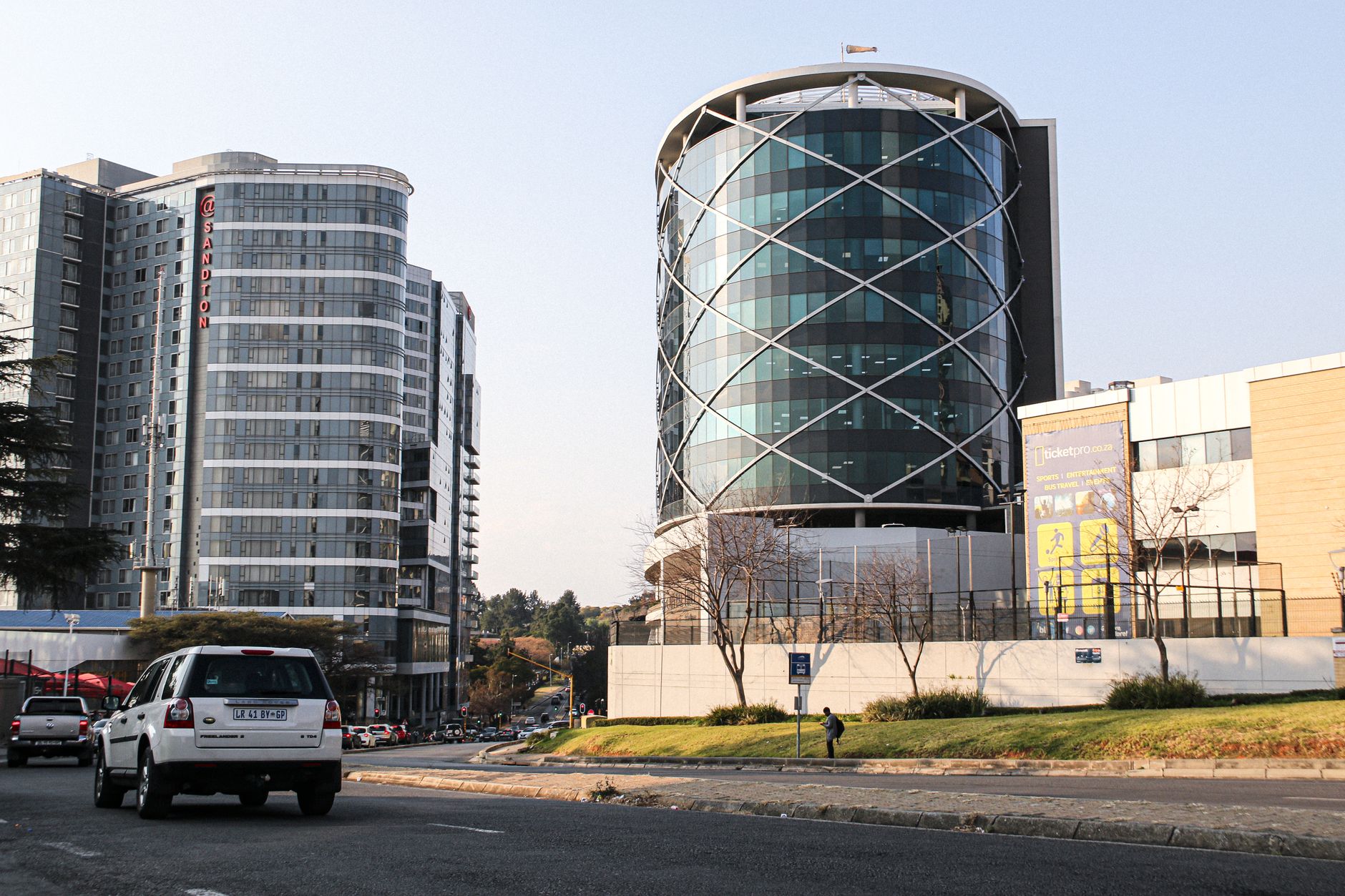
The name Sandton is a straightforward combination of two of its founding suburbs — Sandown and Bryanston. On 1 July 1969, it was proclaimed a municipality: largely farms and smallholdings, a place that hadn't yet decided what it wanted to be. The commercial turn came in the mid-to-late 1980s, when land here was cheaper than in the Johannesburg CBD and developers began moving in. Sandton City, built by the Rapp and Maister property company and opened on 12 September 1973, was the early anchor — a brutalist complex that would eventually sprawl to 128,000 square metres of retail space.
The district's other history is less corporate. Liliesleaf Farm, in the Sandton suburb of Rivonia, was where Nelson Mandela lived covertly in the early 1960s. The 1963 arrests there led directly to the Rivonia Trial. In 2000, Sandton lost its separate municipal identity and was folded into the City of Johannesburg. In 2004, Sandton Square was renamed Nelson Mandela Square, and the bronze statue by Kobus Hattingh and Jacob Mapfunga was inaugurated — the district quietly acknowledging the weight of what had happened on its own soil.
Who and what shaped it
People who shaped it
Landmark buildings
See Sandton in motion
Plan your visit
On the map
When to go
Sandton sits at 1,753 metres, which keeps the air thinner and the heat more bearable than the elevation suggests. Summers (December to February) run warm — highs around 26–30°C — with sharp afternoon thunderstorms that clear quickly; winters are dry and bright, with July nights dropping to around 6°C, so a layer matters after dark.
Right now
Background & history adapted from Wikipedia (CC BY-SA) · specs from Wikidata (CC0) · weather from Open-Meteo · map data © OpenStreetMap contributors · photos from Wikimedia Commons / Unsplash with per-image credit. No third-party reviews or social posts reproduced.