
Midrand


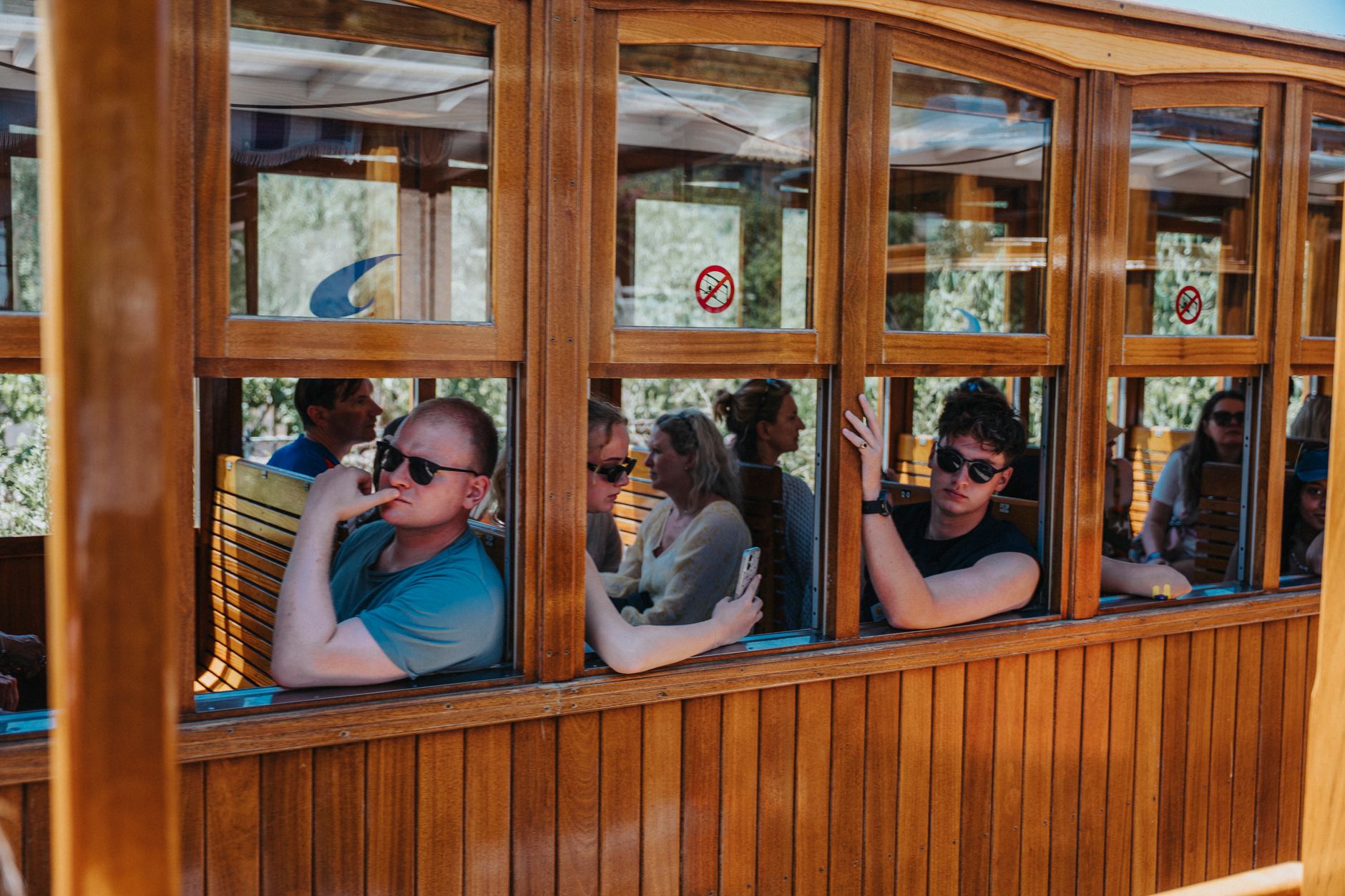
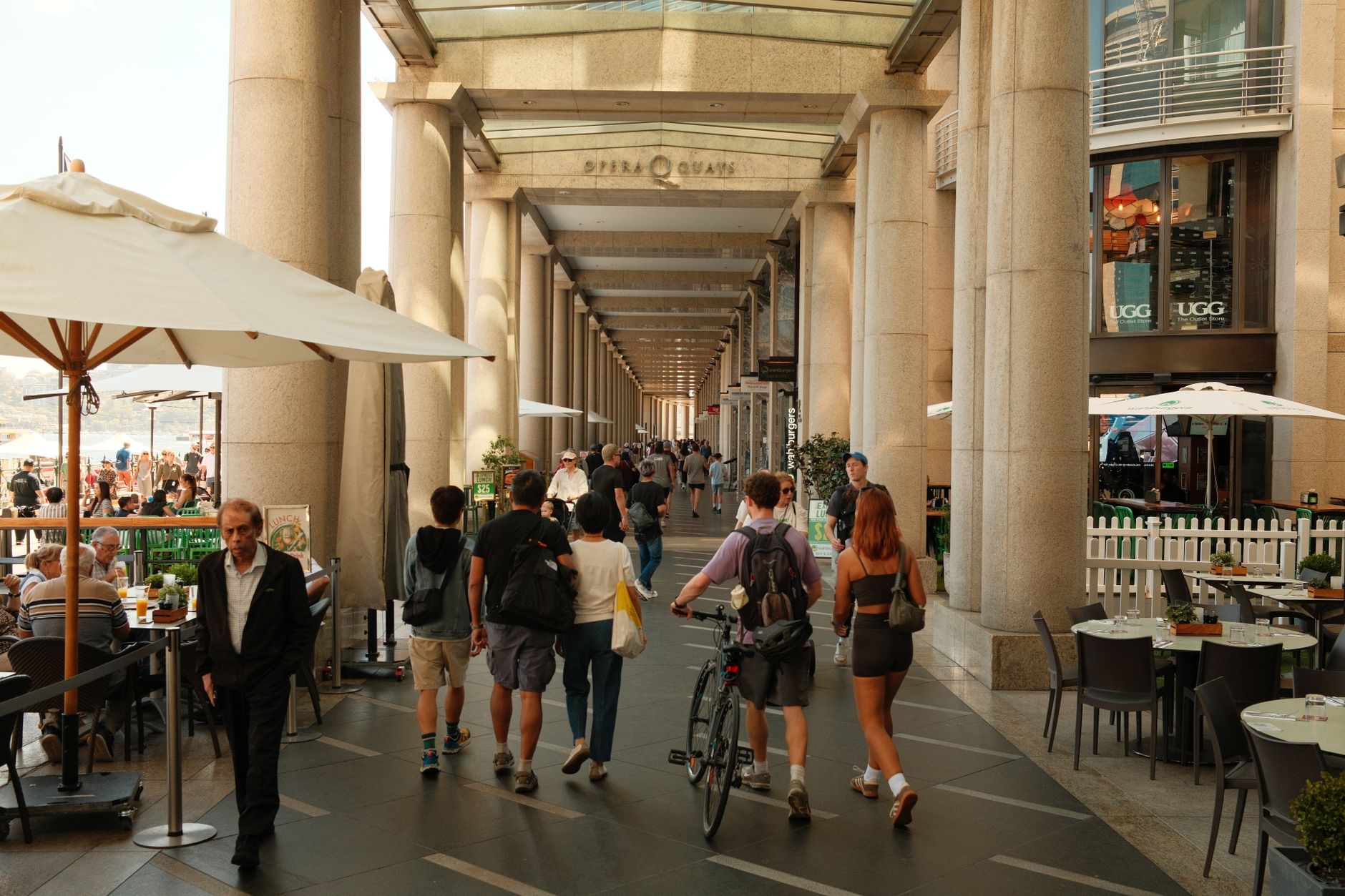

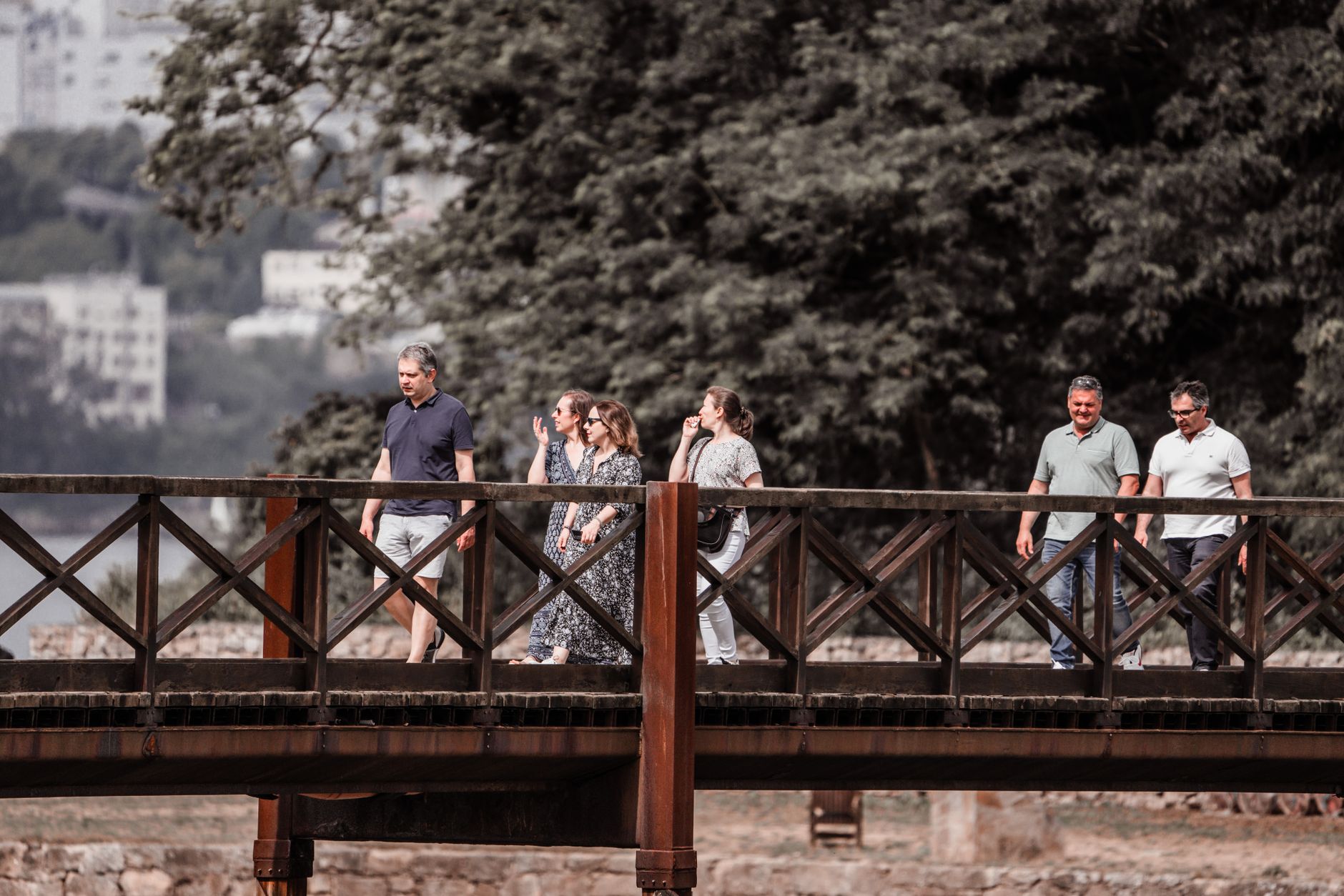
Midrand sits almost exactly halfway between Johannesburg and Pretoria — 27 kilometres from one, 30 from the other — and that arithmetic has defined everything about it. What began as a stop-off point on a long road is now a corridor of corporate headquarters, regulatory bodies, and the Pan-African Parliament, all threaded together by the Gautrain line that opened here in 2011. The skyline is still sparse enough that the PwC tower reads as a genuine landmark.
Yet the place keeps surprising. A R210-million Ottoman-style mosque rises from the highveld plateau. Granite boulders at a shopping centre date back 3.5 billion years. On weekends, the car parks at Imbizo Shisanyama fill early and stay full late.
💛 What travellers fall for
People who pass through regularly tend to mention two things: get to Imbizo Shisanyama before noon on a Saturday if you want a table without a wait, and time your Gautrain journey for off-peak — between 08h30 and 15h00 on weekdays — when fares drop and carriages empty out. The Waterfall City bus route (M3 or M4 from Midrand station) saves you the parking puzzle at Mall of Africa.
Deals in Midrand
Book directly at the provider


How Midrand came to be
The area now called Midrand was known for most of the 20th century as Halfway House — a literal description of its position on the old road between Johannesburg and Pretoria. It was formalised as a municipality in 1981, by which point light industry and residential estates had already begun to cluster around its central position in Gauteng.
The post-apartheid restructuring of local government dissolved Midrand's independent status; it was absorbed into the City of Johannesburg Metropolitan Municipality in 2000. That administrative shift, combined with Gauteng's rapid economic expansion, accelerated its reinvention from a transit waypoint into a corporate address — home today to Vodacom, Microsoft, and the continental offices of the African Union's Pan-African Parliament.
Who and what shaped it
People who shaped it
Landmark buildings
See Midrand in motion
Plan your visit
On the map
When to go
Winters (May to September) are dry and sunny, with July days reaching around 20°C — comfortable for being outside, though nights turn cold. Summer brings heat peaking at 28°C in January, with December the wettest month; expect sharp afternoon thunderstorms that clear quickly, leaving evenings cool.
Right now
Background & history adapted from Wikipedia (CC BY-SA) · specs from Wikidata (CC0) · weather from Open-Meteo · map data © OpenStreetMap contributors · photos from Wikimedia Commons / Unsplash with per-image credit. No third-party reviews or social posts reproduced.