
Boulders Beach
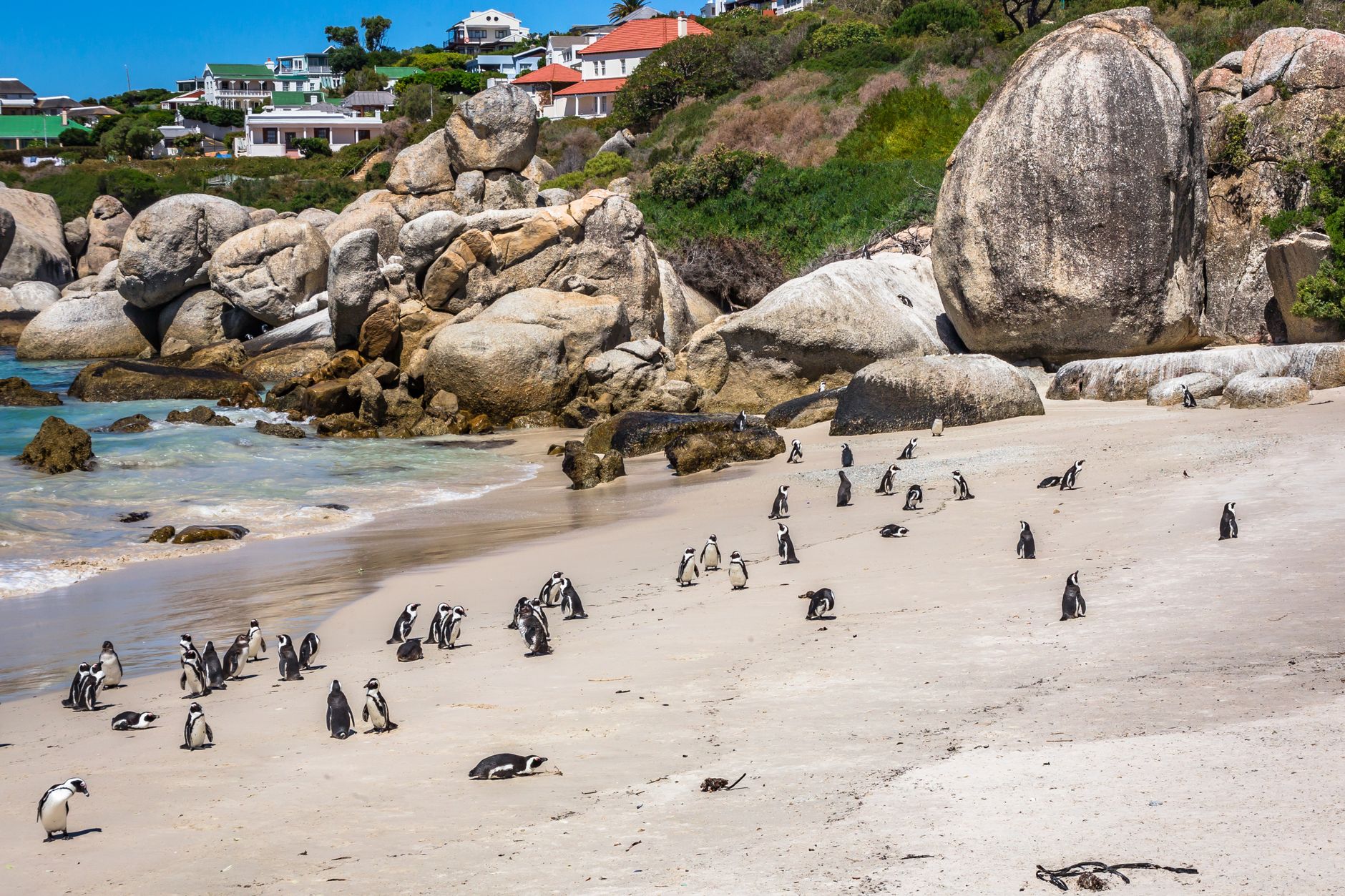
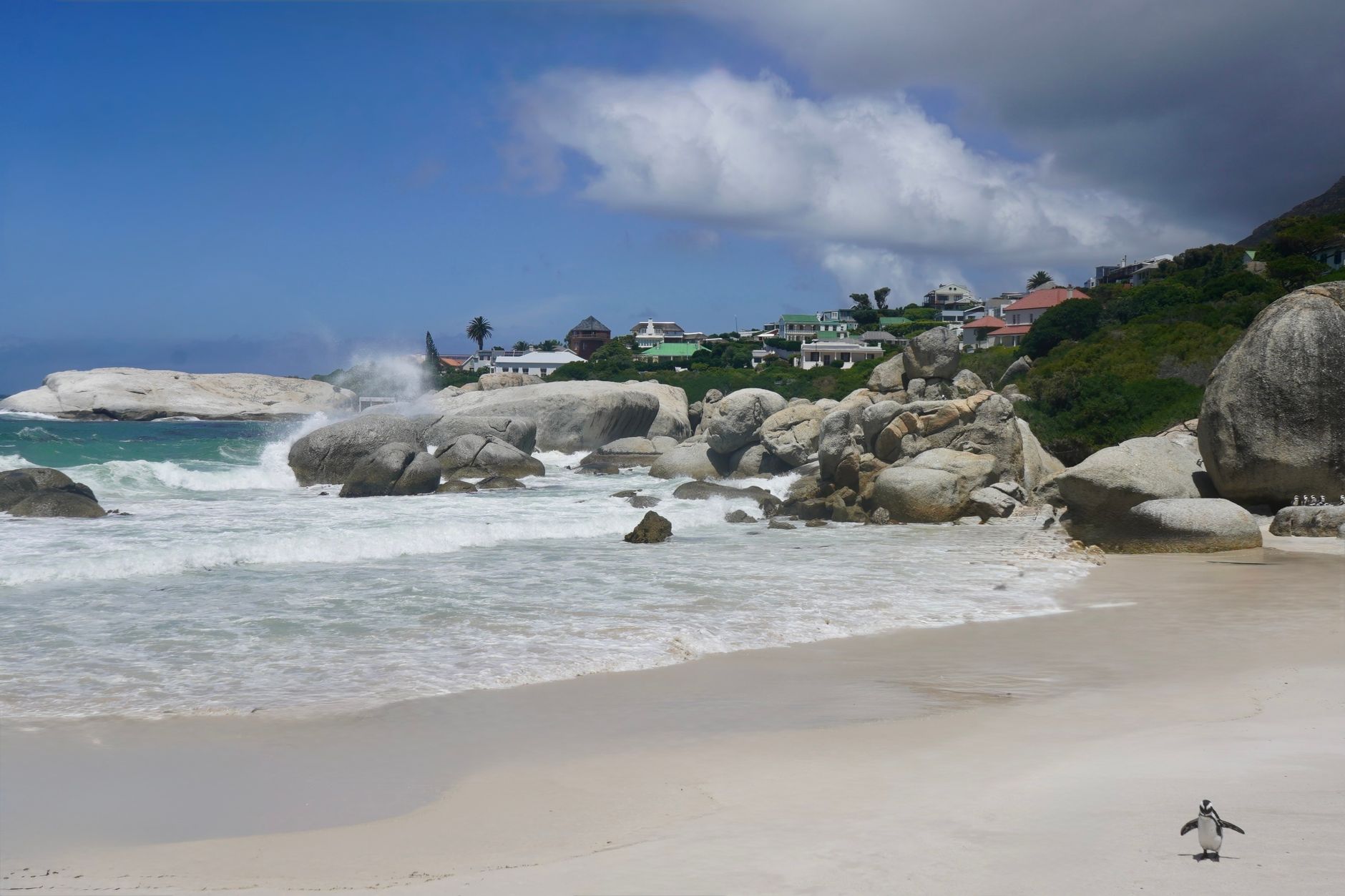
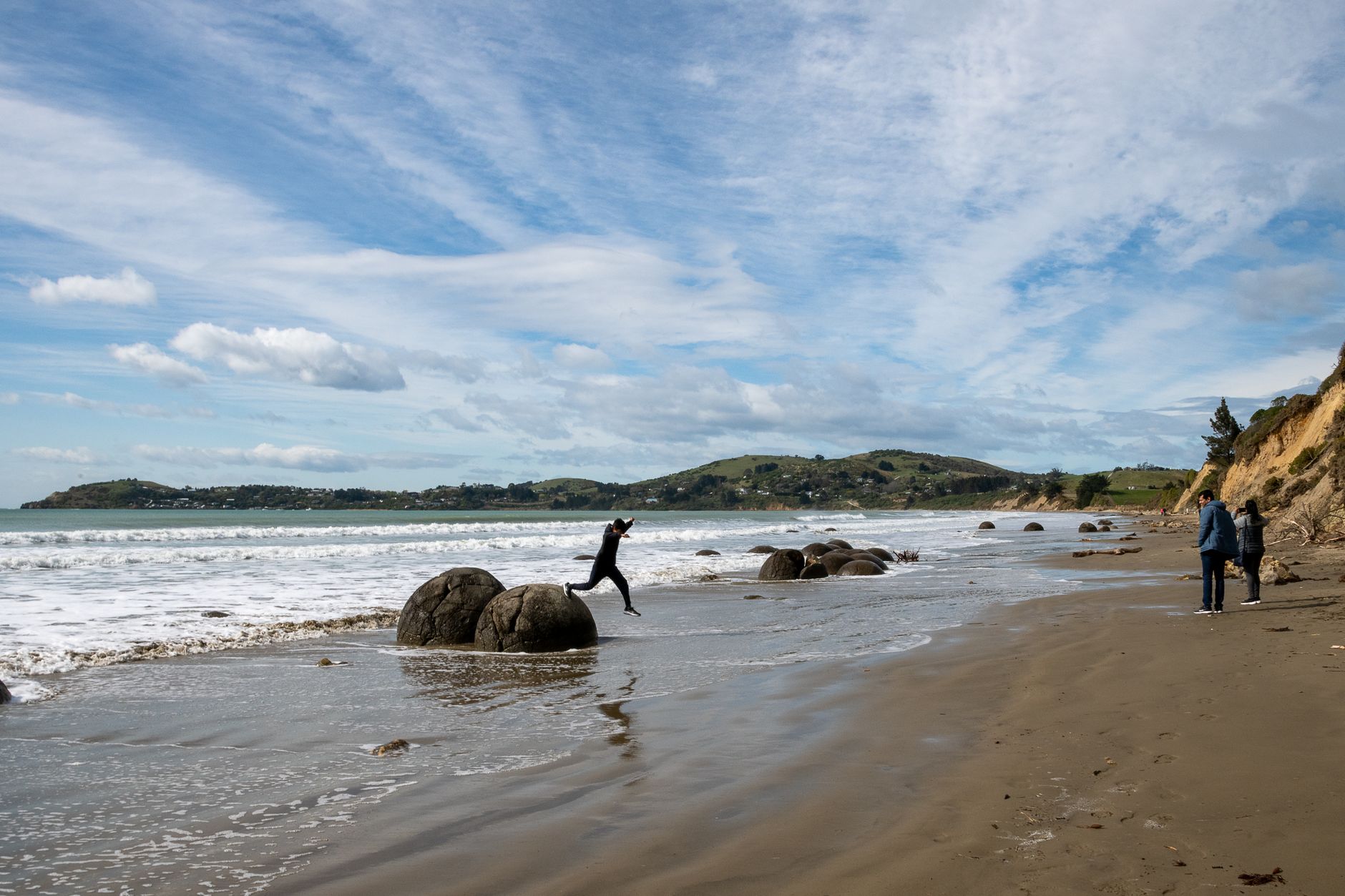
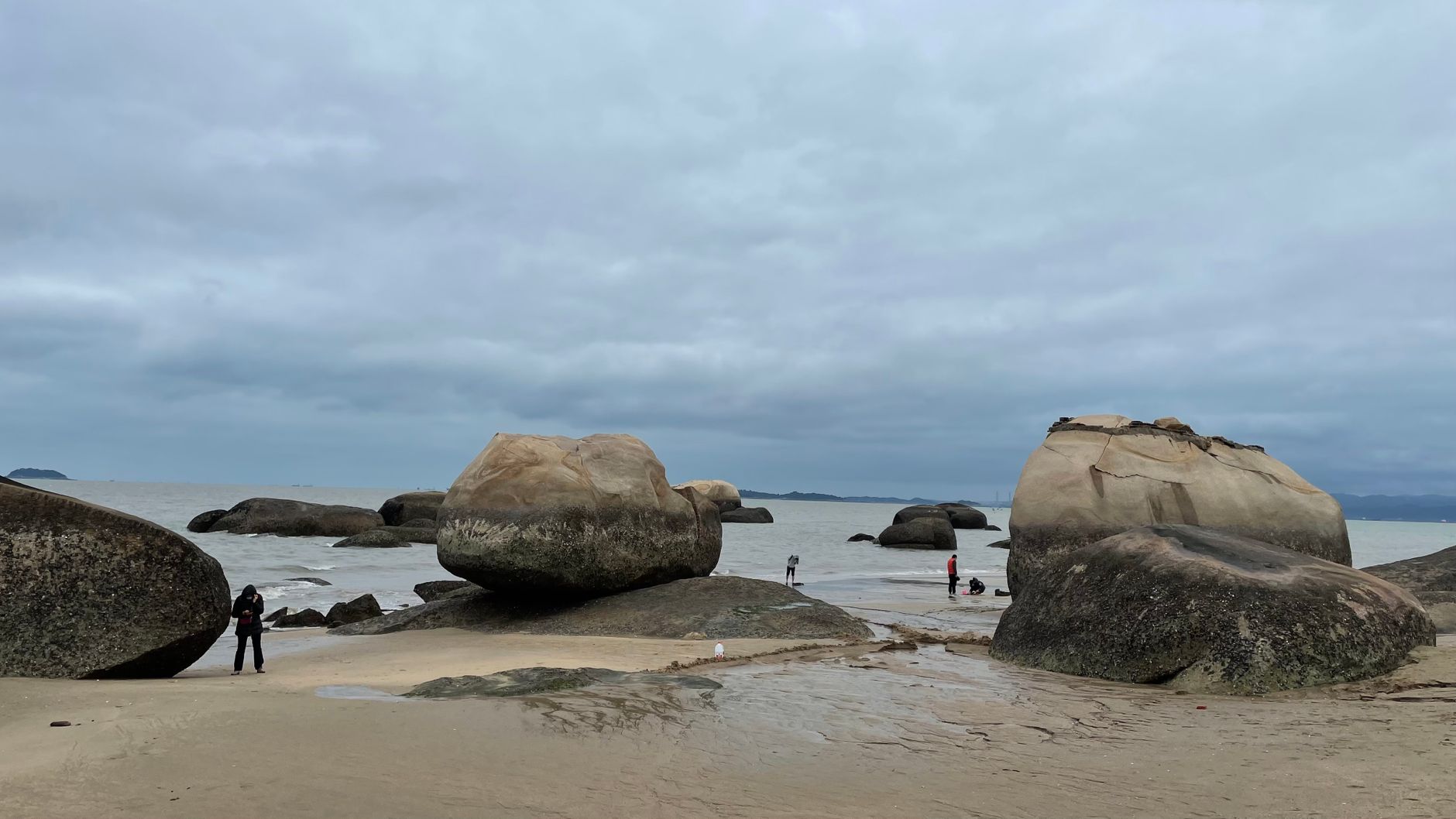
A few hundred metres of granite coastline on the Cape Peninsula, and somehow it holds several thousand African penguins going about their lives — waddling across warm rock, squabbling over nesting sites, occasionally fixing you with a look of complete indifference. Boulders Beach sits within Simon's Town, about an hour south of Cape Town, and forms part of Table Mountain National Park. The boulders themselves are ancient and enormous, breaking the Atlantic swell into calm, swimmable inlets where penguins and people share the water with a matter-of-fact ease you won't find anywhere else on this coast.
Wooden boardwalks thread through milkwood thickets and coastal scrub to Foxy Beach, where the main colony nests. You can stand within a few metres of breeding pairs without disturbing them — close enough to hear the braying call that earned the species its old nickname, jackass penguin.
Experiences you don't want to miss


How Boulders Beach came to be
In 1982, two breeding pairs of African penguins arrived at Boulders Beach, drawn by the shelter of the granite formations and the fish-rich waters of False Bay. They had likely dispersed from Dyer Island, one of the species' traditional strongholds further along the coast. SANParks formalised the colony as a protected site in 1983, and the population grew steadily — reaching around 3,900 birds by 2005 and stabilising at roughly 3,000 in recent years.
Conservation organisations including SANCCOB and the Dyer Island Conservation Trust have worked alongside SANParks to support the colony, introducing artificial nesting boxes to give breeding pairs a safer alternative to open ground. The African penguin remains endangered across its range, which makes Boulders an active conservation site as much as a visitor attraction.
Who and what shaped it
Landmark buildings
See Boulders Beach in motion
Plan your visit
On the map
When to go
Summers (December to February) are warm and dry, with temperatures reaching 30°C and water warm enough to swim in — but also the busiest period. Winter brings mild days around 16–23°C and more rain, with a quieter beach and penguins still very much present.
Right now
Background & history adapted from Wikipedia (CC BY-SA) · specs from Wikidata (CC0) · weather from Open-Meteo · map data © OpenStreetMap contributors · photos from Wikimedia Commons / Unsplash with per-image credit. No third-party reviews or social posts reproduced.