
Stellenbosch
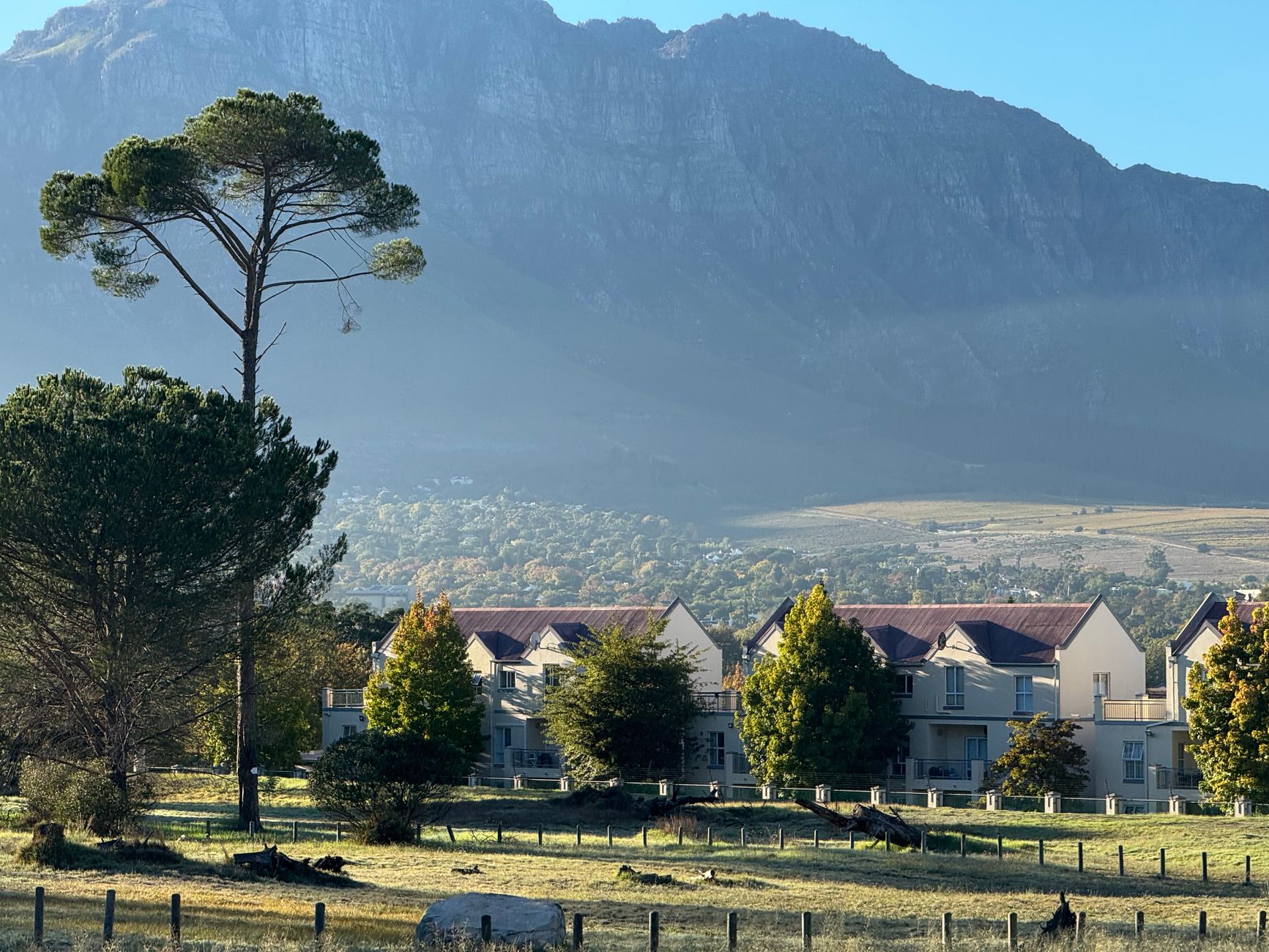
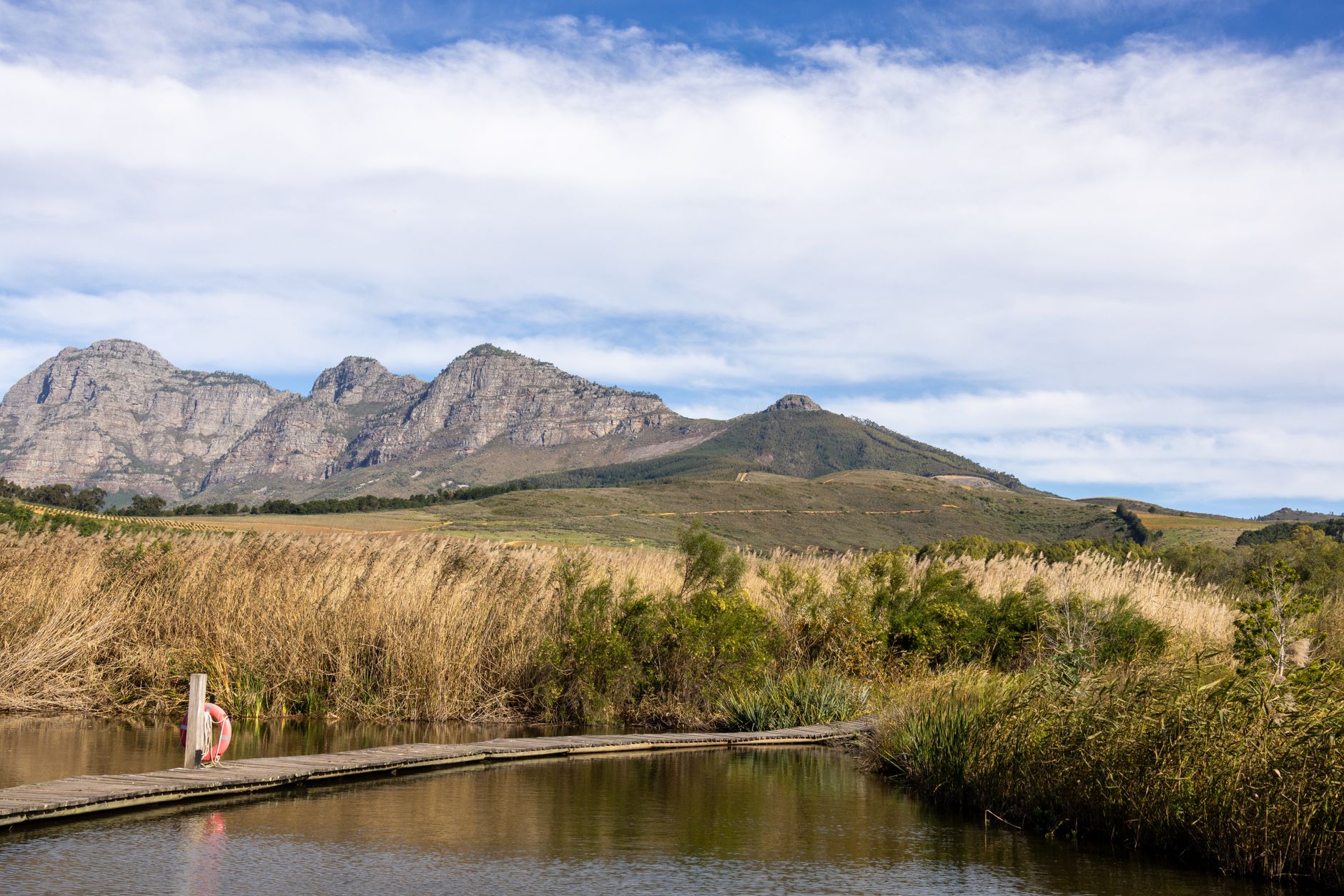
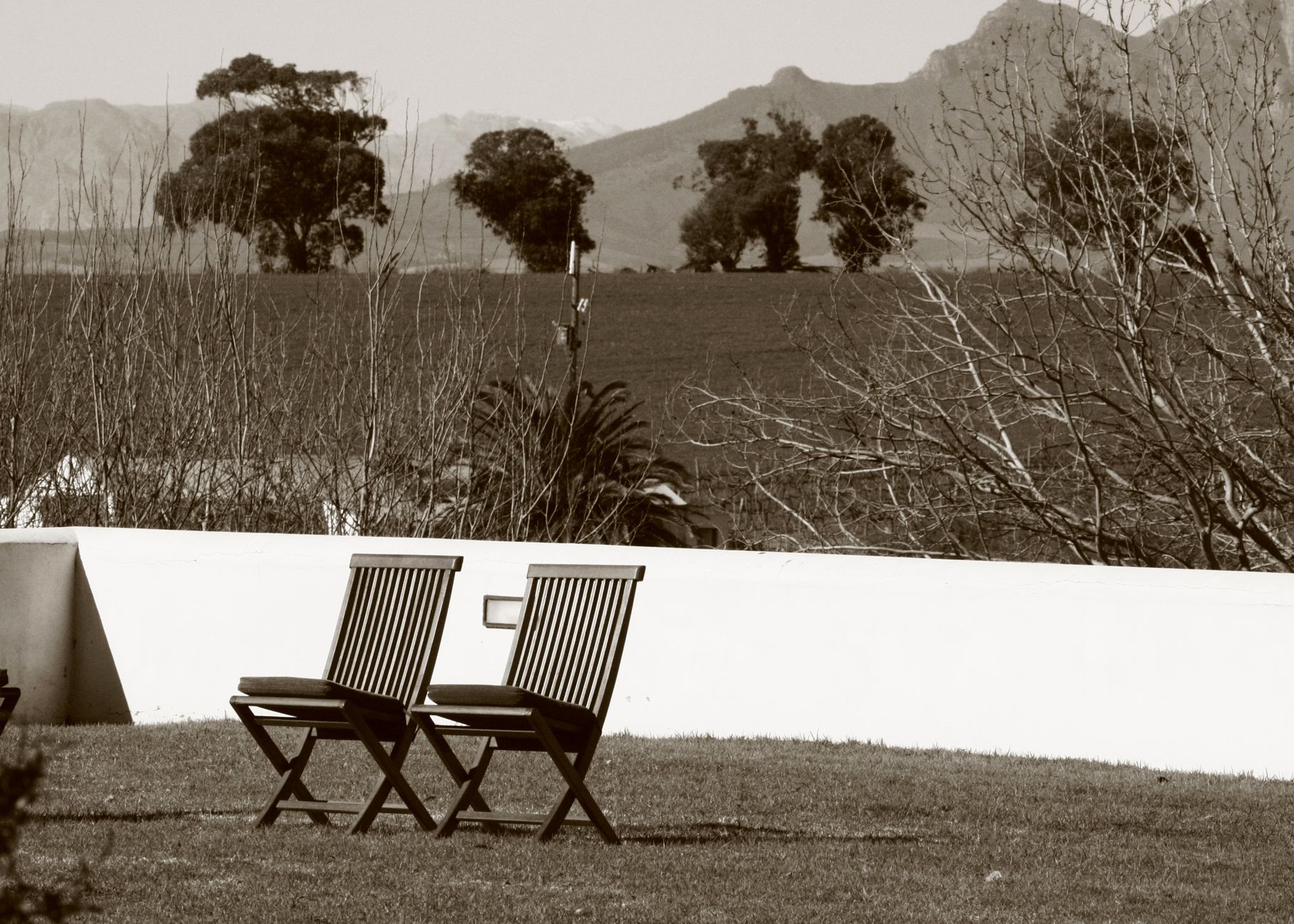
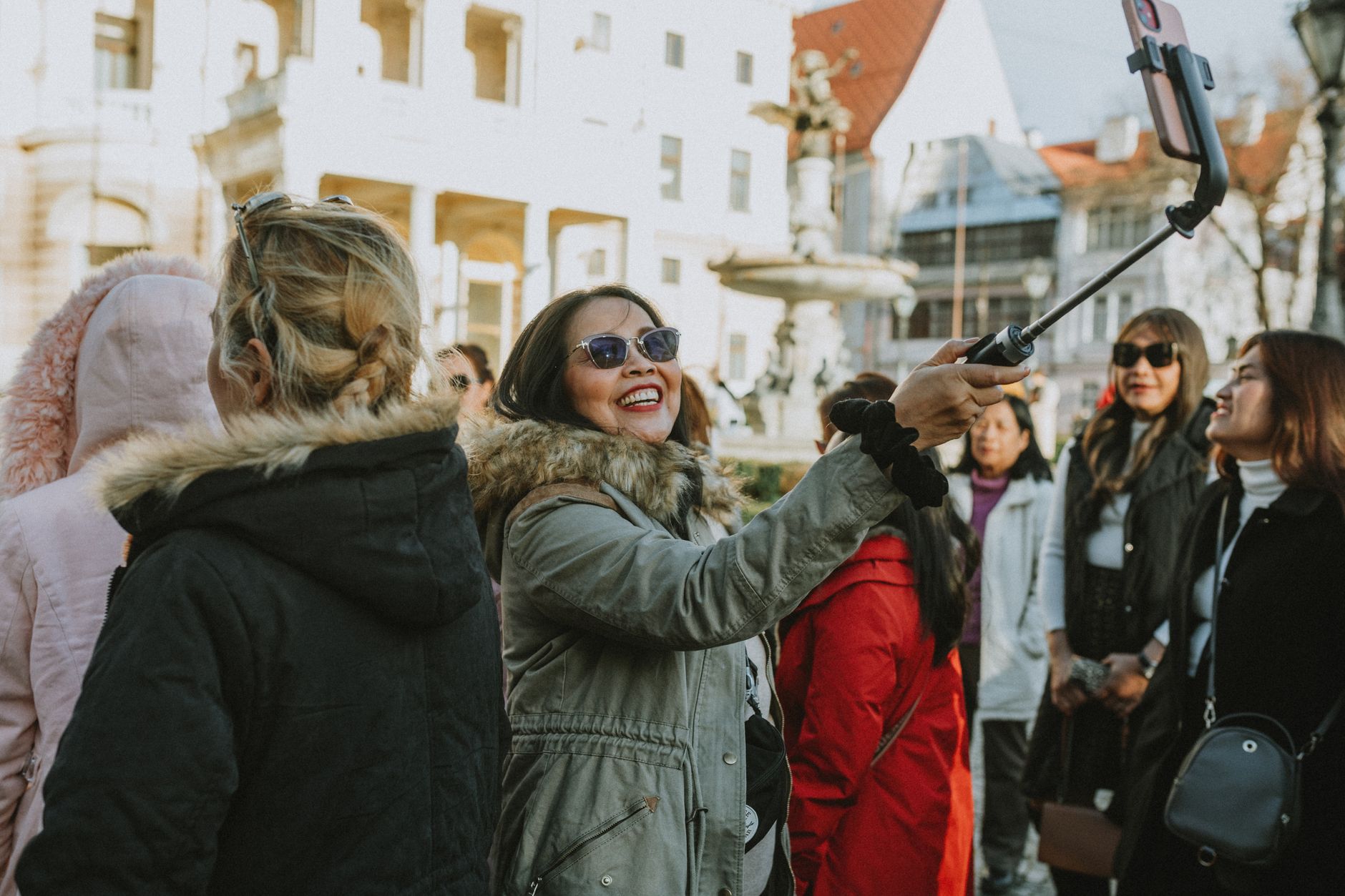
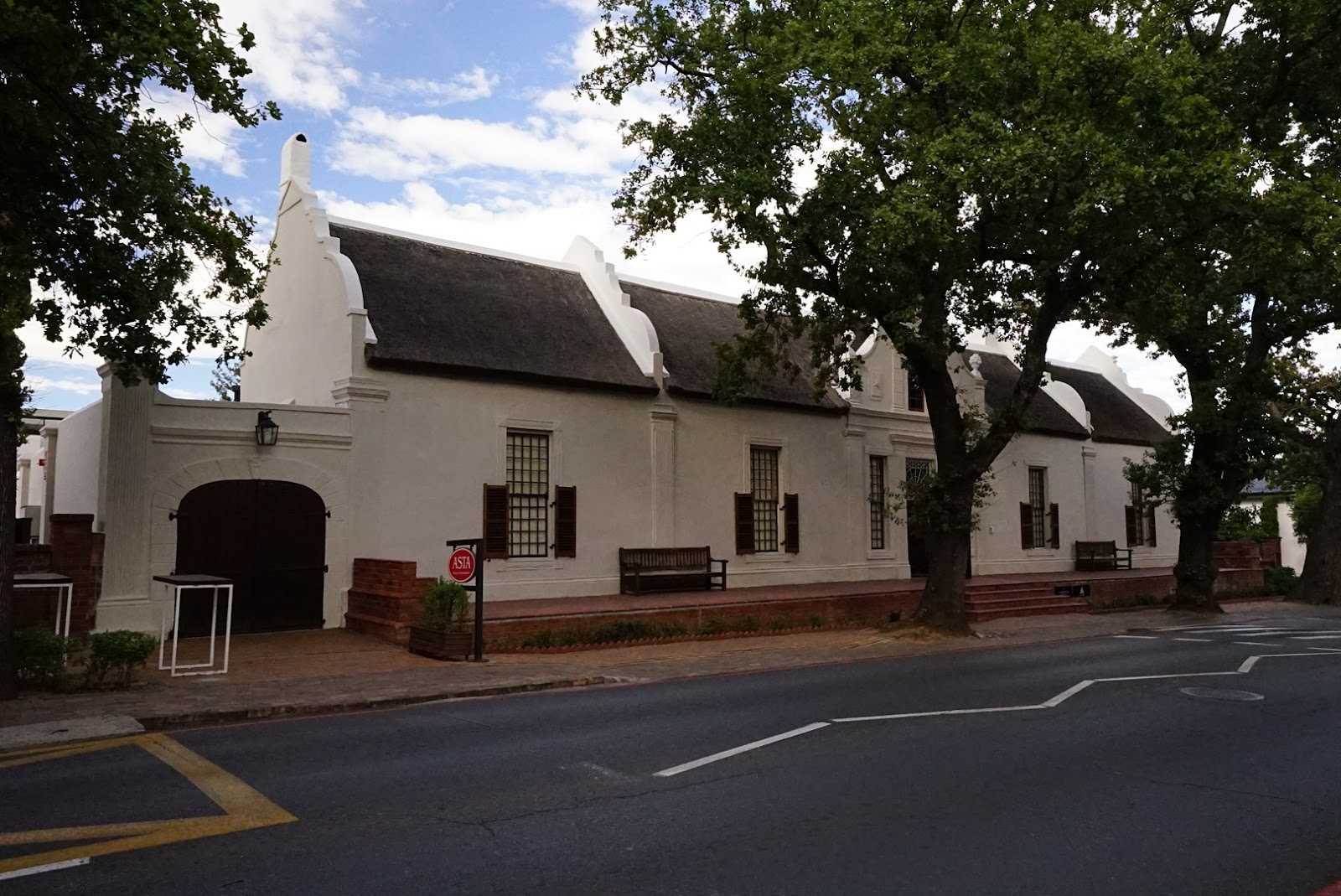
The oaks give Stellenbosch away before anything else does. Simon van der Stel planted them when he founded the town in 1679, and they still line Dorp Street in long, heavy rows — shade over three centuries of Cape Dutch gables, whitewashed walls, and a working general store that has barely changed its shopfront. At its centre is a university town of about 32,000 students, which means good coffee, independent bookshops, and a certain low-level intellectual hum alongside the wine.
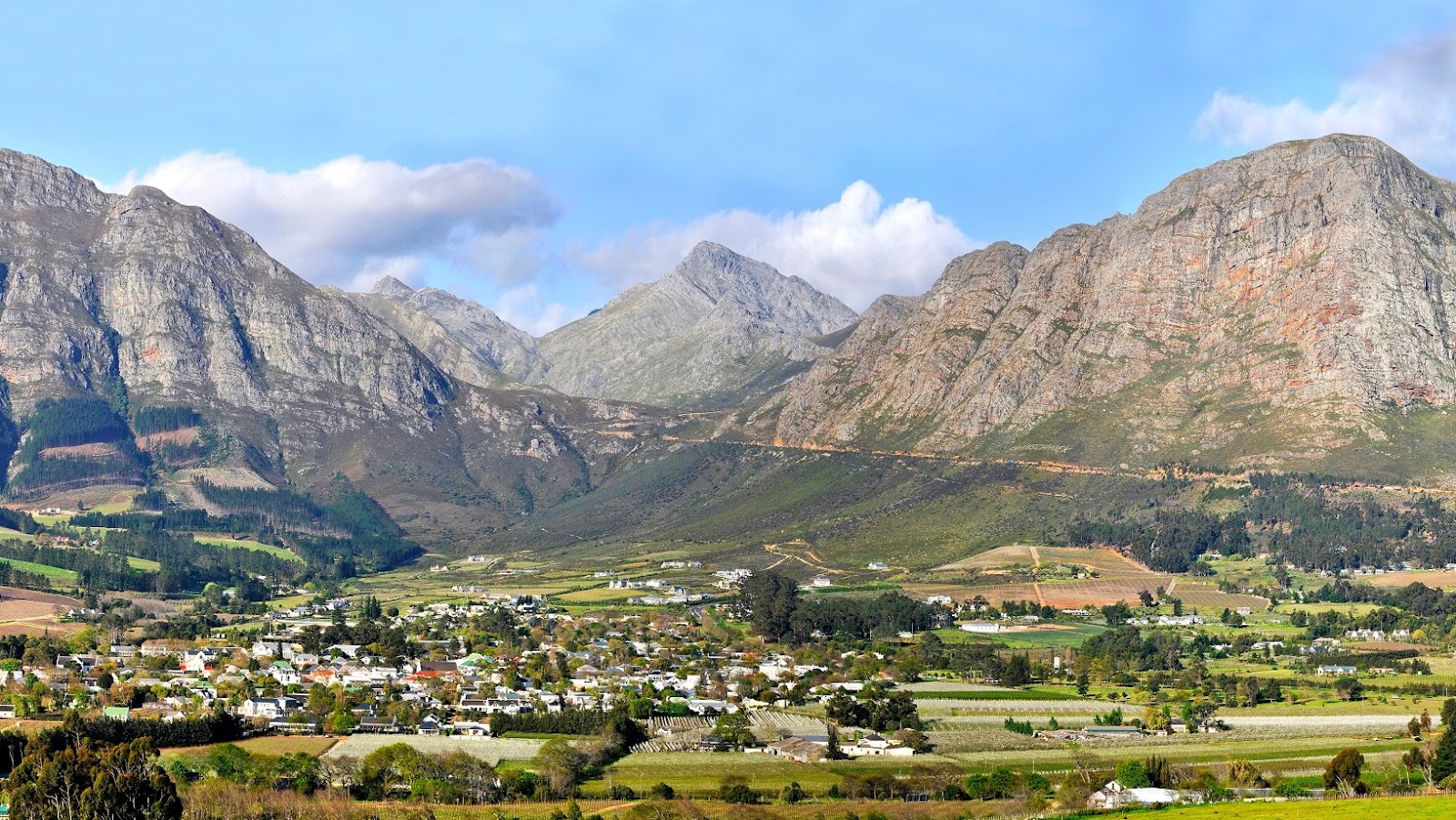
Stellenbosch sits roughly 50 km east of Cape Town along the Eerste River valley, and it anchors one of the world's more serious wine regions — over 150 cellar doors within the Wine Route network, including estates where the earliest vines went in during the 1690s. Pinotage, the crossing of Pinot Noir and Cinsault that became South Africa's signature grape, was developed here in 1924.
Popular cities in Stellenbosch

💛 What travellers fall for
People who come back tend to do the same things differently each time: walk Dorp Street slowly enough to read the dates on the buildings, then cut up to Kerk Street for lunch. The wine tram (day passes run R350–550) is genuinely useful if you don't want to drive between estates. Oom Samie se Winkel is worth ducking into — not for souvenirs, but because it has been operating continuously in the same Cape Dutch building for long enough that it feels like a document.
How Stellenbosch came to be
Simon van der Stel established Stellenbosch in 1679 as a farming outpost of the Dutch Cape Colony — it became a formal village in 1682 and a magistracy in 1685, making it the second oldest town in South Africa after Cape Town. A fire in 1710 destroyed most of it, including the original church, leaving only two or three buildings standing. The town was rebuilt, and the Moederkerk's white neo-Gothic spire, reconstructed from 1723, still anchors the skyline.
In 1690, Huguenot refugees arrived and planted vines in the surrounding valleys. The Stellenbosch Wine Route — the first in South Africa — was formalised in 1971 by four estate owners, including Frans Malan of Simonsig and Neil Joubert of Spier. The university, which traces its roots to 1863 and achieved full university status in 1918, drew generations of Afrikaner intellectuals and politicians, among them D.F. Malan and Hendrik Verwoerd — figures whose influence on twentieth-century South African history was profound and, in the case of apartheid's architecture, catastrophic.
Who and what shaped it
People who shaped it
Landmark buildings
See Stellenbosch in motion
Plan your visit
On the map
When to go
Stellenbosch has a Mediterranean pattern: summers (December to February) are hot and dry, often reaching 30°C, while winters (June to August) are cool and wet, with July the coldest and rainiest month. The shoulder seasons — March to May and September to November — sit in the 19–26°C range and are generally the most comfortable time to be outdoors or moving between estates.
Right now
↡ Attractions
Background & history adapted from Wikipedia (CC BY-SA) · specs from Wikidata (CC0) · weather from Open-Meteo · map data © OpenStreetMap contributors · photos from Wikimedia Commons / Unsplash with per-image credit. No third-party reviews or social posts reproduced.