
Hluhluwe-iMfolozi Park
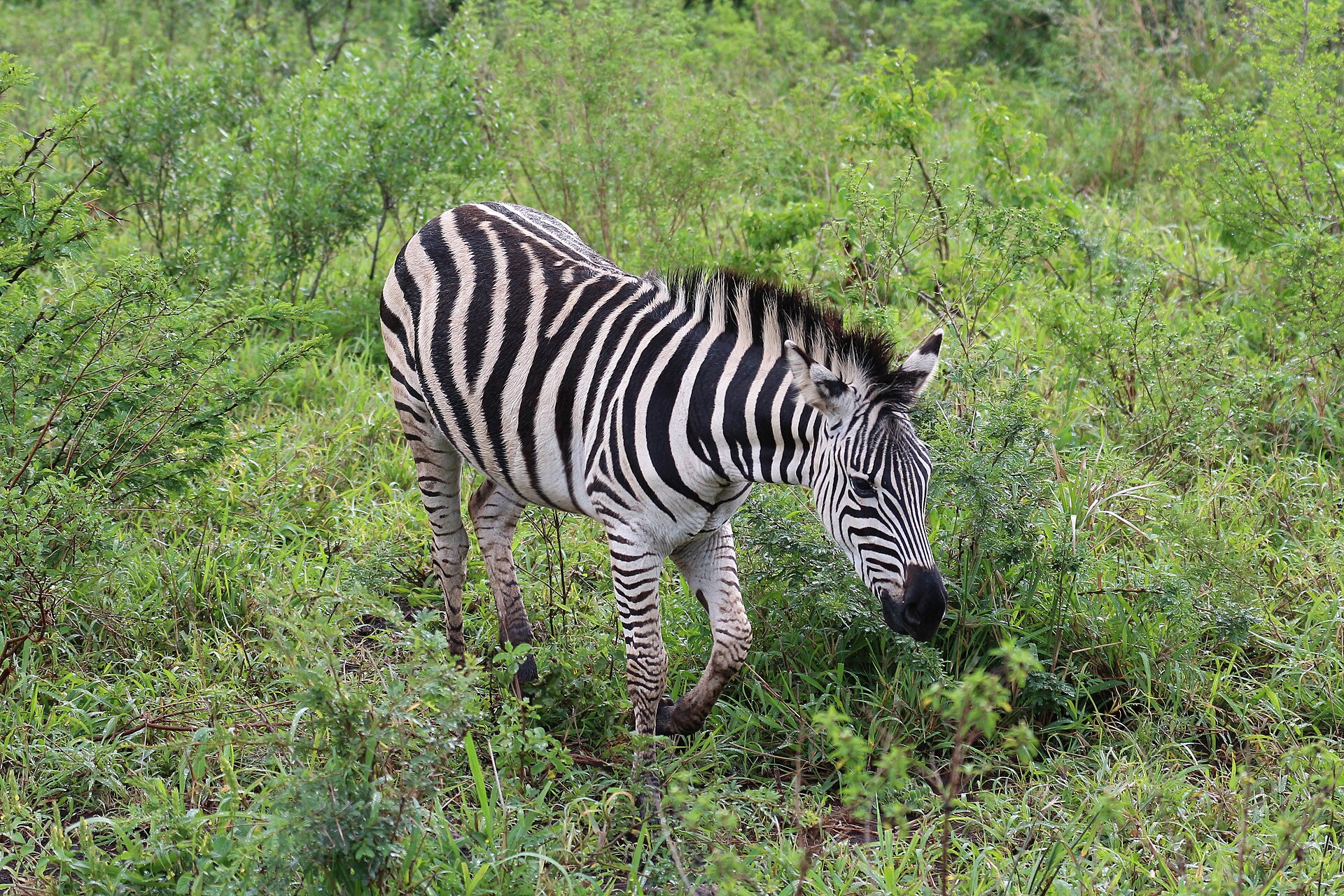
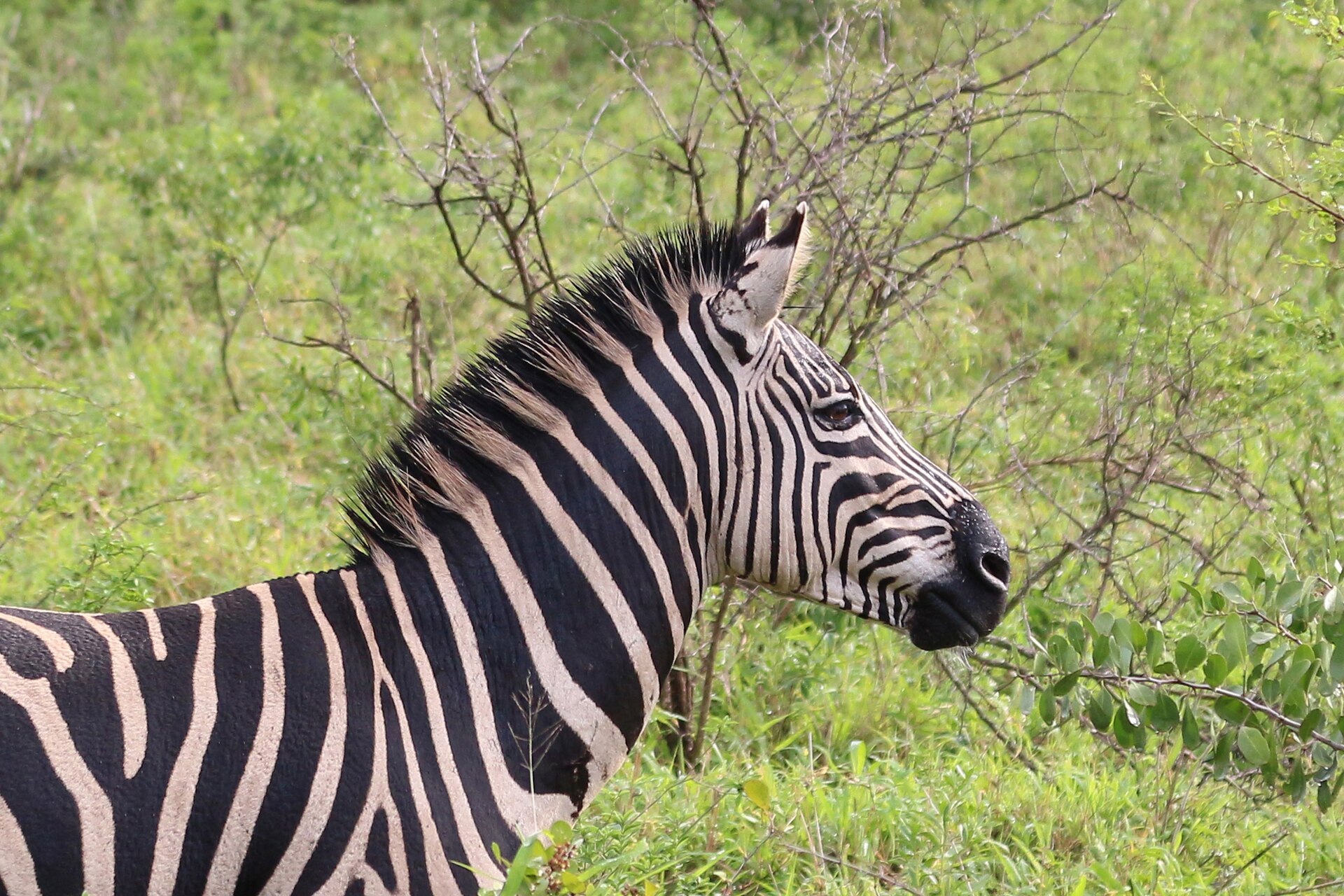
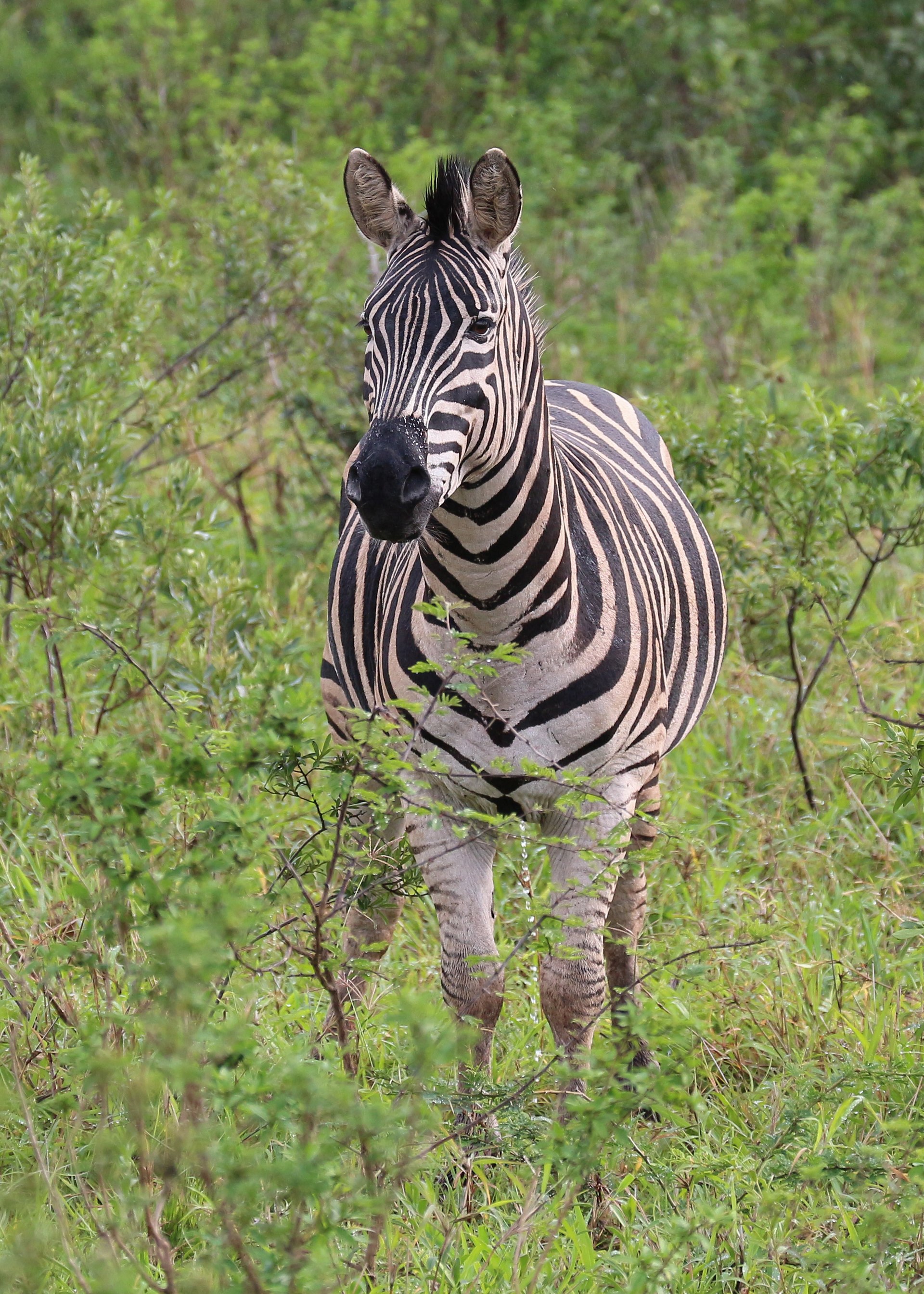
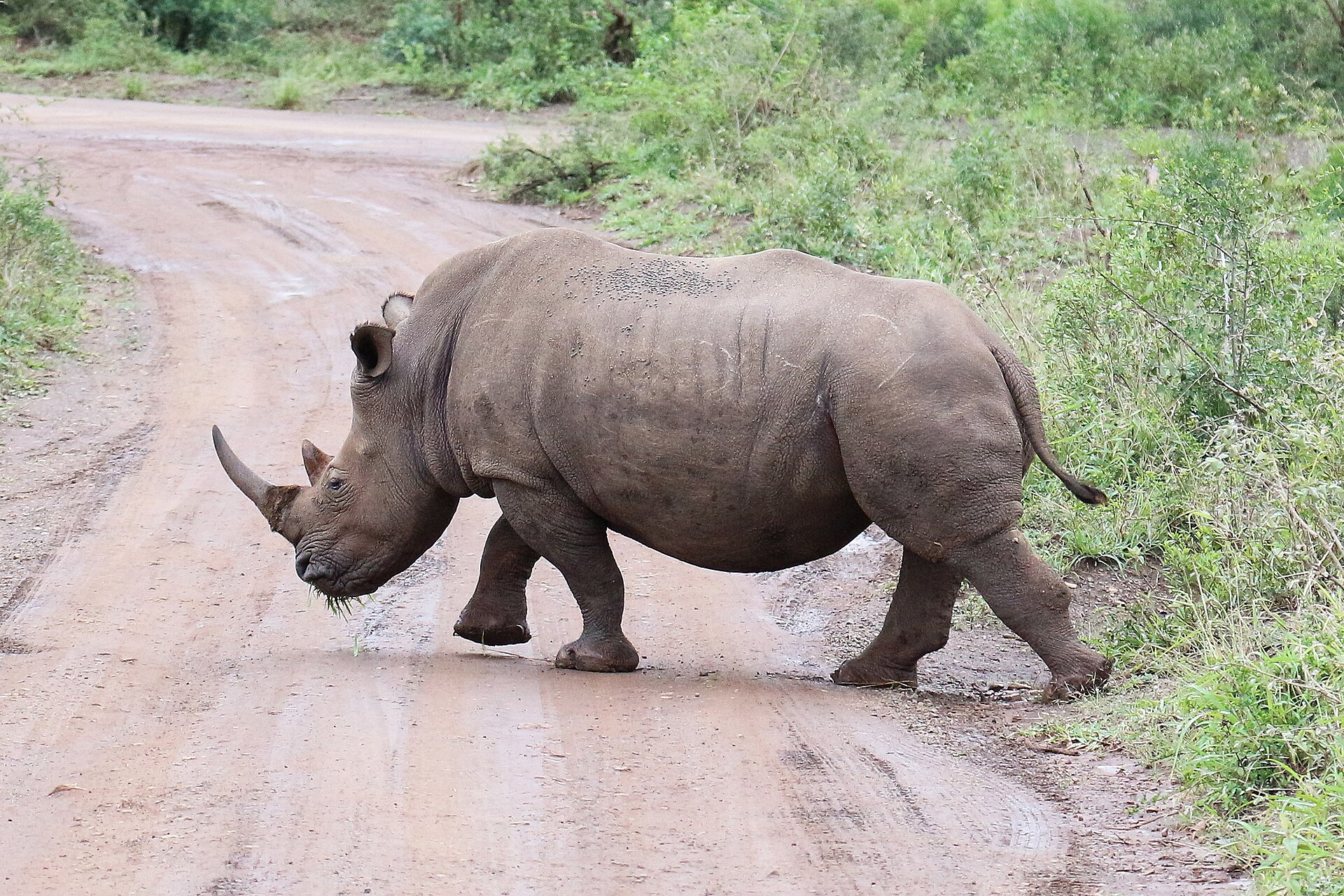
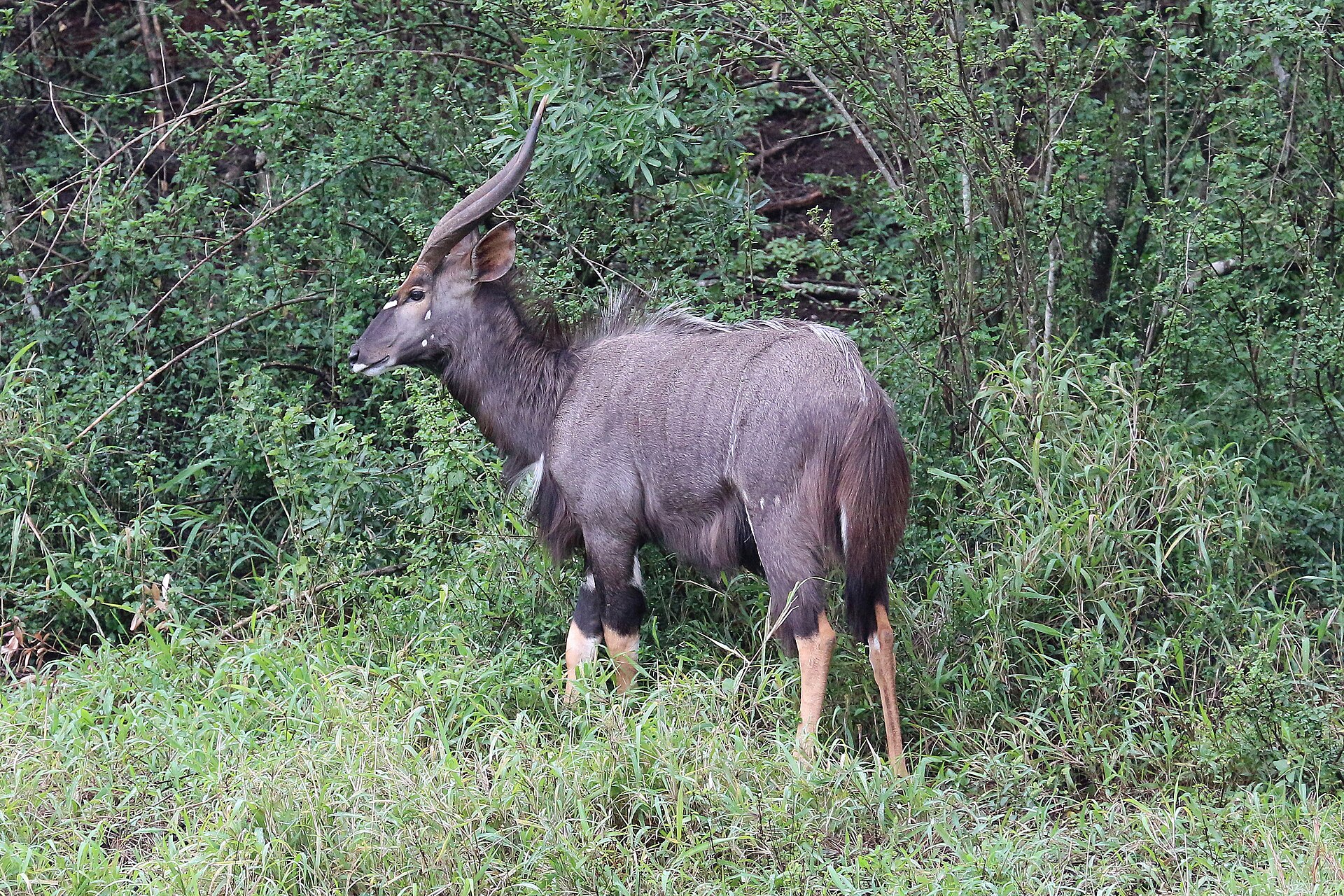

The number that defines Hluhluwe-iMfolozi is one hundred — the approximate count of white rhino left on earth when this reserve was proclaimed in 1895. That the species still exists in any meaningful number is, in large part, a story that happened here, in these 96,000 hectares of KwaZulu-Natal thornveld and riverine forest, 270 kilometres north of Durban.
The park splits into two distinct characters. Hluhluwe in the north runs rugged and mountainous, its slopes thick with forest and grassland. iMfolozi in the south opens into wide savannah along the Black and White Umfolozi rivers, where Shaka Zulu once maintained royal hunting grounds — the pits his hunters dug are still visible if you walk the right trails.
💛 What travellers fall for
People who return tend to split their nights between sections: Hilltop Camp for the Hluhluwe views, Mpila for that ridge-top quiet above the iMfolozi wilderness. Most say the morning walking trails out of iMfolozi changed how they see the whole place — on foot, at ground level, the scale of it lands differently.
How Hluhluwe-iMfolozi Park came to be
Proclaimed on 30 April 1895 by the Natal Colonial Government as two separate reserves — Imfolozi Junction Reserve and Hluhluwe Valley Reserve — this is the oldest proclaimed reserve in Africa. By the time it was established, the white rhino had been hunted to perhaps a hundred individuals. Controlling the tsetse fly and protecting the land allowed that number to reach 2,300 by 1960.
The man most responsible for what came next was park warden Ian Player, who launched Operation Rhino in the 1950s and 60s — a programme that captured and relocated white rhino to reserves across Africa and beyond, effectively saving the species. The three originally separate reserves were consolidated under the current name in 1989. Today Ezemvelo KZN Wildlife manages the park, though the poaching pressure on its rhino population remains severe: 228 animals were killed here in 2022 alone.
Who and what shaped it
People who shaped it
Landmark buildings
See Hluhluwe-iMfolozi Park in motion
Plan your visit
On the map
When to go
The dry winter months, May through September, bring warm days and cool mornings, with vegetation low enough to spot game at distance. October through April turns hot and humid, with heavy afternoon thunderstorms — the landscape greens up dramatically, but animals disperse and sightings become harder work.
Right now
Background & history adapted from Wikipedia (CC BY-SA) · specs from Wikidata (CC0) · weather from Open-Meteo · map data © OpenStreetMap contributors · photos from Wikimedia Commons / Unsplash with per-image credit. No third-party reviews or social posts reproduced.