
Kamakura
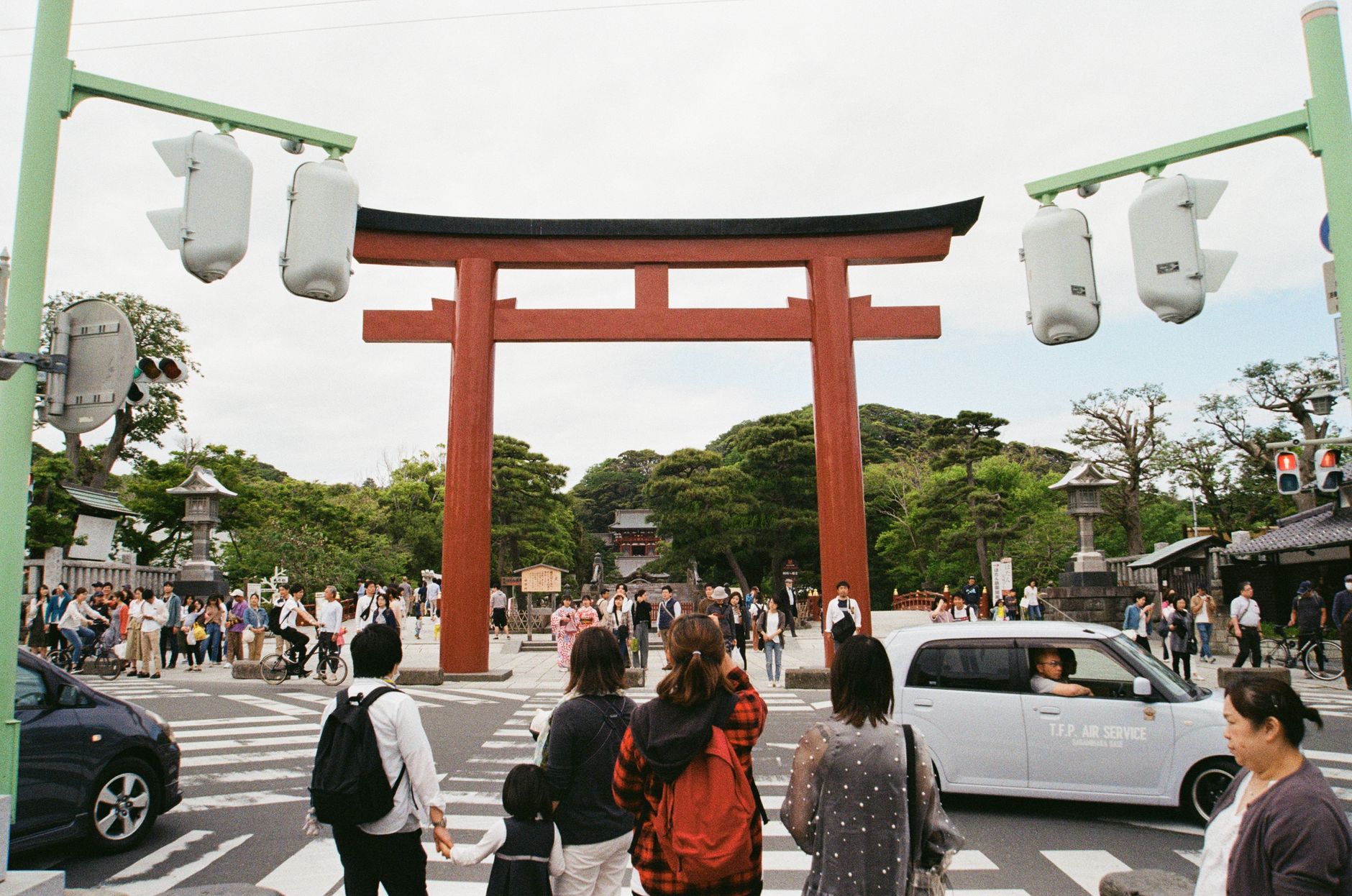
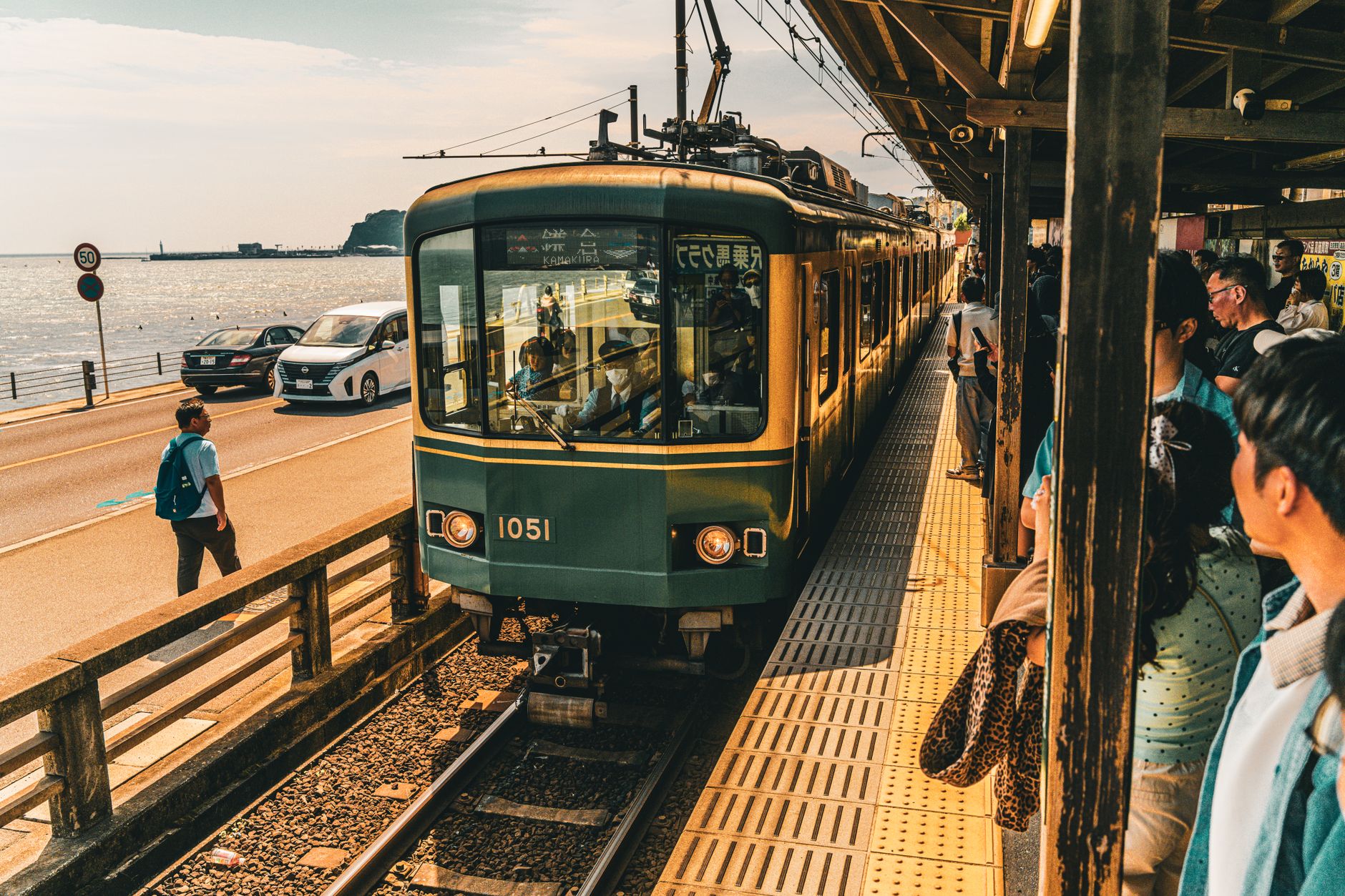
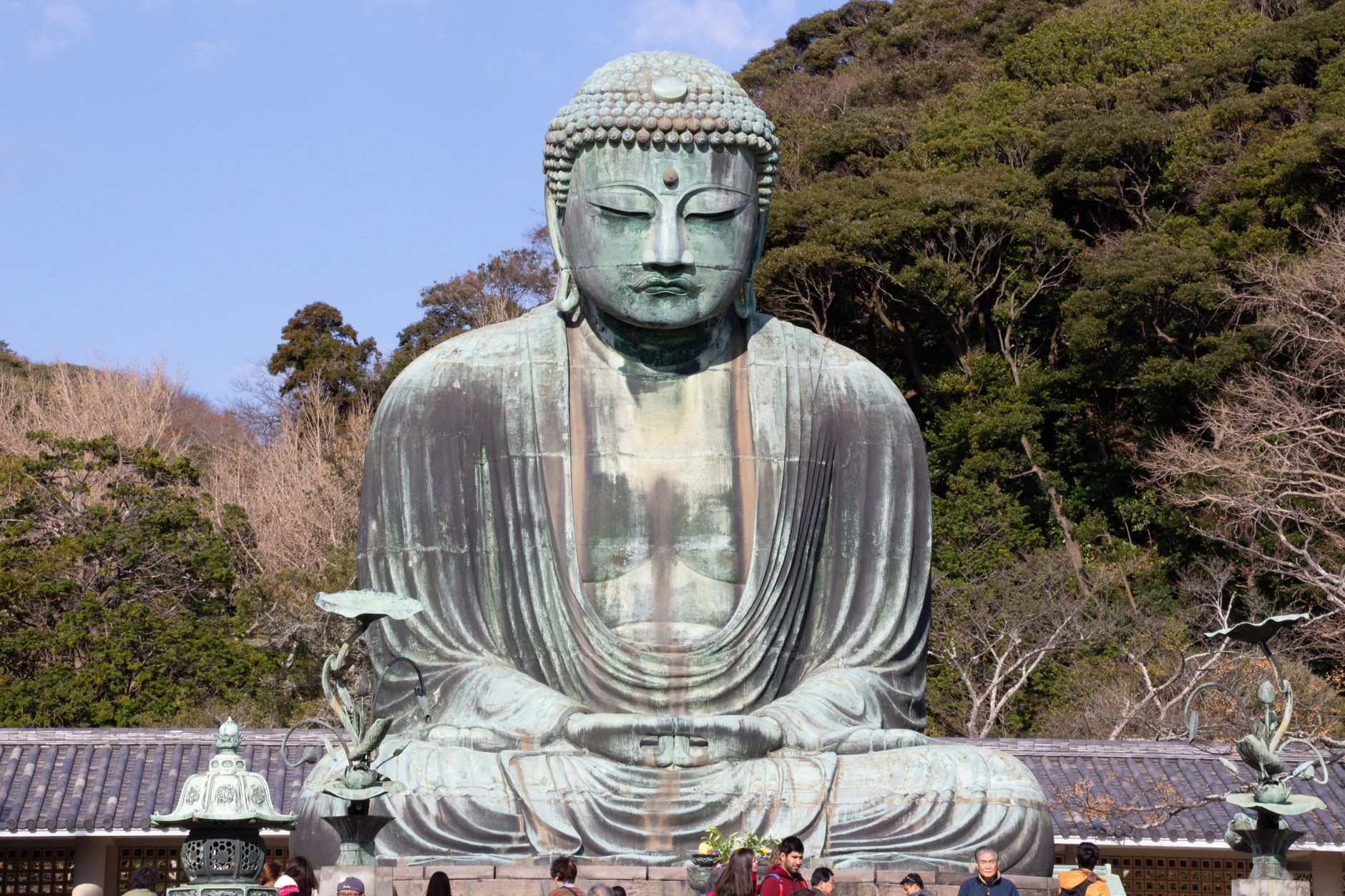
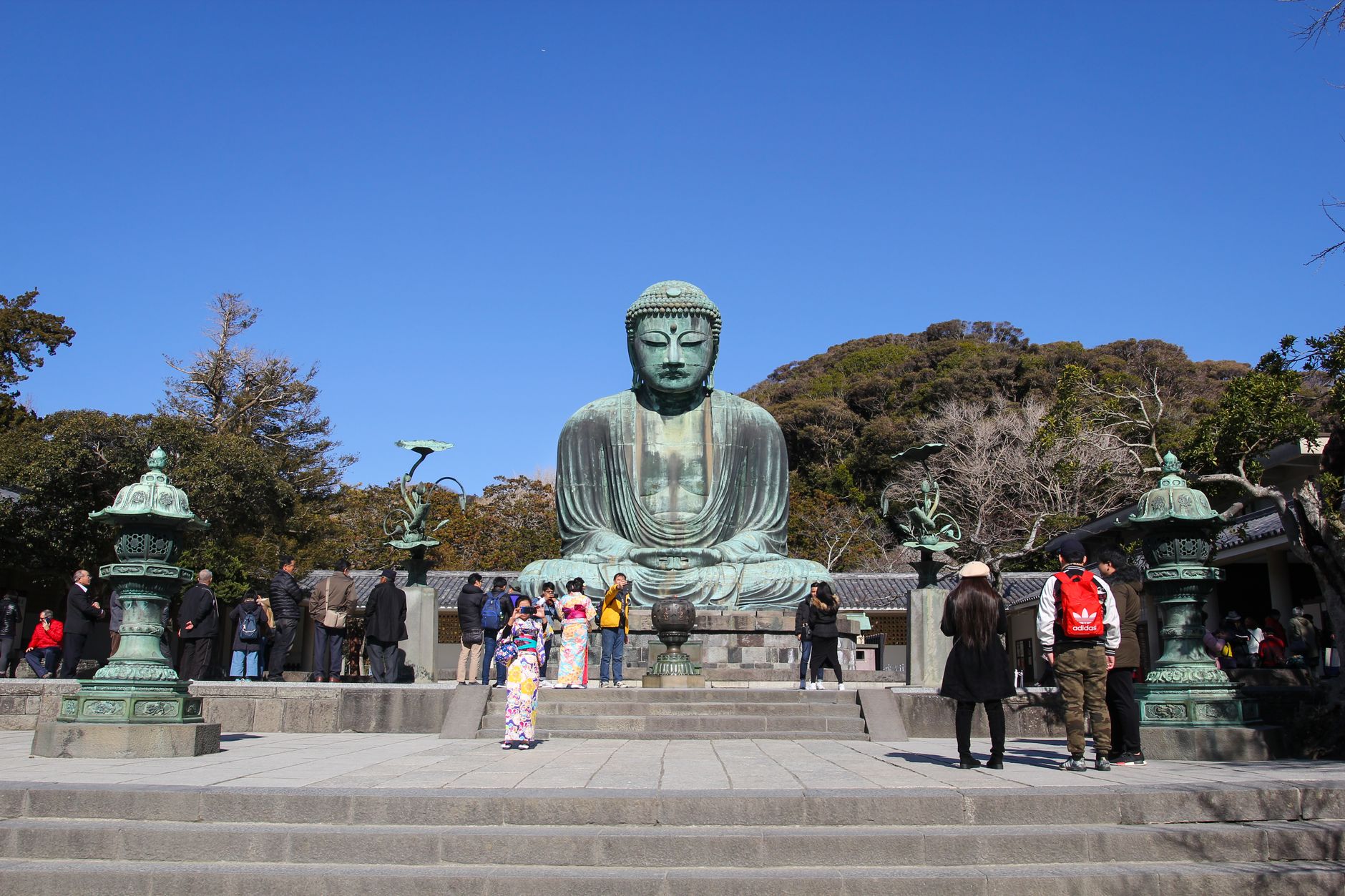
An hour south of Tokyo by train, Kamakura sits on a narrow coastal plain backed by wooded hills, and the combination has kept it compact and walkable in a way that larger Japanese cities aren't. The Great Buddha at Kōtoku-in has sat outdoors since a 15th-century tsunami took the hall that once sheltered it — 103 tons of bronze, open to the sky, surrounded now by quiet temple grounds rather than the political capital it once served.
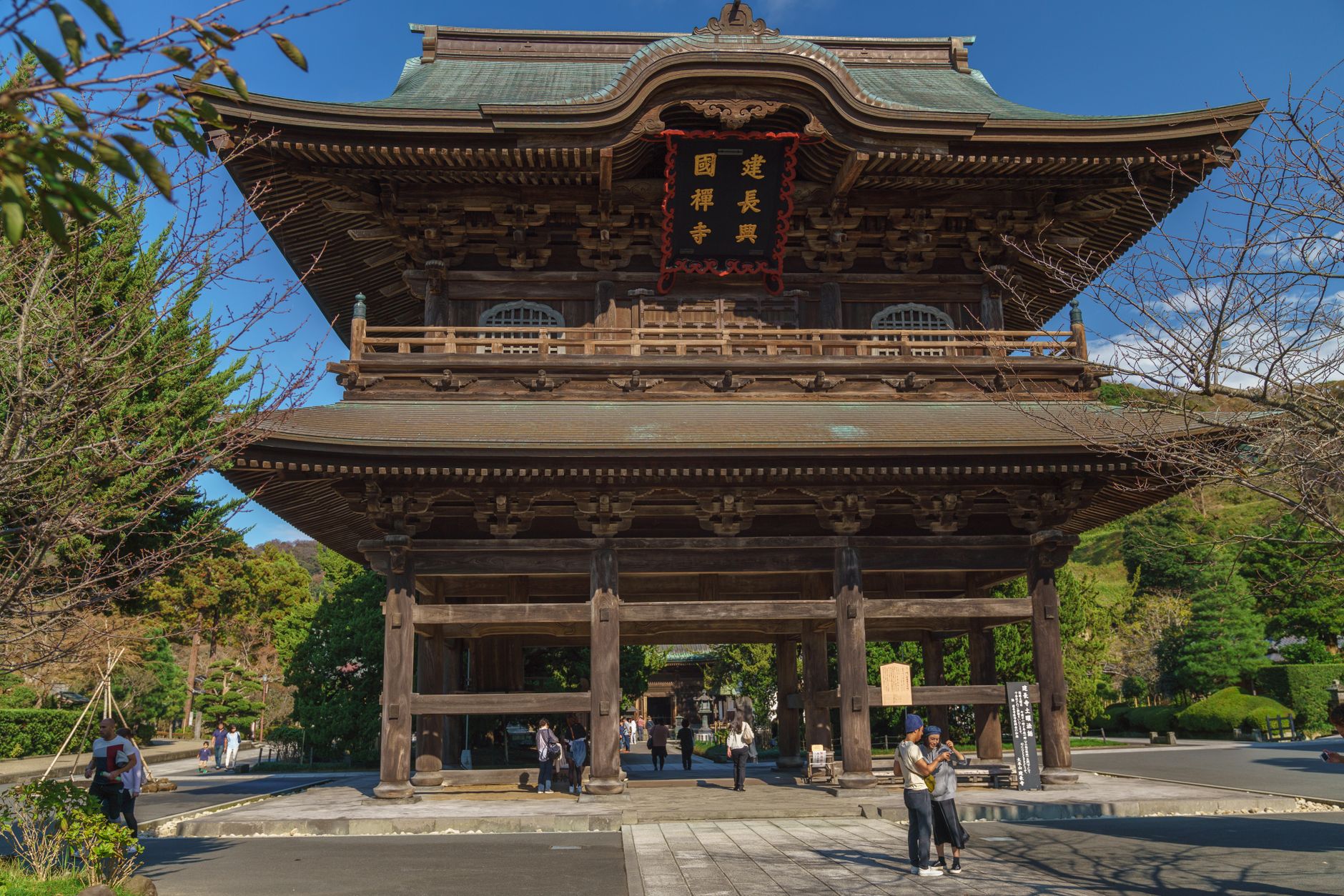
Five great Zen temples, a Shinto shrine that predates the shogunate, and a coastline close enough to smell from the hillside paths — Kamakura holds a lot within a small geography, and rewards slow movement between its three main clusters.
💛 What travellers fall for
People who come back tend to go straight to Kita-Kamakura Station rather than Kamakura itself — the walk from there through Engaku-ji and down to Kenchō-ji before the tour groups arrive sets the tone for the whole day. June is divisive, but those who time a visit to Meigetsu-in's hydrangeas say the crowds are worth it.
How Kamakura came to be
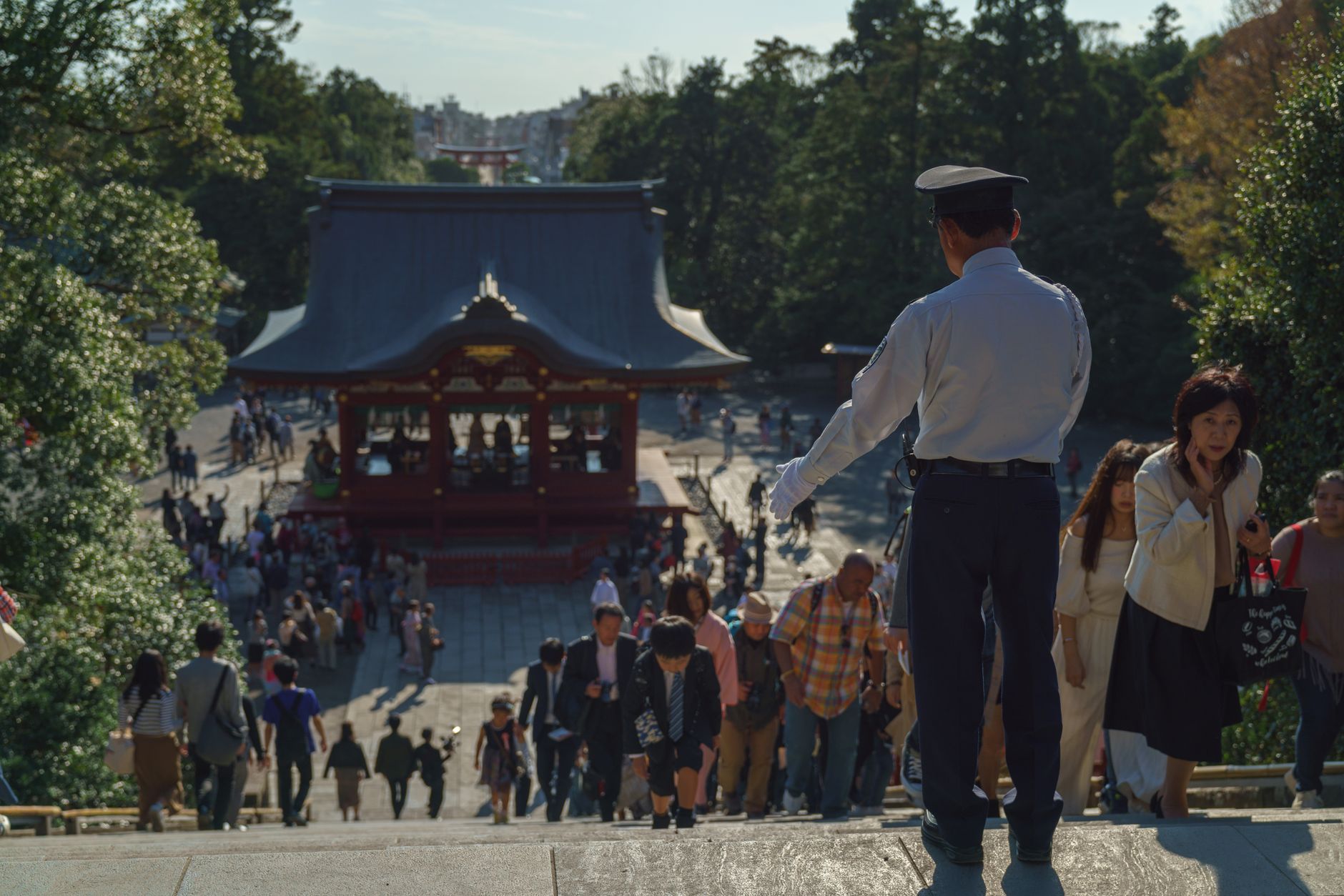
In 1185, after the Genpei War ended with the defeat of the Taira clan, Minamoto no Yoritomo established his military government — the bakufu — here rather than in the imperial capital of Kyoto. He formalised his title as shōgun in 1192, and for the next 141 years Kamakura functioned as Japan's political center. He moved the Tsurugaoka Hachiman Shrine to its current site in 1180, anchoring the city around a ceremonial spine that still defines its layout.
After Yoritomo's death in 1199, the Hōjō family held real power as regents. The shogunate fell in 1333 when Emperor Go-Daigo's forces besieged the city. What survived — temples, shrines, the bronze Buddha cast in 1252 — was damaged by the Great Kantō earthquake of 1923 but carefully restored. The railway arrived in 1890, and the city as visitors know it today took shape around those two inheritances: medieval Buddhist culture and a direct line to Tokyo.
Who and what shaped it
People who shaped it
Landmark buildings
See Kamakura in motion
Plan your visit
On the map
When to go
Spring (late March through April) brings mild temperatures and cherry blossoms; June is warm and humid with the hydrangea bloom at Meigetsu-in. Summer is hot and sticky. Autumn, from October through November, offers cooler air and turning foliage — arguably the most comfortable season to walk the temple paths.
Right now
Background & history adapted from Wikipedia (CC BY-SA) · specs from Wikidata (CC0) · weather from Open-Meteo · map data © OpenStreetMap contributors · photos from Wikimedia Commons / Unsplash with per-image credit. No third-party reviews or social posts reproduced.