
Nikko
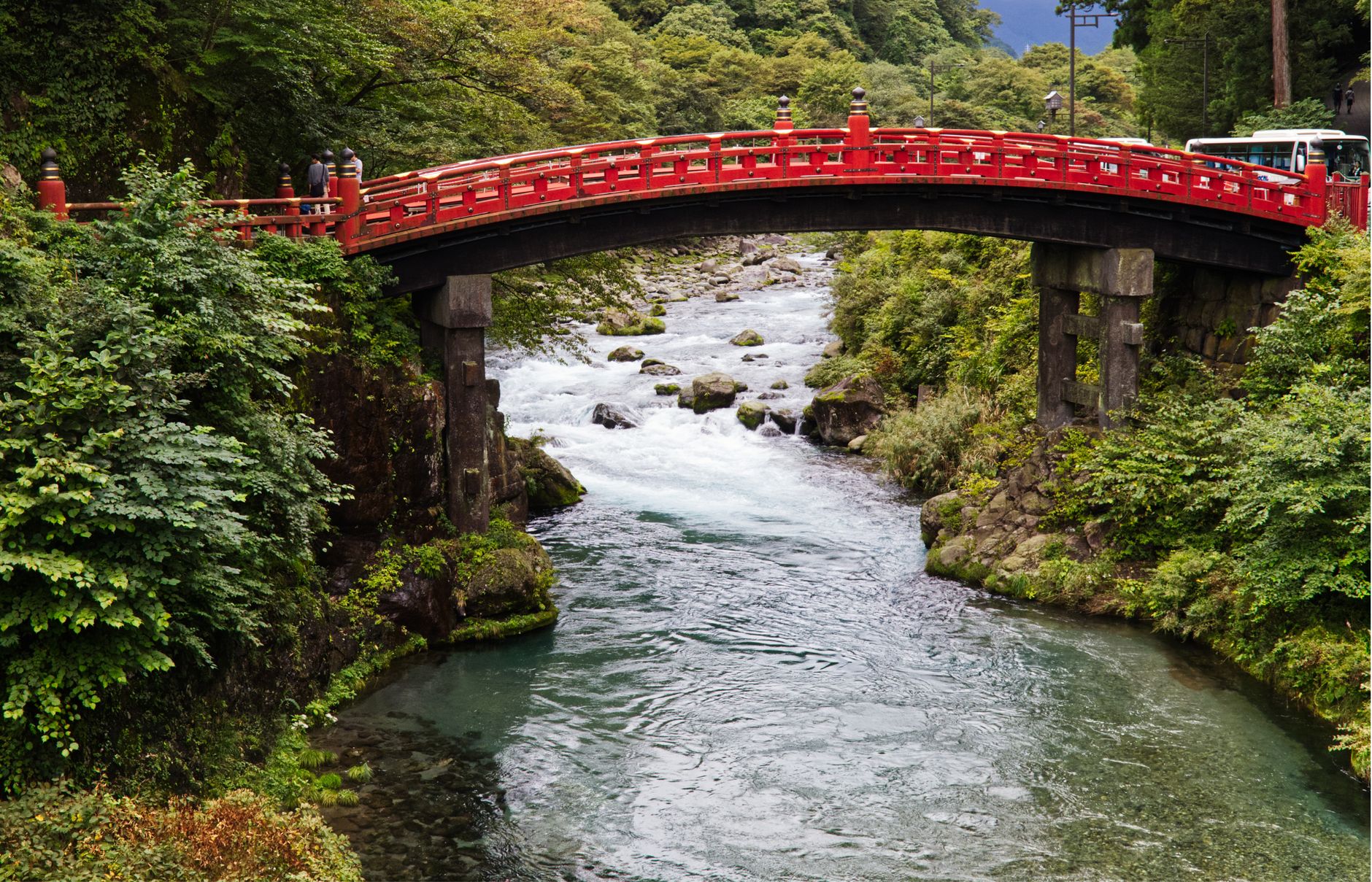
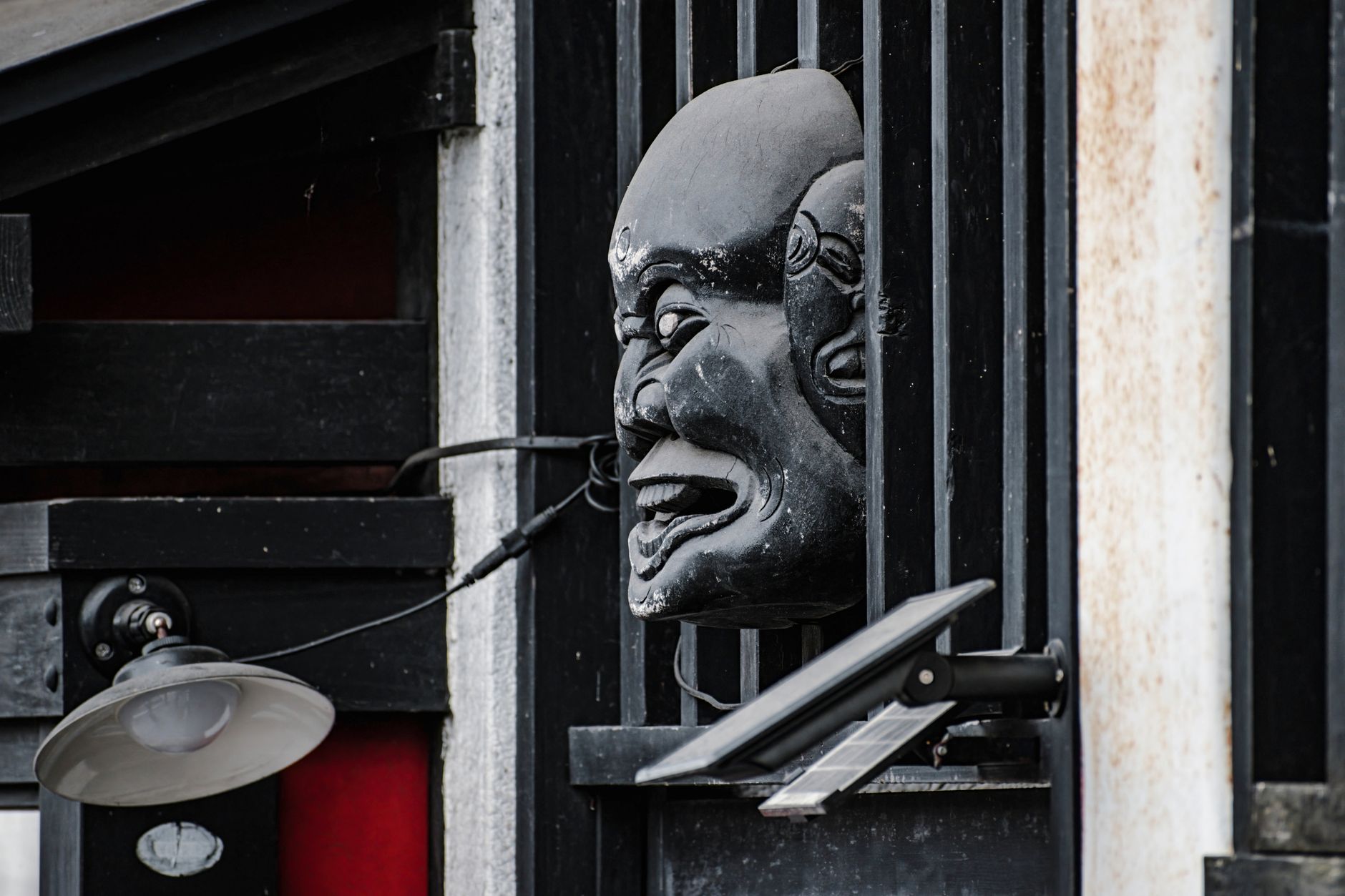
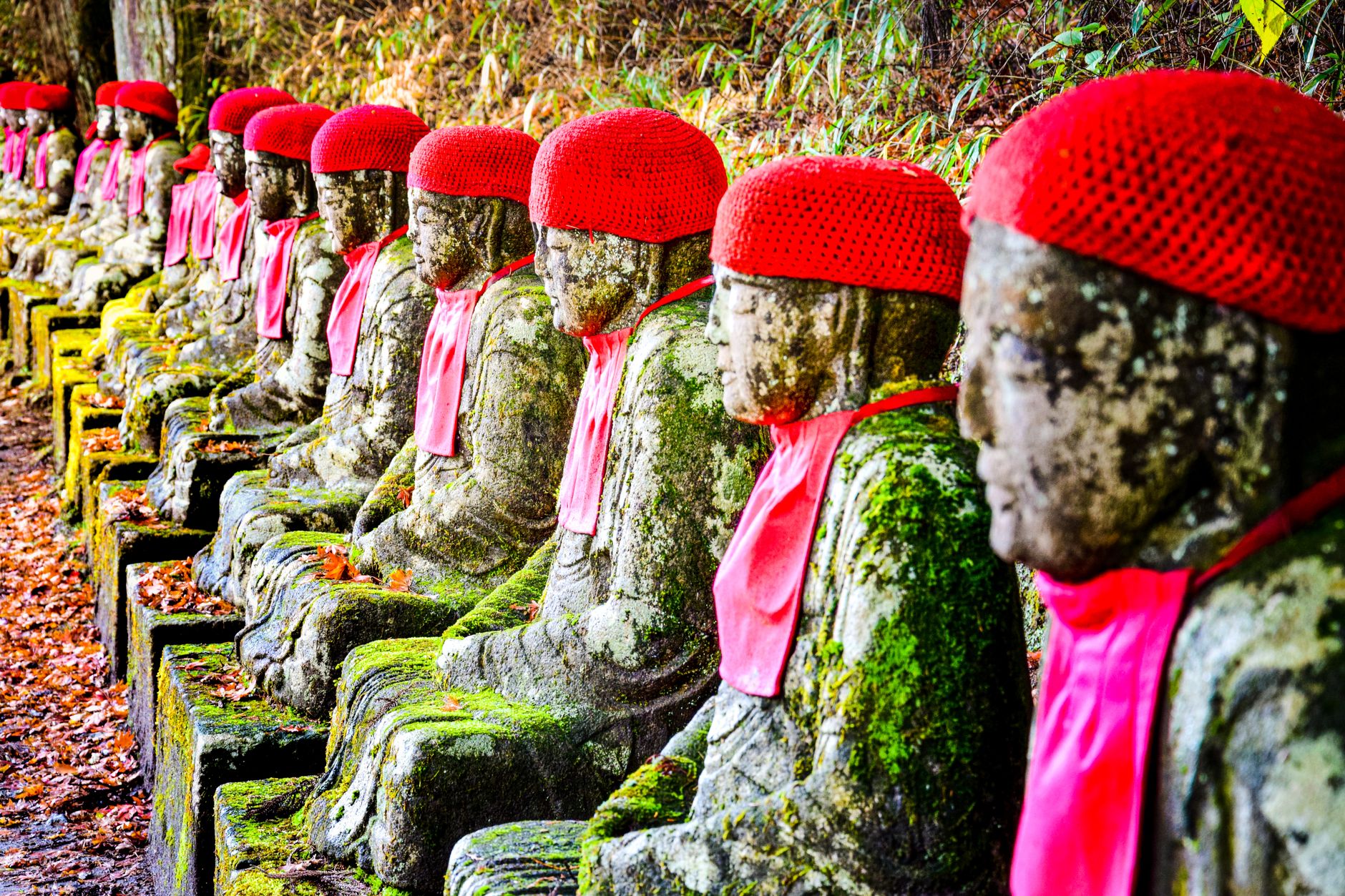
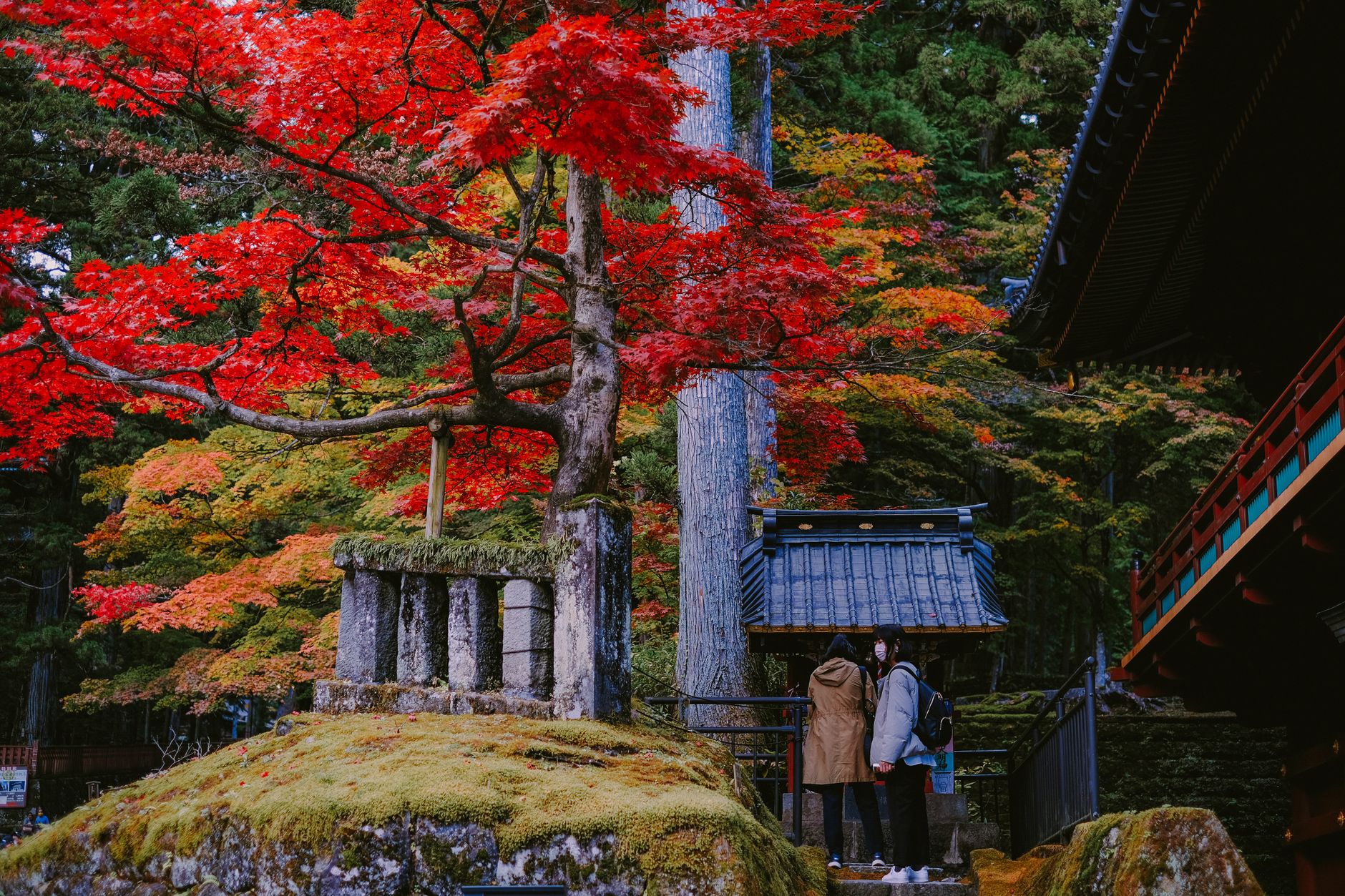
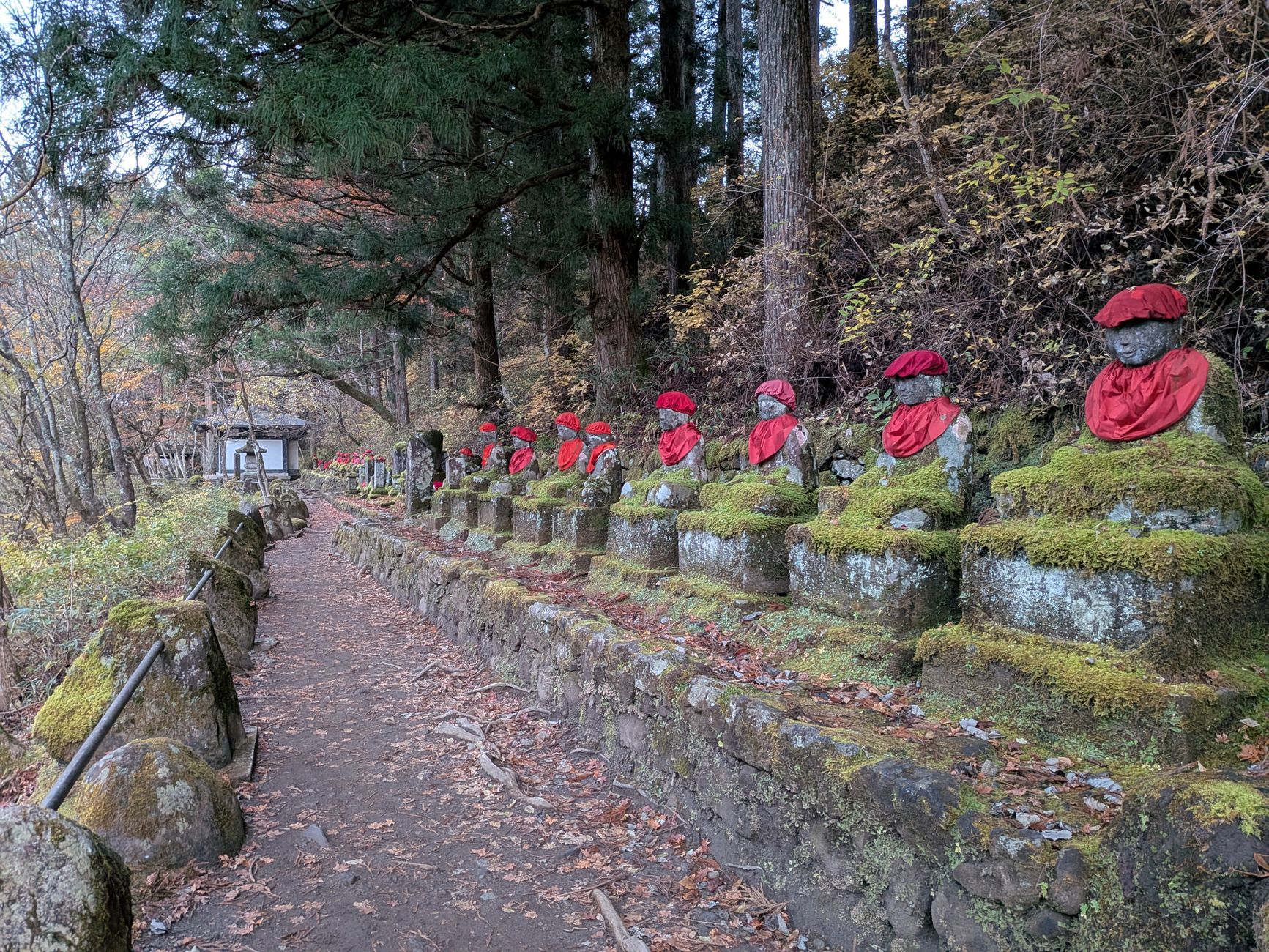
Two hours north of Tokyo, the cedar forests close in around you and the air changes — cooler, quieter, carrying the faint smell of incense from somewhere up the hill. Nikko is mountain Japan at its most ceremonial: a UNESCO-listed complex of 103 religious structures where a Buddhist monk first arrived in the 8th century and a shogun was buried in the 17th, and where the two traditions have coexisted on the same forested slopes ever since.
The centerpiece is Toshogu Shrine, built to house the remains of Tokugawa Ieyasu and finished with the labor of some 127,000 craftsmen. Beyond the shrines, the region opens out to Lake Chuzenji and Kegon Falls, and the local specialty — yuba, tofu skin lifted in double layers — shows up on menus everywhere, thick and worth trying.
💛 What travellers fall for
People who come back tend to arrive early on weekdays, when Taiyuin opens at 8 a.m. and the crowds haven't yet reached Yomeimon Gate. They also mention the bus stop 'Nishisando Iriguchi' as the one to remember — it drops you within walking distance of all three main sites without the uphill scramble from the main road.
How Nikko came to be
In 766, the Buddhist monk Shodo Shonin crossed the Daiya River — a crossing that was itself considered a feat — and founded what would become Rinnoji Temple on the slopes of Mount Nantai. He later established Futarasan Shrine in 782, dedicating it to the mountain deities. For centuries Nikko remained a sacred mountain site, its religious identity layered between Shinto and Buddhist practice.
The place changed scale entirely after 1616, when Tokugawa Ieyasu, the first Tokugawa shogun, died and left instructions to be enshrined here as a guardian deity of Japan. His grandson Iemitsu, the third shogun, expanded the original mausoleum into Toshogu Shrine — completed in 1617 — and later commissioned his own mausoleum, Taiyuin, nearby. In 1999, the full complex of shrines and temples was inscribed on the UNESCO World Heritage List.
Who and what shaped it
People who shaped it
Landmark buildings
See Nikko in motion
Plan your visit
On the map
When to go
Spring and autumn are the most comfortable seasons — cherry blossoms in April, fiery maples in October and November. Summer brings humidity and peak crowds; winters are cold and occasionally snowy, which strips the place back to something quieter and more austere.
Right now
Background & history adapted from Wikipedia (CC BY-SA) · specs from Wikidata (CC0) · weather from Open-Meteo · map data © OpenStreetMap contributors · photos from Wikimedia Commons / Unsplash with per-image credit. No third-party reviews or social posts reproduced.