
Fukuoka
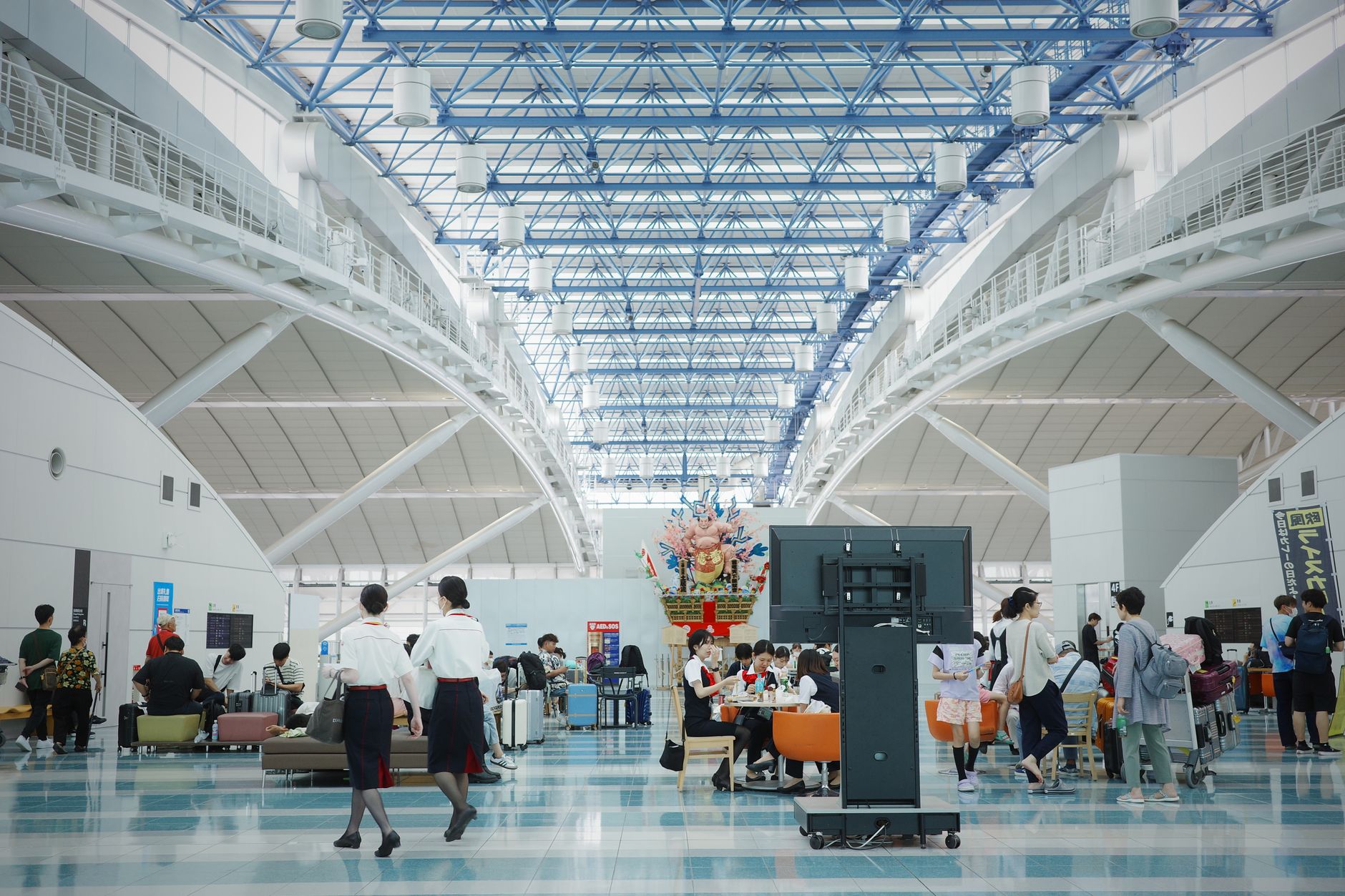
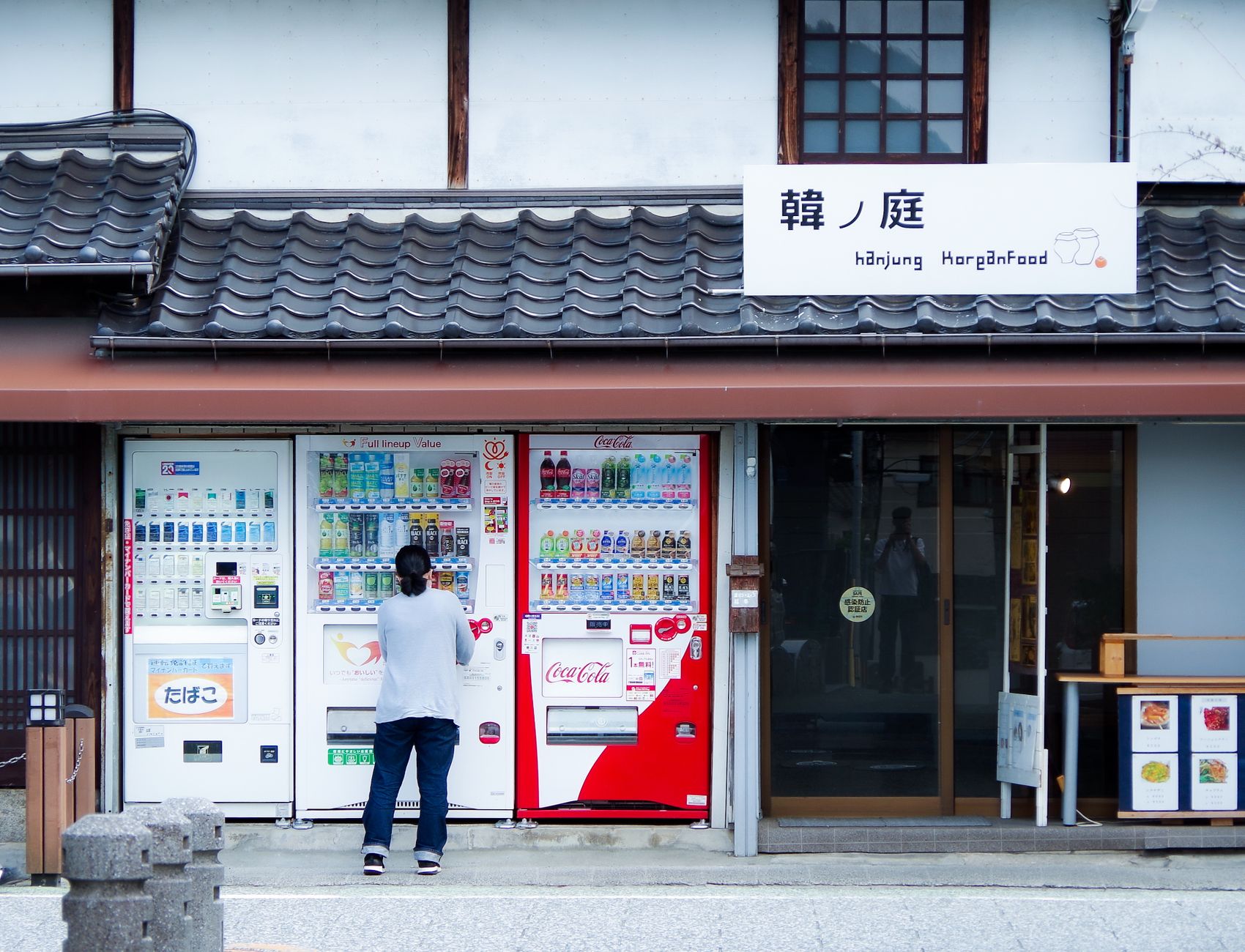
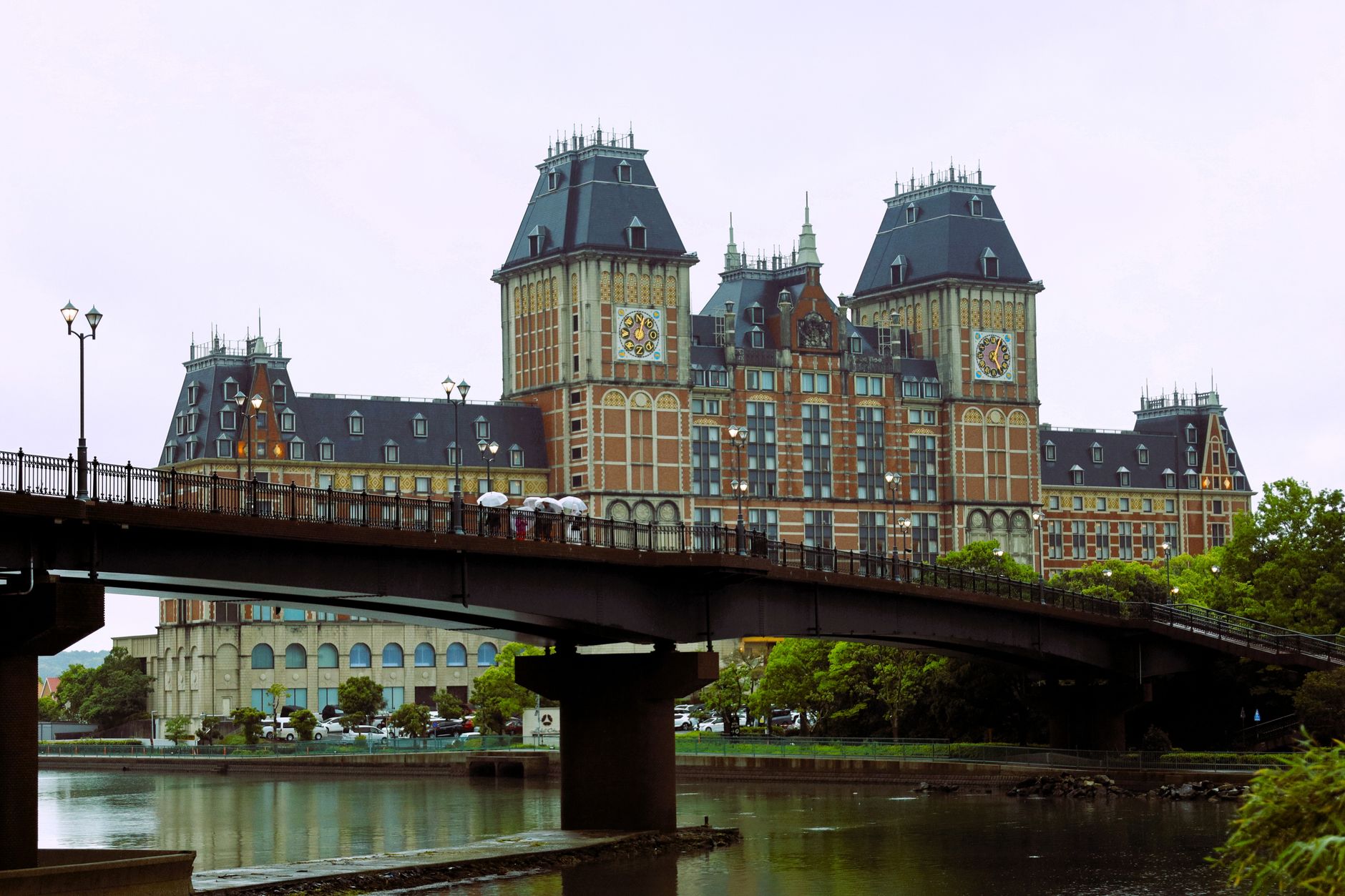
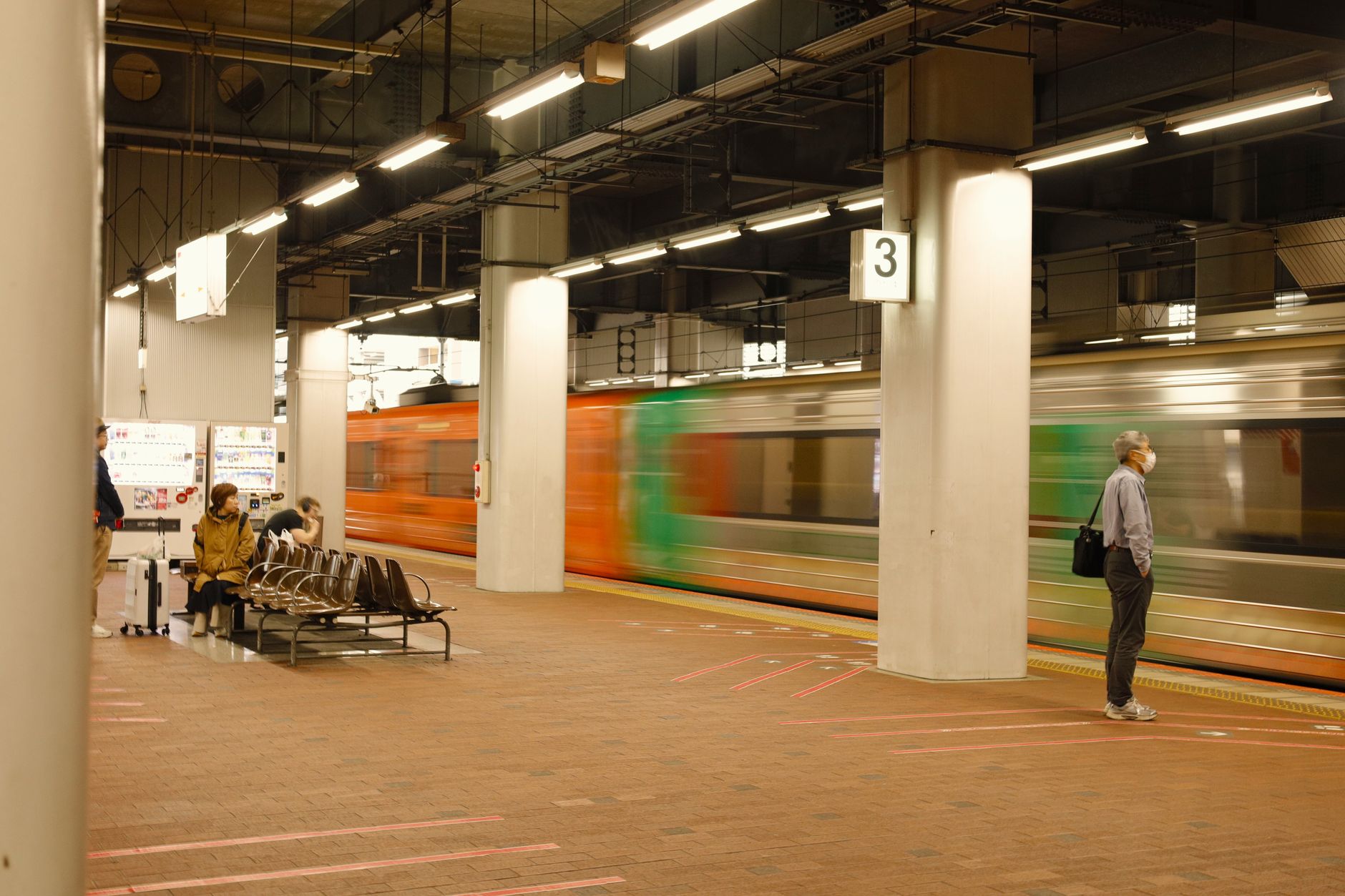
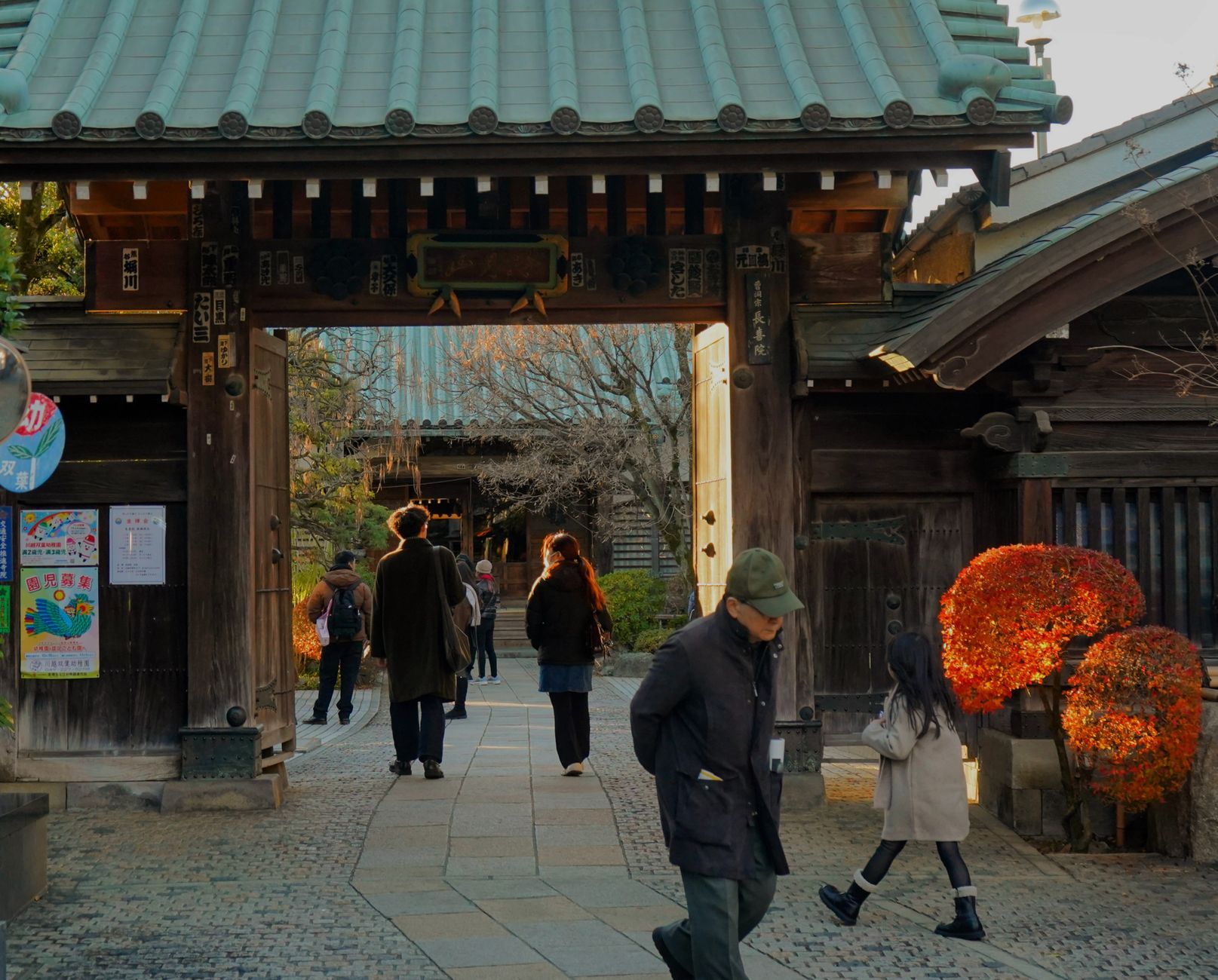
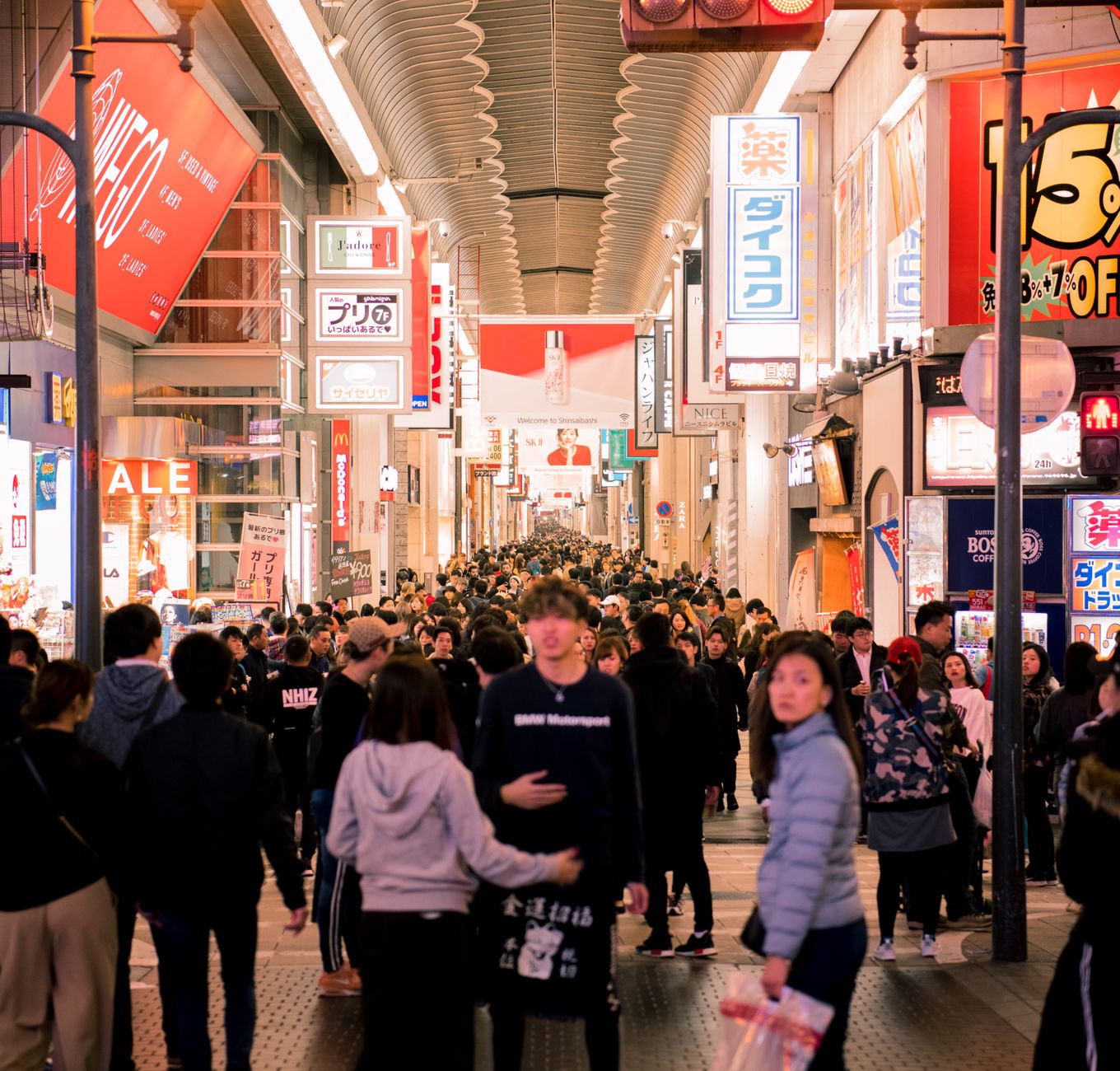
Fukuoka sits at Japan's southwestern edge, close enough to South Korea and China that it has always felt like a place where things arrive first — food styles, fashions, ideas. The city splits along an old fault line: Fukuoka, once the castle town, and Hakata, the trading port, merged officially in 1889 but never quite forgot their different personalities. You feel this layering everywhere, from the ancient stone ramparts of the castle to the mirrored triangle of Fukuoka Tower catching the sea light.
It moves at a pace that rewards wandering. The subway gets you from the airport to Hakata Station in five minutes, and from there the city opens outward — covered shopping arcades more than a century old, stepped garden terraces climbing the side of a concert hall, reclining Buddhas the size of small buildings.
💛 What travellers fall for
People who come back tend to mention the same things: eating tonkotsu ramen at a yatai street stall after midnight, timing a visit to Kushida-jinja for the Hakata Gion Yamakasa festival in July, and learning the hard way about the Meinohama subway boundary — tap your IC card past that point and you're on JR rails, which means a blocked gate on exit.
How Fukuoka came to be
The name Fukuoka dates to 1600, when daimyō Kuroda Nagamasa — rewarded after the Battle of Sekigahara — built his castle town here and named it after the Kuroda clan's ancestral district in Bizen Province. For centuries the castle precinct and the merchant port of Hakata coexisted as effectively two cities; their formal merger came only on April 1, 1889.
The ground beneath the city carries older memories. In 1274 and again in 1281, Mongol fleets targeted the port of Hakata, and Hakozaki Shrine — standing since AD 927 — was destroyed in the first invasion and swiftly rebuilt. Tochoji Temple, one of the oldest Zen temples in Japan, was established in 806. Dazaifu Tenmangu, founded in 905, still draws visitors to the shrine of the scholar Sugawara no Michizane on the city's eastern edge.
Who and what shaped it
People who shaped it
Landmark buildings
See Fukuoka in motion
Plan your visit
On the map
When to go
Summers are long, humid and hot — July and August are sticky enough to make midday sightseeing a test of will, though evening yatai culture thrives in the heat. Spring (March to May) and autumn (October to November) are the most comfortable seasons, with mild temperatures and, in spring, cherry blossom in Ohori Park. Winters are mild by Japanese standards but carry a damp chill from the sea.
Right now
Background & history adapted from Wikipedia (CC BY-SA) · specs from Wikidata (CC0) · weather from Open-Meteo · map data © OpenStreetMap contributors · photos from Wikimedia Commons / Unsplash with per-image credit. No third-party reviews or social posts reproduced.