
Hiroshima
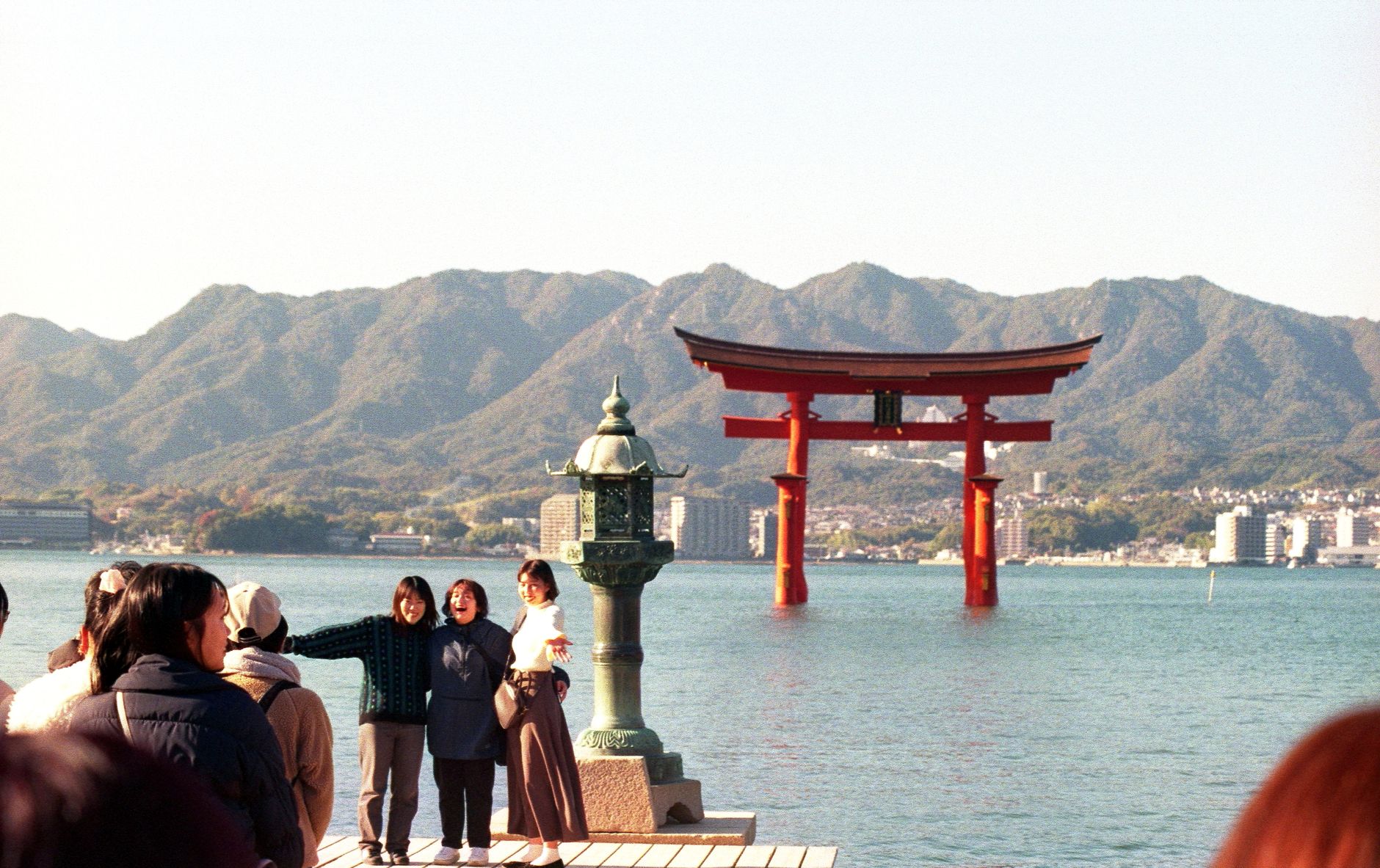
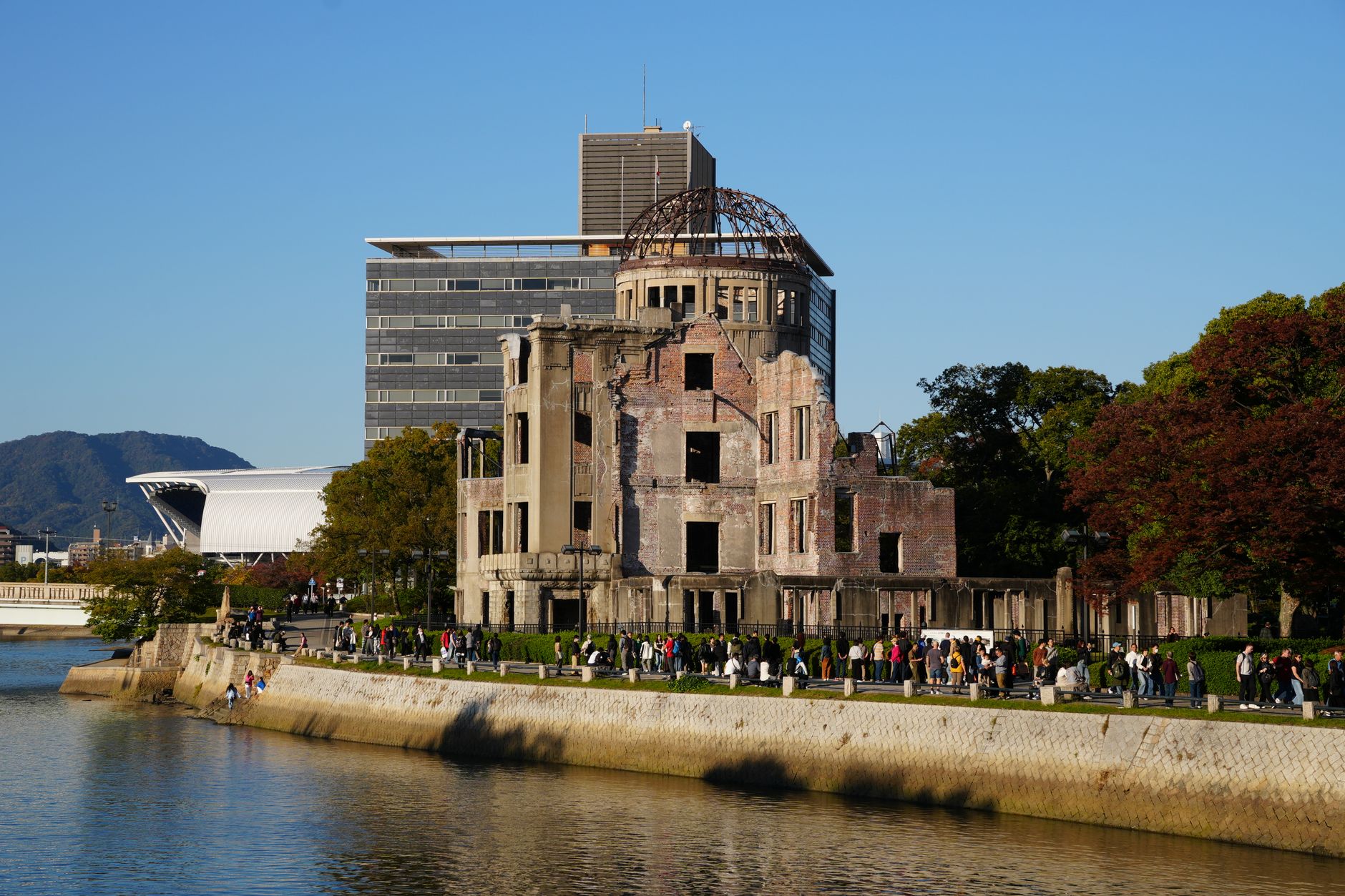
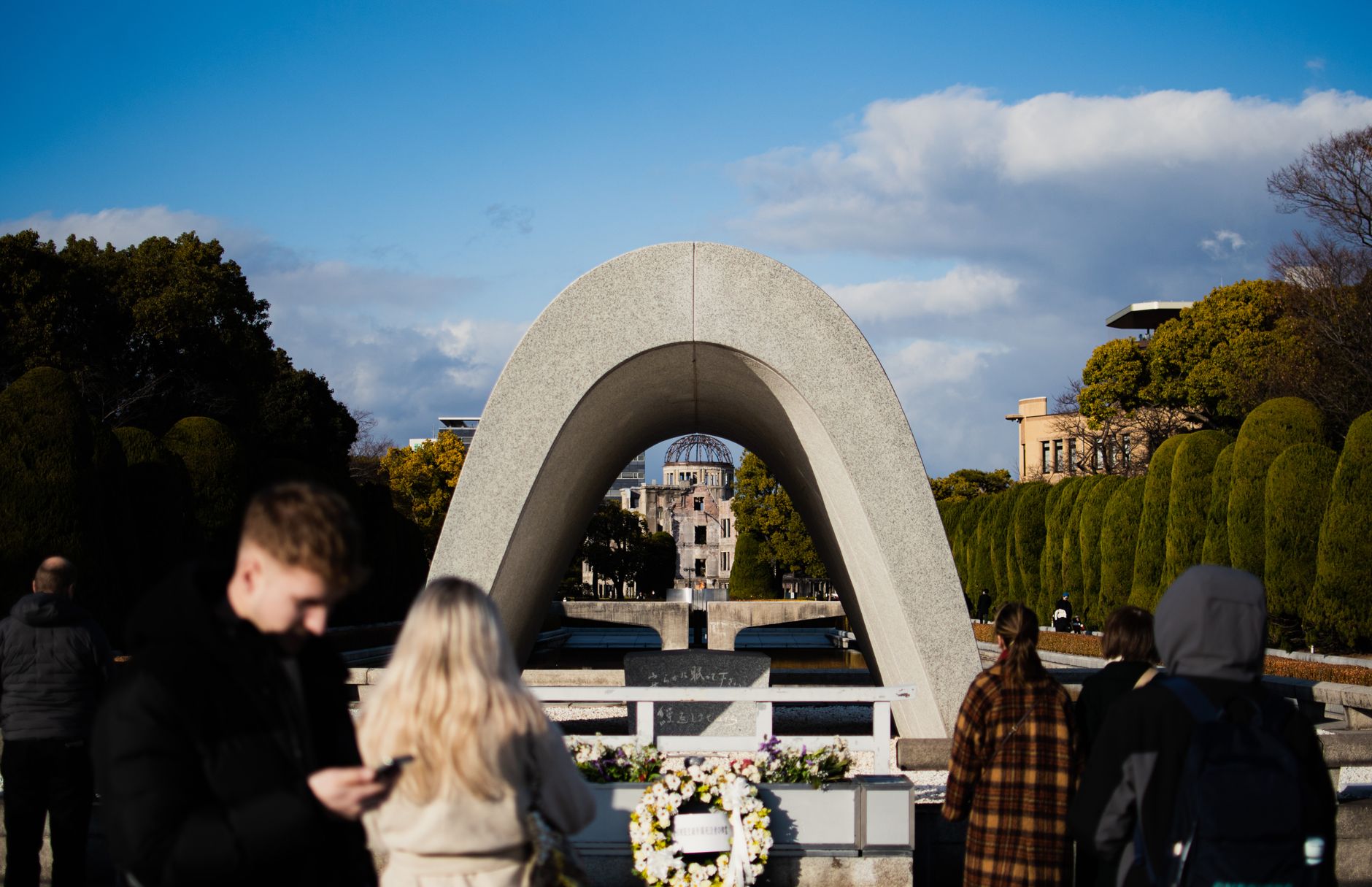
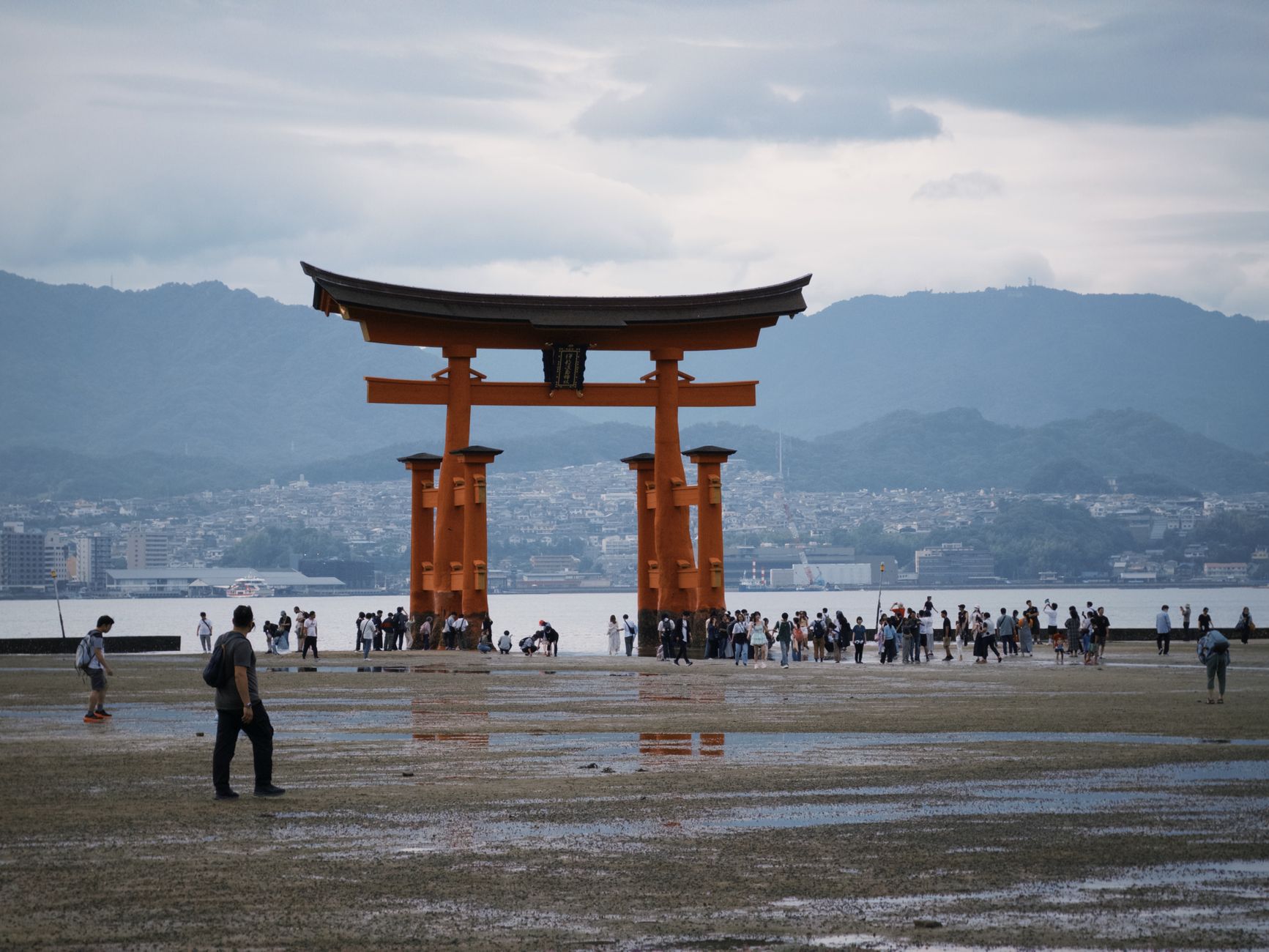
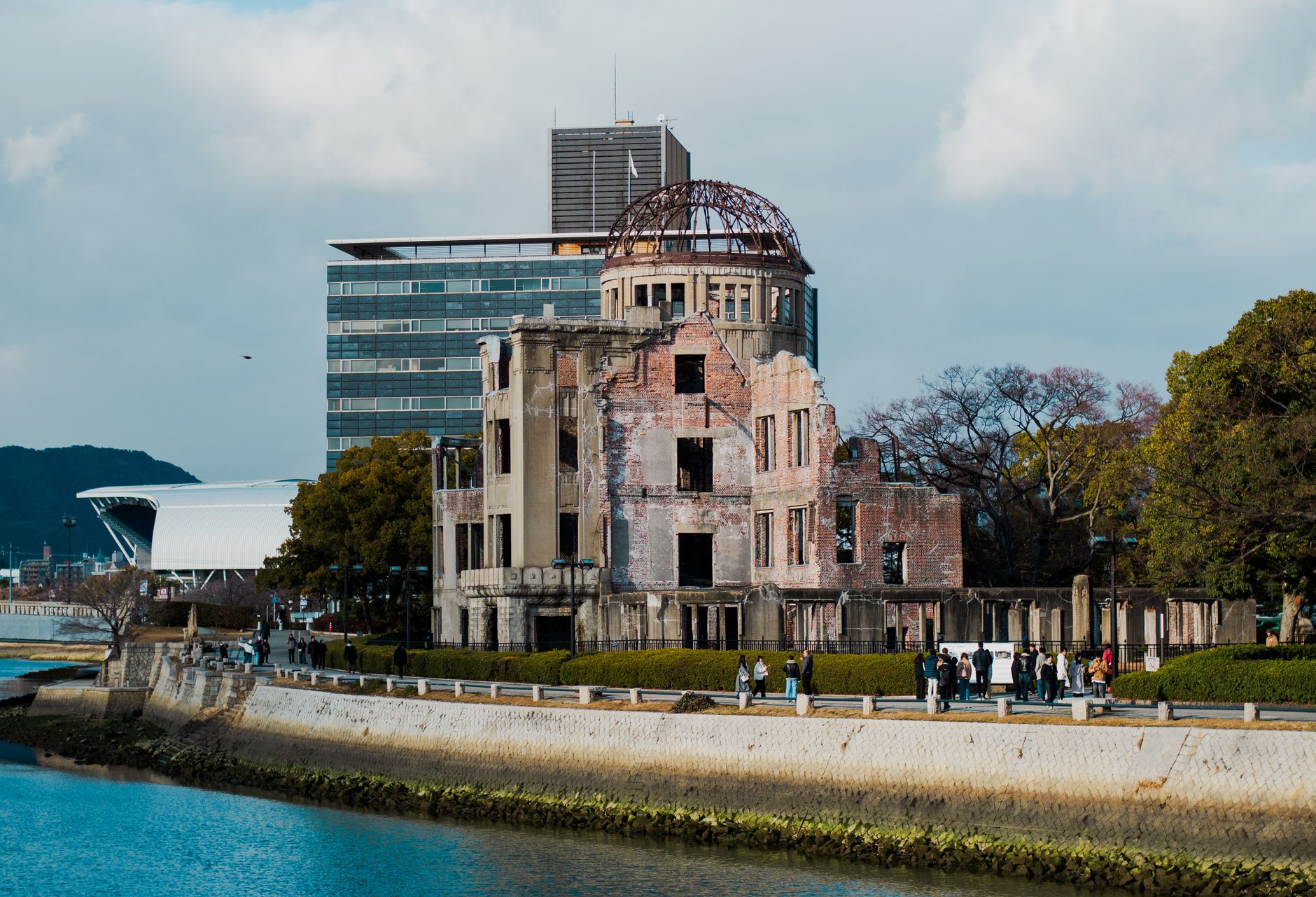
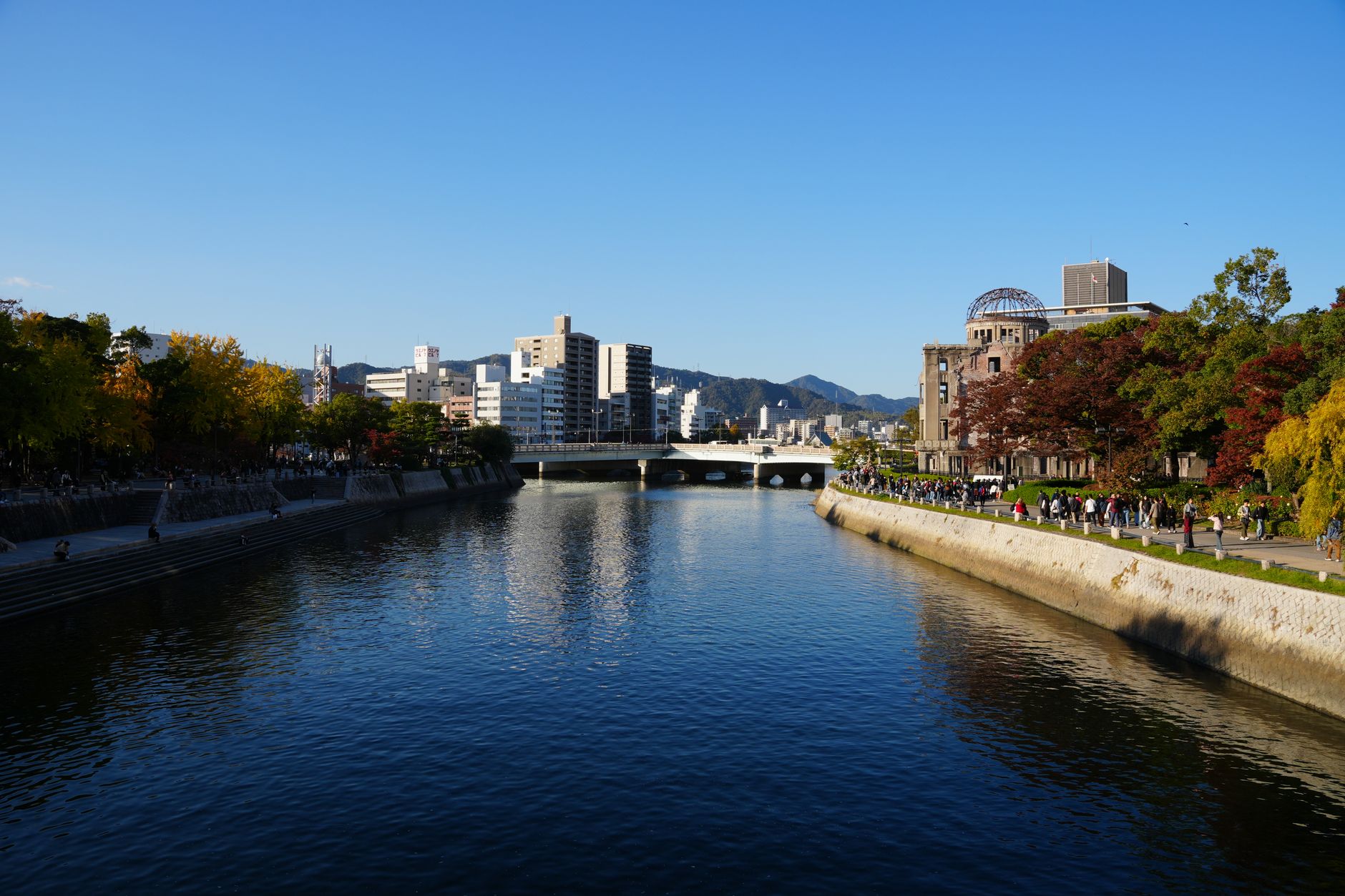
Hiroshima was founded in 1589 on the Ōta River delta, a castle town built on flat, marshy ground that would shape both its vulnerability and its eventual reconstruction. The city carries August 6, 1945 in its bones — not as a wound it can't move past, but as something it has chosen to face directly, in stone and water and carefully kept names.
The Peace Memorial Park sits at the epicenter of that morning, and the Atomic Bomb Dome still stands 160 meters from where the detonation occurred. But Hiroshima is also a working, lived-in city — trams running, covered shopping arcades, the castle rebuilt in 1958, the rivers crossed by bridges that Isamu Noguchi shaped into something quietly beautiful.
Popular cities in Hiroshima

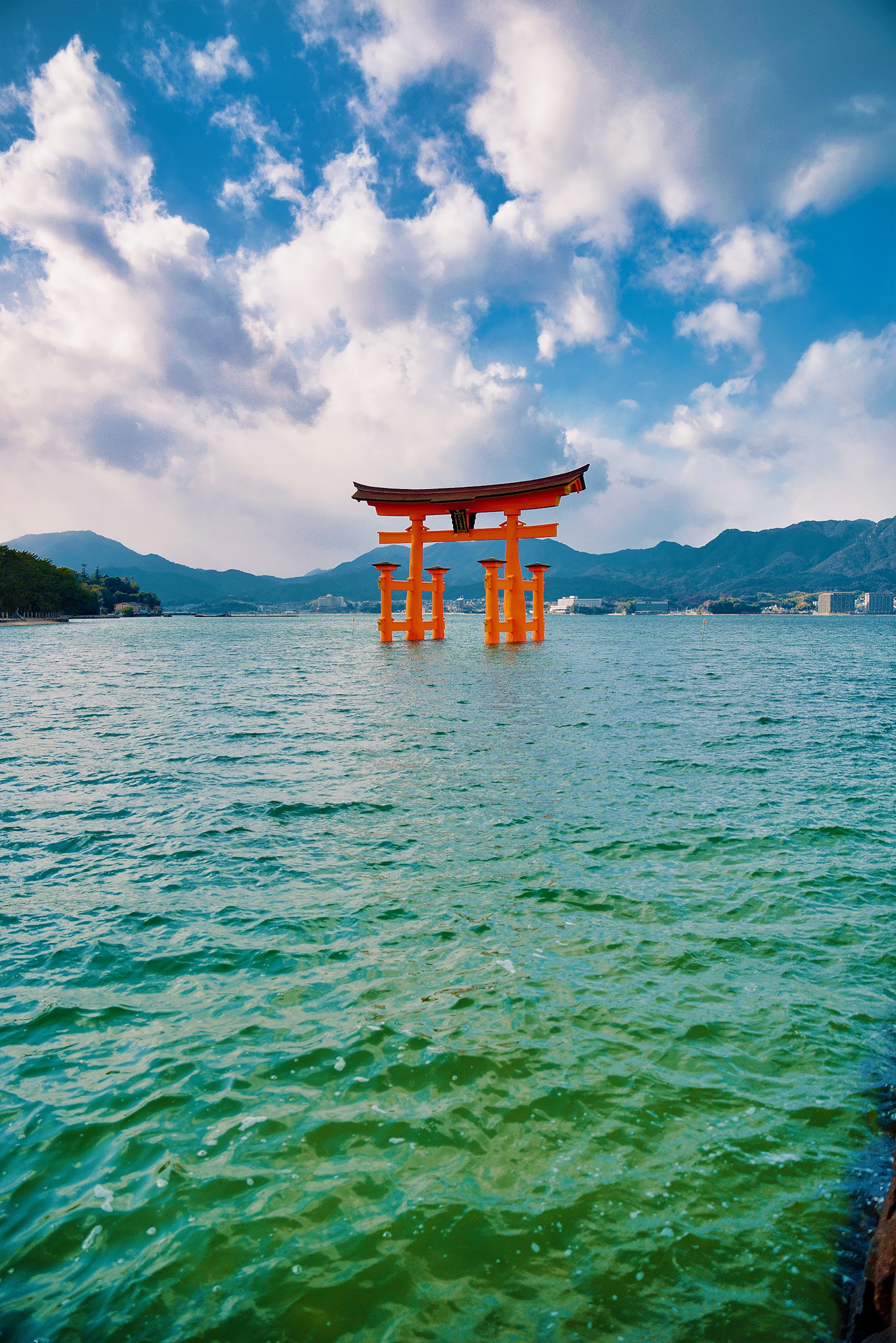
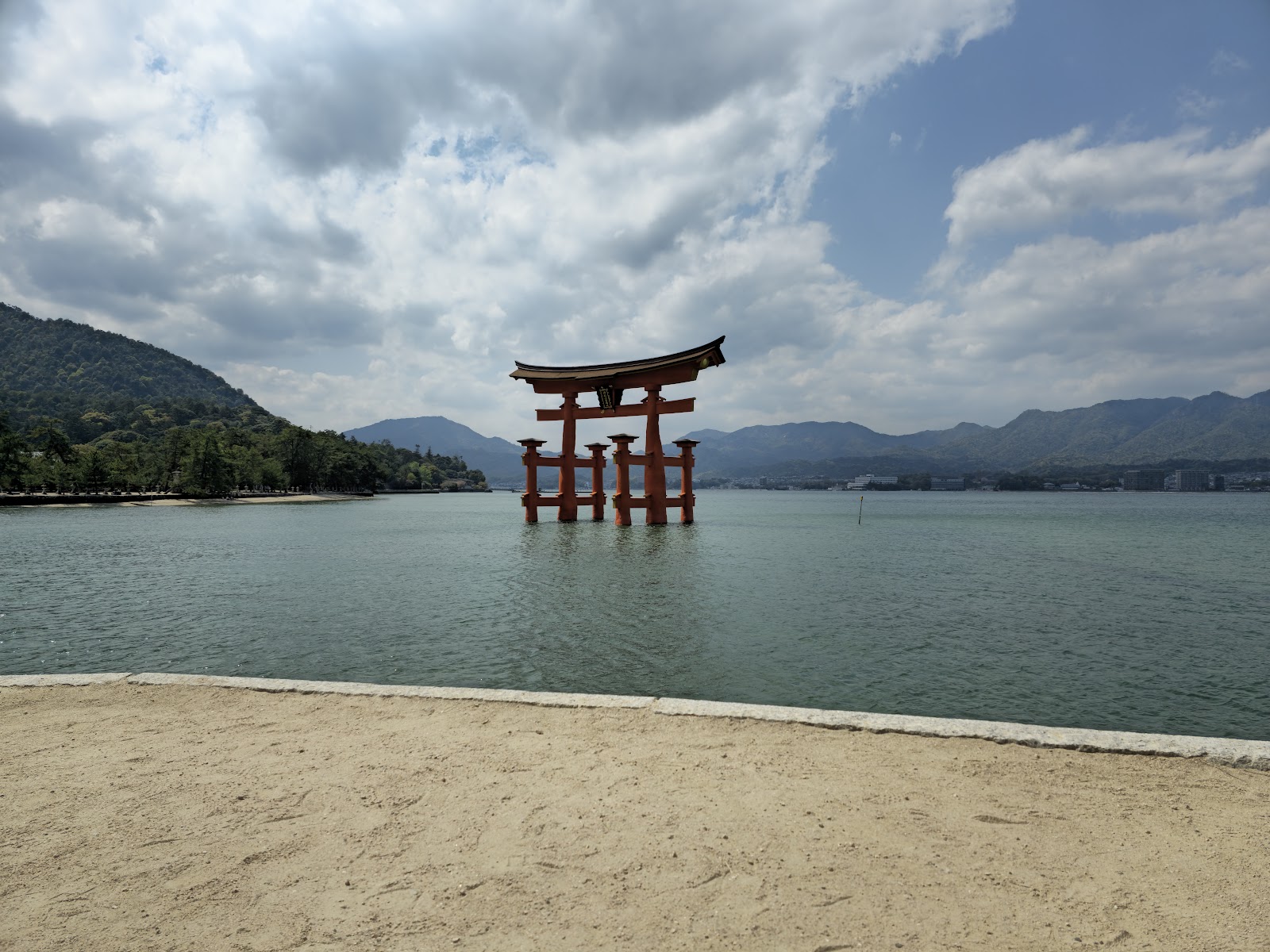
💛 What travellers fall for
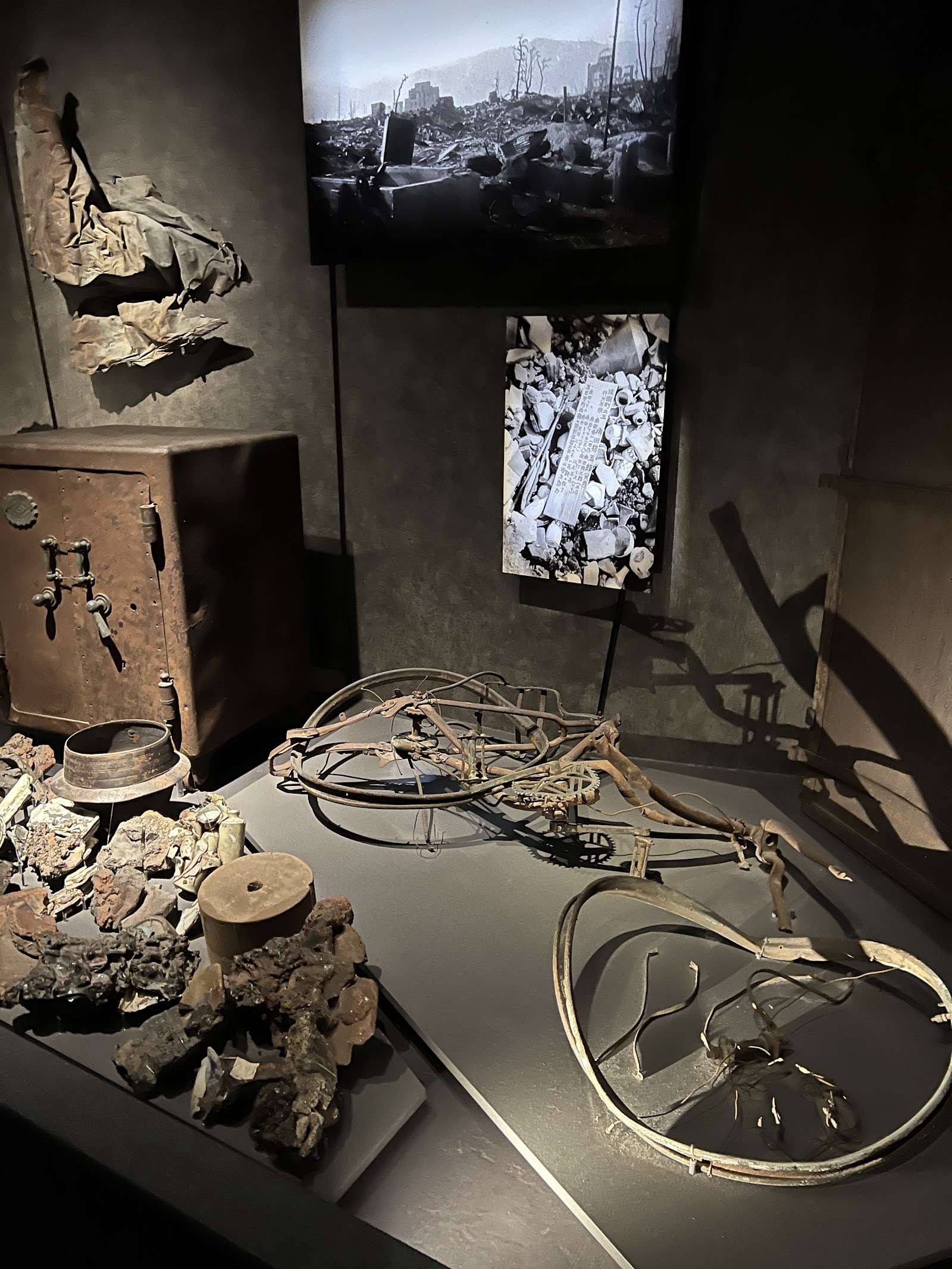
People who return tend to come back for the museum rather than around it. The East Wing's projection displays reward a second visit, and arriving mid-morning on any day outside August sidesteps the crowds entirely. The tram from Hiroshima Station — line 2 or 6 to Genbaku-Domu-mae — is the right way in: unhurried, and it drops you at the river.
How Hiroshima came to be
Mōri Terumoto founded Hiroshima in 1589, building his castle on the Ōta River delta and giving the city both its name and its grid. The Asano clan took over in 1619 and governed for two and a half centuries. After the Meiji Restoration, the city industrialized quickly and became a significant military center — Emperor Meiji directed operations from Hiroshima Castle during the First Sino-Japanese War in 1894–95.
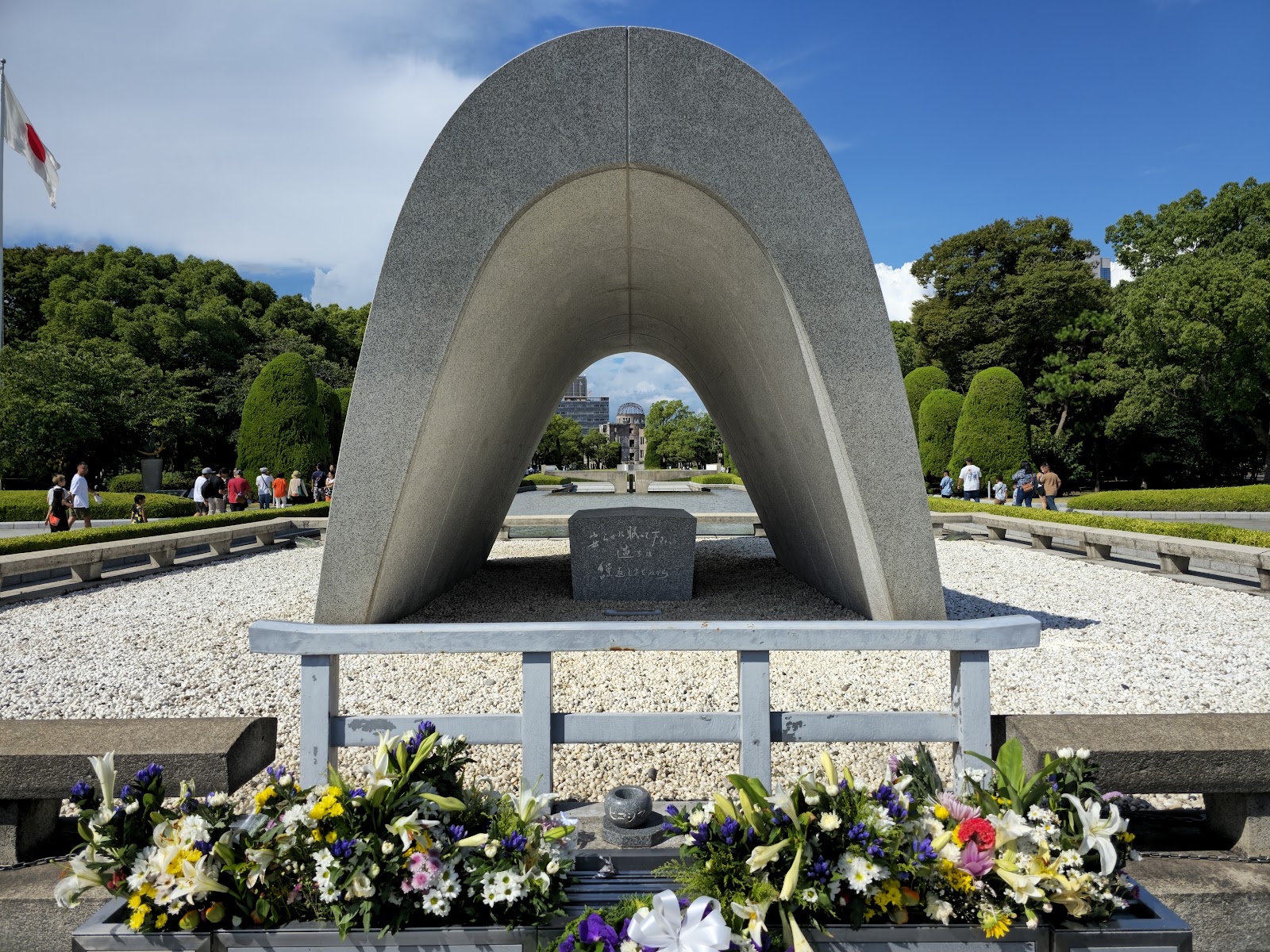
On August 6, 1945, at 8:15 in the morning, a single bomb killed between 90,000 and 166,000 people by the year's end. Four years later, Mayor Shinzo Hamai pushed through a parliamentary designation: Hiroshima would become a City of Peace. The Peace Memorial Park was established in 1954, the museum opened in 1955, and the Cenotaph — a stone chest holding over 220,000 names — was dedicated on August 6, 1952.
Who and what shaped it
People who shaped it
Landmark buildings
See Hiroshima in motion
Plan your visit
On the map
When to go
Summers are hot and humid, with August temperatures regularly above 33°C; the park offers little shade, so mornings are essential. Spring (March to May) and autumn (October to November) bring mild days and are the easiest times to spend long hours outdoors. Winter is cool but rarely severe.
Right now
↡ Attractions
Background & history adapted from Wikipedia (CC BY-SA) · specs from Wikidata (CC0) · weather from Open-Meteo · map data © OpenStreetMap contributors · photos from Wikimedia Commons / Unsplash with per-image credit. No third-party reviews or social posts reproduced.