
Kyoto
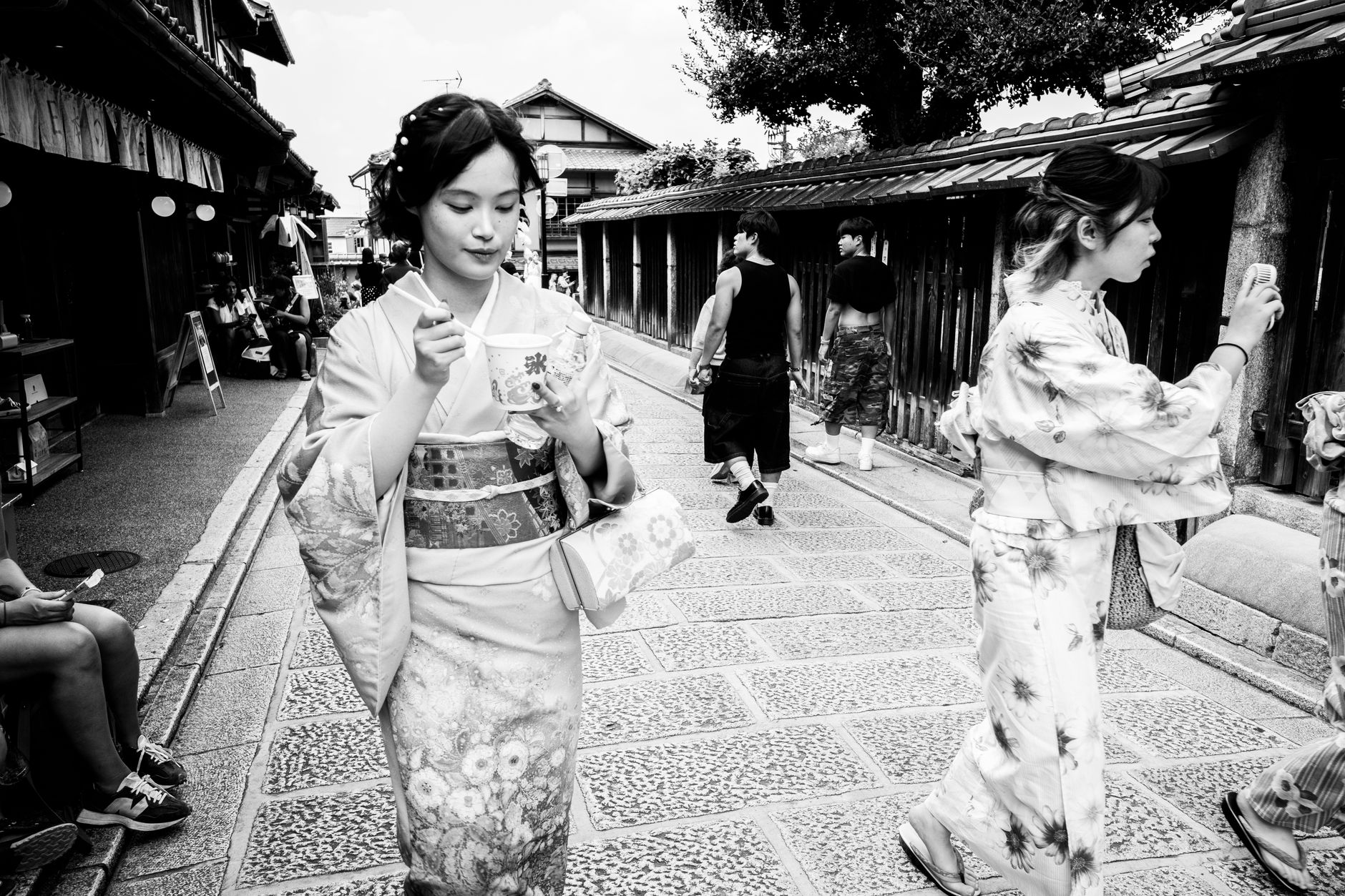
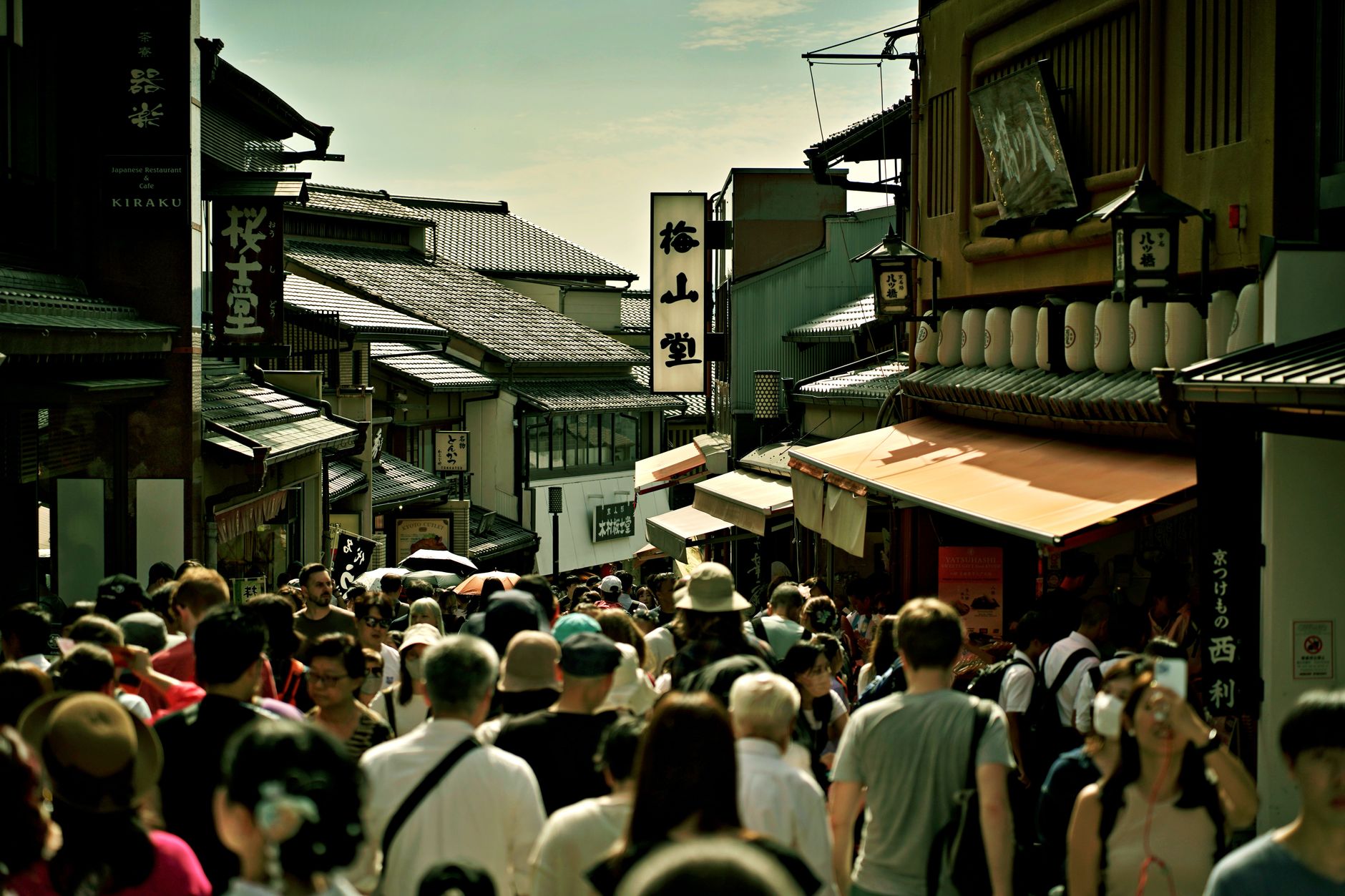
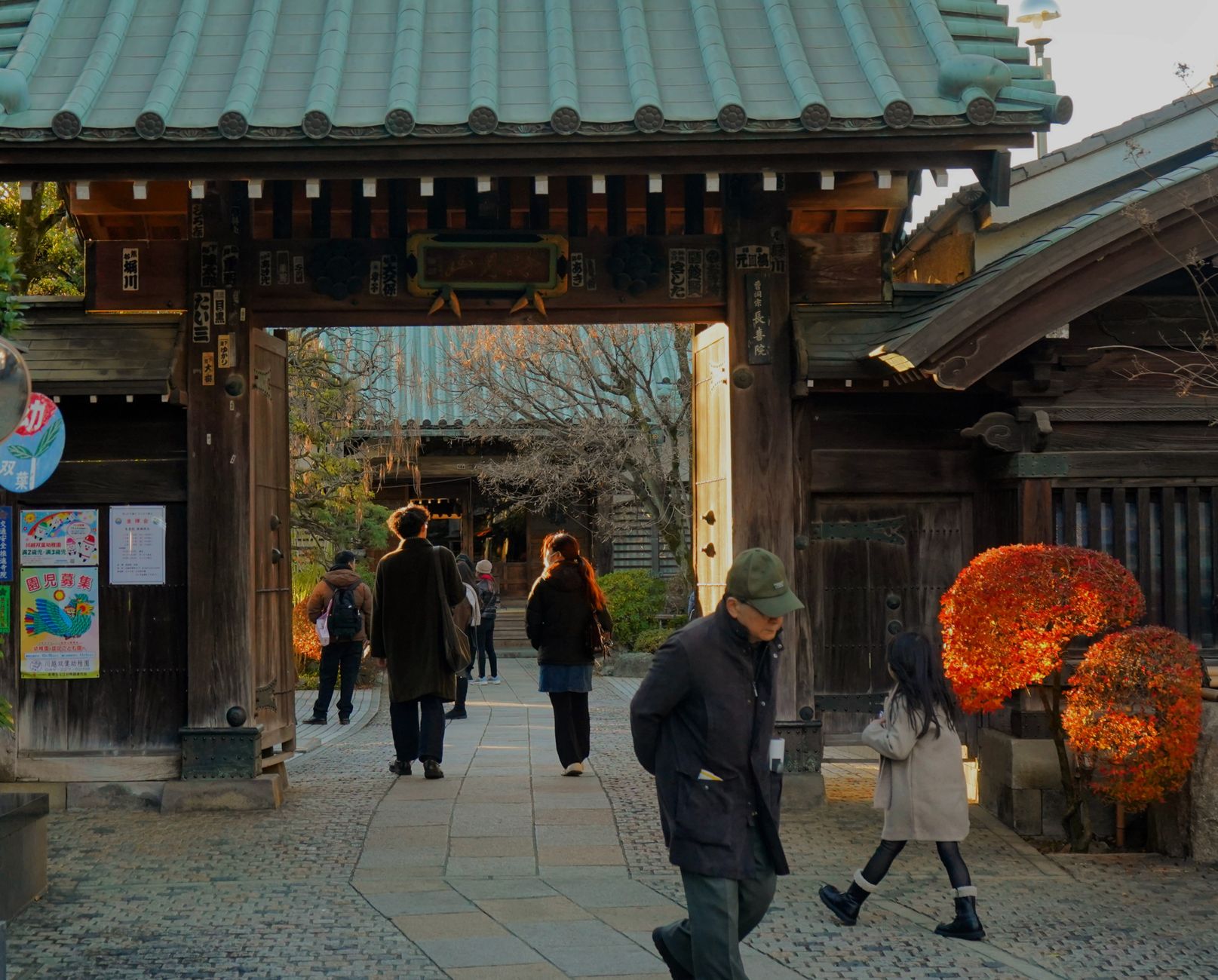
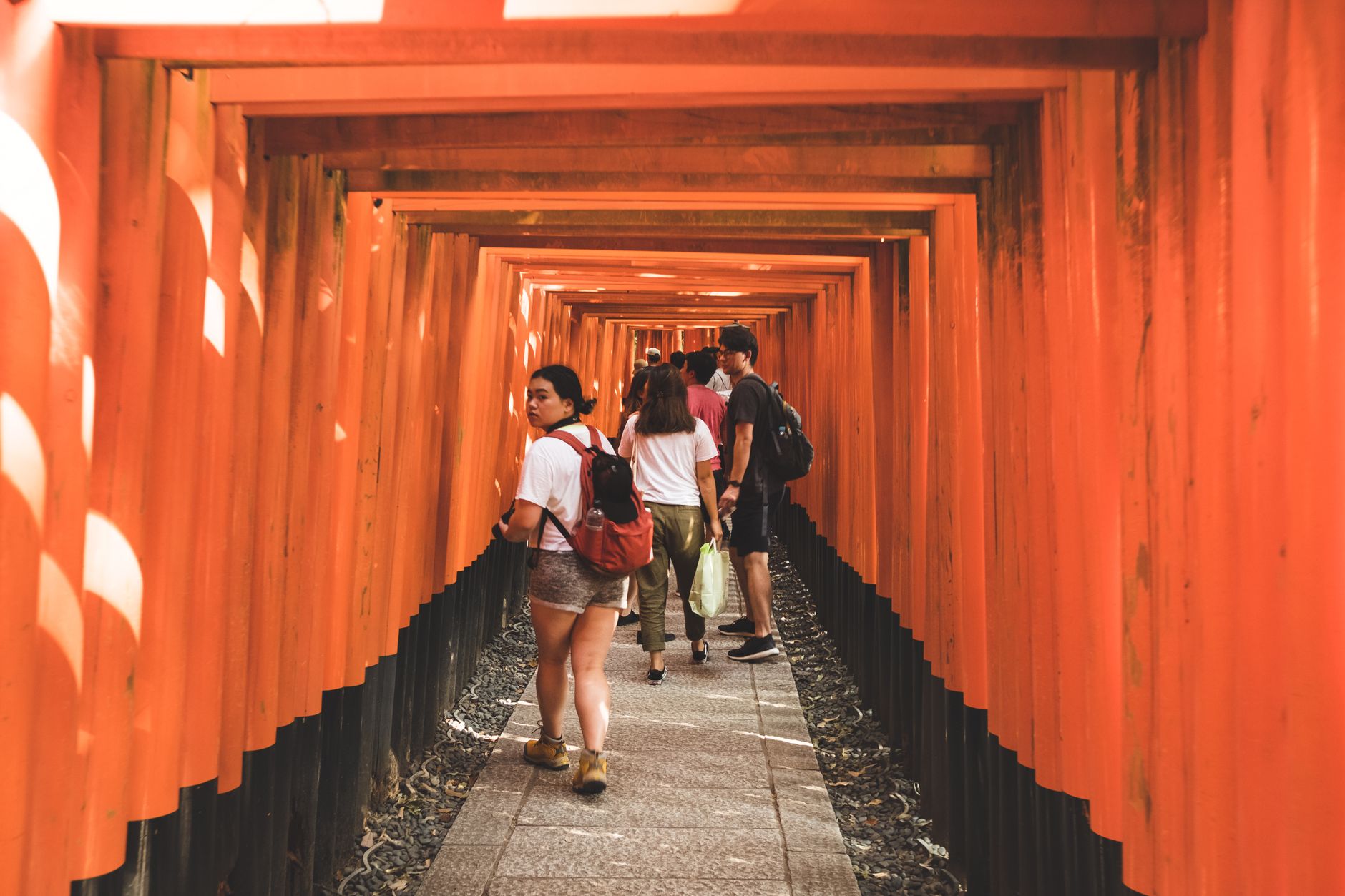
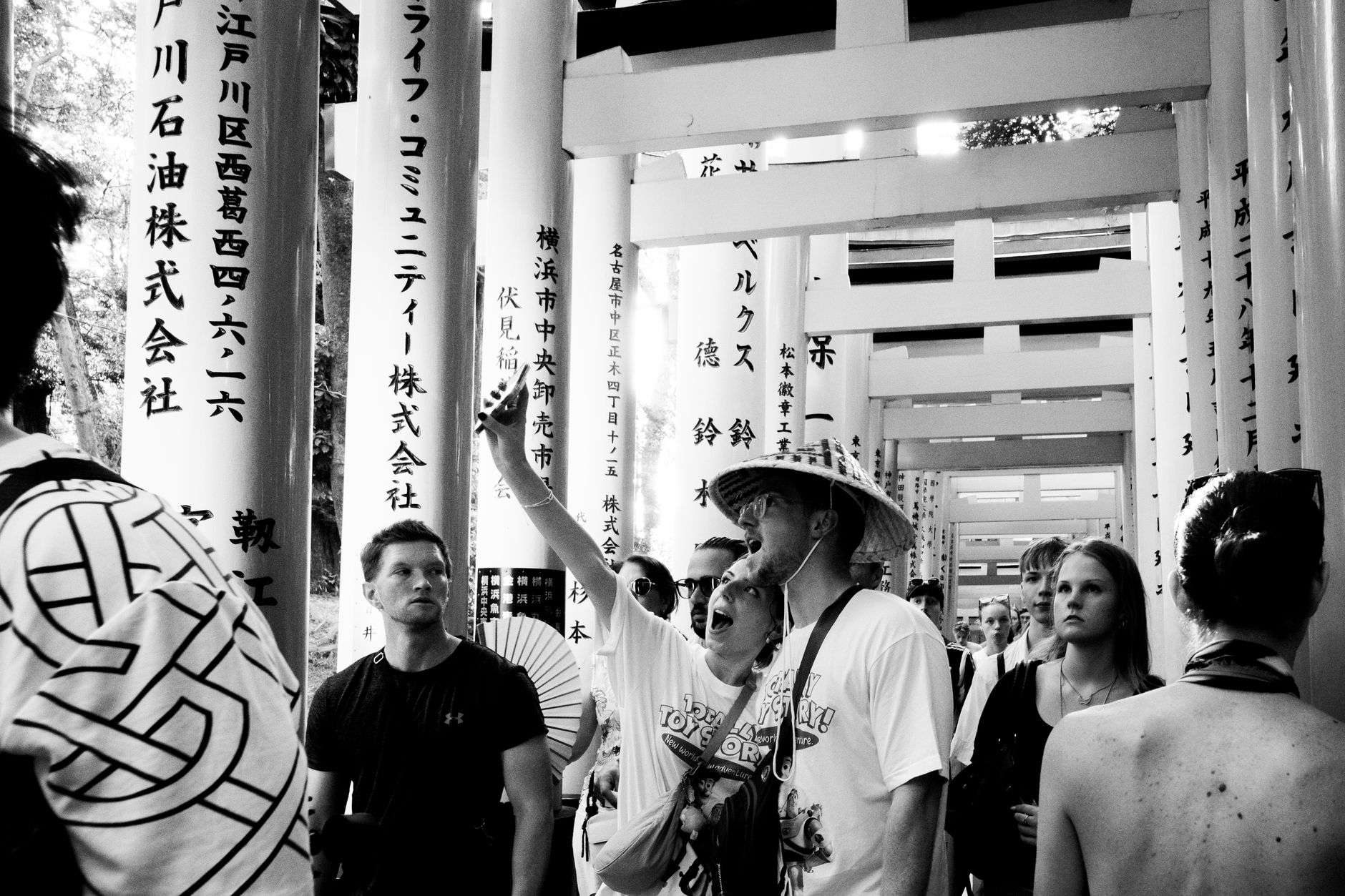
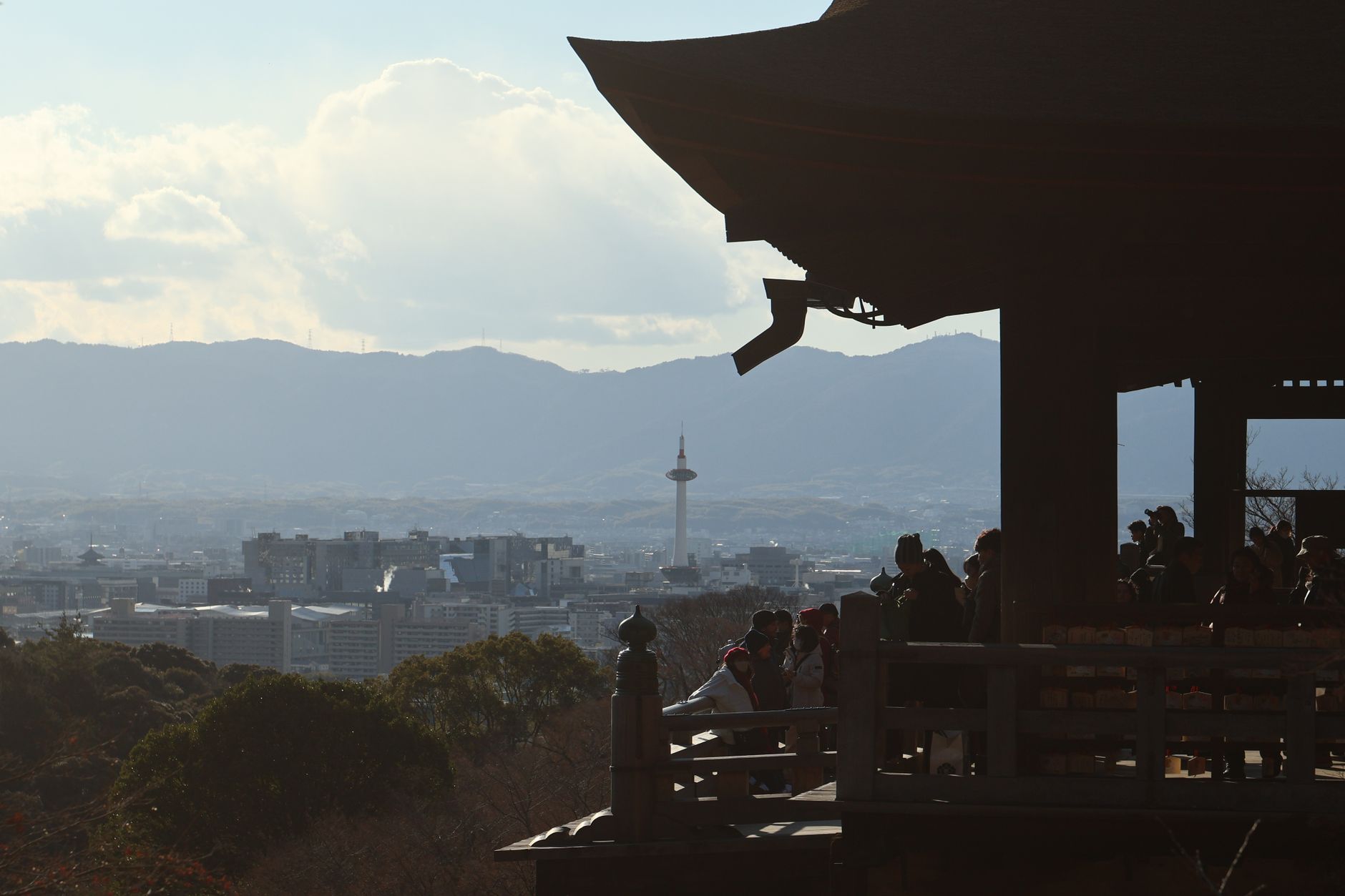
Kyoto held the Japanese imperial court for over a thousand years, and that weight is still visible in the streetscape — in the timber-framed machiya townhouses, the gravel gardens raked into perfect furrows, the five-storey pagoda at Tō-ji whose silhouette has marked the city's southern gate since 794. Seventeen UNESCO World Heritage sites sit within its boundaries, from the moss garden at Saihō-ji to the rock arrangement at Ryōan-ji, where fifteen stones are laid across white sand in a configuration that has resisted definitive explanation for centuries.
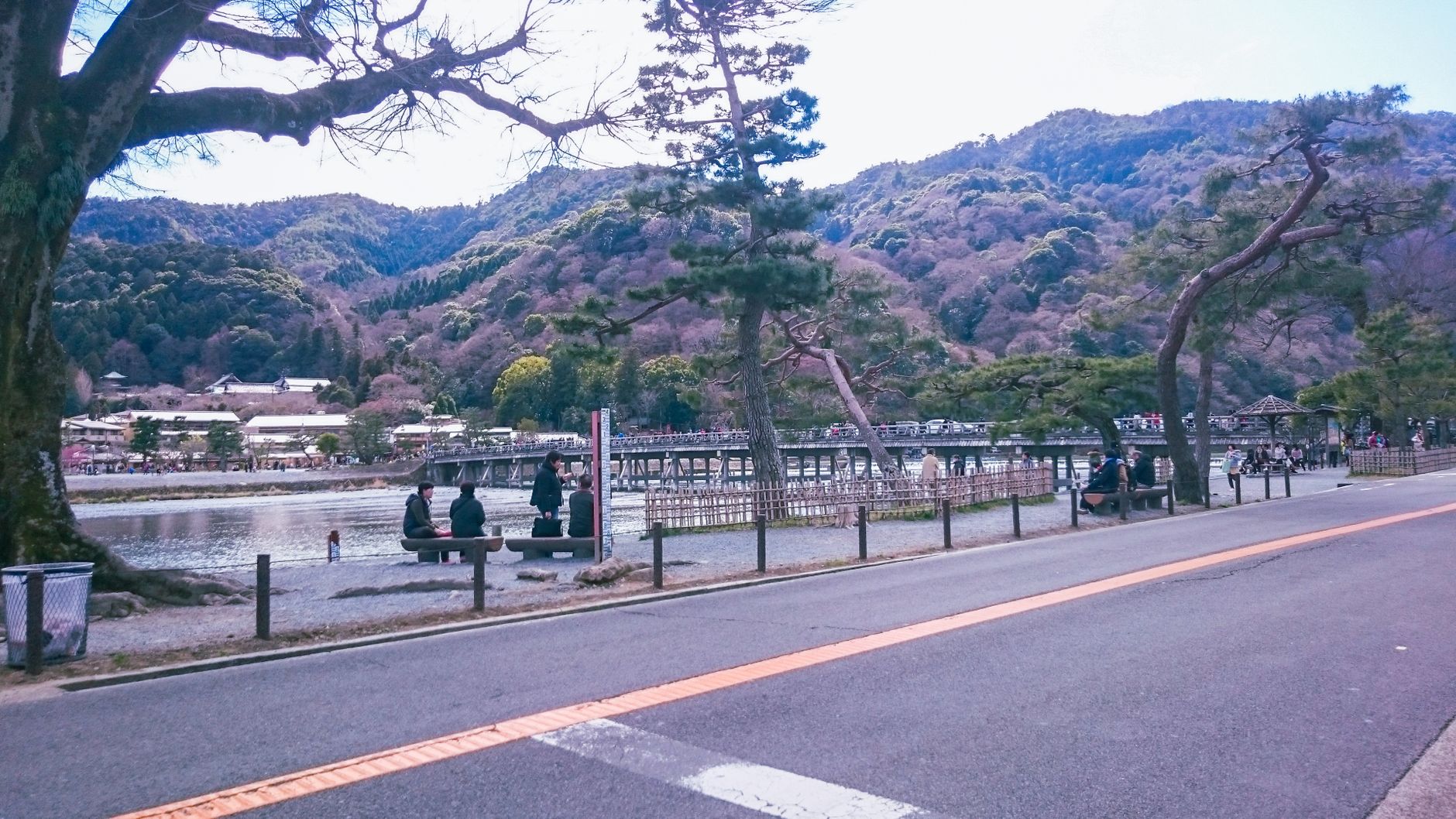
This is a city that rewards slowing down. A single neighbourhood — Higashiyama, Arashiyama, the canal streets of Fushimi — can absorb a full day without effort. Come with a loose plan and a willingness to follow a stone path to wherever it ends.
Popular cities in Kyoto
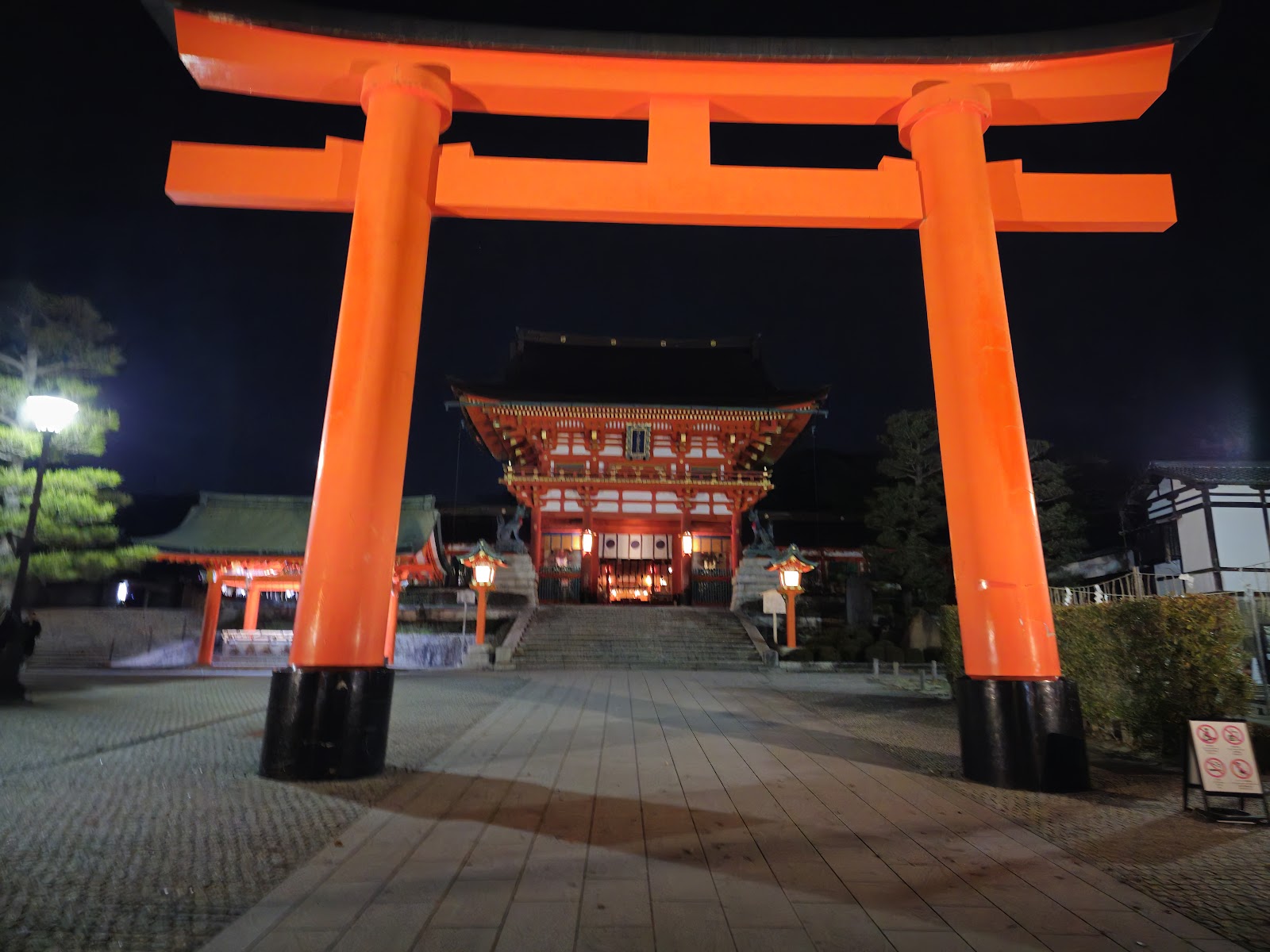
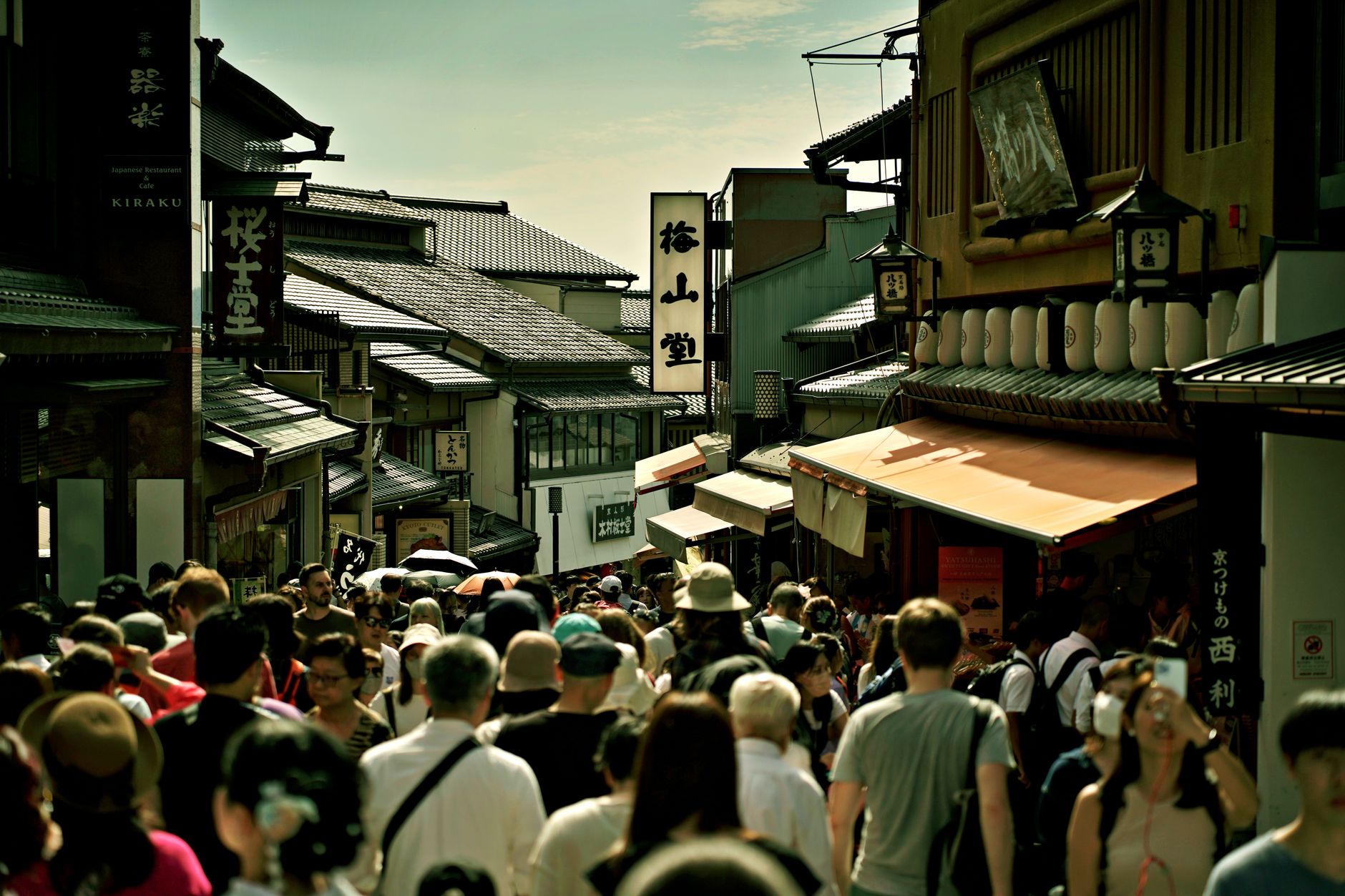
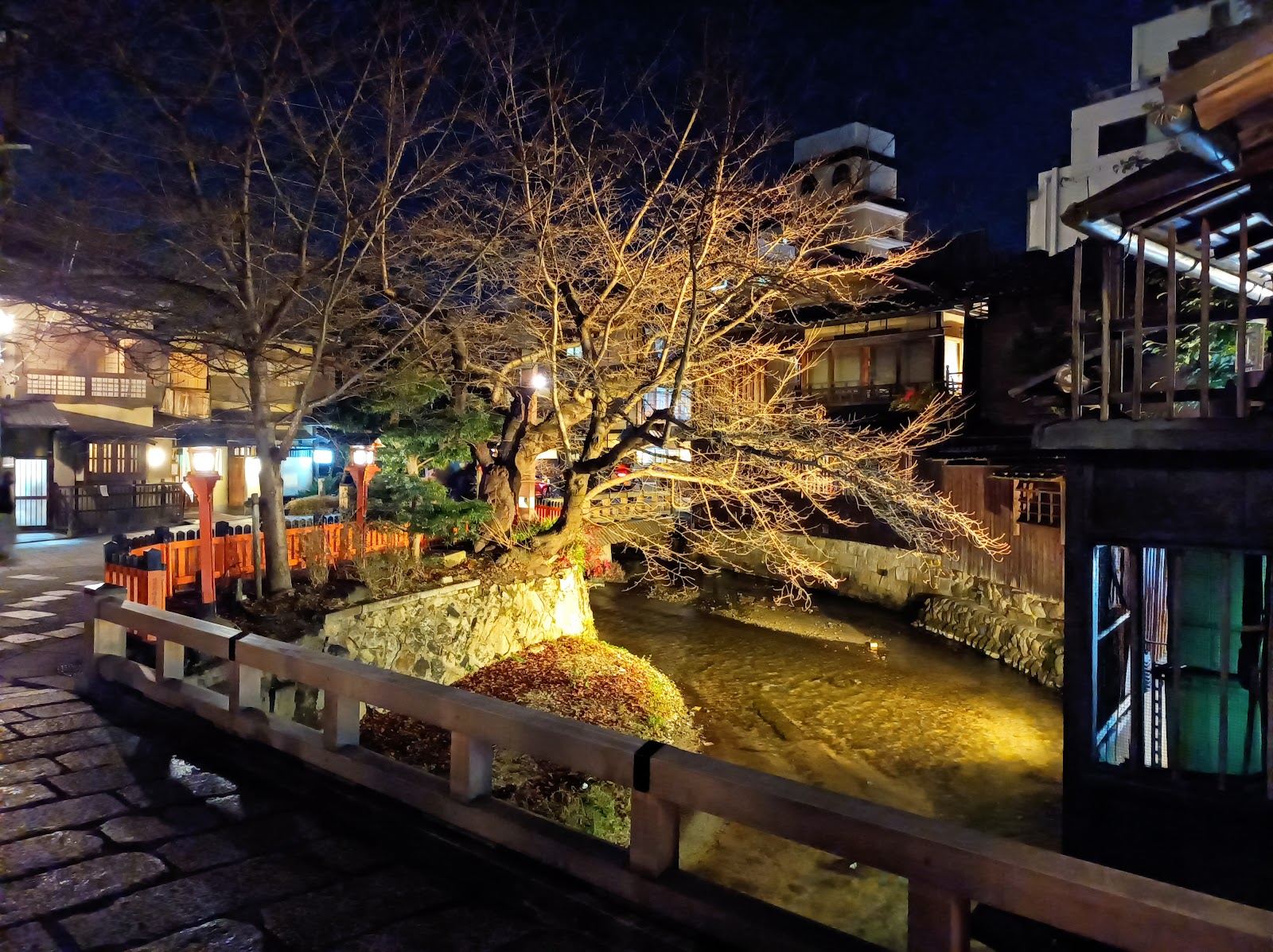
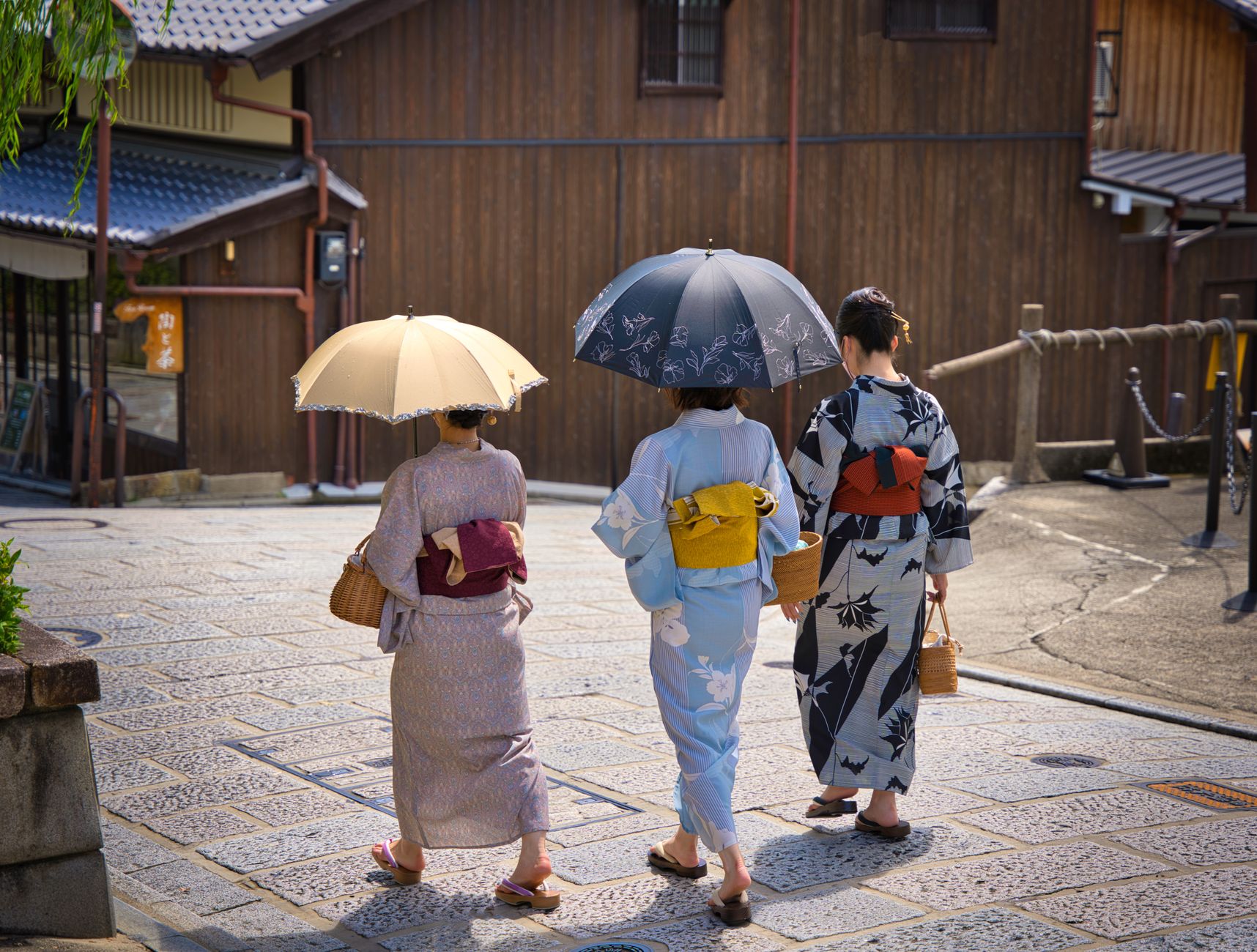
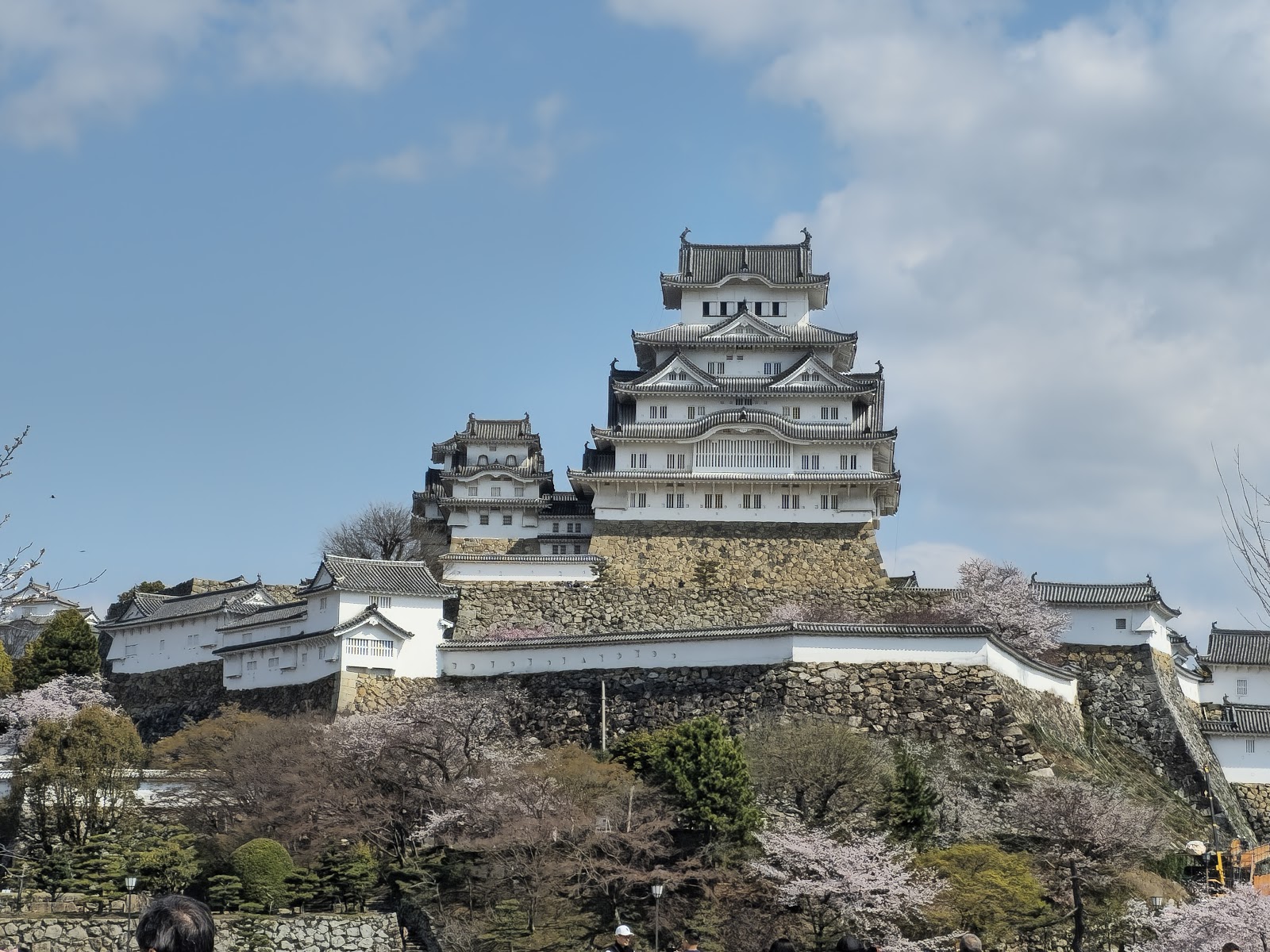
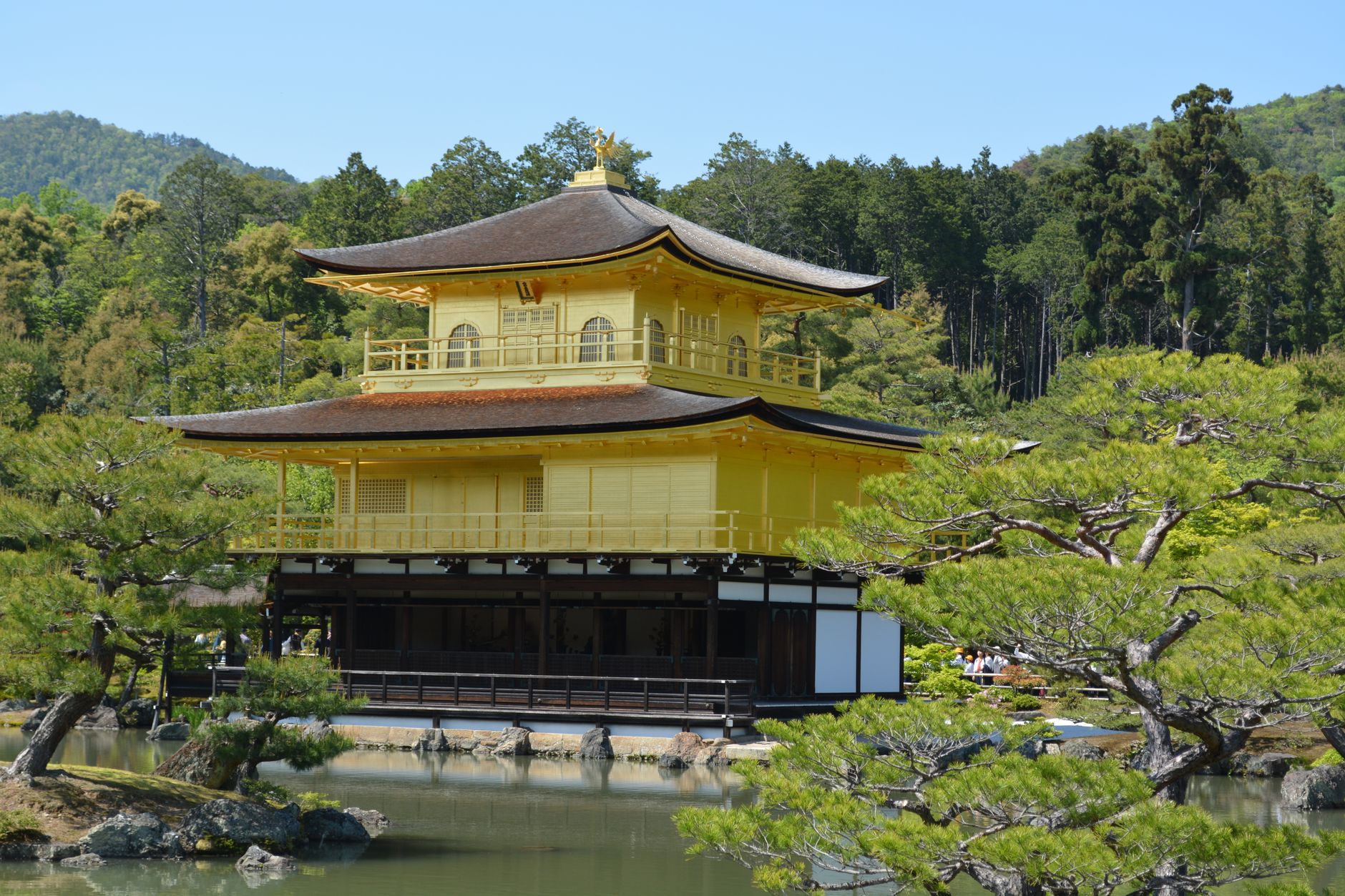
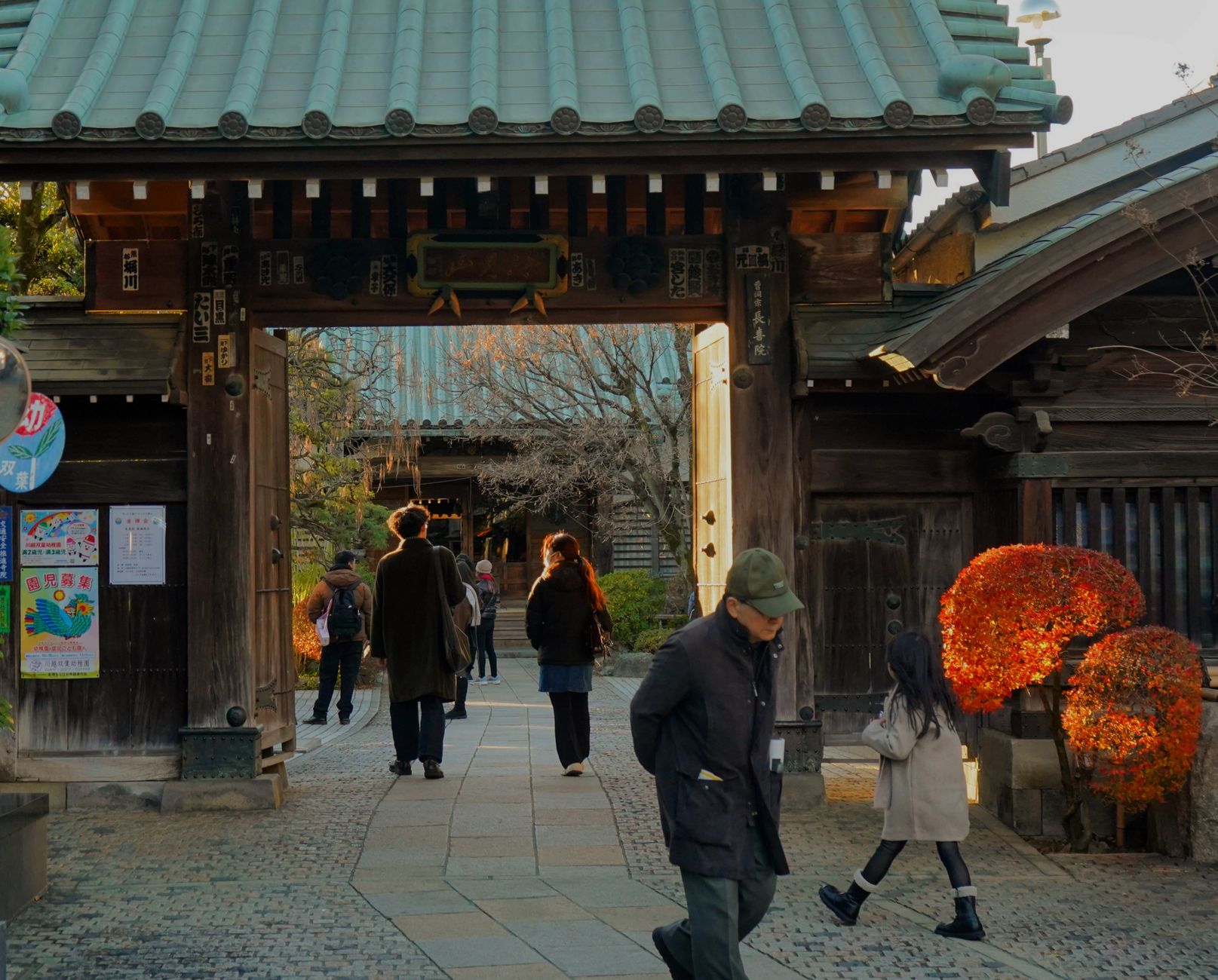
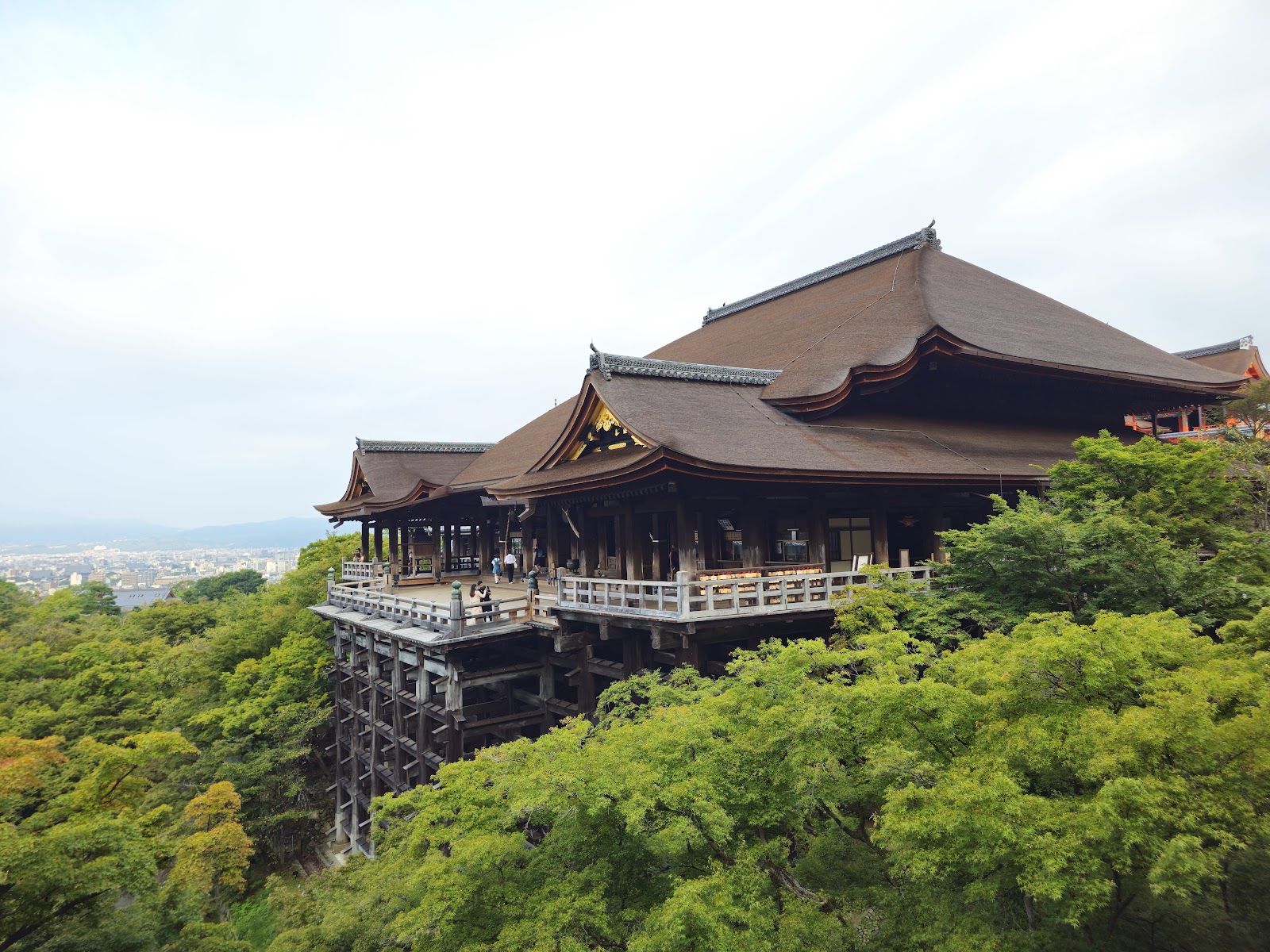
💛 What travellers fall for
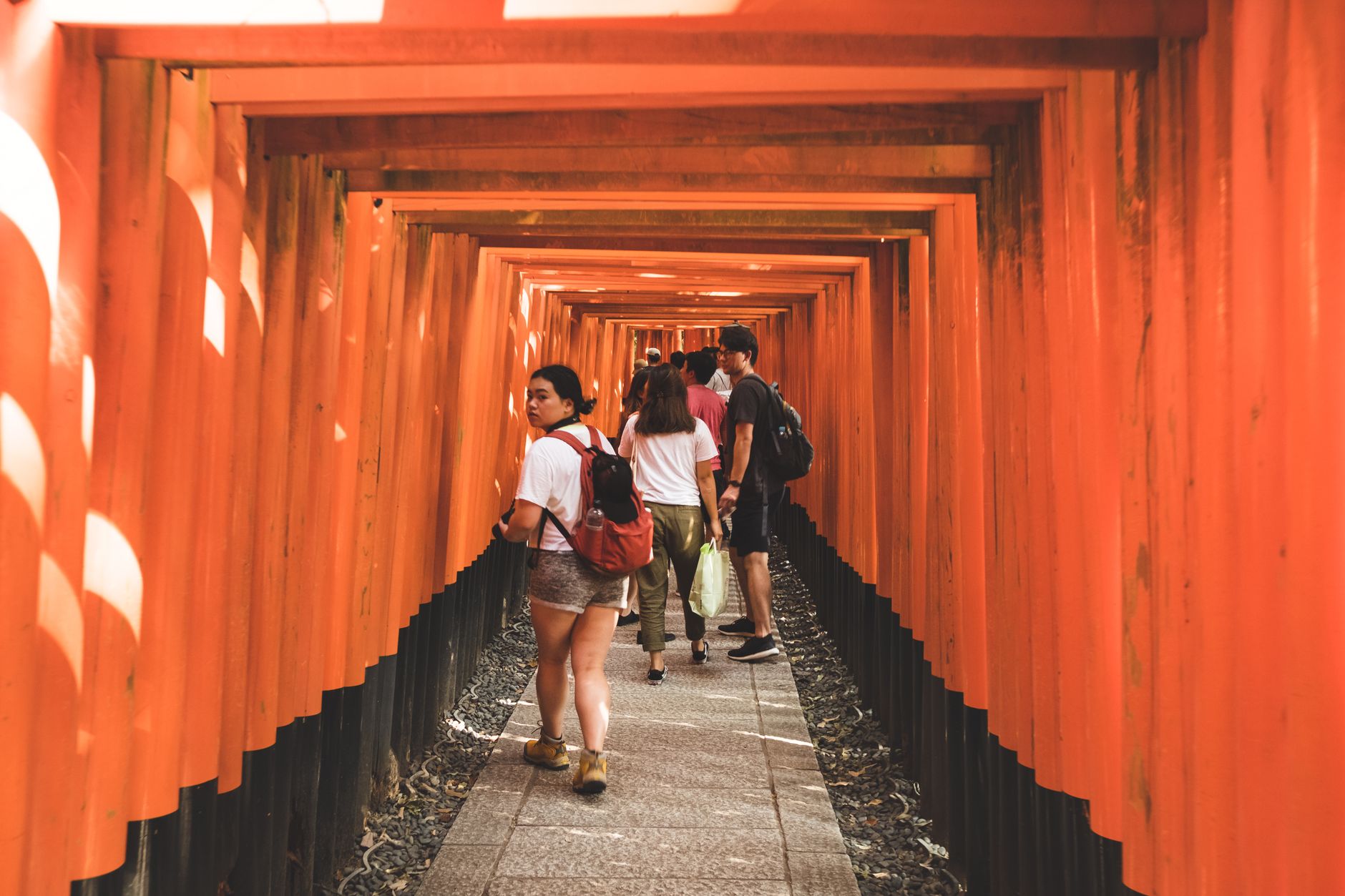
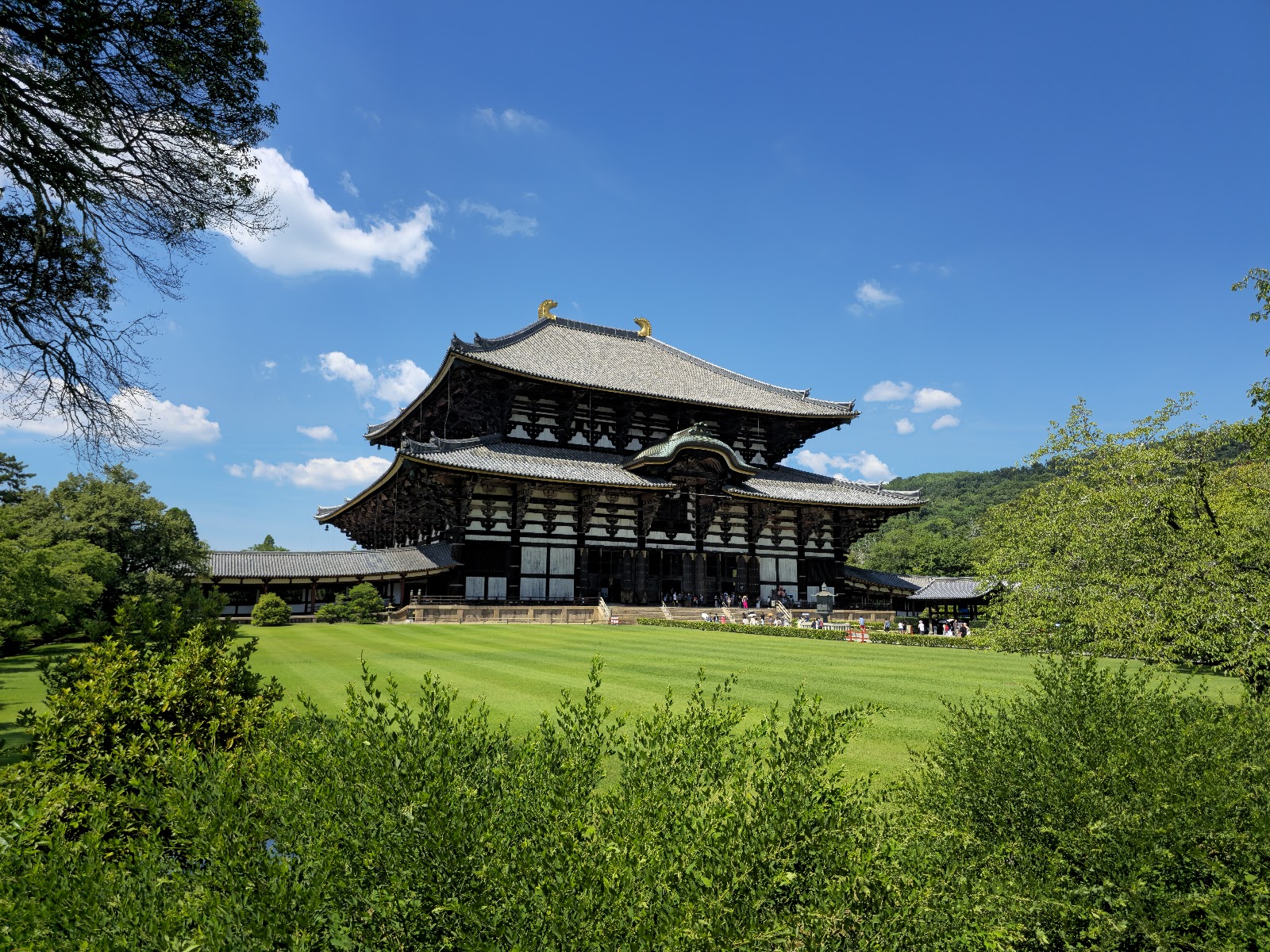
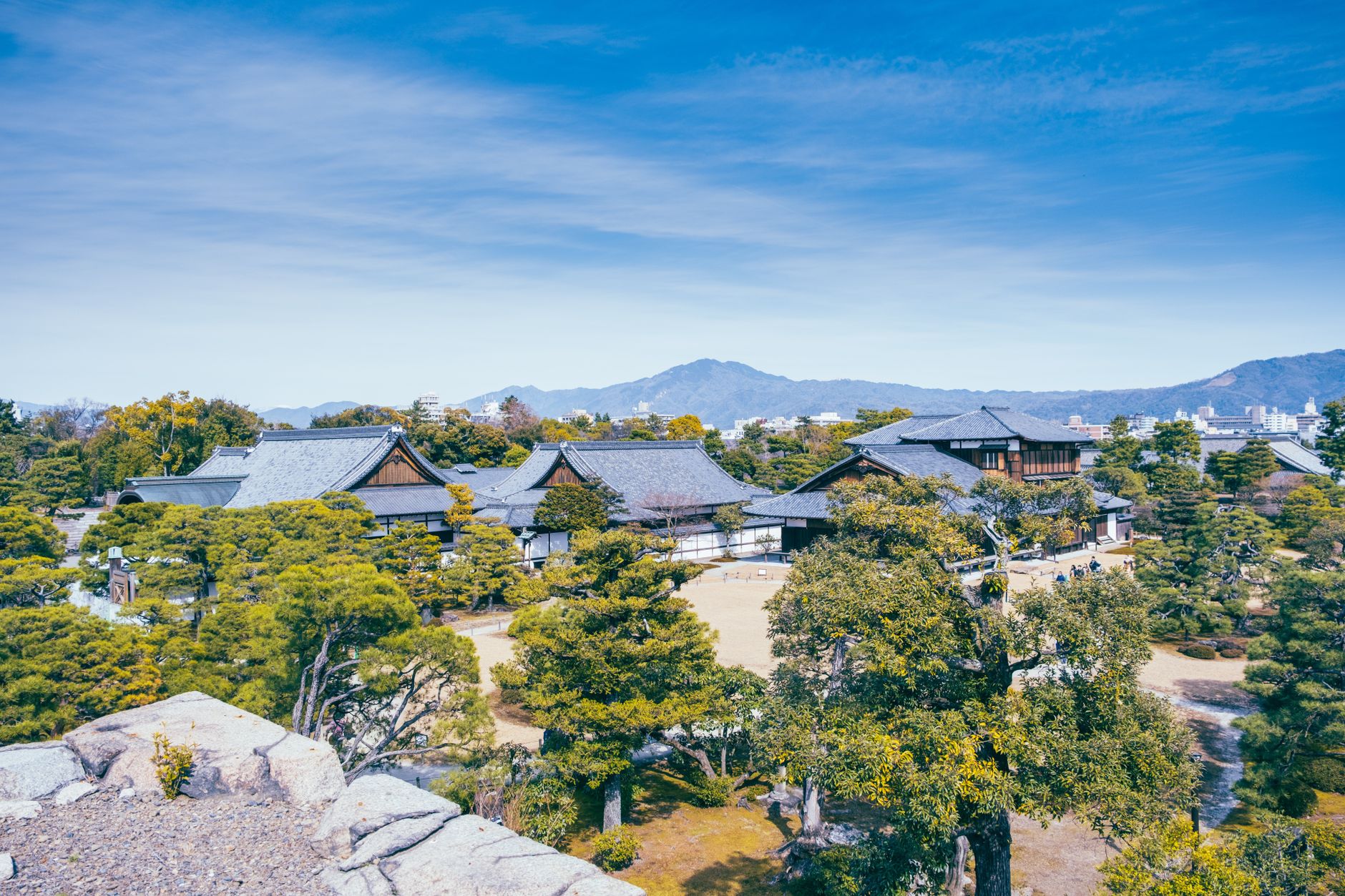
Regulars tend to arrive before the tour groups do. Kiyomizu-dera opens at six in the morning, and the wooden platform over the forested hillside is a different place in early light. The same logic applies to the Philosopher's Path in autumn — get there at eight and the maple canopy is yours. Kennin-ji, the oldest Zen temple in the city, stays quieter than its neighbours almost any time of day.
How Kyoto came to be
In 794, Emperor Kanmu moved the imperial capital north from Nara — partly to escape the growing political influence of the Buddhist clergy there — and laid out Heian-kyō on a grid modelled after the Tang dynasty capital of Chang'an. The city that grew from that plan became the seat of Japanese court culture for more than a millennium, the world of Murasaki Shikibu's Tale of Genji written and lived within its boundaries.
It did not survive those centuries intact. The Ōnin War of 1467–77 razed the central districts. The Great Fire of Tenmei in 1788 burned for two days. Battles in 1864 consumed roughly thirty thousand buildings. Each time, the city rebuilt — sometimes faithfully, sometimes in new forms. The imperial court finally departed for Tokyo in 1869, leaving Kyoto with its temples, its shrines, and the long memory of having been, for so long, the centre of things.
Who and what shaped it
People who shaped it
Landmark buildings
See Kyoto in motion
Plan your visit
On the map
When to go
Summers are hot and humid, with temperatures regularly above 35°C in July and August; winters are cold enough for frost and occasional snow, which transforms the temple gardens into something spare and striking. Spring and autumn offer the most comfortable walking weather, though those seasons also draw the largest crowds.
Right now
↡ Cities
↡ Attractions
No places match these filters.
Background & history adapted from Wikipedia (CC BY-SA) · specs from Wikidata (CC0) · weather from Open-Meteo · map data © OpenStreetMap contributors · photos from Wikimedia Commons / Unsplash with per-image credit. No third-party reviews or social posts reproduced.