
Kanazawa
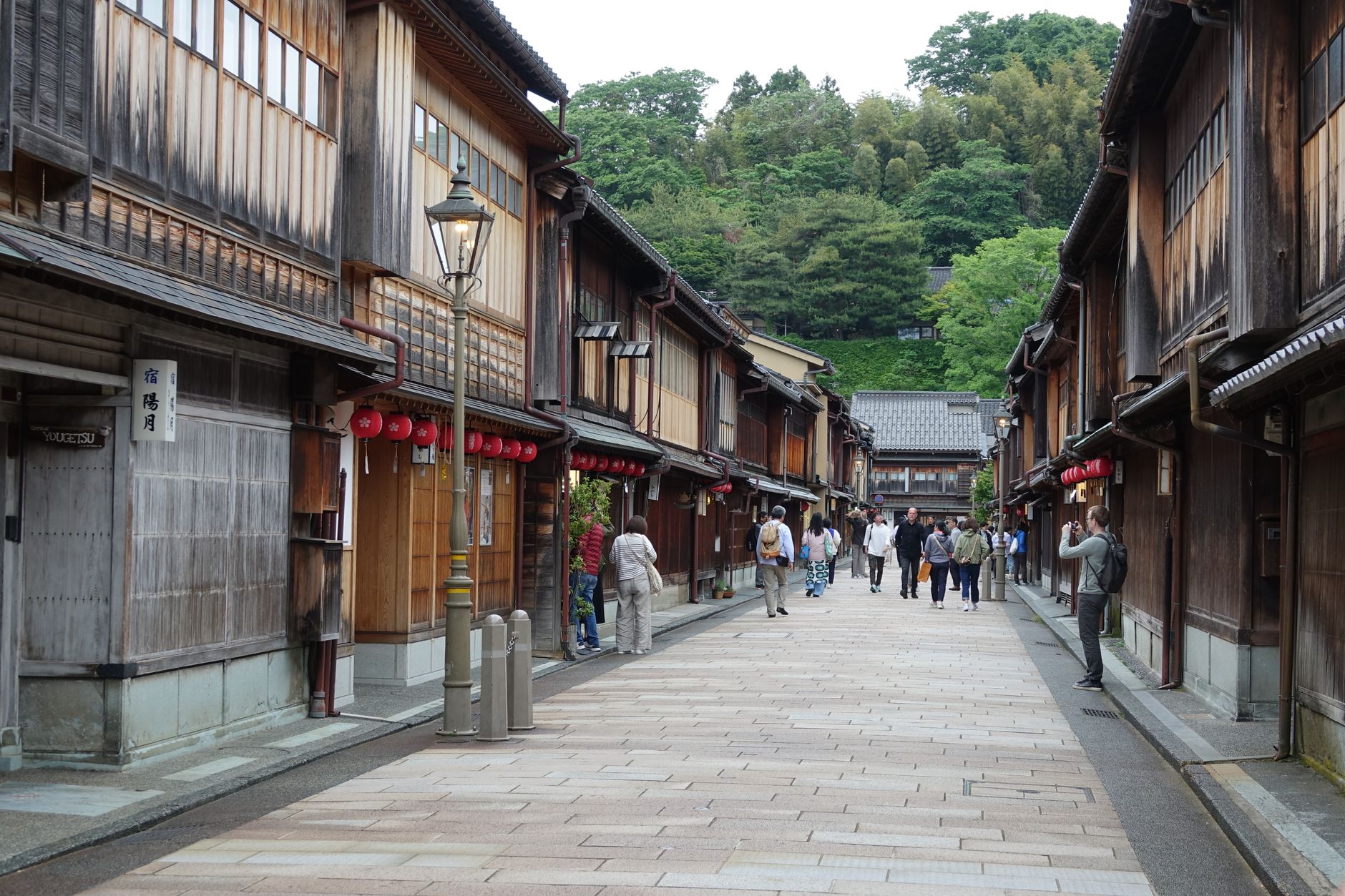
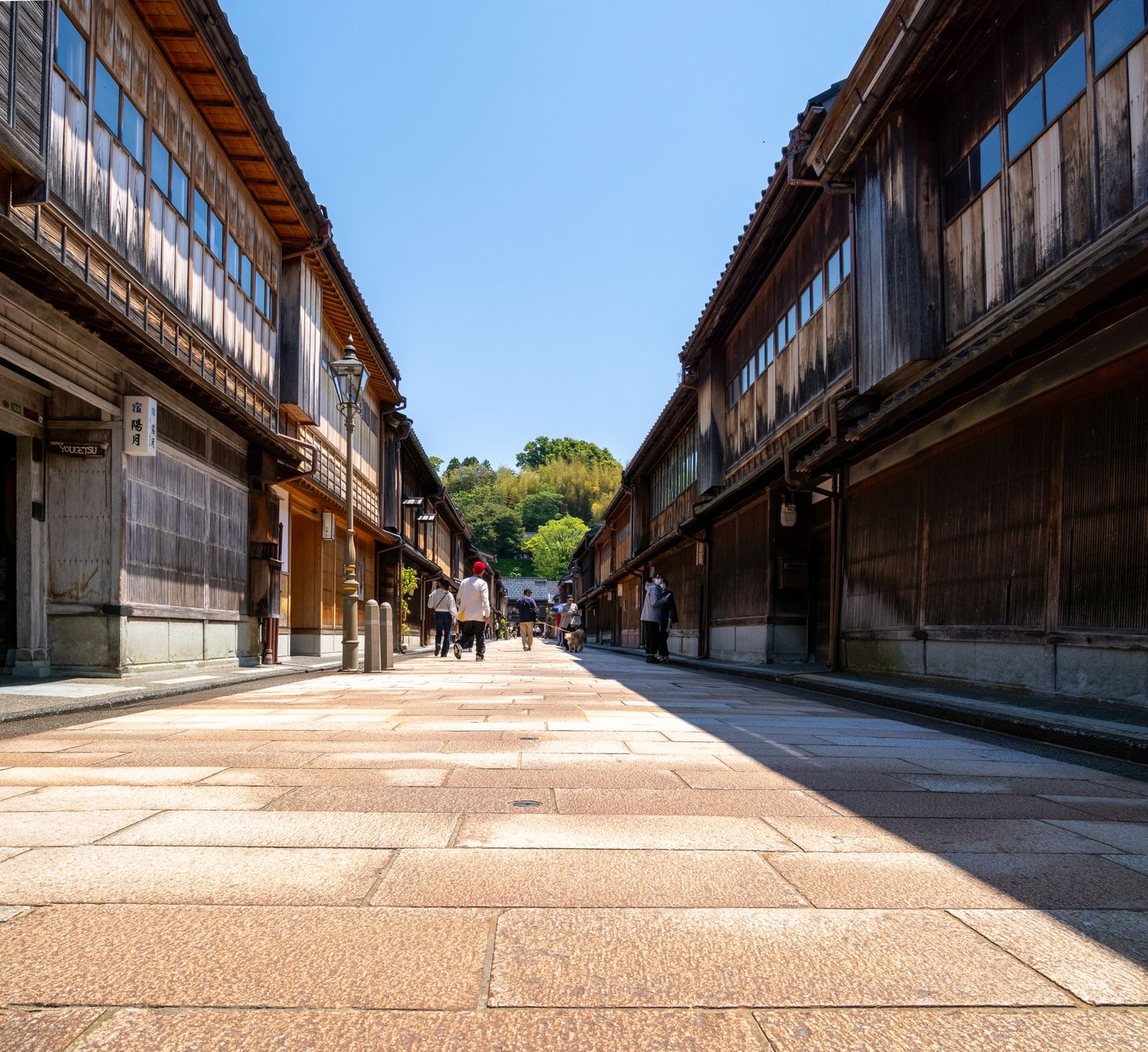
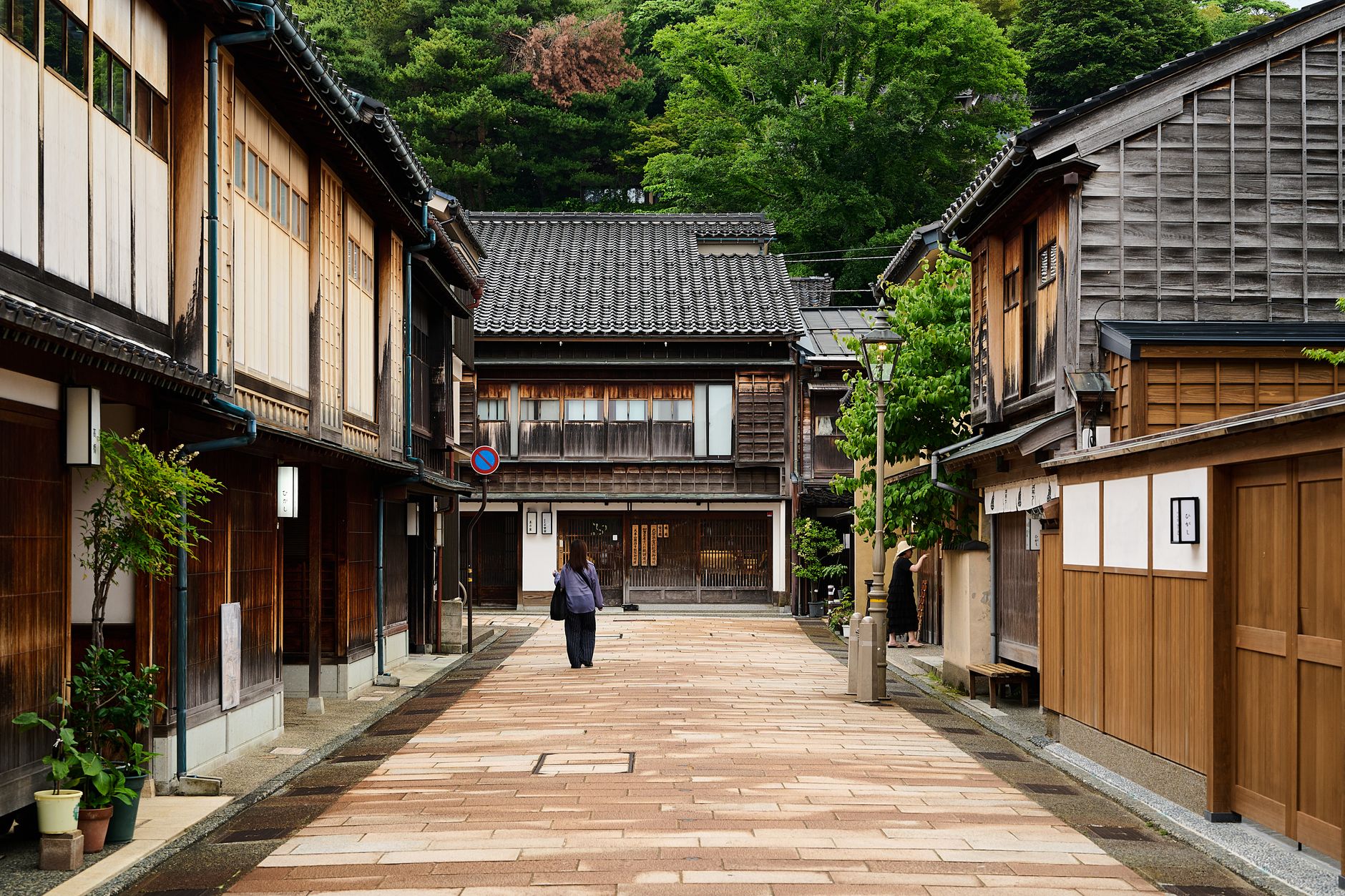
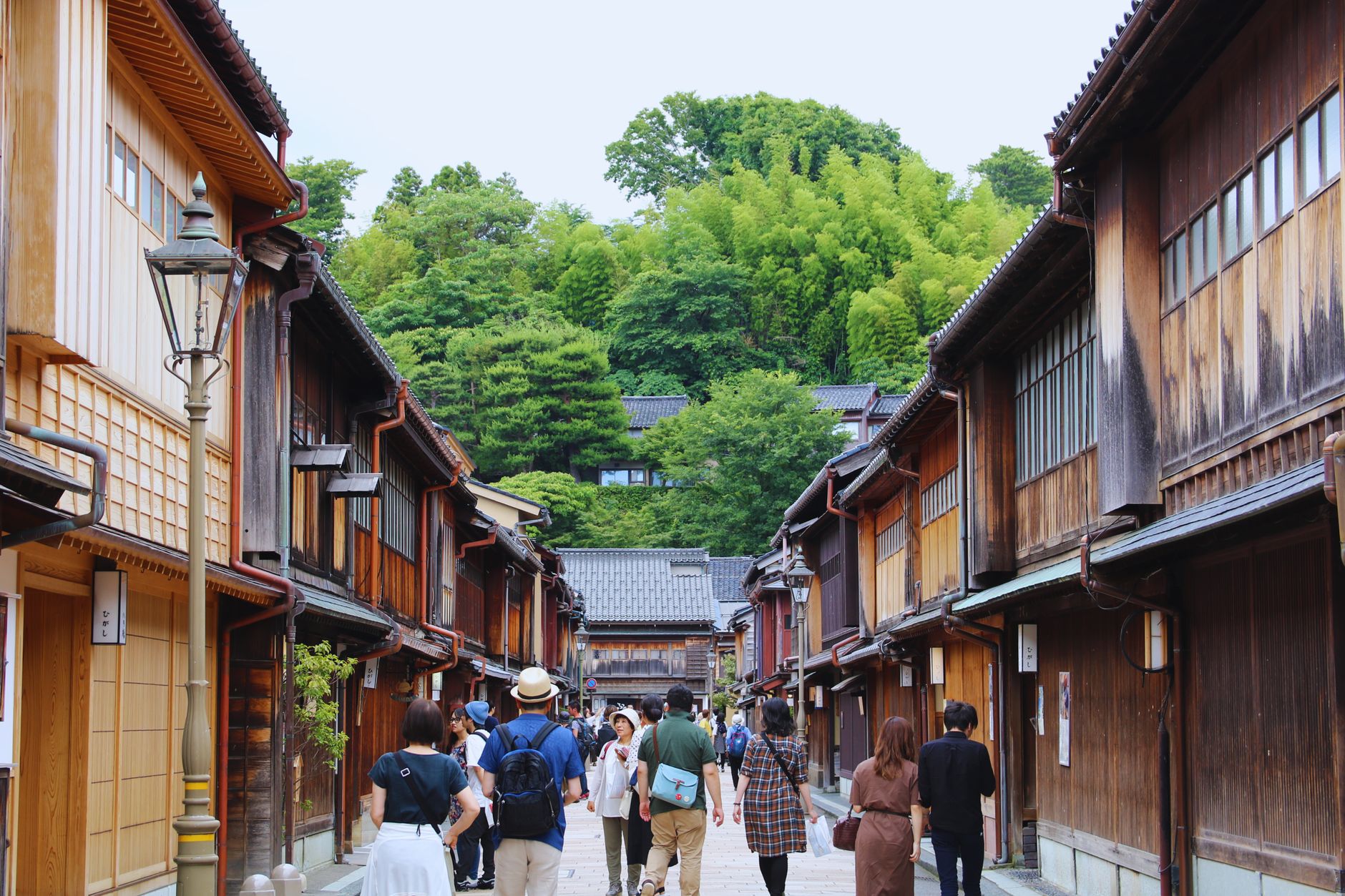
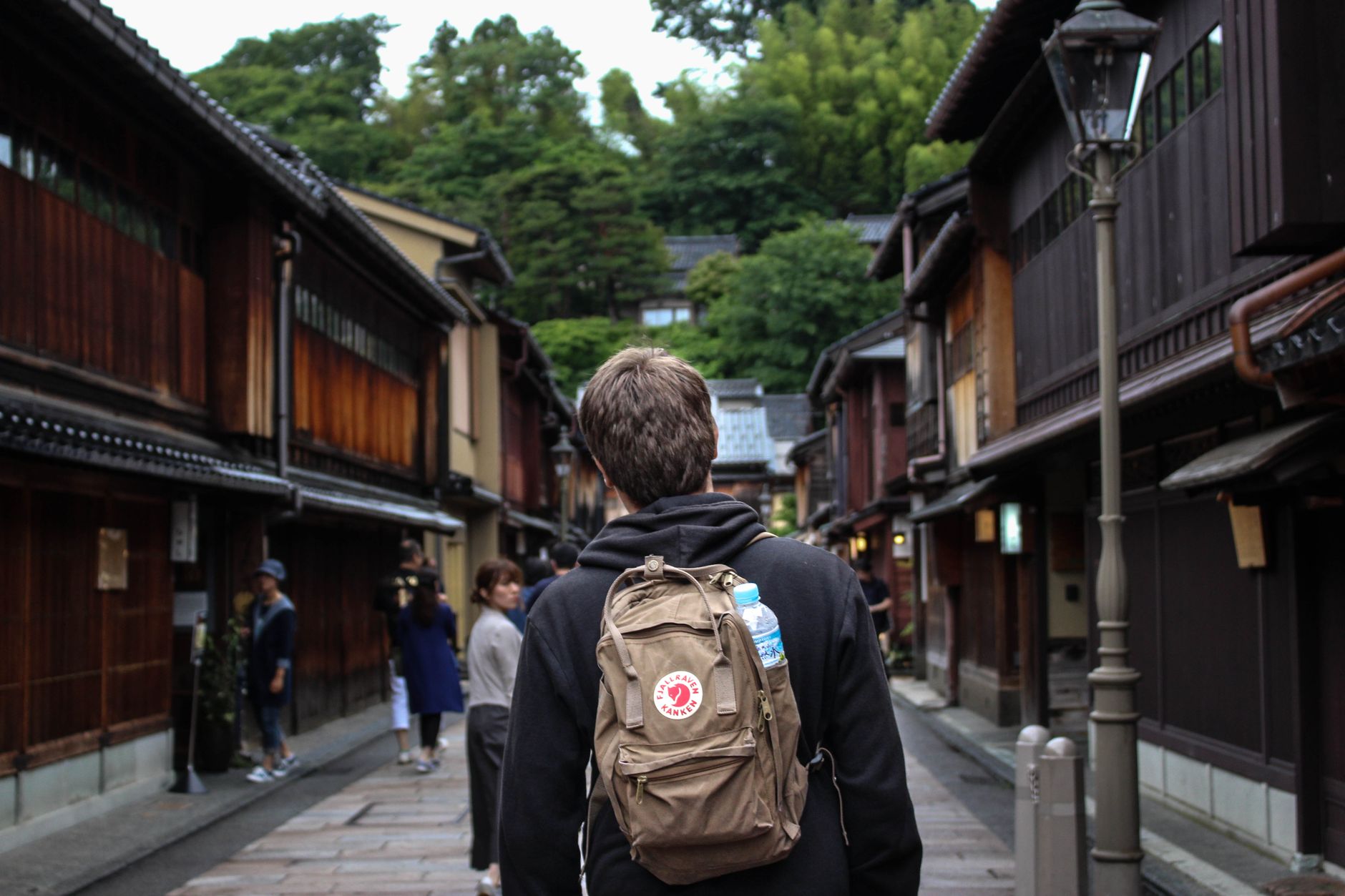
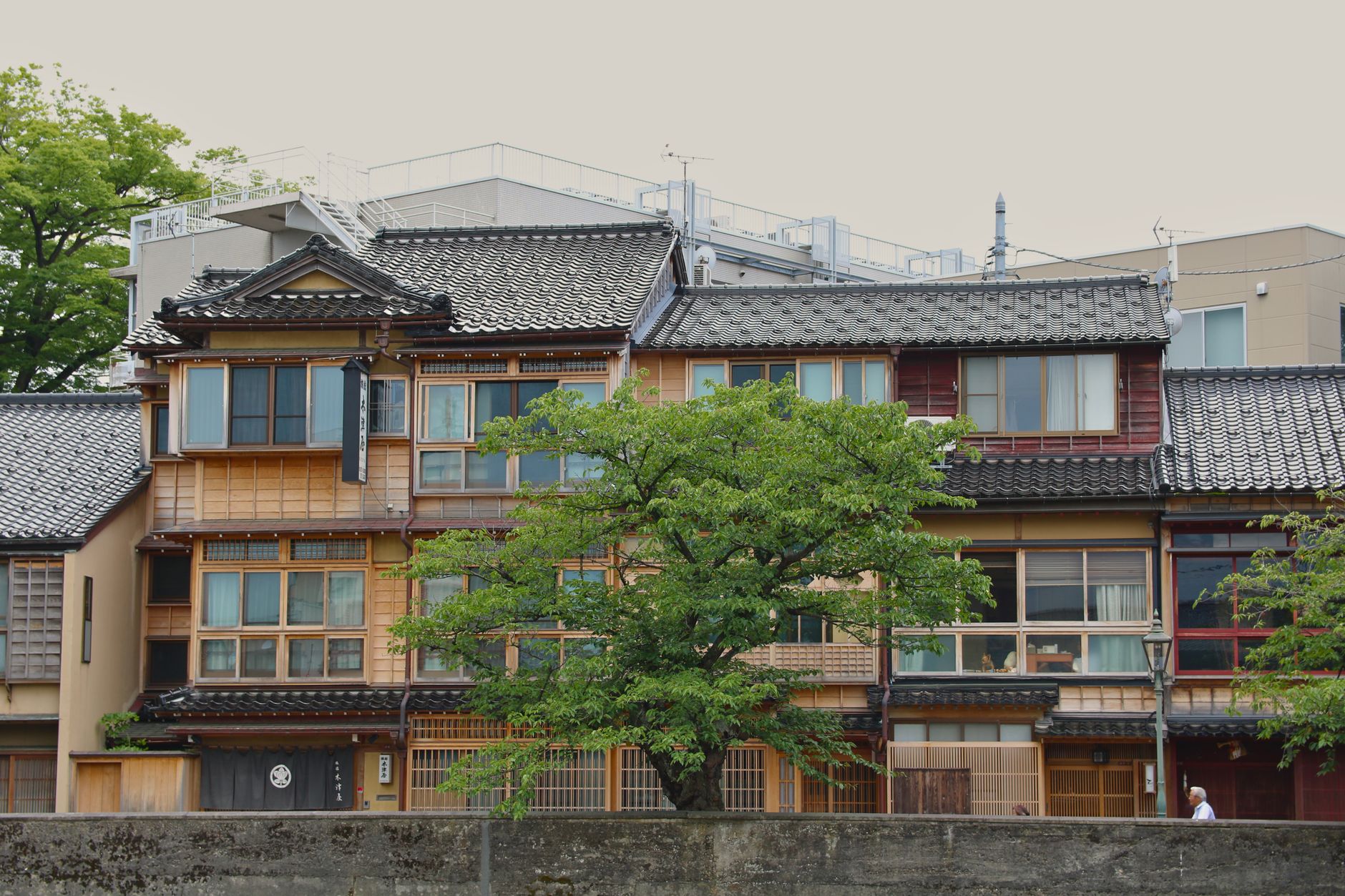
Kanazawa sits on Japan's Sea of Japan coast, far enough from the bullet-train spine of the country that it developed its own quiet confidence. The Maeda clan ruled here for nearly three centuries without fighting a single battle, which meant money and attention went into gardens, lacquerware, Noh theatre, and silk dyeing instead of fortifications. That inheritance is still visible in the streetscape: whole districts of Edo-era samurai houses and geisha quarters survived the 20th century intact, not as reconstructions but as the original thing.
The city is compact enough to walk across in an afternoon, but the detail rewards slower movement — a Dutch-designed shrine gate, a temple with seven floors disguised as two, a fish market that has been selling Sea of Japan catch since the Edo period.
💛 What travellers fall for
Return visitors tend to head straight to Omicho Market before the tour groups arrive, then walk the Nagamachi lanes when the light is low. The DT Suzuki Museum — designed by Yoshio Taniguchi, who also rebuilt MoMA — is the kind of place people visit twice on the same trip without quite meaning to.
How Kanazawa came to be
Before Kanazawa was a castle town, it was something rarer: a theocratic republic. During the Muromachi period, followers of the priest Rennyo — the Ikkō-ikki — displaced the ruling Togashi clan and governed the Kaga Province for nearly a century from their stronghold on the Kodatsuno Ridge. Oda Nobunaga ended that experiment in 1580, and by 1583 Maeda Toshiie had taken Kanazawa Castle and begun building the city in earnest.
The Maeda clan ruled the Kaga domain through the entire Edo period (1603–1868), making it the wealthiest domain in Japan outside Tokugawa control. Their sustained investment in the arts — Noh, ceramics, gold-leaf work, silk dyeing — gave Kanazawa a cultural density that outlasted their political power. When the Meiji government centralised authority in Tokyo in 1868, the city lost its lords but kept its craft traditions. UNESCO recognised that continuity in 2009, designating Kanazawa a City of Crafts and Folk Art.
Who and what shaped it
People who shaped it
Landmark buildings
See Kanazawa in motion
Plan your visit
On the map
When to go
Kanazawa winters are grey and genuinely cold, with heavy snowfall that can be beautiful but disruptive. Spring (late March to May) and autumn (October to November) offer the most settled weather and the best light for the gardens; summer is warm and occasionally rainy.
Right now
Background & history adapted from Wikipedia (CC BY-SA) · specs from Wikidata (CC0) · weather from Open-Meteo · map data © OpenStreetMap contributors · photos from Wikimedia Commons / Unsplash with per-image credit. No third-party reviews or social posts reproduced.