
Tokyo
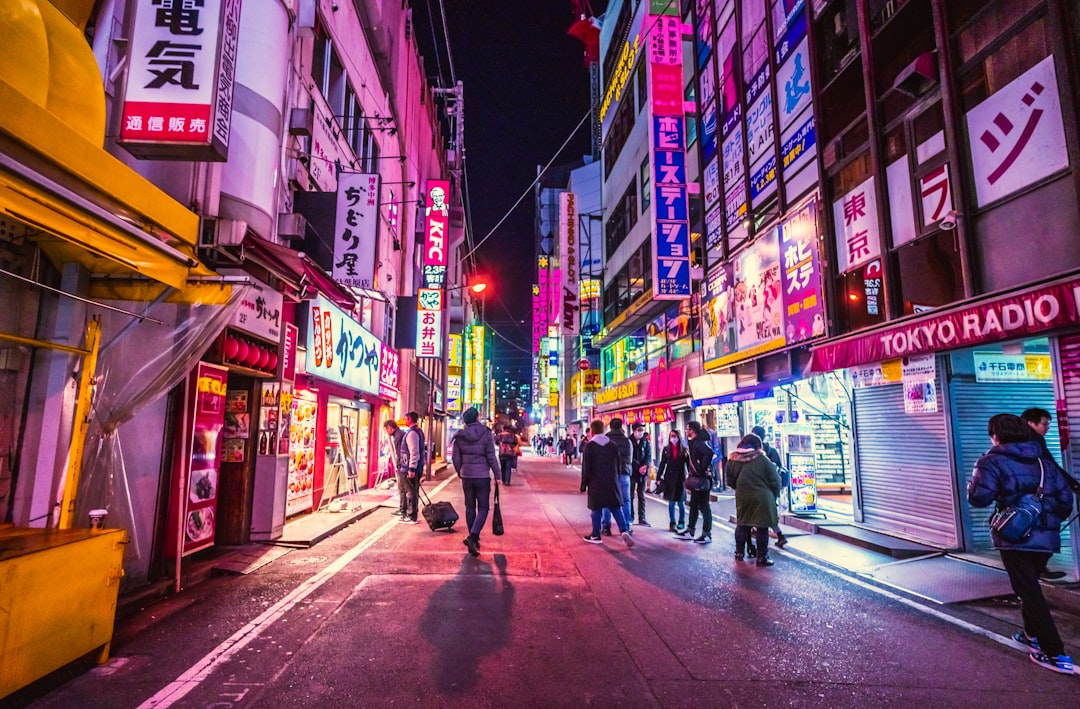
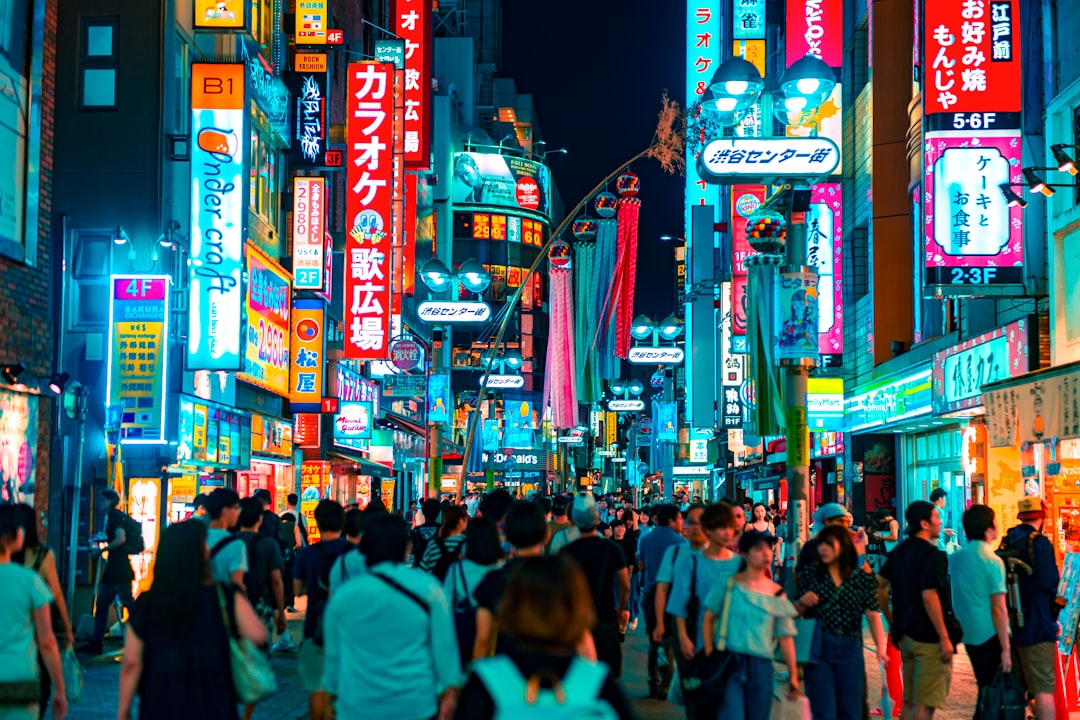
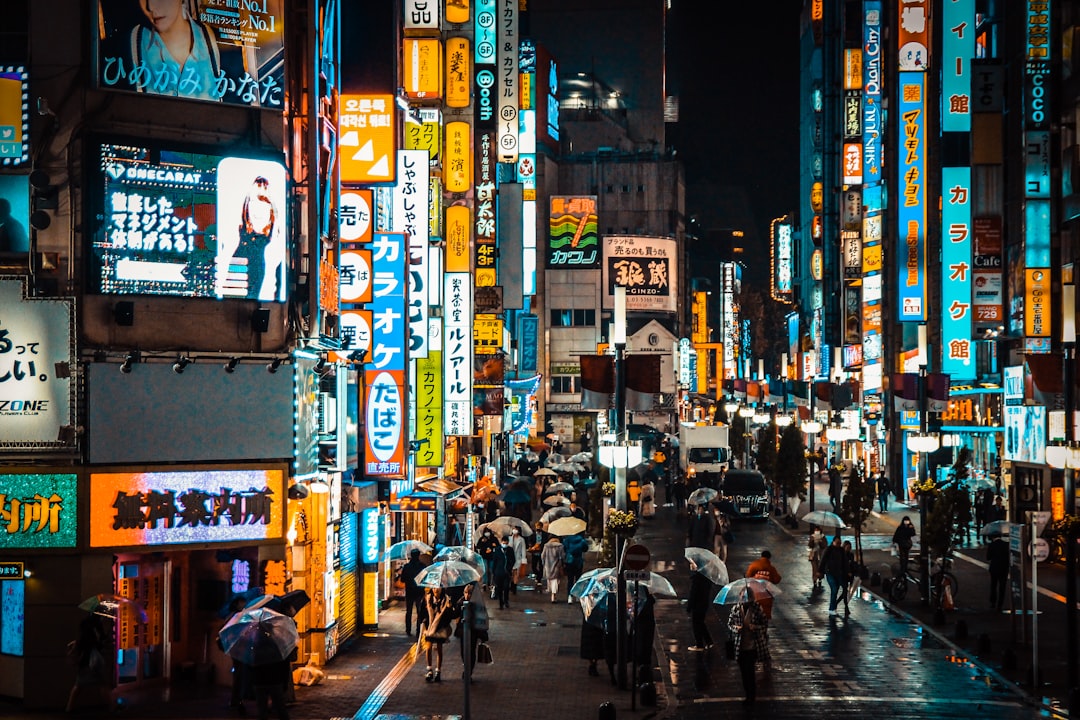
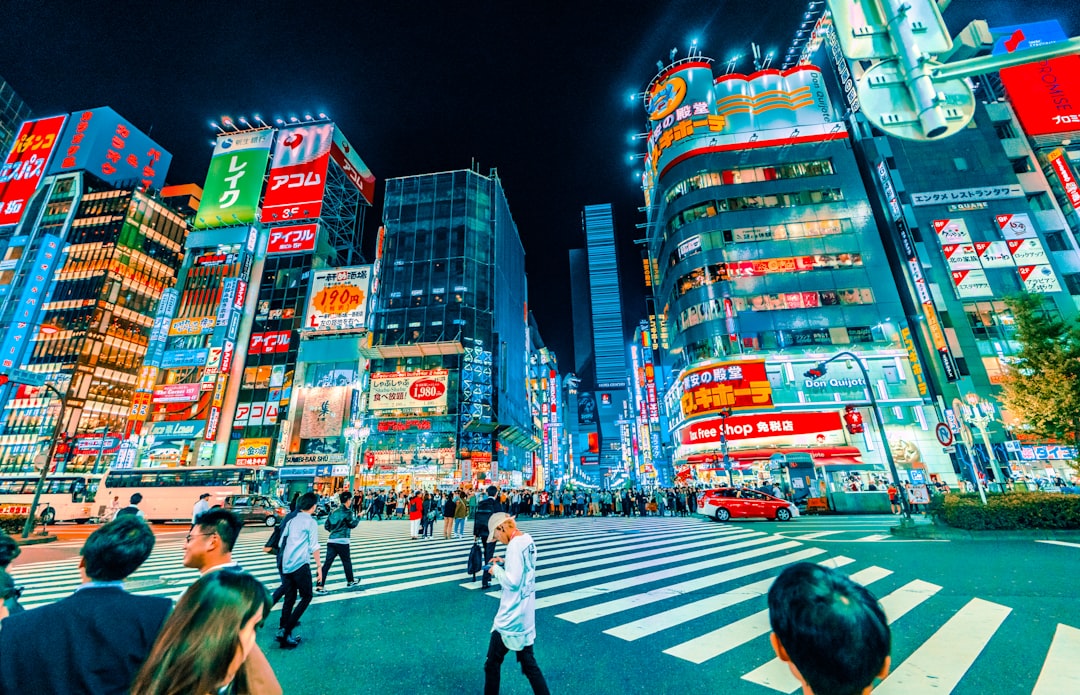
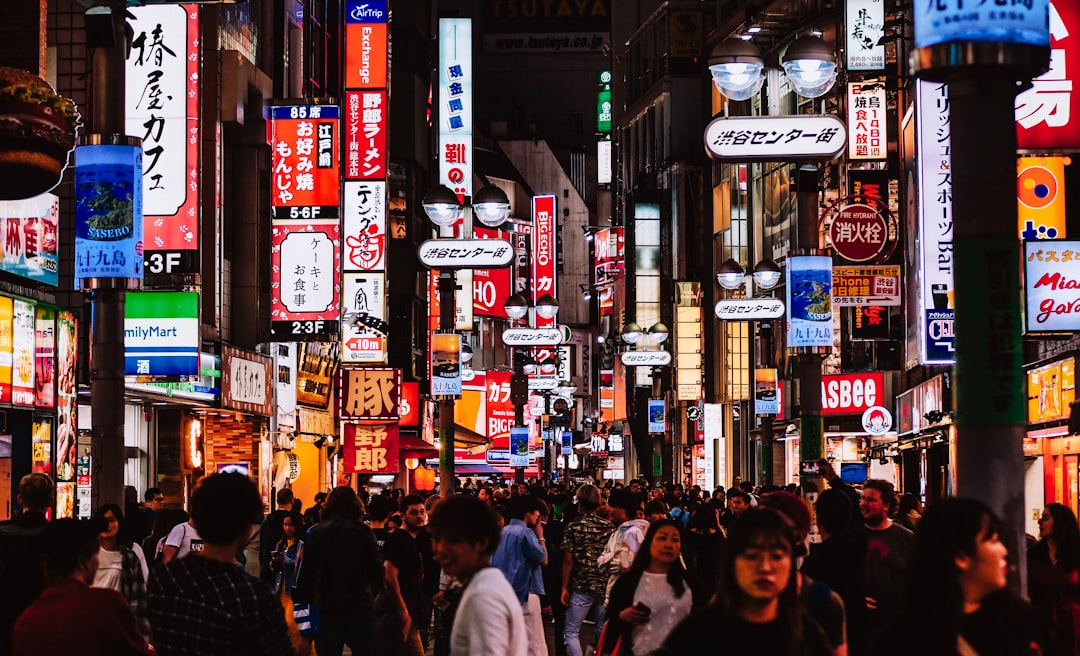
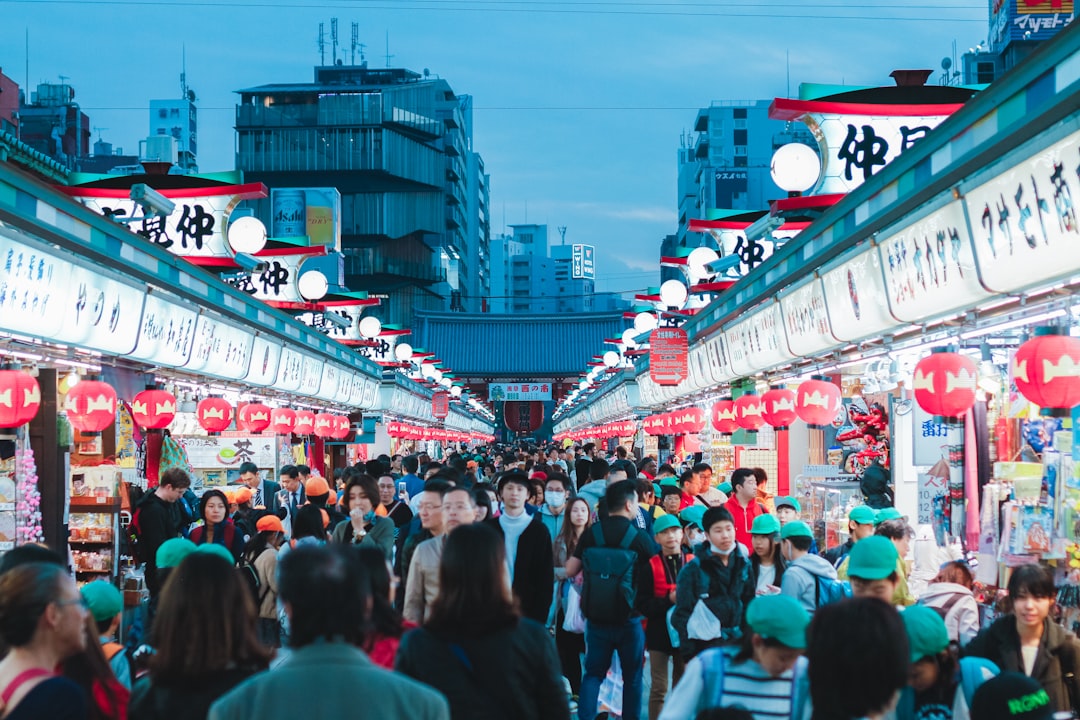
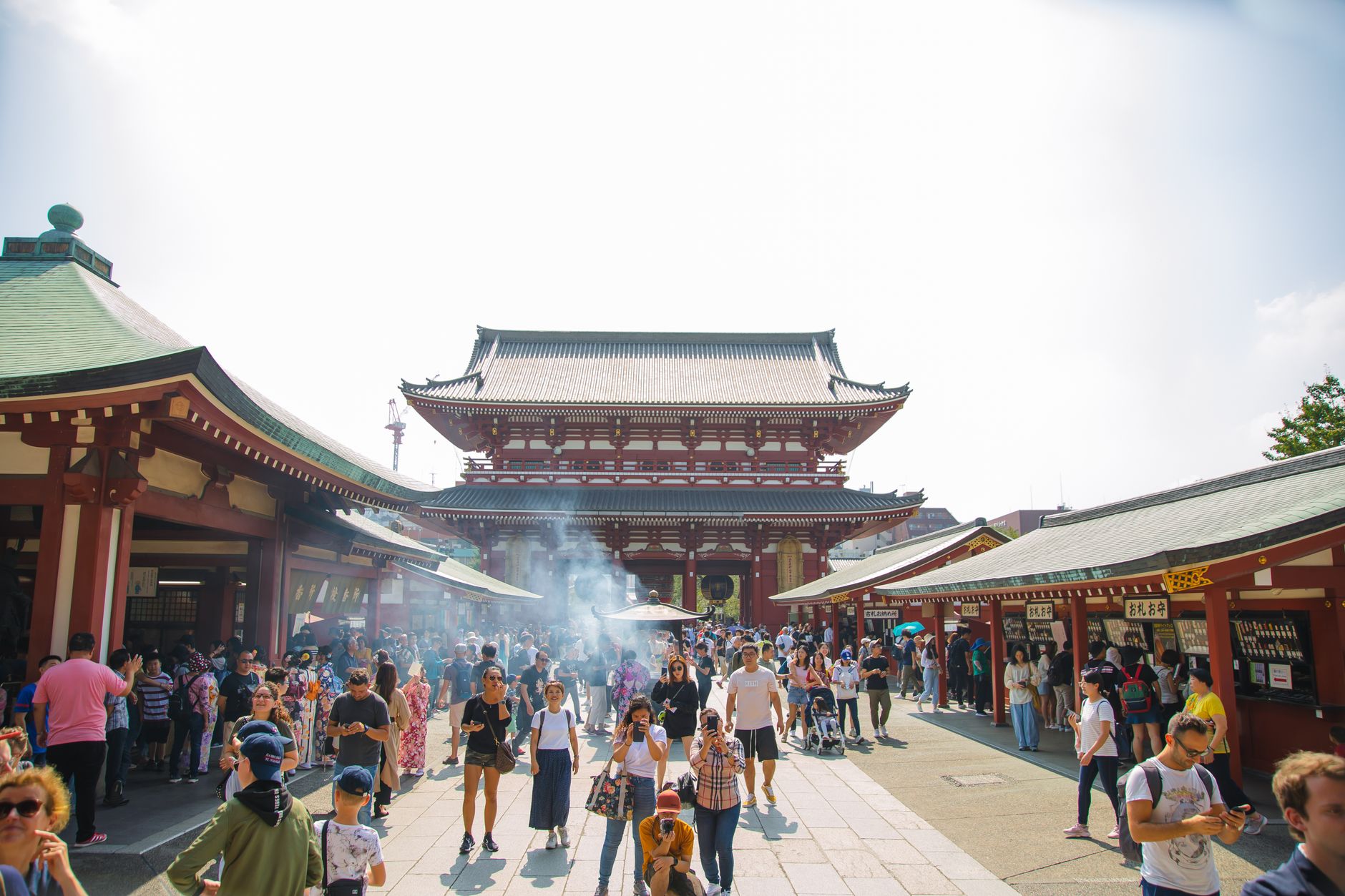
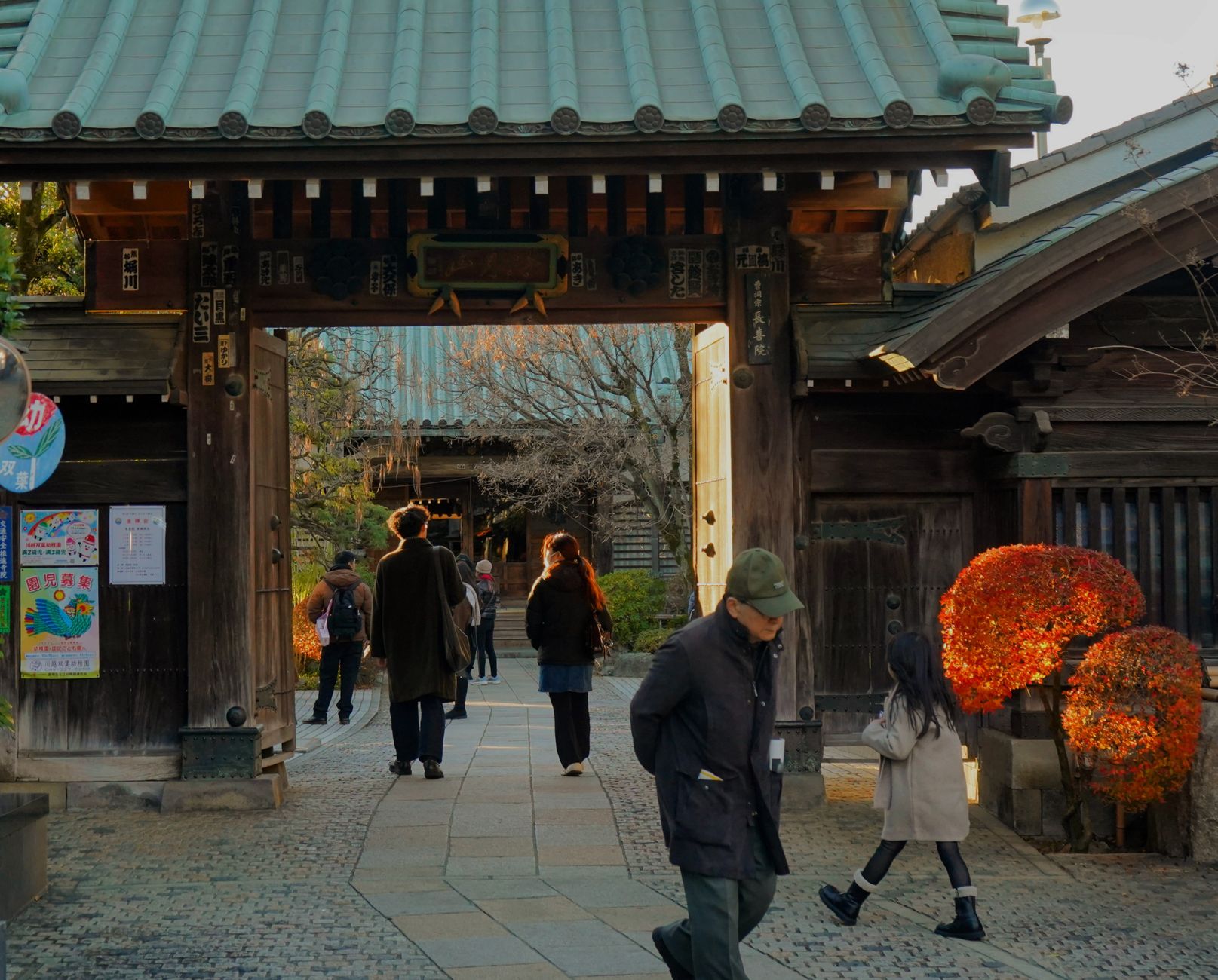
Tokyo is the kind of city where a 1,400-year-old temple and a 634-metre broadcasting tower can occupy the same skyline without either one feeling out of place. Sensō-ji in Asakusa has drawn pilgrims since 628; the Skytree went up in Sumida Ward in the 21st century. Both draw crowds, both feel entirely Tokyo.
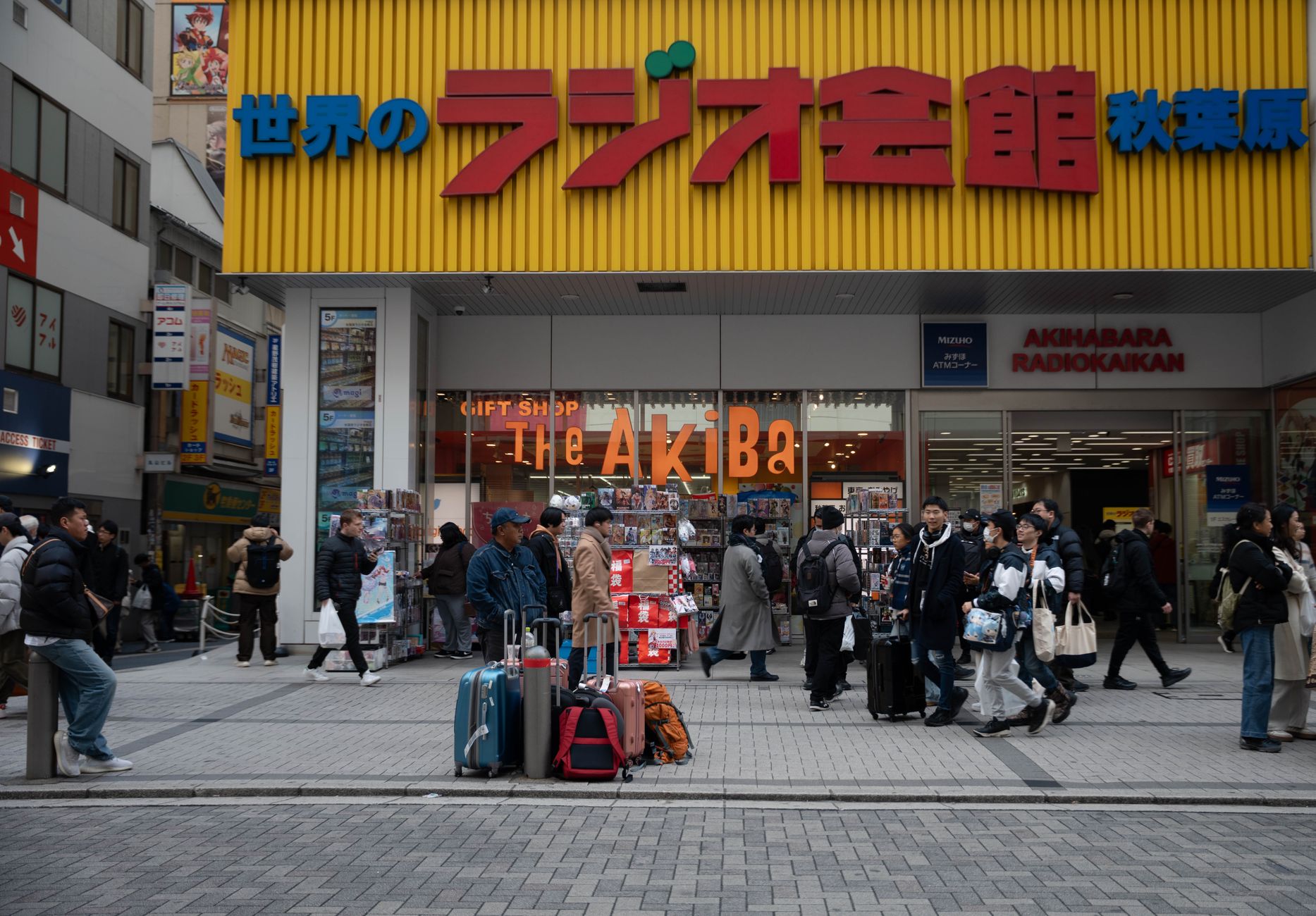
At its core the city is a loose federation of neighbourhoods — Shinjuku's layered rail chaos, Shibuya's scramble crossing, the forest quiet of Meiji Jingu's 70 hectares, the red-brick formality of Tokyo Station. Moving between them is the point. The Yamanote Line loops 30 stations in about an hour, and the nine Tokyo Metro lines reach almost everywhere else.
Popular cities in Tokyo
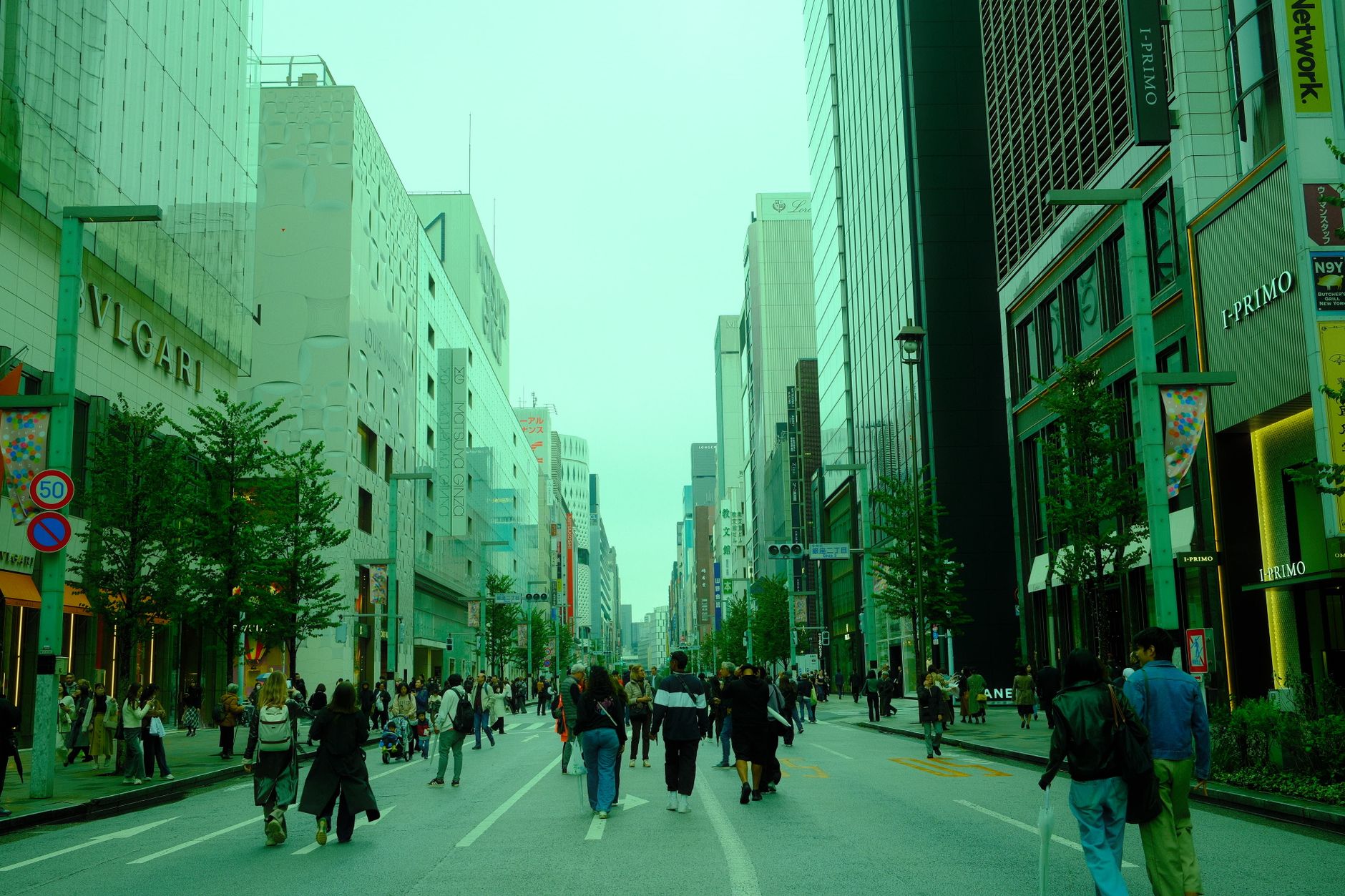
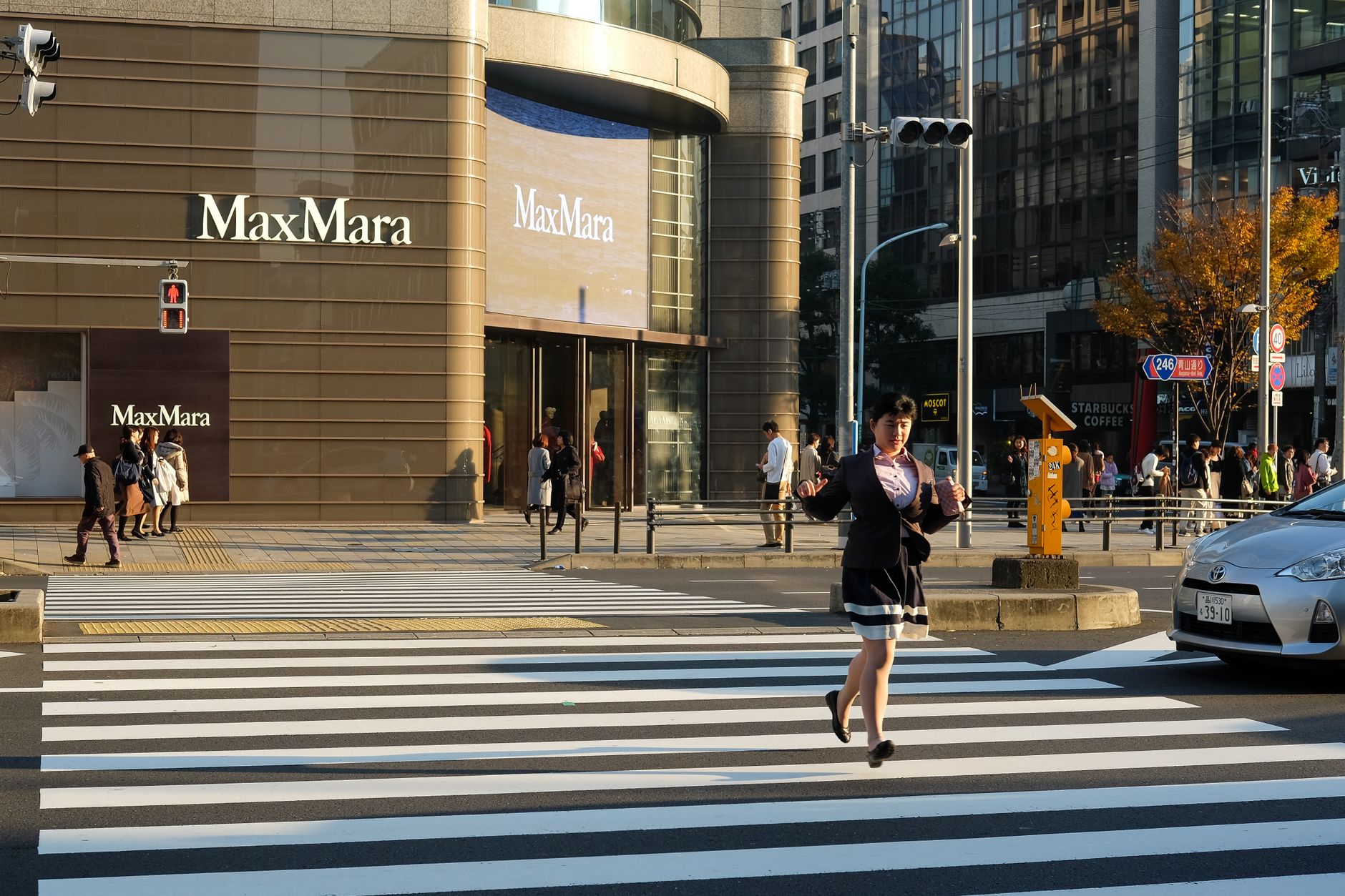
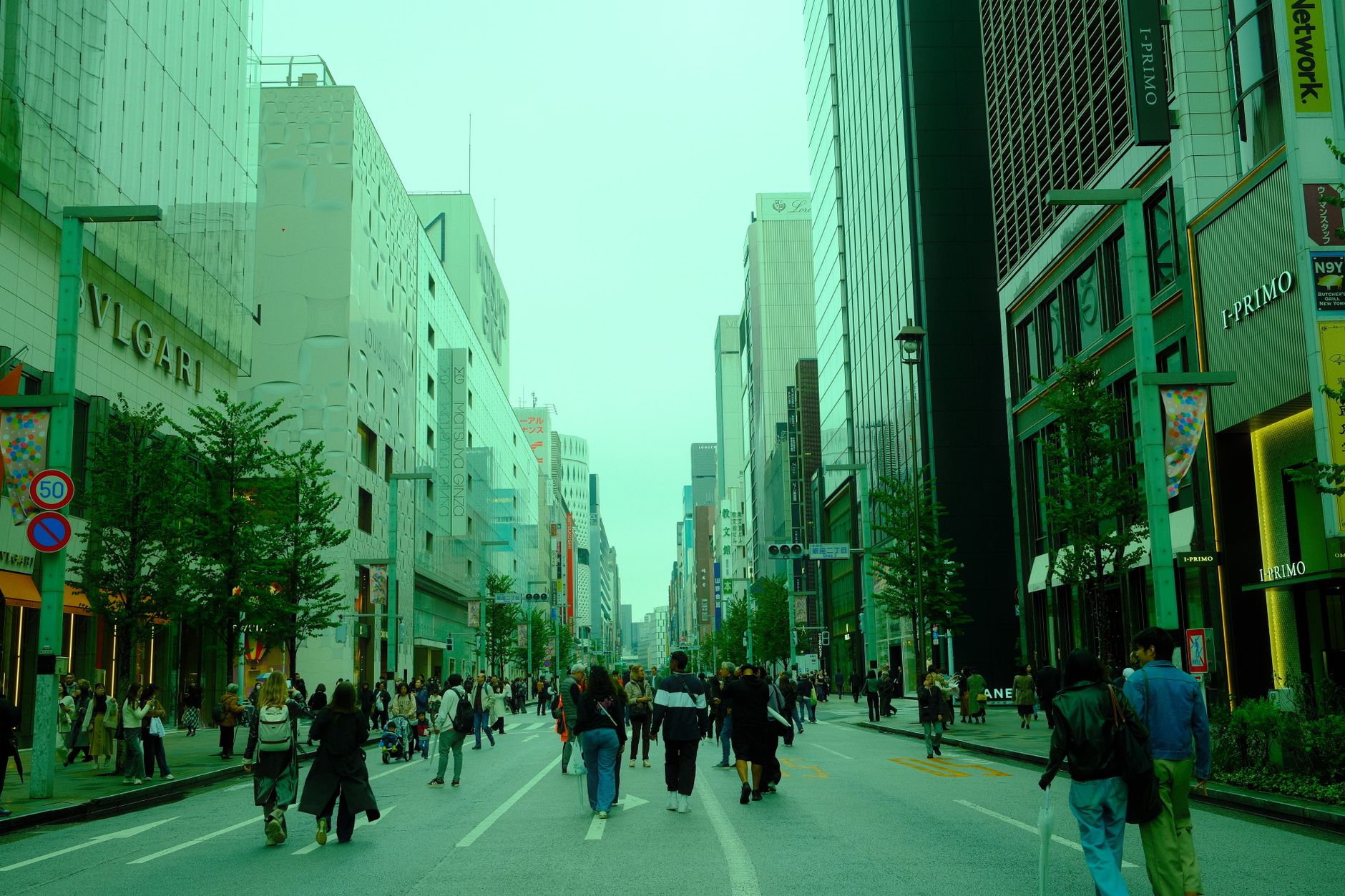

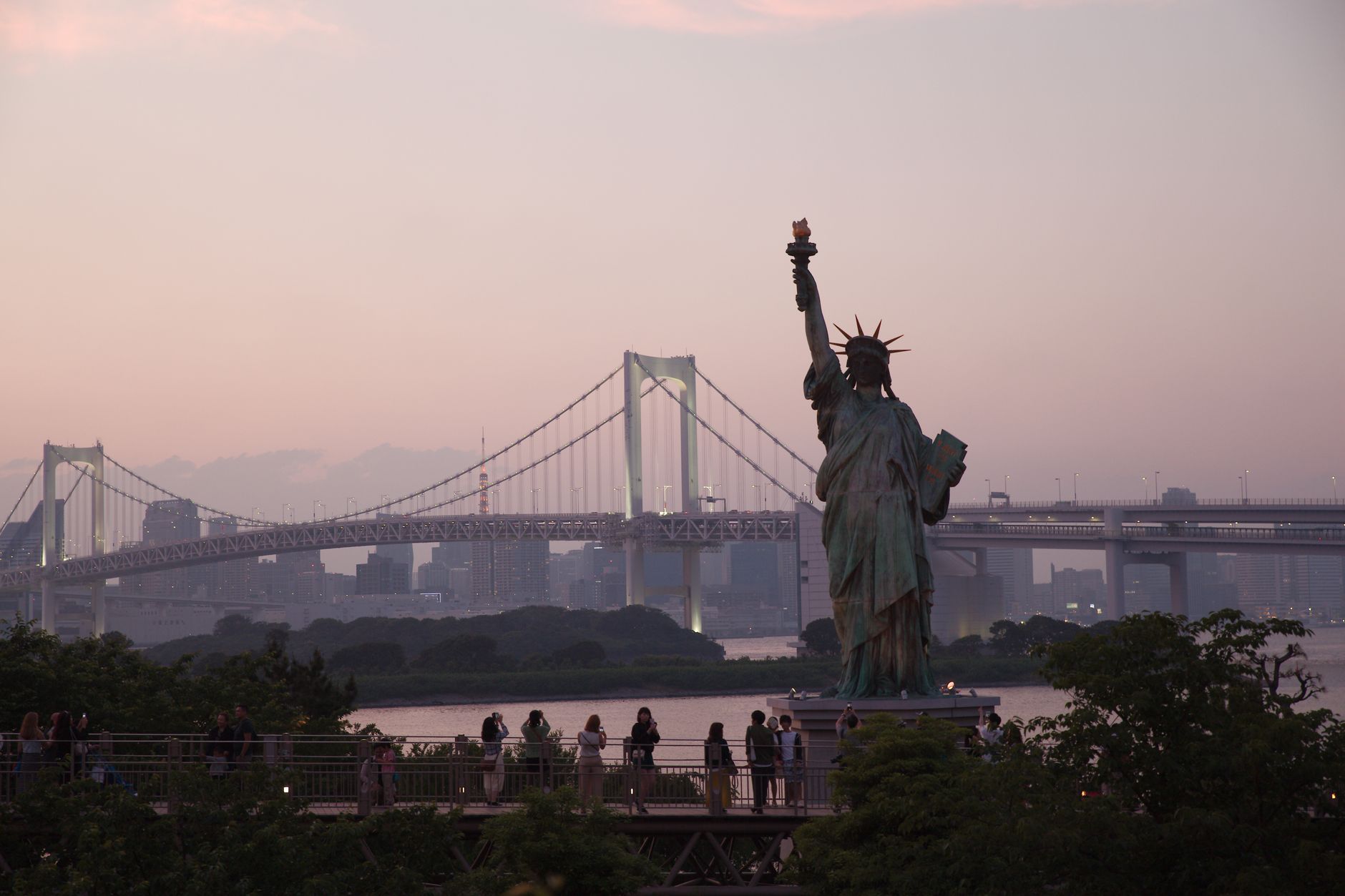
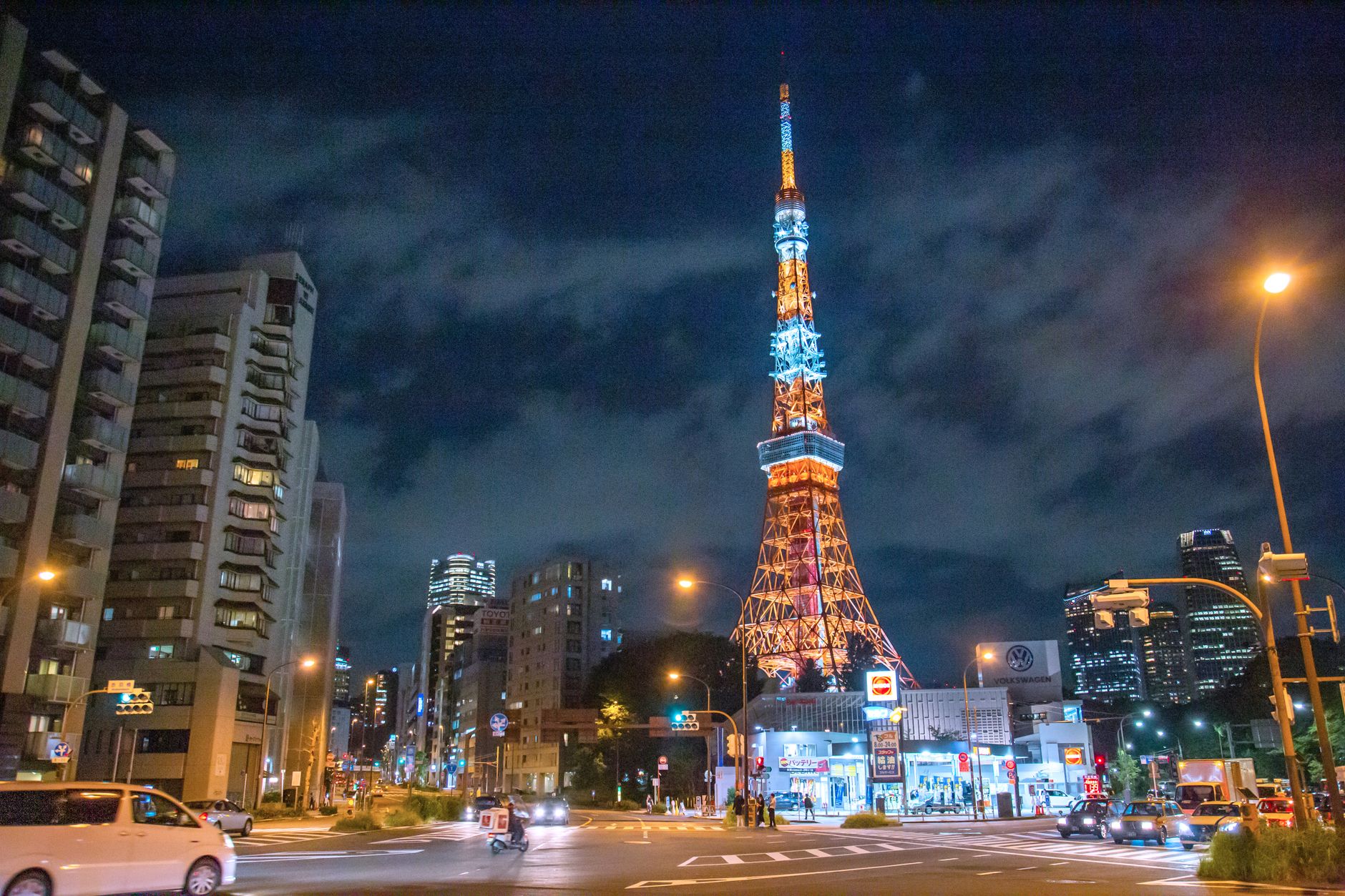
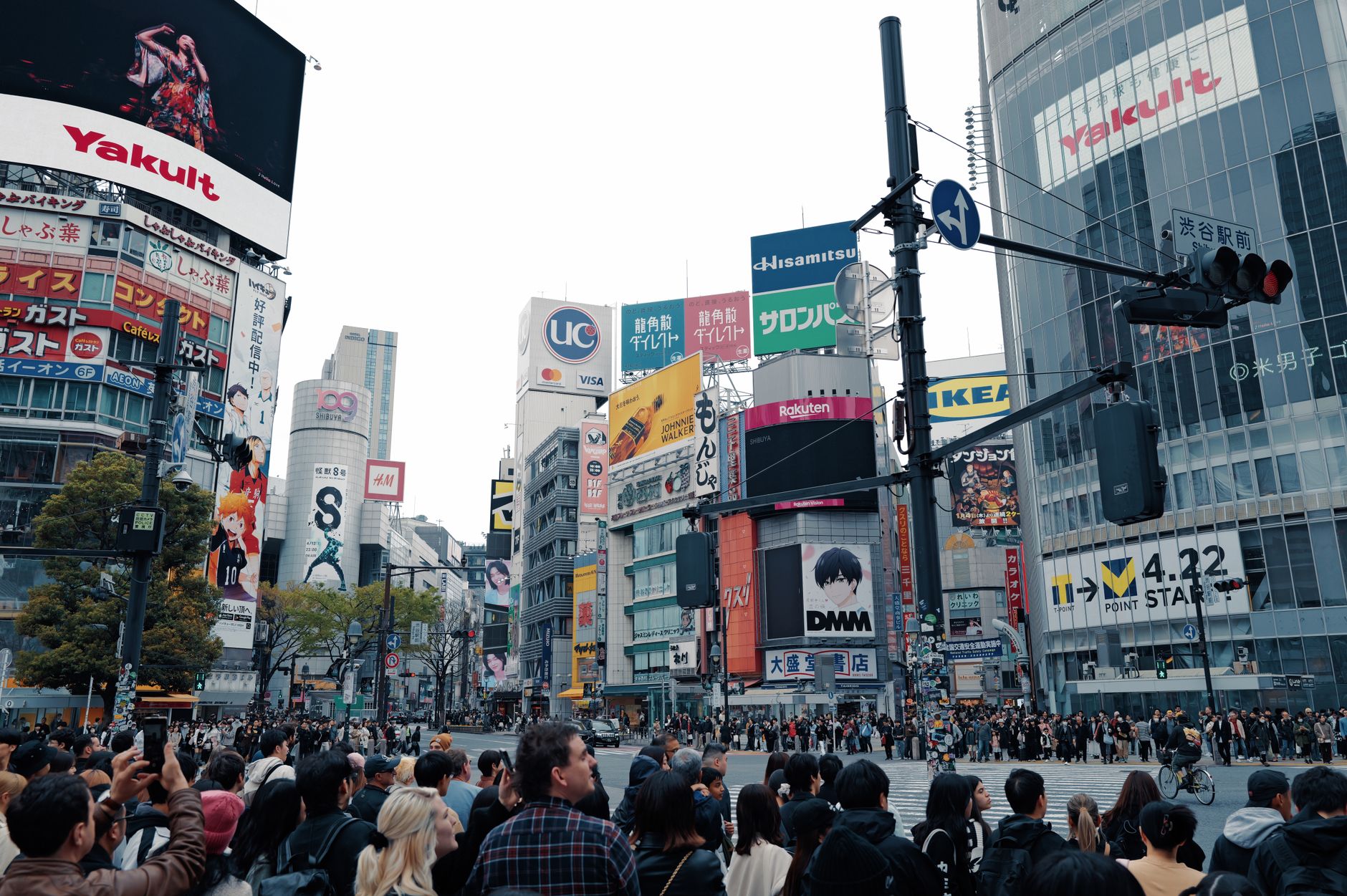
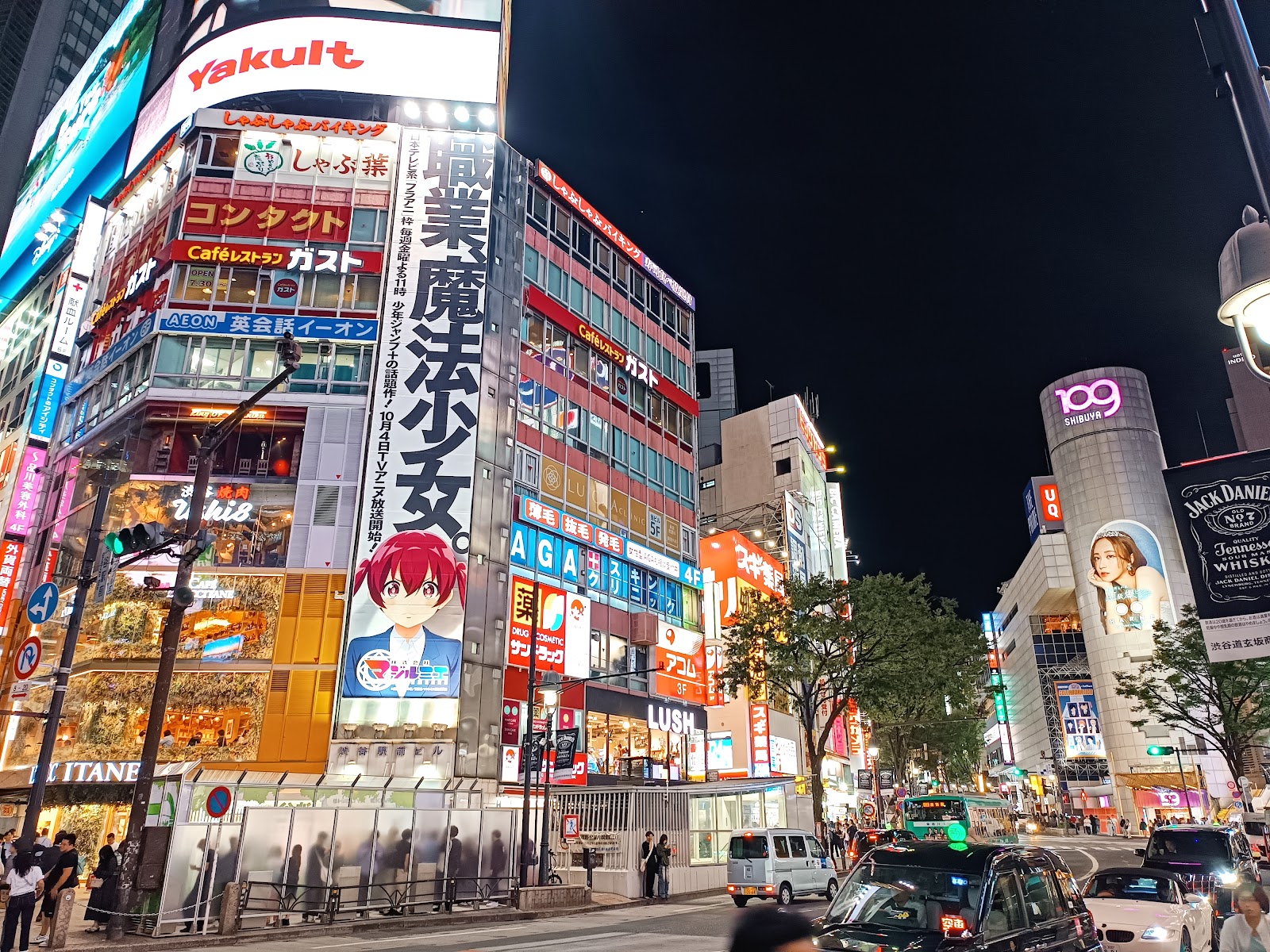
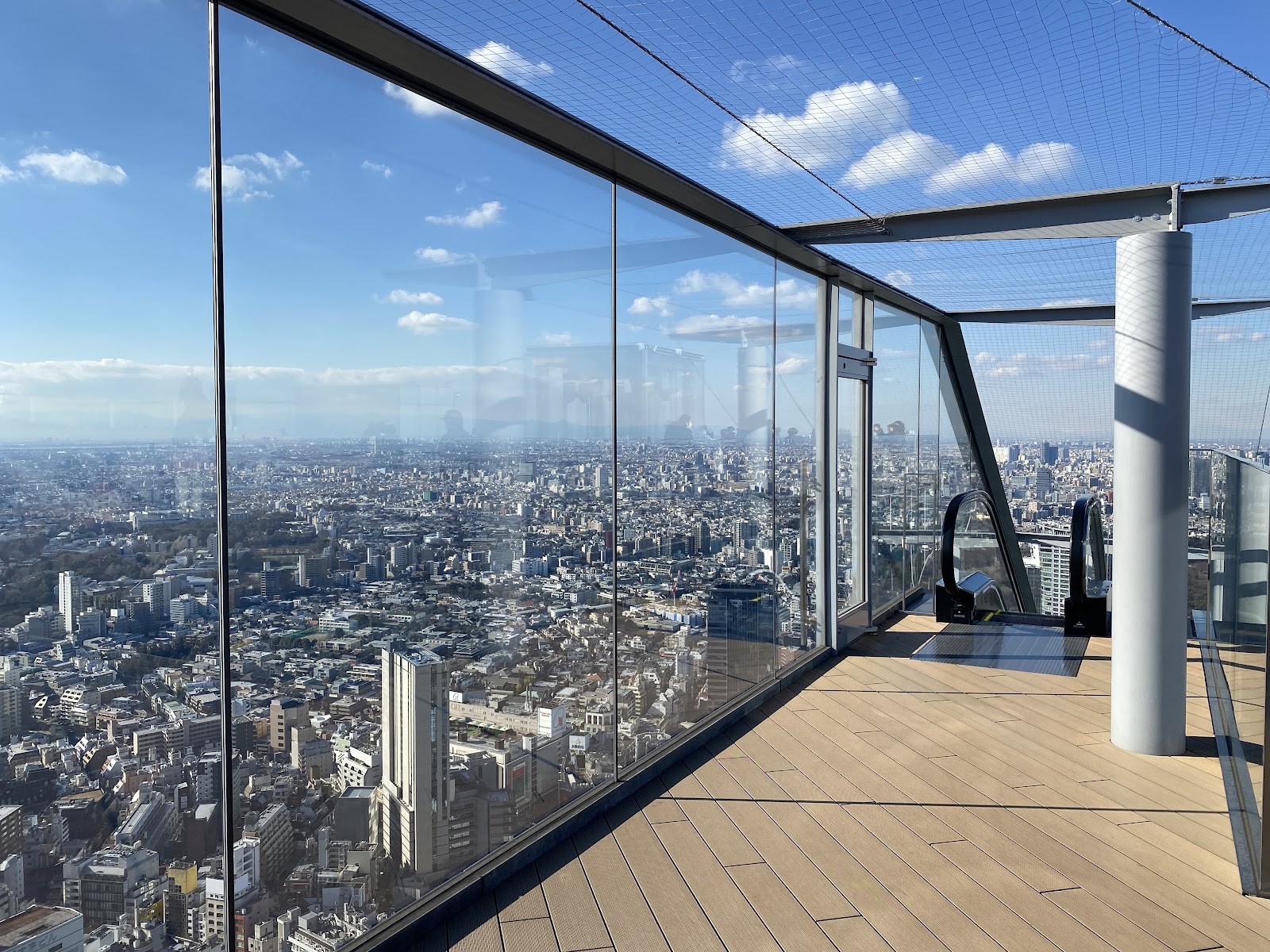
💛 What travellers fall for
Regulars tend to sort out a Suica card on arrival and stop thinking about fares entirely. They also learn that Shinjuku Station's south exit and east exit are a long walk apart — worth knowing before a dinner reservation. The 24-hour Tokyo Subway Ticket at ¥1,000 earns its keep on any day involving more than three Metro rides.
How Tokyo came to be
The site now called Tokyo was already inhabited thousands of years ago — excavations at the Ōmori Shell Midden turned up pottery and worked bones dating back some 5,000 years. The city's recorded story begins with Edo, a name first written in the 12th century. Ōta Dōkan built Edo Castle from 1457, but it was Tokugawa Ieyasu who, after consolidating control of Honshu in 1600, chose the town as his seat of power and set it on a course that made it the world's largest city by 1720.
The name Tokyo — Eastern Capital — came in July 1868, when Emperor Meiji's government broke with Kyoto and moved the imperial seat east. The city that followed was repeatedly unmade and remade: the Great Kantō Earthquake of 1 September 1923 destroyed more than 45 percent of it; wartime firebombing in 1945 erased another 16 square miles. What stands today is largely a post-war construction, built fast and kept building.
Who and what shaped it
People who shaped it
Landmark buildings
See Tokyo in motion
Plan your visit
On the map
When to go
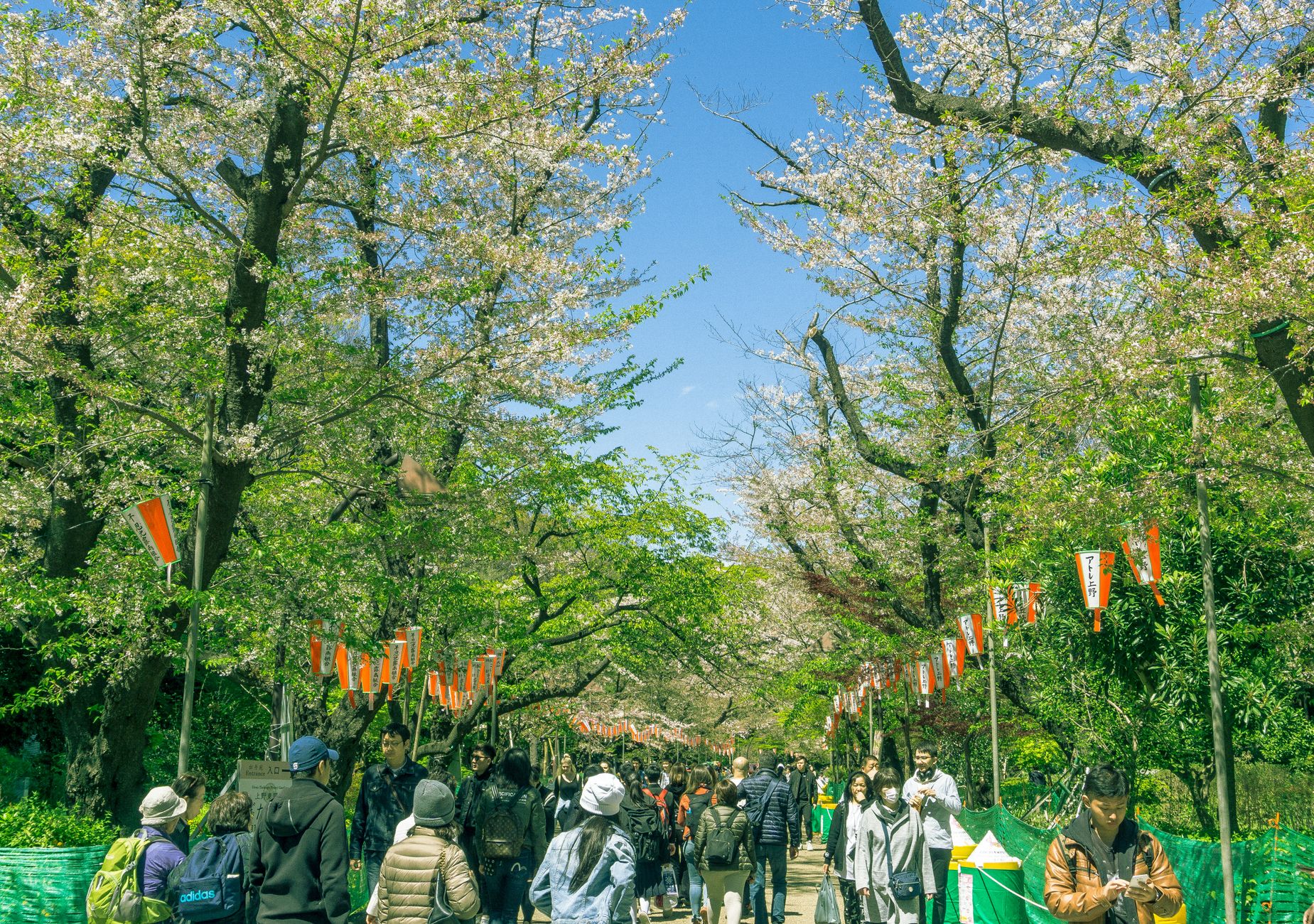
Spring brings mild temperatures and cherry blossoms from late March into April; autumn (October–November) is crisp and clear with turning maples. Summer runs hot and humid from July through August, while December through February is cool to cold, occasionally dipping near freezing, though snow is rare in the city centre.
Right now
↡ Cities

↡ Attractions
No places match these filters.
Background & history adapted from Wikipedia (CC BY-SA) · specs from Wikidata (CC0) · weather from Open-Meteo · map data © OpenStreetMap contributors · photos from Wikimedia Commons / Unsplash with per-image credit. No third-party reviews or social posts reproduced.