
Region

Nara

Nara
Photo by Belle Co on Pexels
Nara
Photo by Bruna Santos on Pexels
Nara
Photo by Huu Huynh on Pexels
Nara
Photo by Mike The Fabrica on Pexels
Nara
Photo by Jacob Zyc on Pexels
Nara
Photo by Arnie Papp on Pexels
Culture & history Nature & outdoors Wildlife & safari

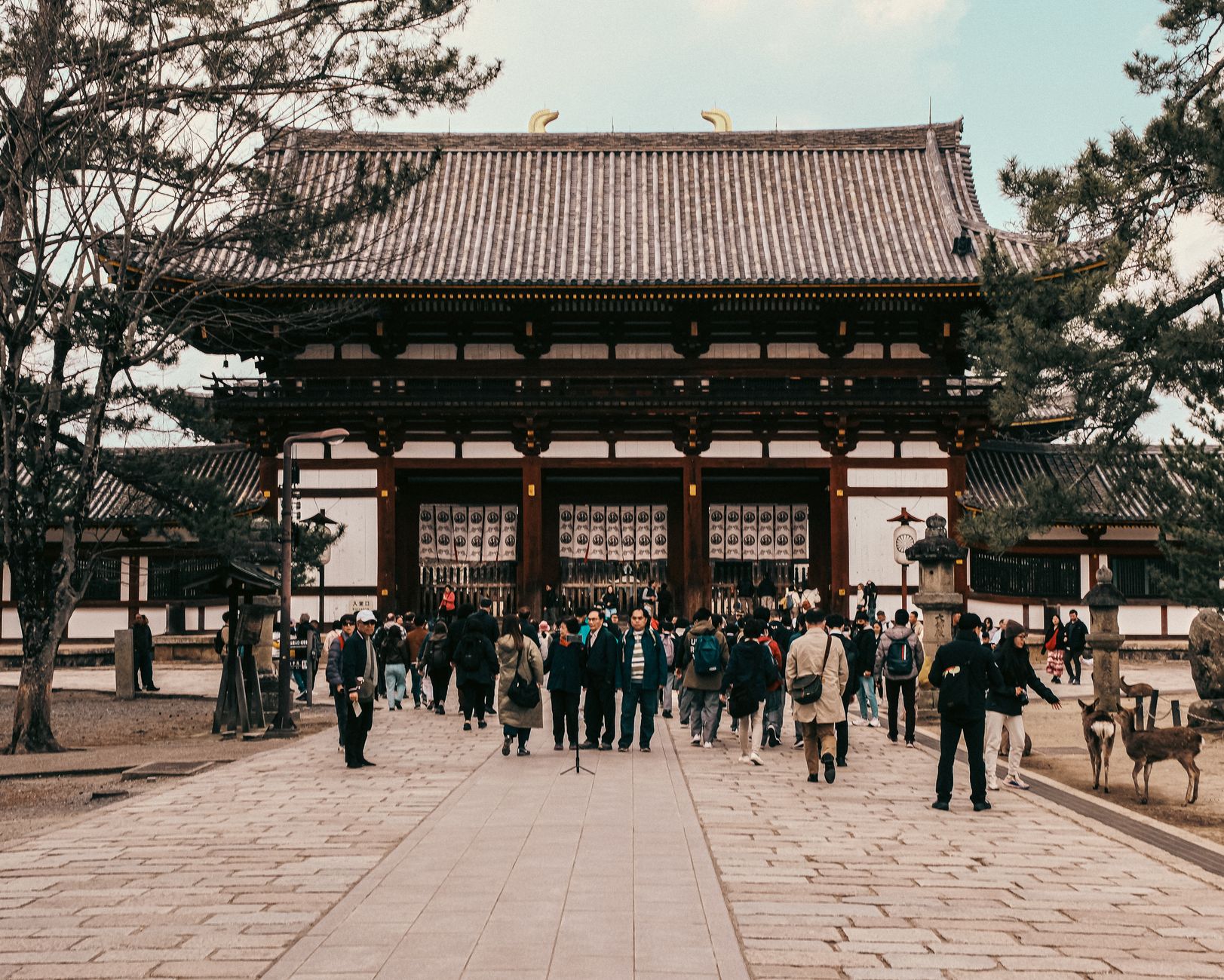
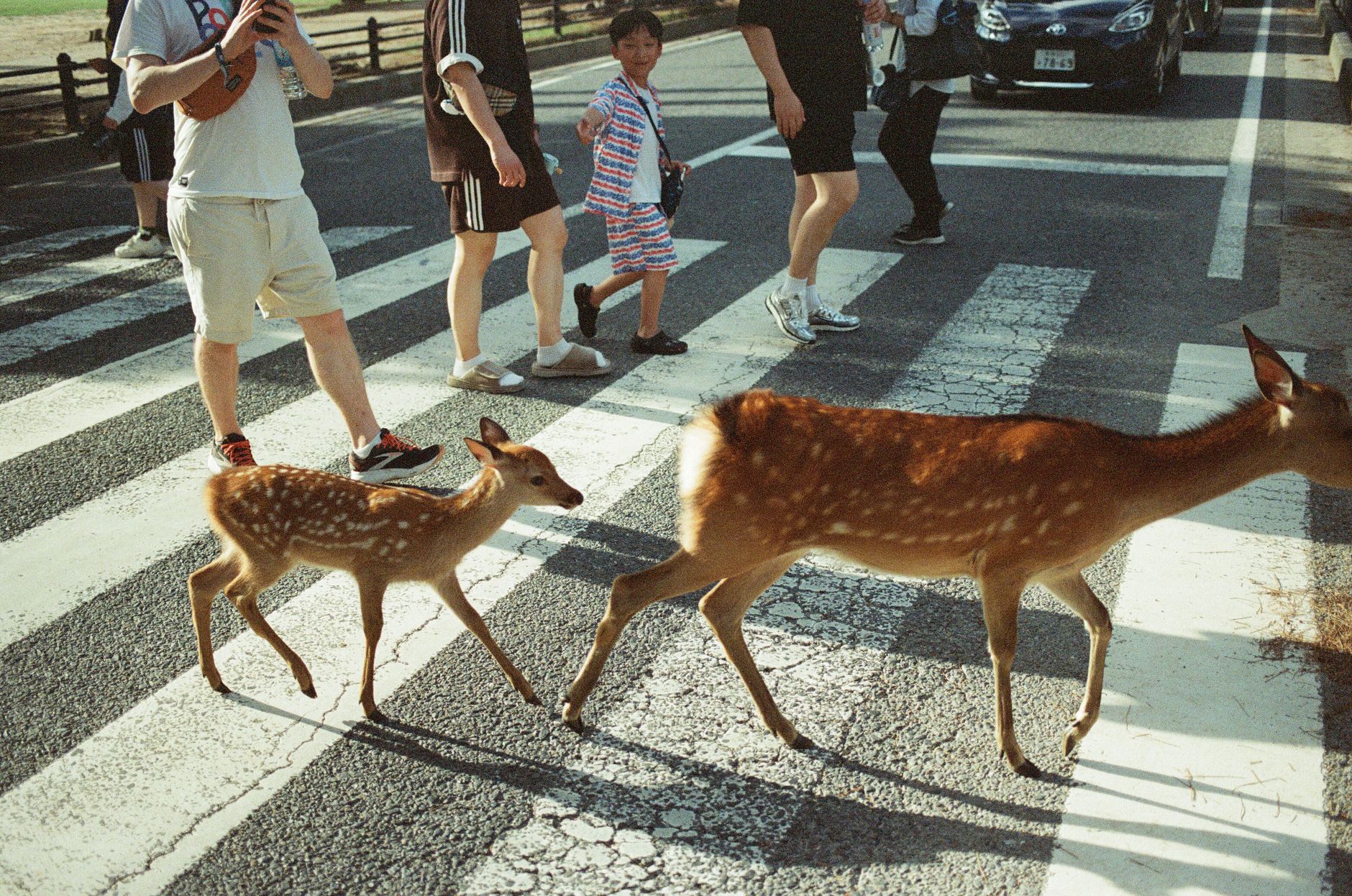
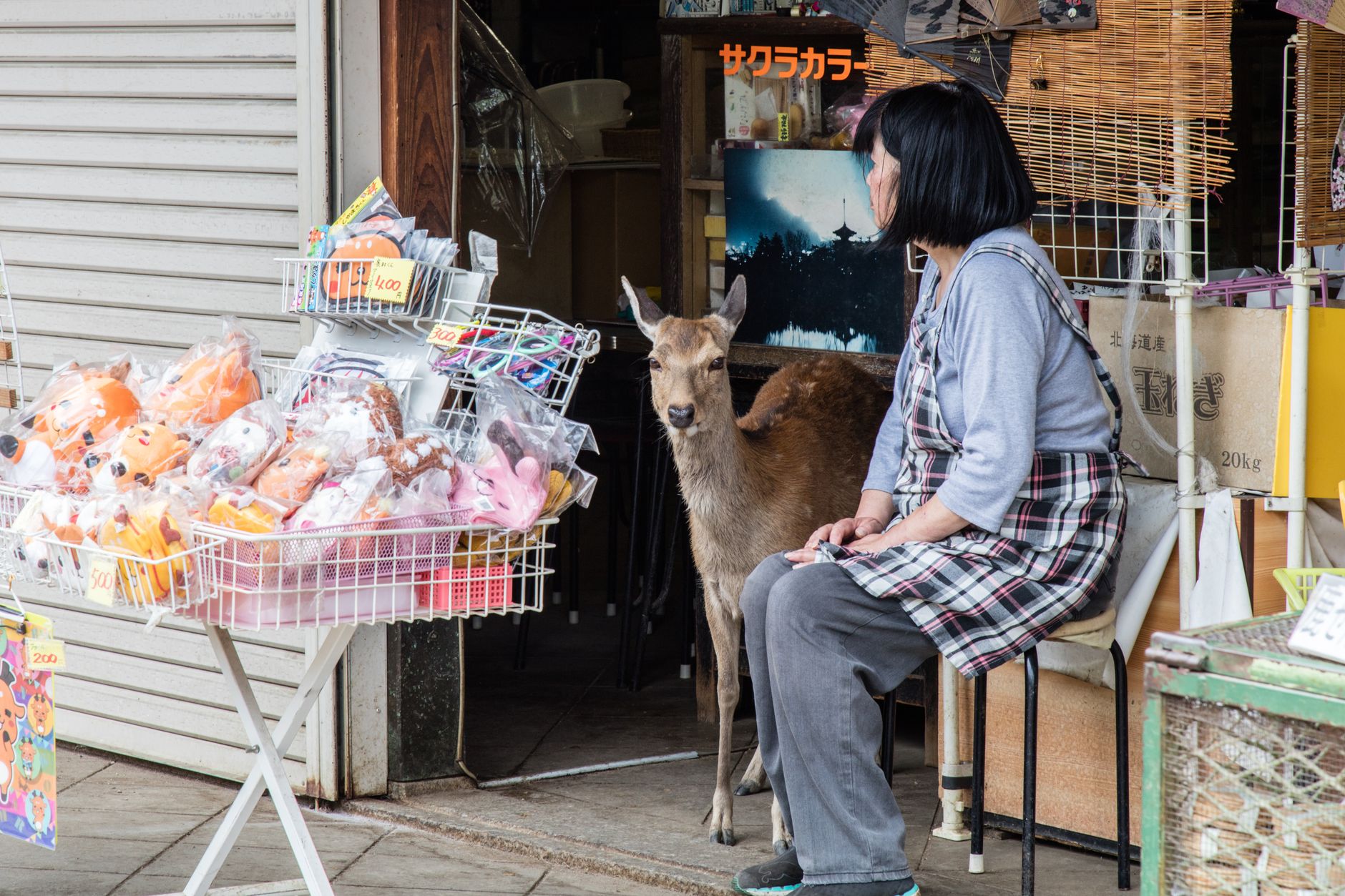
The first thing you notice in Nara is that the deer don't move for you. Over a thousand of them roam the park and the approaches to the temples, indifferent to cameras, unhurried by crowds. They've been here, more or less, since the 8th century, when this city was the capital of Japan and the centre of its Buddhist world.

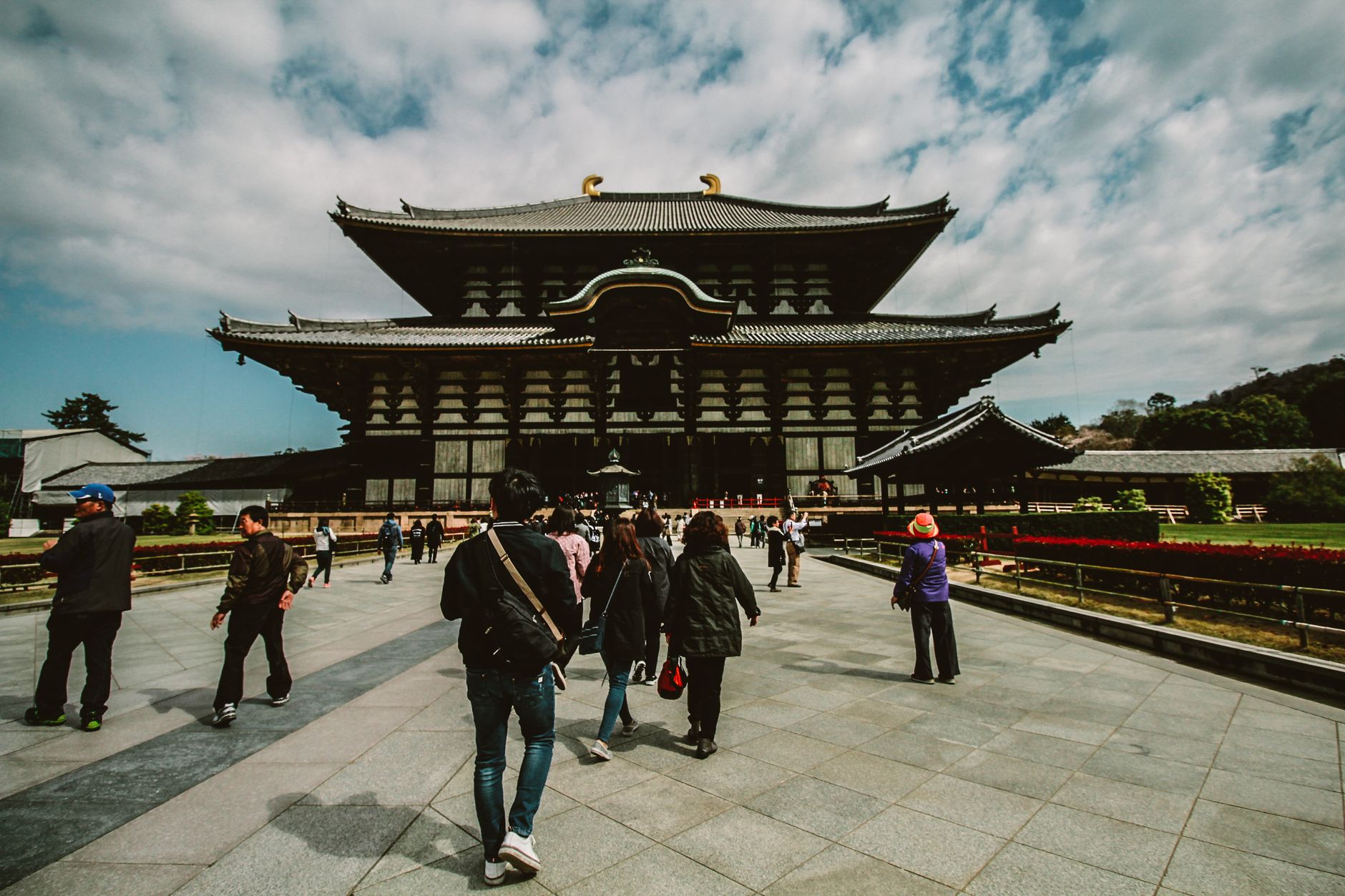
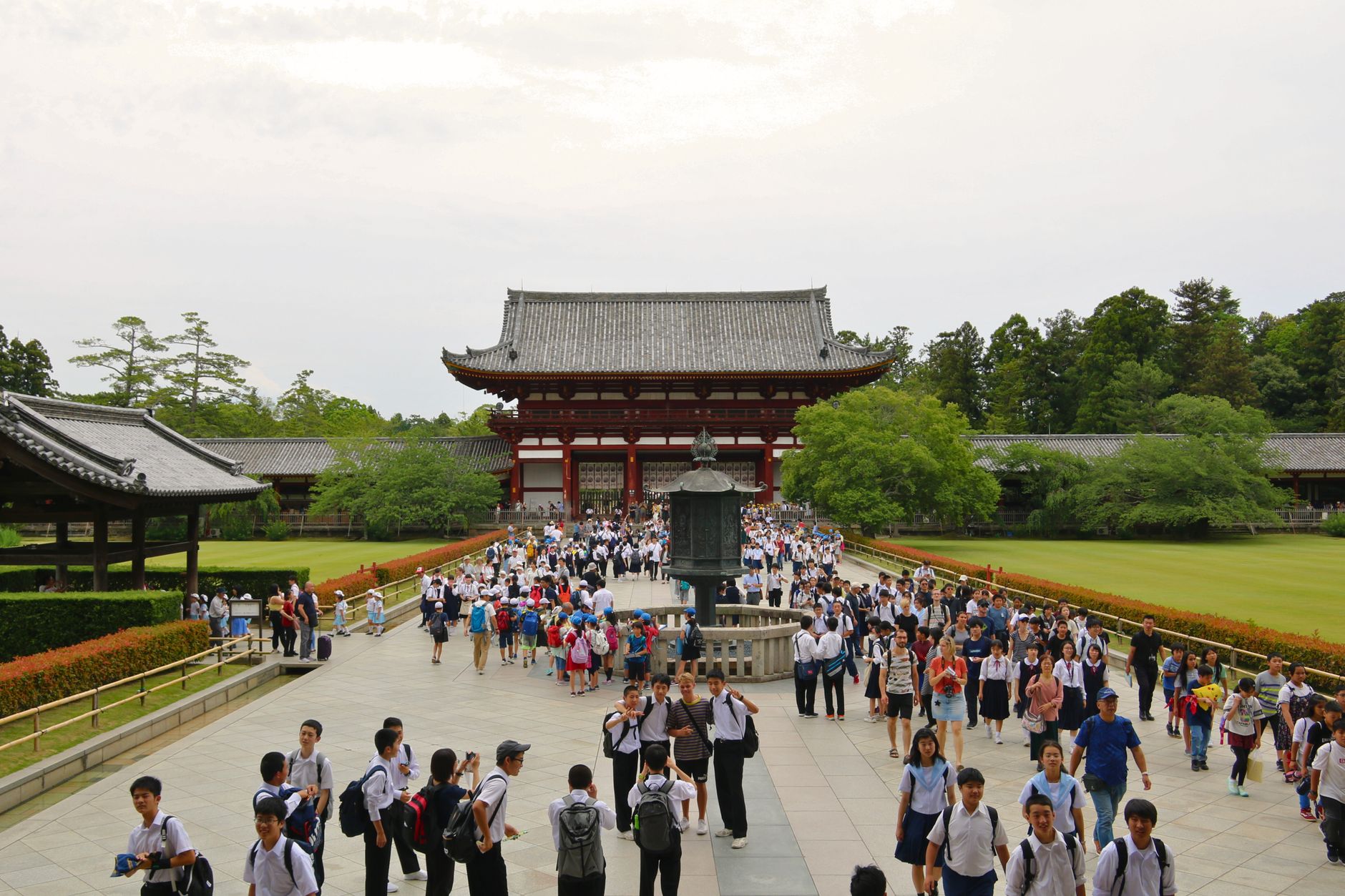
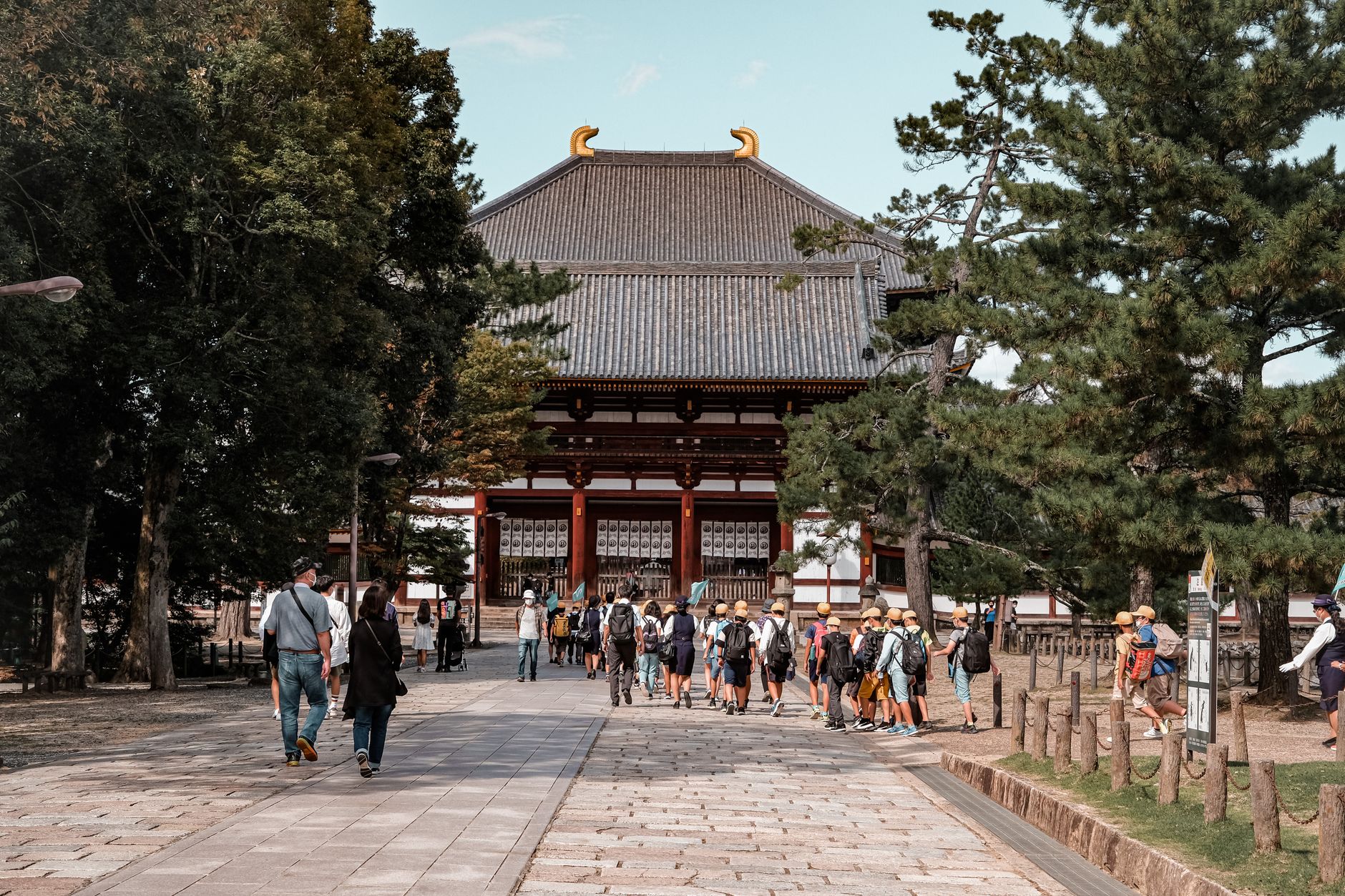
Nara rewards a slower pace than most day-trippers allow it. The UNESCO-listed temple complexes are genuinely ancient — Tōdai-ji's Great Hall still holds the record as the largest wooden structure on earth — and the grounds between them are wide enough to breathe in.

Good to know
Both Kyoto and Osaka are just over 30 minutes away by train — Kintetsu limited express from Kyoto (35 min, 1,280 yen) is the fastest option, though not JR Pass-covered. The main sites cluster around Nara Park, all walkable from either station. Budget at least four to five hours.
The story

How Nara came to be

In 710 CE, by order of Empress Genmei, the imperial court moved to a newly built capital modelled on the Chinese city of Xi'an — streets laid out on a grid, the palace anchoring the northern end. For most of the 8th century, Nara was where Japan governed itself and shaped its Buddhist identity.

Emperor Shomu commissioned Tōdai-ji and its Great Buddha in the 740s, partly as an act of state prayer after smallpox and failed harvests had shaken the country. The bronze image, consecrated in 752, stands 14.7 metres tall. By 784, the growing political influence of Nara's monks prompted Emperor Kammu and the Fujiwara clan to move the capital north to what would become Kyoto — but the temples stayed, and so did the deer.

People & landmarks

Who and what shaped it

People who shaped it

Empress Genmei
Ordered the relocation of the imperial court to Nara in 708 CE, establishing it as Japan's first permanent capital.
Emperor Shomu
Directed the construction of Tōdai-ji Temple and its Great Buddha in the 740s as an act of state prayer after smallpox and crop failures.
Emperor Kammu
Moved the capital from Nara to Kyoto in 794 due to the growing political influence of Buddhist monks.
Unkei and Kaikei
Sculptors who created the guardian statues at Nandaimon in 1203.
Tatsuno Kingo
Designed the Nara Hotel in 1909, blending modern and traditional Japanese architectural styles.

Landmark buildings

Tōdai-ji Temple
Founded 738 CE, opened 752 CE; houses the Great Buddha (14.7m tall, completed 749) and the world's largest wooden structure, the Great Hall (57m long).
Kōfuku-ji Temple
Contains a five-story pagoda, the second tallest in Japan at 50 meters.
Gangō-ji Temple
One of Japan's oldest and most important Buddhist temples; reconstructed in Nara after the capital relocated from Asuka.
Yakushi-ji Temple
Founded late 7th century to commemorate the recovery of Emperor Tenmu's sick wife.
Kasuga Shrine
Historic shrine, part of the UNESCO World Heritage Site Historic Monuments of Ancient Nara.
Heijō Palace
Restored buildings and south gate from the 8th-century imperial palace; demonstrates the scale of ancient Nara's grandeur.
Practical

Plan your visit

On the map

When to go

Spring (late March to early April) brings cherry blossoms and considerable crowds; autumn (October to November) turns the park's maples deep red and is arguably the best time to visit. Summers are hot and humid; winters are cold but manageable and far quieter.

Right now

28°C
Partly cloudy
Sat
🌧️
33°
26°
Sun
🌧️
32°
26°
Mon
🌧️
34°
25°
Tue
🌧️
35°
26°
Weather data: Open-Meteo

Background & history adapted from Wikipedia (CC BY-SA) · specs from Wikidata (CC0) · weather from Open-Meteo · map data © OpenStreetMap contributors · photos from Wikimedia Commons / Unsplash with per-image credit. No third-party reviews or social posts reproduced.

Top