
Nagasaki
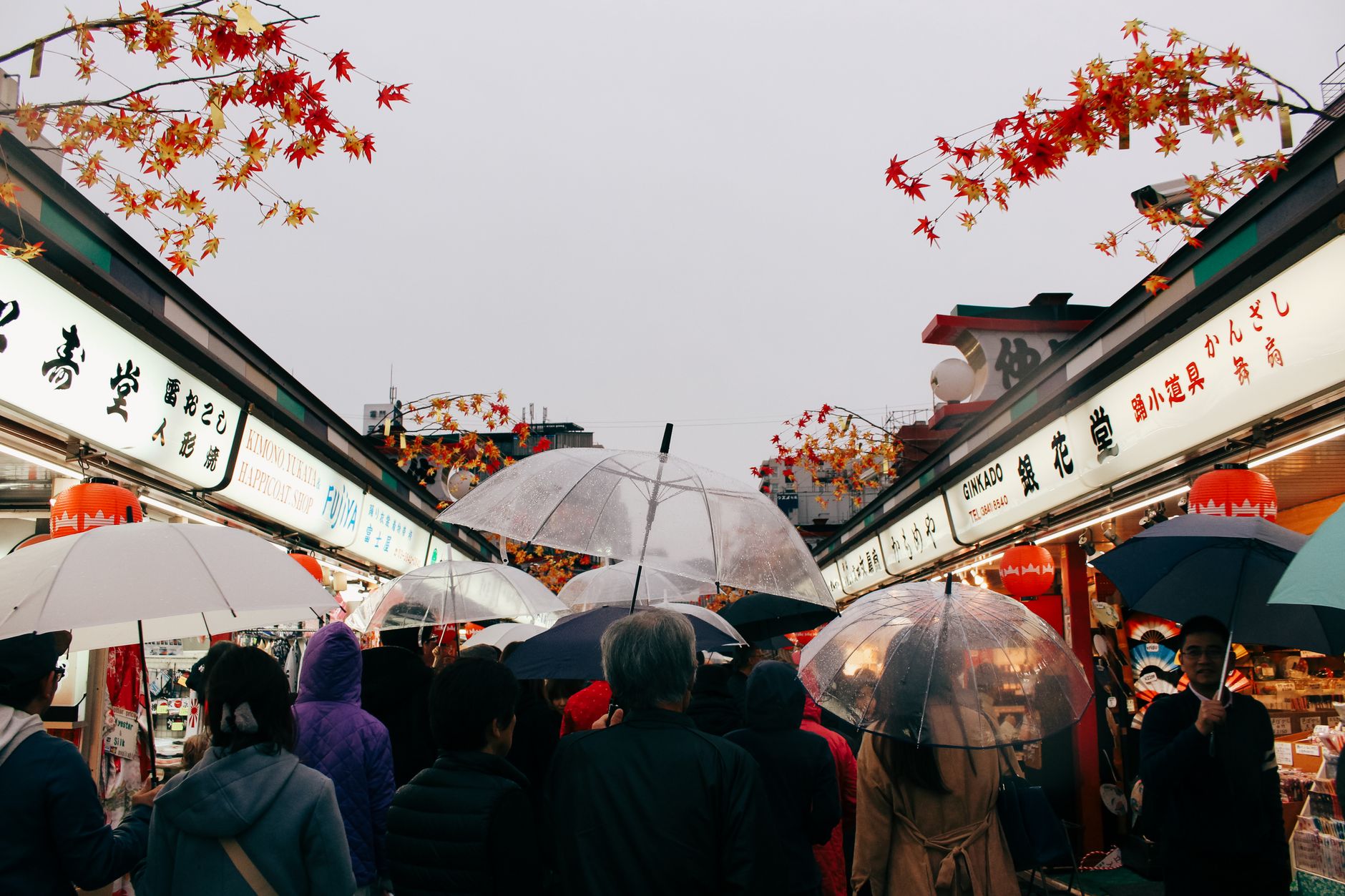
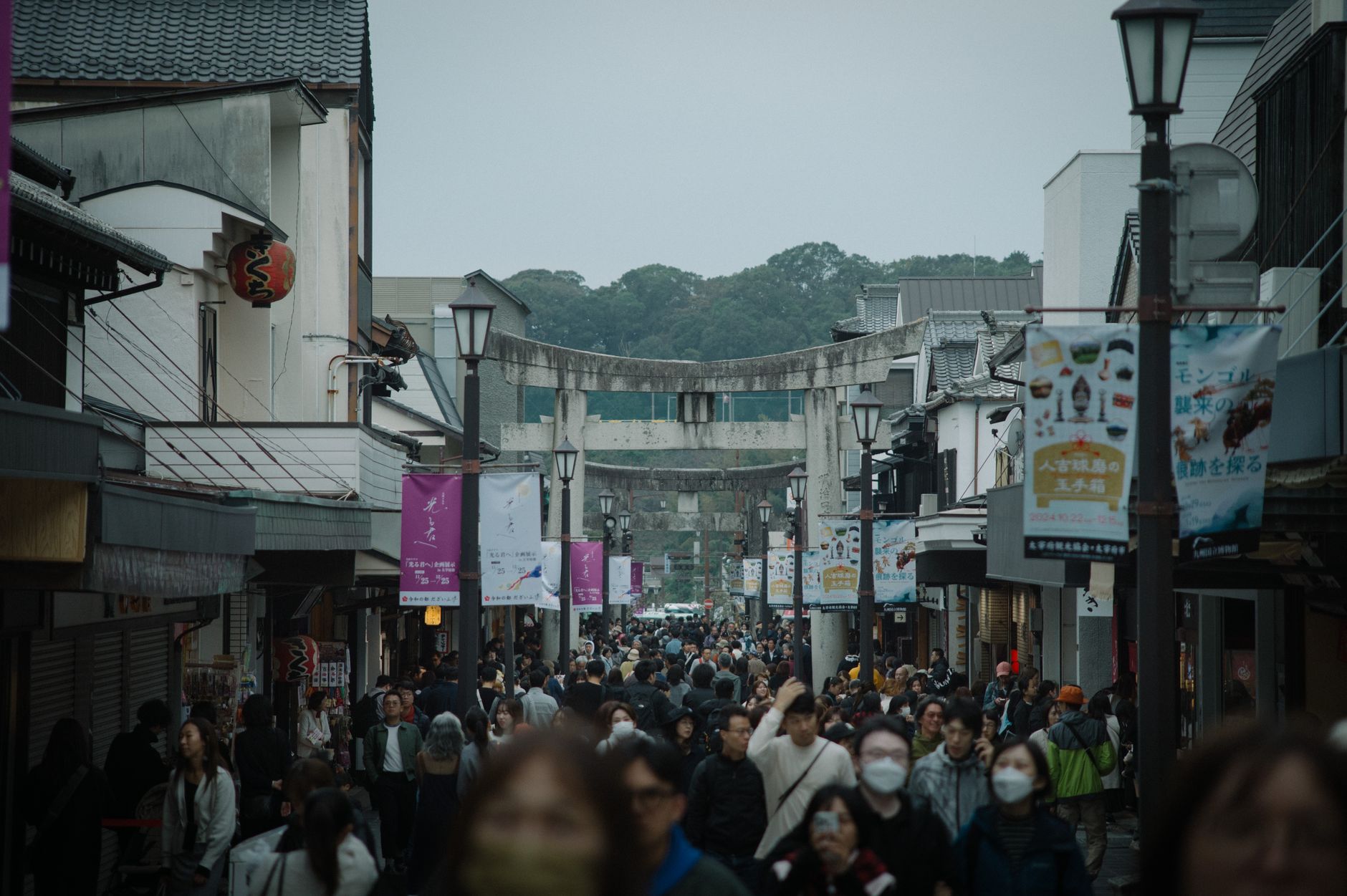
Nagasaki sits at the end of a long inlet on Kyushu's western coast, and the city's whole character follows from the fact that it faced outward for centuries when the rest of Japan did not. From 1641 to 1858 it was the country's only legal port of foreign trade — a narrow aperture through which Dutch merchants, Chinese traders, and a handful of others passed while the rest of the world was kept at arm's length.
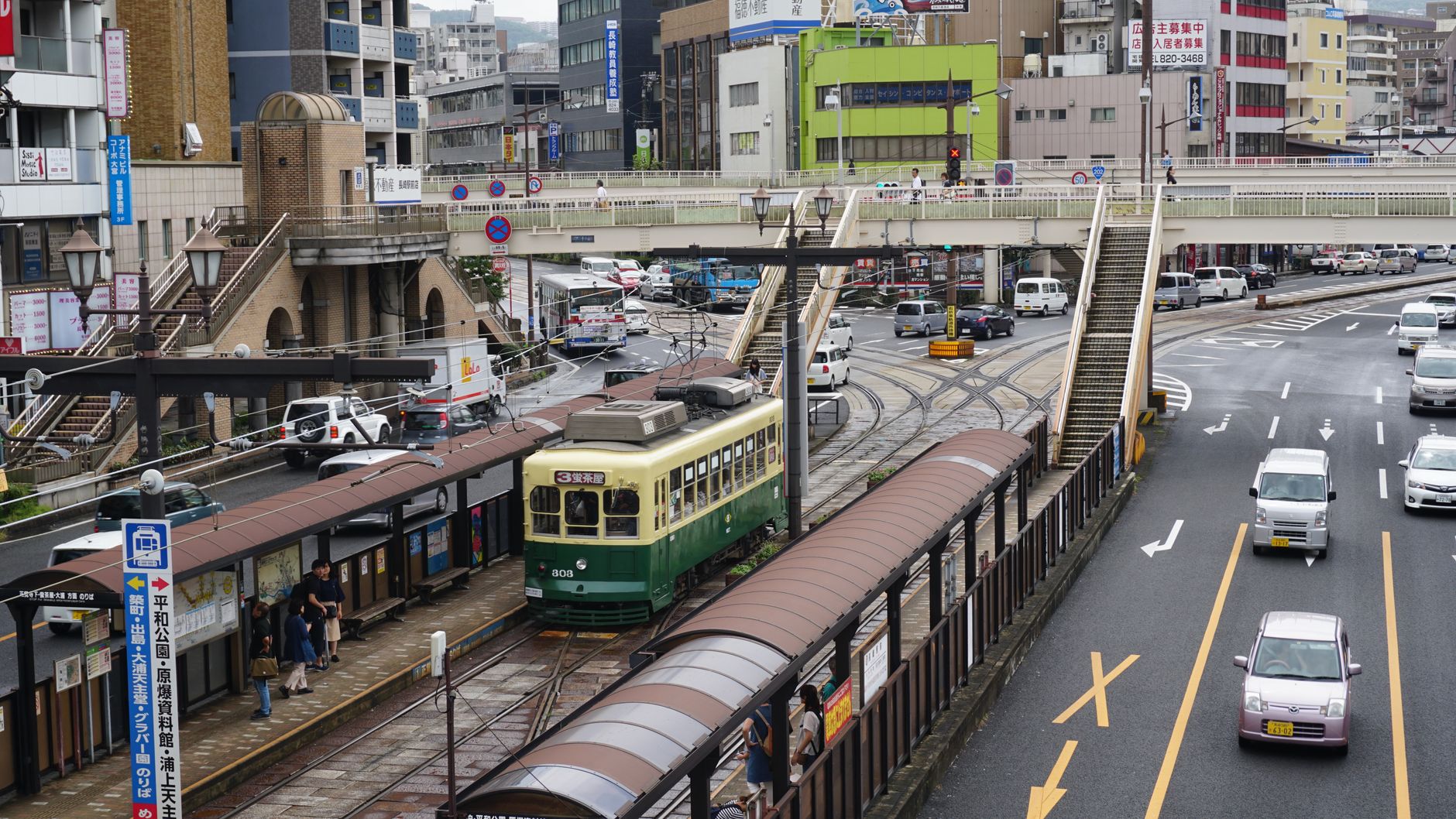
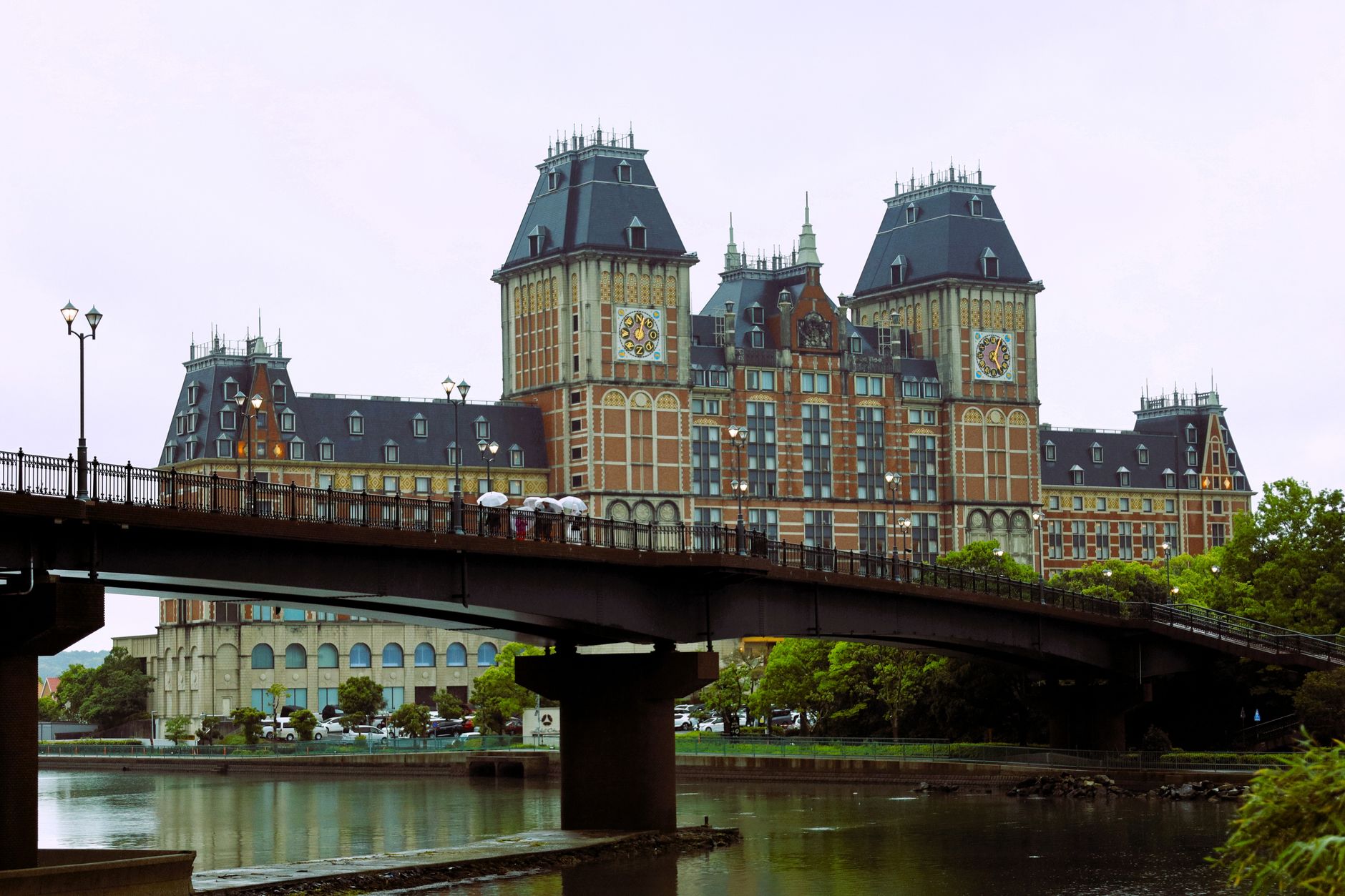
That layered history is still visible at street level: a Chinese temple built in 1629, a Gothic wooden church, a reconstructed Dutch trading island, trams running since 1915. And then there is August 9, 1945, which Nagasaki carries without theatre — in memorials, in the Peace Park, in the way locals speak of it plainly.
How Nagasaki came to be
The port was established in 1571 under the watch of a Portuguese captain-major and a Jesuit missionary, with local lord Ōmura Sumitada's backing. It became a centre of Japanese Christianity almost immediately — and just as quickly a site of persecution: in 1597, twenty-six Catholics were crucified here. The Tokugawa shogunate eventually sealed the country, but kept Nagasaki open as a controlled window, confining Dutch traders to the artificial island of Dejima and permitting Chinese merchants in a designated quarter.
Scottish entrepreneur Thomas Glover arrived in 1859 when the port reopened as a free port, and his dealings in ships and weapons helped seed what became the Mitsubishi shipyards. German physician Philipp Franz von Siebold had arrived decades earlier, in 1823, teaching Western medicine to Japanese students from his post at Dejima. The city's industrial and intellectual significance made it a secondary target on August 9, 1945; the atomic bomb killed an estimated 40,000 people immediately and around 70,000 by year's end.
Who and what shaped it
People who shaped it
Landmark buildings
See Nagasaki in motion
Plan your visit
On the map
When to go
Winters are mild by Japanese standards, spring runs warm and clear with cherry blossoms peaking around the end of March, and summer is hot and humid with temperatures reaching 35°C. If you can, come in April or early May before the heat and summer rains settle in.
Right now
Background & history adapted from Wikipedia (CC BY-SA) · specs from Wikidata (CC0) · weather from Open-Meteo · map data © OpenStreetMap contributors · photos from Wikimedia Commons / Unsplash with per-image credit. No third-party reviews or social posts reproduced.