
Osaka
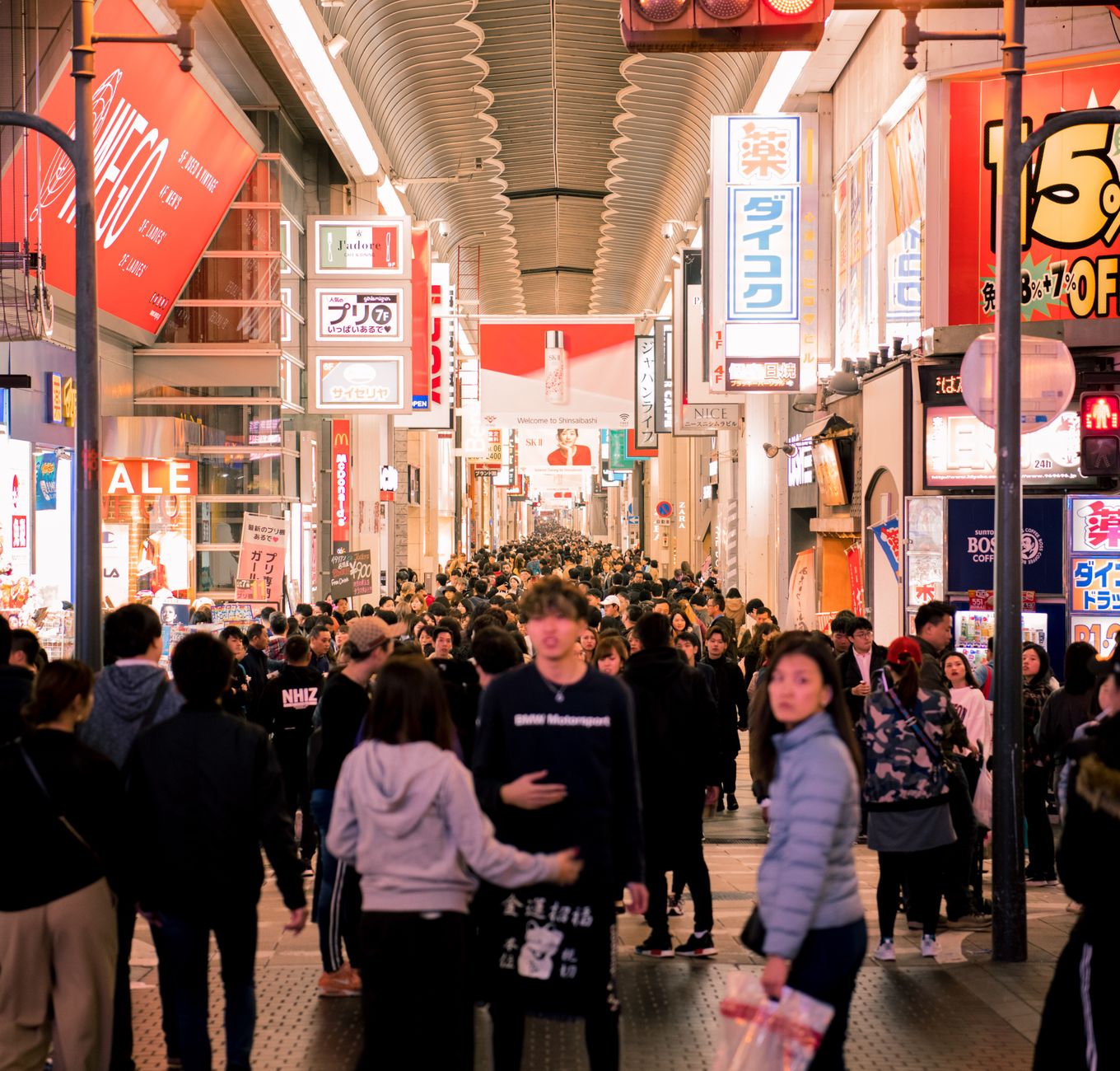
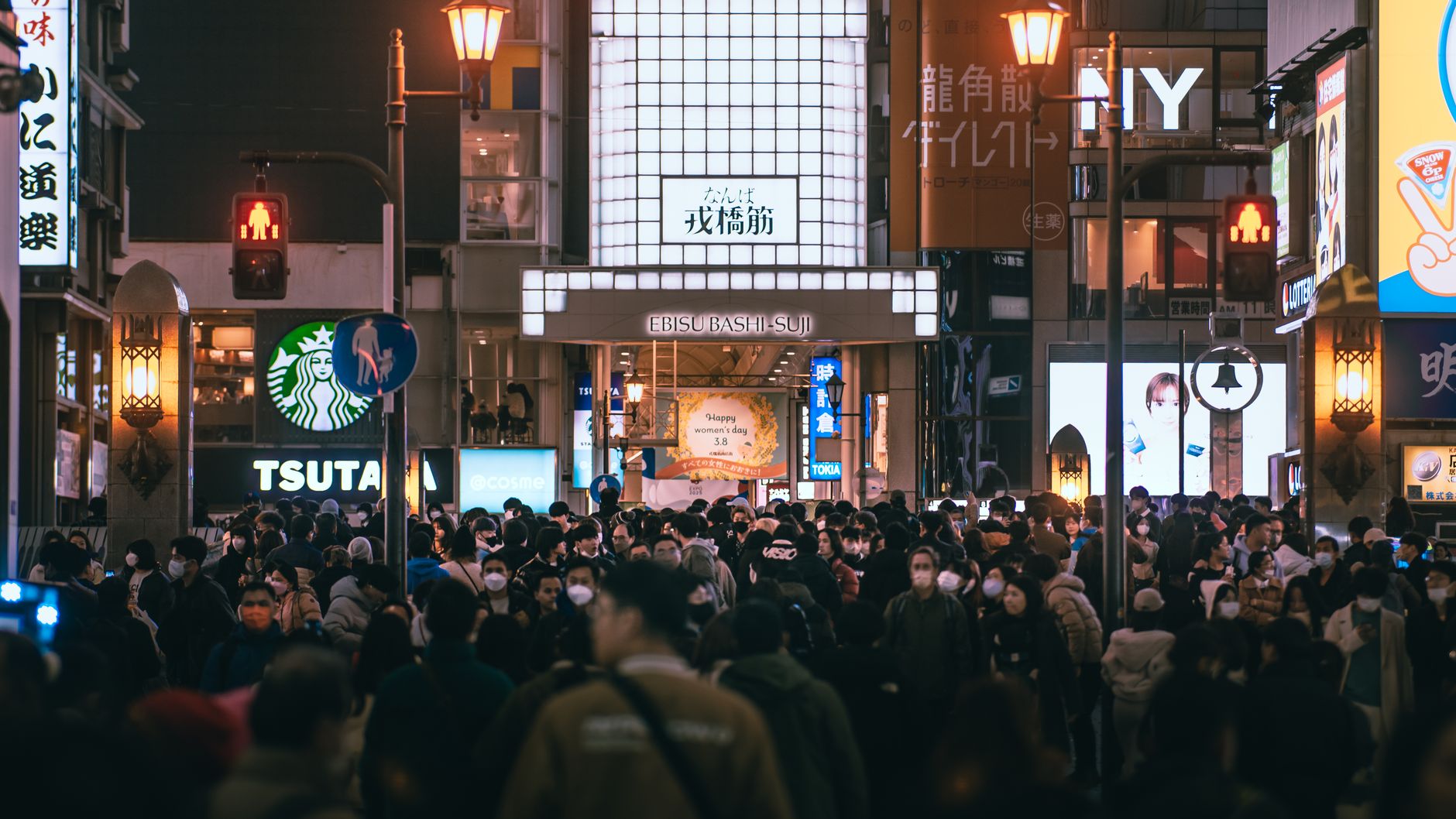
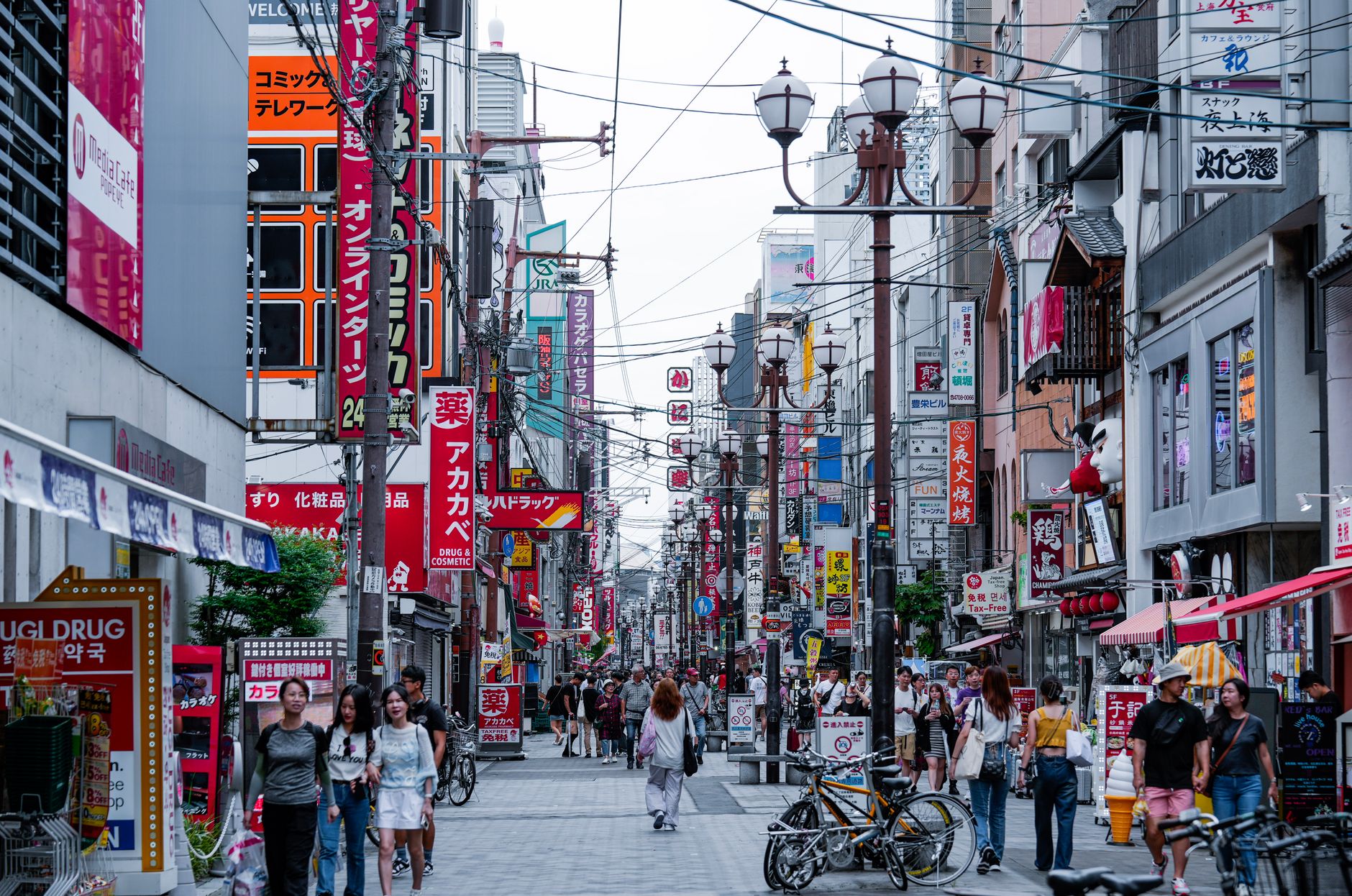
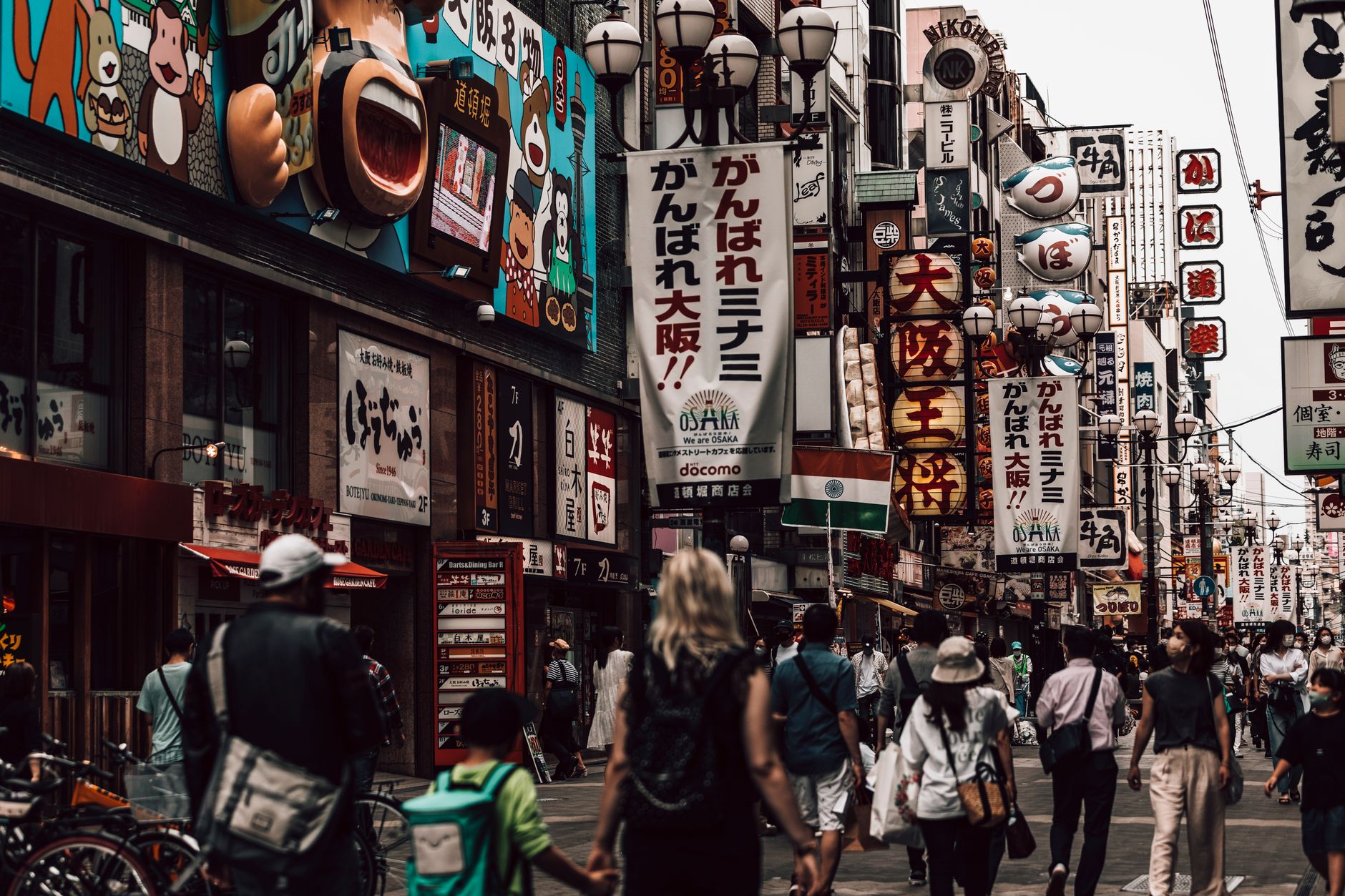
Osaka runs on a different frequency from the rest of Japan. Where Tokyo is precise and layered, Osaka is direct — people talk to strangers on trains, restaurant owners lean out to argue the merits of their takoyaki, and the city's unofficial motto translates roughly as 'eat until you ruin yourself.' It has been a merchant city since the Edo period, and that commercial frankness never left.
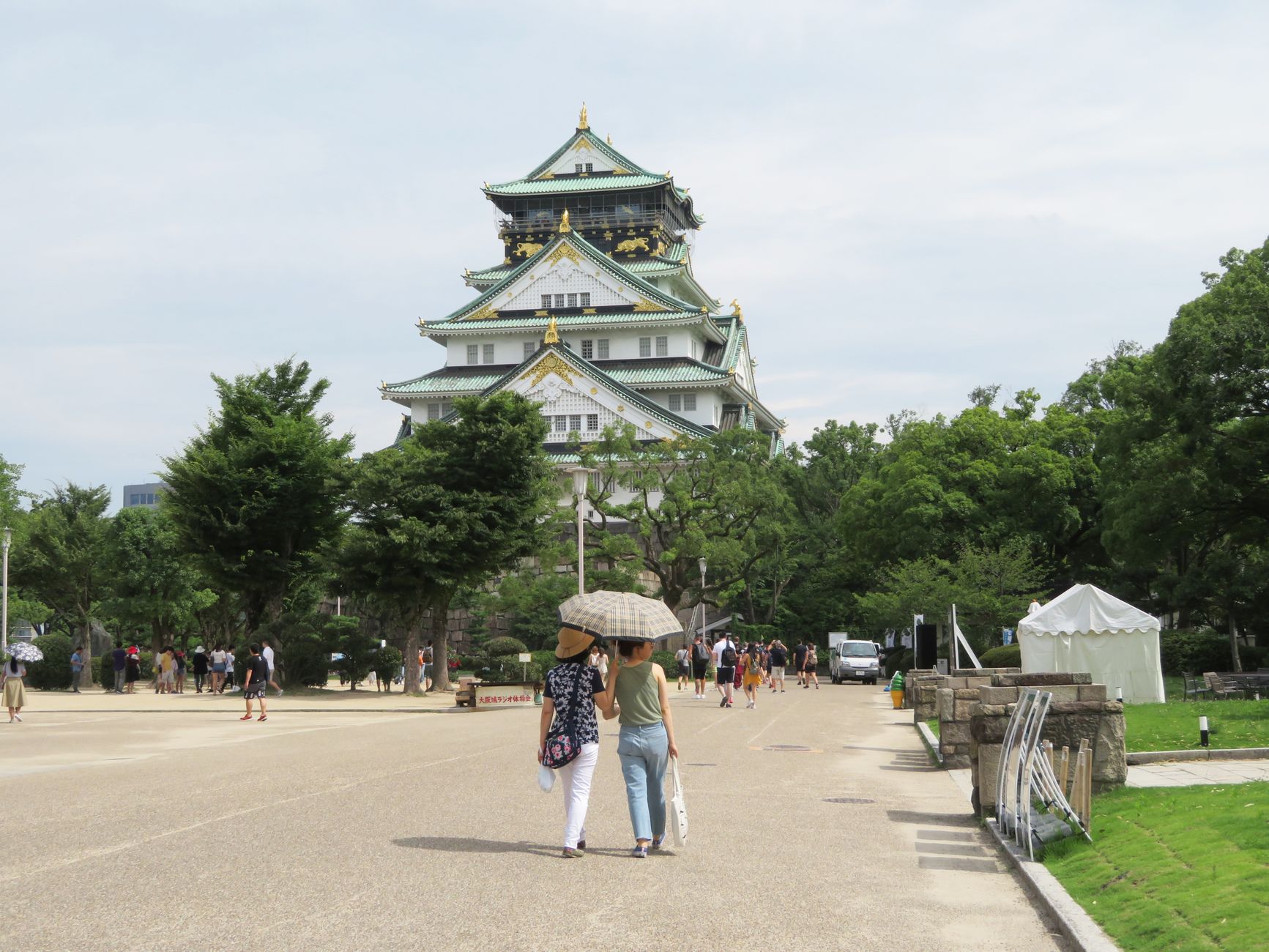
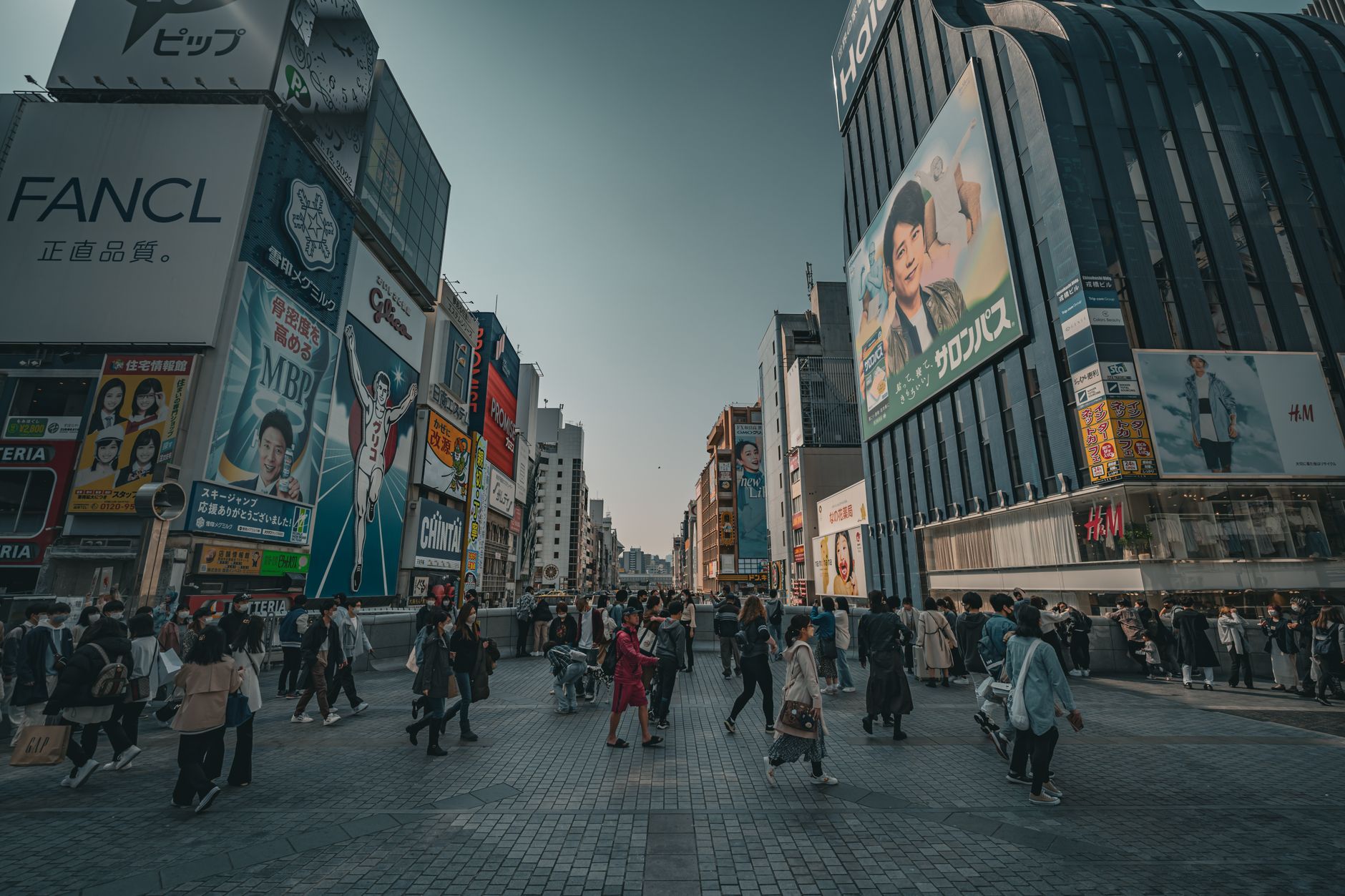
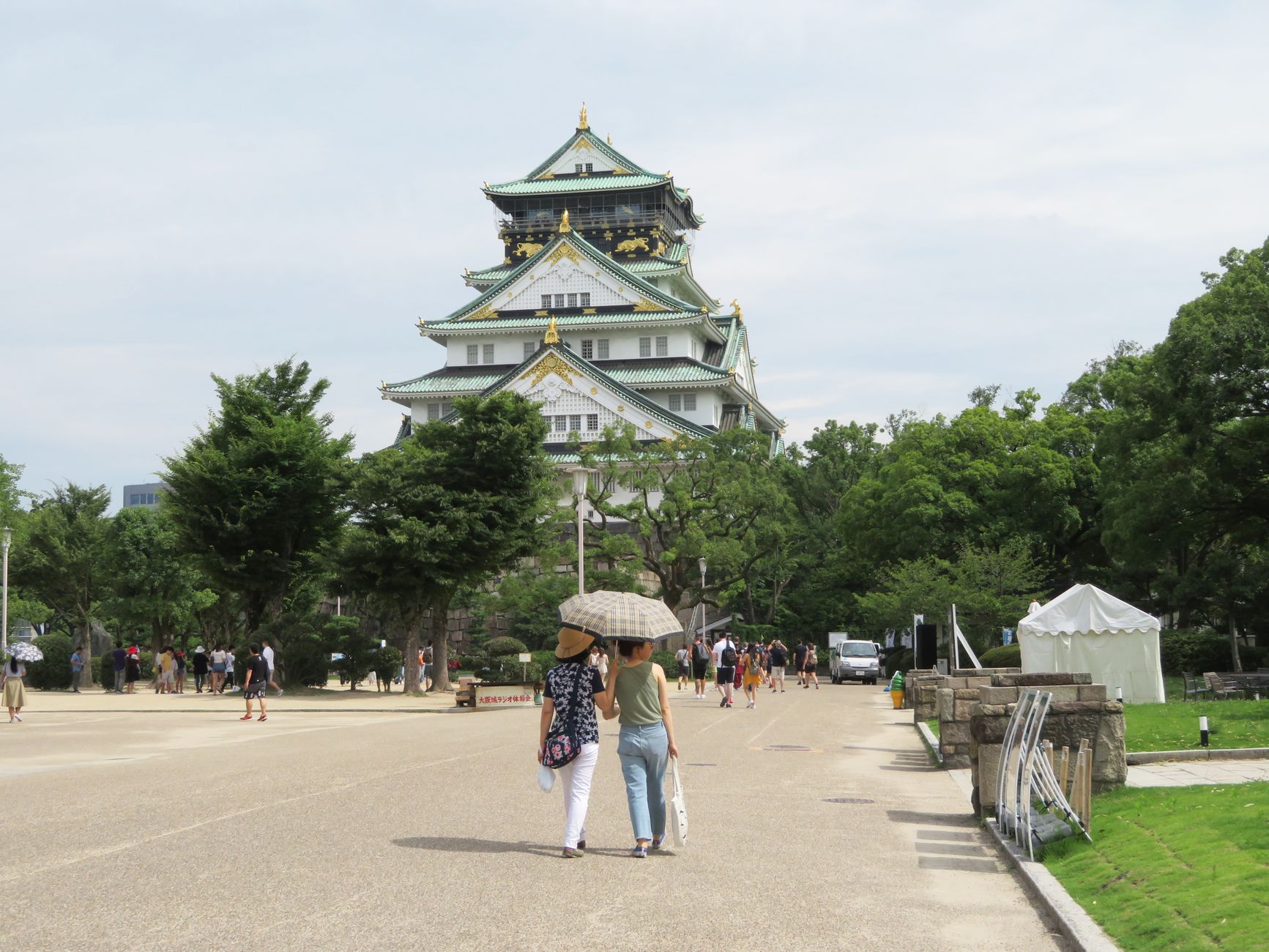
The city sits at the western end of the Kansai plain, connected by fast rail to Nara, Kyoto and Hiroshima, which makes it a natural base. But Osaka rewards the time you give it directly — the canal district of Dōtonbori, the grounds of Osaka Castle, the low-slung temples of Shinsekai — rather than simply as a launchpad.
💛 What travellers fall for
People who come back tend to anchor themselves north or south: Umeda for the department-store labyrinth and the vertiginous walkway of the Umeda Sky Building, or Namba for late nights and cheaper ramen. The Osaka Loop Line becomes second nature fast — 19 stops, fares rarely above 260 yen, and it drops you almost everywhere you need.
How Osaka came to be
The city's oldest name, Naniwa — 'dashing waves' — points to its origins as a port. By the Kofun period it was already the most important harbour in Japan, and in 593 CE Prince Shotoku founded Shitennō-ji here, a temple that has been rebuilt after fires so many times that its current structure still follows the original sixth-century plan. The name Osaka itself appears only around 1492.
The city's modern shape was forged by Toyotomi Hideyoshi, the warlord who unified Japan and chose Osaka for his castle in 1583. When the Tokugawa shogunate later shifted its gaze east toward Edo, Osaka was left largely to its merchants — and they flourished, turning it into Japan's rice-distribution capital through the entire Edo period. In 1970 it hosted Asia's first World Expo.
Who and what shaped it
People who shaped it
Landmark buildings
See Osaka in motion
Plan your visit
On the map
When to go
Summers are hot and humid, often uncomfortably so from July into September; spring (March to May) and autumn (October to November) are the most comfortable seasons for walking the city. Winters are mild by Japanese standards but occasionally wet.
Right now
↡ Cities
Background & history adapted from Wikipedia (CC BY-SA) · specs from Wikidata (CC0) · weather from Open-Meteo · map data © OpenStreetMap contributors · photos from Wikimedia Commons / Unsplash with per-image credit. No third-party reviews or social posts reproduced.