
Hakone
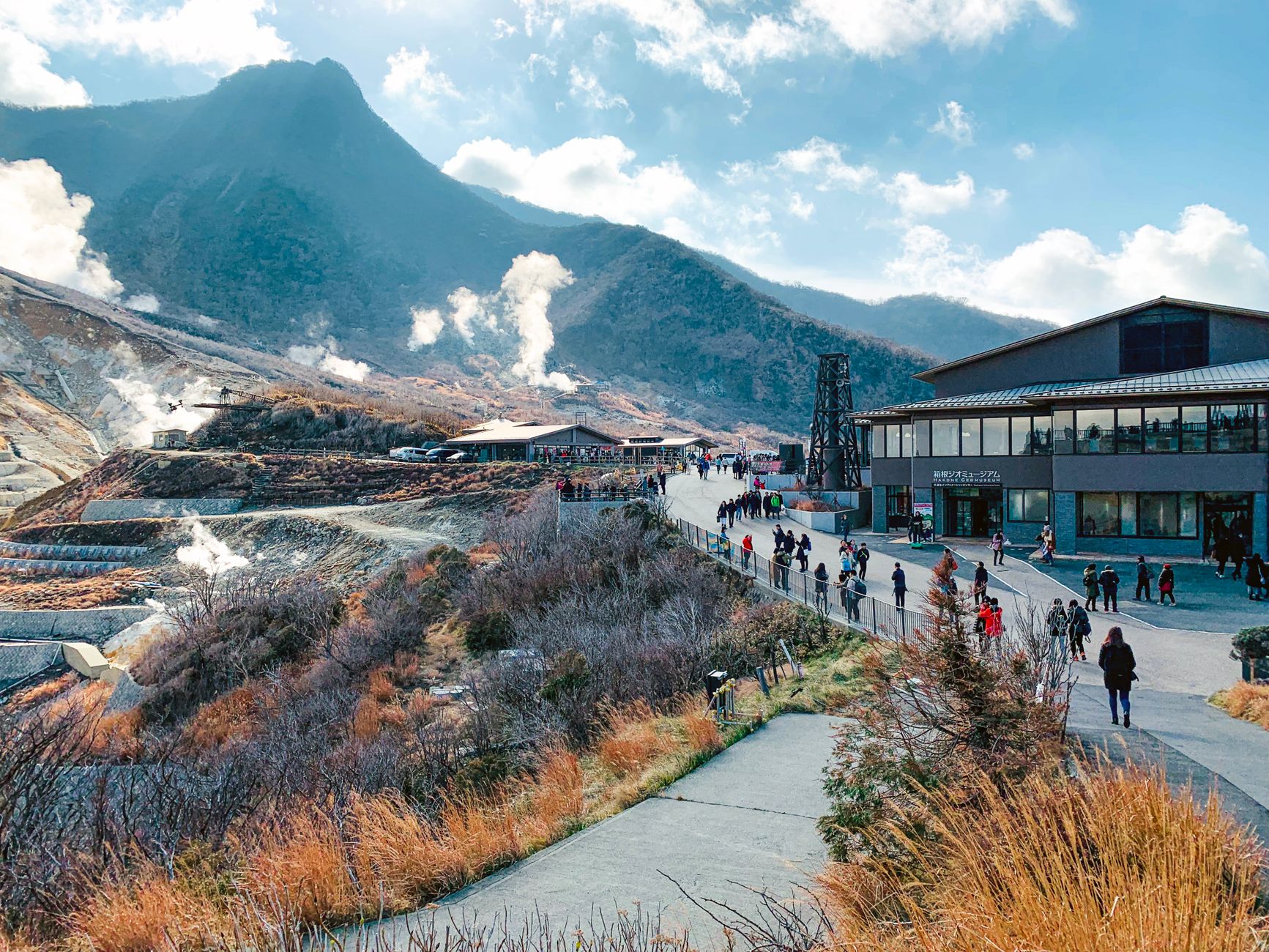
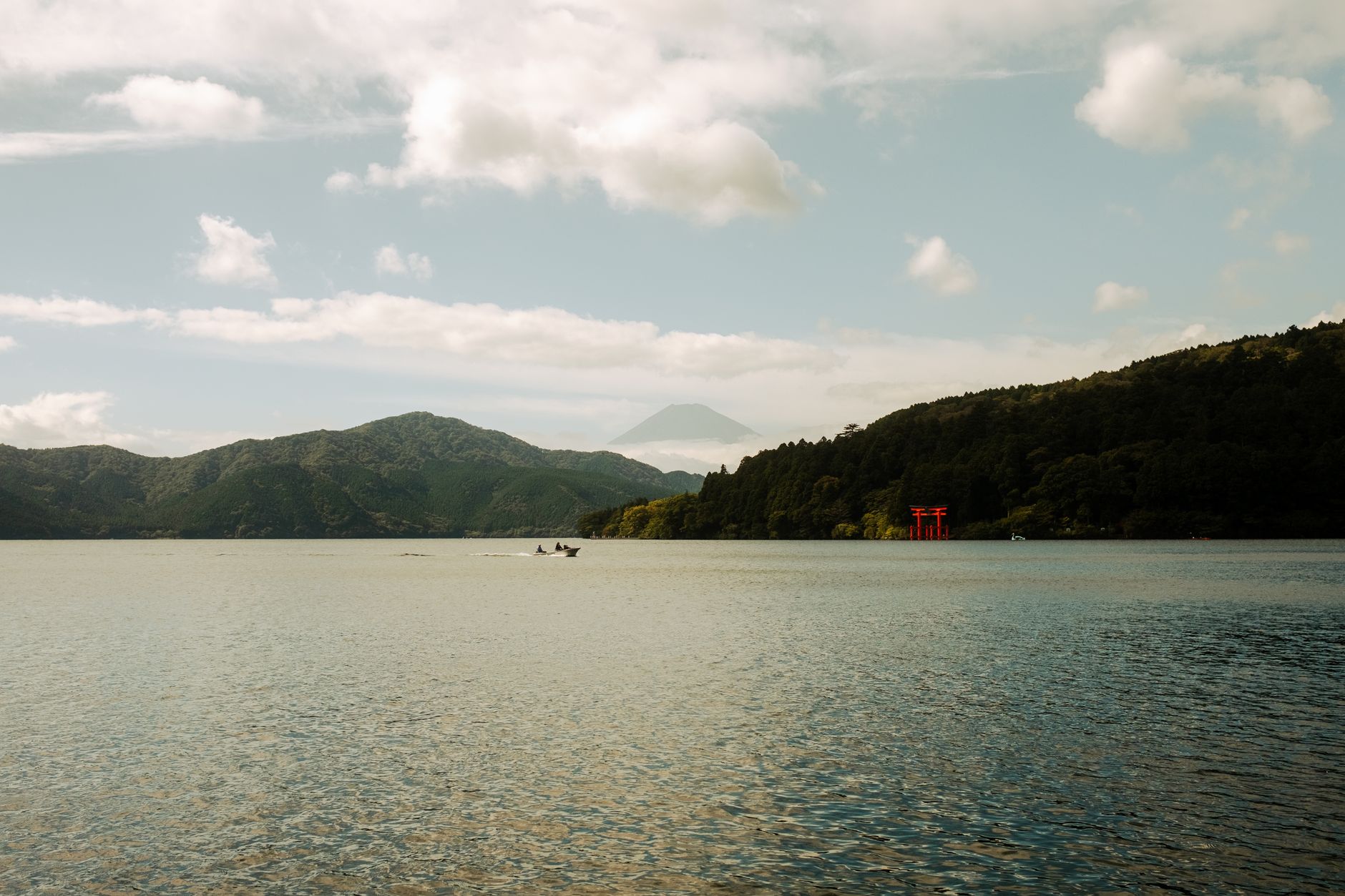
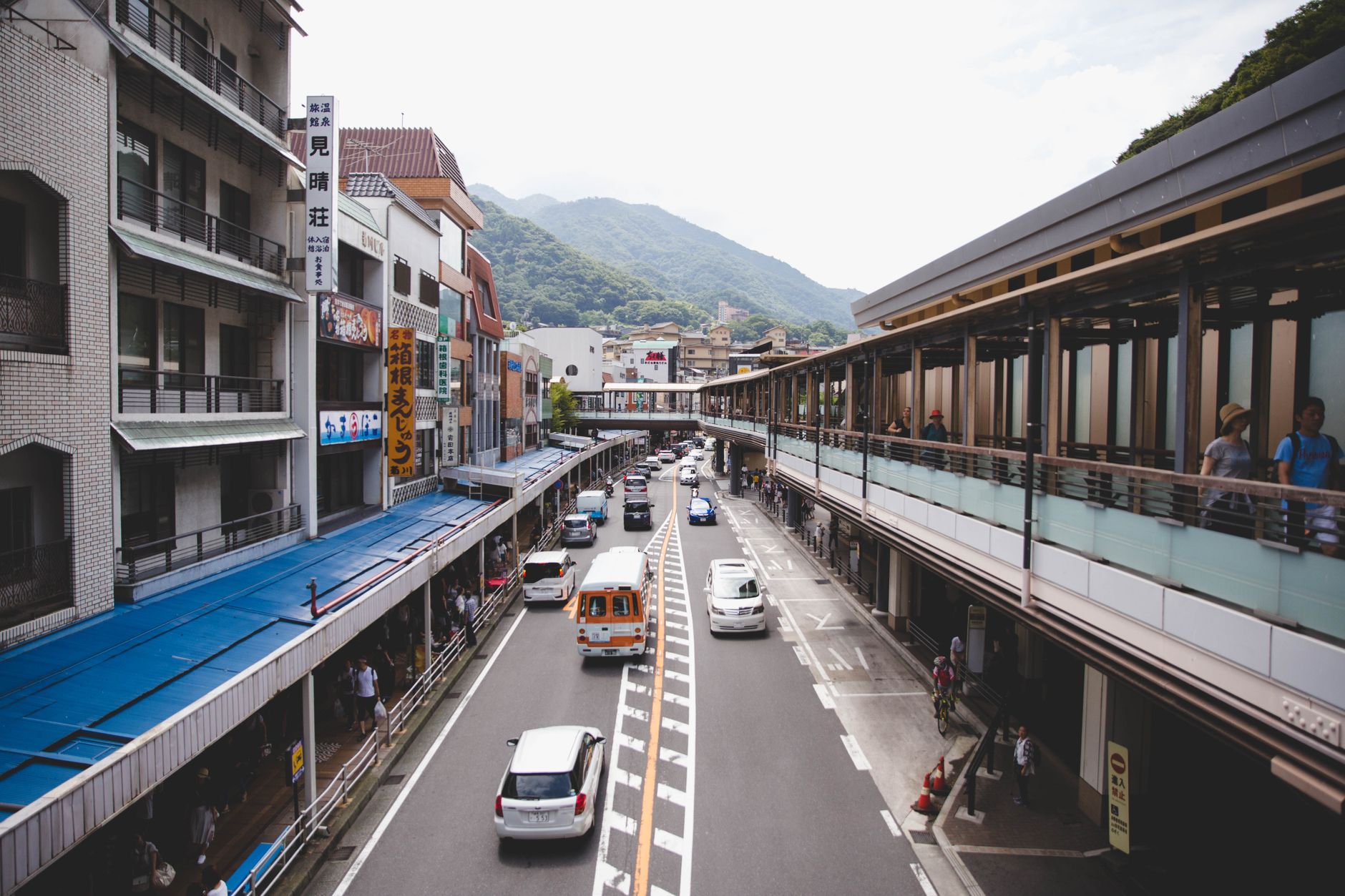
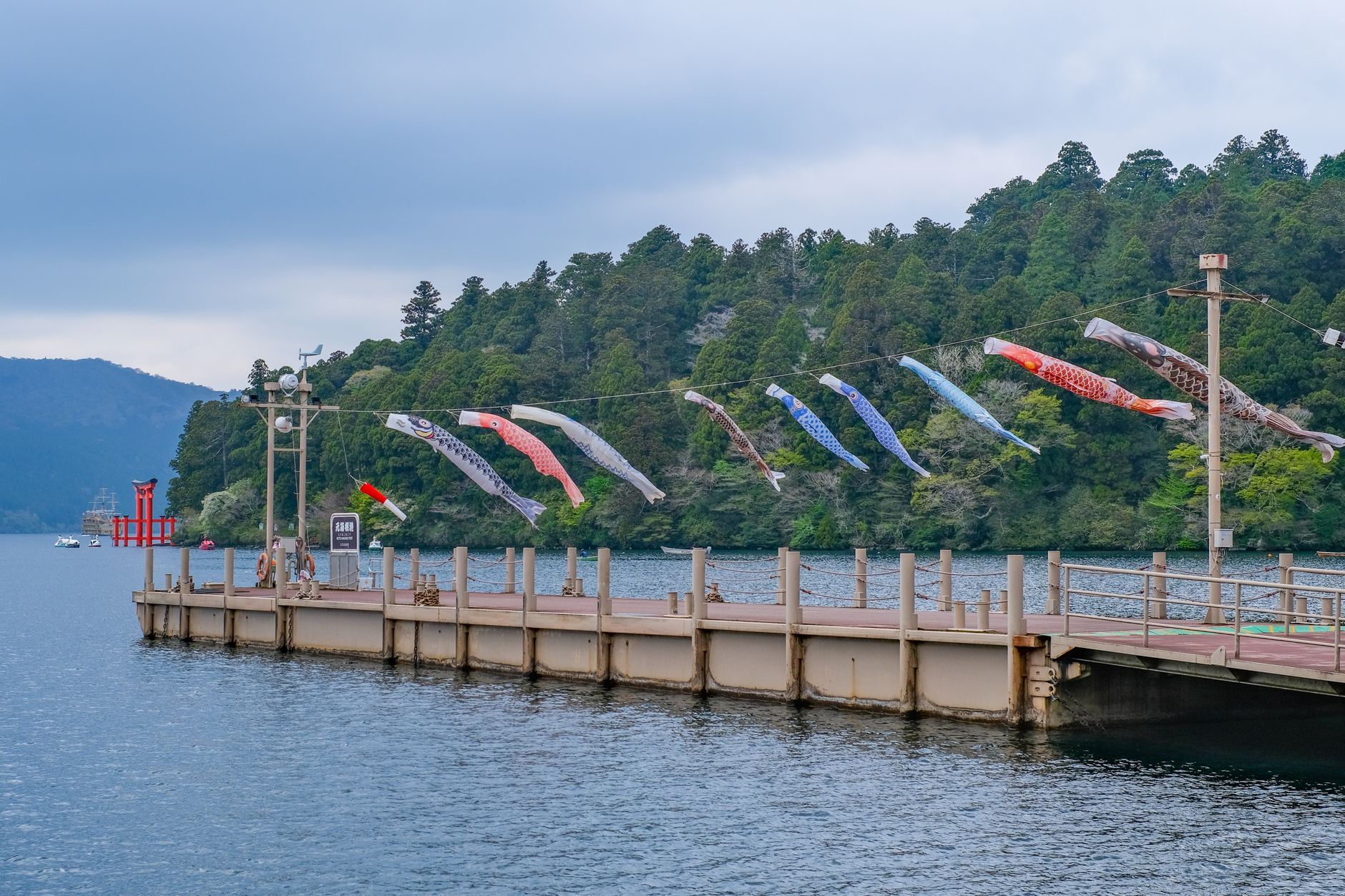
An hour and a half southwest of Tokyo, the ground is still warm. Hakone sits inside the caldera of a dormant volcano, and the evidence is everywhere: steam venting from grey rock at Ōwakudani, the sulphurous tang in the air, hot spring water running into inn pipes across the valley. Lake Ashi formed roughly 3,000 years ago when lava sealed a river, and on a clear morning the water holds a near-perfect reflection of Fuji.
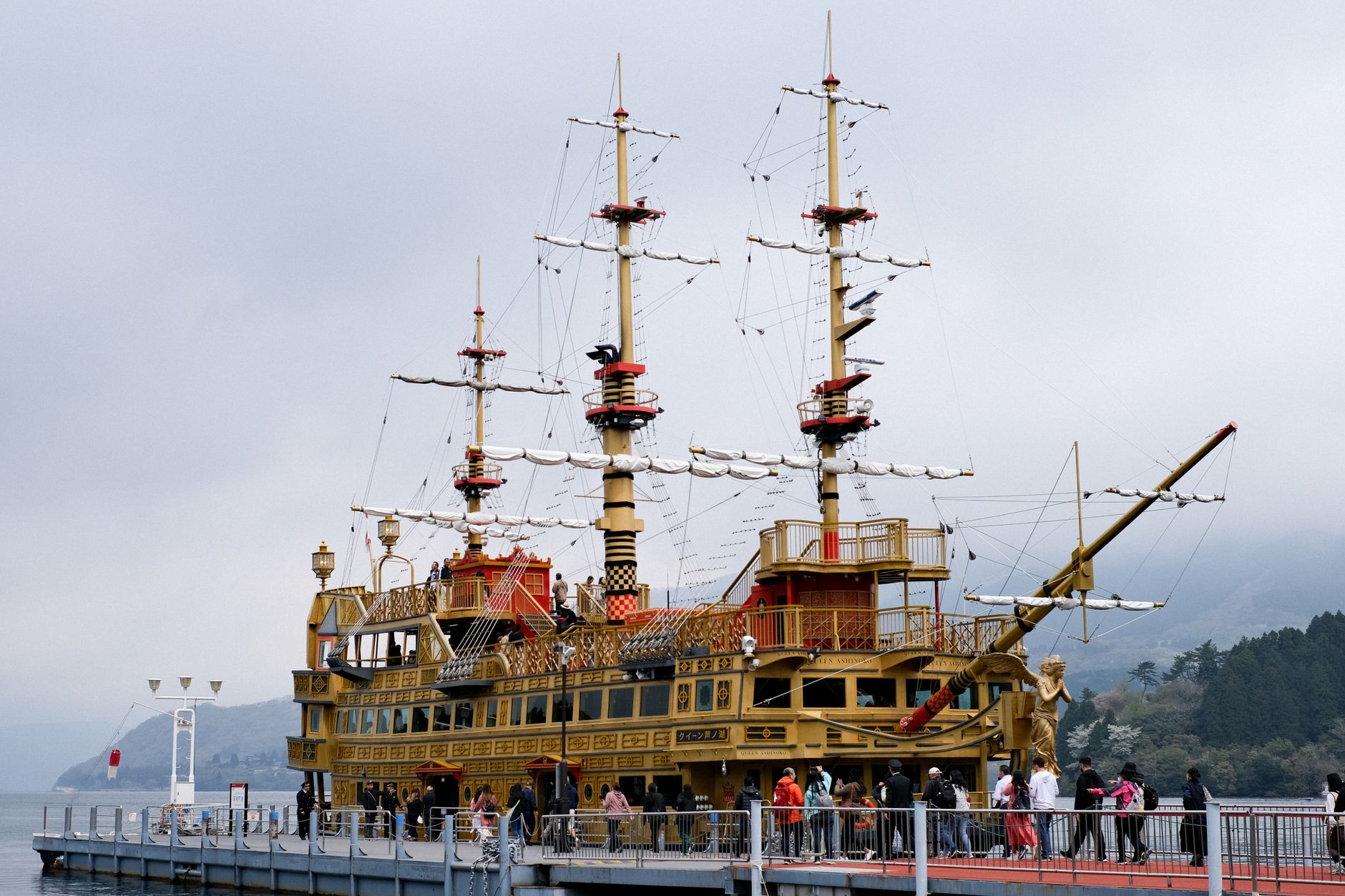
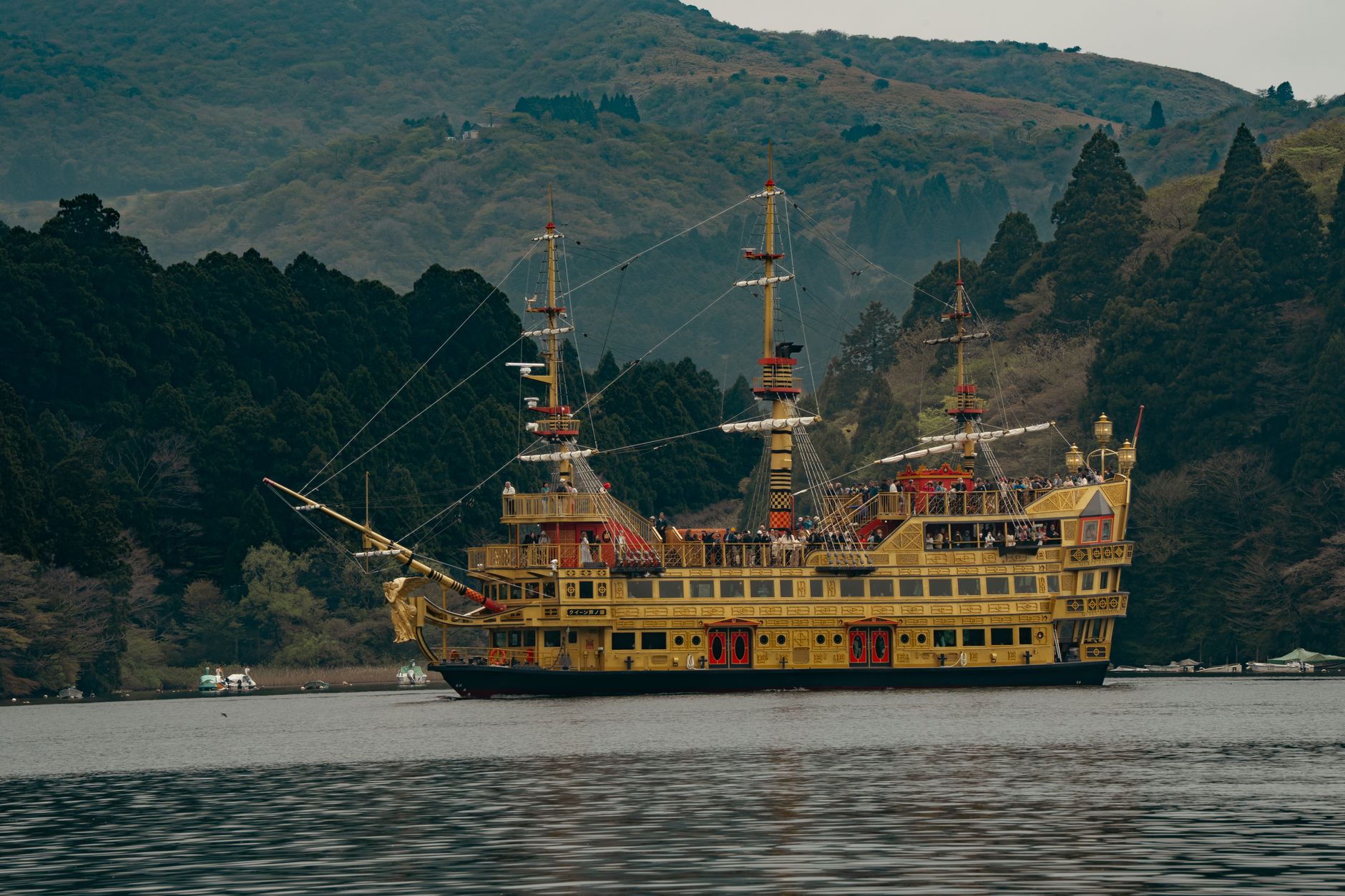
The region threads together a surprising range of things — a lakeside Shinto shrine with a torii gate standing in the water, a ropeway that crosses volcanic terrain, open-air sculpture across seven hectares, and one of Japan's oldest resort hotels. It holds together because the infrastructure is genuinely good, and the landscape does most of the work.
💛 What travellers fall for
People who come back tend to time it around weather rather than season. A midweek arrival in autumn gives you Fuji views before the clouds settle in by midday, and the Romancecar from Shinjuku is never as crowded as on a Sunday. The Hakone Free Pass earns its cost by the second cable-car ride.
How Hakone came to be
In 757, during the Nara period, a Buddhist monk named Manman Shonin established what would become Hakone Shrine on the forested slopes above the lake. It drew powerful patrons over the centuries — Minamoto no Yoritomo took refuge here after a defeat against the Taira clan in the twelfth century, before going on to found the Kamakura shogunate, and the Tokugawa shoguns later venerated the shrine as well.
By the Edo period, Hakone-juku had become a key post station on the Tōkaidō highway between Edo and Kyoto, with an official checkpoint controlling movement in and out of the Kantō region. When Japan opened to foreign visitors in the Meiji era, the Fujiya Hotel opened in Miyanoshita in 1878 — the country's first resort hotel — and Hakone shifted from gateway to destination.
Who and what shaped it
People who shaped it
Landmark buildings
See Hakone in motion
Plan your visit
On the map
When to go
Spring brings cherry blossoms and manageable crowds; autumn turns the hillsides rust and amber, and Fuji views are sharpest in the colder, drier months from late autumn through winter. Summer is warm and humid with occasional heavy rain, and the mountain can disappear into cloud for days at a time.
Right now
Background & history adapted from Wikipedia (CC BY-SA) · specs from Wikidata (CC0) · weather from Open-Meteo · map data © OpenStreetMap contributors · photos from Wikimedia Commons / Unsplash with per-image credit. No third-party reviews or social posts reproduced.