
Pitch Lake, La Brea
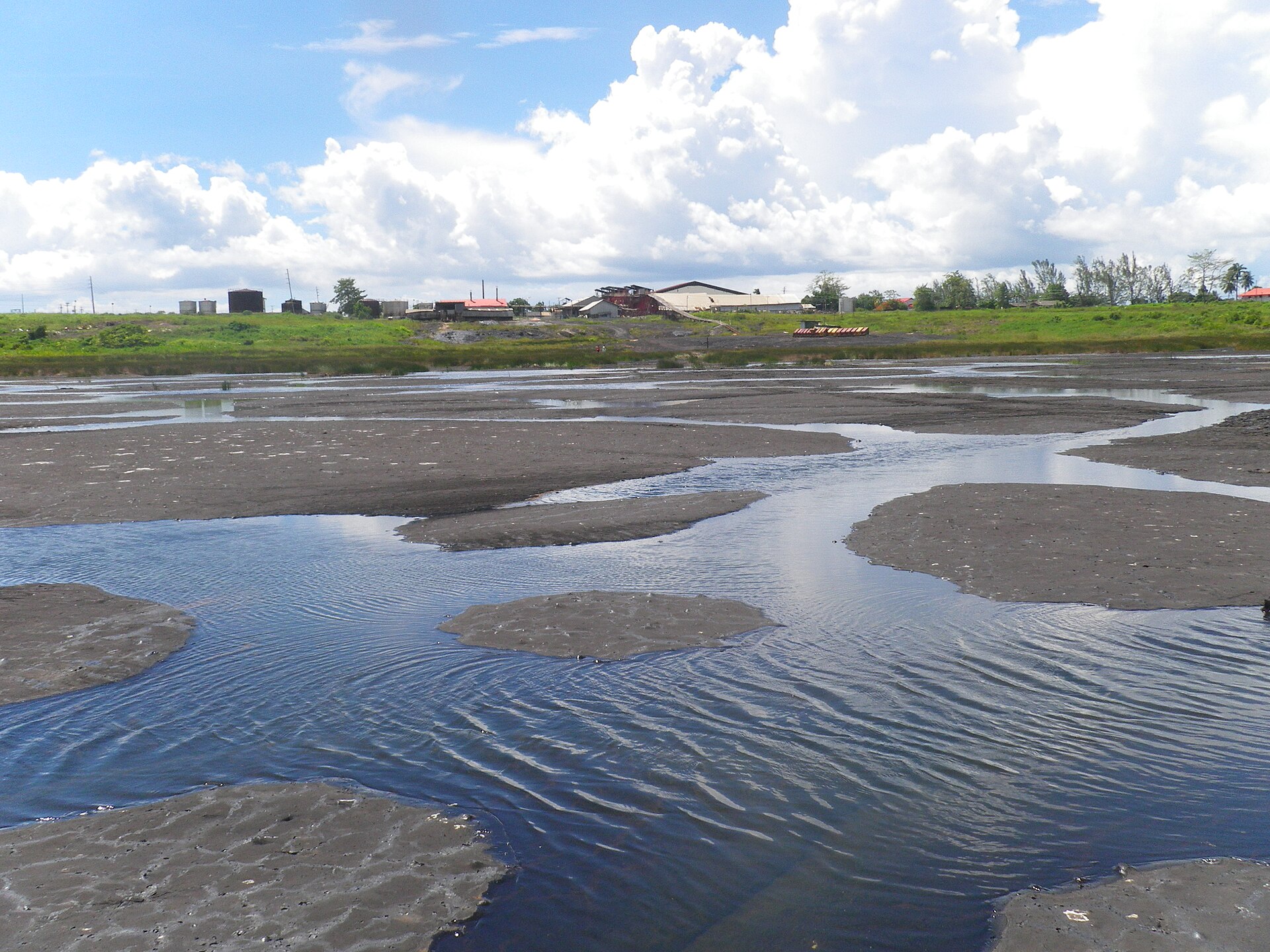
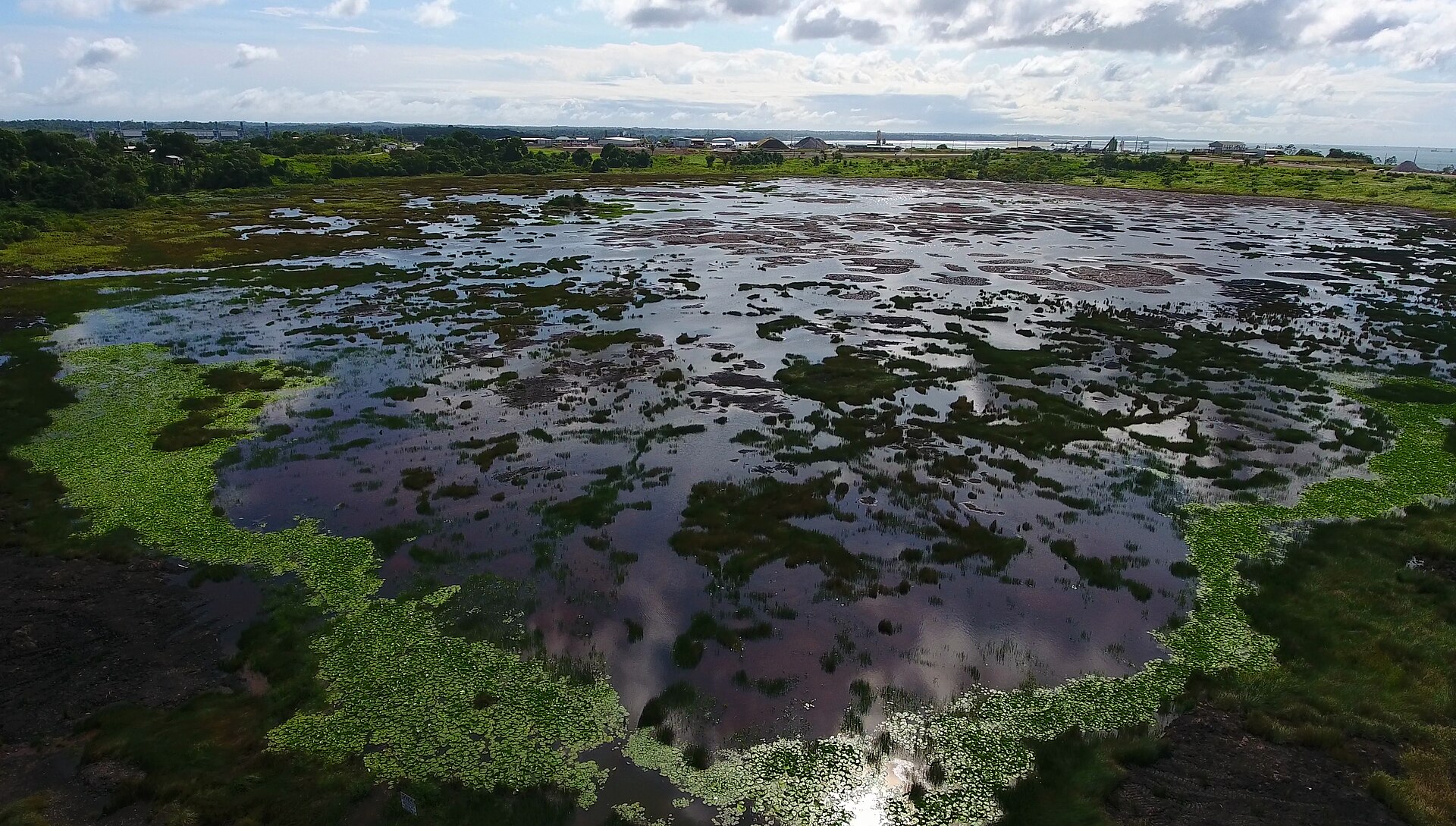
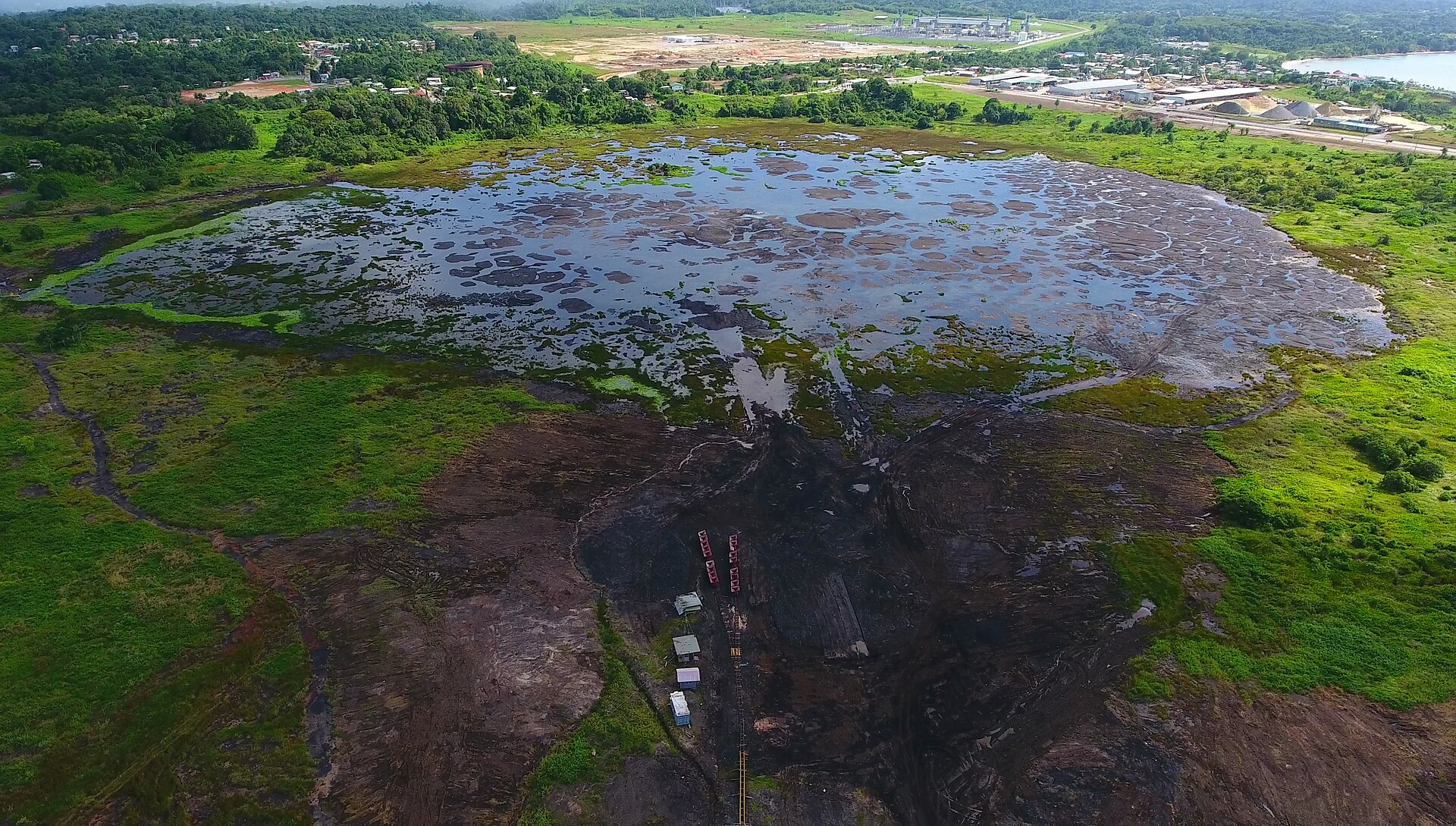
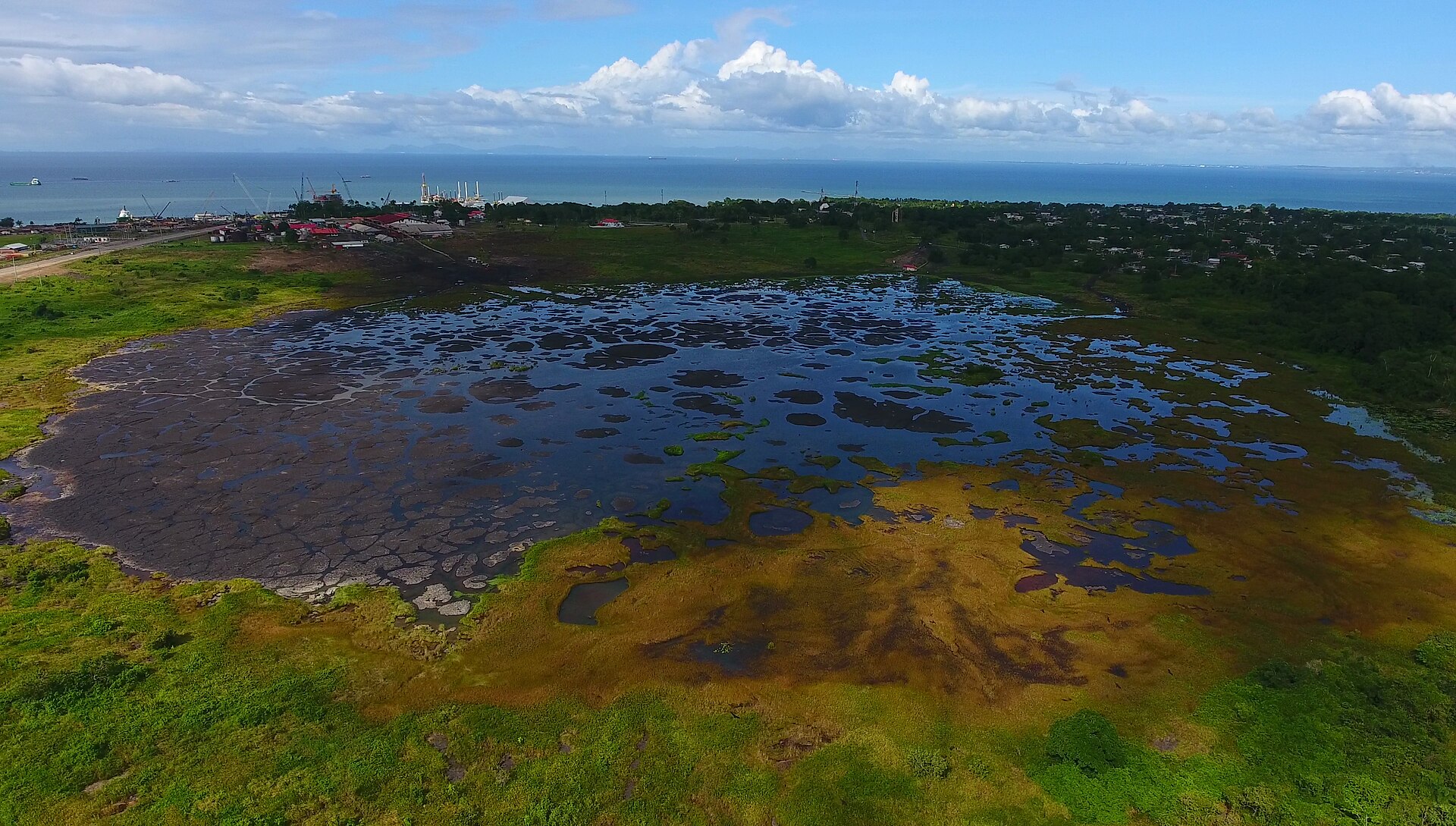
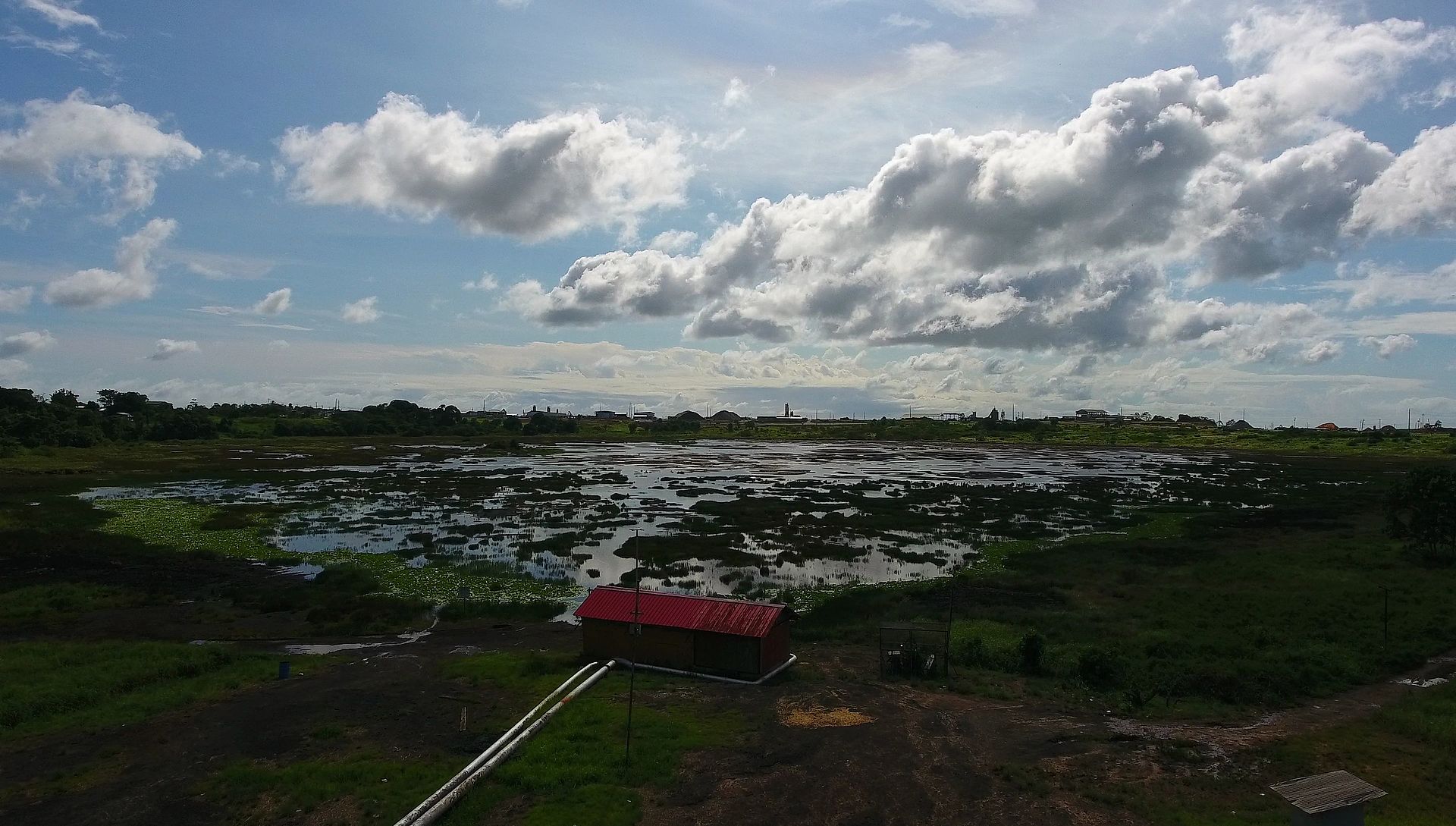
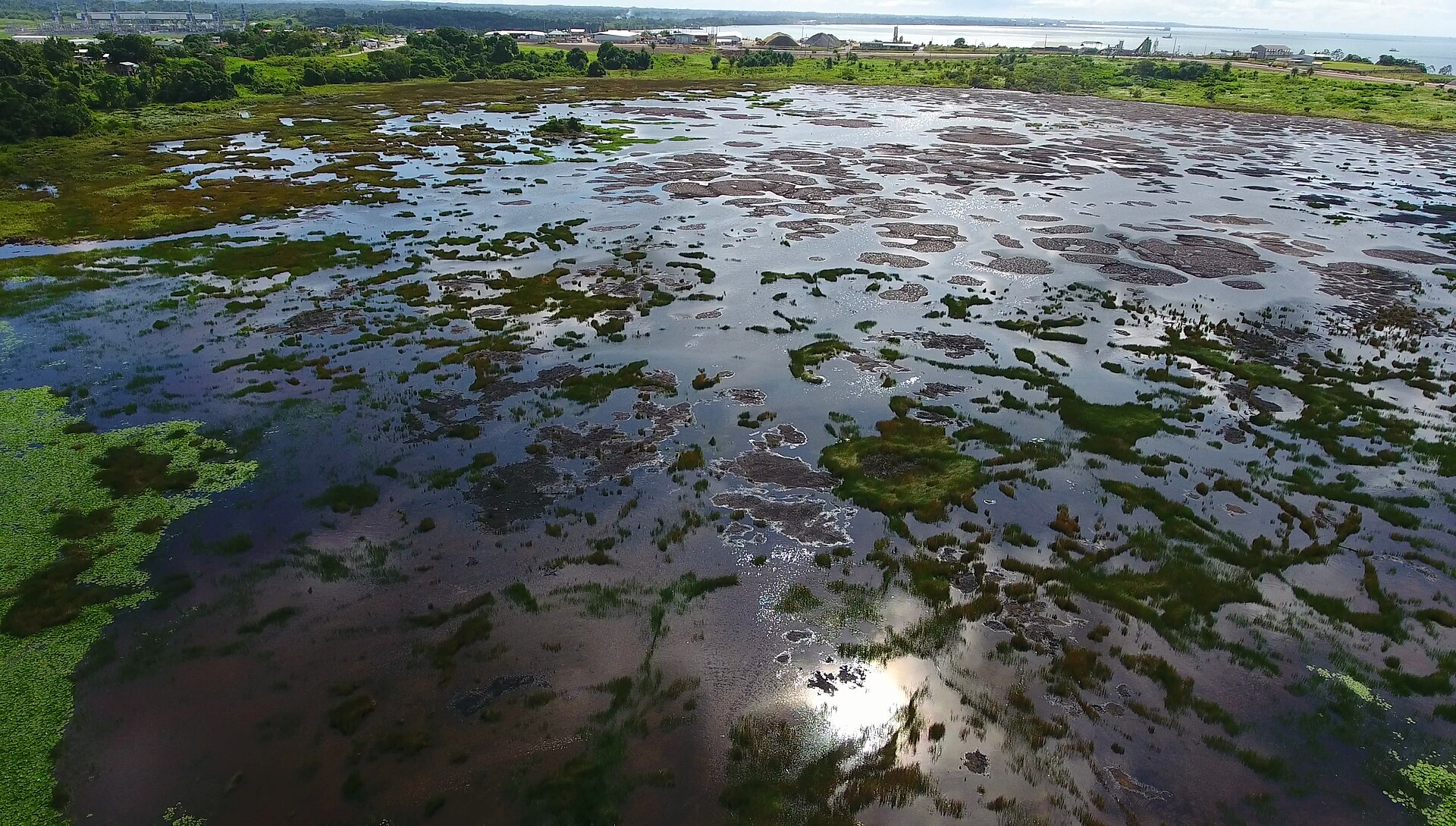
At first glance, Pitch Lake looks like an enormous, slightly warped car park — dark, oval, roughly 109 acres of what appears to be hardened clay. Then you step onto it. The surface hisses. It burps. In places it gives a little under your weight, soft pockets that behave like slow quicksand. This is the largest natural asphalt deposit on earth, and it is still very much alive.
During the rainy season, shallow sulfurous pools collect across the surface, ringed by water rose and nymph lilies, and herons pick their way around the edges. The lake is worked commercially — you'll see pump houses and processing equipment at the margins — yet somehow the place feels ancient and indifferent to all of it.
How Pitch Lake, La Brea came to be
Sir Walter Raleigh passed through in 1595 and used the pitch to caulk his ships — an early, pragmatic encounter with a geological curiosity. The Spanish later called the area Tierra de Brea, land of pitch, a name that eventually contracted into La Brea. Commercial interest sharpened in the 1840s when Abraham Pineo Gesner extracted kerosene from the lake's bitumen, and by 1887 an American businessman named Amzi Barber — known as The Asphalt King — had secured a 42-year monopoly concession from the British government, beginning large-scale export the following year.
Ownership passed through several hands over the next century. In 1978, Lake Asphalt of Trinidad and Tobago Limited was incorporated to manage extraction and processing, and in 1994 the Trinidad and Tobago government formally established the La Brea Pitch Lake Asphalt Reserve.
Who and what shaped it
People who shaped it
Landmark buildings
See Pitch Lake, La Brea in motion
Plan your visit
On the map
When to go
The dry season runs January to May, when the lake surface is most stable and the pools are shallow or absent — easier walking, less drama. From May onward the rains arrive and deepen the sulfur pools considerably; temperatures stay warm year-round, rarely straying outside the high 20s Celsius, with humidity sitting steadily around 75–78 percent.
Right now
Background & history adapted from Wikipedia (CC BY-SA) · specs from Wikidata (CC0) · weather from Open-Meteo · map data © OpenStreetMap contributors · photos from Wikimedia Commons / Unsplash with per-image credit. No third-party reviews or social posts reproduced.