
Scarborough, Tobago
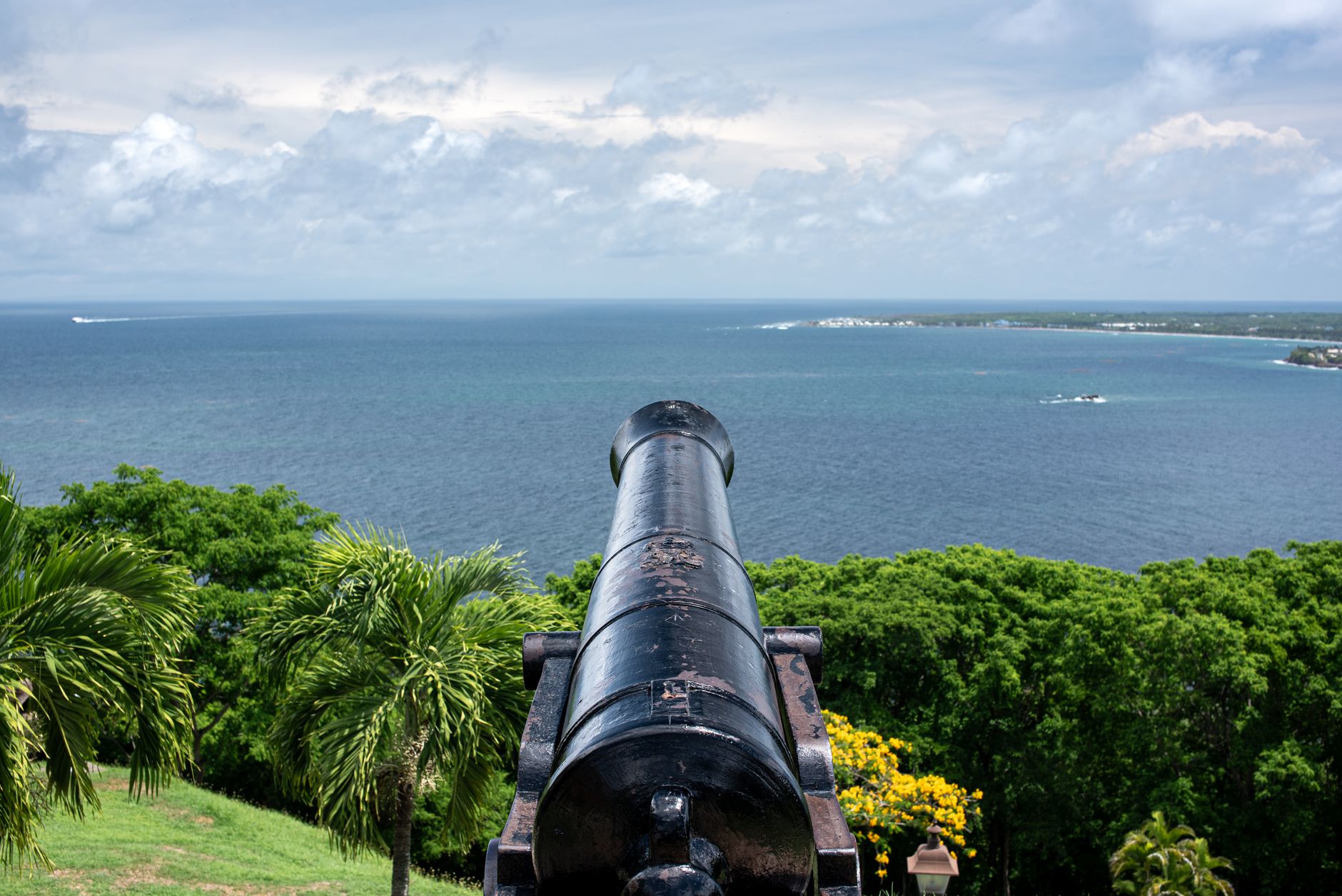
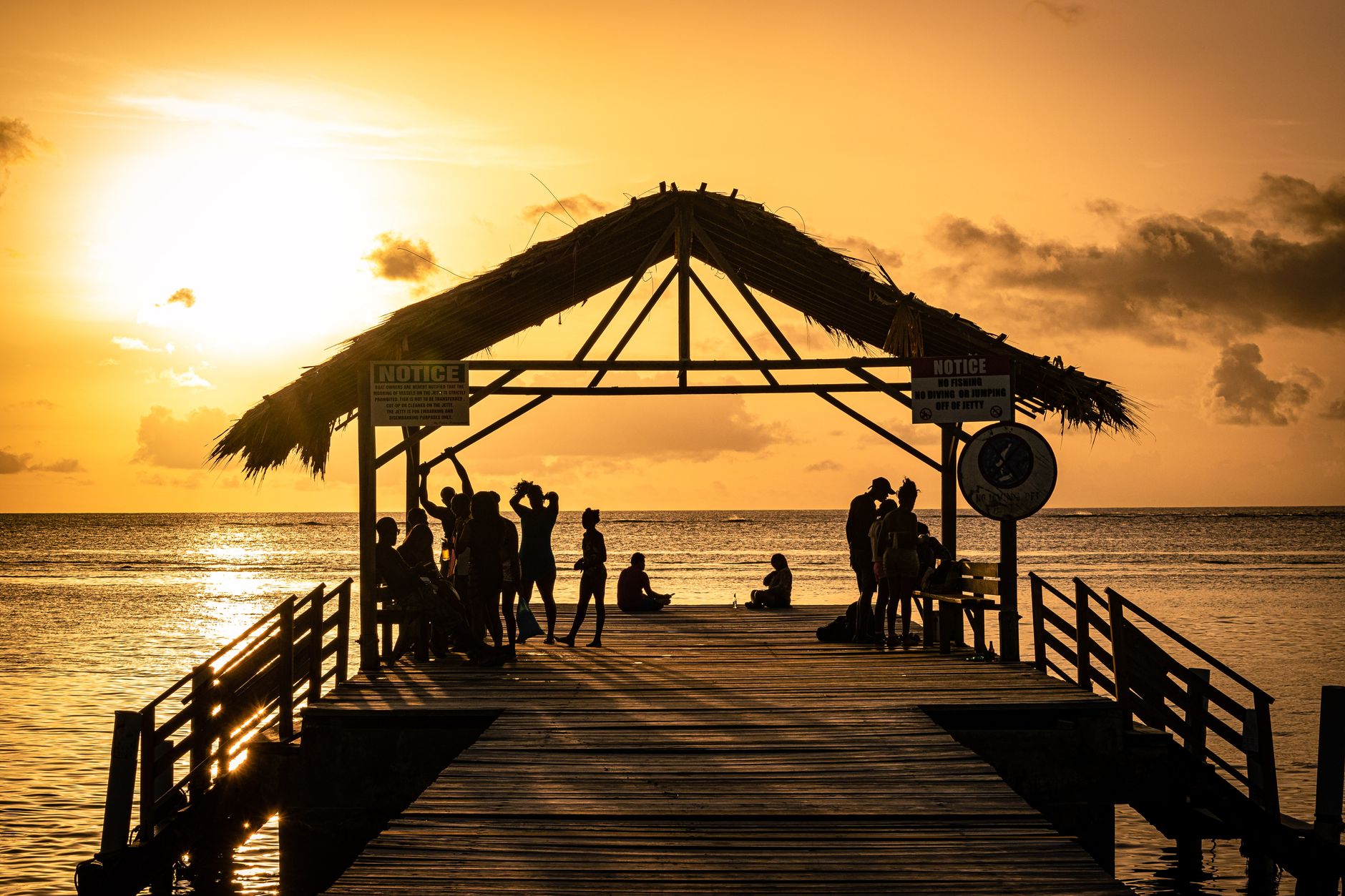
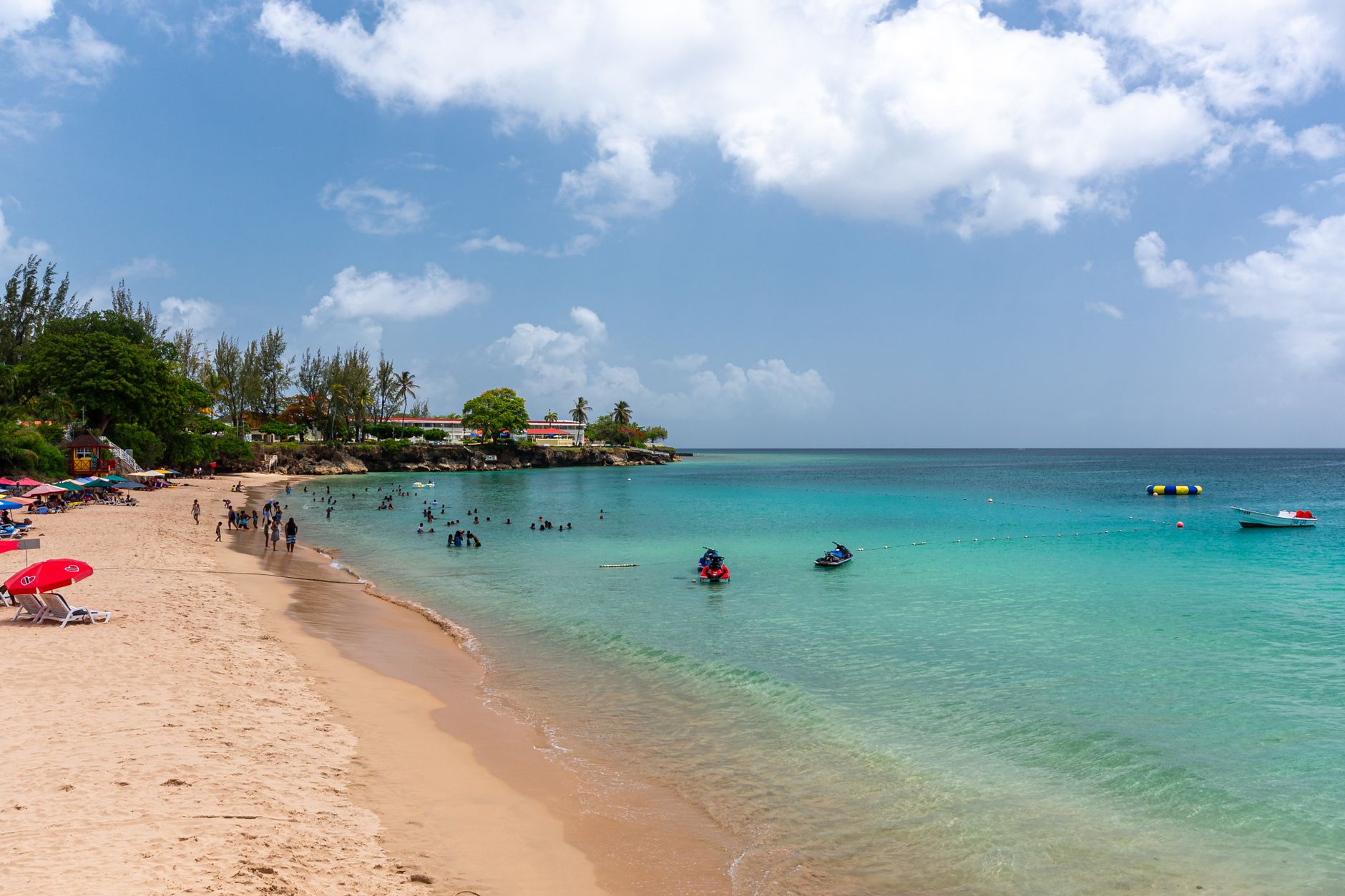


Scarborough sits above Rockly Bay on Tobago's southwestern coast, its streets stepping uphill from a working cruise terminal toward Fort King George, where cannons still point out over open water. It is a capital city in the practical sense — the Tobago House of Assembly meets here, the ferries arrive here, the market reopened here in 2020 with space for 242 vendors — but it wears that status lightly. The Georgian Court House from 1825 stands a short walk from stalls selling roti and fresh catch, and the botanical gardens, established by the British in 1888 on the grounds of a former sugar estate, remain a quiet place to sit between errands.
This is the island's pivot point rather than its postcard. Buses leave from Milford Road toward Speyside, Castara and Roxborough; taxis with the letter H on their plates fill the gaps. Most of Tobago's well-photographed coastline lies elsewhere, but Scarborough is where you understand how the island actually works.
How Scarborough, Tobago came to be
The site has changed hands and names more than most. Dutch brothers founded it in 1654 as Lampsinsburg; the settlement burned in 1790 after a French troops mutiny. By 1769 the colonial government had moved here from Georgetown, and in 1777 construction began on Fort King George, completed over the following decade with contributions from both French and British occupiers. The fort was largely destroyed by a hurricane in 1847 and has been in various states of restoration since.
The Court House, whose foundation stone was laid in 1821 and which dates in its current form to 1825, is considered one of the finer Georgian buildings in the West Indies. Scarborough was declared a Free Port in 1822. Hurricane Flora in 1963 took many of the town's wooden gingerbread houses; the lacy fretwork and tin roofs that survived give the remaining streets their particular character.
Who and what shaped it
People who shaped it
Landmark buildings
See Scarborough, Tobago in motion
Plan your visit
On the map
When to go
Scarborough runs warm year-round, averaging around 26°C, with March the driest month and November the wettest. If you want reliable sunshine for getting your bearings, January through April is the window; from June onward, expect afternoon rain that can arrive quickly and leave just as fast.
Right now
Background & history adapted from Wikipedia (CC BY-SA) · specs from Wikidata (CC0) · weather from Open-Meteo · map data © OpenStreetMap contributors · photos from Wikimedia Commons / Unsplash with per-image credit. No third-party reviews or social posts reproduced.