
Caroni Bird Sanctuary
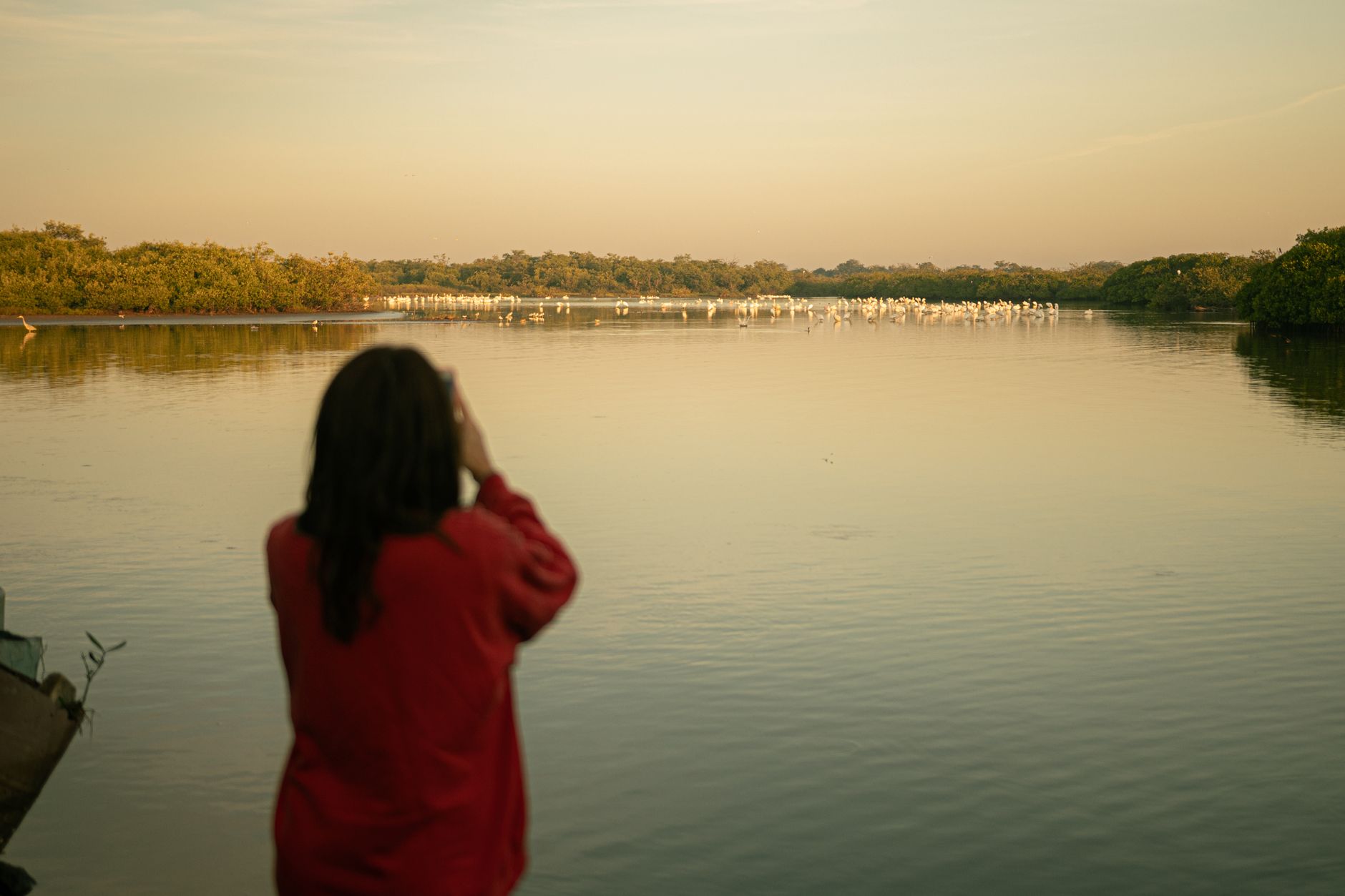
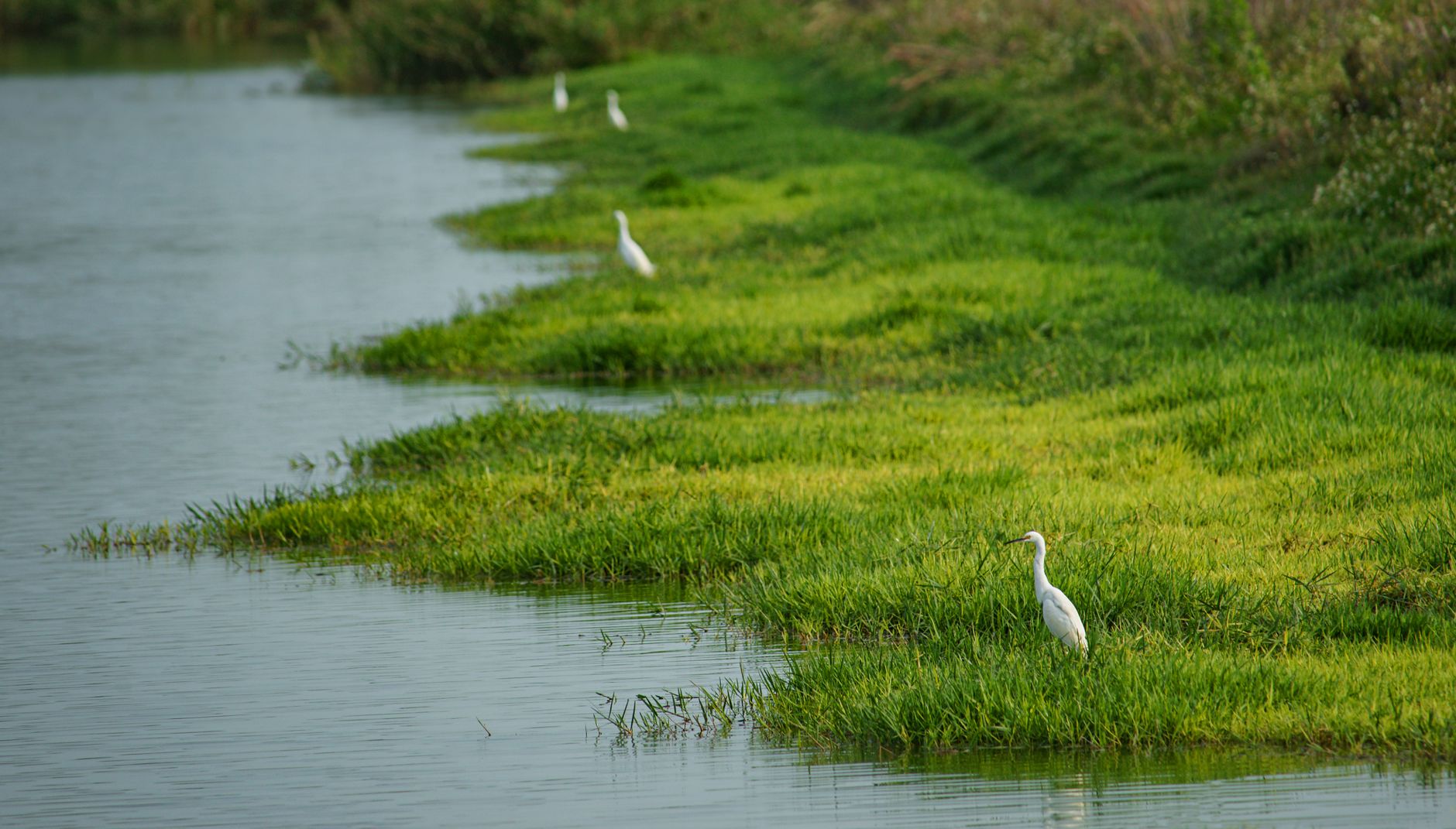
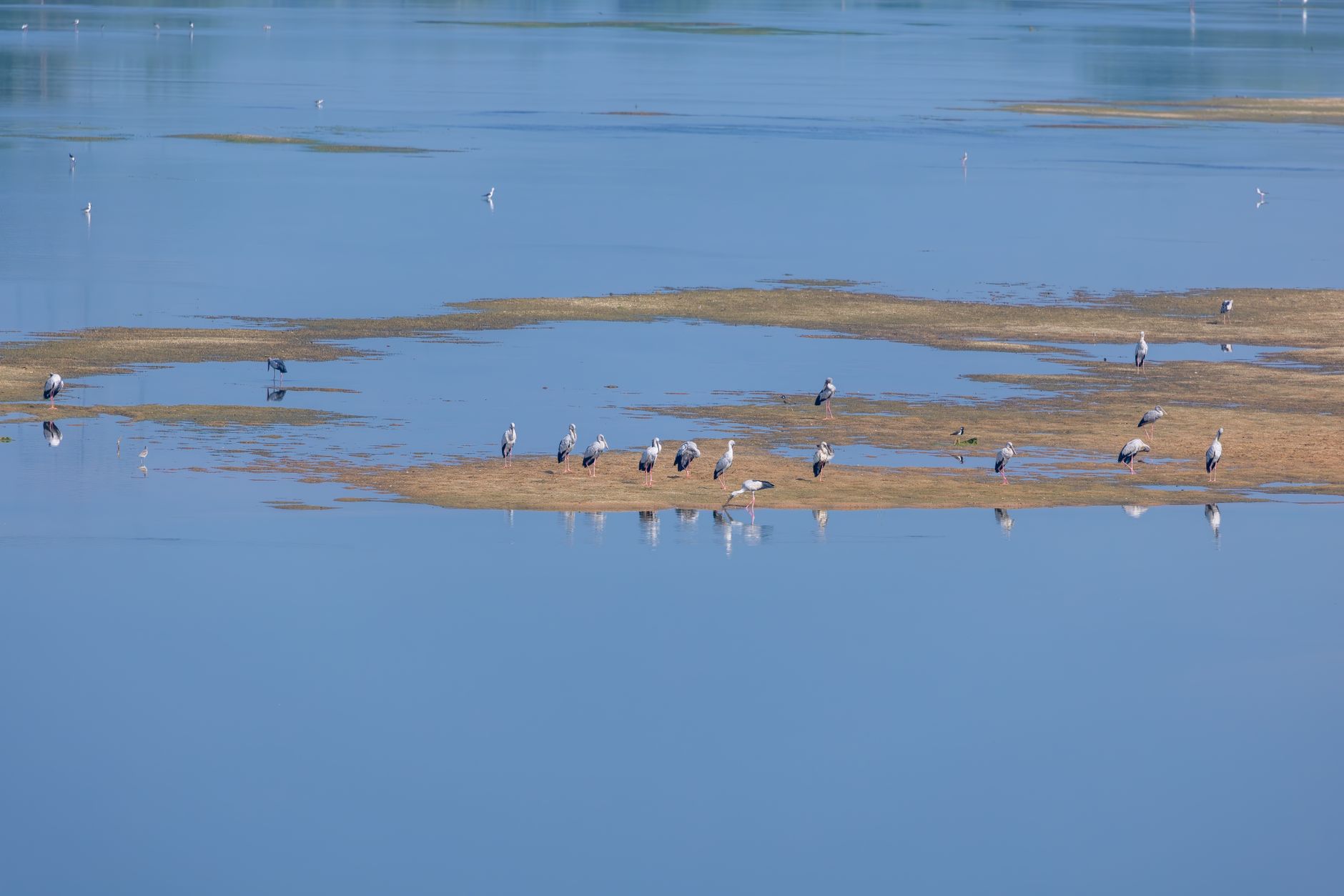
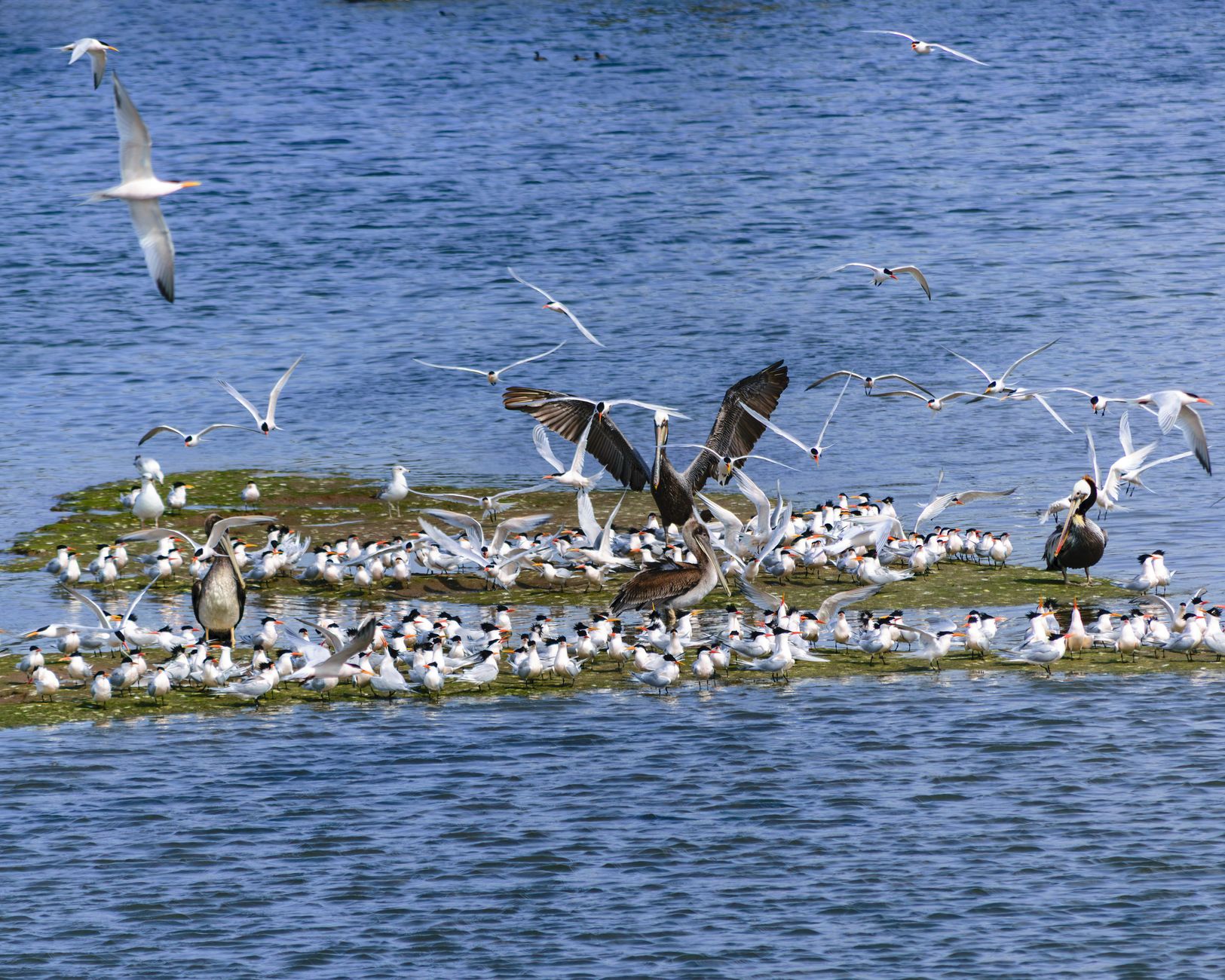
Every afternoon around four o'clock, the sky above Caroni Swamp turns red. Thousands of scarlet ibis — Trinidad's national bird — come in low over the mangroves, landing in the same trees they've used for generations. You watch from a flat-bottomed boat, drifting through a maze of channels where spectacled caiman hold still in the shallows and Cook's tree boas coil in the branches above.
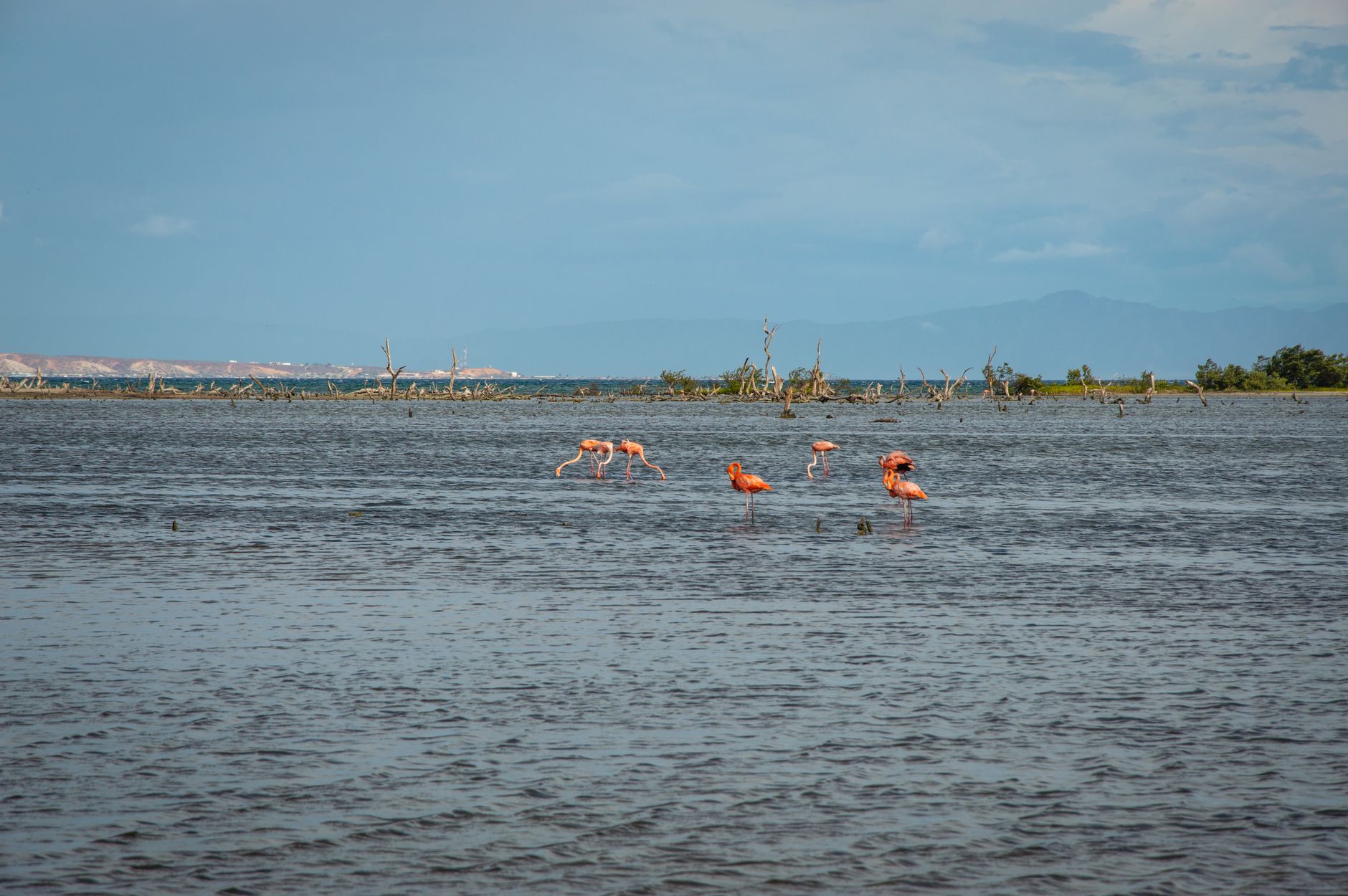
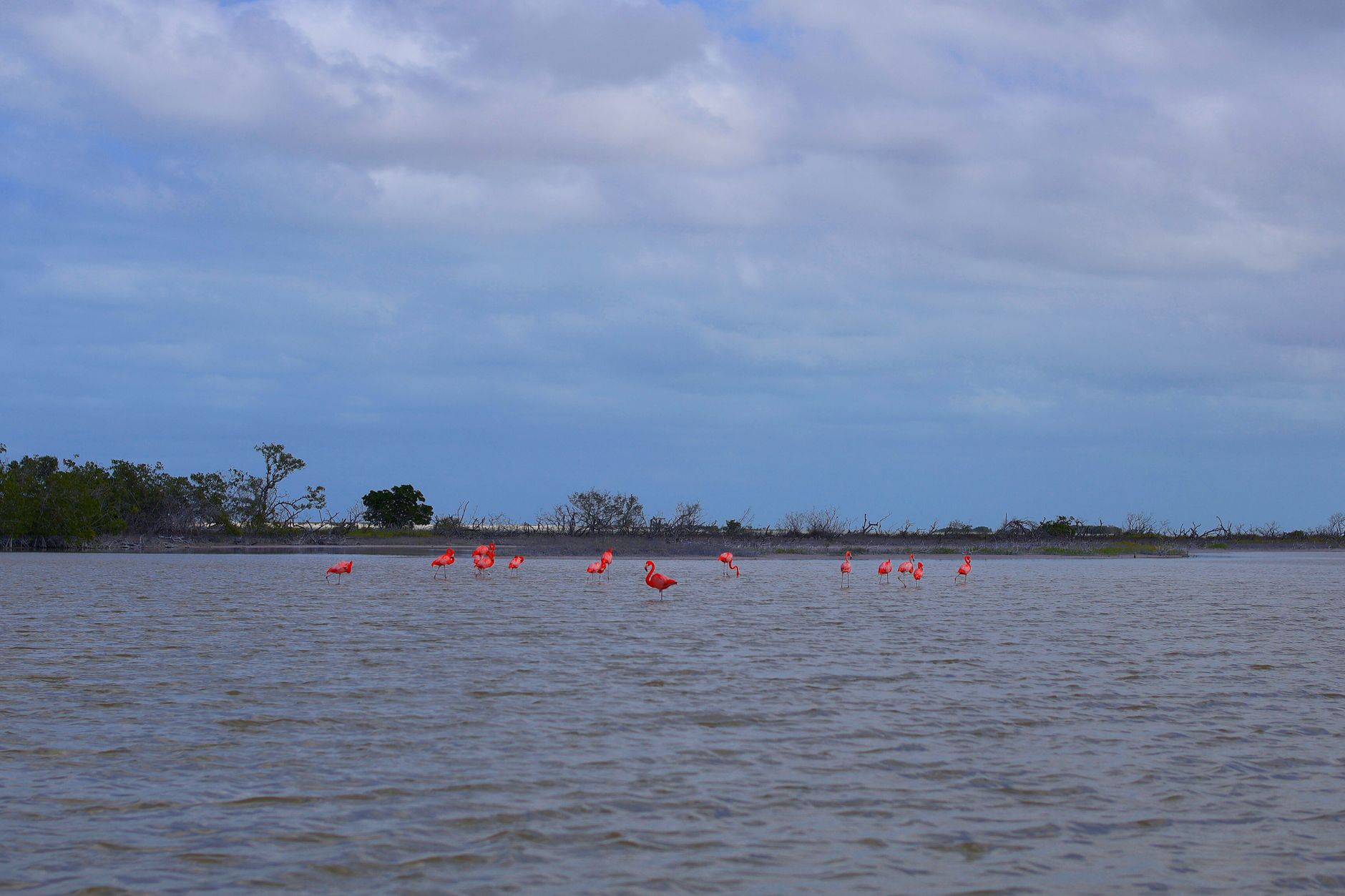
Caroni sits fourteen kilometres south of Port of Spain, a 3,179-hectare swamp that records over 270 bird species and, since 2016, a flamingo colony now numbering around 200. The ibis are the reason most people come, but the swamp has its own logic — the further in you go, the quieter it gets.
💛 What travellers fall for
People who come back tend to bring their own binoculars and a long lens — the boats keep a respectful distance from the roost, so what looks like a red cloud from afar stays a red cloud without glass. They also bring water and something to eat; there's nothing to buy at the pier, and the tour runs a full two and a half hours.
How Caroni Bird Sanctuary came to be
The Nanan family started taking visitors into Caroni Swamp in the 1930s or early 1940s — sources differ slightly — with Winston Nanan building a reputation as the definitive guide to its flora and fauna. In 1948, Winston and his father Simon collected signatures from more than 200 prominent figures and petitioned the Conservator of Forests. The result was the formal creation of Caroni Bird Sanctuary, protecting the ibis that were already roosting there in vast numbers.
When Trinidad and Tobago became independent in 1962, the scarlet ibis was chosen as one of the country's national birds. Winston's son Lester continued the family's work after him. In June 2015 the sanctuary was renamed the Winston Nanan Caroni Bird Sanctuary in recognition of what one family had spent decades fighting to keep.
Who and what shaped it
People who shaped it
See Caroni Bird Sanctuary in motion
Plan your visit
On the map
When to go
Temperatures stay warm year-round — around 29–32°C by day — with a wet season running roughly June through December and a drier stretch from January into May. For ibis viewing, the numbers peak between mid-October and March, when breeding season has ended and adults have returned to the roost.
Right now
Background & history adapted from Wikipedia (CC BY-SA) · specs from Wikidata (CC0) · weather from Open-Meteo · map data © OpenStreetMap contributors · photos from Wikimedia Commons / Unsplash with per-image credit. No third-party reviews or social posts reproduced.