
Asa Wright Nature Centre
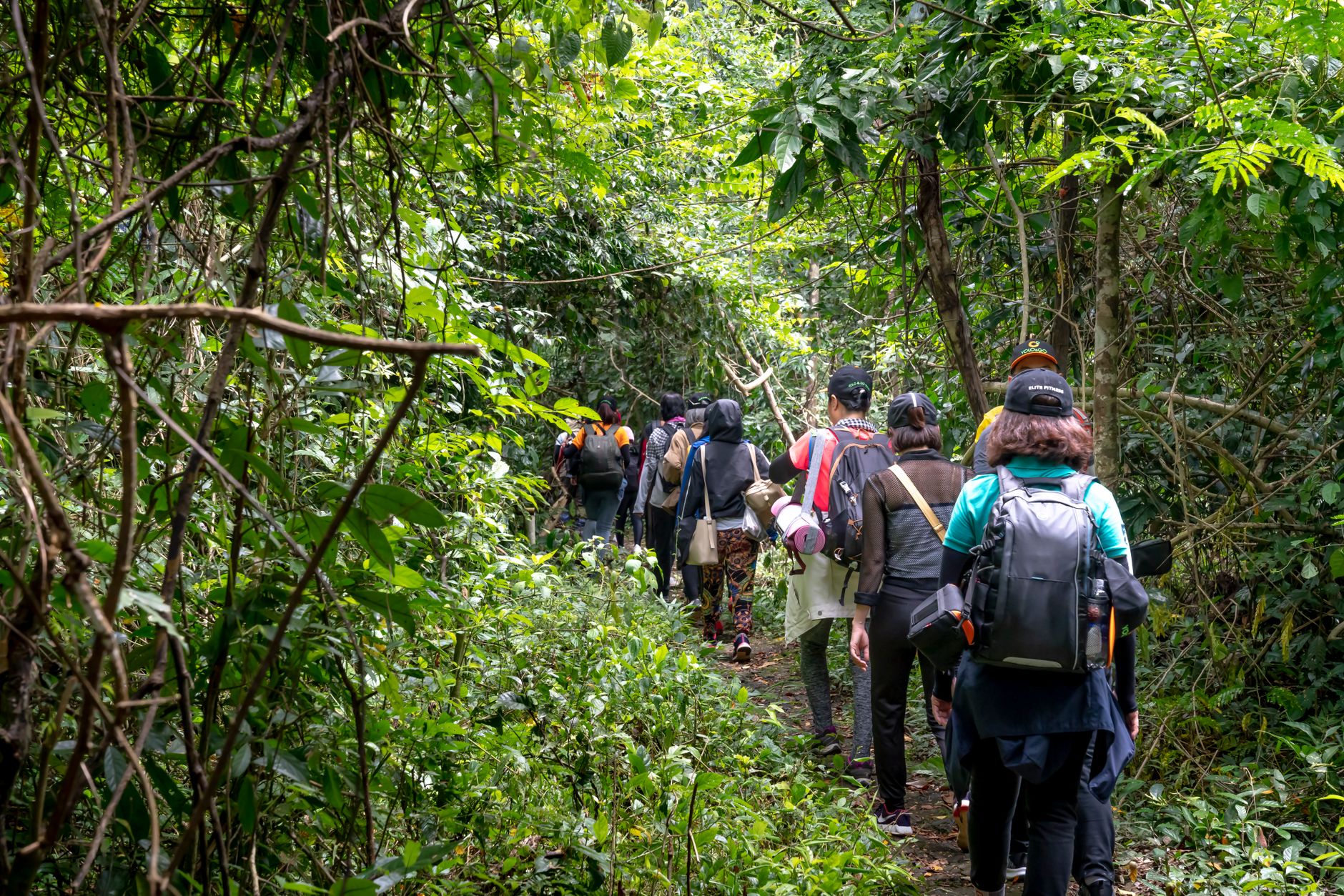
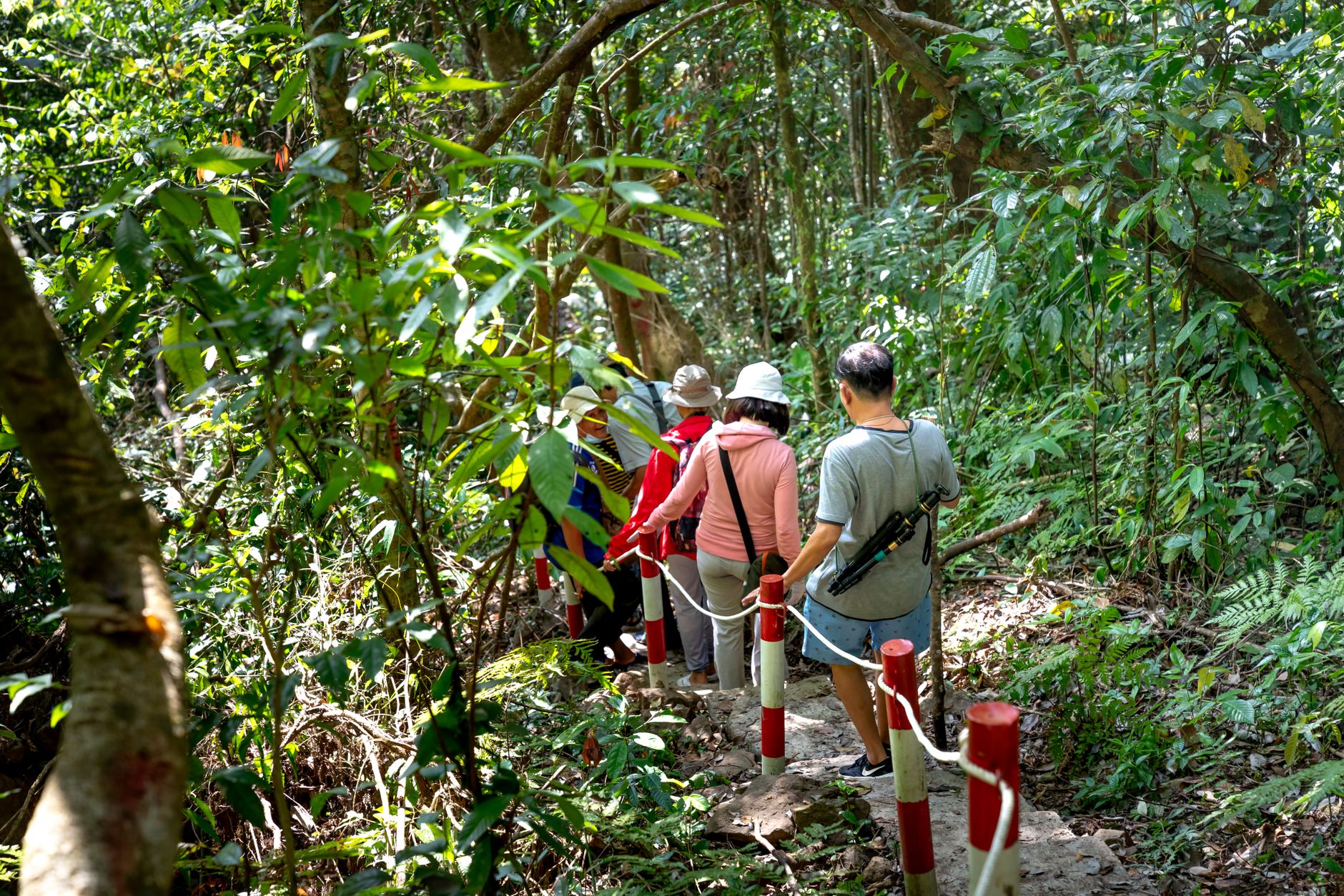
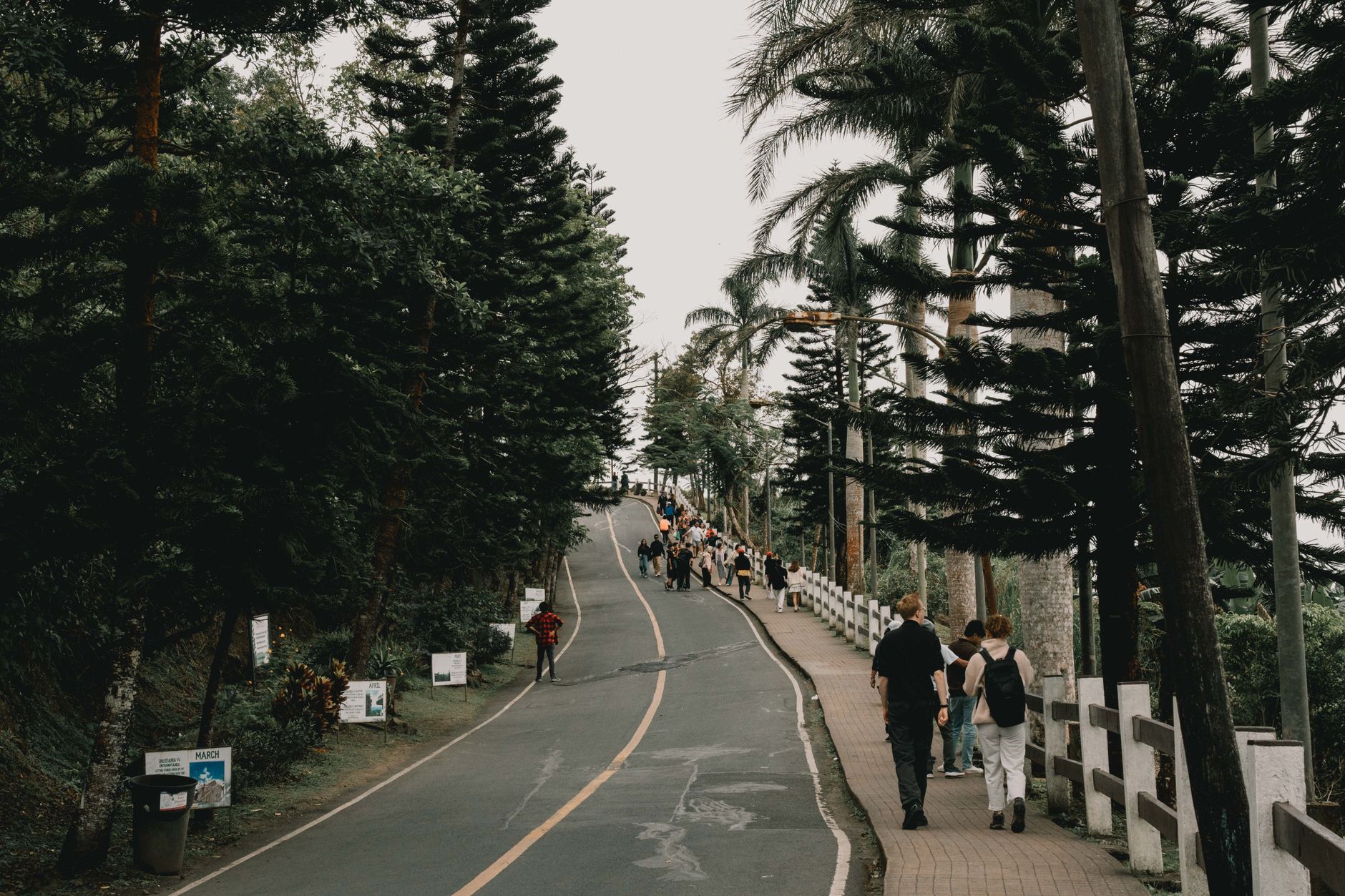
The veranda at Spring Hill Estate faces a wall of forest, and if you sit there long enough with a cup of tea, the forest comes to you. Toucans, mot-mots, hummingbirds working the feeders at arm's length — the Arima Valley delivers a density of birdlife that makes even seasoned naturalists reach for their notebooks.
Asa Wright Nature Centre occupies around 1,500 acres of Trinidad's Northern Range, running from cocoa-shaded estate grounds up into protected rainforest. Eight trails thread the property, one cave holds a breeding colony of nocturnal oilbirds, and a colonial-era plantation house serves as the social hub. It is, at its core, a working conservation trust that also happens to take guests.
💛 What travellers fall for
People who come back tend to say the same thing: go straight to the veranda before the guided tour, not after. The 10:30 a.m. slot catches the morning bird activity while the light is still soft. Book at least 24 hours ahead — walk-ins are fine for access, but lunch can't always be guaranteed.
How Asa Wright Nature Centre came to be
The estate began as a cocoa, coffee and citrus plantation, with the main house built between 1906 and 1908. By the 1930s it had become a weekend retreat for Pan Am pilots and government officials. After the Second World War, Newcome Wright — a British veteran whose lungs had been damaged by poison gas in the First World War — arrived in Trinidad and purchased the property with his Icelandic-born wife Asa, a trained nurse and midwife. Newcome died in 1955; Asa began taking in paying guests and hosting ornithologists, among them David and Barbara Snow, who studied the oilbirds and Bearded bellbirds in the valley.
On 22 December 1967, Asa formally established the Centre as a not-for-profit trust, with the Royal Bank Trust Company of Trinidad appointed as trustee. She died in 1971, four years after the institution she'd shaped was secured. In 1975, the adjacent Simla Field Research Station — originally purchased by naturalist William Beebe in 1949 — was transferred to the Centre by the New York Zoological Society. A 99-year lease over Northern Range Forest Reserve lands followed in 1995, cementing the scale of what is now one of the Caribbean's most significant private conservation properties.
Who and what shaped it
People who shaped it
Landmark buildings
See Asa Wright Nature Centre in motion
Plan your visit
On the map
When to go
Trinidad sits well outside the main hurricane belt. The dry season runs roughly January through May, when trails are easier underfoot and dawn mist burns off quickly — the most comfortable window for walking. The wet season brings lush growth and fewer visitors, but expect muddy paths and afternoon downpours.
Right now
Background & history adapted from Wikipedia (CC BY-SA) · specs from Wikidata (CC0) · weather from Open-Meteo · map data © OpenStreetMap contributors · photos from Wikimedia Commons / Unsplash with per-image credit. No third-party reviews or social posts reproduced.