
Montevideo
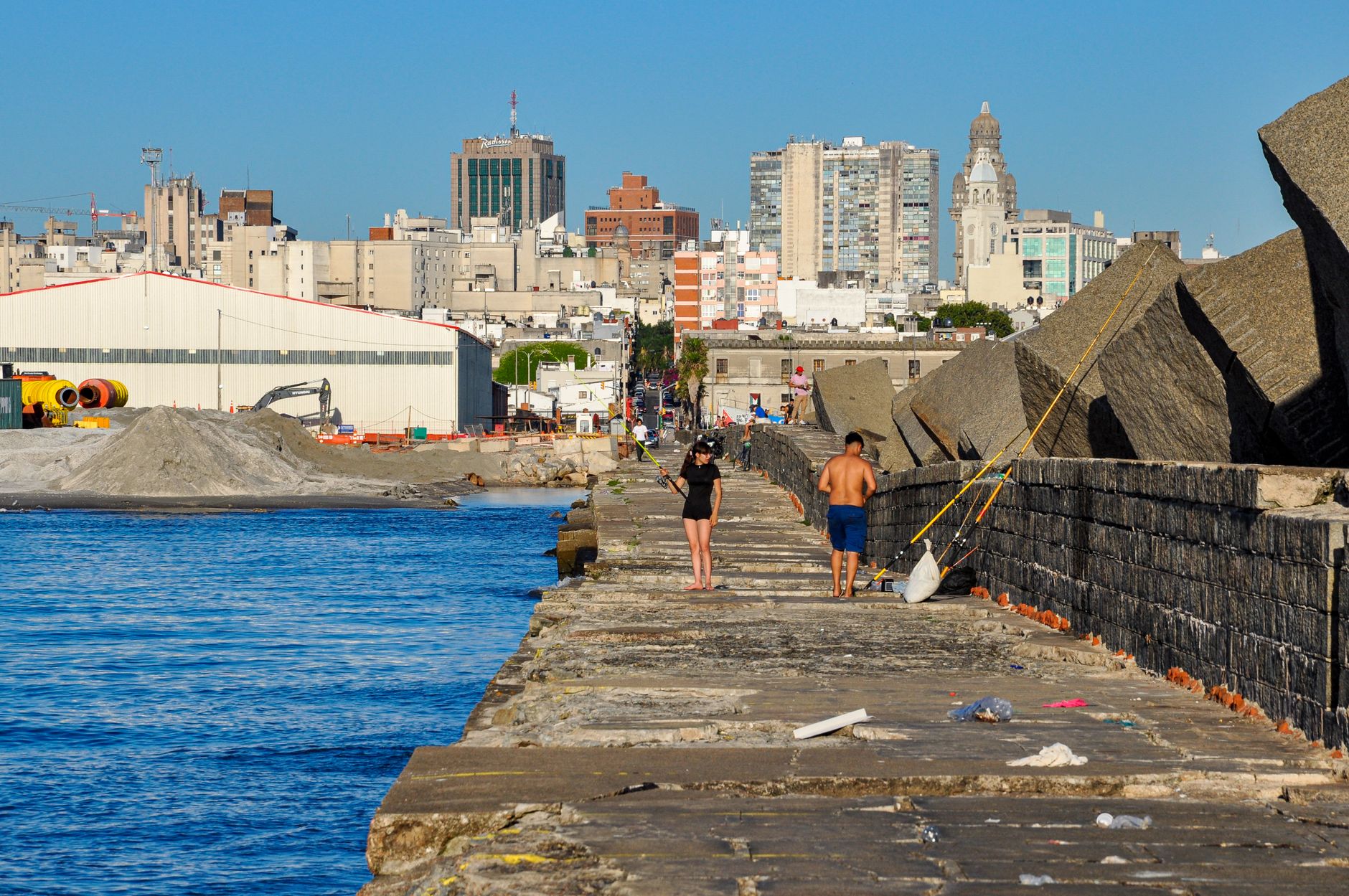
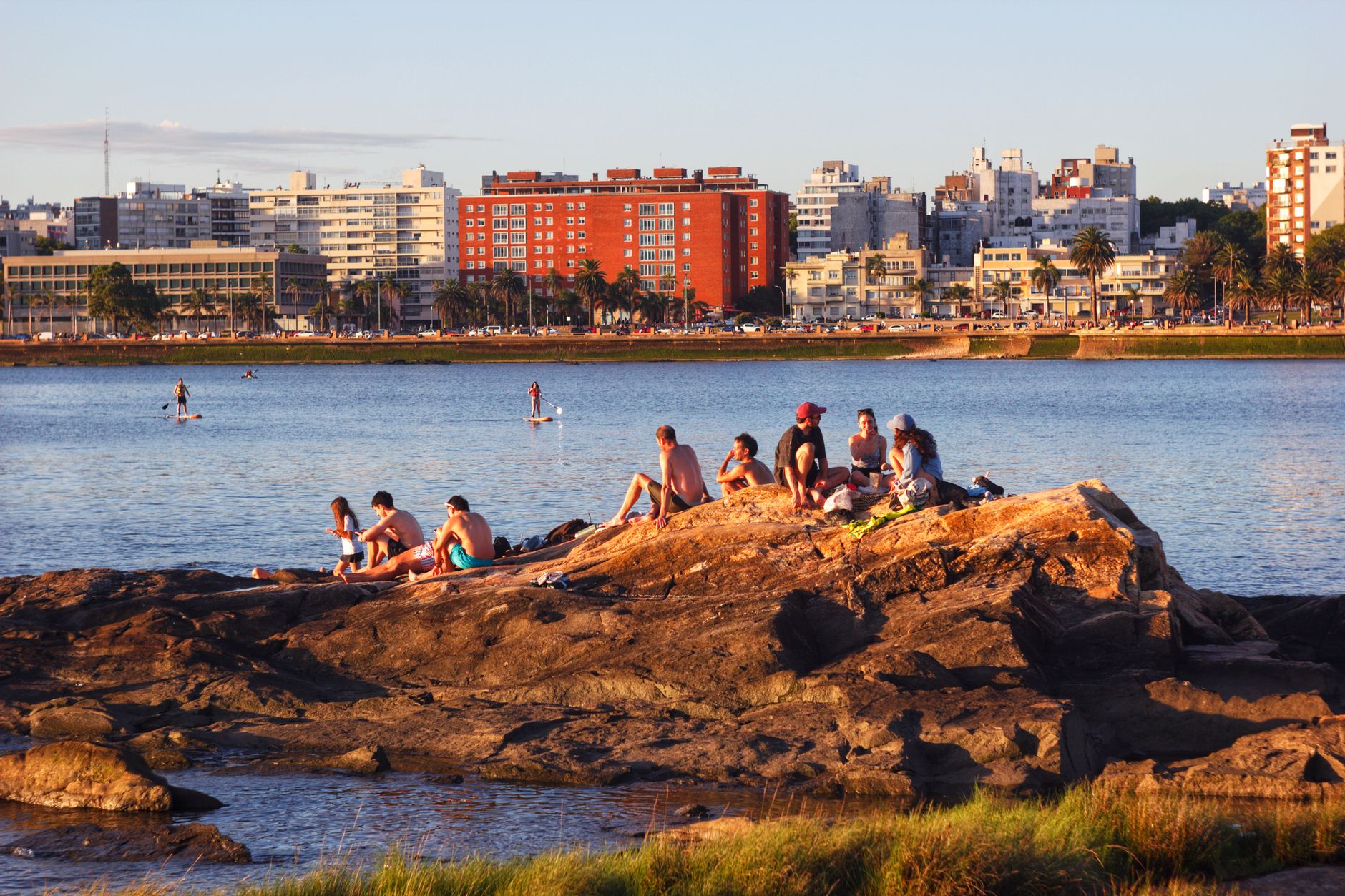
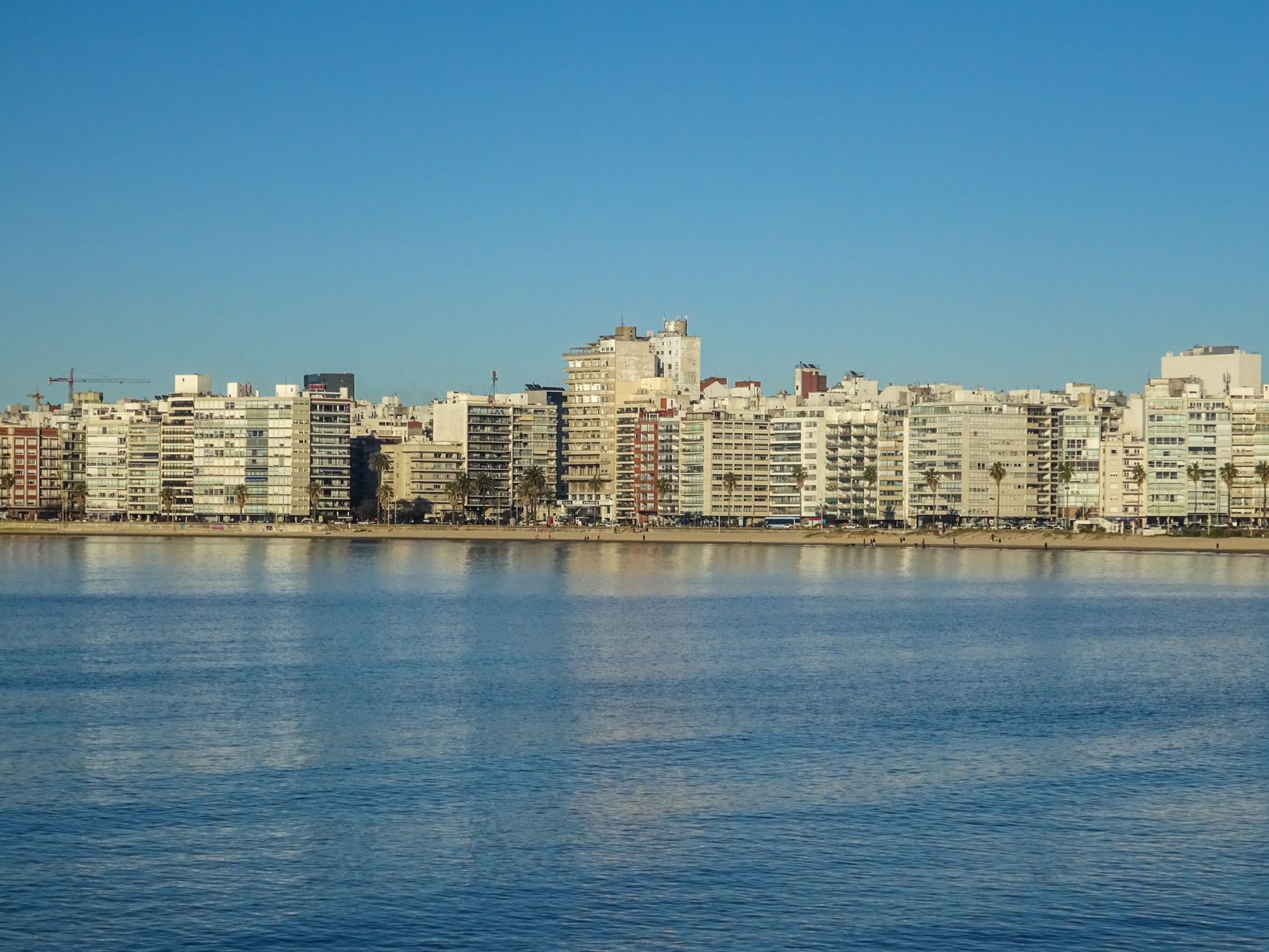
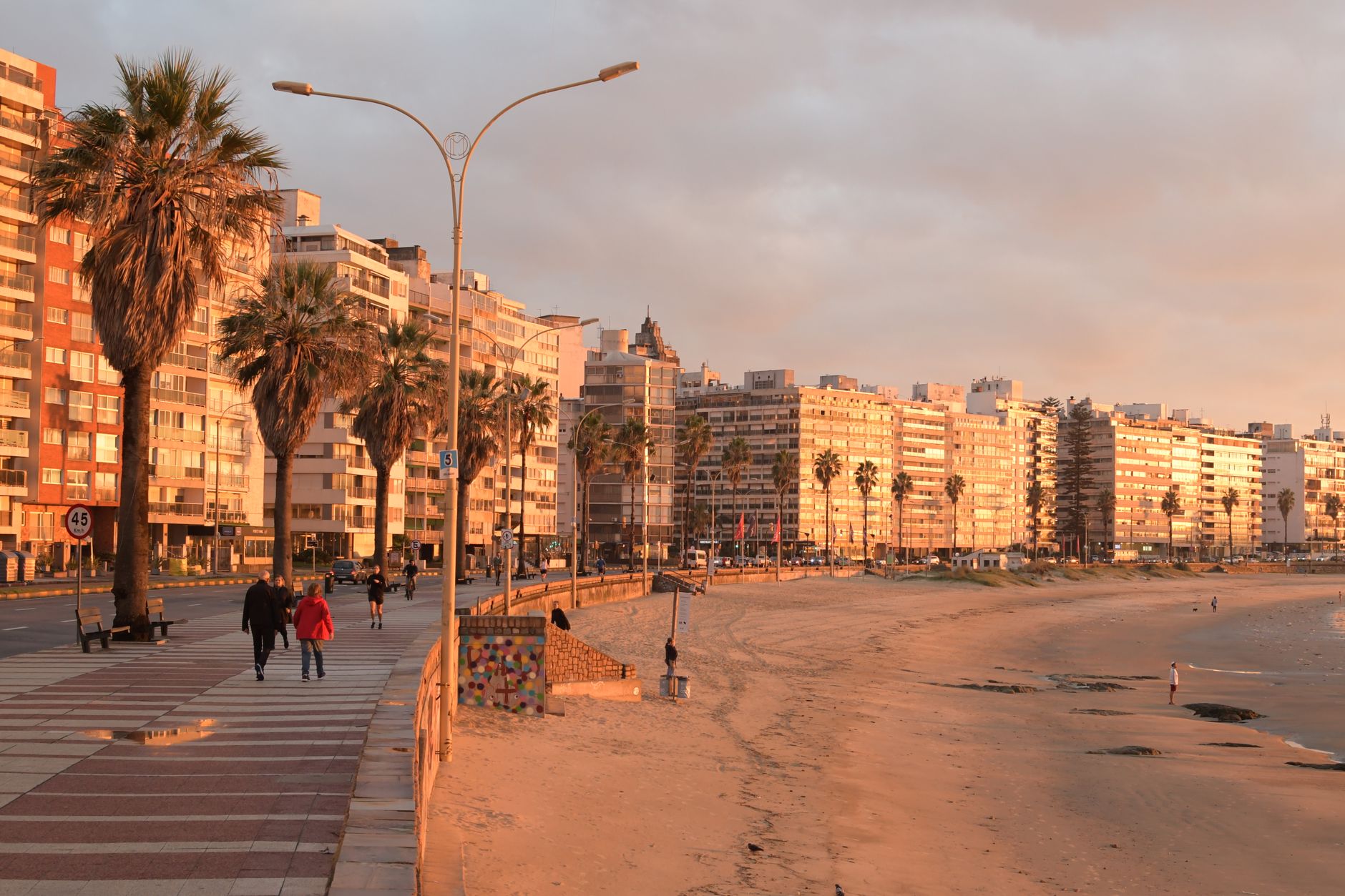
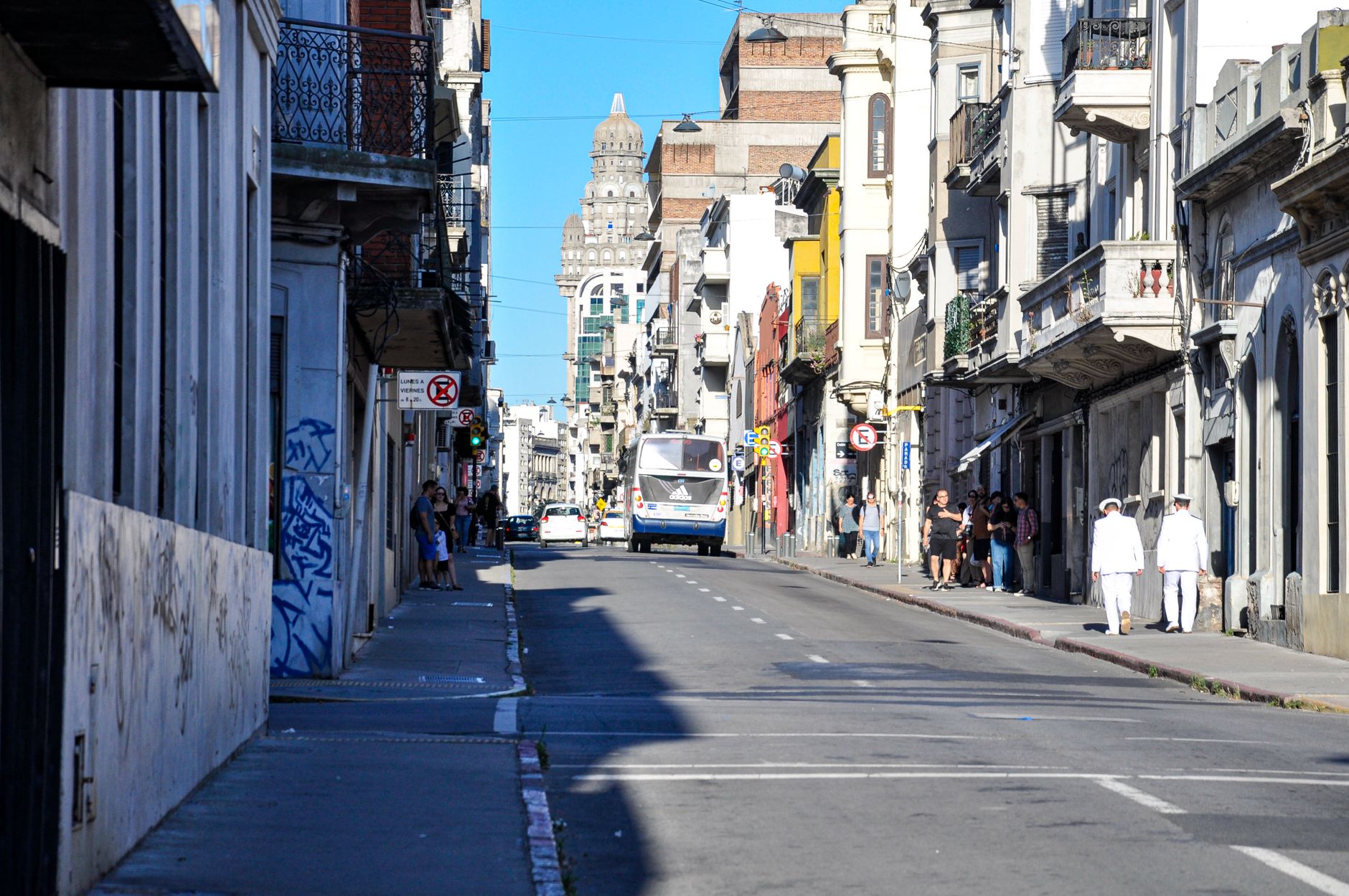
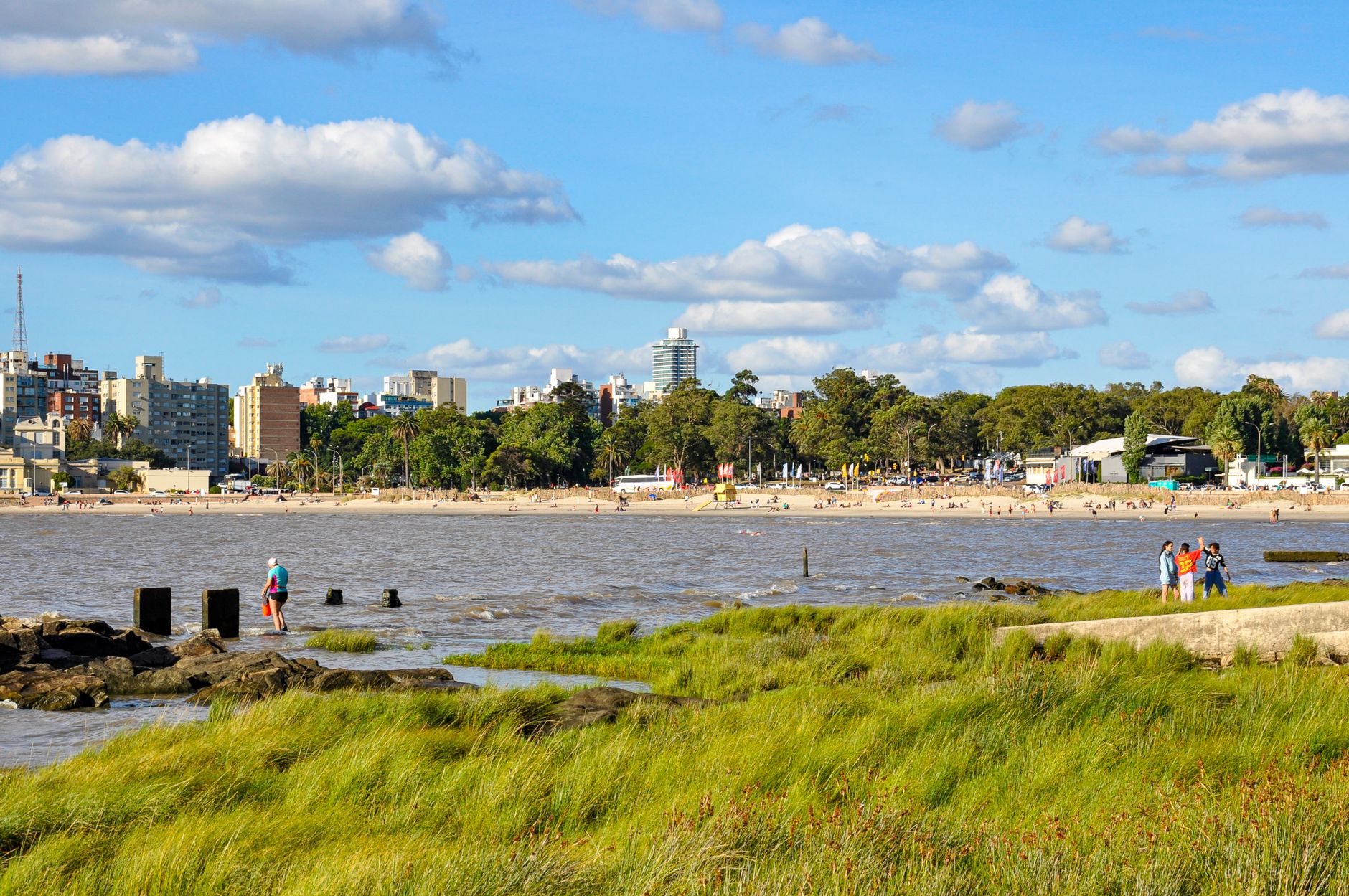
Montevideo faces the Río de la Plata with a certain unhurried confidence. The old town, Ciudad Vieja, runs out toward the water on a narrow peninsula, its Spanish colonial houses — one and two stories, with internal courtyards going quiet in the afternoon — giving way to the 100-meter tower of Palacio Salvo, an Italian architect's eccentric 1928 fantasy that once served as a lighthouse for incoming ships.
This is a city where the political and the artistic sit close together. The mausoleum of independence leader José Gervasio Artigas anchors Plaza Independencia underground, while a few blocks away the Museo Torres García keeps the cubist and constructivist paintings of Joaquín Torres García in the neighborhood where much of Montevideo's oldest fabric still stands.
💛 What travellers fall for
People who come back tend to mention the same Saturday ritual: the last Saturday of September, El Día del Patrimonio, when museums and historical sites around Plaza Independencia open free to the public. It's one of those days when the city shows you what it thinks of itself — and the answer is worth seeing.
Deals in Montevideo
Book directly at the provider


How Montevideo came to be
Montevideo was founded on 24 December 1726 by Bruno Mauricio de Zabala, governor of Buenos Aires, in direct response to a Portuguese garrison that had established itself on the site three years earlier. Zabala expelled the Portuguese in February 1724 and spent the following two years formalizing the settlement; by 1730 it had its own civic administration, independent of Buenos Aires.
The city's first century was turbulent. Between 1807 and 1830 it passed through British, Spanish, Argentine, Portuguese, and Brazilian occupation in sequence, each transition bleeding population and trade. Independence came in 1828, when Montevideo was designated capital of the newly formed Oriental Republic of Uruguay, though the Guerra Grande — a nine-year siege beginning in 1843 — tested that independence almost immediately after it was secured.
Who and what shaped it
People who shaped it
Landmark buildings
See Montevideo in motion
Plan your visit
On the map
When to go
Winters are mild rather than cold, with July averaging highs around 14°C, though the occasional frost is possible. Summers run hot — January sits around 23°C on average, but heat waves regularly push past 35°C between December and March; spring and autumn give you the most comfortable window for walking the city.
Right now
Background & history adapted from Wikipedia (CC BY-SA) · specs from Wikidata (CC0) · weather from Open-Meteo · map data © OpenStreetMap contributors · photos from Wikimedia Commons / Unsplash with per-image credit. No third-party reviews or social posts reproduced.