
Darling Harbour
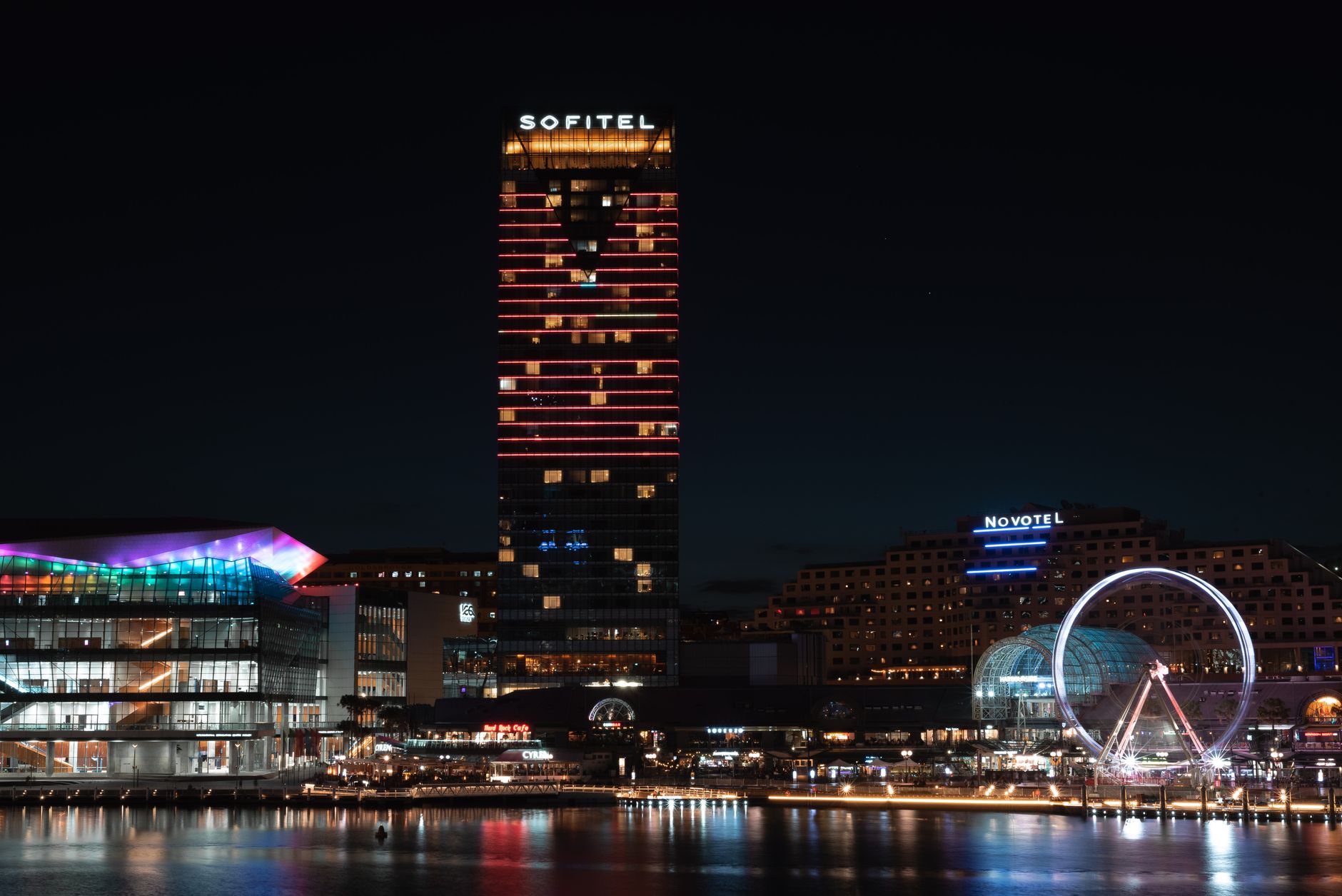
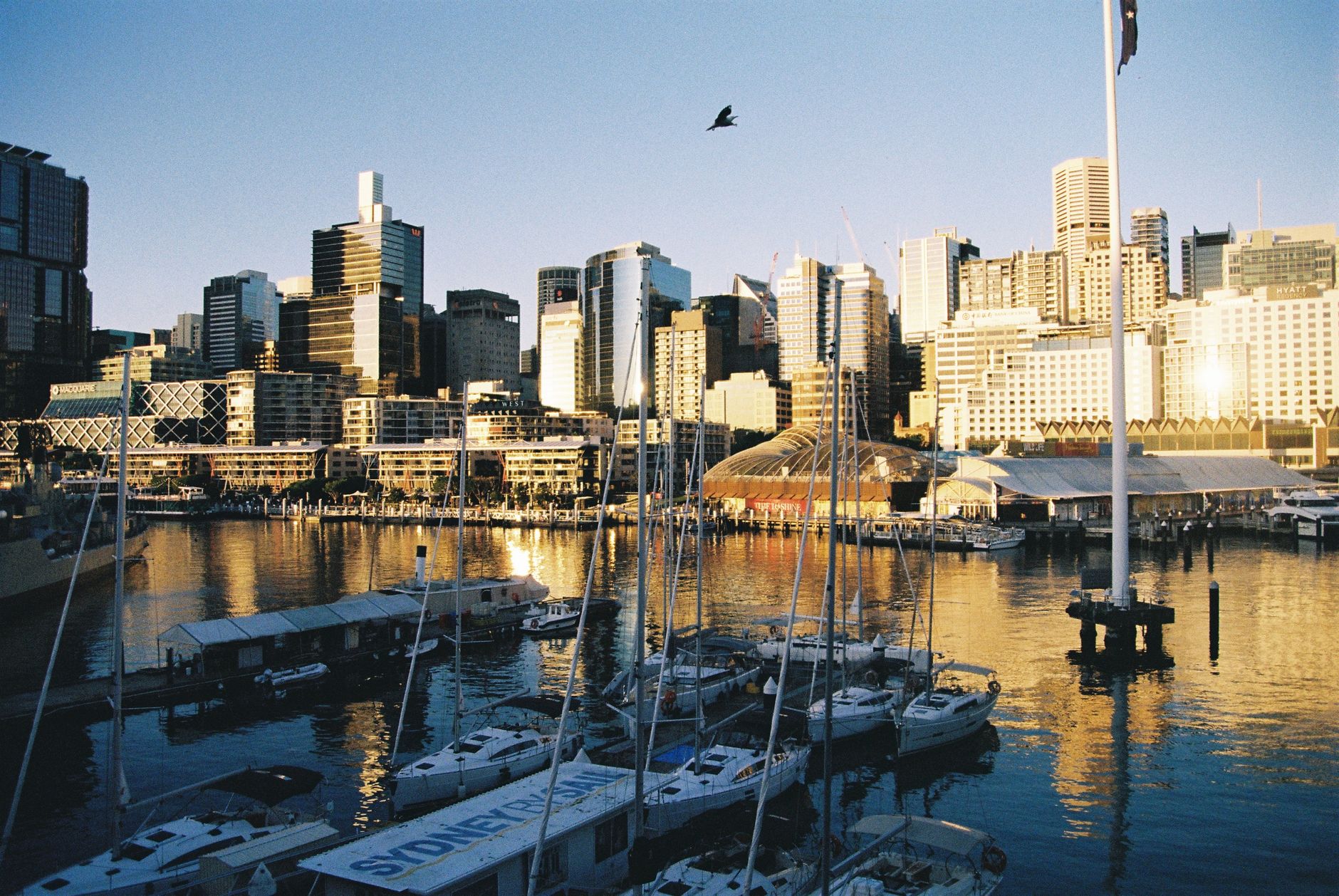
The Dharug people called this inlet Tambalong. Today, Pyrmont Bridge — one of the first electrically operated swing bridges in the world, built between 1899 and 1902 — still pivots open for tall vessels crossing Cockle Bay, a small mechanical theatre that stops foot traffic every time. On Saturday evenings at 8:30, fireworks go up from the water without any particular occasion, just a weekly ritual the harbour has made its own.
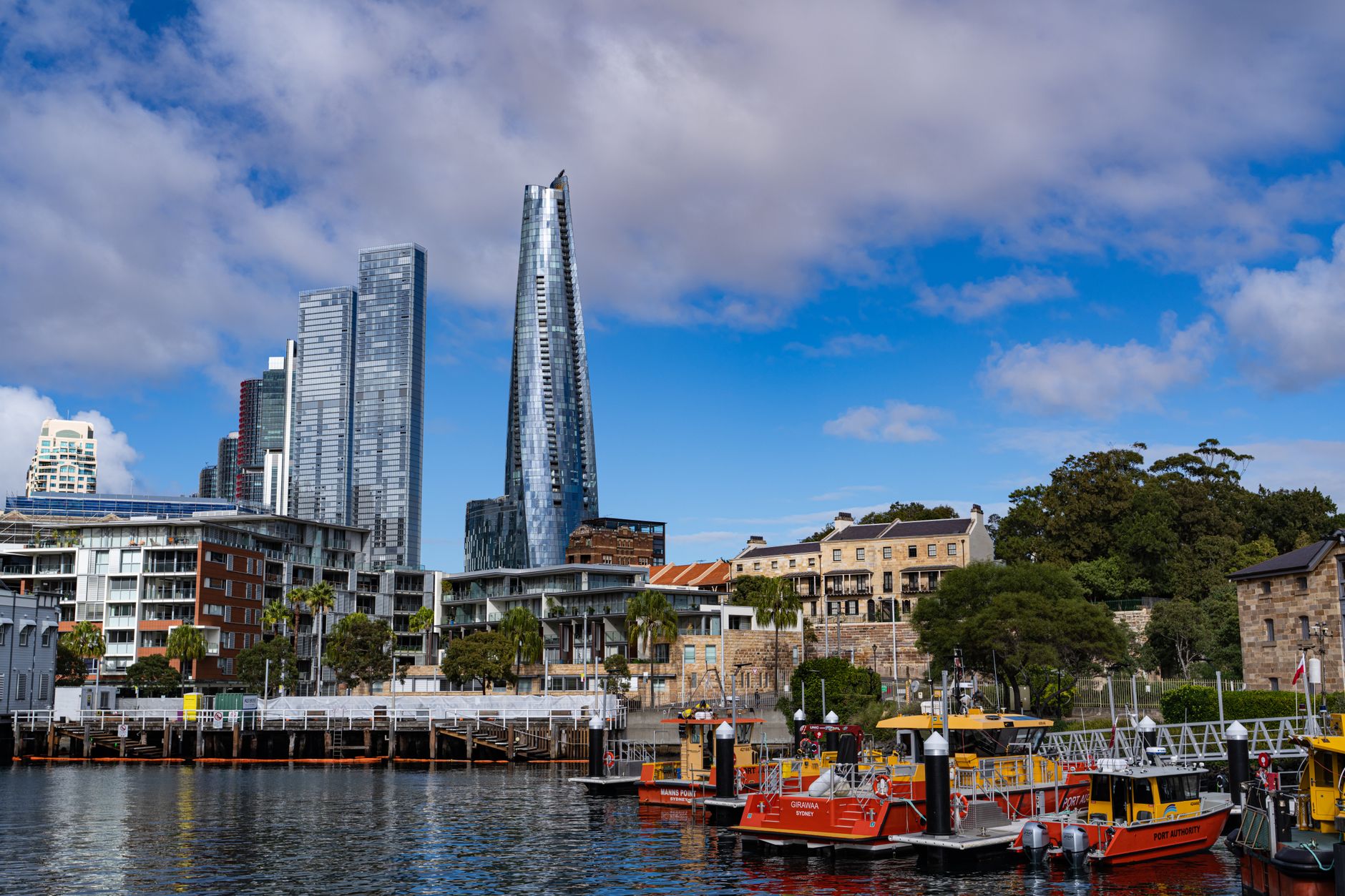
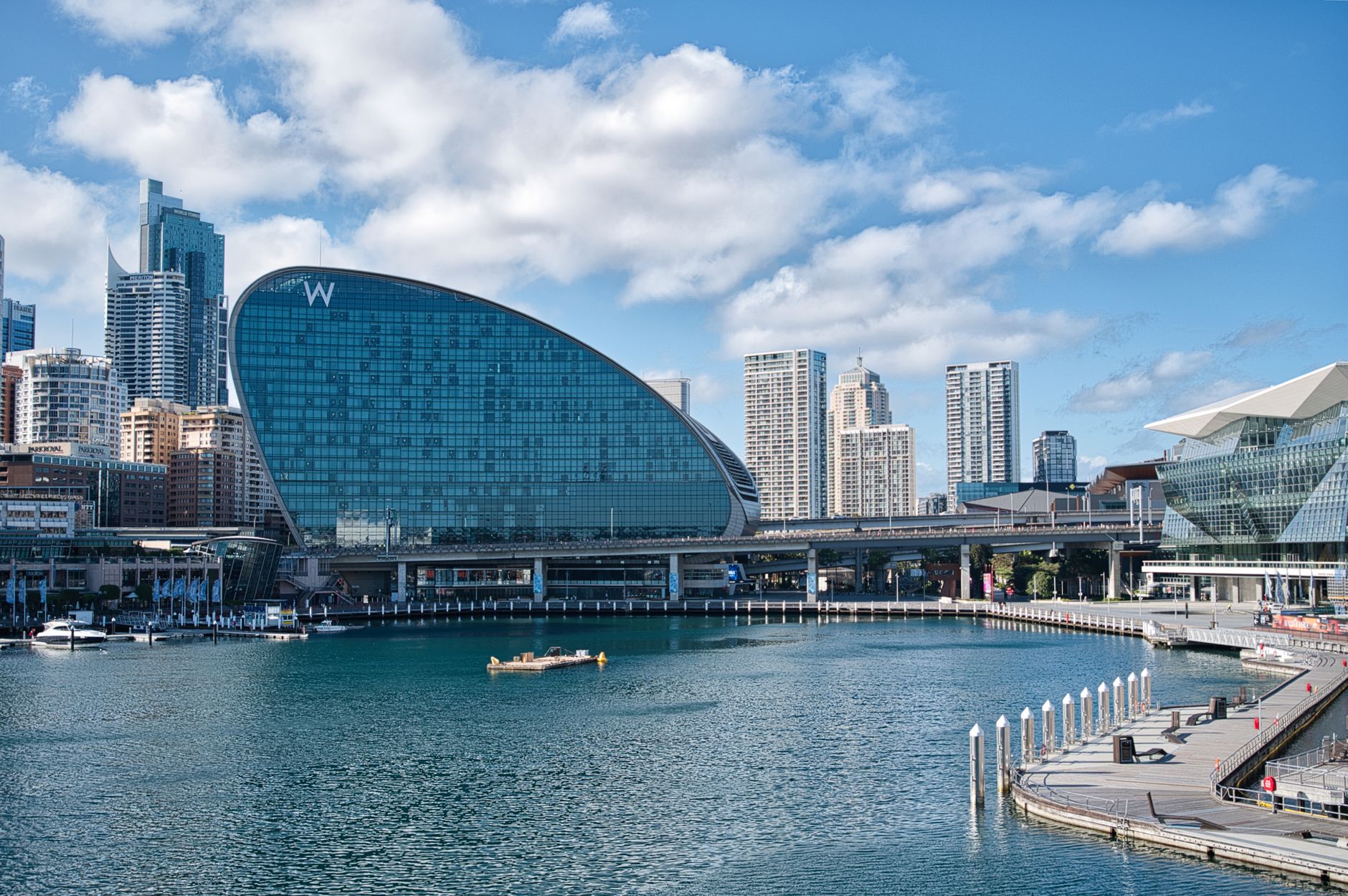
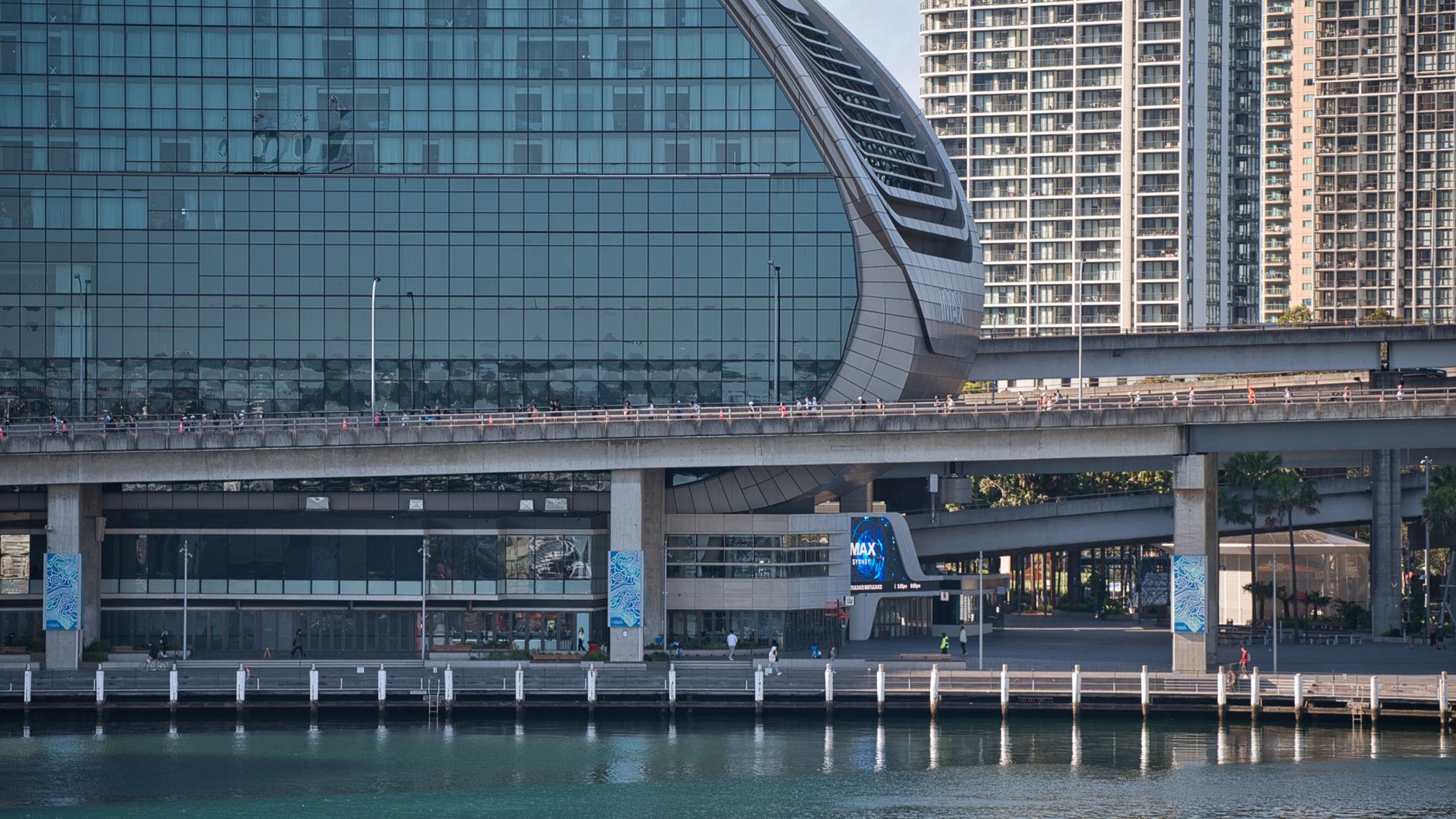
Darling Harbour is a working reinvention: once a freight yard where the last goods train rolled out in 1984, now a stretch of waterfront running north from Chinatown to King Street Wharf, with the Chinese Garden of Friendship, the ICC Sydney, and the recently opened Ribbon tower all sharing Tumbalong Boulevard — a name that quietly honours what was here long before the cranes.
💛 What travellers fall for
People who come back tend to time their visit around the bridge. Pyrmont Bridge opens on a schedule, and watching its electric swing span rotate mid-walk is one of those unrepeatable Sydney minutes. The Chinese Garden of Friendship charges entry but earns it — quieter than almost anywhere this close to the CBD, especially on a weekday morning.
Deals in Darling Harbour
Book directly at the provider


How Darling Harbour came to be
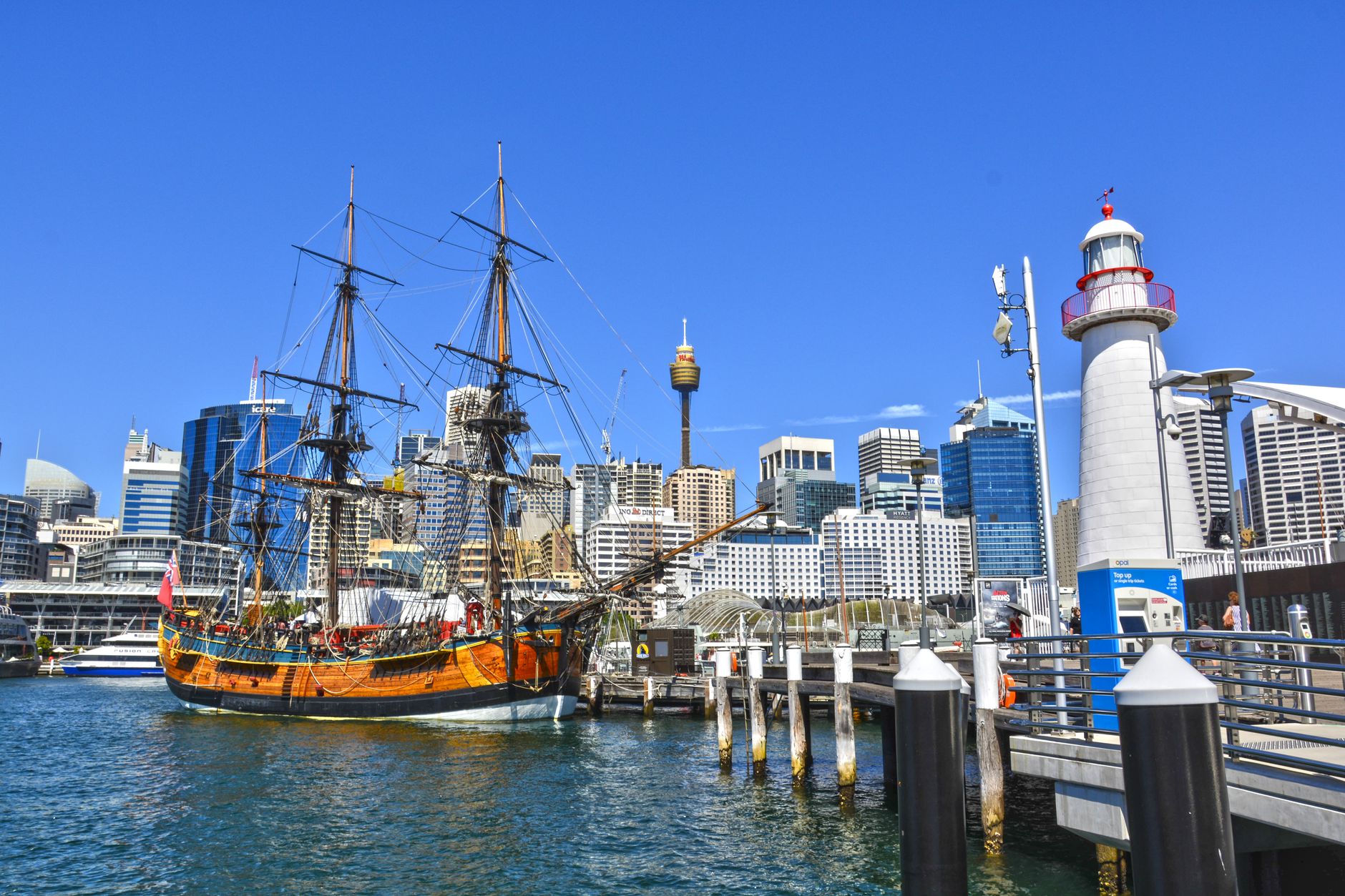
Long before it was Darling Harbour, this inlet was Tambalong — a Dharug place — then Long Cove, then Cockle Bay. In 1826, Governor Ralph Darling renamed it after himself, as governors did. By 1815, Australia's first steam engine was already at work on its shores, and by 1874, the Iron Wharf here was considered the most impressive metal structure in the world — a title it held until the Eiffel Tower arrived in 1889.
For most of the 20th century the area was freight yards and wharves, including the eastern stretch later known as the Hungry Mile, where Depression-era labourers walked the docks looking for casual work. In 1984, Premier Neville Wran announced its transformation — returned, he said, to the people of Sydney. Queen Elizabeth II opened it on 4 May 1988, arriving by royal yacht to a crowd of 10,000.
Who and what shaped it
People who shaped it
Landmark buildings
See Darling Harbour in motion
Plan your visit
On the map
When to go
Summer (December to February) draws the biggest crowds and the most reliable warmth, though March and June bring the heaviest rain. Winter is mild enough to walk comfortably; June is off-peak and noticeably quieter, which has its own appeal.
Right now
Background & history adapted from Wikipedia (CC BY-SA) · specs from Wikidata (CC0) · weather from Open-Meteo · map data © OpenStreetMap contributors · photos from Wikimedia Commons / Unsplash with per-image credit. No third-party reviews or social posts reproduced.