
Surry Hills
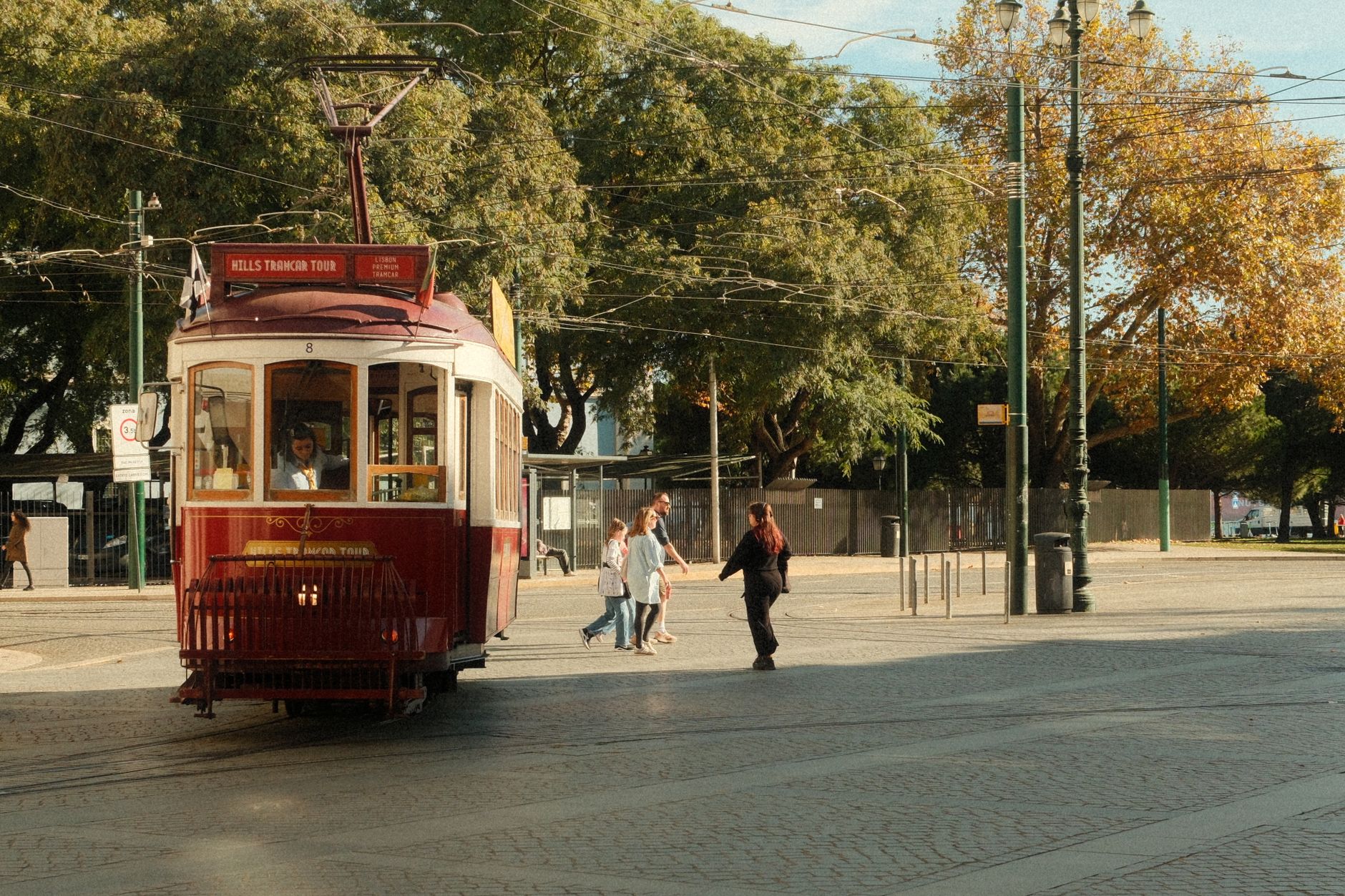
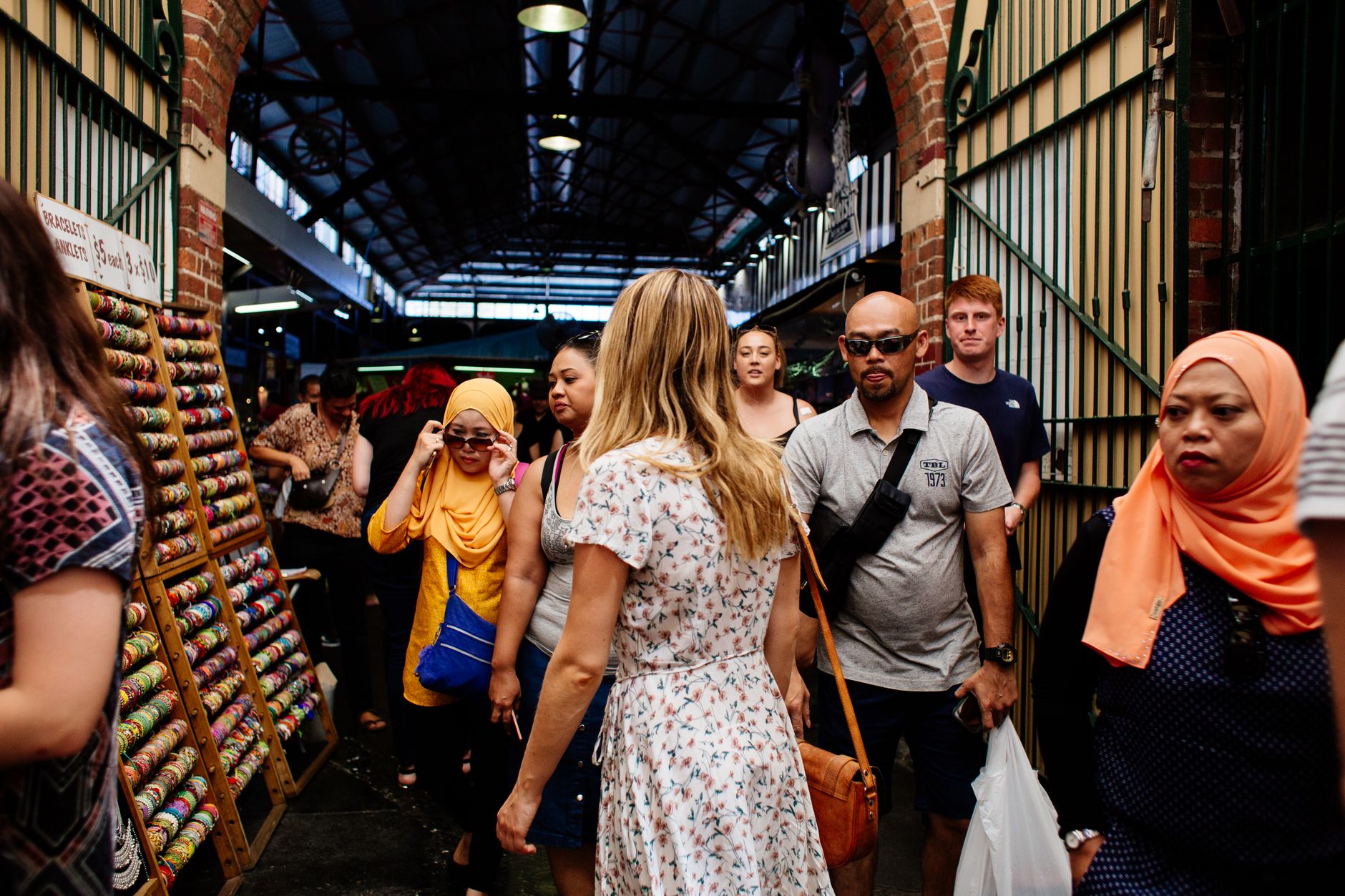
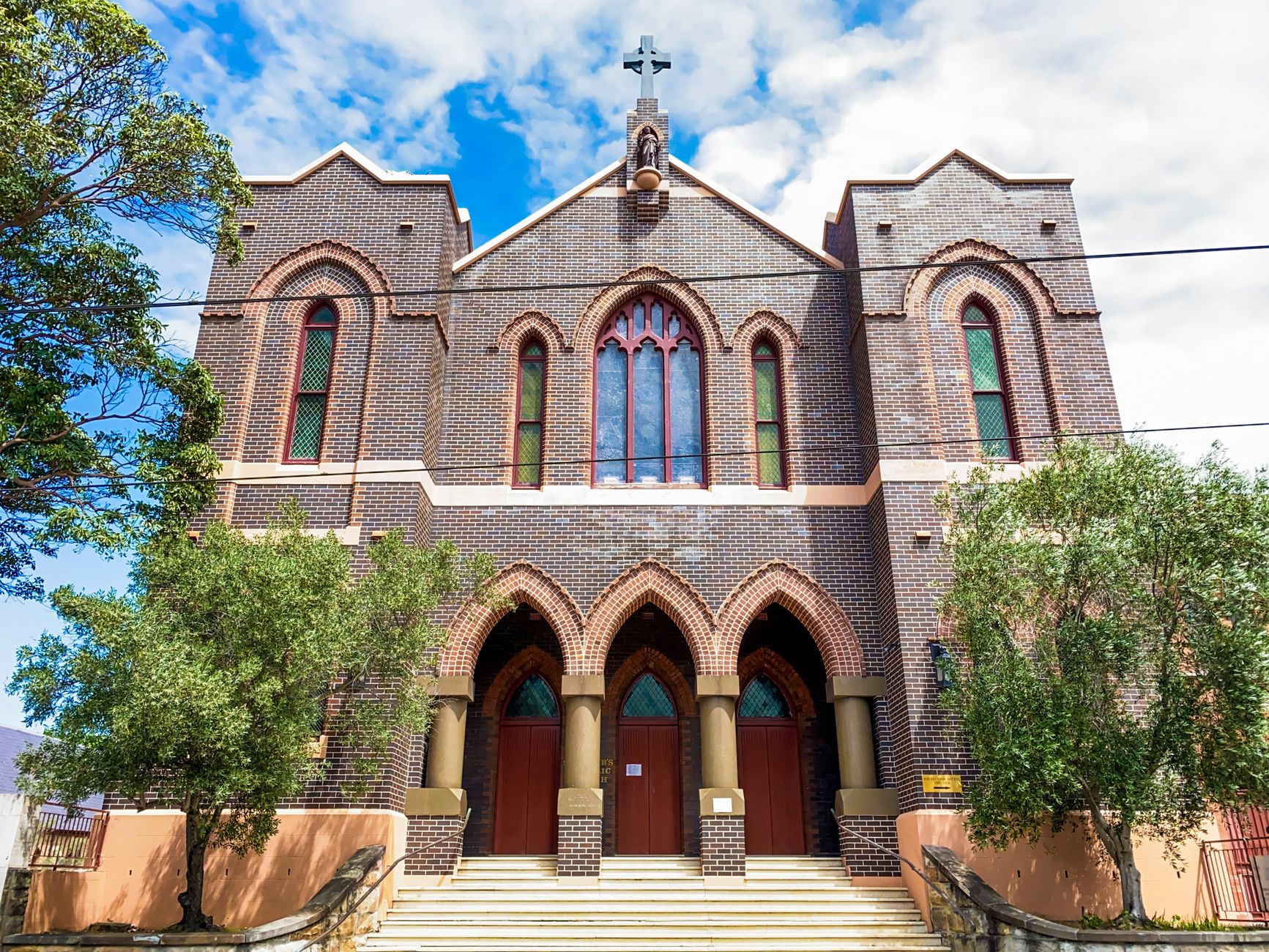
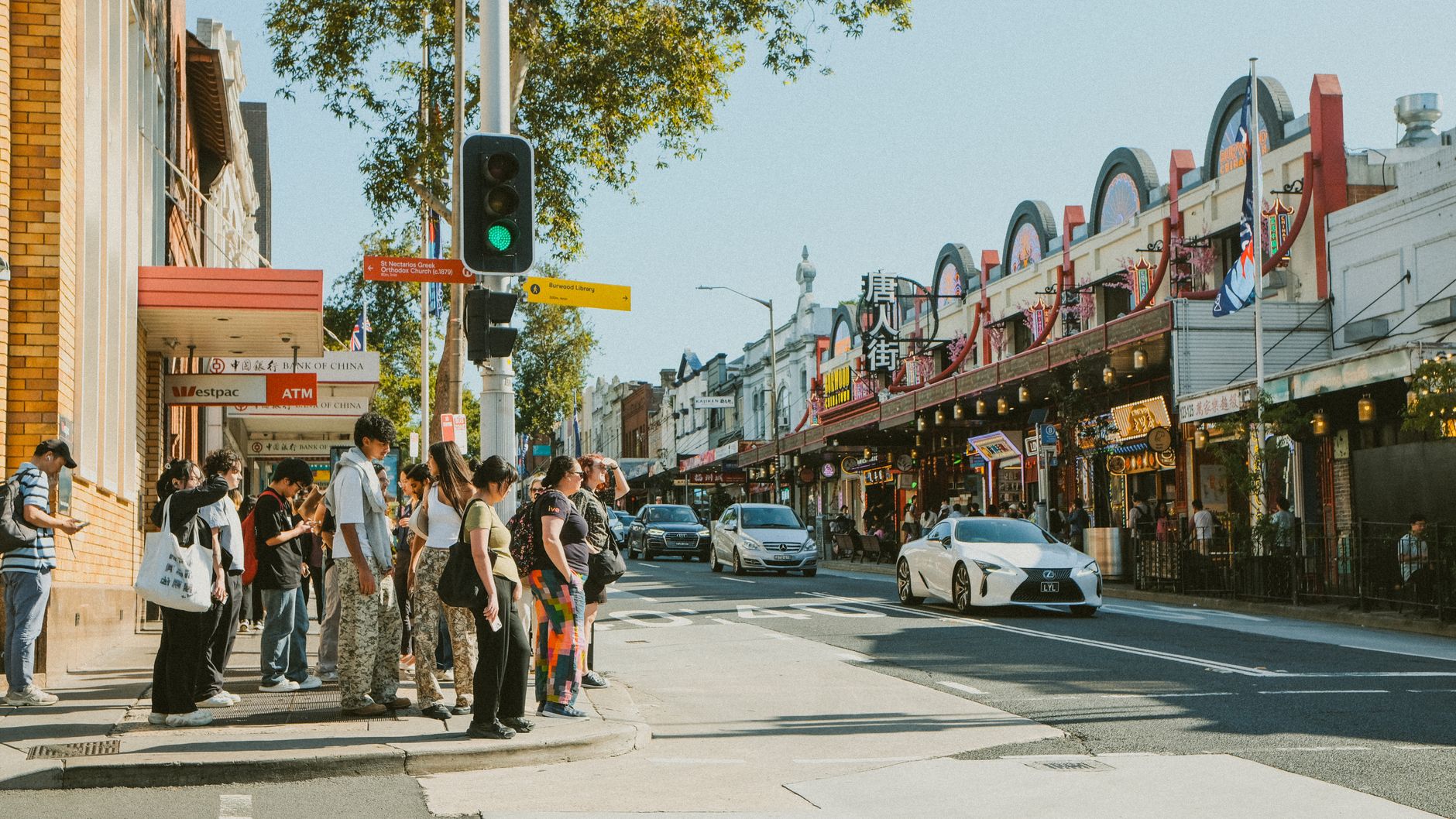
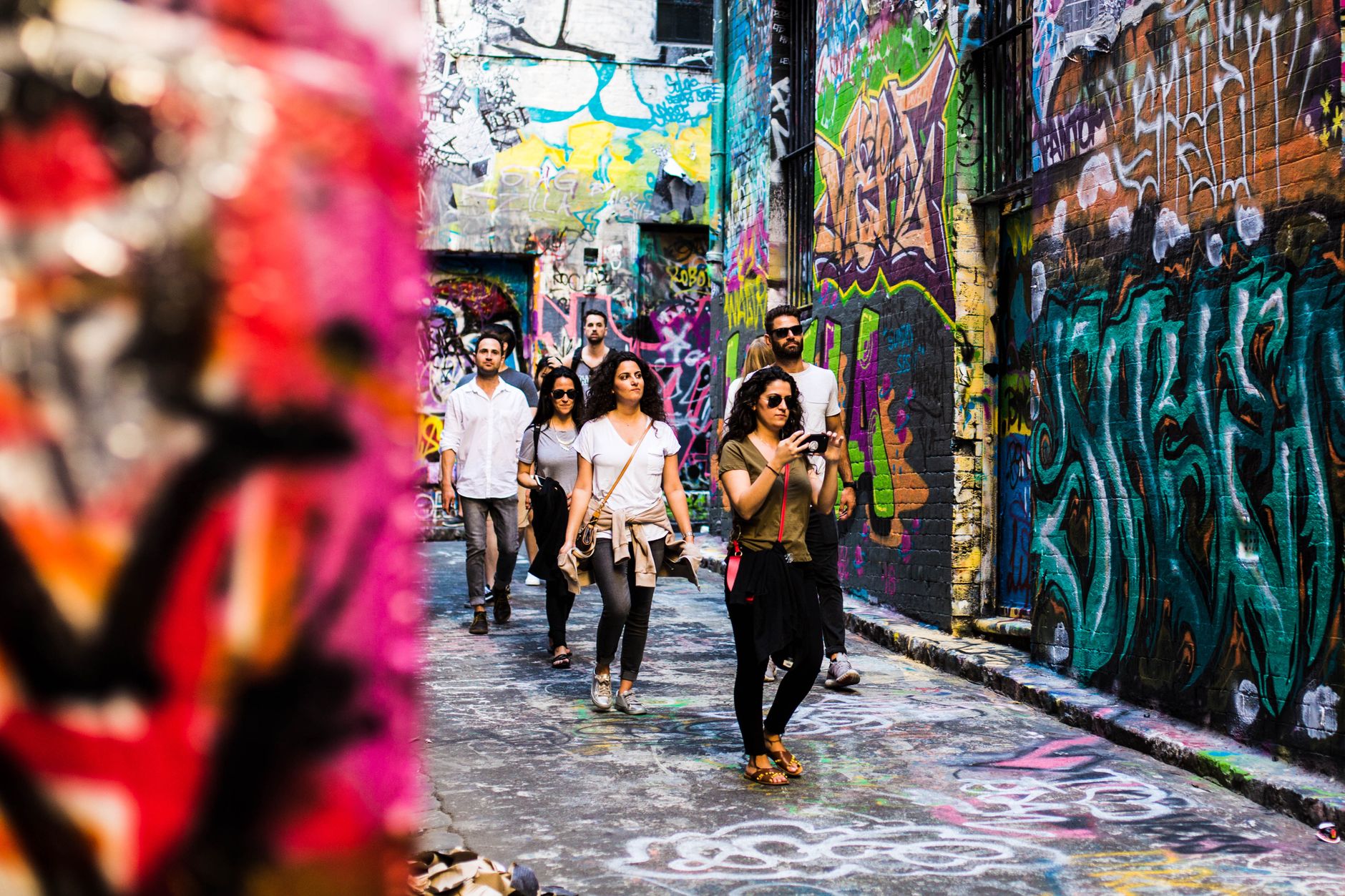
Walk Crown Street on a weekday morning and you'll find the rhythm of Surry Hills before it fully wakes: a barista at Artificer dialling in an espresso, the iron lacework on a Victorian terrace catching the light, a queue already forming outside a café that doesn't take reservations. This is a suburb that wears its history lightly — the old Paramount Pictures building now pours natural wine alongside a cinema screening, the former rag-trade warehouses are studios and restaurants — without pretending any of it was inevitable.
Surry Hills sits a ten-minute walk southeast of Central Station, dense and walkable, its grid of streets holding terrace houses, corner pubs, the Brett Whiteley Studio, and Belvoir St Theatre in close company. It rewards slow attention.
💛 What travellers fall for
Regulars tend to anchor their mornings at Single O or Reuben Hills, then drift toward the Surry Hills Markets in Shannon Reserve on the first Saturday of the month. The Golden Age cinema inside the heritage Paramount building is worth an afternoon. Prince Alfred Park pool, refurbished and reopened in 2013, is quieter than you'd expect for a suburb this dense.
Deals in Surry Hills
Book directly at the provider

How Surry Hills came to be
The land that became Surry Hills changed hands fast after European settlement. Major Joseph Foveaux received 105 acres in the 1790s and named it Surry Hills Farm after the Surrey Hills in England; John Palmer, who held the neighbouring 90 acres, bought Foveaux out by 1800. Palmer's estate was first subdivided in 1814, with Samuel Terry — known as the 'Botany Bay Rothschild' — among the original purchasers. Terry laid the foundation stone of the Albion Brewery in 1826.
Through the mid-19th century, terrace houses and workers' cottages filled the blocks. By the early 20th century the suburb had become the core of Sydney's clothing and hat manufacturing industry, a character it held until offshore production drained it in the late 1970s. Gentrification followed through the 1980s, and Ruth Park's novel The Harp in the South — drawn from her time living here — remains a record of what the suburb looked like before the restoration crews arrived.
Who and what shaped it
People who shaped it
Landmark buildings
See Surry Hills in motion
Plan your visit
On the map
When to go
Summers run warm to hot (25–29°C, occasionally higher), with the wettest months falling in that same December-to-February window. Winter is mild rather than cold — maximums of 16–19°C — making it a reasonable year-round destination; autumn's shoulder months of March and April offer the most forgiving temperatures for walking.
Right now
Background & history adapted from Wikipedia (CC BY-SA) · specs from Wikidata (CC0) · weather from Open-Meteo · map data © OpenStreetMap contributors · photos from Wikimedia Commons / Unsplash with per-image credit. No third-party reviews or social posts reproduced.