
Cronulla
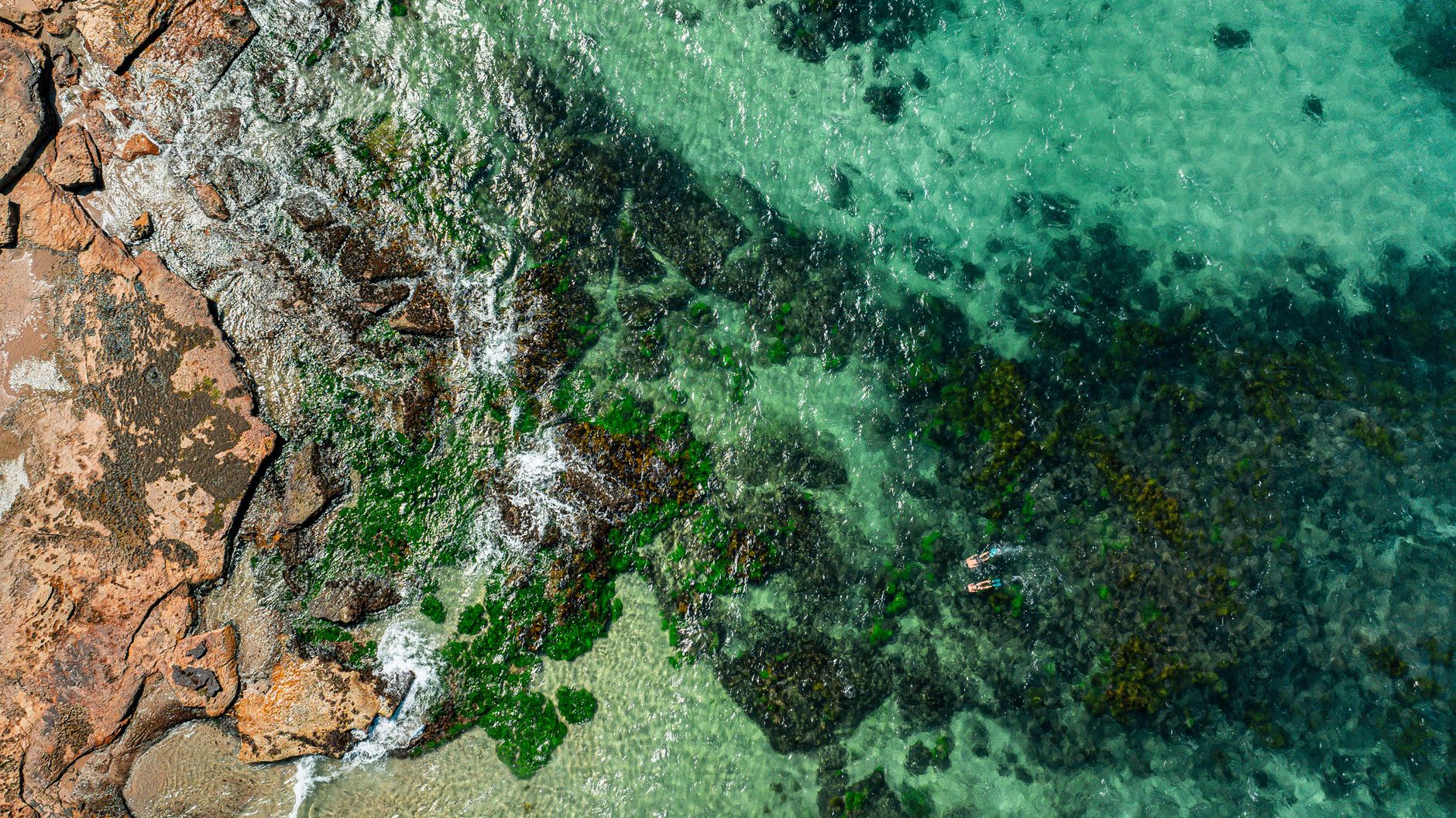
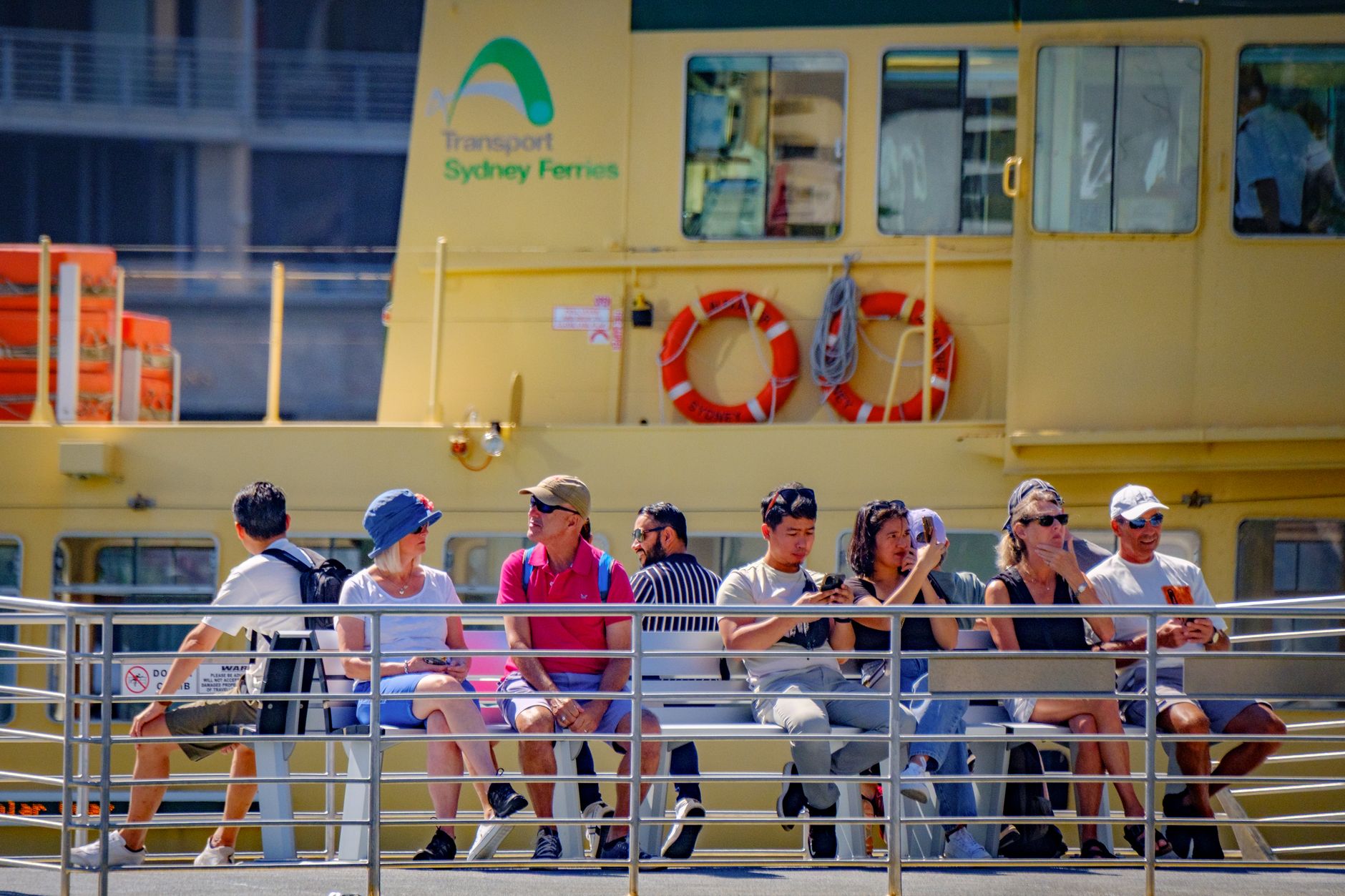
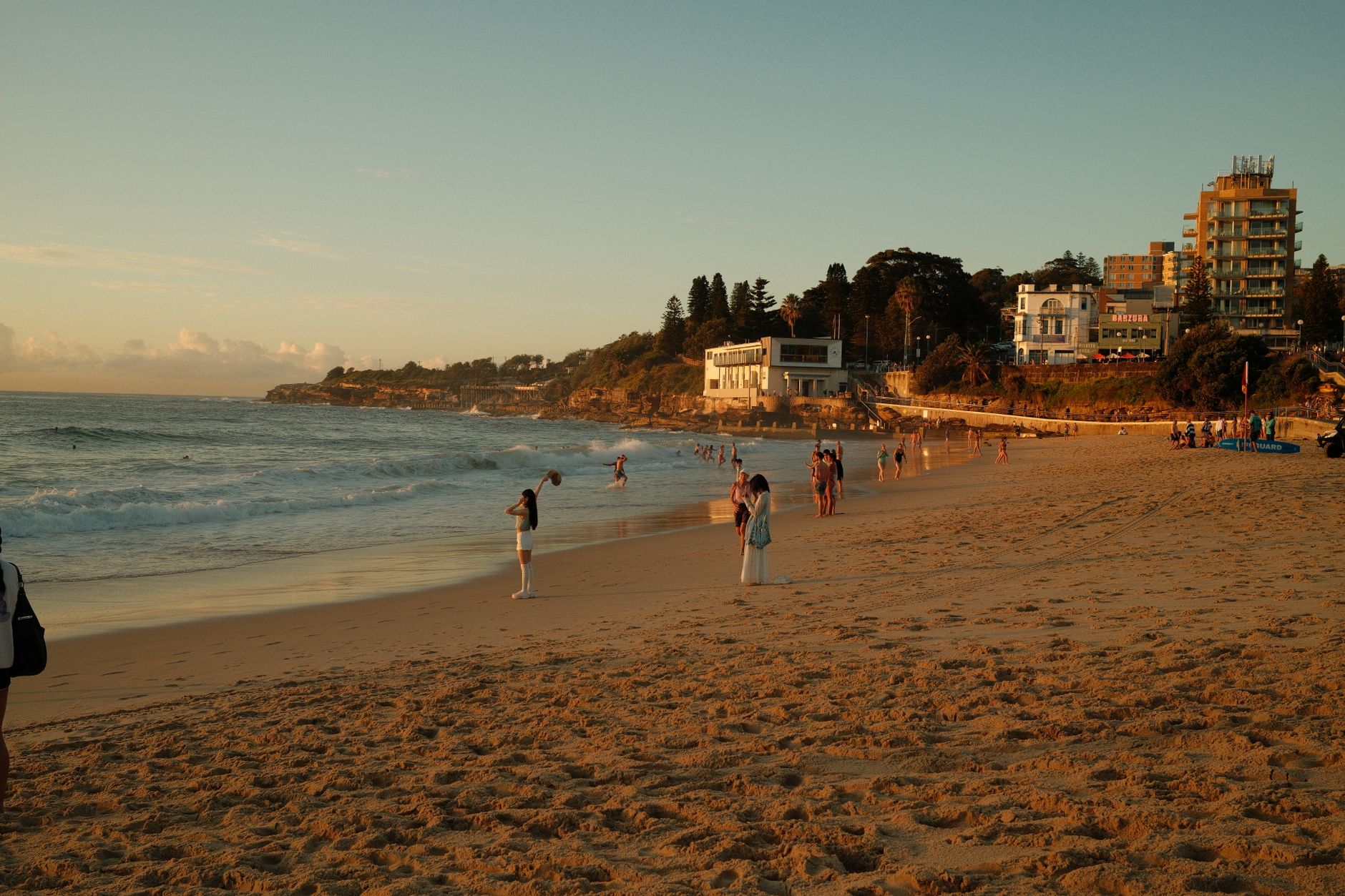
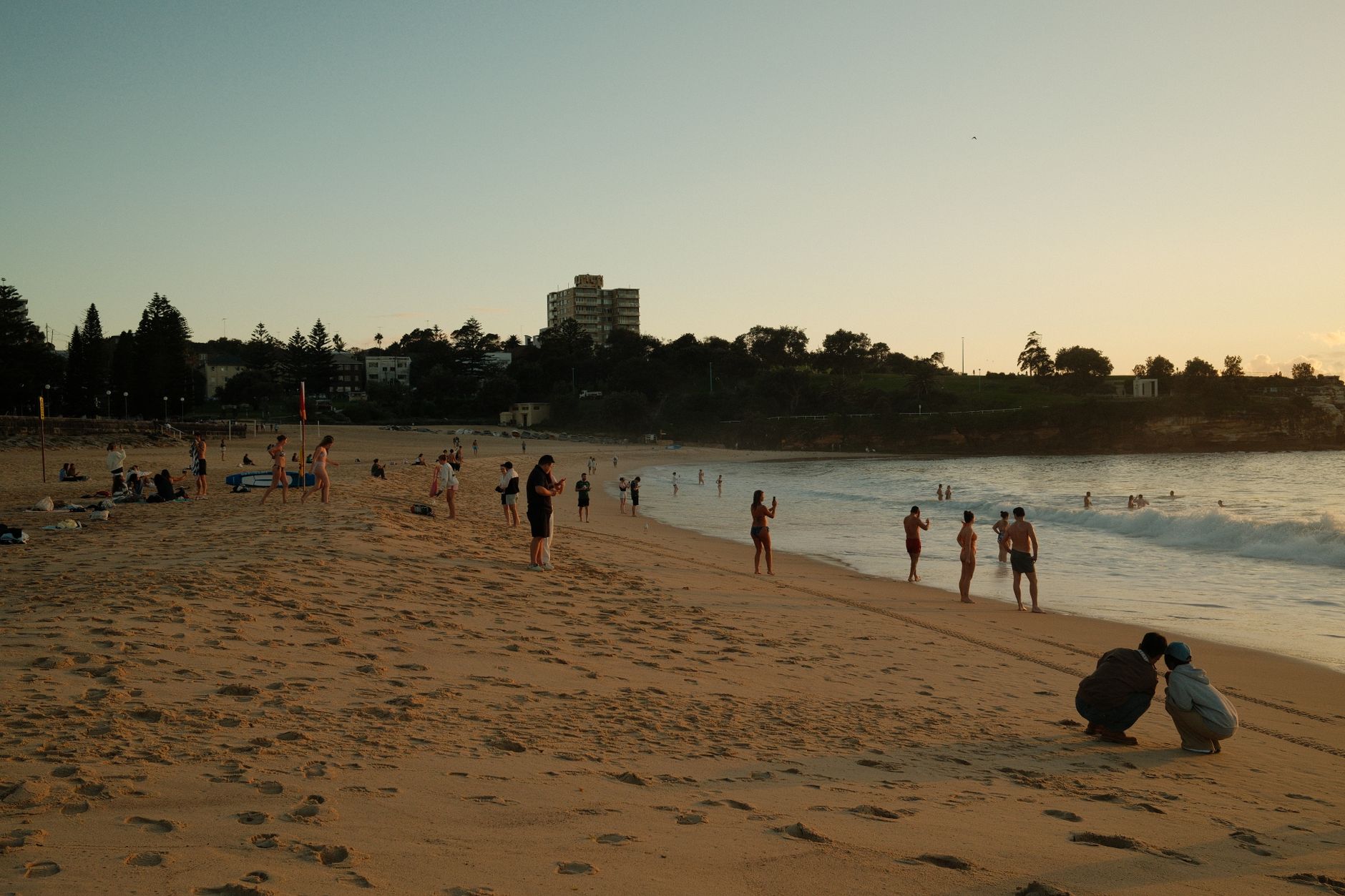
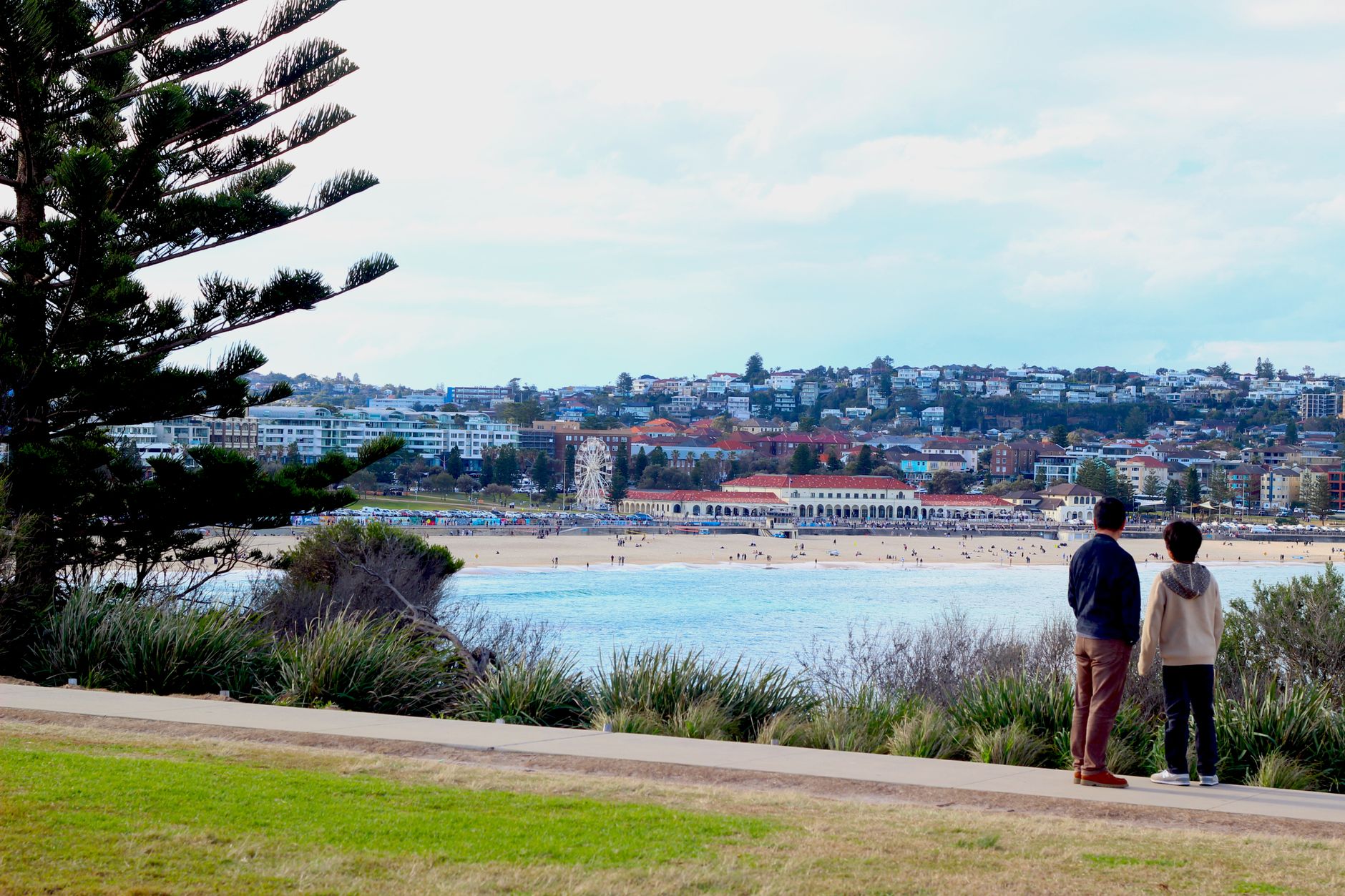
Cronulla sits at the end of a single train line, which gives it the feel of a place that earns its visitors rather than inheriting them. The name comes from Kurranulla, the Gweagal word for 'place of the small pink seashell', and the coast here still has that quality — particular, a little delicate, worth looking closely at. It is Sydney's southernmost ocean beach suburb, pressed between Port Hacking and the Pacific, with rock pools linking the two main stretches of sand and a ferry wharf on Gunnamatta Bay that connects to the edge of Royal National Park.
The strip along Cronulla Street has the low-key rhythm of a place where people actually live: surf shops, a pub, a library that has been here since 1955. The beach itself is patrolled year-round, and a free beach wheelchair and Mobi Mat service makes the sand genuinely accessible.
💛 What travellers fall for
People who come back tend to catch the Bundeena ferry from the wharf beside Tonkin Park — it crosses Port Hacking in minutes and drops you at the boundary of Royal National Park. They also walk the rock pools between Cronulla Beach and North Cronulla at low tide, when the water is clear and the crowds thin out toward the southern end.
Deals in Cronulla
Book directly at the provider

How Cronulla came to be
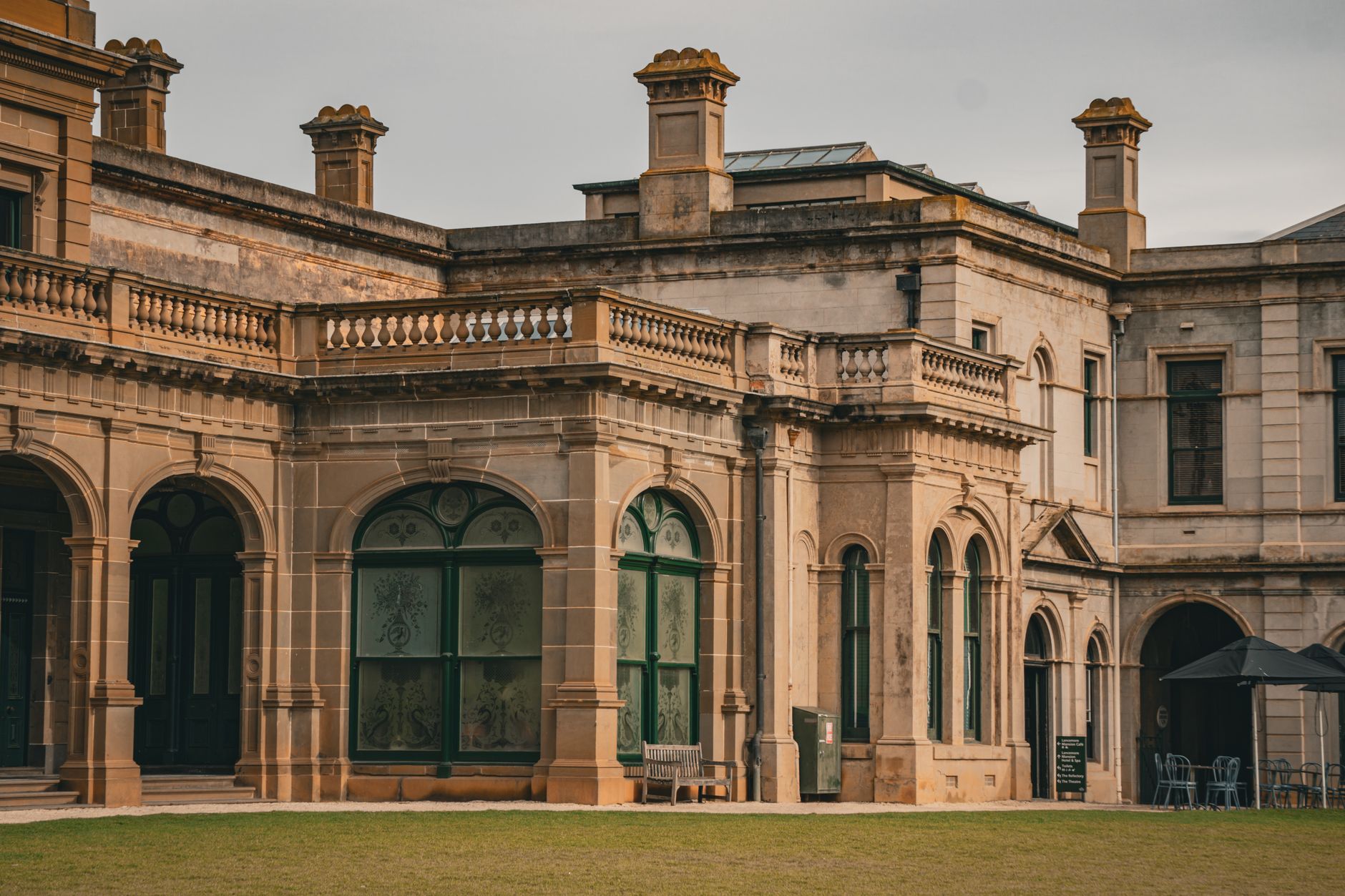
Matthew Flinders and George Bass mapped the coastline and Port Hacking estuary in 1796; the southernmost headland now carries both their names. Surveyor Robert Dixon named the beaches in 1827–28, though the main beach was still recorded as Karranulla as late as 1840. John Connell received a land grant of 380 acres in 1835, and by the 1860s Thomas Holt controlled most of the land between Sutherland and the coast. The first permanent resident arrived in 1888: Captain Joseph Henry Rounce Spingall, a master mariner who built the two-storey Oriental Guest House above what is now the North Cronulla Hotel.
The area was subdivided in 1895 at ten pounds per acre. The government briefly renamed it Gunnamatta in 1899 before officially restoring Cronulla on 26 February 1908. Steam trams connected it to Sutherland from 1911; the railway followed in 1939, when the heritage-listed station — with what is now the second-longest platform in New South Wales — was opened by NSW Governor Lord Wakehurst on 16 December that year.
Who and what shaped it
People who shaped it
Landmark buildings
See Cronulla in motion
Plan your visit
On the map
When to go
Summer runs warm, with maximums between 26°C and 30°C and seawater reaching about 24°C in February, though January and February can push past 35°C in a heatwave. Winter is mild rather than cold — daytime highs of 16–19°C, rarely any frost — making the beach walkable in most months if not always swimmable.
Right now
Background & history adapted from Wikipedia (CC BY-SA) · specs from Wikidata (CC0) · weather from Open-Meteo · map data © OpenStreetMap contributors · photos from Wikimedia Commons / Unsplash with per-image credit. No third-party reviews or social posts reproduced.