
Bankstown
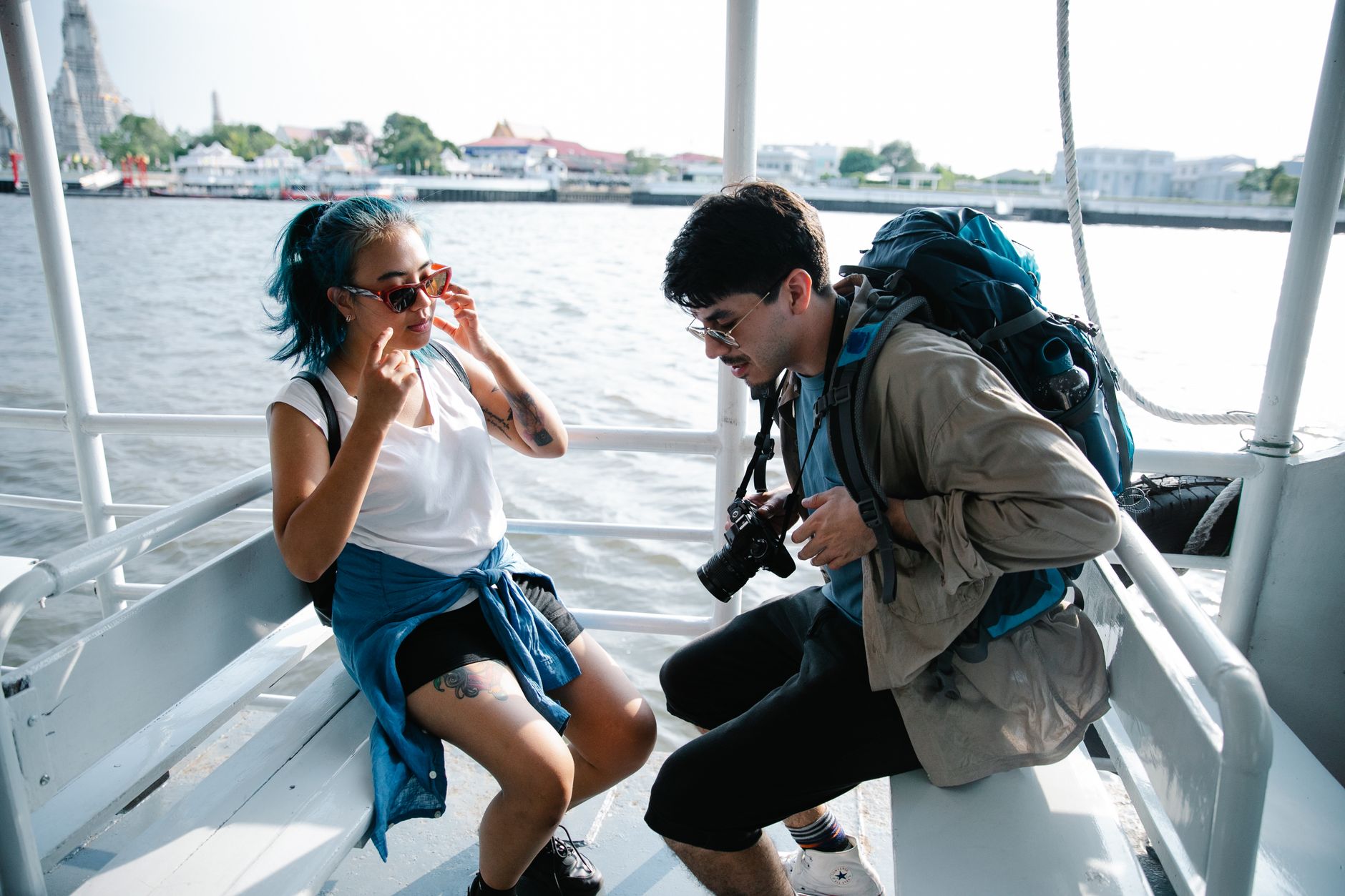
Bankstown announces itself through its train station — a place that has been a terminus for over a century and is about to become something new again, with metro works reshaping the precinct around it. The suburb sits on the Cumberland Plains, where turpentine ironbark forest once covered the ground and the Bediagal people lived long before Governor John Hunter named this district in 1797 after the botanist Joseph Banks.
Today it is a dense, working corner of south-west Sydney: Paul Keating Park marks where a council building burned down, a heritage water tower from 1920 still supplies the surrounding suburbs, and a WWII bunker on Marion Street quietly holds more history than most plaques can explain.
💛 What travellers fall for
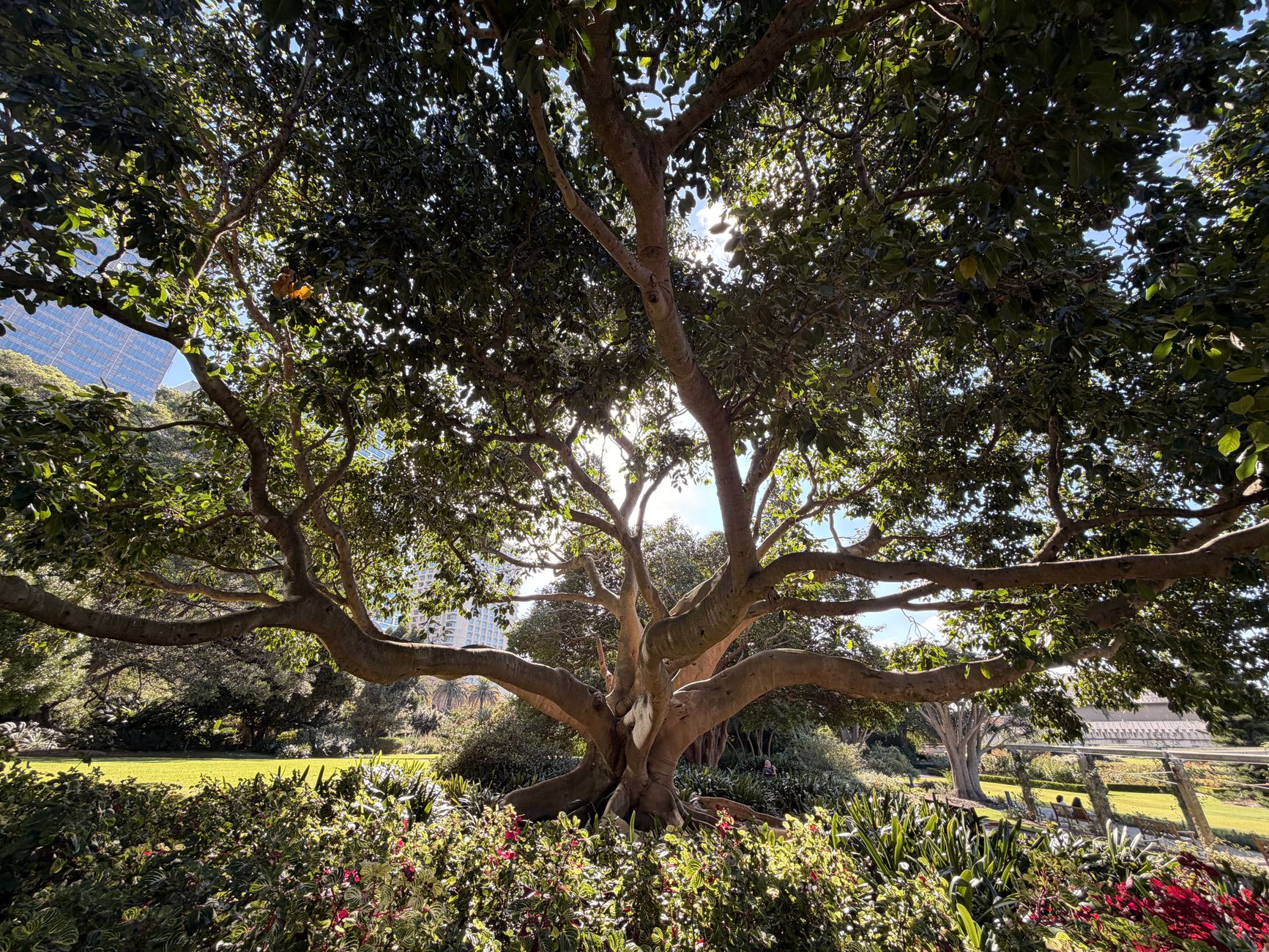
People who keep coming back tend to mention the Bankstown Library and Knowledge Centre — not as an errand but as a destination, a FJMT-designed building that the NSW Government Architect singled out as a reference for better civic design. Pair it with a walk through City Gardens and you have a surprisingly unhurried afternoon in a suburb most visitors pass straight through.
Experiences you don't want to miss



Deals in Bankstown
Book directly at the provider

How Bankstown came to be
Governor John Hunter established the District of Bankstown in 1797, naming it for Sir Joseph Banks — the botanist who had sailed with Cook and lent his name to much of early colonial New South Wales. The land was Bediagal country, and before European clearing, Cumberland Plains woodland and turpentine ironbark forest defined the landscape. Matthew Flinders and George Bass had explored the Georges River nearby in 1795 and reported favourably on the surrounding land, nudging Hunter toward settlement.
The suburb's twentieth century was shaped by infrastructure: a rail line arriving in 1909, an airport established in 1940 on 313 hectares, and during the Second World War a semi-underground RAAF operations facility — the Bankstown Bunker — that functioned as Air Defence Headquarters Sydney from 1945 until it closed in 1947. When Bankstown Square opened in September 1966 as Australia's largest shopping centre at the time, it marked a different kind of ambition: the suburb as regional hub, a role it has held, in various forms, ever since.
Who and what shaped it
People who shaped it
Landmark buildings
See Bankstown in motion
Plan your visit
On the map
When to go
Bankstown shares Sydney's temperate climate but sits further inland, which means hotter summers — days above 35°C are not uncommon in January and February — and noticeably cooler, crisper winters than the coast. Spring and autumn offer the most comfortable conditions for walking around the town centre.
Right now
Background & history adapted from Wikipedia (CC BY-SA) · specs from Wikidata (CC0) · weather from Open-Meteo · map data © OpenStreetMap contributors · photos from Wikimedia Commons / Unsplash with per-image credit. No third-party reviews or social posts reproduced.