
Sydney CBD
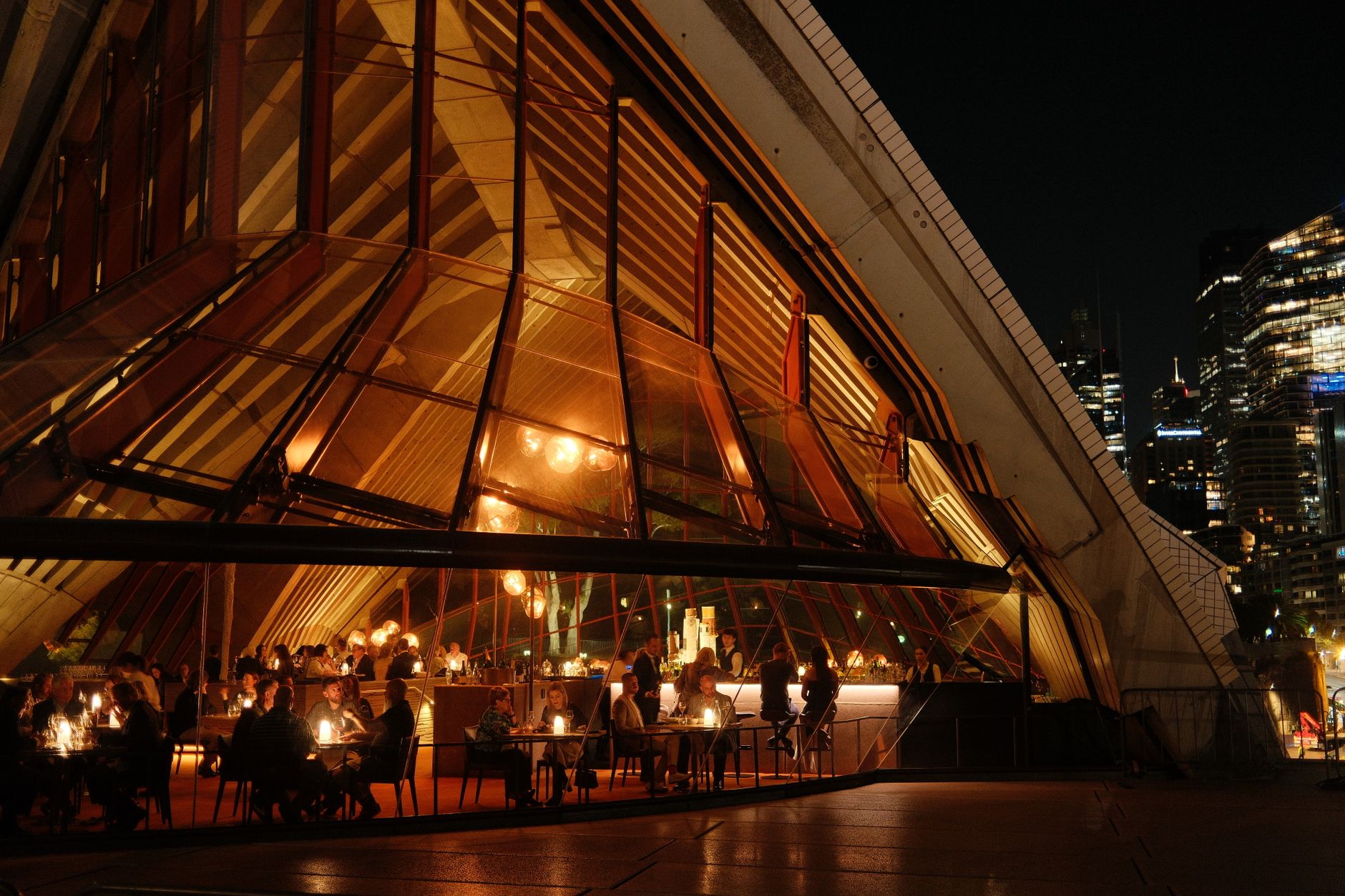
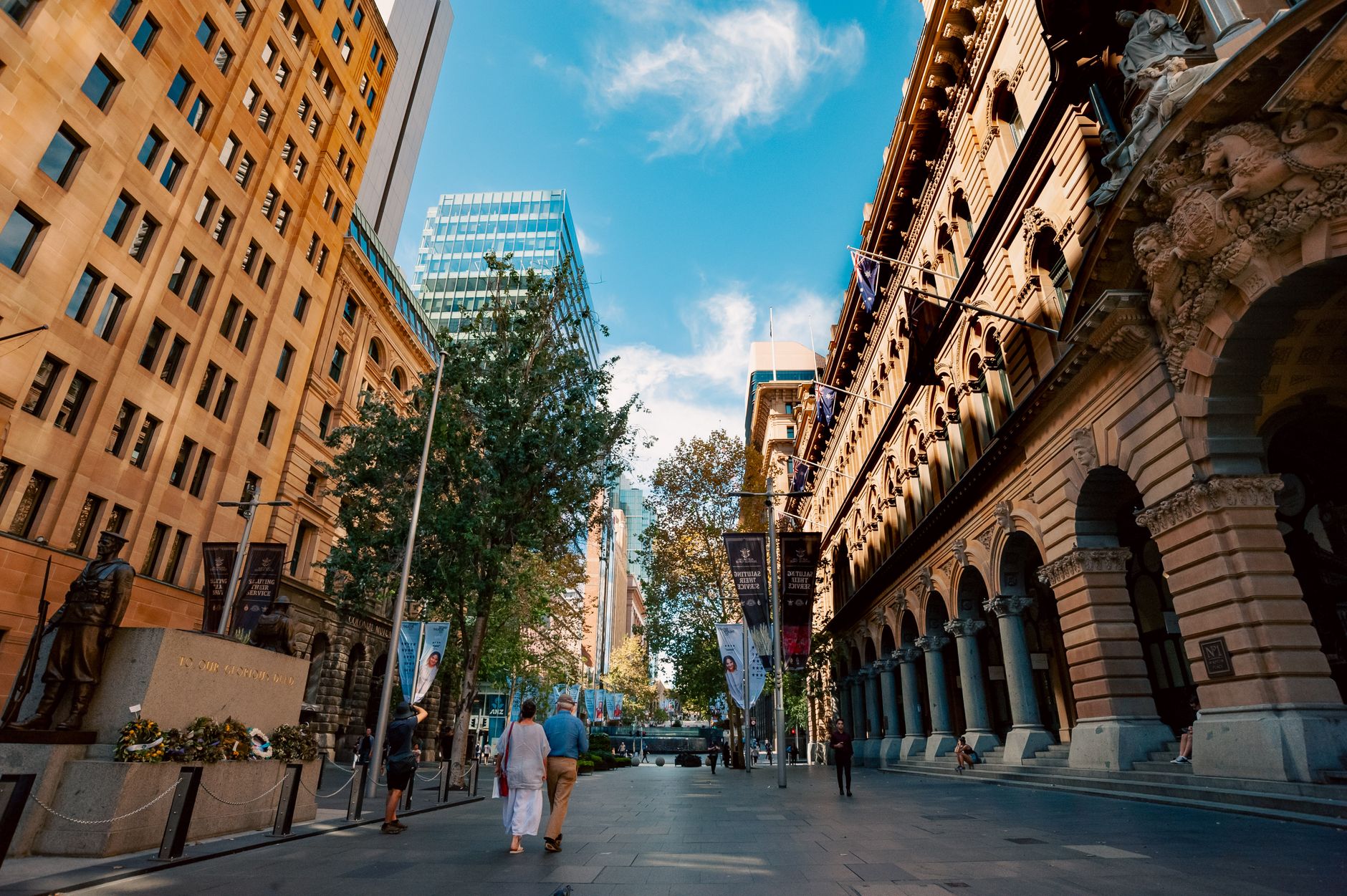
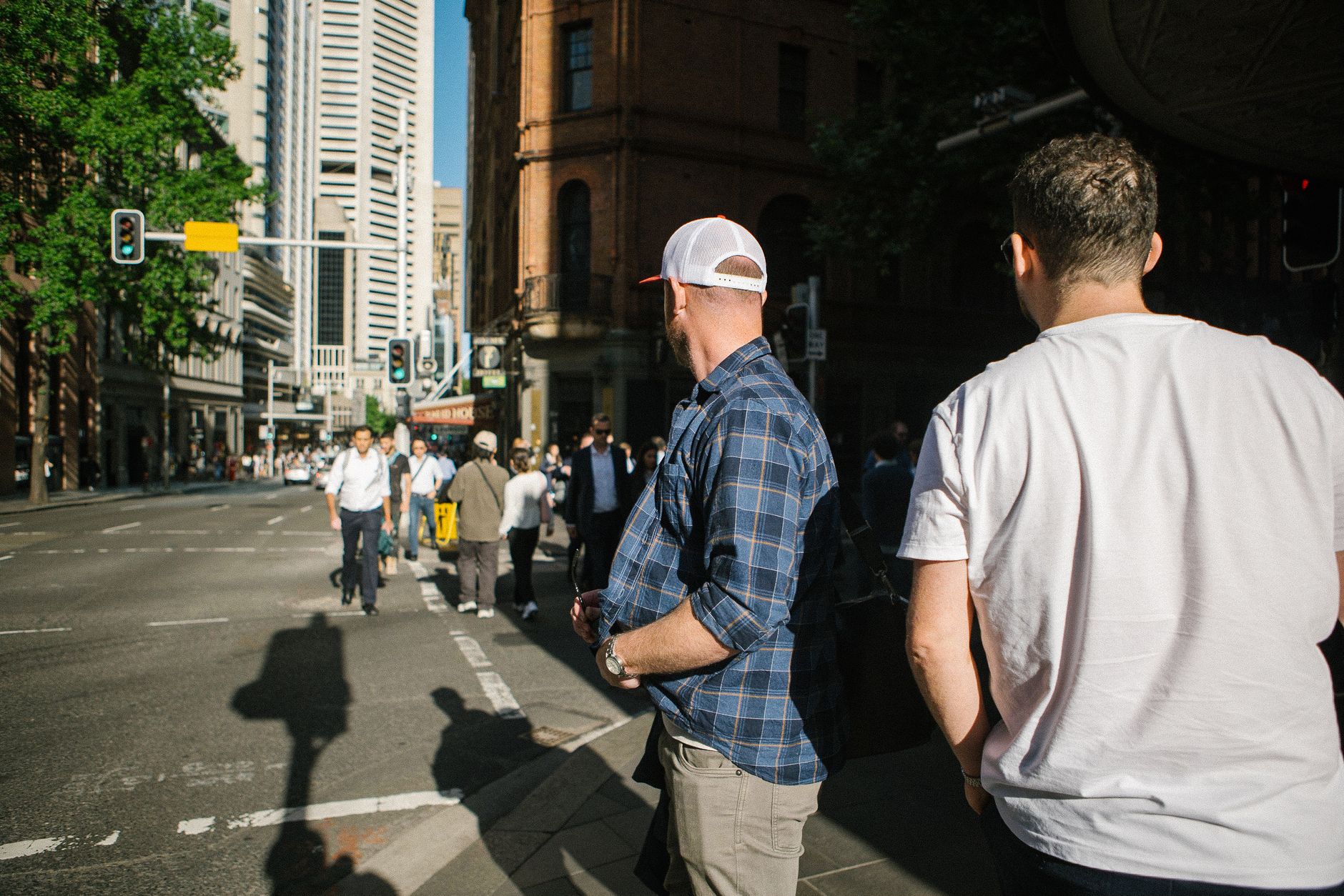
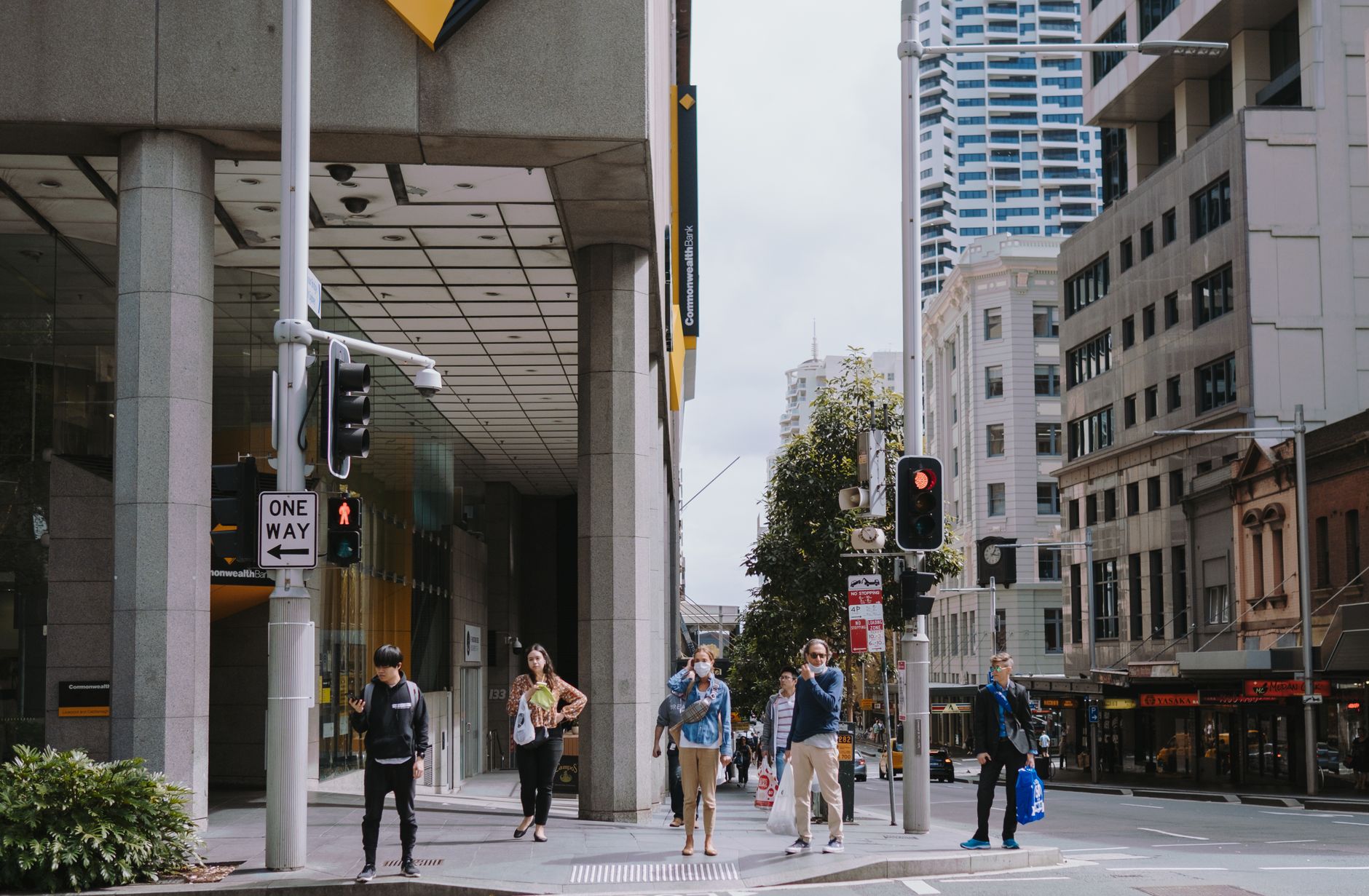
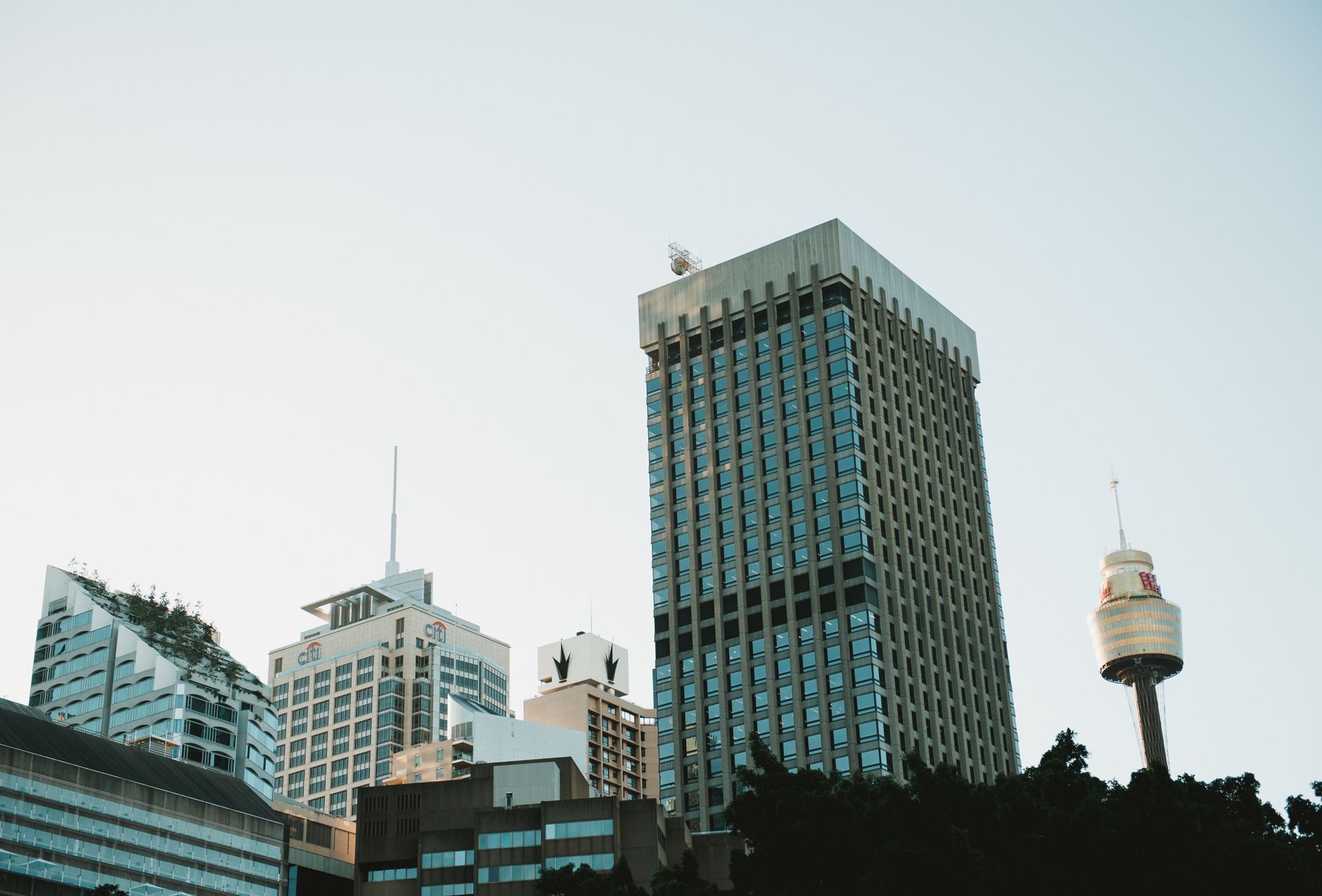
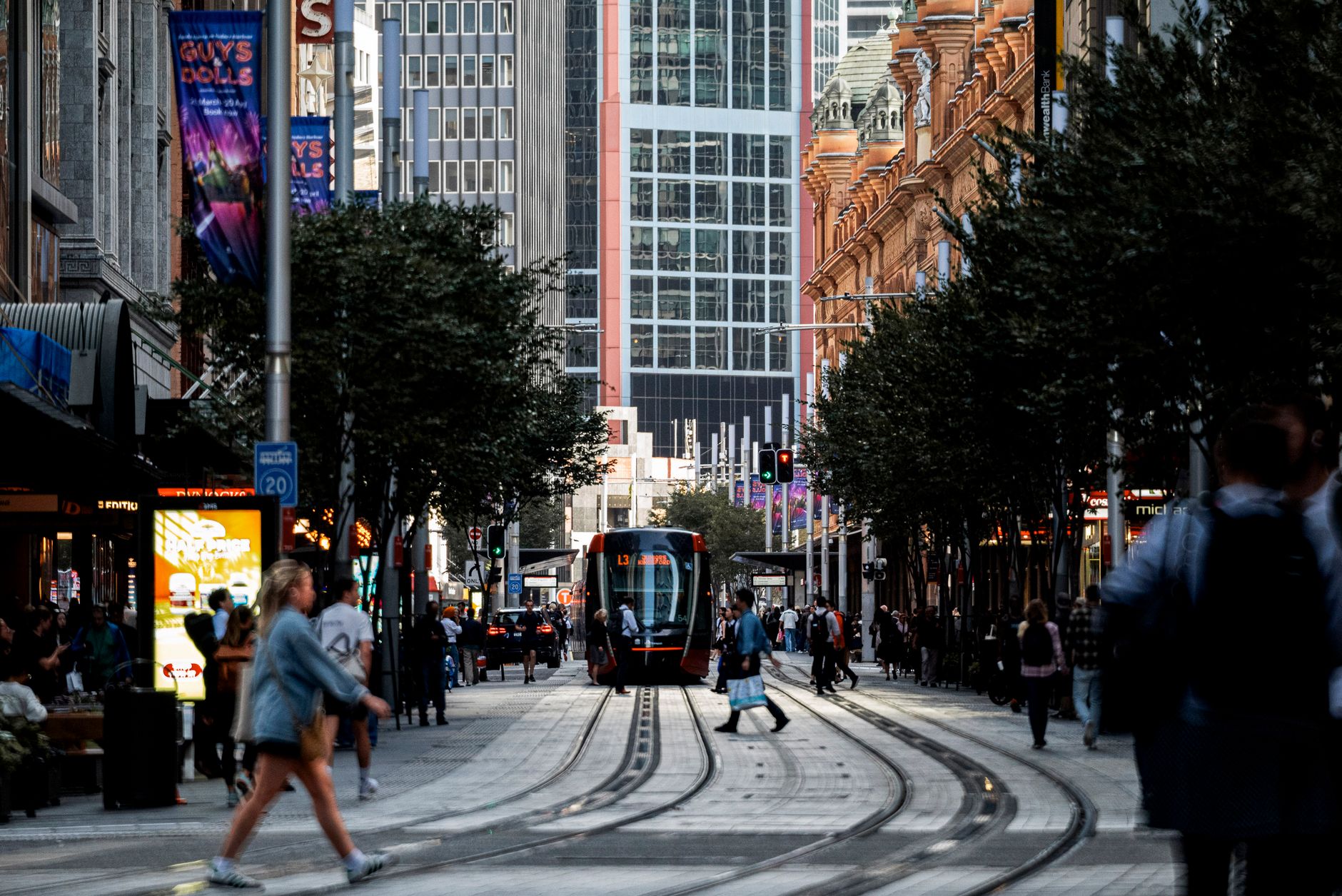
The grid drops straight to the water here. Stand at Circular Quay on a weekday morning and you'll see the harbour ferry commuters, the Opera House at your left shoulder, the Harbour Bridge pulling the sky apart to the right — and behind you, the whole vertical city pressing forward. Sydney CBD is where the colony started and where the money still moves, a place of sandstone churches pressed against glass towers, of pedestrian laneways that cut through blocks originally laid out for convict labour.
It holds more layers than its glass-and-steel surface suggests. The Cadigal people knew this shoreline for at least 30,000 years before a British fleet sailed into Port Jackson in 1788. That long occupation rarely announces itself loudly, but it's there if you know to look.
💛 What travellers fall for
Regulars tend to navigate by train lines rather than landmarks — the City Circle is your spine, Circular Quay your reset point. The State Library reading room is genuinely useful for a quiet hour, and Martin Place at lunchtime moves faster than it looks. Hyde Park Barracks earns the detour; the museum inside it does not soften the history.
Deals in Sydney CBD
Book directly at the provider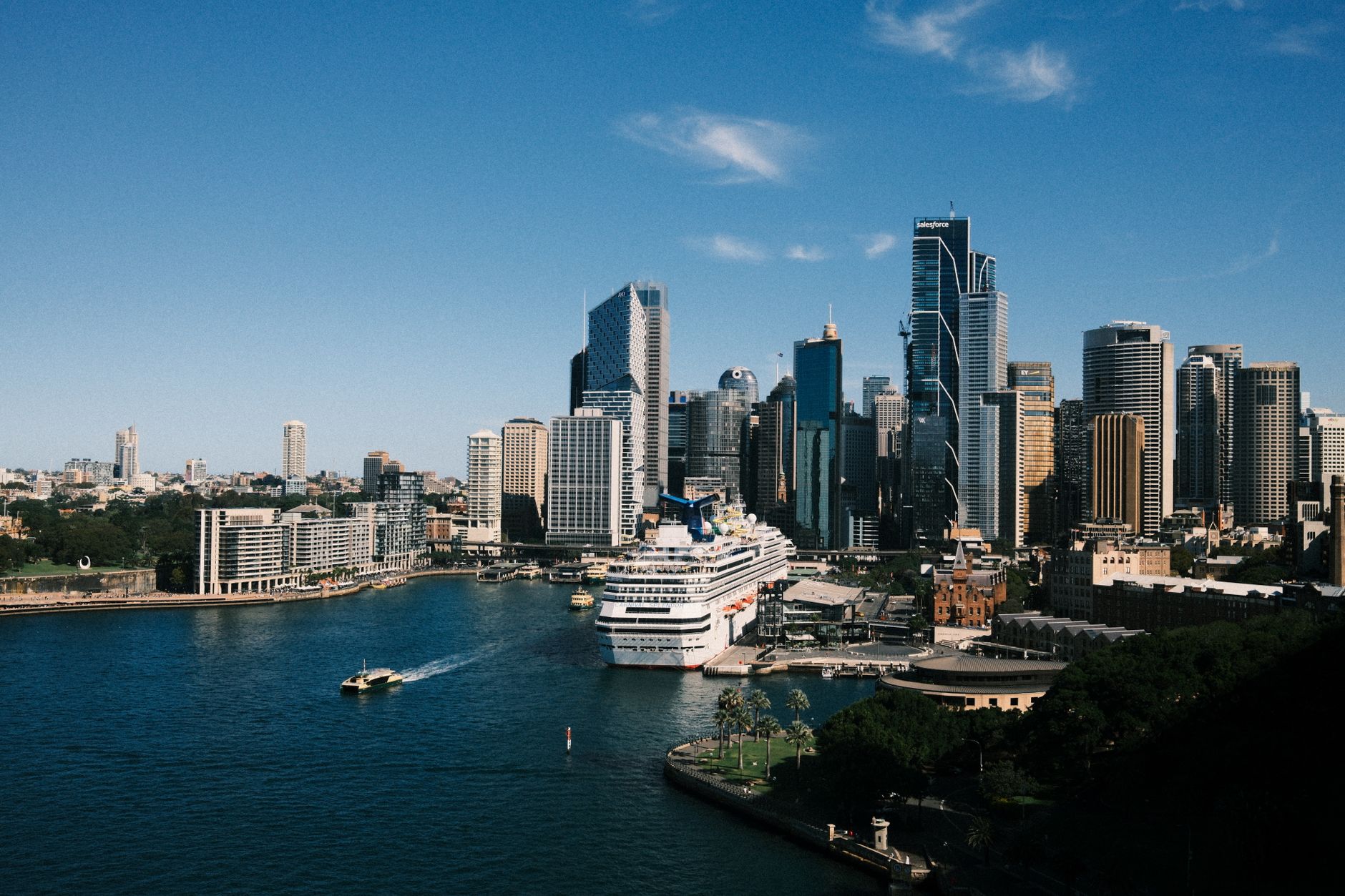

How Sydney CBD came to be
On 26 January 1788, Governor Arthur Phillip brought the First Fleet into Sydney Cove and established a British penal colony on land the Cadigal clan had occupied for tens of thousands of years. The settlement was formally proclaimed on 7 February 1788 and named after Thomas Townshend, 1st Viscount Sydney, then Home Secretary. For its first decades it was a place of hard labour and improvised order.
Lachlan Macquarie, who governed from 1810 to 1821, pushed the settlement toward something more permanent — roads, public buildings, and commissions to the convict-architect Francis Greenway, whose St James' Church (1824) still stands on Queen's Square. Sydney was declared a city in 1842. The vertical city came later, accelerating through the second half of the twentieth century into the skyline it carries today.
Who and what shaped it
People who shaped it
Landmark buildings
See Sydney CBD in motion
Plan your visit
On the map
When to go
Sydney CBD sits in a temperate zone with warm, humid summers (December–February) that can push past 35°C on bad days, and mild winters that rarely drop below 8°C at night. Spring and autumn offer the most reliable combination of clear skies and comfortable temperatures for walking.
Right now
Background & history adapted from Wikipedia (CC BY-SA) · specs from Wikidata (CC0) · weather from Open-Meteo · map data © OpenStreetMap contributors · photos from Wikimedia Commons / Unsplash with per-image credit. No third-party reviews or social posts reproduced.