
The Rocks
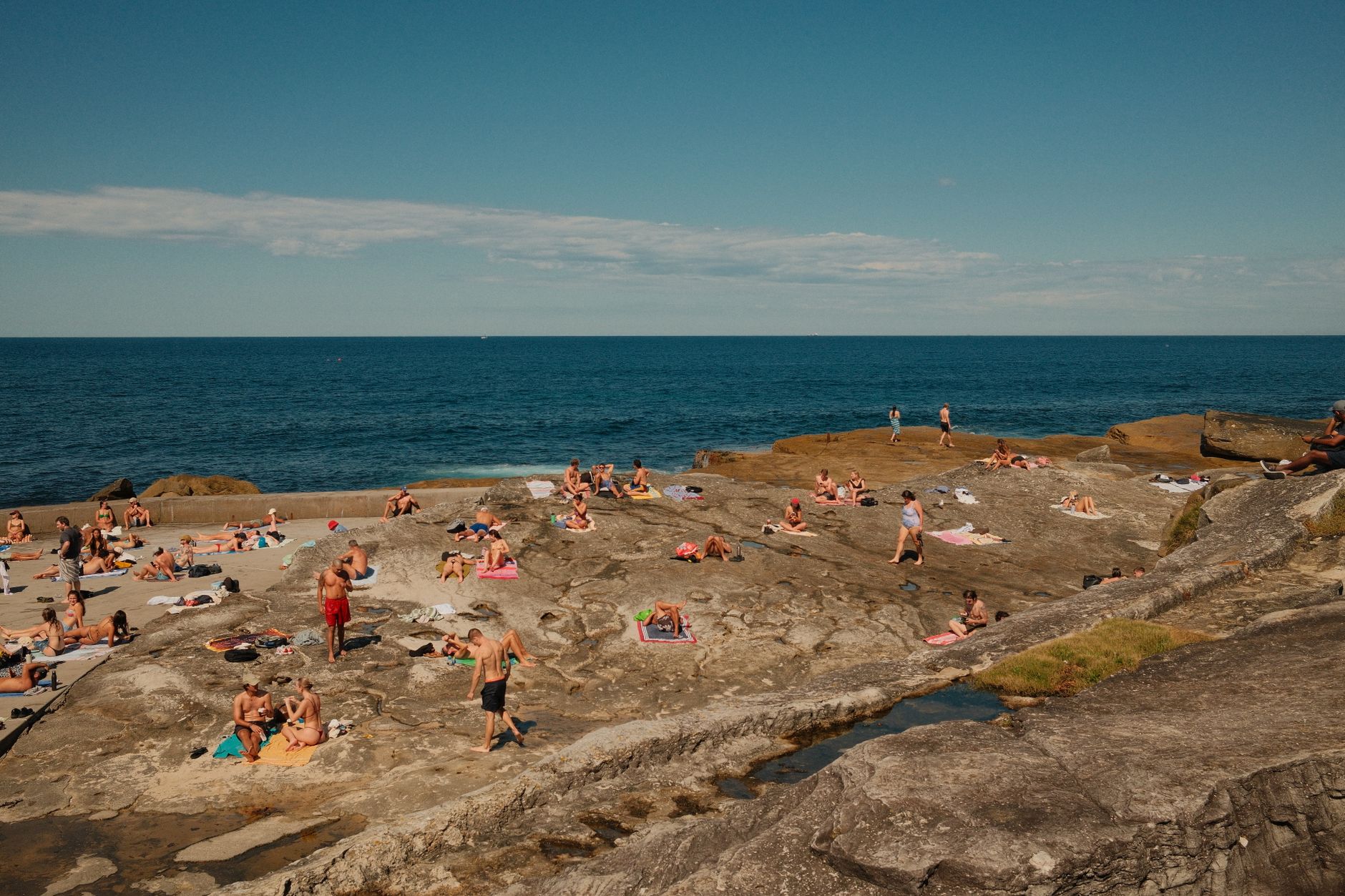
The oldest street in Australia starts at a sandstone cottage built in 1816 and runs uphill past pubs that have been pouring since the 1820s. That's the texture of The Rocks — a small wedge of Sydney's western harbour foreshore where the colonial city began, and where enough of the physical evidence survived demolition campaigns, plague clearances and a highway proposal to tell you something true about the place.
Come on a weekend and the market stalls spread across the cobblestones. Come on a weekday morning and you'll have the laneways largely to yourself, the sandstone glowing amber in the early light, the Harbour Bridge overhead.
💛 What travellers fall for
People who return tend to do the same loop: coffee somewhere on George Street, then up through the Argyle Cut — that convict-hewn tunnel through solid sandstone — to the Observatory Hill reserve for the view, then back down to the Fortune of War for a quiet drink before the lunch crowd arrives. The pub has been licensed continuously since 1828. The view hasn't changed that much either.
Deals in The Rocks
Book directly at the provider

How The Rocks came to be
On 26 January 1788, Captain Arthur Phillip brought the First Fleet ashore on the western side of Sydney Cove — land the Cadigal people called Tallawoladah. The area became Australia's first town centre, its early character shaped by convicts, sailors and opportunists. Samuel Terry arrived transported for stealing 400 stockings, became an innkeeper, and built the Fortune of War in 1828. The Argyle Cut, a tunnel through the sandstone ridge, was carved largely by convict labour between the 1830s and 1859.
The neighbourhood survived by fighting. A bubonic plague outbreak in 1900 brought government demolitions. The Sydney Harbour Bridge construction in the 1920s cleared more. Then in the early 1970s, residents and construction unions together imposed Green Bans — refusing to demolish — and held off redevelopment until 1975. That resistance is why the laneways still look the way they do.
Who and what shaped it
People who shaped it
Landmark buildings
See The Rocks in motion
Plan your visit
On the map
When to go
Spring (September–November) offers the most comfortable conditions: temperatures between 11°C and 23°C and the lowest average rainfall of the warmer months. Summer can push into the high 30s or beyond, and the harbour doesn't cool things as much as you might hope; winter is mild — rarely below 8°C — and the light on the sandstone in June and July is worth the extra layer.
Right now
Background & history adapted from Wikipedia (CC BY-SA) · specs from Wikidata (CC0) · weather from Open-Meteo · map data © OpenStreetMap contributors · photos from Wikimedia Commons / Unsplash with per-image credit. No third-party reviews or social posts reproduced.