
Manly
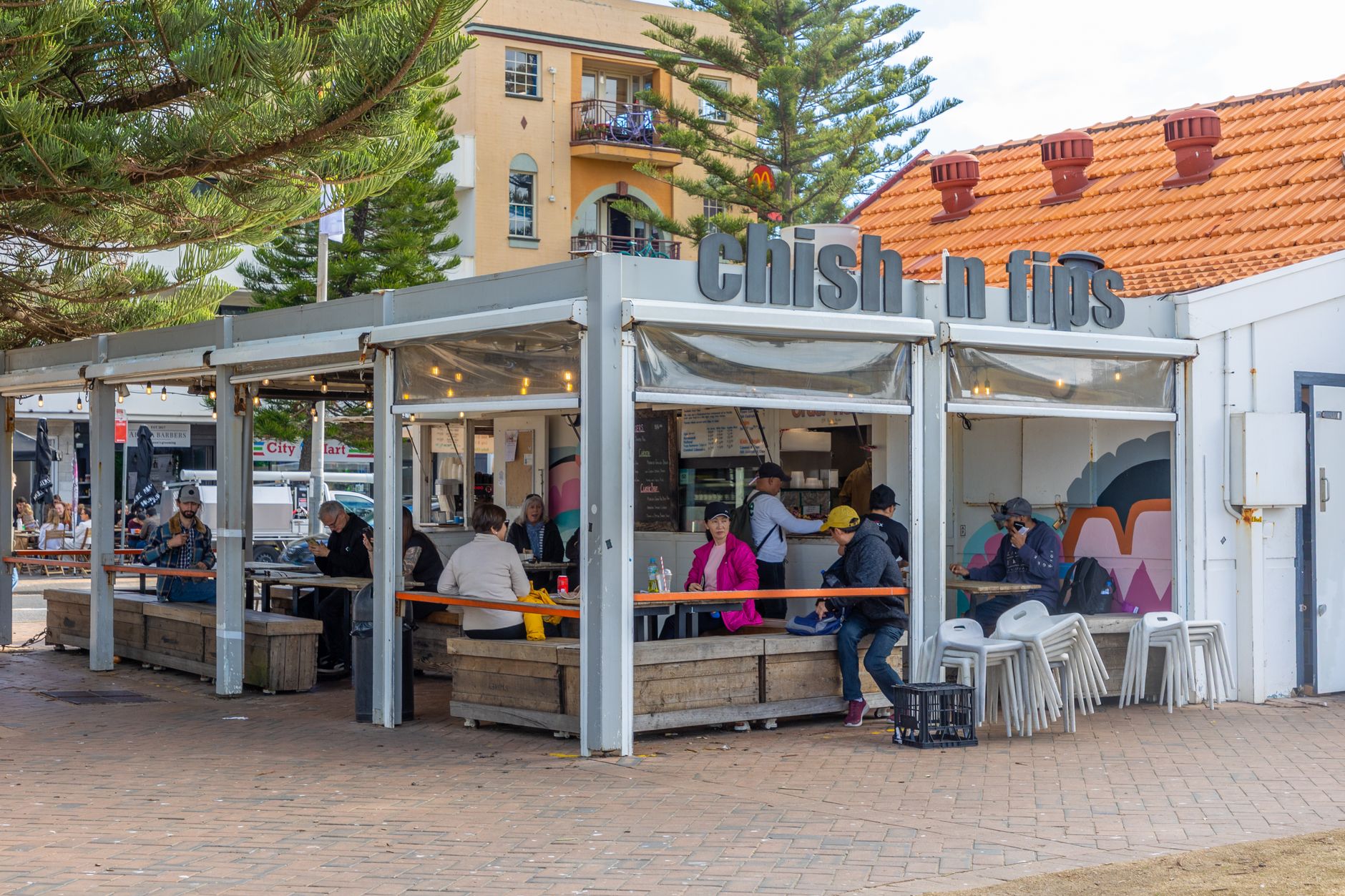
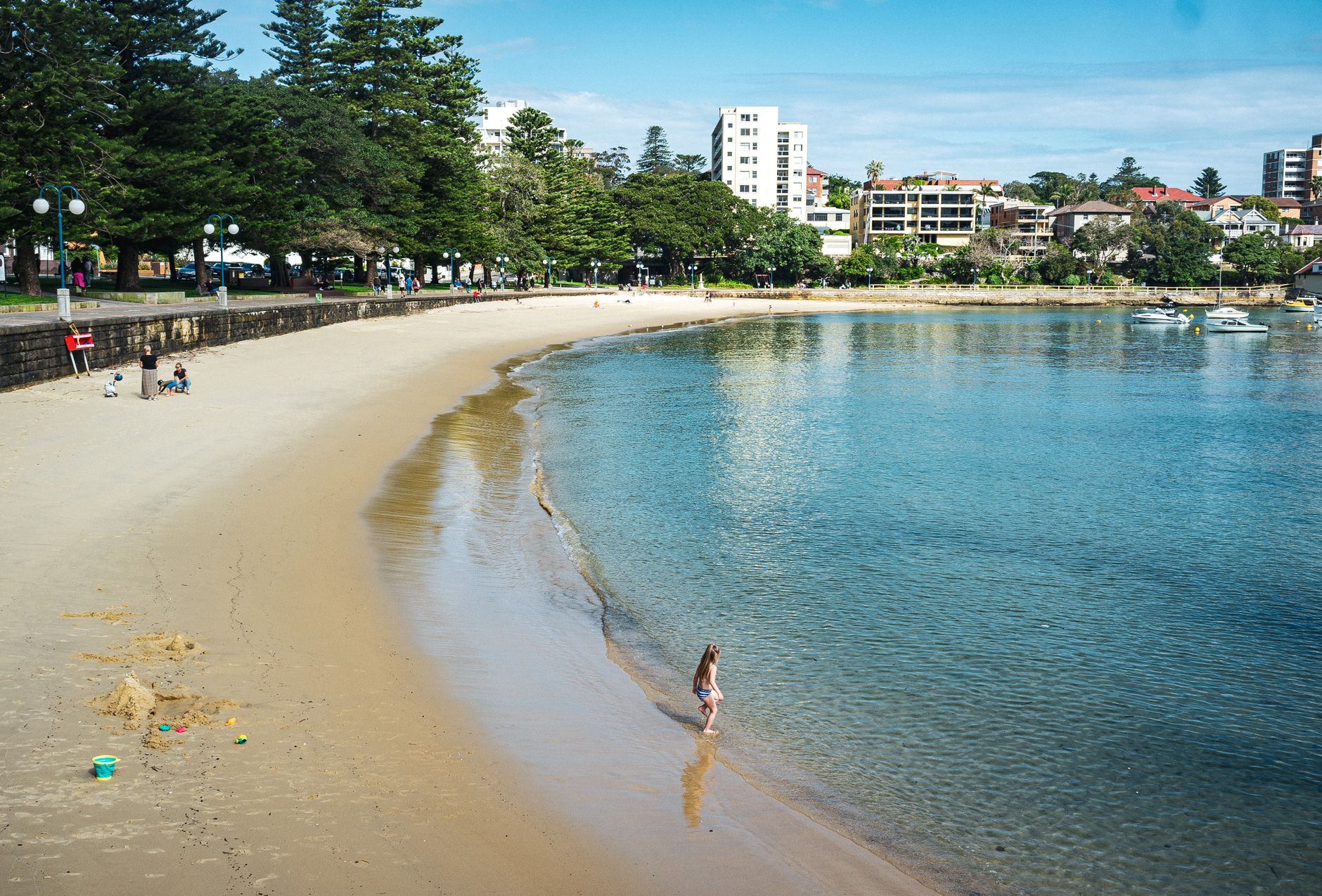
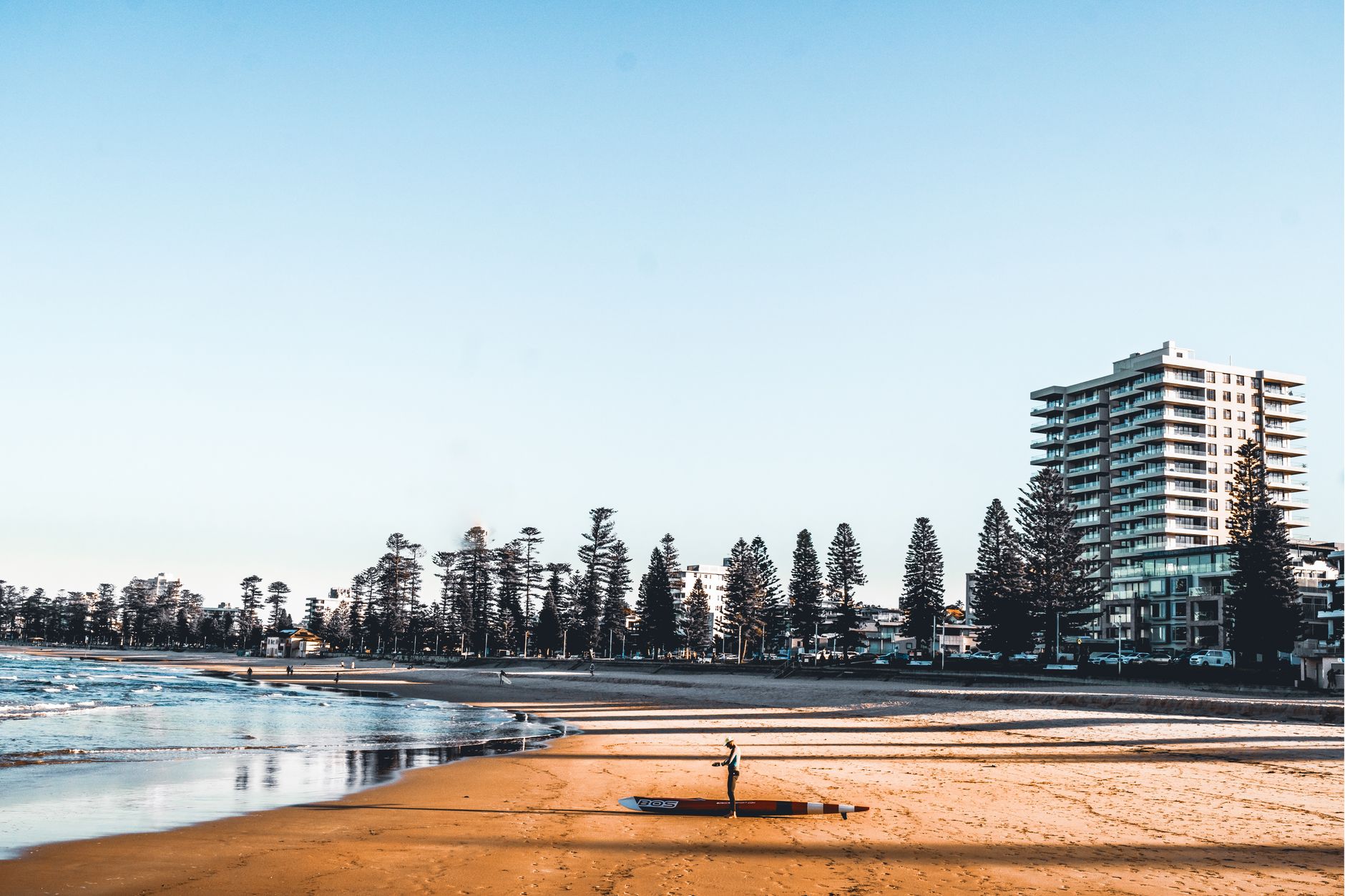
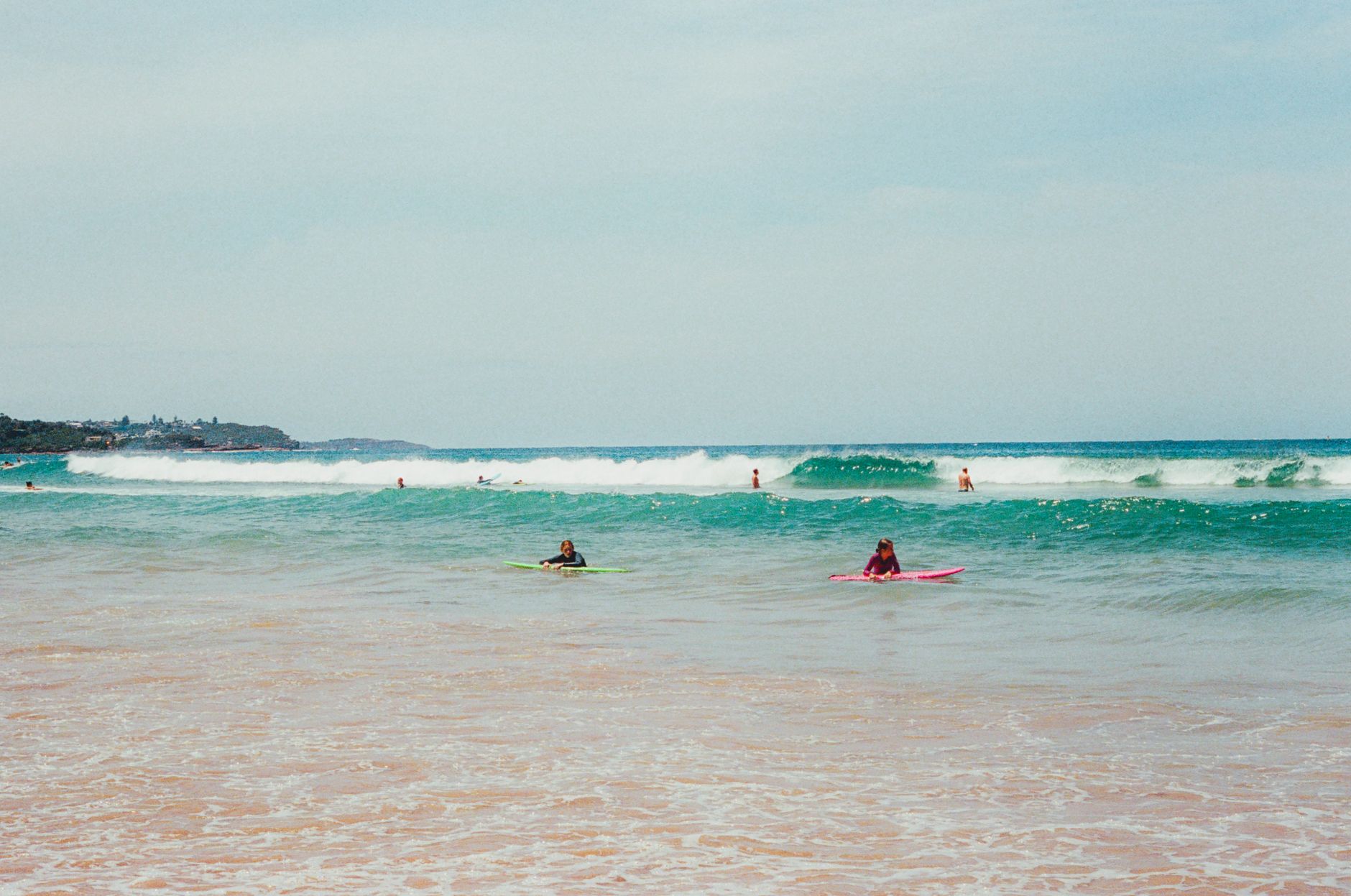
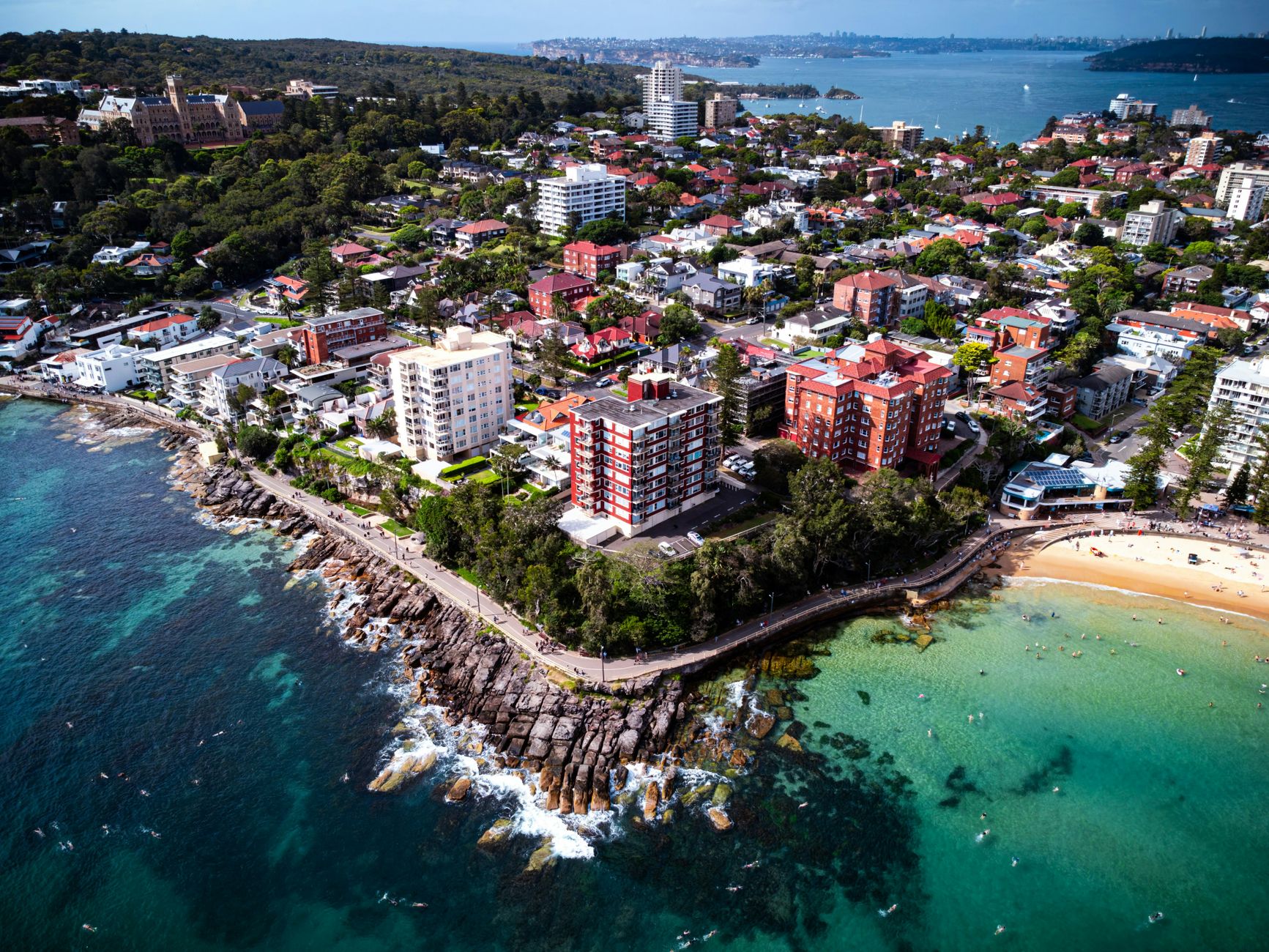
The ferry from Circular Quay takes about half an hour, and by the time Manly Wharf comes into view you've already passed the Opera House, the Harbour Bridge, Kirribilli House and the open mouth of the Pacific. That approach is part of the point. Manly sits on a narrow peninsula where Sydney Harbour meets the ocean, and it has always occupied two worlds at once.
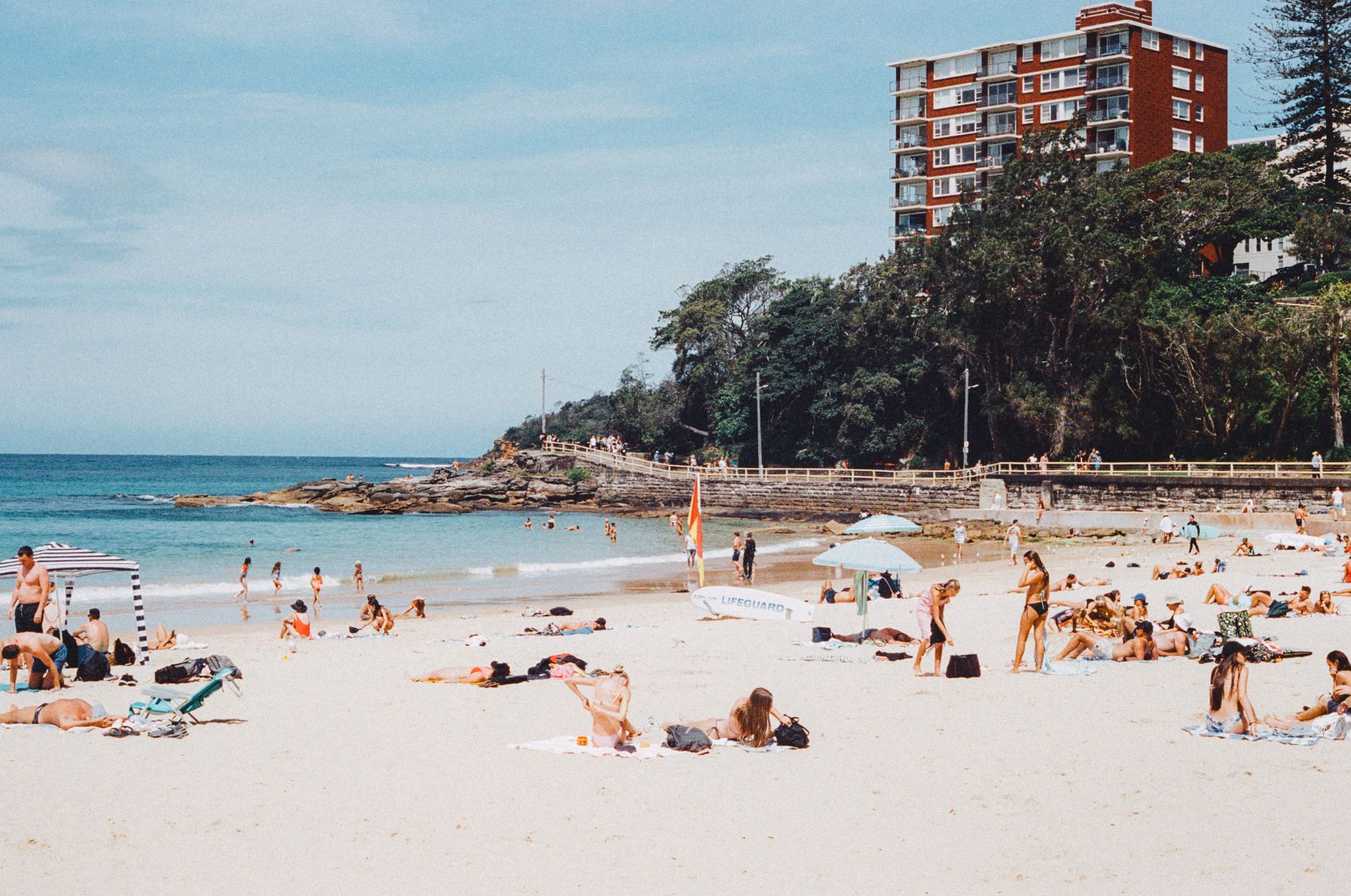
At the harbour end, the Corso — a pedestrian strip cleared in 1855 to link wharf to beach — runs straight to three kilometres of sand shaded by Norfolk Island pines. Surf shops, old pubs and weekend market stalls line the way. The ocean end is watched over by three surf lifesaving clubs, one of the oldest traditions in the sport.
💛 What travellers fall for
People who come back regularly tend to skip the Corso crowds and walk south to Fairy Bower, where a triangular sea pool built by locals in 1929 sits beside sculptures by Helen Leete. The Manly Scenic Walkway to Grotto Point is another quiet ritual — a coastal path that passes indigenous rock engravings of kangaroos and whales that most day-trippers never find.
Deals in Manly
Book directly at the provider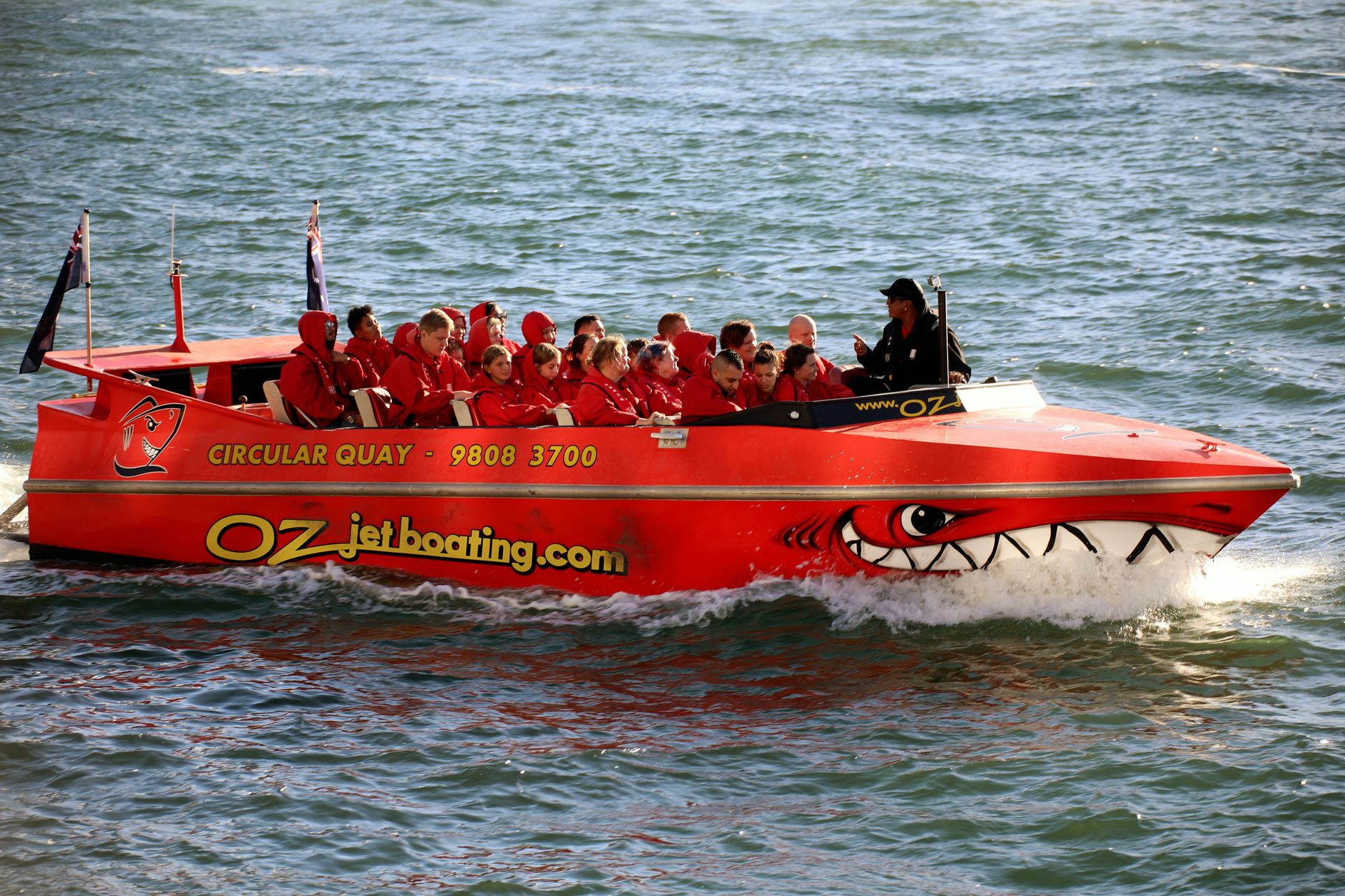


How Manly came to be
Governor Arthur Phillip named the place on 21 January 1788, recording the "confidence and manly behaviour" of the Aboriginal people he met on the headland — a headland that had been a site of significance, with middens, rock shelters and burial grounds, for thousands of years before his arrival. The European settlement that followed took another half-century to take shape.
Henry Gilbert Smith arrived in 1853 and within two years had built a pier, cleared the Corso and established a ferry link to Sydney. The town was incorporated in 1877. In October 1902, a man named William Gocher swam at midday in deliberate defiance of daylight bathing laws; by November 1903, Manly Council had legalised all-day bathing in neck-to-knee costumes. A surf club formed the following year — one of the first in the world. In 1964, Manly hosted the first ever World Surfing Championships.
Who and what shaped it
People who shaped it
Landmark buildings
See Manly in motion
Plan your visit
On the map
When to go
Summer runs warm and occasionally fierce — average highs around 26°C, with some days pushing past 35°C and the rare extreme near 40°C; February is the wettest month, so afternoon storms are possible. Winter stays mild by day (highs around 18°C, sometimes reaching 25°C) but nights can drop close to 5°C, and the beach is largely yours.
Right now
Background & history adapted from Wikipedia (CC BY-SA) · specs from Wikidata (CC0) · weather from Open-Meteo · map data © OpenStreetMap contributors · photos from Wikimedia Commons / Unsplash with per-image credit. No third-party reviews or social posts reproduced.