
Hawaii, USA

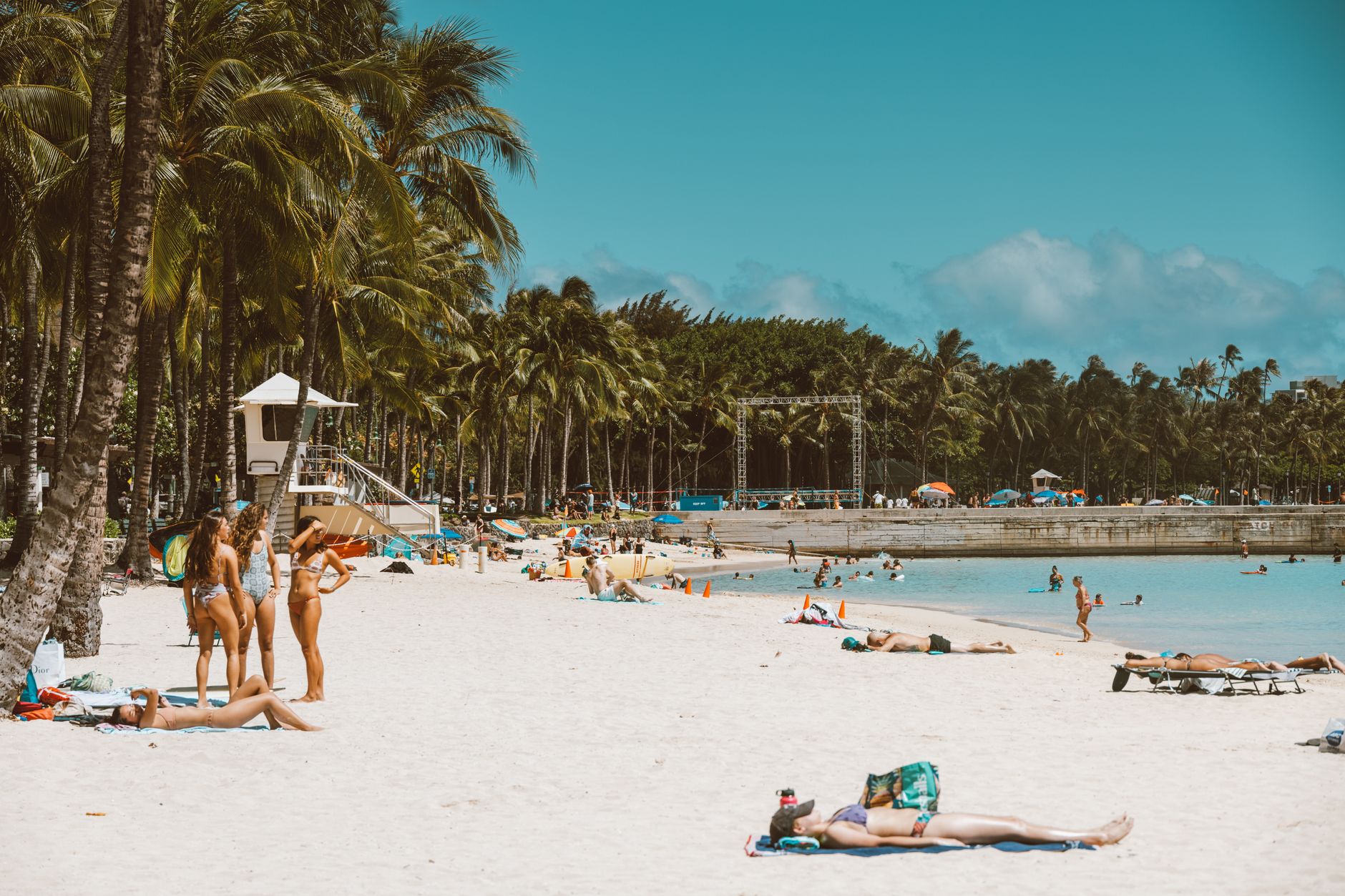
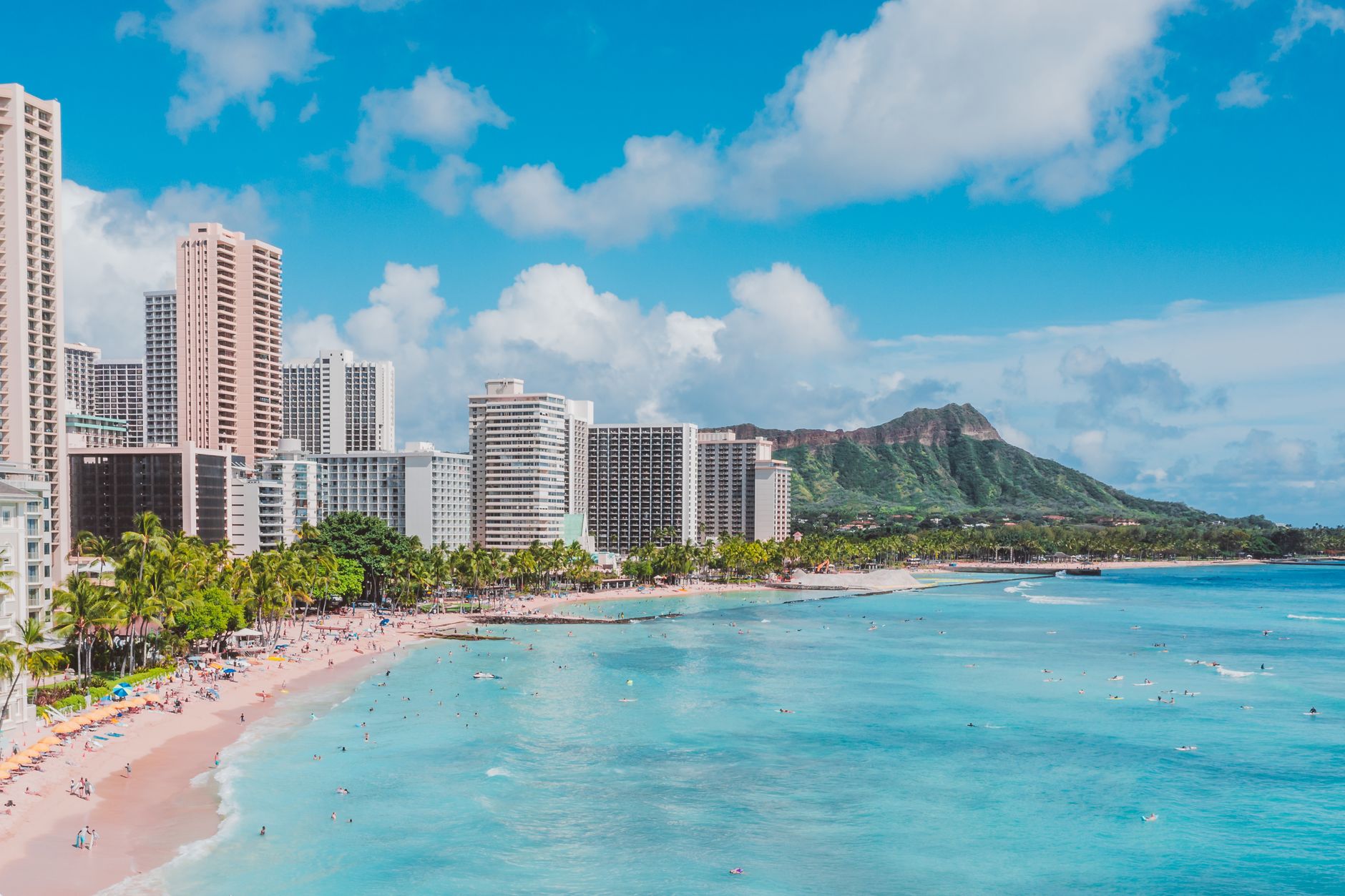
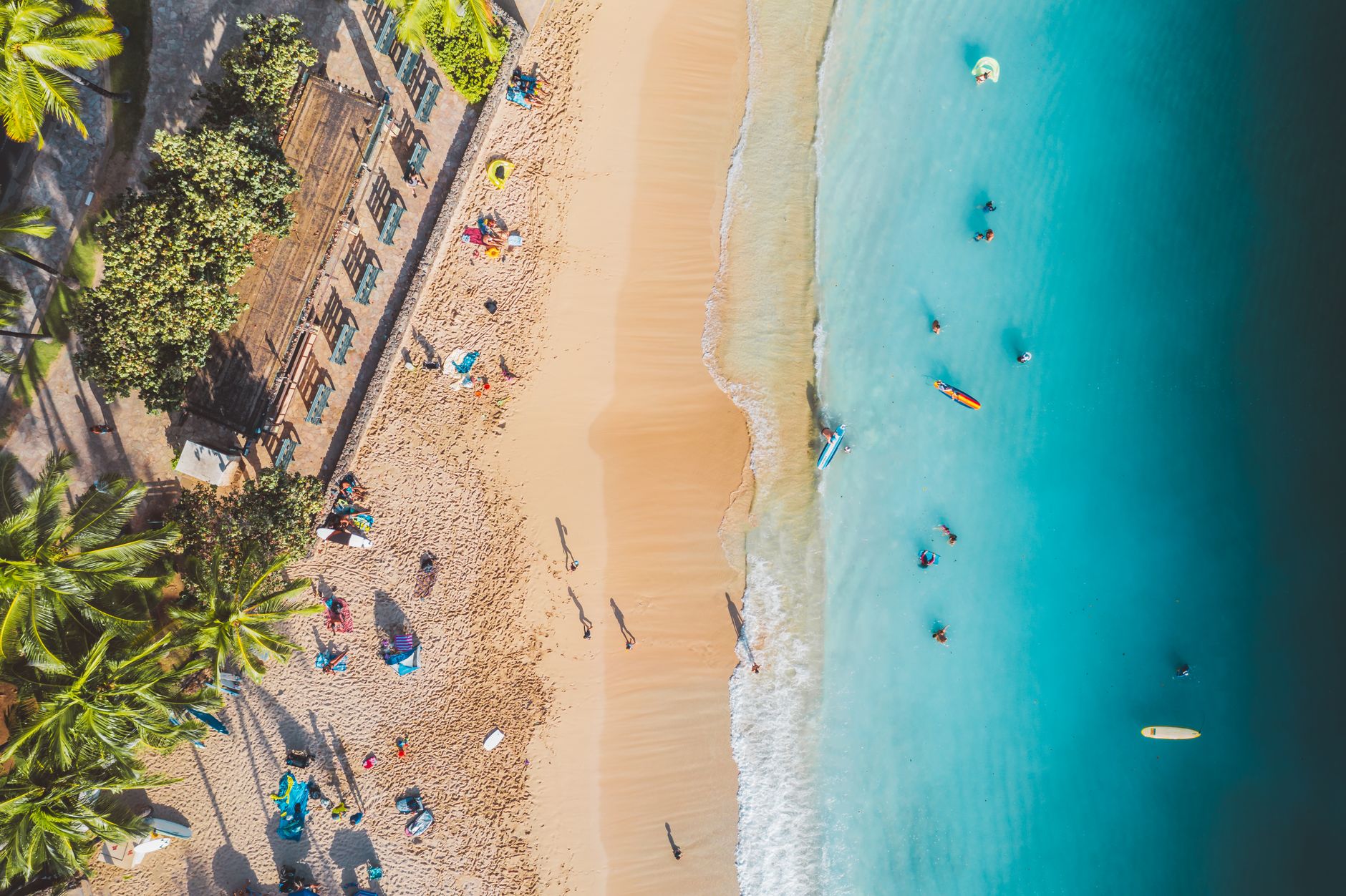
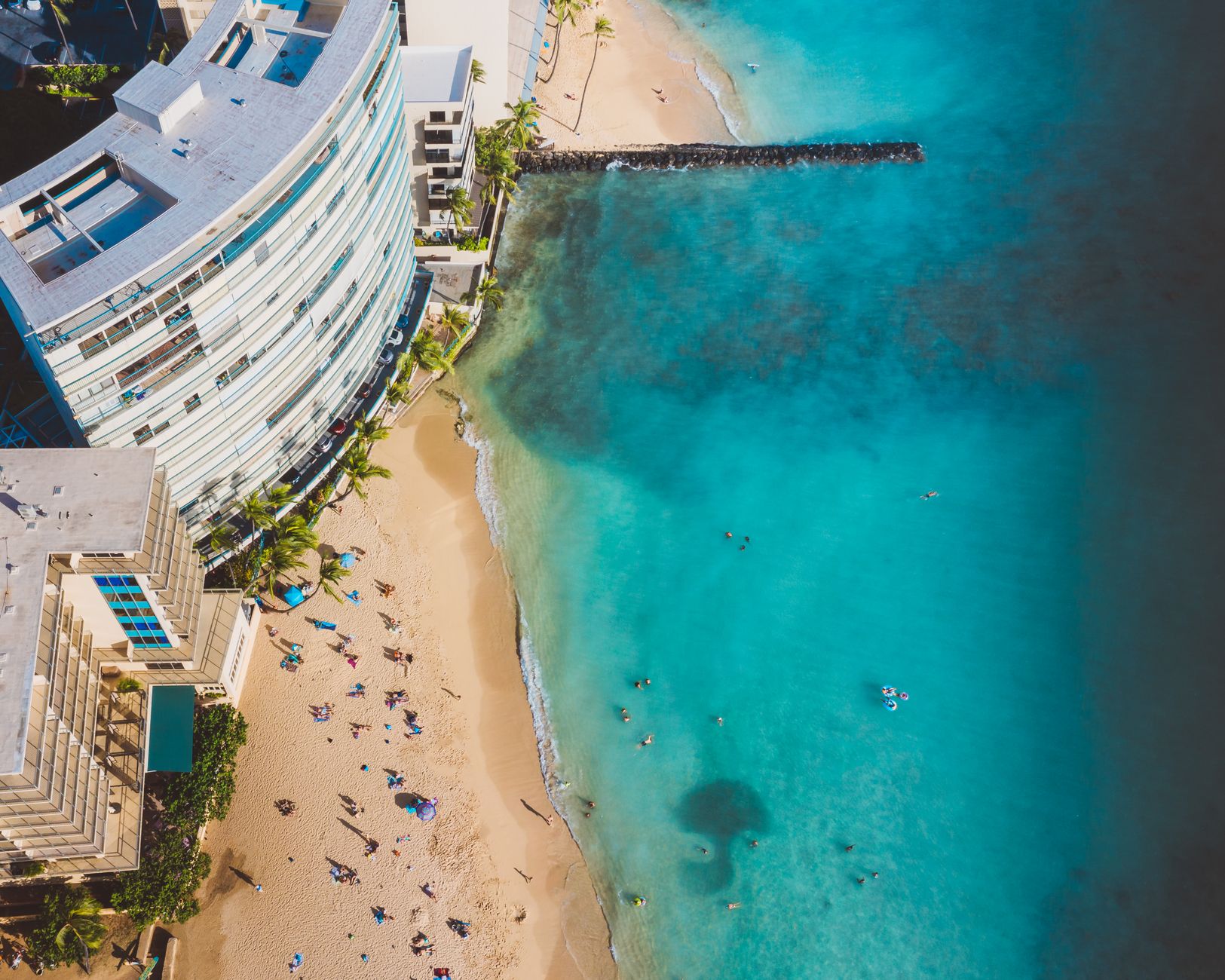
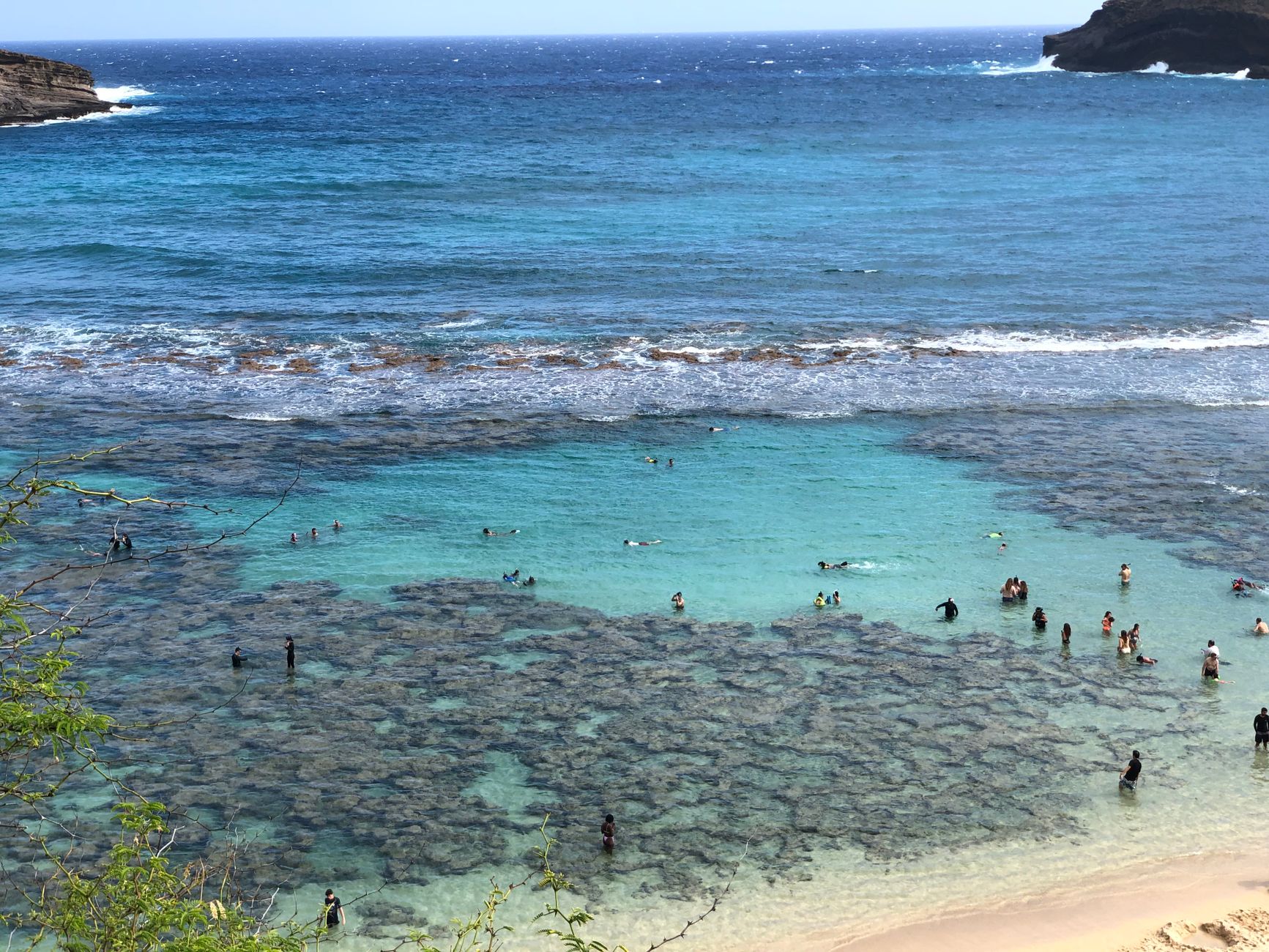
Eight islands in the middle of the Pacific, closer to Japan than to California, and yet unmistakably American in the way it hands you a boarding pass and a car rental agreement. What Hawaii actually is, though, sits beneath that layer: a Polynesian civilization with its own language, its own architectural logic, its own music — the steel guitar was invented here, in Lāʻie, in 1889 — that was absorbed into the United States only in 1959.
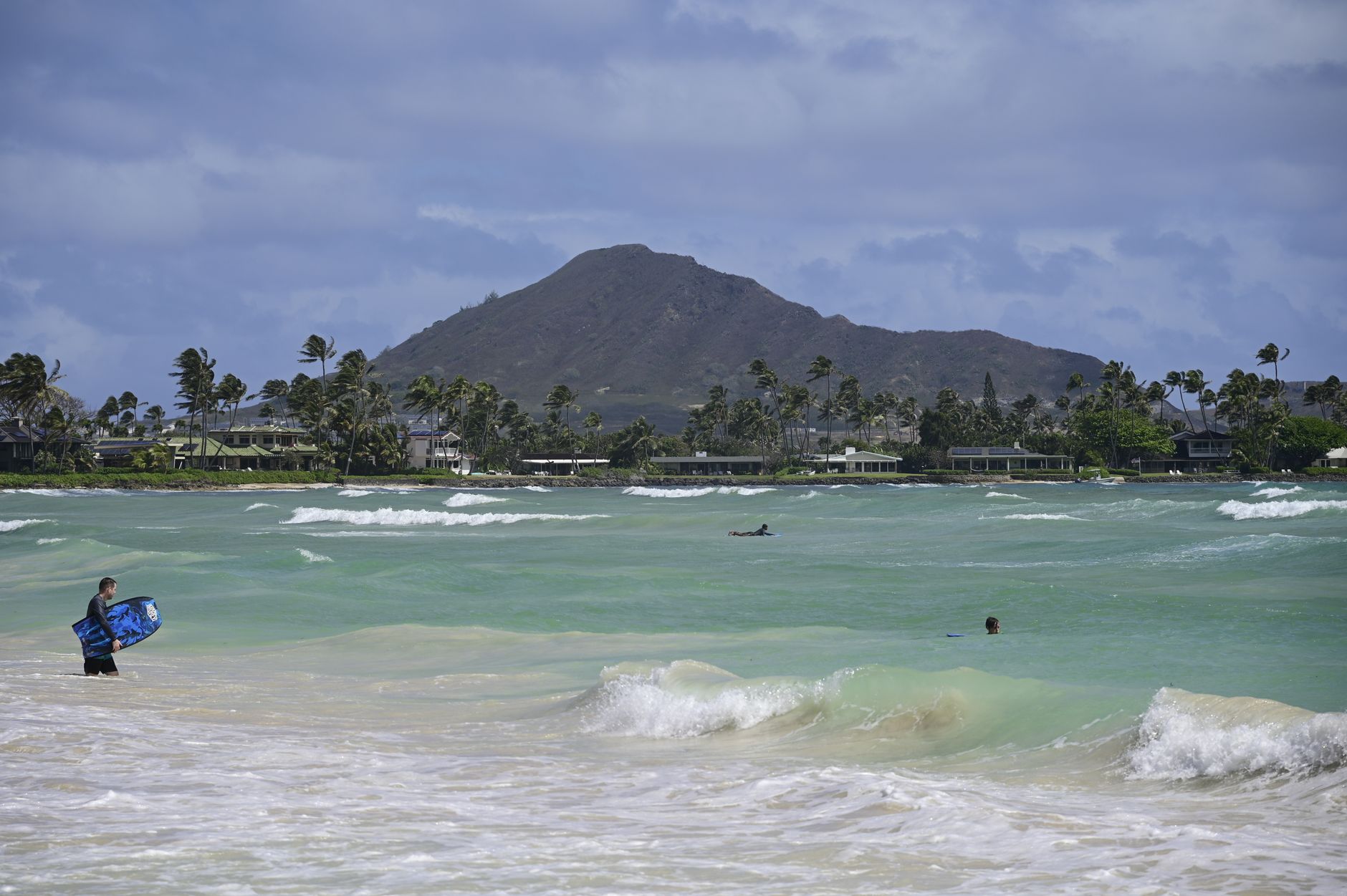
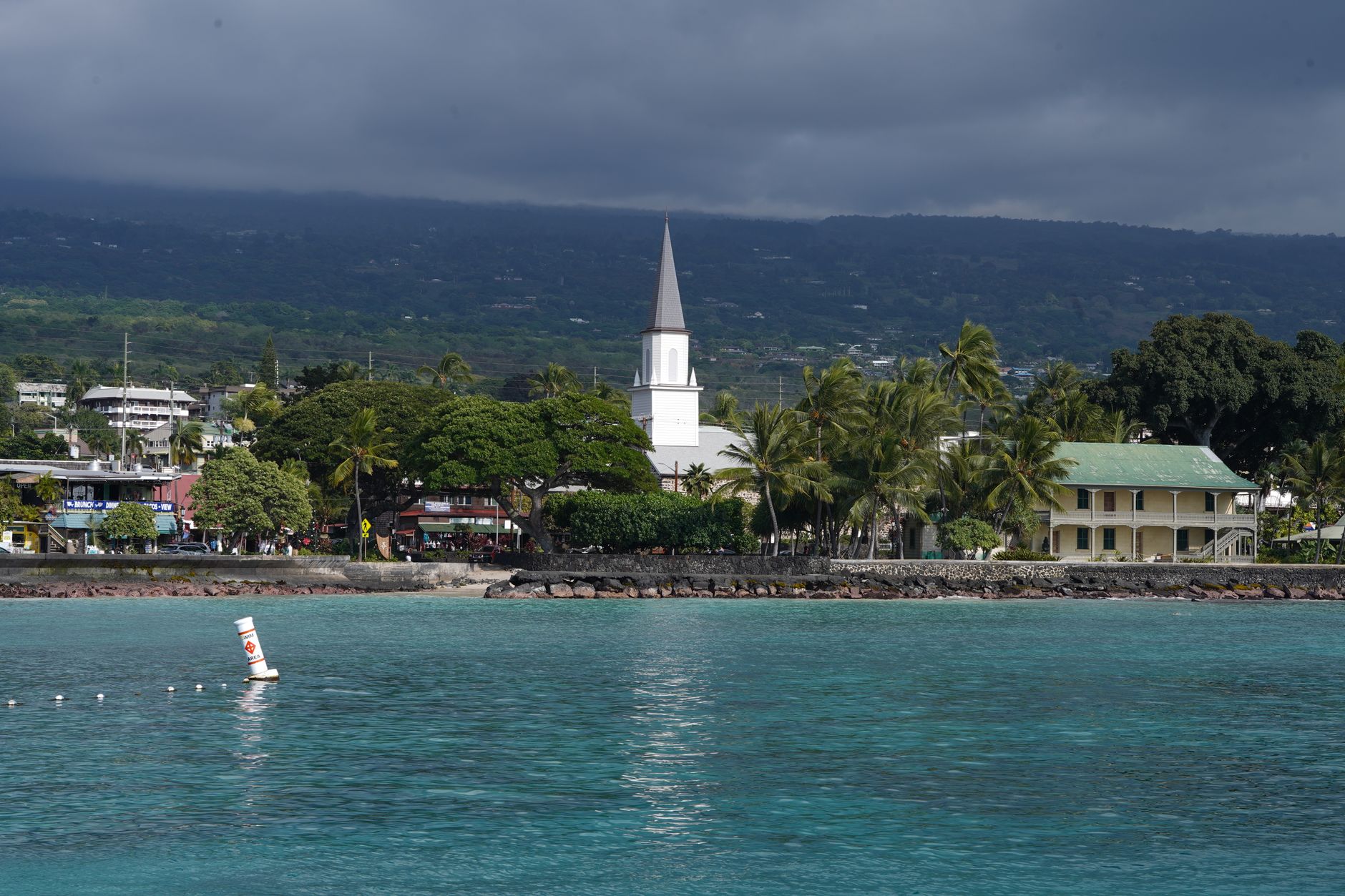
The islands run a spectrum from the lava-raw coast of the Big Island to the ancient cliffs of Kauai, and each rewards a different kind of attention. Come expecting variety rather than repetition.
Popular cities in Hawaii, USA
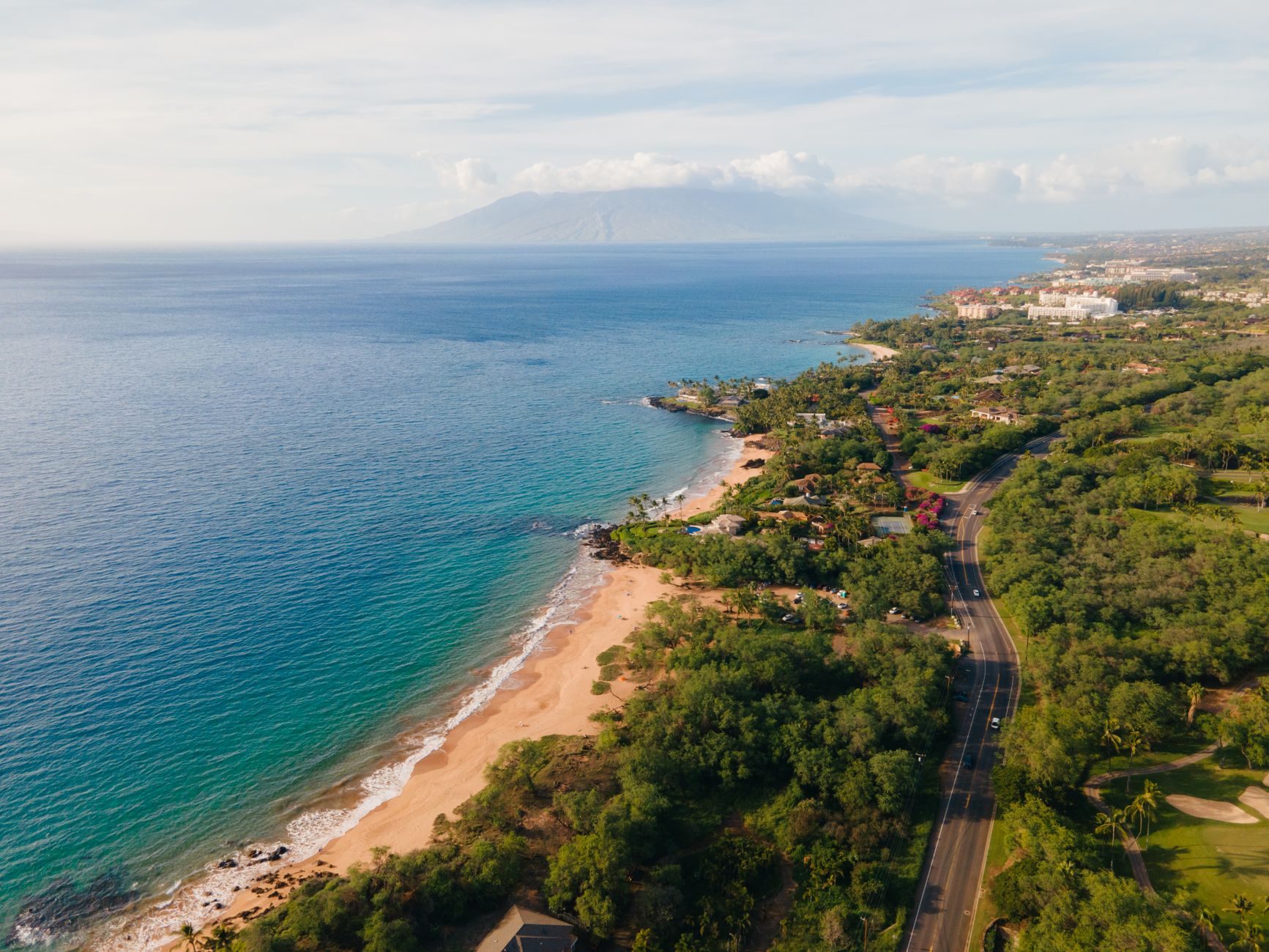

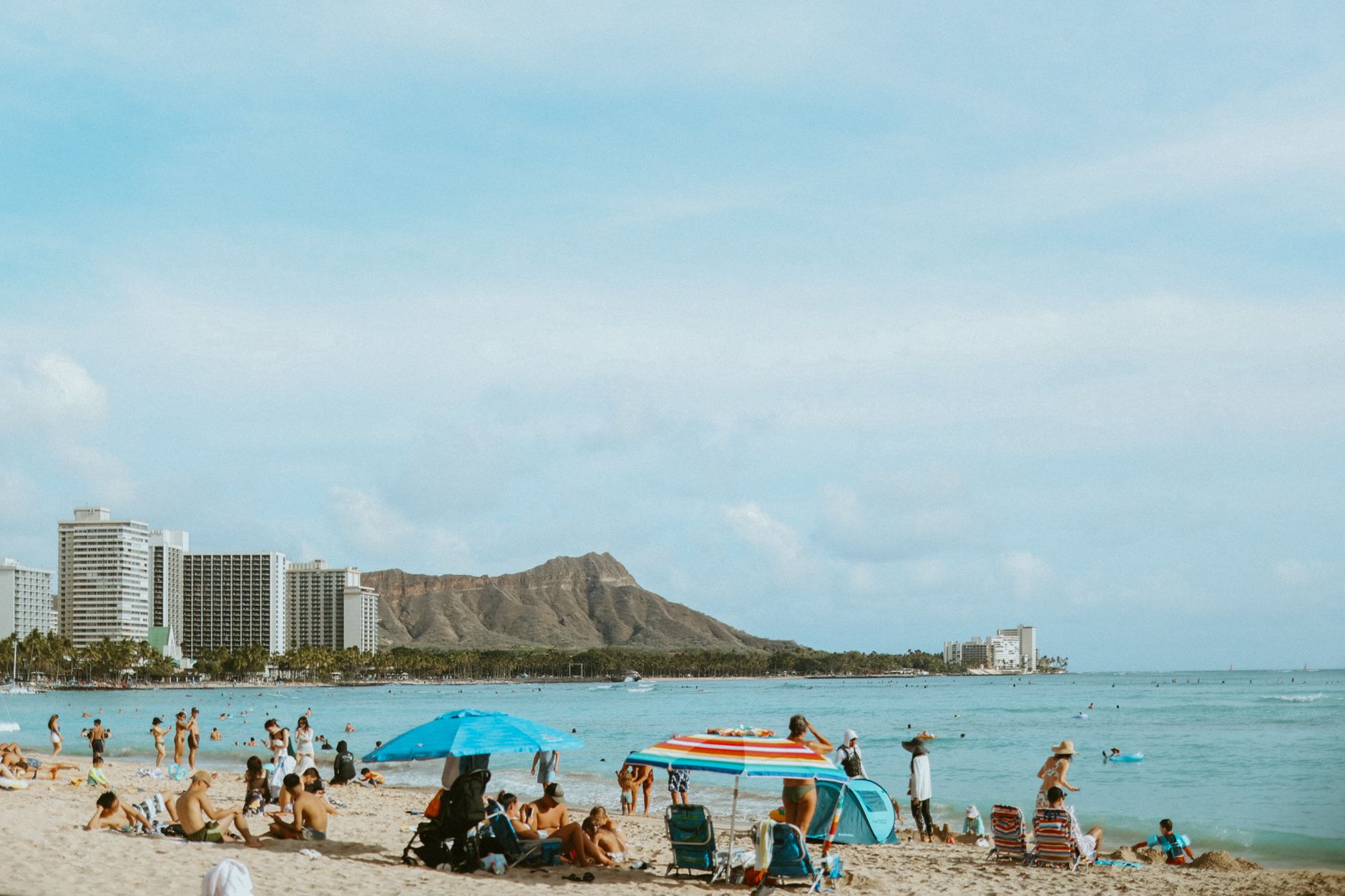
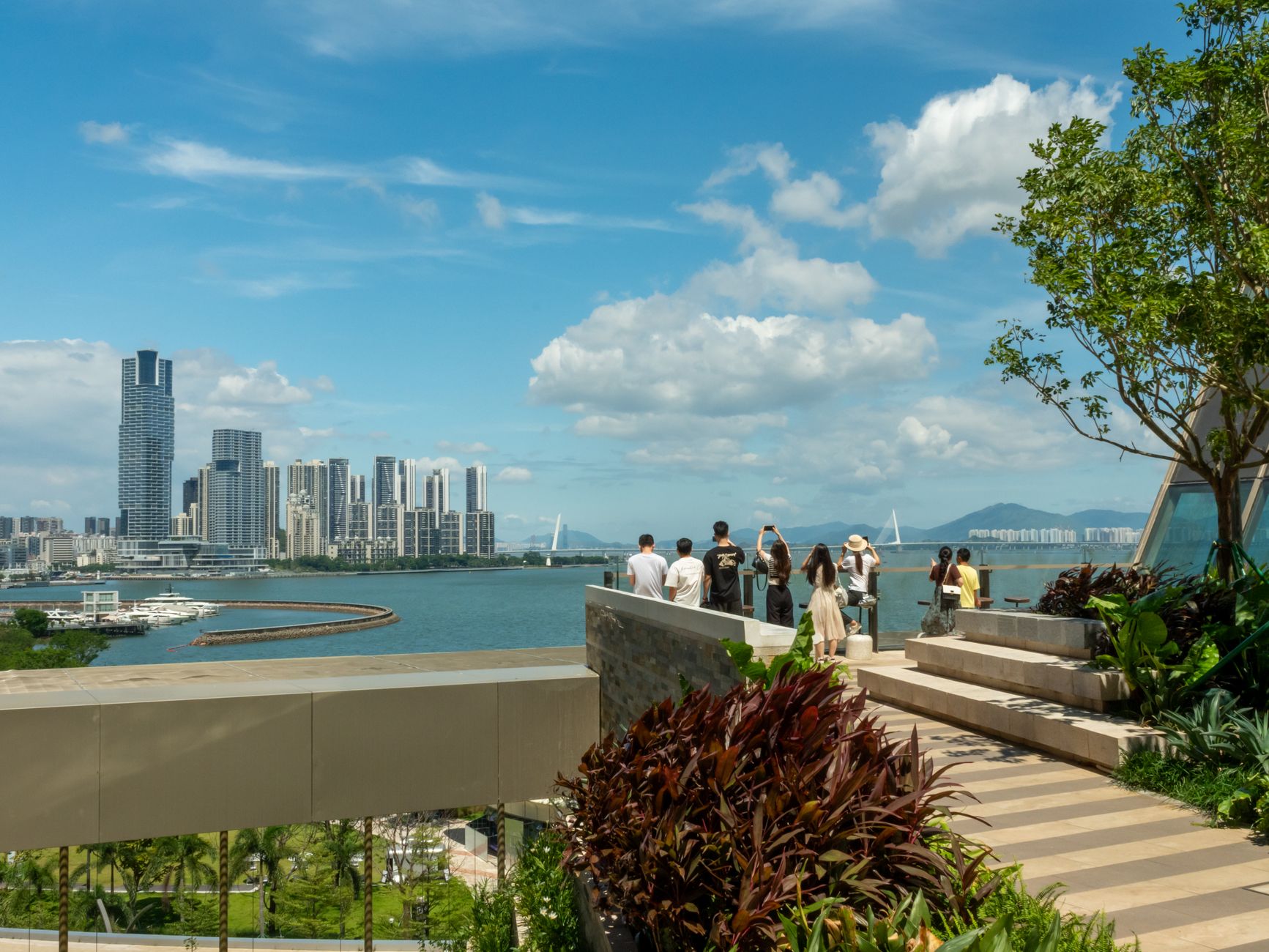
💛 What travellers fall for
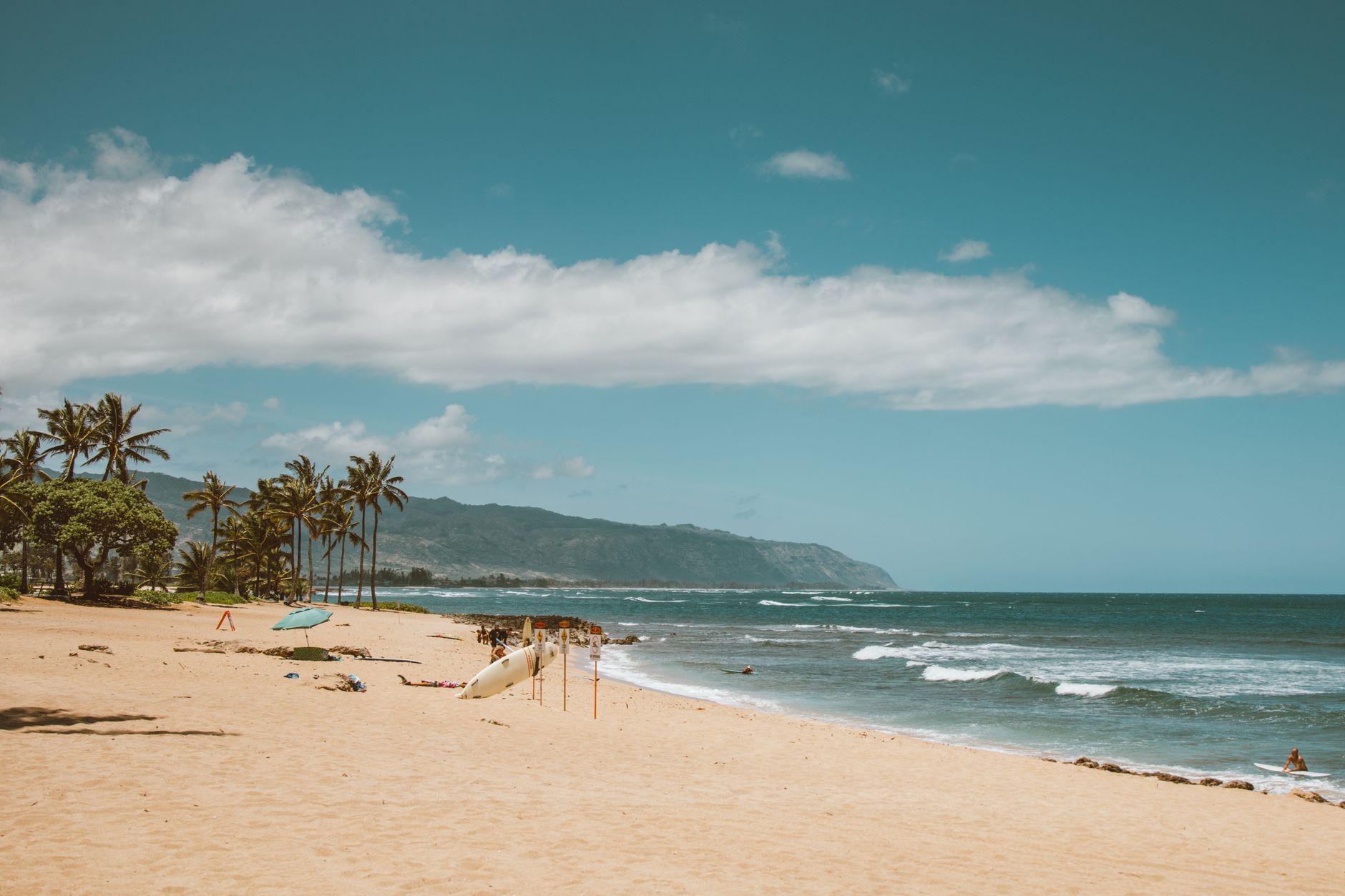
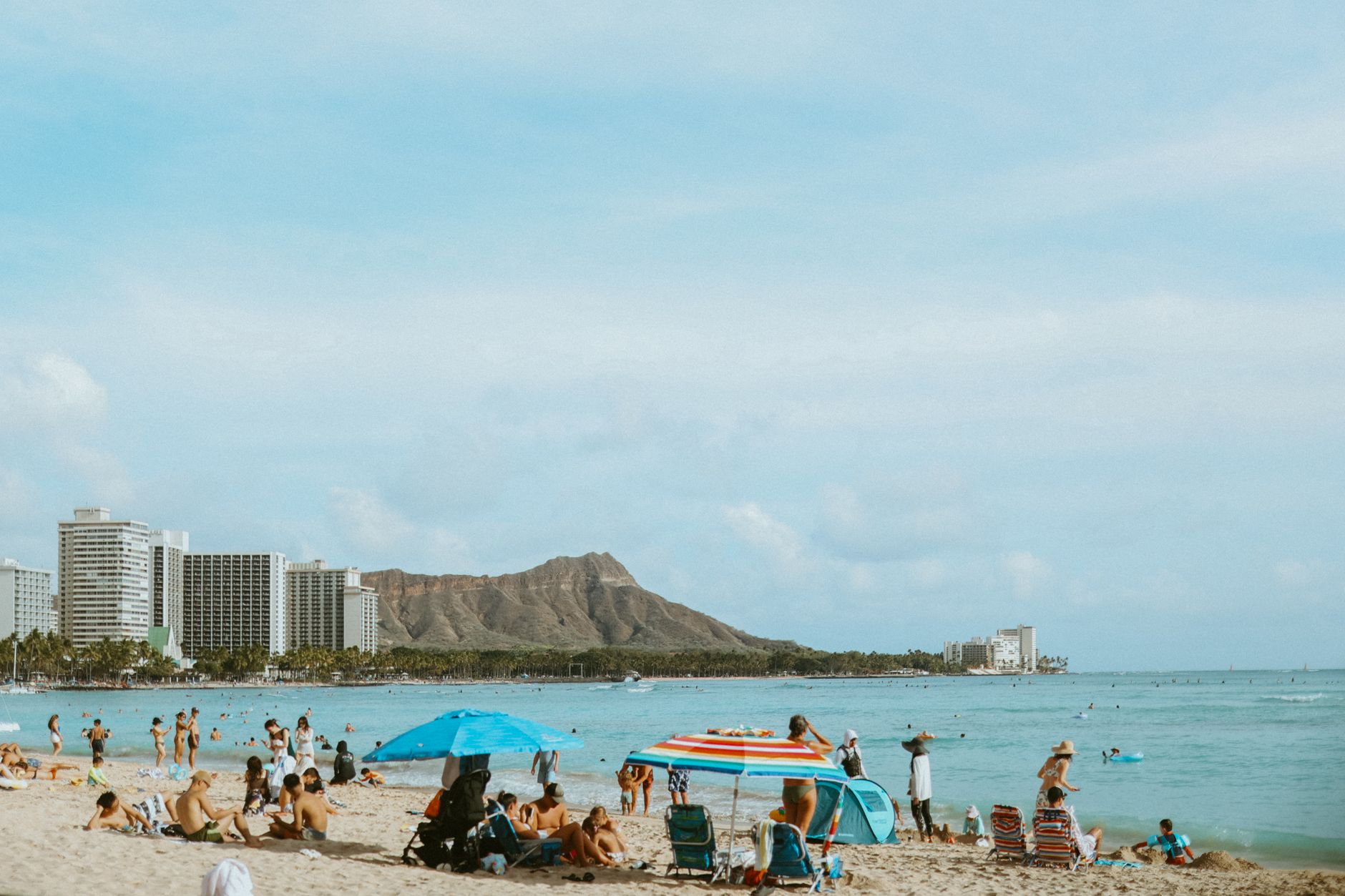
People who return tend to stop splitting time across islands and commit to one. They book the windward side, not the resort corridor. They find the Bishop Museum early in the trip, not as an afterthought — 24 million artifacts from Hawaii and Polynesia take more than an hour to absorb. And they eat plate lunch at a roadside counter at least once.
How Hawaii, USA came to be
The first settlers arrived from the Marquesas Islands around 300 CE, followed by Tahitian voyagers from the 9th century onward. European contact came abruptly in January 1778, when James Cook landed at Waimea on Kauai. By 1810, Kamehameha I had unified the islands into a single kingdom — a political feat backed by the heiau he built at Puʻukoholā in 1791, dedicated to the war god Kūkāʻilimoku, constructed by thousands of people passing stones hand to hand.
The kingdom lasted less than a century in its sovereign form. Missionaries arrived in 1820; Honolulu became the capital in 1845; and in 1893, Queen Lili'uokalani was deposed by a group of businessmen — among them members of the Dole family — with U.S. Marine support. Annexation followed in 1898, statehood in 1959.
Who and what shaped it
People who shaped it
Landmark buildings
See Hawaii, USA in motion
Plan your visit
On the map
When to go
Hawaii sits in the tropics but is moderated by trade winds, keeping most of the year warm rather than oppressive — daytime temperatures on the coasts typically range from the mid-70s to the mid-80s Fahrenheit. The wetter season runs November through March, when the north and east shores of each island receive the most rain; the south and west coasts stay drier year-round.
Right now
↡ Cities
Background & history adapted from Wikipedia (CC BY-SA) · specs from Wikidata (CC0) · weather from Open-Meteo · map data © OpenStreetMap contributors · photos from Wikimedia Commons / Unsplash with per-image credit. No third-party reviews or social posts reproduced.