
Kaneohe
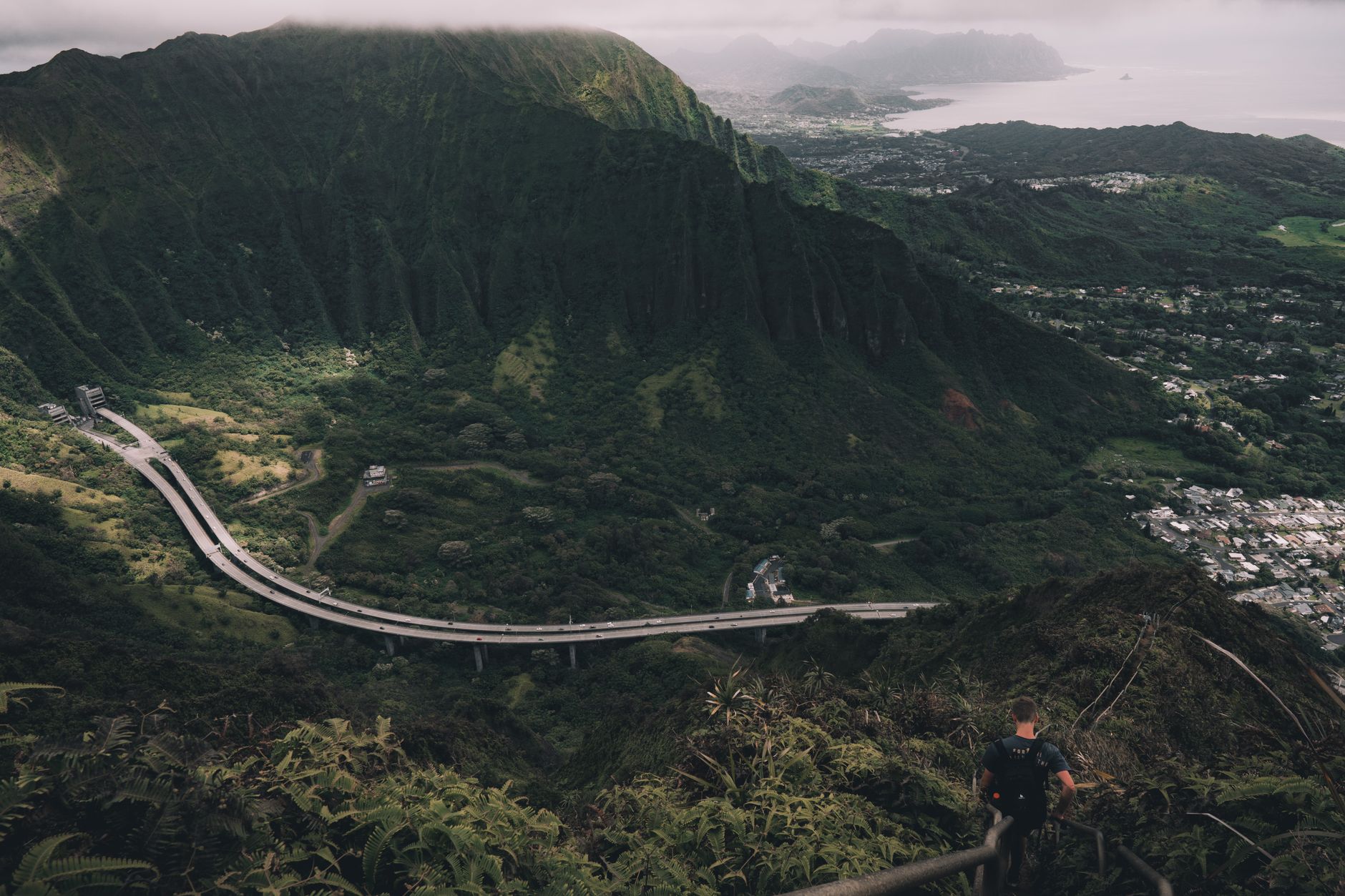
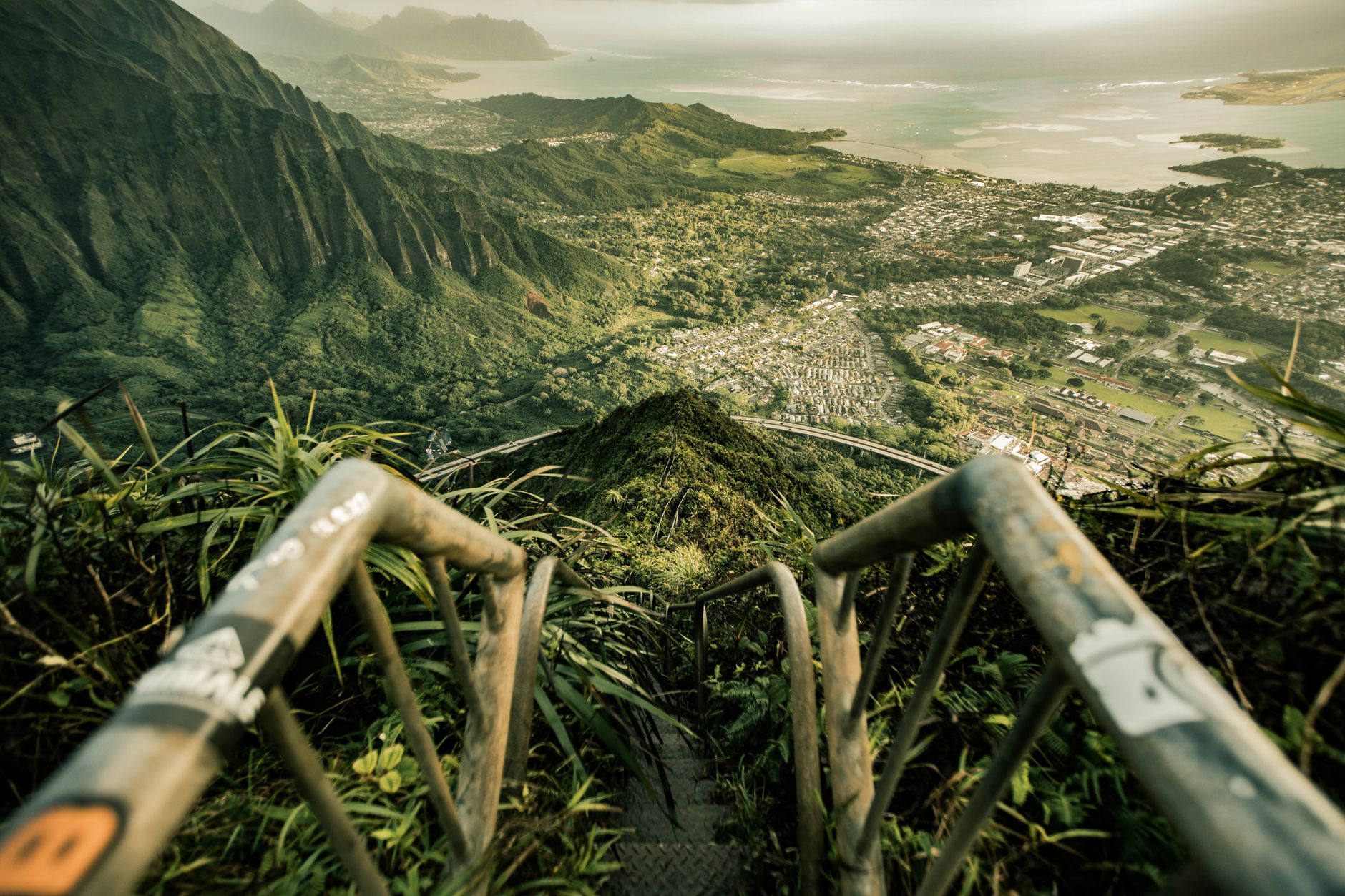
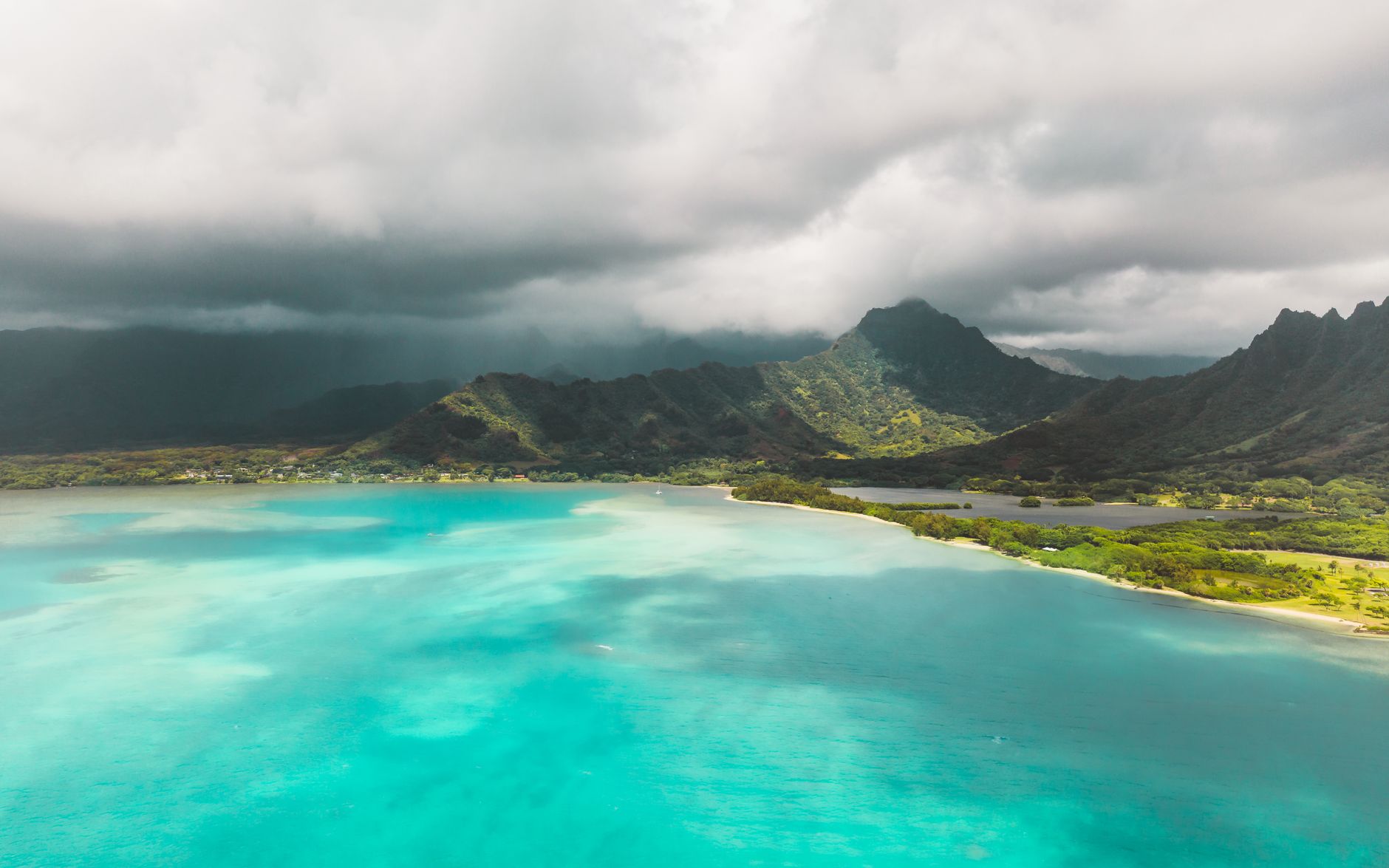
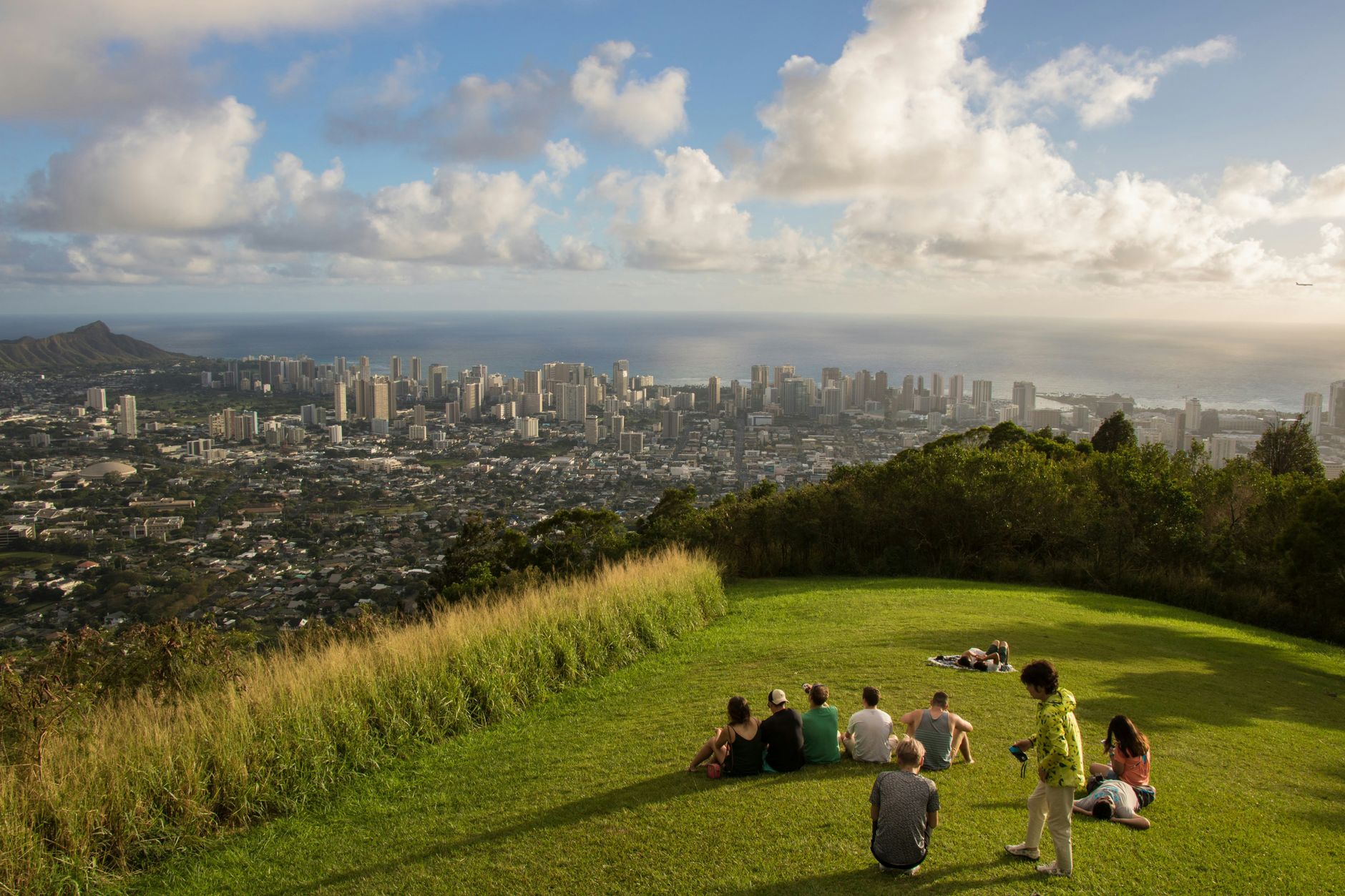
The name Kaneohe translates as 'bamboo man' — drawn from an old Hawaiian story about a woman who compared her husband's cruelty to the sharp edge of cut bamboo. That specificity tells you something about the place: it holds its history close. Spread across the windward side of Oahu, from the creased green wall of the Koolau Range down to the largest sheltered bay in the Hawaiian Islands, Kaneohe sits just 12 miles from Honolulu but occupies a different emotional register entirely.
This is primarily a residential town, and it moves like one. The 400-acre Ho'omaluhia Botanical Garden was built by the Army Corps of Engineers for flood control and ended up one of the most quietly arresting green spaces on the island. A replica of a 900-year-old Kyoto temple stands in a valley. Thirty royal fishponds once lined the bay. The layers are here if you look.
💛 What travellers fall for
People who come back tend to arrive at Ho'omaluhia early, before the tour groups, and walk toward the Koolau cliffs while the mist is still low. They also make a point of the Byodo-In Temple on a weekday — the peacocks and the bell and the reflection pool hit differently when the parking lot is half empty.
Deals in Kaneohe
Book directly at the provider

How Kaneohe came to be
Long before any Western contact, the Kaneohe shoreline supported around 30 royal fishponds and sustained communities on taro and sweet potatoes. The area was home to early Hawaiian kings, and its bay — eight miles long, nearly three wide — made it a natural center of life on the windward coast. Rice arrived in the mid-19th century, pineapples in the 20th, and in 1917 Harold Castle founded Kaneohe Ranch, running cattle across the land.
The military arrived in 1918 with Fort Kuwa'aohe, and on 7 December 1941, Japanese Imperial Navy aircraft struck Kaneohe Naval Air Station minutes before the attack on Pearl Harbor — making this the first American installation hit that morning. The Marines took over the peninsula in 1951; it became Marine Corps Base Hawaii in 1994 and remains active today.
Who and what shaped it
People who shaped it
Landmark buildings
See Kaneohe in motion
Plan your visit
On the map
When to go
Temperatures stay between roughly 70°F and 81°F year-round, with humidity hovering around 75 percent — warm but rarely oppressive. May through July brings the most sunshine and the least rain; January and February are cooler and quieter, sitting around 73°F, which suits a long walk through the botanical garden well.
Right now
Background & history adapted from Wikipedia (CC BY-SA) · specs from Wikidata (CC0) · weather from Open-Meteo · map data © OpenStreetMap contributors · photos from Wikimedia Commons / Unsplash with per-image credit. No third-party reviews or social posts reproduced.