
Honolulu
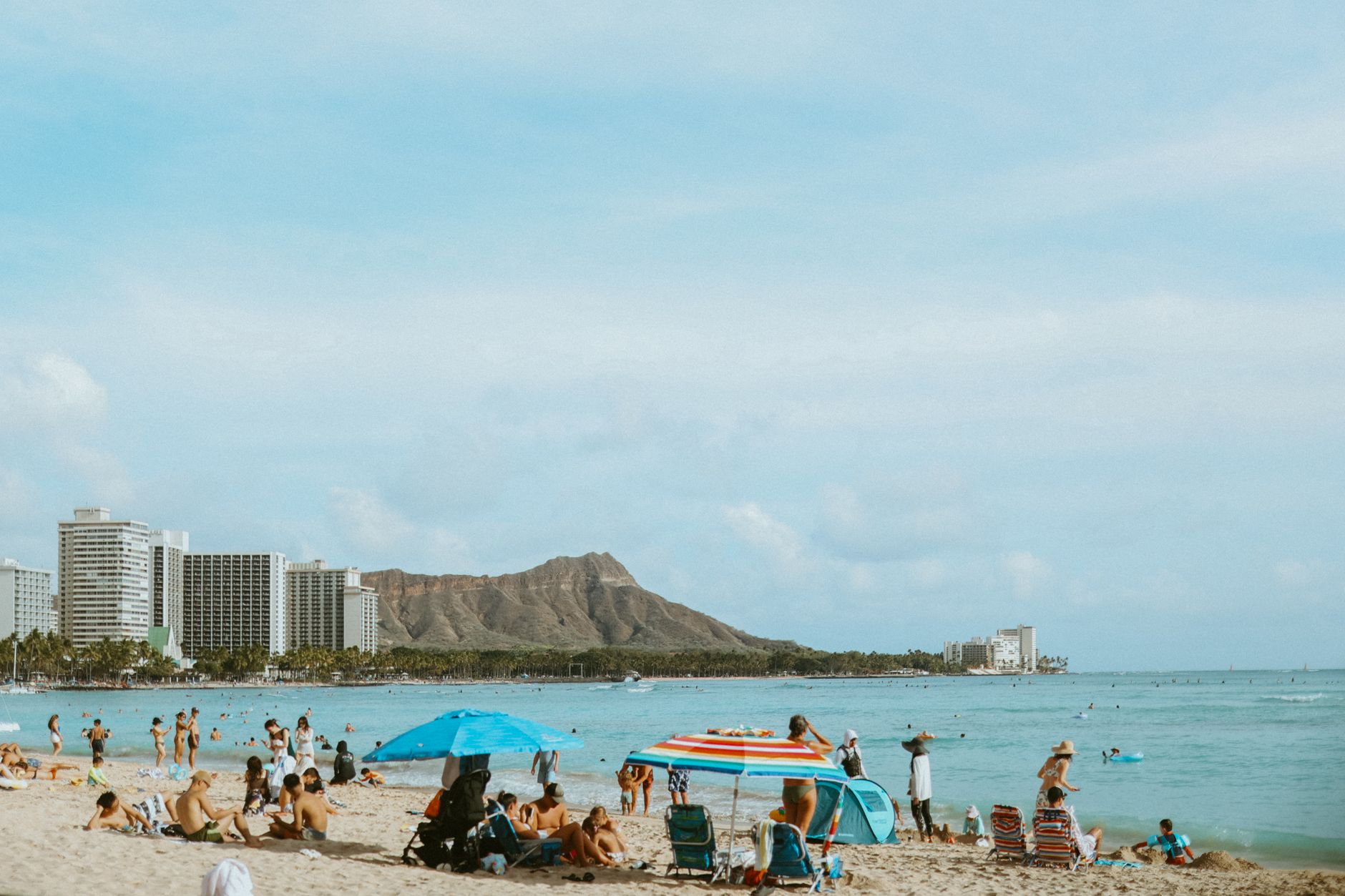
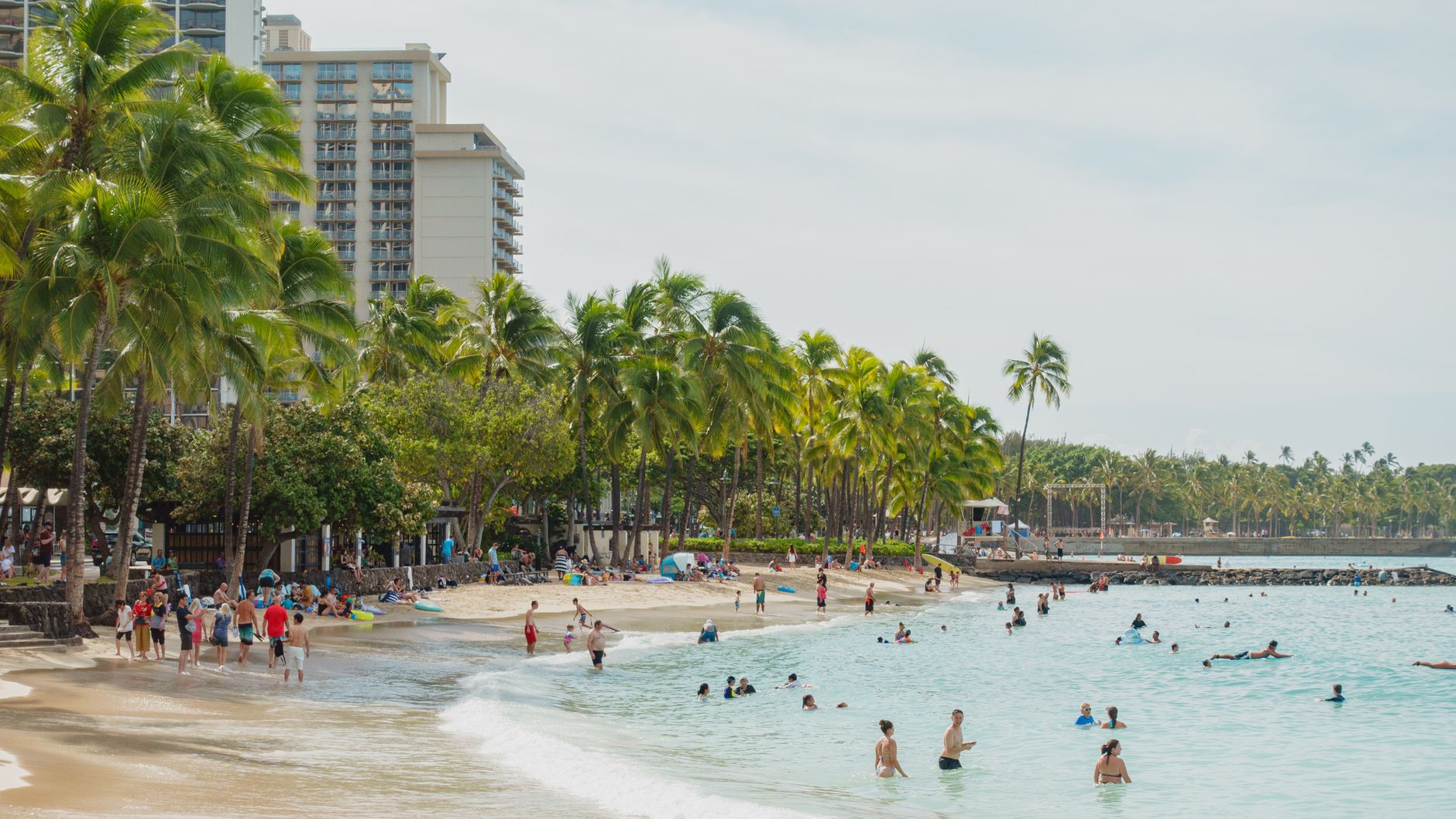
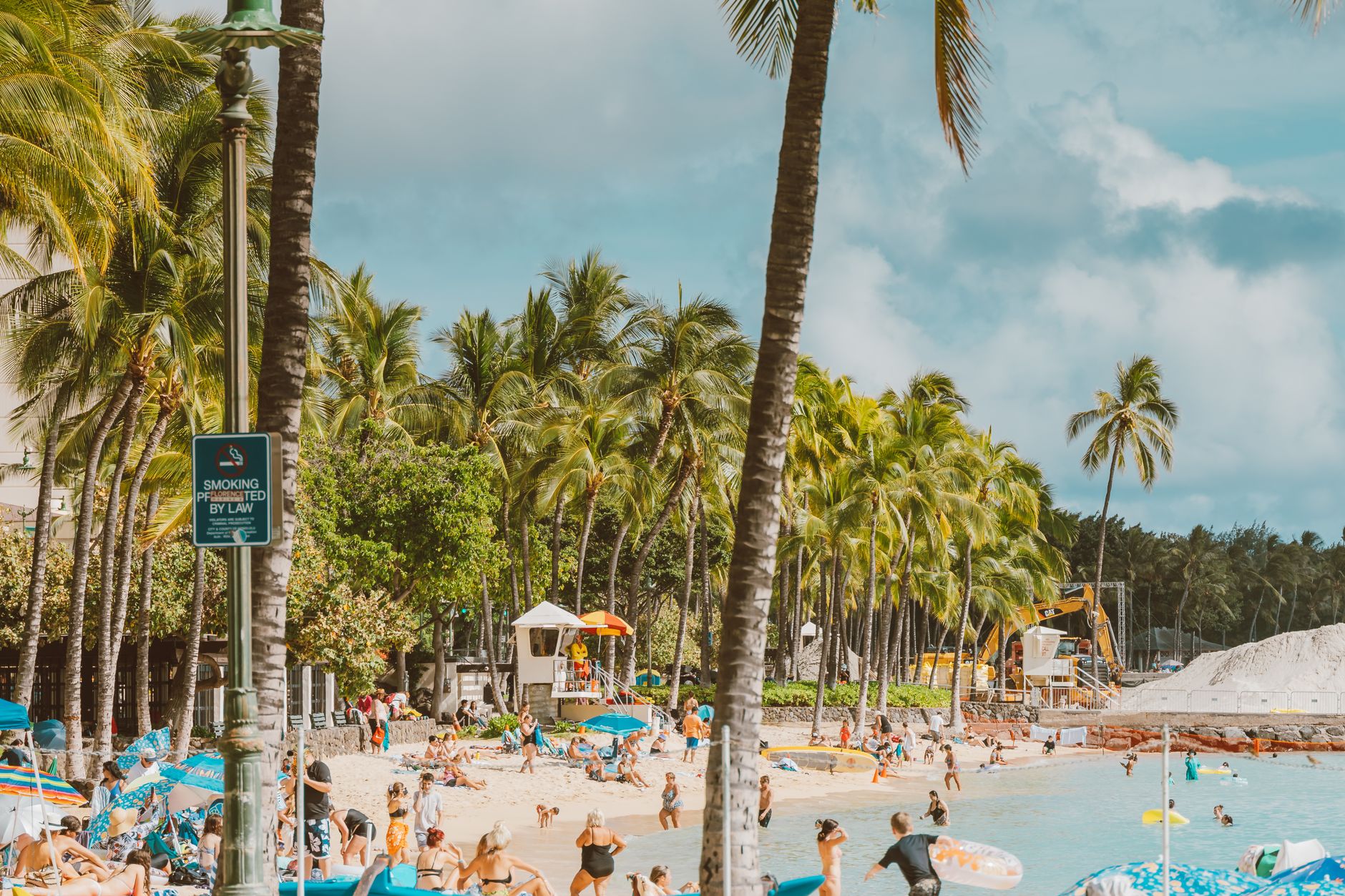
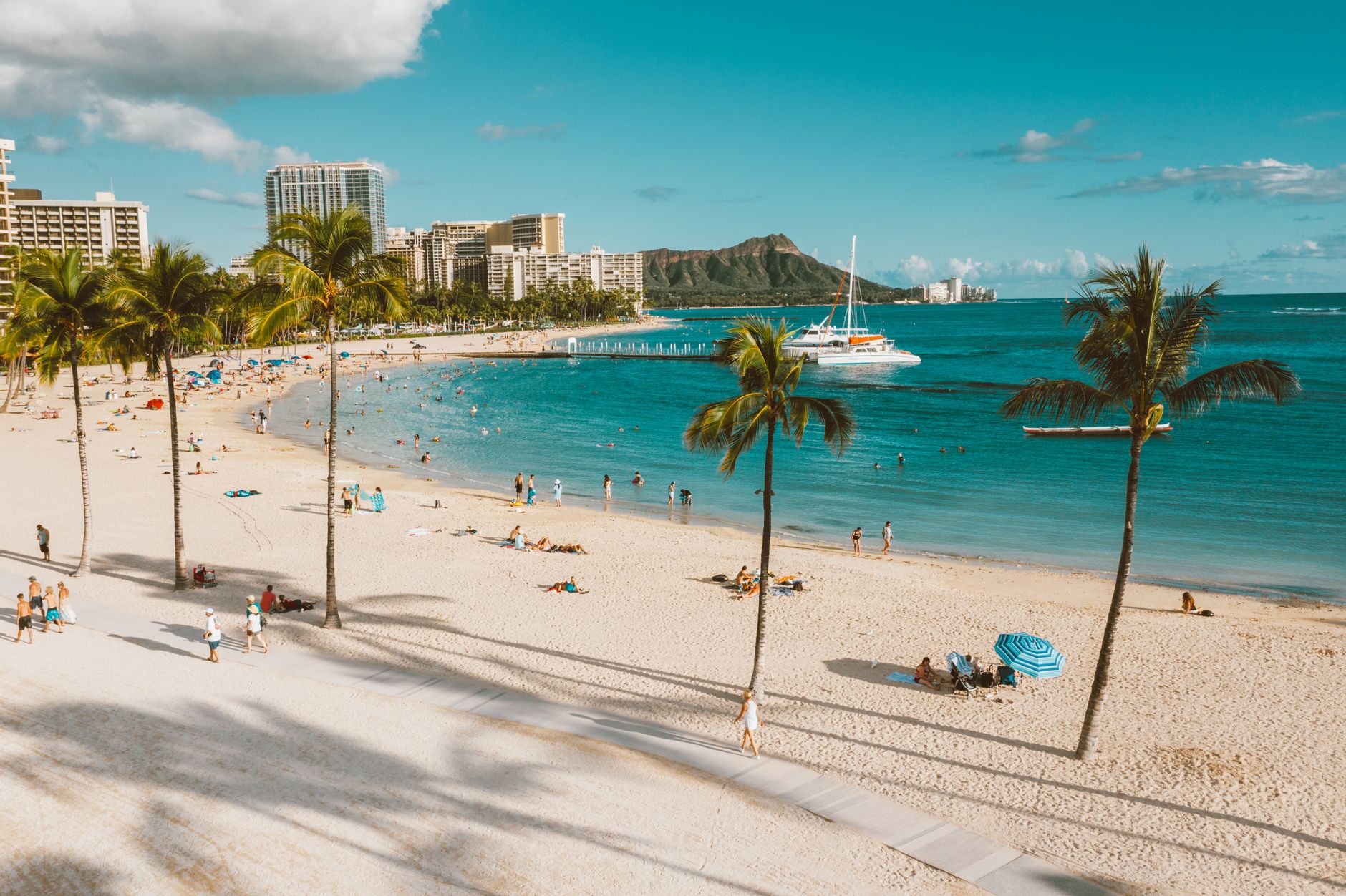
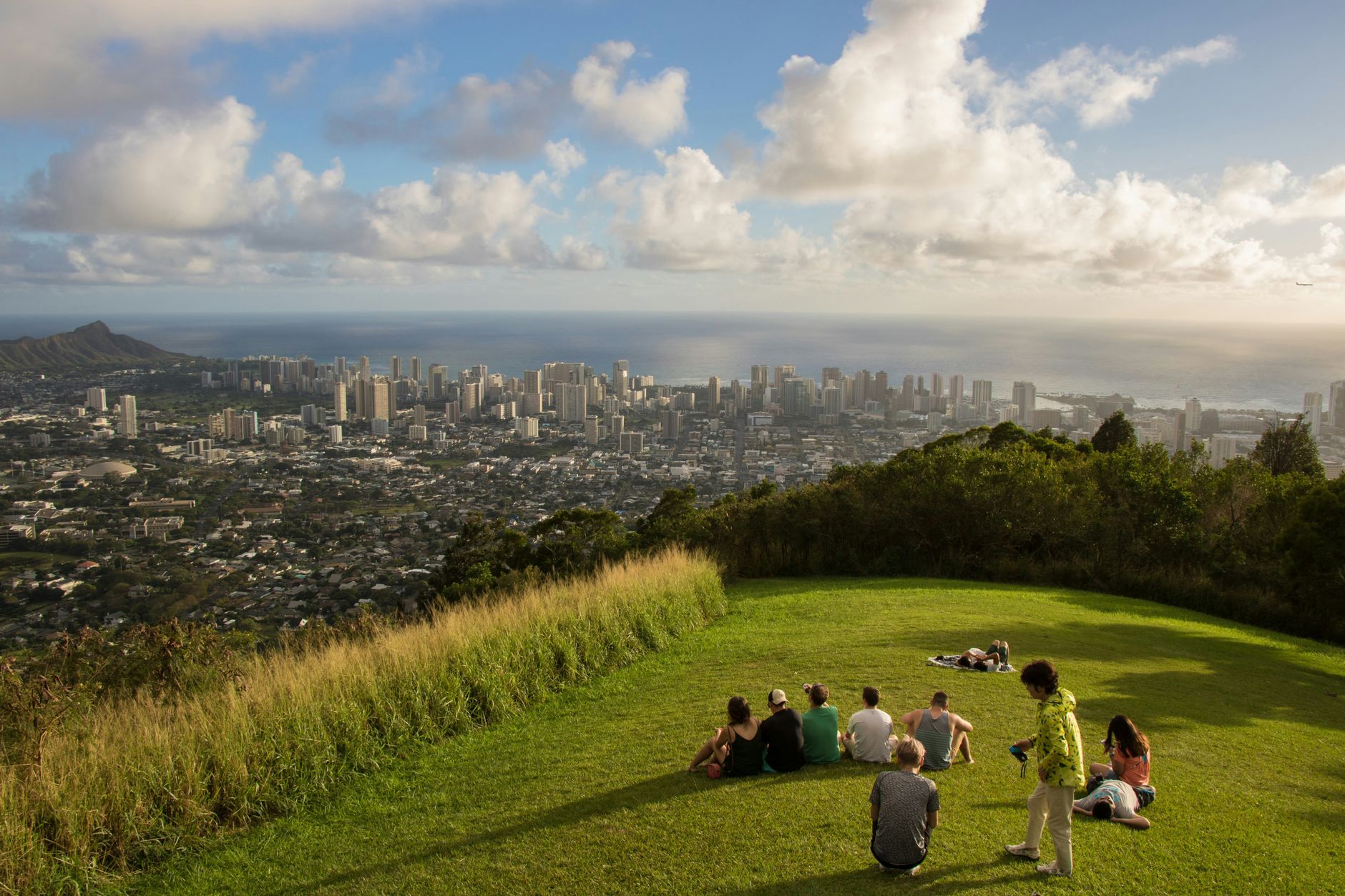
Honolulu Harbor has been receiving ships since 1794, when a British captain sailed in and found a port worth naming. That name — Fair Haven, translated into Hawaiian — stuck, and so did the traffic: whalers, missionaries, plantation laborers, warships. Today the city wears all of that history at once, sometimes on the same block. ʻIolani Palace, the only royal palace on American soil, sits a short walk from Chinatown streets that were already full of commerce in the 1880s.
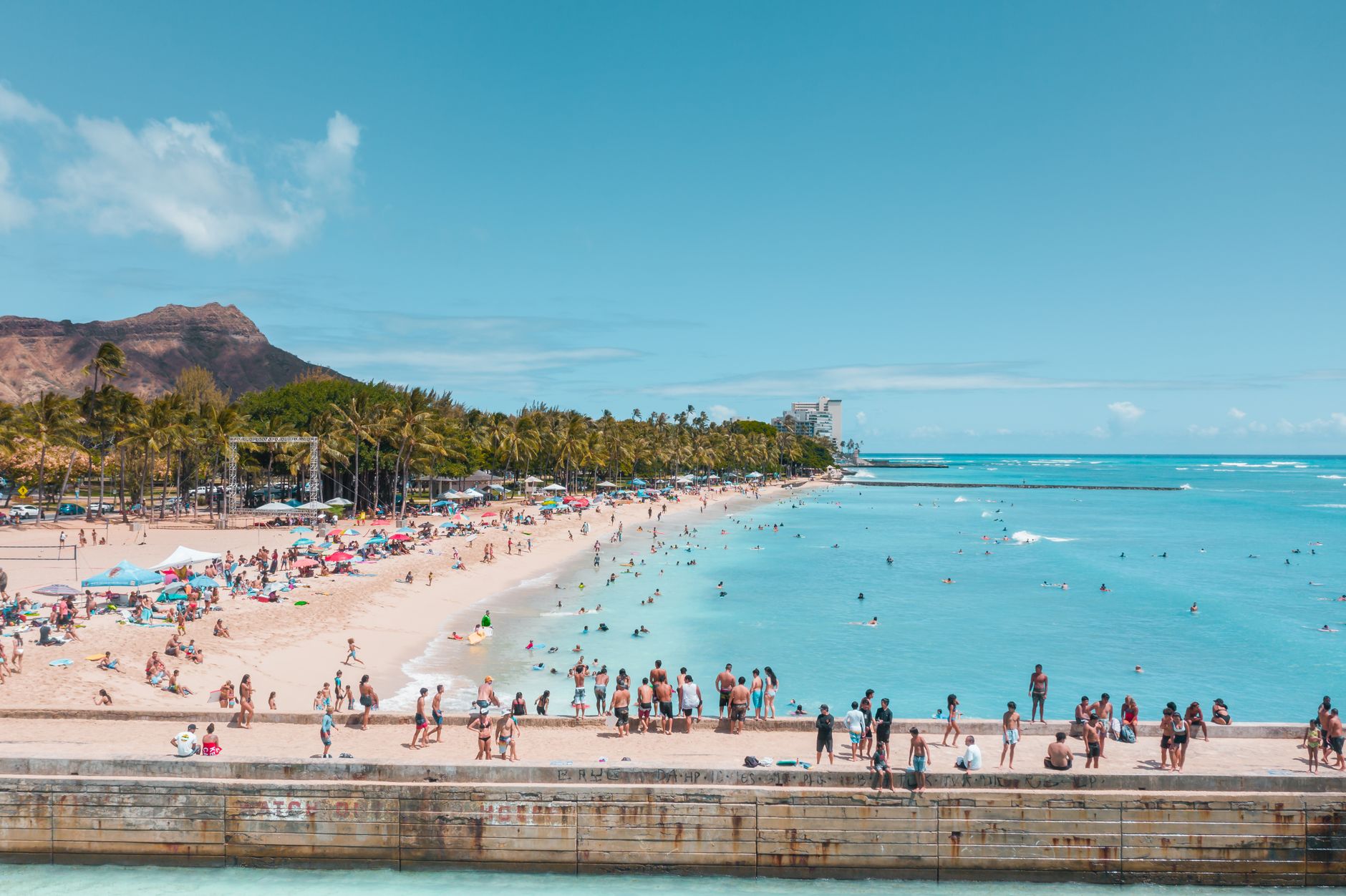
This is a capital city in the full sense — state government, international airport, the economic and cultural center of the Pacific's most isolated archipelago. The beach at Waikiki (its own entry on Yeppa) is just one corner of a much larger, more layered place.
💛 What travellers fall for
People who keep coming back tend to figure out TheBus early — $3 a ride, 115 routes, and the W Line runs from the airport to Waikiki every ten minutes starting before dawn. They also learn to spend a morning inside ʻIolani Palace before the tour groups arrive, and to walk Chinatown slowly, where the city's oldest commercial building has been standing since 1854.
Deals in Honolulu
Book directly at the provider


How Honolulu came to be
Polynesian settlers reached this part of Oʻahu around the 11th century. Western contact came much later: Captain William Brown sailed into the harbor in November 1794, and within decades the port had drawn missionaries, merchants, and waves of plantation laborers — Chinese workers arriving in the 1830s built a Chinatown so economically dominant that by 1884 they owned 60 percent of wholesale and retail establishments on the island.
In 1845, Kamehameha III moved the Hawaiian Kingdom's capital here from Lahaina, and in 1850 formally proclaimed Honolulu the capital of an independent kingdom. The monarchs who followed raised the city's skyline: ʻIolani Palace was completed in 1882 and wired for electric light in 1886, four years before the White House. That kingdom ended; on December 7, 1941, the attack on Pearl Harbor pulled Honolulu — and the United States — into World War II.
Who and what shaped it
People who shaped it
Landmark buildings
See Honolulu in motion
Plan your visit
On the map
When to go
Honolulu sits in a trade-wind belt that keeps temperatures remarkably steady year-round, generally between the mid-60s and high 80s Fahrenheit. Winter months (November through March) bring slightly more rain, particularly on the windward side of the island, but prolonged grey days are rare.
Right now
Background & history adapted from Wikipedia (CC BY-SA) · specs from Wikidata (CC0) · weather from Open-Meteo · map data © OpenStreetMap contributors · photos from Wikimedia Commons / Unsplash with per-image credit. No third-party reviews or social posts reproduced.