
Haleiwa
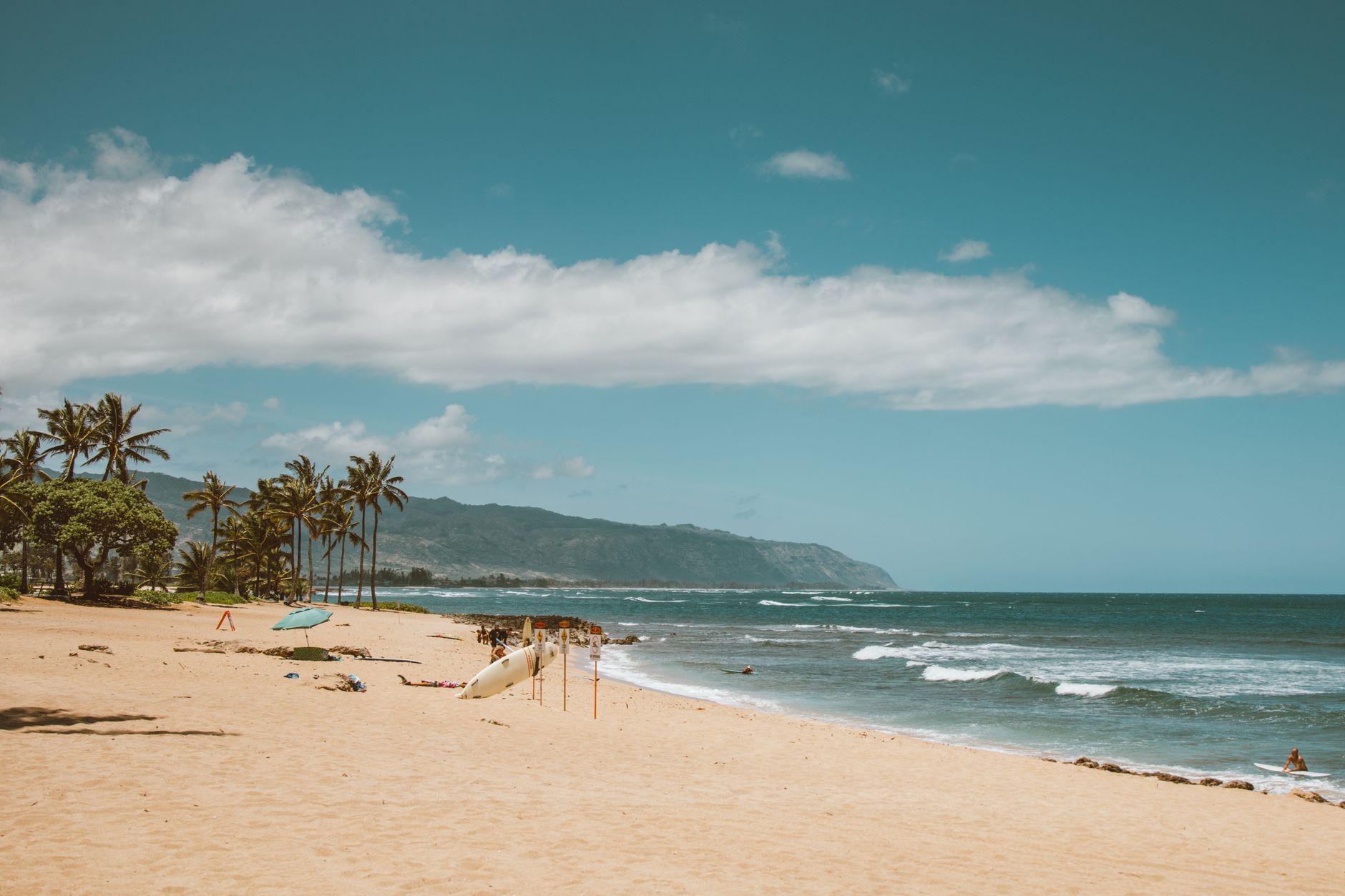
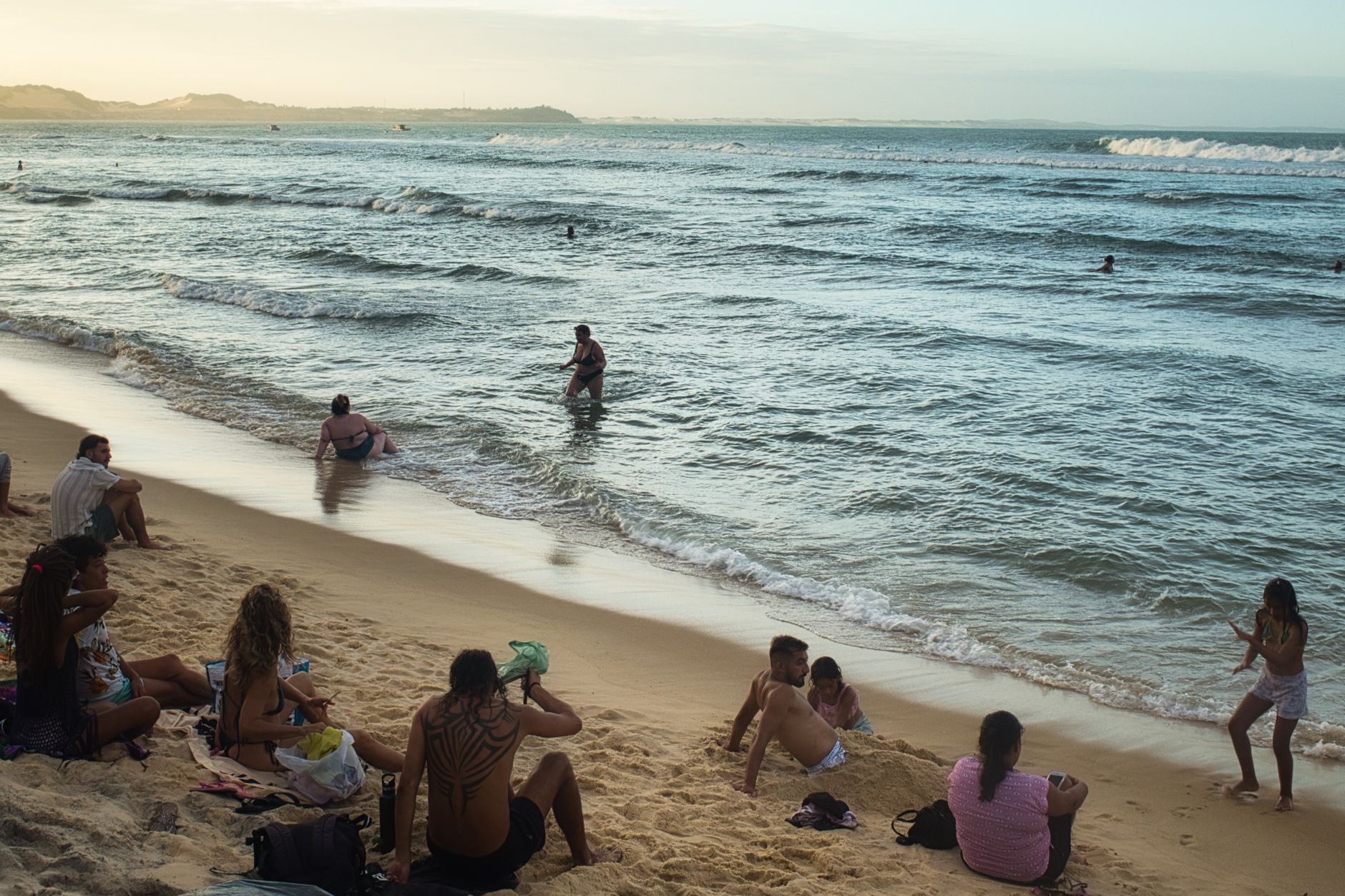
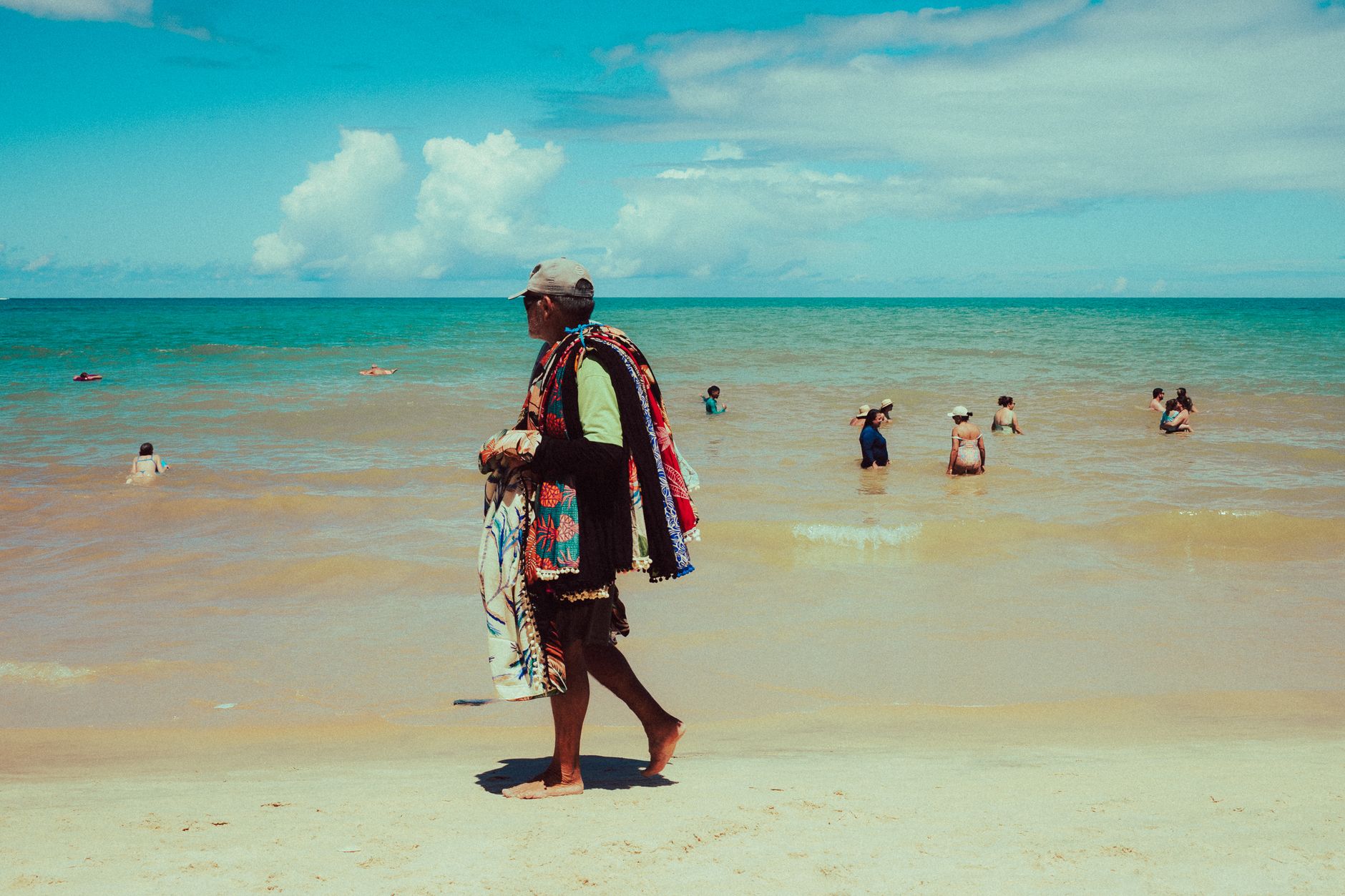
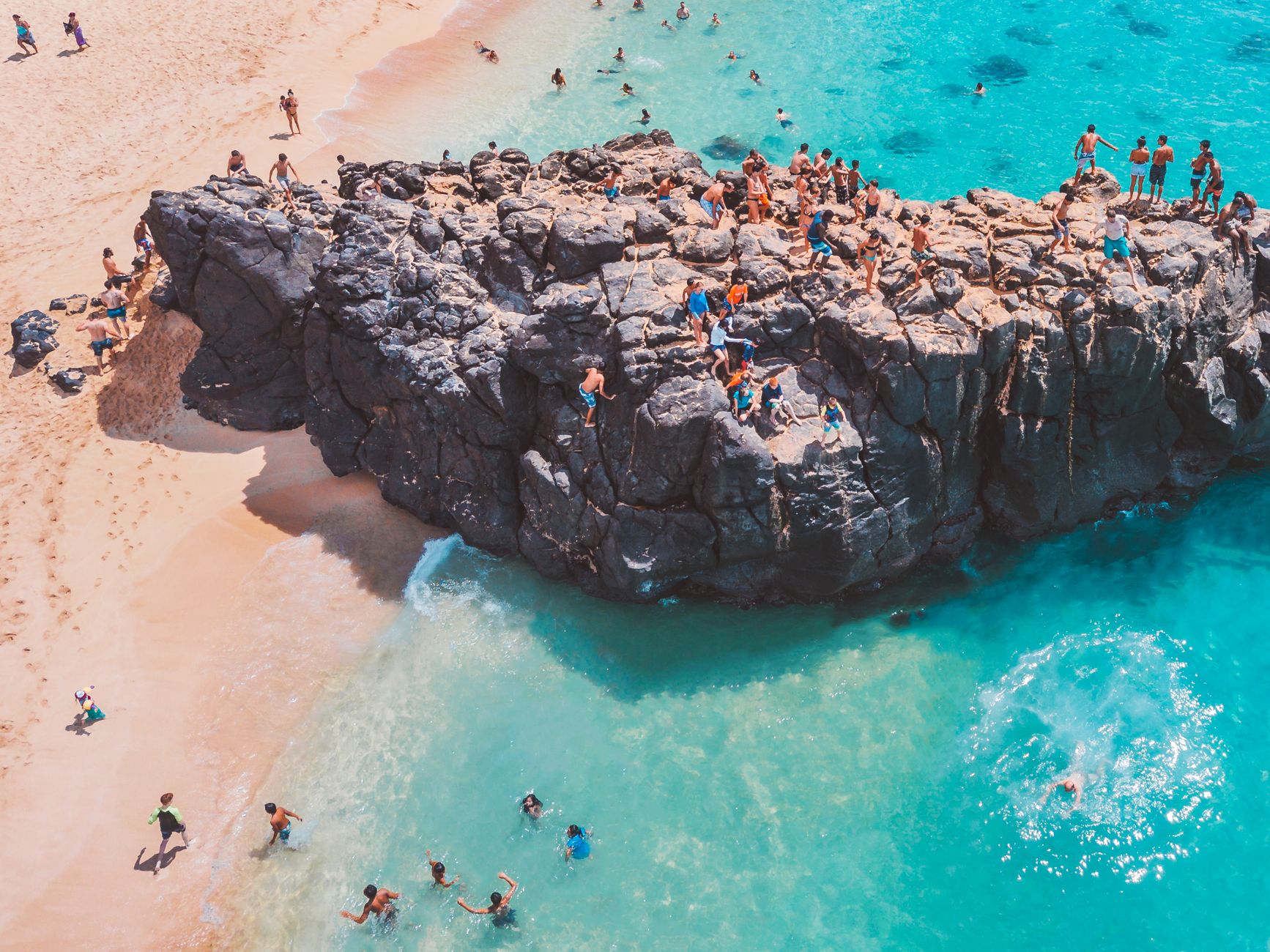
The road into Haleiwa announces itself with a change in pace — Kamehameha Highway narrows, the strip malls thin out, and suddenly you're crossing the Anahulu River on a double-arched concrete bridge built in 1921, one of the oldest in Hawaii. The town on the other side moves differently from the rest of Oahu: surf shops, a church graveyard, the smell of shave ice, and a coastline that has drawn people here for reasons that keep shifting across the centuries.
Haleiwa is the gateway to Oahu's North Shore, a stretch of small-town infrastructure that has absorbed missionaries, plantation workers from a dozen countries, and generations of surfers without losing its particular, unhurried character.
💛 What travellers fall for
People who keep coming back tend to arrive at Matsumoto's Shave Ice before 9 AM, right when the shutters go up, and they walk the Anahulu Stream afterward — paddleboard or on foot — before the day heats up. The Queen Liliuokalani Church graveyard, quiet beside the original mission site, rewards a slow ten minutes that most visitors skip entirely.
Deals in Haleiwa
Book directly at the provider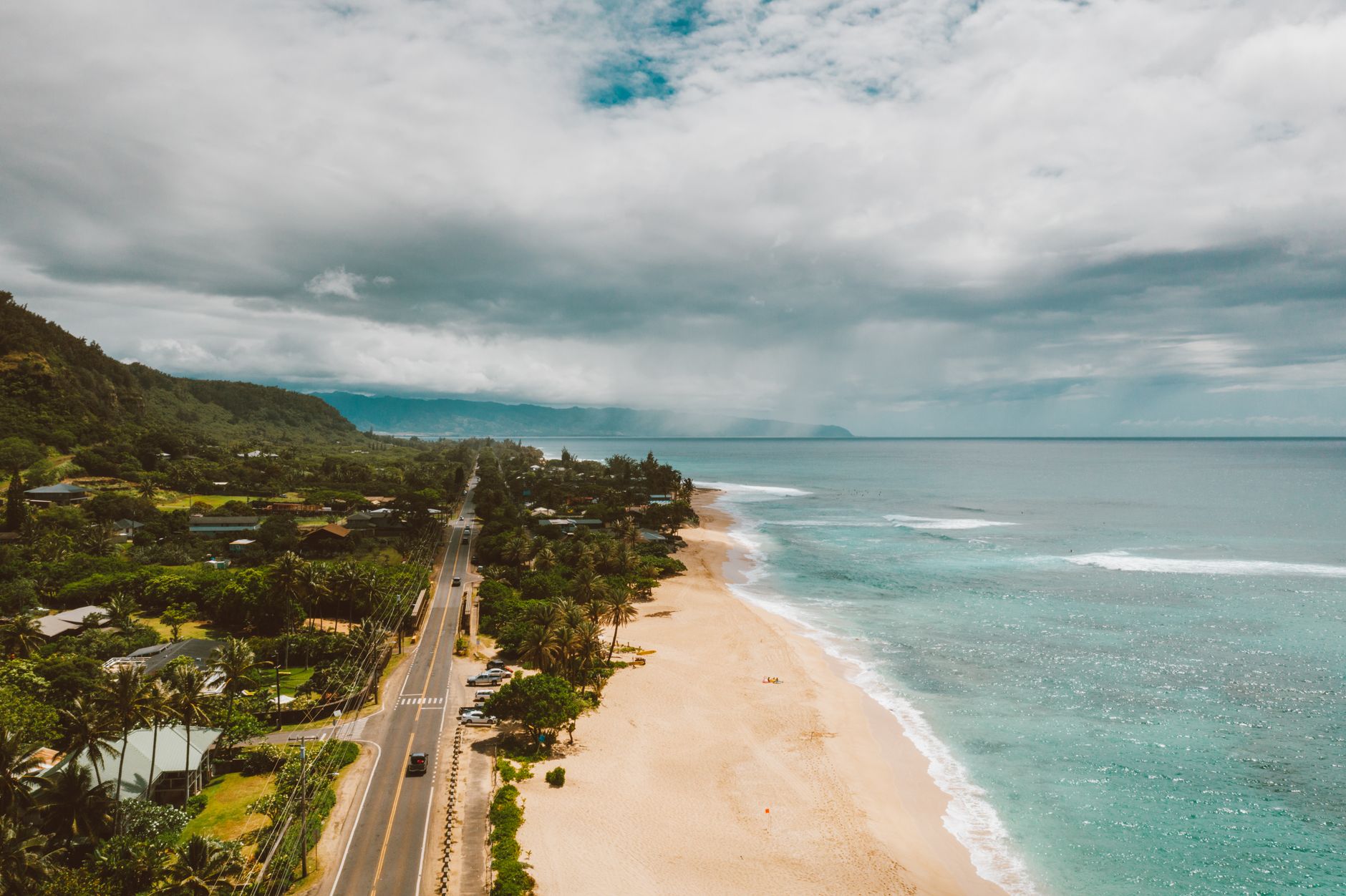

How Haleiwa came to be
The first thread runs back to 1832, when missionaries John and Ursula Emerson founded a Christian church here — the congregation that eventually became Queen Liliuokalani Church, whose building and entry gate still stand. The town's name emerged later: in 1865, Reverend Orramel H. Gulick established the Waialua Female Seminary, and the dormitory built for it was called Haleʻiwa — the name stuck to the place itself.
The modern town took shape in 1898, when businessman Benjamin Dillingham opened a forty-room Victorian hotel and ran a railway line from Honolulu around Ka'ena Point to stop directly in front of it. That same year the Waialua Agricultural Company was established, and the sugar industry that followed drew workers from Korea, Portugal, Japan, Sweden, Norway, and the Philippines — the layered ancestry still audible in local surnames and visible in the town's food. Haleiwa was designated a Historic, Cultural, and Scenic District in 1984.
Who and what shaped it
People who shaped it
Landmark buildings
See Haleiwa in motion
Plan your visit
On the map
When to go
January through April is the sweet spot: temperatures sit in the low-to-mid seventies, skies stay mostly clear, and the trade winds are manageable. From May onward the humidity climbs and holds through November — mornings are your best hours if you visit in summer.
Right now
Background & history adapted from Wikipedia (CC BY-SA) · specs from Wikidata (CC0) · weather from Open-Meteo · map data © OpenStreetMap contributors · photos from Wikimedia Commons / Unsplash with per-image credit. No third-party reviews or social posts reproduced.