
Hilo

Hilo is the kind of place that rewards slowing down. The city sits on the wet side of the Big Island, where rain comes often and the vegetation grows thick and unruly along the Wailuku River. Drive across the old Singing Bridge into downtown and your car hums a low note — locals say it's how you know you've arrived.
The bay-front streets hold a century of layered history: plantation-era storefronts, a 1925 movie palace, a former bank that now catalogues the two tsunamis that reshaped the city. Hilo doesn't try to compete with the resort towns on the island's western coast. It has its own pace, its own culture, and it's been quietly getting on with both for a long time.
💛 What travellers fall for
People who keep coming back tend to time their visits around the farmers' market on Wednesdays and Saturdays near the bay. They also mention arriving early at Rainbow Falls — the rainbow that gives the place its name only shows up on certain mornings, low in the mist, and it's gone before most visitors are out of bed.
Deals in Hilo
Book directly at the provider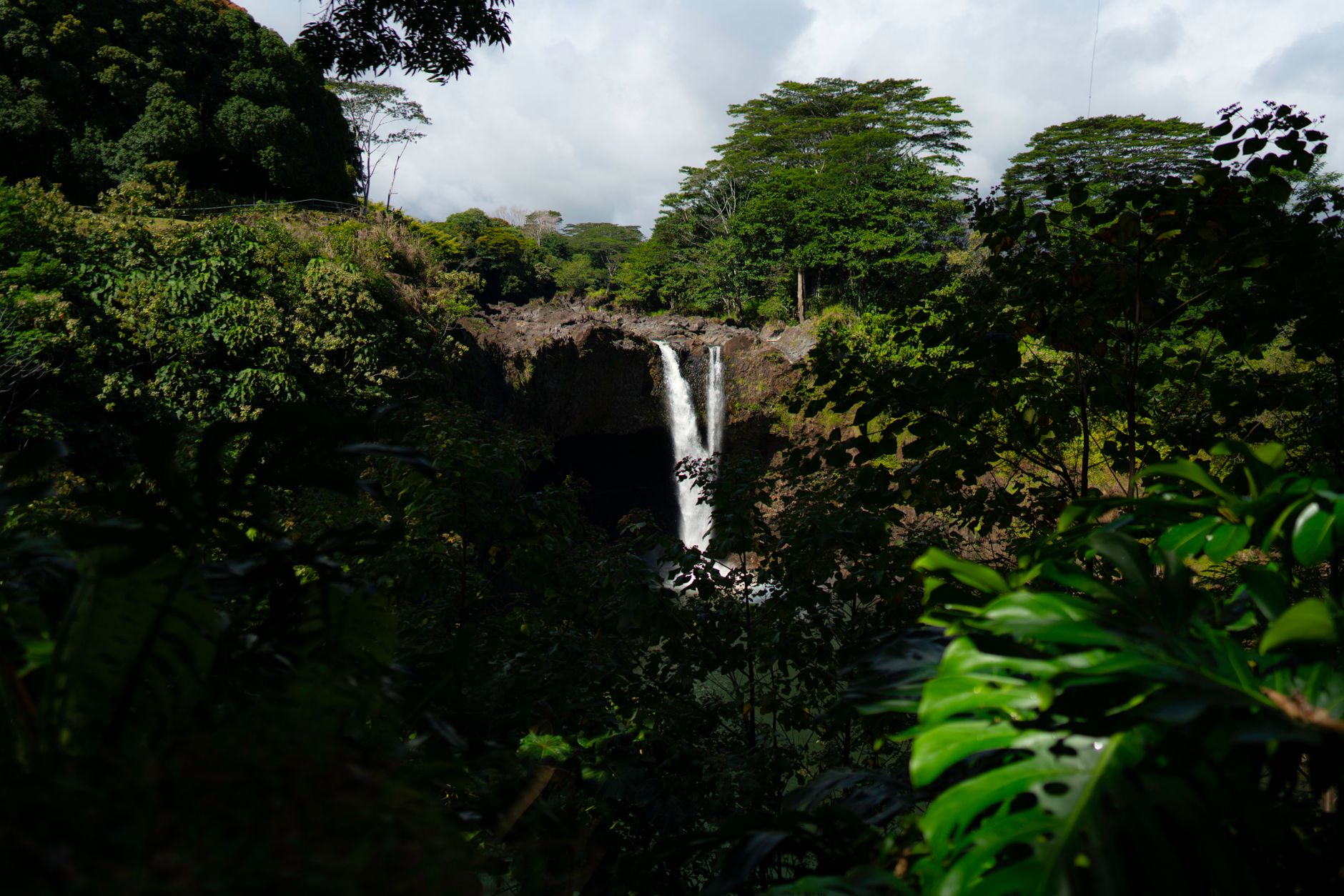

How Hilo came to be
People were living along this bay by around 1100 AD, and the name Hilo — meaning to twist or to braid — predates any Western record of the place. American missionaries arrived in the early-to-middle 19th century, establishing Haili Church and what became the island's oldest standing wooden structure, the Mission House of 1839. Sugar plantations drew tens of thousands of workers from China and across Asia, shaping the multicultural character the city still carries.
Twice, the ocean rewrote Hilo's map. On April 1, 1946, a tsunami generated by an 8.6-magnitude Aleutian earthquake killed 96 people here. Fourteen years later, a 9.5-magnitude earthquake off Chile sent another wave that claimed 61 more lives. The Pacific Tsunami Warning Center was founded in 1949 in direct response to the first disaster. The closures of the sugar plantations in the 1990s hit hard, but the downtown had already begun reinventing itself as a cultural district — galleries, museums, and the reopened Palace Theatre found a new audience through the decade that followed.
Who and what shaped it
People who shaped it
Landmark buildings
See Hilo in motion
Plan your visit
On the map
When to go
Hilo sits on the windward side of the island and receives more rainfall than almost anywhere else in the United States — showers can arrive and depart quickly at any time of year. Winter months bring heavier, more sustained rain; summer is drier but never dry.
Right now
Background & history adapted from Wikipedia (CC BY-SA) · specs from Wikidata (CC0) · weather from Open-Meteo · map data © OpenStreetMap contributors · photos from Wikimedia Commons / Unsplash with per-image credit. No third-party reviews or social posts reproduced.