
Lahaina

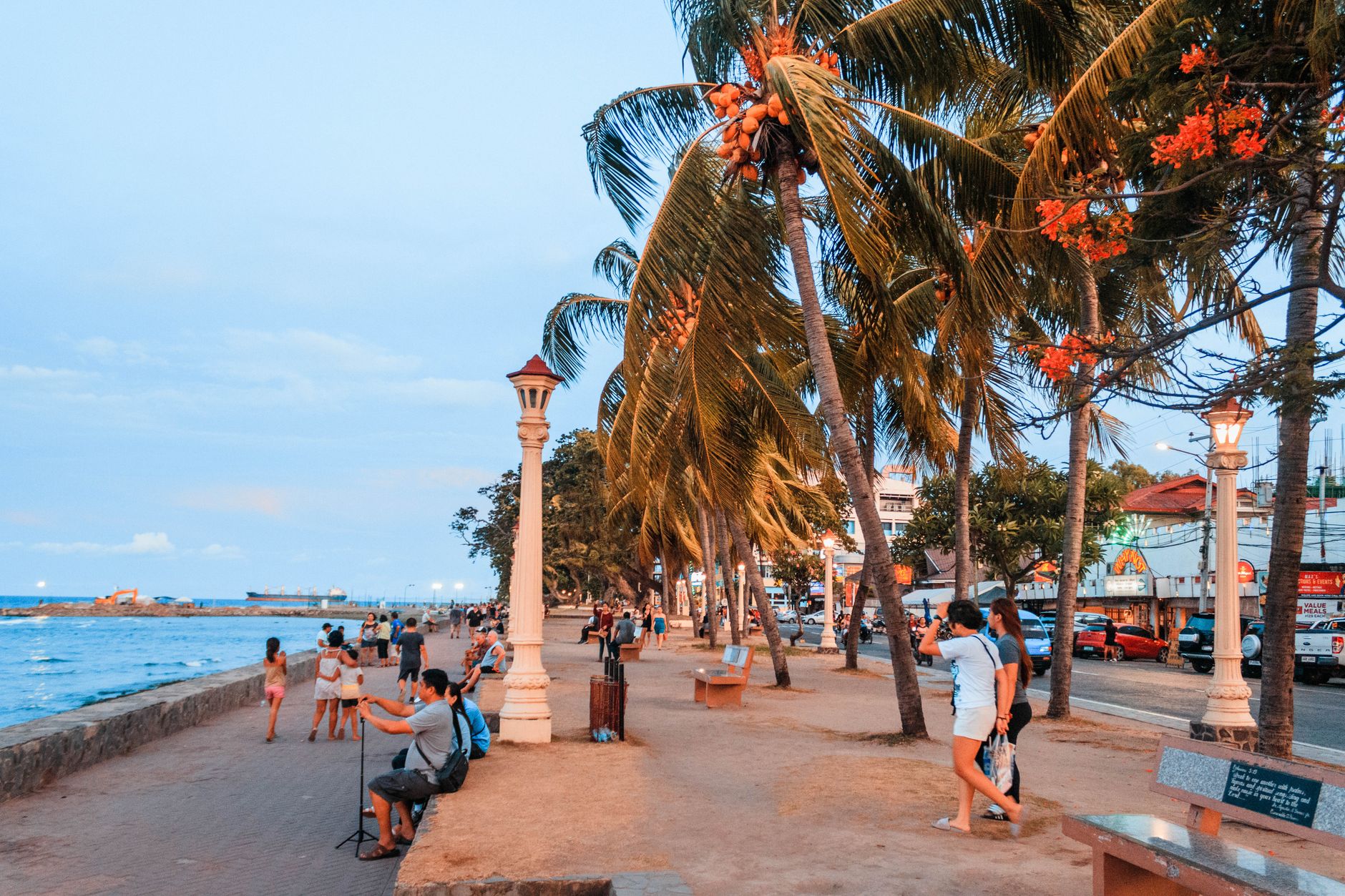
The banyan tree at the center of Lahaina covers roughly 200 feet of ground, its aerial roots dropping into a tangle of trunks that makes it impossible to say where the tree begins or ends. It was planted in 1873, which means it predates nearly everything else you'll see on Front Street — and it survived the August 2023 wildfires that took 102 lives and erased around 80 percent of the town. Lahaina is, right now, a place in the middle of grief and reconstruction, and that context matters before you visit.
Before any of that, this was a royal seat. Kamehameha the Great chose Lahaina as his residence, whalers crowded its harbor by the hundreds, and missionaries built churches from coral and volcanic stone. The layers are still legible if you know where to look.
💛 What travellers fall for
People who knew Lahaina before 2023 tend to mention the same landmarks: the Baldwin House's thick coral-stone walls, the lighthouse story (first in Hawaii, first on the US Pacific Coast, originally lit with whale oil), and the Wo Hing Museum's second-floor altar room, quiet above the street. Go slowly. The town rewards attention over distance.
Deals in Lahaina
Book directly at the provider

How Lahaina came to be
Kamehameha the Great established Lahaina as his royal residence in the early nineteenth century, and the town served as the capital of the Kingdom of Hawai'i until 1845, when governance moved to Honolulu. In that span, it held the Brick Palace, one of the first Western-design buildings in the islands, and drew Protestant missionaries at the invitation of Queen Keōpūolani, who converted on her deathbed. The Lahaina Fort went up in 1832. The Baldwin House, built from coral and volcanic stone in 1834–35, stood for nearly two centuries.
Whalers arrived in 1819 and eventually numbered more than 400 ships a year in the 1850s. Sugar followed: a mill established in 1861 became the Pioneer Mill Company and anchored West Maui's economy for generations. Hale Pa'i, on the grounds of Lahainaluna High School, housed Hawaii's first printing press and produced the islands' first paper currency in 1843. The wildfires of August 2023 destroyed most of what those centuries had built.
Who and what shaped it
People who shaped it
Landmark buildings
See Lahaina in motion
Plan your visit
On the map
When to go
Lahaina sits in the rain shadow of the West Maui Mountains, which makes it one of the drier, sunnier spots on the island year-round. Winter months (November through March) bring occasional strong winds down the Kauaula Valley and slightly cooler evenings; summer is hot and dry, with calm water most mornings.
Right now
Background & history adapted from Wikipedia (CC BY-SA) · specs from Wikidata (CC0) · weather from Open-Meteo · map data © OpenStreetMap contributors · photos from Wikimedia Commons / Unsplash with per-image credit. No third-party reviews or social posts reproduced.