
Waikiki
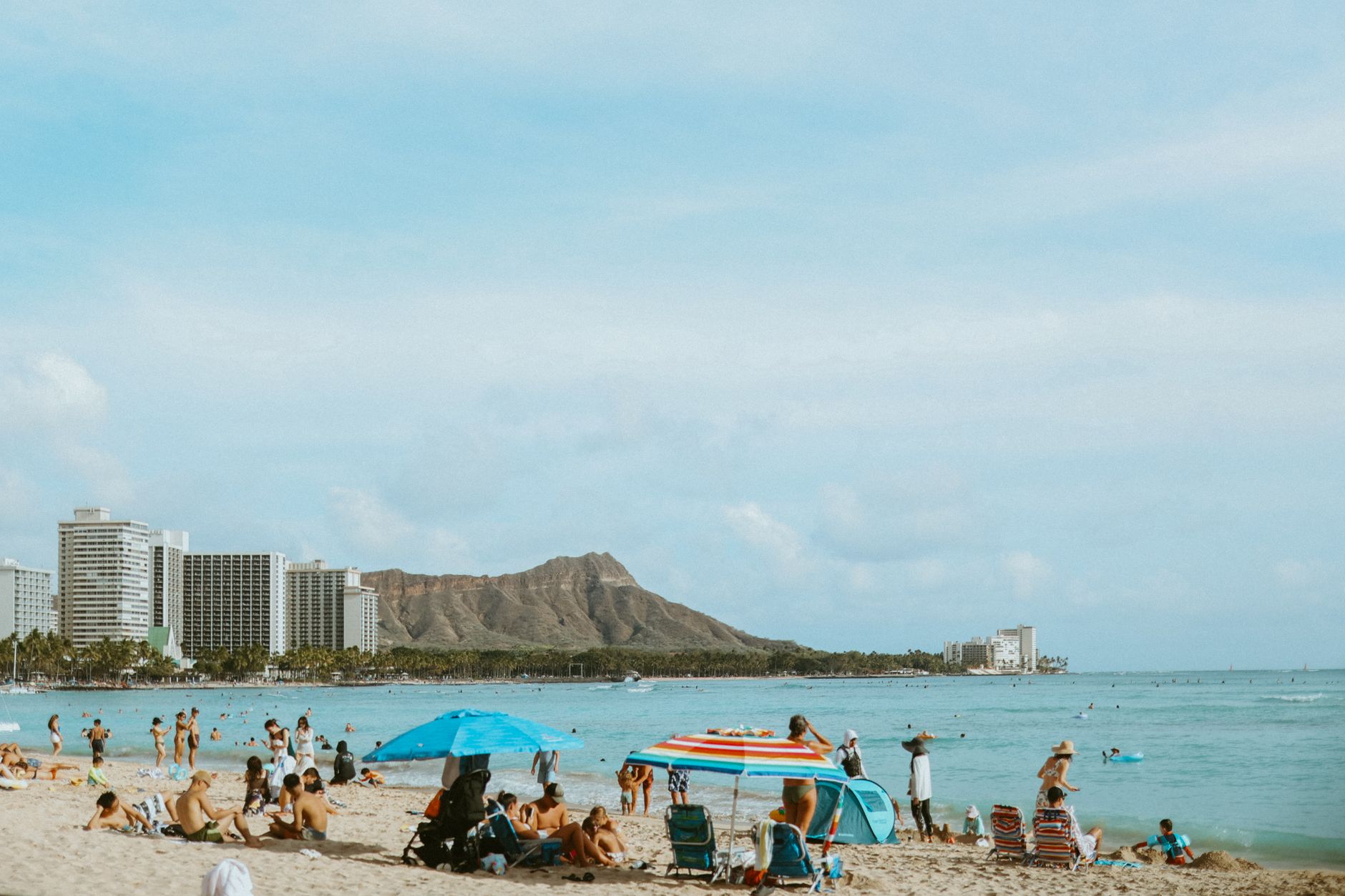
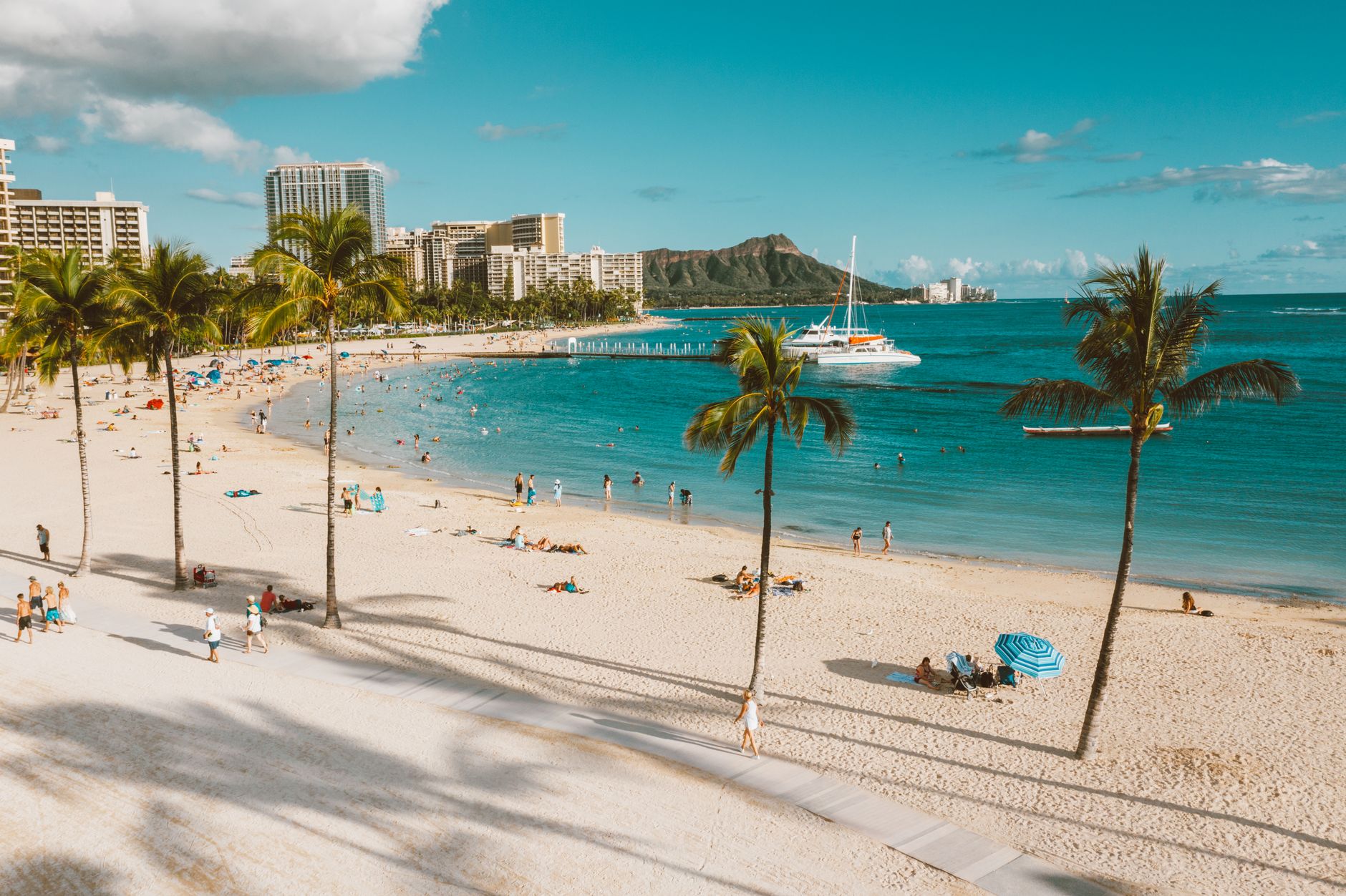
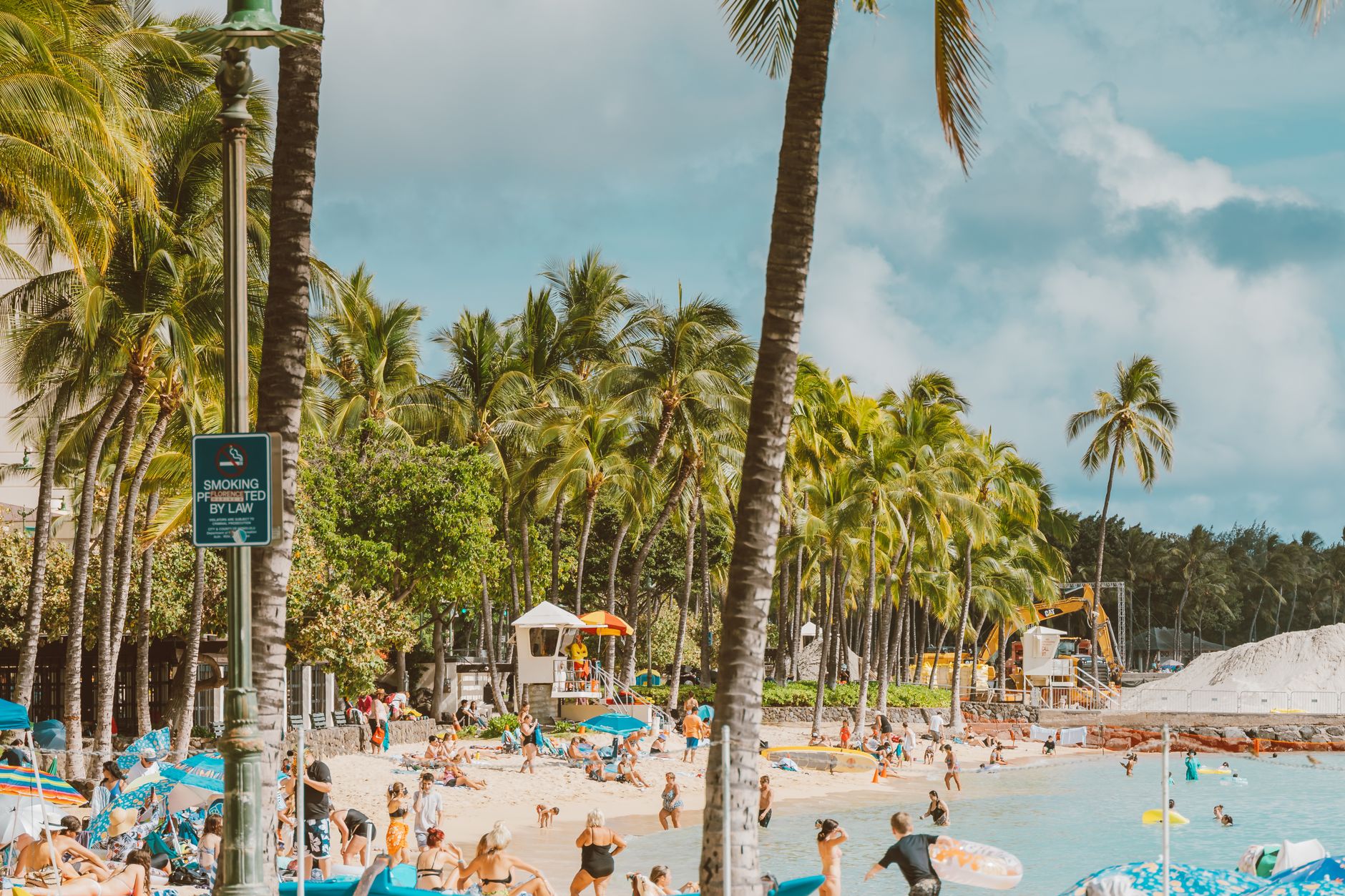
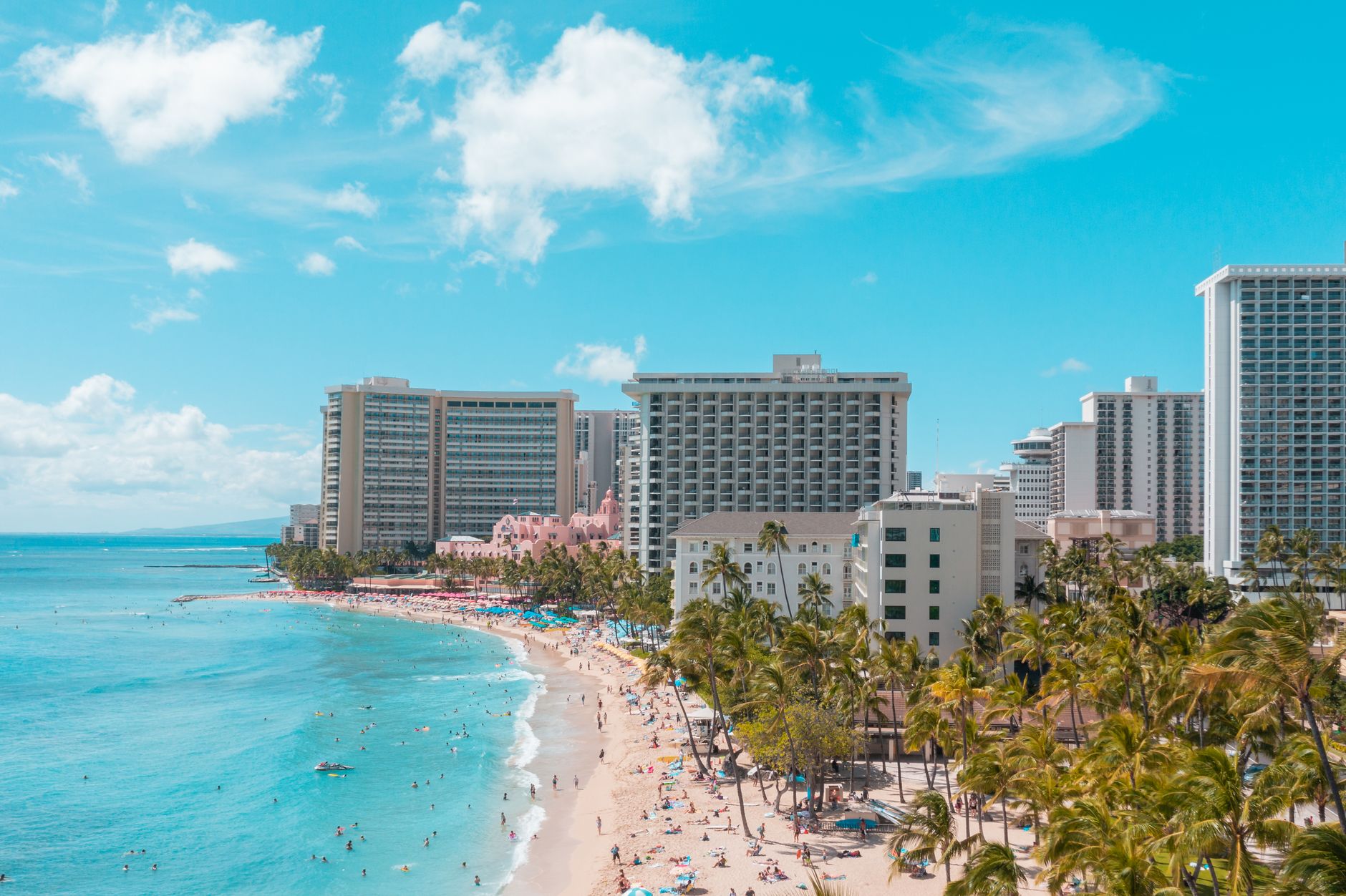
The name means 'spouting water' — a reference to the rivers and springs that once fed the marshes here, long before the hotels arrived. That older Waikiki, a place of fishponds and taro fields and royal retreats, is easy to forget when you're standing on a beach that has been rebuilt, grain by grain, with sand shipped in from California. But the bones of the place are older and stranger than the postcard suggests.
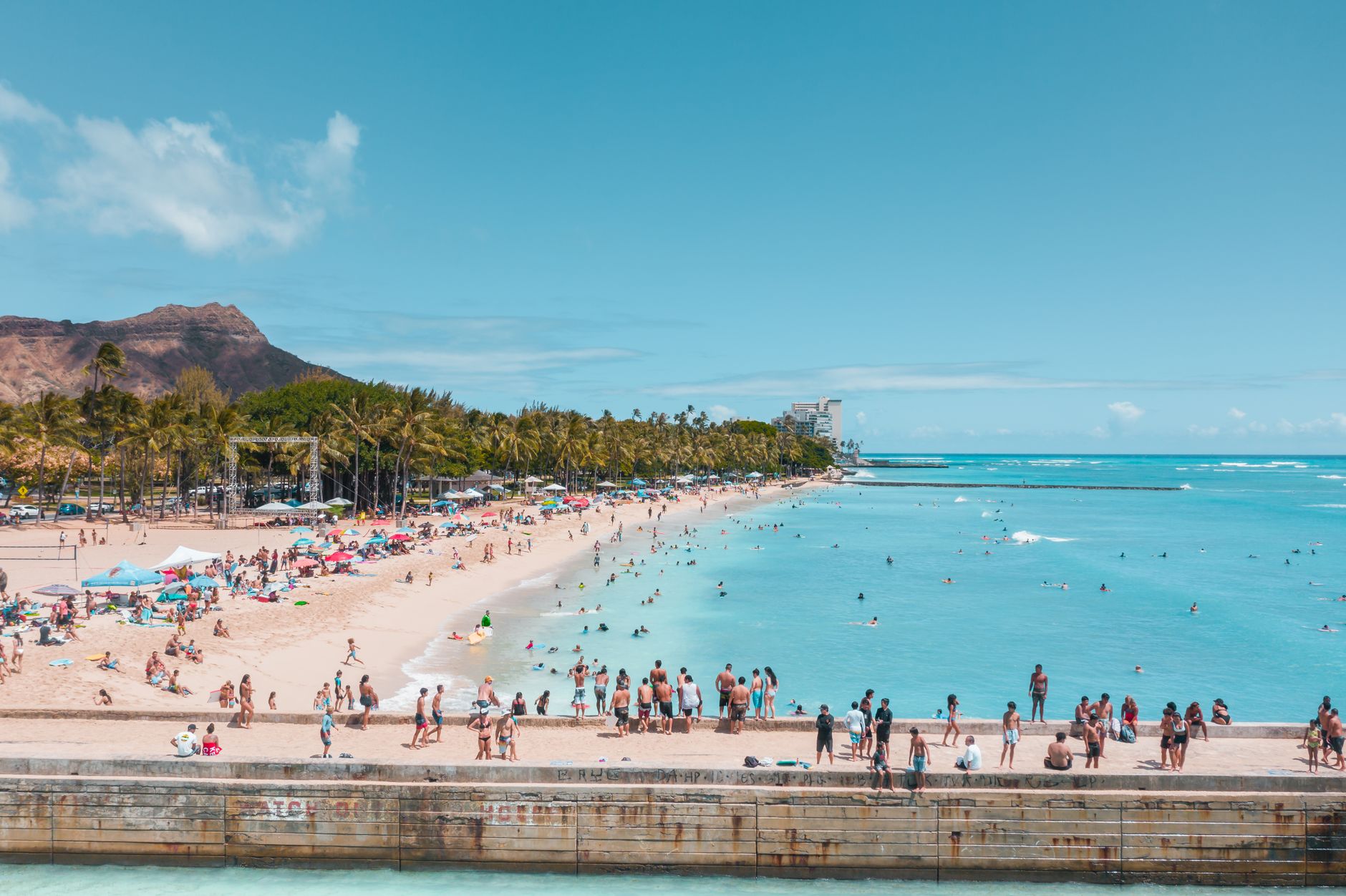
Today Waikiki runs a hard two miles of shoreline between Diamond Head and the Ala Wai Canal, packed with towers that went up fast in the 1960s and 70s. The beach itself is narrow and the water is warm and the surf is genuinely good — Duke Kahanamoku learned to read these waves, and the sport he helped take to the world started right here.
💛 What travellers fall for
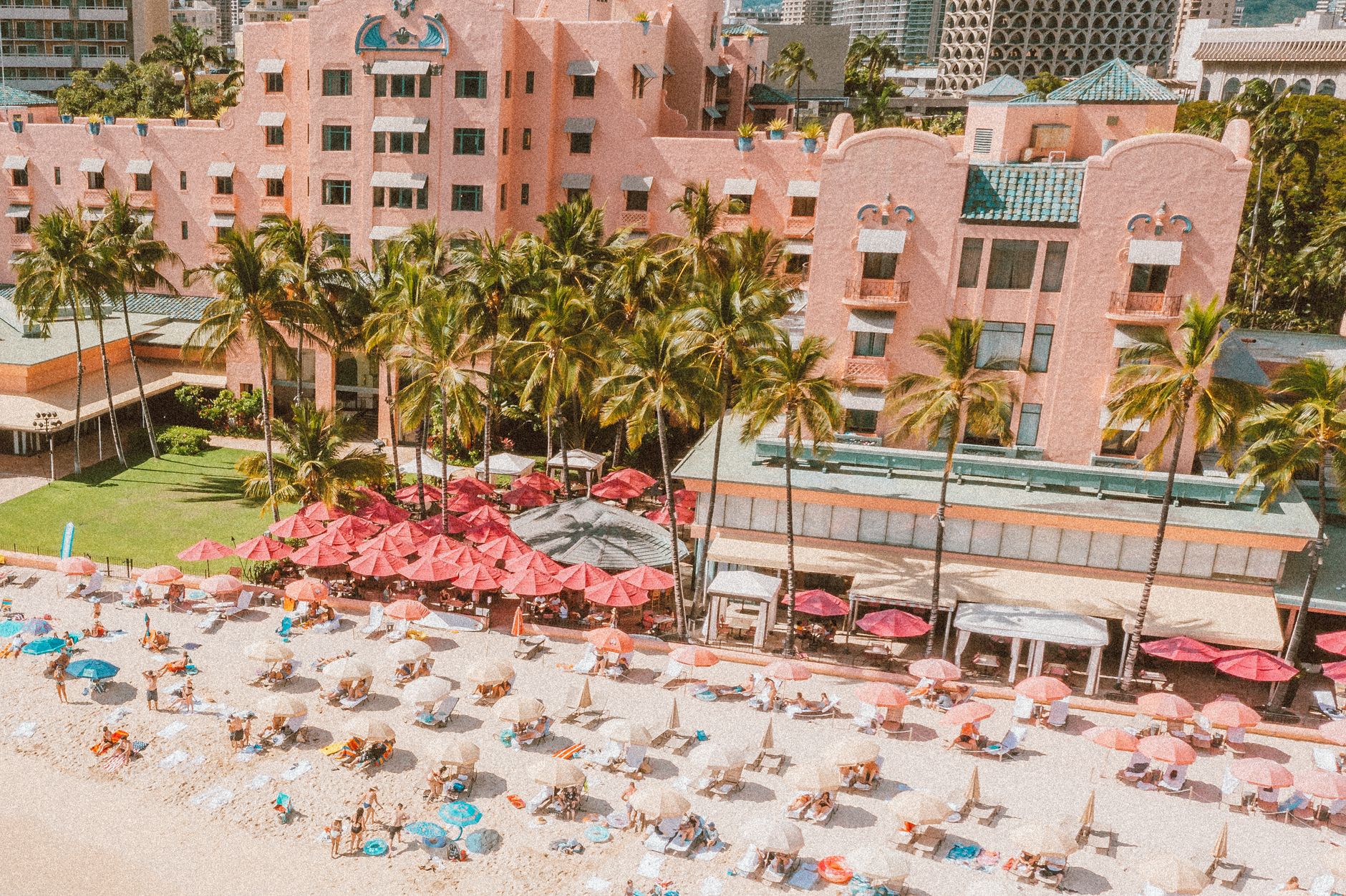
People who keep coming back tend to walk the seawall toward the Natatorium early, before the beach fills. The 1927 saltwater pool — tide-fed, 100 meters long, the largest of its kind in the country — is closed to swimming but still worth seeing up close. Late afternoon, the shadow of the Royal Hawaiian's pink walls turns the sand a particular color that photographs badly but stays in your memory.
Deals in Waikiki
Book directly at the provider


How Waikiki came to be
Waikiki was settled before 800 AD and by the 1450s had become the governmental center of Oahu. After the Kingdom of Hawaii was established, it briefly served as its first capital in 1795–96. For much of the 19th century it was a royal retreat, its wetlands productive with aquaculture and agriculture. King Kalakaua built the first road through in the 1880s, and in 1901 Oliver G. Traphagen's Moana Hotel opened — the first hotel on the beach, still standing.
The transformation into the place you see now came in two waves. The Ala Wai Canal, completed in 1928, drained the marshes and opened the land to development. Then commercial jet travel arrived and the 1950s and 60s brought high-rises: the Waikiki Biltmore, the Sheraton Princess Kaiulani, and eventually the Ilikai, a 26-story condominium tower that opened in 1965. Within two decades the low-rise neighborhood between Kuhio Avenue and the canal had been replaced almost entirely.
Who and what shaped it
People who shaped it
Landmark buildings
See Waikiki in motion
Plan your visit
On the map
When to go
Waikiki sits in a rain shadow cast by the Ko'olau Mountains, so it stays drier than much of Oahu year-round. Winter months (November through March) bring occasional showers and slightly cooler evenings; summer runs warm and humid with water temperatures that rarely dip below 75°F.
Right now
Background & history adapted from Wikipedia (CC BY-SA) · specs from Wikidata (CC0) · weather from Open-Meteo · map data © OpenStreetMap contributors · photos from Wikimedia Commons / Unsplash with per-image credit. No third-party reviews or social posts reproduced.